A long-term plan begins with a defined period of disruption and an honest inventory of the people, animals, equipment, and services the household depends on. A 30-day planning horizon is useful because it exposes weaknesses that a small overnight kit can hide: limited medication refills, inadequate fuel, insufficient waste storage, and food that requires more water or cooking energy than expected.
Write down each resident’s practical requirements rather than buying a generic supply package. Include infant feeding, allergies, diabetes supplies, mobility equipment, prescription schedules, pet food, hearing or vision needs, and language or literacy considerations. A person who uses an electric medical device has a different priority order from someone who only needs lighting and phone charging. Likewise, an apartment resident may need compact water storage and a stairwell evacuation option, while a homeowner may have room for larger containers but greater responsibility for septic, well, or generator systems.
Separate needs into three levels: items required for survival, items that preserve health and sanitation, and items that improve comfort or convenience. Water, essential medicines, safe shelter, food, hygiene, and emergency information belong in the first two levels. Specialty coffee or entertainment batteries may be worthwhile, but they should not displace water treatment, backup cooking, or first-aid supplies.
A useful household baseline includes:
People, pets, dietary restrictions, and caregiving responsibilities.
Typical daily water use, meals, medications, and power consumption.
Likely hazards such as winter storms, wildfire smoke, flooding, heat, or extended utility failure.
Storage space, budget, transportation options, and nearby support.
The common mistake is treating “long-term” as a shopping target rather than an operating condition. A large pile of supplies can fail if nobody knows which container is potable, how to cook the stored food, or when batteries and medicines expire. Link this baseline to What belongs in a long-term home preparedness plan as a living household record, not a one-time checklist.
Build Water, Food, and Sanitation Capacity
Water is the first system to design because it supports drinking, food preparation, medication use, handwashing, and some forms of cleaning. Stored water is convenient but heavy and space-intensive; filtration or disinfection can extend capacity when a safe source is available, but treatment does not correct every contamination problem. A durable plan uses clean containers, a clearly labeled rotation date, and a method suited to the likely source and hazard.
Food storage should combine ready-to-eat items with ingredients that can be prepared using limited fuel. Canned vegetables, beans, fish, fruit, nut butters, shelf-stable milk, crackers, oats, rice, pasta, and commercially packaged meals can serve different roles. Dry staples often cost less per serving, but they require water, heat, cookware, and time. Canned foods are easier during a power outage, although they require manual opening and add weight. The best mix reflects ordinary meals, not an aspirational menu nobody in the home will eat.
Test the food system before an emergency. Prepare a meal using the intended stove or fuel and measure how much water it consumes. Notice whether the cooking area produces dangerous heat or fumes indoors. Rotate stock by placing newer purchases behind older ones, and inspect cans for damage, swelling, leakage, or rust. Food allergies and medical diets need dedicated substitutes; assuming that a household can simply “eat what is available” creates avoidable risk.
Sanitation deserves equal planning because waste accumulates even when food remains available. Include soap, toilet paper, menstrual products, diapers, gloves, disinfectant, heavy-duty bags, absorbent material, and a method for separating ordinary rubbish from potentially hazardous waste. Local health departments may issue different instructions after floods, sewage failures, or water advisories, so a plan should leave room for official guidance.
Do not let bulk purchasing replace usability. A basement stacked with large water jugs may be inaccessible during a flood, while a compact apartment may need smaller containers distributed across rooms. Keep a working can opener, measuring containers, hand-crank or battery lighting, and printed treatment instructions with the supplies. The related long-term home preparedness plan checklist should be tested under realistic constraints, including limited water, low light, and reduced mobility.
Plan for Power, Health, and Communication Disruptions
Extended utility loss changes how a household stores food, manages temperature, receives information, and handles medical needs. A preparedness plan should identify the smallest set of electrical functions that must continue and then match backup power to those loads. Refrigeration for medication, a heating device, oxygen equipment, a sump pump, or a communication device may matter more than running every appliance.
Battery banks, rechargeable lanterns, vehicle charging, solar panels, and generators each have limitations. A battery bank is quiet and simple but eventually needs recharging. Solar equipment depends on weather, placement, and charging time. A generator can support heavier loads but requires safe outdoor operation, fuel storage, maintenance, and careful attention to carbon-monoxide hazards. Never use a fuel-burning generator, camp stove, or charcoal appliance inside a home, garage, basement, or enclosed porch.
Health planning should include a current medication list, copies of prescriptions, first-aid materials, thermometers, protective gloves, and contact information for clinicians, pharmacies, insurers, and emergency services. Ask healthcare providers and pharmacists about lawful refill planning for essential medicines rather than guessing at quantities. Keep temperature-sensitive supplies according to their labeling; improvised storage can make them unusable.
Communication plans fail when they depend on one charged phone. Record out-of-area contacts, meeting places, school or workplace procedures, utility numbers, and local alert channels on paper. A battery radio may provide information when internet service is down, while text messages may work when voice calls are congested. Family members should know how to check in, where to go if the home is unsafe, and who can assist a resident who cannot travel independently.
A common misconception is that a generator solves preparedness by itself. It does not provide water, sanitation, medical judgment, or information about whether roads and neighborhoods are safe. Build a layered arrangement: reduce electrical demand, preserve essential loads, maintain lighting and communications, and establish a clear shutdown procedure. For hazard-specific planning, home preparedness planning resources should supplement—not replace—local official alerts.
Maintain, Test, and Adapt the Plan
Long-term preparedness works only when supplies remain usable and household members can operate them under stress. Assign maintenance tasks to specific people and place dates on a shared calendar. Check water containers for leaks, rotate food, inspect batteries, run backup equipment according to manufacturer instructions, review contact lists, and replace first-aid items that have been opened or contaminated.
Testing should resemble the disruption you are preparing for. Try a no-grid evening using only planned lighting and cooking equipment. Conduct a weekend without relying on the refrigerator, online shopping, or automatic phone charging. Ask whether the household can find medications in the dark, open stored food, manage waste, and receive an official warning. These exercises reveal failures that an inventory sheet cannot: a stove that is too slow, a flashlight with incompatible batteries, or supplies stored where an older adult cannot reach them.
Use a priority order when money or space is limited. First secure water, essential medications, sanitation, and safe food. Next address lighting, communications, temperature control, and backup cooking. Then improve documentation, repair supplies, comfort items, and redundancy. Buying an expensive power station before storing adequate water is a poor tradeoff; so is purchasing months of unfamiliar dry food while lacking a safe way to prepare it.
Review the plan after moving, adding a household member, changing medication, adopting a pet, experiencing a local outage, or learning of a new hazard. Seasonal changes matter too: winter may require insulation, safe heat, and cold-weather clothing, while summer may require cooling, shade, electrolyte-containing foods, and a plan for spoiled refrigerated items. Watch for signs that the approach is failing: expired stock, untested equipment, inaccessible containers, unclear responsibilities, or supplies that depend on one person.
Keep the final plan short enough to use. A printed household profile, supply map, contact sheet, equipment instructions, and monthly maintenance list are more valuable than an elaborate document nobody opens. Preparedness becomes dependable when every major item has an owner, a storage location, a replacement date, and a tested use case.
Frequently Asked Questions
How long should a home preparedness plan cover?
A 30-day horizon is a practical long-term target, but households can build it gradually. The appropriate period depends on hazards, storage, budget, medical needs, and access to outside assistance.
What should be stored before buying specialized equipment?
Prioritize potable water, essential medications, sanitation supplies, familiar food, lighting, and a way to receive alerts. Specialized power equipment is useful only when those basics are covered and safely operated.
How should stored food be selected?
Choose foods household members already eat, including dietary substitutes, and combine ready-to-eat items with ingredients that match available water, fuel, cookware, and preparation time.
Does a generator provide complete backup?
No. It supports selected electrical loads but requires fuel, maintenance, safe placement, and carbon-monoxide precautions. It does not replace water, sanitation, communication, or evacuation planning.
How often should the plan be reviewed?
Check consumables and equipment regularly, with a more complete review at least seasonally and after changes in residence, health, household membership, pets, or local hazards.
Further Reading
Authoritative Sources
Academy of Nutrition and Dietetics eatright.org
Professional nutrition guidance, healthy eating resources, and practical dietitian-reviewed advice.
U.S. Department of Agriculture usda.gov
Official food, nutrition, agriculture, and consumer guidance from the USDA.
NIH Office of Dietary Supplements ods.od.nih.gov
Research-based fact sheets on nutrients, supplements, dietary intake, and safety considerations.
International Society of Sports Nutrition sportsnutritionsociety.org
Evidence-informed sports nutrition resources and position stands for active people and athletes.
Conclusion
A durable home preparedness plan is a maintained household system, not a crowded storage shelf. Define the disruption period, list the people and dependencies that shape daily needs, then build capacity around water, food, sanitation, medicines, power, communications, and safety. Test each major part under realistic conditions: prepare a stored meal, operate lighting without the grid, locate documents, and decide how waste and medication needs will be handled. Under a tight budget, fund basic water, health, sanitation, and familiar food before adding advanced equipment. Review the plan with the seasons and after every meaningful household change. The next useful action is a written inventory that identifies what is available, what is missing, where it is stored, and when it must be replaced.
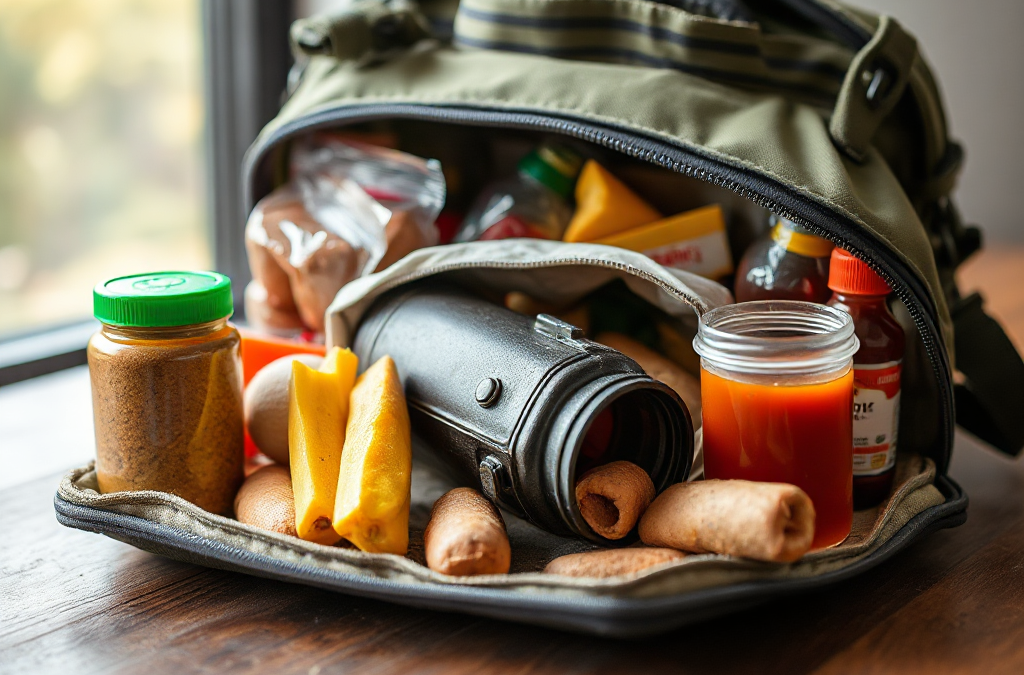
A bug out bag is a portable kit that contains the essential items one would need to survive for at least 72 hours during an emergency. The primary purpose is to ensure that you can evacuate quickly and safely, with necessary supplies readily available. Food is a critical component of these bags, as it provides the energy and nourishment needed to maintain physical and mental performance during stressful situations.
When selecting foods for your bug out bag, consider factors such as shelf life, weight, and preparation requirements. Foods that are lightweight, compact, and can be eaten without extensive cooking or preparation are ideal. This ensures that you can maintain mobility and efficiency in emergency scenarios.
Top Food Choices for Bug Out Bags
the best foods for a bug out bag, several categories stand out:
Freeze-Dried Meals: These meals are lightweight and can be rehydrated with water. They often come in a variety of flavors and are designed to provide balanced nutrition.
Canned Goods: Items like beans, vegetables, and meats are excellent choices due to their long shelf life and high calorie content. Make sure to include a can opener in your bag.
Energy Bars: Packed with carbohydrates and protein, energy bars are easy to carry and require no preparation. They make for a quick snack that can keep your energy up.
Dehydrated Fruits and Vegetables: These provide essential vitamins and can be eaten as snacks or added to meals. They are lightweight and have a long shelf life.
Nuts and Seeds: These are a great source of healthy fats and protein. They are compact and energy-dense, making them ideal for a bug out bag.
Jerky: Beef or turkey jerky is a high-protein option that is also lightweight and shelf-stable, making it a great addition to your supplies.
Choosing a variety of these foods will ensure that you have a balanced diet even when on the move.
Considerations for Food Storage
Proper storage of food in your bug out bag is crucial for ensuring its longevity and safety. Here are some key considerations:
Packaging: Choose foods that are vacuum sealed or in sturdy packaging to protect them from moisture and pests. Avoid items in fragile containers.
Temperature Control: Store your bug out bag in a cool, dry place to extend the shelf life of the food. Heat can degrade nutritional quality and spoilage.
Rotation: Regularly check and rotate the food supplies to ensure you use items before they expire. This practice helps maintain a fresh and effective bug out bag.
By following these guidelines, you can maximize the effectiveness of your food supplies in emergency situations.
Common Mistakes to Avoid
When assembling a bug out bag, it’s easy to make mistakes that can compromise your preparedness. Here are some common pitfalls to avoid:
Ignoring Dietary Restrictions: Always consider any food allergies or dietary restrictions of those who will be using the bag. Stocking foods that everyone can eat is essential.
Overpacking: While it’s important to have enough food, overpacking can lead to unnecessary weight. Prioritize lightweight, nutrient-dense options.
Neglecting Water Needs: Food is only one part of emergency preparedness. Ensure you have a reliable source of water or water purification methods included in your bag.
Avoiding these mistakes will enhance your readiness and ensure you are better equipped to handle an emergency.
Frequently Asked Questions
What types of food should I avoid in a bug out bag?
Avoid perishable foods that require refrigeration, as well as items high in sugar that can lead to energy crashes.
How often should I check my bug out bag supplies?
Check your supplies at least twice a year to ensure everything is still within its expiration date and in good condition.
Can I include homemade food in my bug out bag?
While it’s possible, homemade food typically lacks the shelf stability of commercial options, so it’s best to stick with commercially packaged items.
What is the best way to prepare food in an emergency?
In emergencies, food that requires minimal preparation, such as energy bars or canned goods, is ideal. If cooking is necessary, ensure you have portable cooking gear.
How much food should I pack in my bug out bag?
Aim for at least 1,200 to 2,000 calories per day per person, depending on activity levels and duration of the emergency.
Further Reading
Authoritative Sources
Ready.gov Preparedness Guidance ready.gov
Federal preparedness guidance for household planning, alerts, supplies, and emergencies
American Red Cross Emergency Preparedness redcross.org
Emergency preparedness resources for families, disasters, and practical safety planning
FEMA Preparedness Resources fema.gov
National preparedness resources for planning, mitigation, and response readiness
Conclusion
Having the right foods in your bug out bag is critical for maintaining energy and health during an emergency. Focus on lightweight, non-perishable items that require minimal preparation. Regularly check and rotate your supplies to ensure freshness. By being proactive and strategic about your food choices, you can significantly enhance your emergency preparedness.
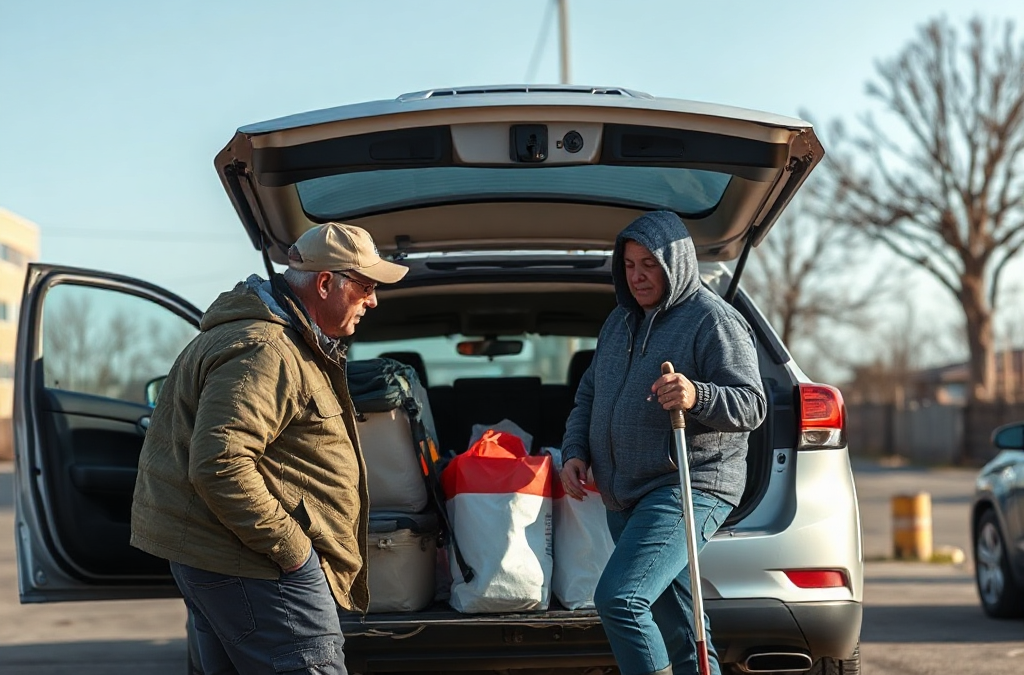
When you realize you are running out of fuel, the first immediate action is to safely pull your vehicle over to the shoulder of the road, away from traffic. This is crucial to avoid accidents and ensure your safety. Once you are safely parked, assess your situation. If you have a mobile phone, consider calling a friend or roadside assistance for help. If assistance is not readily available, you may need to walk to the nearest gas station. Ensure you are visible to other drivers, especially at night, by using hazard lights or reflective triangles.
It’s important to know that running out of fuel can lead to complications such as engine damage or fuel system problems. If your vehicle is equipped with a fuel gauge, keep an eye on it and refuel before it gets too low. In the future, consider carrying a portable fuel container, as this can provide a quick solution in case of emergencies.
Preventive Measures to Avoid Running Out of Fuel
Preventing a fuel shortage begins with regular vehicle maintenance and monitoring your fuel levels. Make it a habit to check your fuel gauge frequently, especially on long trips. Establish a rule of refueling when your tank is at a quarter full to avoid the risk of running out unexpectedly.
Additionally, you can use apps that track fuel levels and provide alerts when you are running low. Some vehicles come equipped with fuel economy features that can help monitor consumption and alert you to potential issues before they arise. Keep an eye on your vehicle’s fuel efficiency; if you notice a sudden drop, it may indicate an underlying problem that needs addressing.
Understanding the Risks of Running Out of Fuel
Running out of fuel is not just an inconvenience; it can pose significant risks to both your vehicle and your safety. When a vehicle runs out of fuel, it can cause sediment and debris from the fuel tank to clog the fuel filter. This can lead to costly repairs and a longer downtime for your vehicle.
Moreover, being stranded on the road can expose you to dangerous situations, especially in high-traffic areas or inclement weather. Always be aware of your surroundings and consider the potential risks involved in running out of fuel. Having a plan in place can mitigate these risks significantly.
Emergency Resources for Fuel Assistance
In the event that you find yourself stranded due to a lack of fuel, several resources can help. Many roadside assistance programs offer fuel delivery services, which can bring you fuel directly to your location. Check if your insurance or vehicle warranty includes roadside assistance; if not, consider signing up for a service that does.
Additionally, some mobile apps can connect you with nearby gas stations and even provide information on fuel prices. Using these resources can save you time and ensure you get back on the road quickly.
While not a formal list, consider looking into local resources for roadside assistance programs and fuel delivery services in your area. Understanding your vehicle’s fuel system and maintenance can also provide valuable insights into preventing fuel-related issues.
Frequently Asked Questions
What should I do if I run out of fuel on a busy road?
Safely pull over to the shoulder, turn on your hazard lights, and call for assistance.
Can running out of fuel damage my vehicle?
Yes, it can cause sediment to clog the fuel filter and potentially damage the fuel pump.
How can I prevent running out of fuel?
Regularly check your fuel gauge and refill when it reaches a quarter tank.
Is there a way to get fuel delivered to my location?
Yes, many roadside assistance services offer fuel delivery options.
What should I carry in my vehicle for emergencies?
Consider carrying a portable fuel container, a flashlight, and a first aid kit.
Further Reading
Authoritative Sources
Ready.gov Preparedness Guidance ready.gov
Federal preparedness guidance for household planning, alerts, supplies, and emergencies
American Red Cross Emergency Preparedness redcross.org
Emergency preparedness resources for families, disasters, and practical safety planning
FEMA Preparedness Resources fema.gov
National preparedness resources for planning, mitigation, and response readiness
Conclusion
Knowing what to do if you run out of fuel is essential for ensuring your safety and preventing vehicle damage. Always prioritize pulling over safely and assessing your options promptly. Regular monitoring of your fuel levels and utilizing available resources can significantly reduce the risk of running out of fuel. Stay prepared and informed to keep your travels smooth and worry-free.
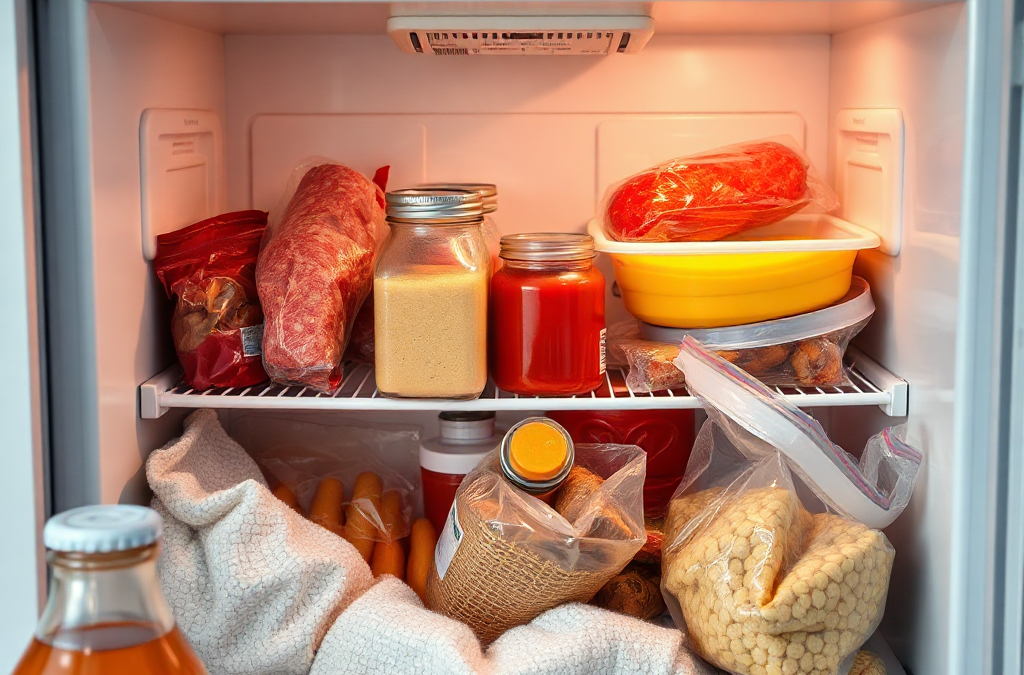
When your freezer thaws out, the first action is to evaluate the internal temperature. Foods that remain at 40°F or below are typically safe to consume or refreeze. However, if the temperature exceeds this threshold for over two hours, the risk of harmful bacteria increases significantly. It’s essential to use a food thermometer to check the temperature of the food, particularly for meats, poultry, and seafood, which are highly susceptible to spoilage.
Additionally, consider the duration of the thawing. If your freezer has been off for an extended period, the safety of the food diminishes. For instance, ice crystals in food can indicate that it may still be safe if the food is at 32°F, but if it has fully thawed, bacteria may have begun to grow. Therefore, prompt assessment is crucial to minimizing waste and ensuring safety.
Deciding What to Keep: Safe Food Guidelines
Once you have assessed the situation, the next step is determining which items are still safe to keep. The USDA provides clear guidelines: if the food is still cold (below 40°F), you can refreeze it. However, for items like dairy, eggs, and cooked foods, the risk of bacteria is higher, necessitating careful consideration before refreezing. Foods that have been at temperatures above 40°F for more than two hours should be discarded. This includes meats, poultry, fish, and any perishable items.
Always trust your senses. If food smells off, has a strange color, or feels slimy, it’s best to err on the side of caution and dispose of it. Remember, consuming spoiled food can lead to serious health issues, so it’s crucial to prioritize safety over saving money on groceries.
Preventing Future Thawing: Best Practices
To prevent future thawing events, consider implementing several best practices. First, ensure your freezer is maintained at 0°F for optimal food preservation. Regularly check the temperature settings and make adjustments as necessary. Additionally, keep a thermometer inside your freezer to monitor temperatures easily.
Investing in a backup power source, such as a generator, can also be beneficial during power outages. Furthermore, organizing your freezer can help you quickly identify which items to use first and minimize the risk of spoilage. Avoid overloading your freezer, as this can restrict airflow and lead to uneven temperatures.
Handling Power Outages: Emergency Measures
Power outages can lead to significant thawing in freezers, so it’s essential to have an emergency plan. If you anticipate a long outage, keep your freezer closed as much as possible to maintain the cold temperature. A full freezer will keep its temperature longer than a partially filled one, so consider keeping ice packs or frozen water bottles in your freezer as well.
In the event of a power outage, use a thermometer to check the temperature of the food once power is restored. If the food has been above 40°F for more than two hours, follow the guidelines for discarding perishable items. Always have a list of foods and their safe storage times handy to make informed decisions during these situations.
Frequently Asked Questions
What should I do first if my freezer thaws out?
First, assess the temperature of the food inside. If it is below 40°F, it is generally safe to refreeze or cook. If above, discard perishable items.
How long can food stay safe in a thawed freezer?
Food can remain safe in a thawed freezer for about two hours if the temperature is above 40°F. After that, the risk of foodborne illness increases.
Can I refreeze food that has thawed?
You can refreeze food that has thawed as long as it has remained below 40°F. If it has been above this temperature for more than two hours, it is safer to discard it.
What types of food should I throw away after a thaw?
Perishable items like meat, poultry, fish, dairy, and eggs should be discarded if they have been above 40°F for more than two hours.
How can I prevent my freezer from thawing in the future?
Maintain a temperature of 0°F, avoid overloading, and consider having a backup power source like a generator for outages to prevent future thawing.
Further Reading
Authoritative Sources
NIH Office of Dietary Supplements ods.od.nih.gov
Evidence-based information on vitamins, minerals, supplements, and nutrition-related questions
USDA FoodData Central fdc.nal.usda.gov
USDA nutrient data for foods and ingredients used in nutrition decisions
Harvard T.H. Chan School of Public Health Nutrition Source hsph.harvard.edu
Public health nutrition guidance and educational resources
Conclusion
In the event of a freezer thaw, it is crucial to act quickly to assess the situation and determine which foods remain safe. Prioritize safety by checking temperatures and following USDA guidelines for food storage. Implementing preventive measures can help avoid future thawing incidents and ensure your food remains safe. Stay informed and prepared to protect your food supply effectively.
Keeping your emergency plan updated is crucial for effective preparedness. Over time, changes in your environment, family structure, and available resources can render an existing plan obsolete. An emergency plan that is not regularly reviewed may fail to address new risks or changes in personal circumstances, leading to confusion and inadequate responses during a crisis. Regular updates ensure that your plan remains relevant and effective, providing clear guidance when it matters most.
Identifying Changes That Impact Your Emergency Plan
To maintain an effective emergency plan, it’s essential to identify changes that could impact your preparedness. These changes can include:
Family Dynamics: Changes such as new family members, relocations, or shifts in responsibilities can affect how your family responds to emergencies.
Local Hazards: The emergence of new risks, such as natural disasters or civil unrest, necessitates updates to your plan to ensure you have appropriate responses in place.
Resources and Contacts: Regularly check and update contact information for emergency services, family members, and local shelters to ensure you have the latest information available.
By staying aware of these factors, you can better prepare your family for any situation.
Steps to Effectively Update Your Emergency Plan
Updating your emergency plan involves several key steps:
Review Your Current Plan: Start by assessing the existing plan to identify areas that need improvement or updates based on recent changes.
Gather Input: Involve all family members in the review process. Their insights can provide valuable perspectives on potential gaps in the plan.
Incorporate New Resources: Research new safety information, tools, and resources available since your last update, and integrate them into your plan.
Conduct Drills: Regularly practice emergency scenarios with your family to ensure everyone knows their roles and responsibilities.
Document Changes: Keep a record of updates to your emergency plan, including dates and details, for future reference.
These steps can help ensure that your emergency plan is practical and effective in times of need.
Common Mistakes When Updating Emergency Plans
While updating your emergency plan is essential, there are common pitfalls to avoid:
Neglecting to Test the Plan: Simply updating the plan without testing it in real scenarios can lead to misunderstandings and confusion during an actual emergency.
Overcomplicating the Plan: A plan that is too complex may confuse family members. Keep it simple and straightforward for everyone to understand.
Failing to Communicate Changes: If updates are made without informing all family members, it can lead to chaos during emergencies. Ensure everyone is aware of the changes.
Avoiding these mistakes can significantly enhance the effectiveness of your emergency preparedness efforts.
Frequently Asked Questions
How often should I update my emergency plan?
It's recommended to review and update your emergency plan at least once a year or whenever significant changes occur in your life or environment.
What should I include in my emergency plan?
Your emergency plan should include contact information, evacuation routes, emergency supply lists, and roles for each family member during a crisis.
Who should be involved in creating the emergency plan?
All family members should be involved in creating and updating the emergency plan to ensure everyone understands their roles and responsibilities.
What are some common emergencies I should prepare for?
Common emergencies include natural disasters like hurricanes and earthquakes, fires, medical emergencies, and civil unrest. Tailor your plan to address the specific risks in your area.
How can I ensure my emergency plan is effective?
Regularly test your plan through drills, involve all family members in updates, and adapt the plan based on feedback and changing circumstances.
Further Reading
Authoritative Sources
Ready.gov Preparedness Guidance ready.gov
Federal preparedness guidance for household planning, alerts, supplies, and emergencies
American Red Cross Emergency Preparedness redcross.org
Emergency preparedness resources for families, disasters, and practical safety planning
FEMA Preparedness Resources fema.gov
National preparedness resources for planning, mitigation, and response readiness
Conclusion
Updating your emergency plan is not just a best practice; it’s a necessity to ensure your family’s safety and preparedness. By recognizing changes that impact your plan, systematically updating it, and avoiding common mistakes, you can create a robust framework for responding to emergencies. Make the commitment to regularly review and practice your plan, and you will enhance your readiness for whatever challenges may arise.
Understanding the Impact of Crisis on Mental Health
Crisis situations, such as natural disasters, pandemics, or personal emergencies, can have a profound effect on mental health. During these times, individuals often experience heightened stress levels due to uncertainty, loss, and fear. This emotional turmoil can exacerbate existing mental health conditions or trigger new ones, leading to significant challenges that may persist long after the crisis has passed.
One of the primary mechanisms at play is the body’s stress response, which can lead to physical and psychological symptoms. Prolonged exposure to stress can result in anxiety disorders, depression, and even PTSD, severely impacting an individual’s ability to cope and function in daily life. Understanding these impacts is crucial for anyone facing or preparing for potential crises.
Consequences of Ignoring Mental Health in Emergencies
Neglecting mental health during crises can have dire consequences, not just for the individual but also for their community. A significant consequence is impaired decision-making ability, which can lead to poor choices during critical moments. For instance, individuals may overlook essential safety precautions or fail to seek necessary medical help due to overwhelming anxiety or despair.
Moreover, ignoring mental health can strain personal relationships. Individuals may withdraw from social interactions, leading to isolation and a lack of support. This isolation can further perpetuate feelings of hopelessness and despair, creating a vicious cycle that is difficult to break. Communities that do not prioritize mental health support during crises may also face longer recovery times and greater overall impact.
Recognizing Signs of Mental Health Strain
Being aware of the signs of mental health decline is critical for timely intervention. Common indicators include persistent feelings of sadness or hopelessness, changes in appetite or sleep patterns, withdrawal from social activities, and difficulty concentrating. Individuals may also express feelings of being overwhelmed or unable to cope with daily tasks.
Recognizing these signs in oneself or others allows for early intervention, which can significantly improve outcomes. It is essential to foster open communication about mental health and encourage individuals to seek help when they notice these signs. Community awareness campaigns can also play a vital role in normalizing mental health discussions and reducing stigma.
Strategies for Supporting Mental Health During Crises
Implementing effective strategies for mental health support during crises can make a significant difference in recovery. First and foremost, fostering a supportive environment is crucial. This can be achieved through community initiatives that promote mental health resources and facilitate connections among individuals facing similar challenges.
Engaging in self-care practices is equally important. Activities such as mindfulness, exercise, and maintaining a routine can help individuals manage stress and enhance emotional resilience. Furthermore, seeking professional help from mental health providers, whether through therapy, counseling, or support groups, can provide individuals with essential coping strategies and emotional support.
Frequently Asked Questions
What are the common symptoms of mental health decline during a crisis?
Common symptoms include persistent sadness, anxiety, changes in sleep or appetite, withdrawal from social activities, and difficulty concentrating.
How can I support someone struggling with their mental health during a crisis?
Offer a listening ear, encourage them to seek professional help, and provide information about available resources and support groups.
What professional help is available for mental health during crises?
Professionals such as therapists, counselors, and psychologists can provide support through therapy, coping strategies, and crisis intervention.
How can self-care practices help during a crisis?
Self-care practices like mindfulness, exercise, and maintaining a routine can help manage stress and promote emotional resilience.
What role does community support play in mental health during crises?
Community support fosters connections, reduces isolation, and provides access to resources, all of which are crucial for mental health recovery.
Further Reading
Authoritative Sources
National Alliance on Mental Illness (NAMI) nami.org
NAMI offers comprehensive resources on mental health, including strategies for coping during crises
World Health Organization (WHO) who.int
WHO provides guidelines and support for mental health during emergencies and crises
American Psychological Association (APA) apa.org
APA offers insights into the psychological impact of crises and strategies for support
Conclusion
Neglecting mental health during crisis situations can lead to severe emotional consequences, including anxiety and depression. Recognizing the signs of mental strain and proactively seeking support through community resources and professional counseling is essential for recovery. Individuals and communities should prioritize mental health, fostering an environment where open discussion and support are normalized to mitigate these risks effectively. Taking these steps can significantly improve resilience and recovery outcomes in times of crisis.