
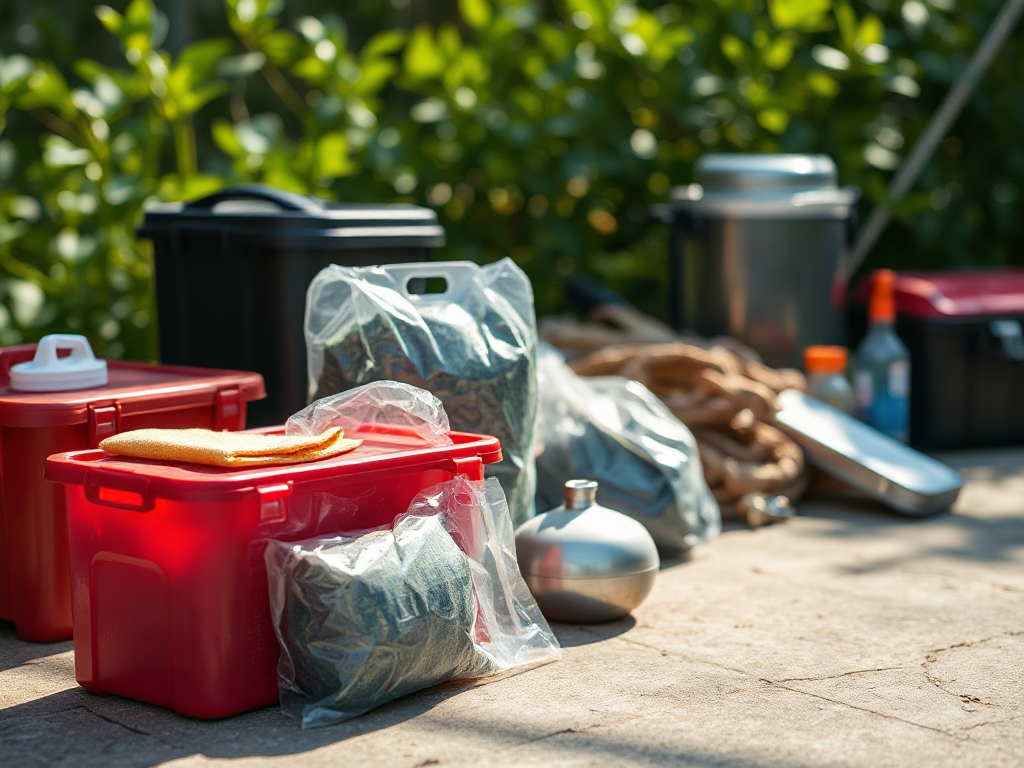
To evaluate the durability of your emergency supplies, focus on the quality of materials, storage conditions, and practical testing methods. High-grade materials like reinforced plastics and stainless steel are essential for withstanding harsh environments. Regularly inspect your supplies for signs of wear, such as cracks or fading, which indicate that replacements may be necessary. Conduct stress tests by simulating real-life scenarios to ensure that your supplies function effectively under pressure. This proactive approach will help you identify weaknesses and prioritize essential items, ensuring your emergency kit remains reliable when needed.
Understanding Material Quality
The durability of emergency supplies often hinges on the quality of their materials. Supplies made from high-grade materials such as reinforced plastics, stainless steel, or specialized fabrics are more likely to withstand harsh conditions. For example, a first aid kit with waterproof and tear-resistant bags will protect its contents better than one made from standard materials. Evaluating the durability here involves examining not just the outer material but also the construction methods used, such as stitching and sealing, which can greatly influence longevity.
When assessing material quality, consider the potential exposure to elements like moisture, heat, and UV light. For instance, certain plastics may degrade when exposed to sunlight, making them less reliable over time. Regularly inspect your supplies for signs of wear, such as cracks or fading, which can indicate that it’s time for replacement. This proactive approach ensures that your emergency kit remains reliable when needed most.
Testing Methods for Emergency Supplies
To accurately evaluate the durability of your emergency supplies, conducting practical tests is essential. Start by simulating real-life scenarios to see how your supplies hold up under stress. For instance, test the functionality of your water purification system by treating various water sources to determine its effectiveness and reliability. This not only assesses the supply itself but also your ability to use it effectively in an emergency.
Another effective testing method is stress testing, where you subject items to conditions they may face during an emergency. For example, you could freeze and thaw food supplies to see if they maintain quality or conduct a drop test on portable gear to assess its resilience. Document the results of these tests to identify weaknesses and prioritize which supplies require replacement or further attention.
Storage Conditions Impacting Durability
Proper storage conditions significantly affect the longevity of your emergency supplies. Factors such as temperature, humidity, and exposure to light can degrade materials over time. Store supplies in a cool, dry place away from direct sunlight to minimize degradation. For example, battery life can be drastically reduced if stored in a hot environment, so consider using a temperature-controlled space.
Additionally, regularly rotating supplies can help ensure that items are used before their expiration dates. Create a schedule to check your supplies every six months, replacing expired items and evaluating the condition of those still in the kit. This ongoing maintenance helps maintain the integrity of your emergency supplies, ensuring they remain effective when needed.
Common Mistakes in Evaluating Supplies
Many individuals overlook critical aspects when evaluating the durability of their emergency supplies. One common mistake is assuming that all items are equally durable; for instance, a cheap flashlight may seem sufficient, but it might fail under adverse conditions. Always prioritize quality over cost when selecting supplies.
Another frequent error is neglecting to test supplies regularly. Relying solely on the manufacturer’s claims can lead to false confidence. Conducting your own tests and inspections can uncover hidden issues that might not be apparent initially. By understanding these common pitfalls, you can take steps to ensure your emergency supplies remain reliable and effective.
Frequently Asked Questions
How often should I evaluate my emergency supplies?
It's recommended to evaluate your emergency supplies every six months to ensure everything is in good condition and not expired.
What should I prioritize when evaluating supplies?
Focus on the quality of materials, functionality during tests, and the condition of items in storage.
Can I store emergency supplies in my garage?
Storing supplies in a garage may expose them to extreme temperatures and humidity, which can degrade their durability. A climate-controlled area is preferable.
What are the signs that my supplies need replacing?
Look for signs of wear, such as cracks, fading, or expired dates, and replace any items that show these signs.
Is it necessary to test all supplies?
While not every item needs testing, critical supplies like water purification systems and first aid kits should be regularly evaluated for effectiveness.
Conclusion
Evaluating the durability of your emergency supplies is essential for ensuring readiness during a crisis. By understanding material quality, conducting practical tests, and maintaining proper storage conditions, you can significantly enhance the reliability of your supplies. Regular evaluations help identify issues early, allowing for timely replacements and adjustments. Prioritize quality and functionality to maintain an effective emergency preparedness strategy.