How to Stay Clean Without Running Water: Practical Methods and Effective Solutions

How to Stay Clean Without Running Water: Practical Methods and Effective Solutions

Table of ContentsUsing Wet Wipes and SanitizersAlternative Hair Care SolutionsMaintaining Oral HygieneCleaning Clothes and Fabrics Using Wet Wipes and Sanitizers Wet wipes are a convenient alternative for maintaining cleanliness when water is not available. They matter because the article links the recommendation to stay, clean, without, running, and water.

Using Wet Wipes and Sanitizers

Wet wipes are a convenient alternative for maintaining cleanliness when water is not available. They can be used on hands and face to remove dirt and sweat effectively. Look for biodegradable options to lessen your environmental footprint. Hand sanitizers are essential for killing germs; ensure they contain at least 60% alcohol for maximum efficacy. When using these products, pay attention to areas prone to bacteria, such as under the nails and between fingers.

One common mistake is to rely solely on wipes and sanitizers without proper technique. For instance, simply wiping your hands may not be enough to eliminate germs. Instead, apply a sufficient amount of sanitizer and rub your hands together for at least 20 seconds. This ensures effective germ elimination.

Alternative Hair Care Solutions

Dry shampoo is a valuable tool for maintaining hair cleanliness without water. It absorbs excess oil and can add volume, making it an excellent choice for refreshing your hair between washes. Spray or sprinkle the product onto your roots and massage it in to distribute evenly.

Remember that using too much dry shampoo can lead to product buildup, which can weigh your hair down. Aim for a light application, and consider using a brush to distribute the product evenly. Additionally, consider natural alternatives like cornstarch for a more eco-friendly approach.

Maintaining Oral Hygiene

Oral hygiene is crucial, even without running water. Use mouthwash that doesn’t require rinsing, which can help to kill bacteria and freshen breath. Chewing sugar-free gum can also stimulate saliva production, which naturally cleanses the mouth.

A common oversight is neglecting dental care altogether. Make it a priority to carry portable dental hygiene products, especially during travel or outdoor activities. Flossing with disposable floss picks can also help maintain oral health without needing water.

Cleaning Clothes and Fabrics

Without running water, cleaning clothes can be tricky, but it’s still possible. Consider using fabric fresheners or sprays that neutralize odors without washing. Spot cleaning with biodegradable wipes can also help remove stains and keep clothes looking fresh.

One pitfall to avoid is overusing fabric fresheners, which can lead to a buildup of chemicals on clothing. Instead, focus on targeting specific areas that need attention and allow clothes to air out regularly to prevent odors.

Further Reading

Authoritative Sources

  • Library of Congress Research Guides
    guides.loc.gov

    Research guides that help readers locate reliable background sources on a wide range of subjects

  • USA.gov Official Information and Services
    usa.gov

    Official U.S. government information and public resources for practical reference

  • Google Scholar
    scholar.google.com

    Academic search resource for finding research literature and source material

Frequently Asked Questions

What can I use instead of soap and water?

Use hand sanitizers with at least 60% alcohol and wet wipes to clean your hands and body.

How often should I use dry shampoo?

Limit dry shampoo usage to every few days to avoid buildup and maintain healthy hair.

Can I maintain oral hygiene without water?

Yes, use mouthwash that doesn’t require rinsing and chew sugar-free gum to promote oral health.

How can I clean my clothes without water?

Use fabric fresheners and spot clean with biodegradable wipes to maintain clothing freshness.

Are biodegradable products necessary?

Using biodegradable products helps reduce environmental impact, especially when water sources are limited.

Conclusion

Staying clean without running water requires adaptability and resourcefulness. Utilize wet wipes, hand sanitizers, and dry shampoo to maintain hygiene effectively. Prioritize biodegradable products to lessen your environmental impact and ensure you are prepared with portable hygiene items for any situation. By understanding these alternatives, you can confidently navigate scenarios where running water is not available, ensuring comfort and cleanliness.

What Are Essential Tools for Survival Kit: Key Items for Every Preparedness Plan

What Are Essential Tools for Survival Kit: Key Items for Every Preparedness Plan

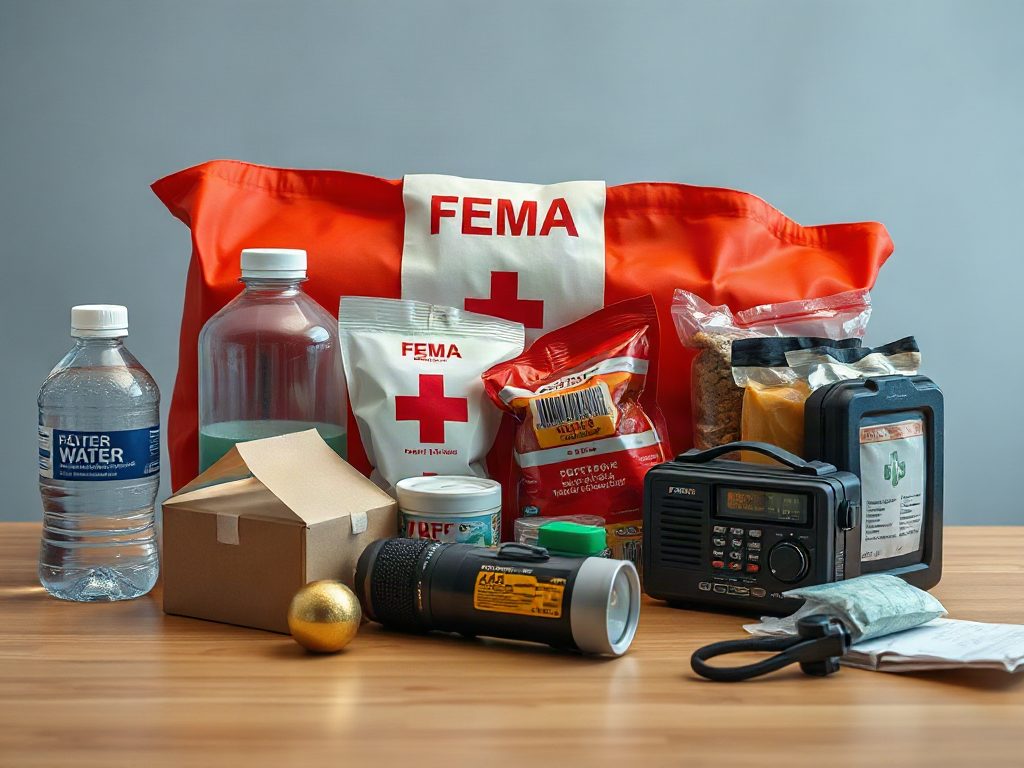
A multi-tool combines various functionalities, allowing you to perform tasks such as cutting, screwing, and opening cans without carrying multiple devices.

Additionally, prioritize durable, compact items to maximize utility and minimize space. Regularly check and update your kit to replace expired items and ensure all tools remain functional. Neglecting these tasks can lead to ineffective preparedness when you need it most.

Are Essential Tools for Survival Kit are cutting, screwing, and opening cans without carrying multiple devices, based on the article’s main recommendation. They matter because the article links the recommendation to essential, tools, survival, items, and every.

Multi-Tool: The Versatile Essential

A multi-tool is a fundamental item in any survival kit due to its versatility. It typically includes various tools such as knives, pliers, screwdrivers, and can openers, all in one compact device. This allows you to complete multiple tasks without carrying several individual tools, making it an efficient choice for limited space.

When selecting a multi-tool, look for one that is made of durable materials and has a comfortable grip. Consider models with locking mechanisms for safety during use. Remember that while they are incredibly useful, relying solely on a multi-tool for complex tasks may not always be effective, so understand its limitations.

First Aid Kit: Health and Safety

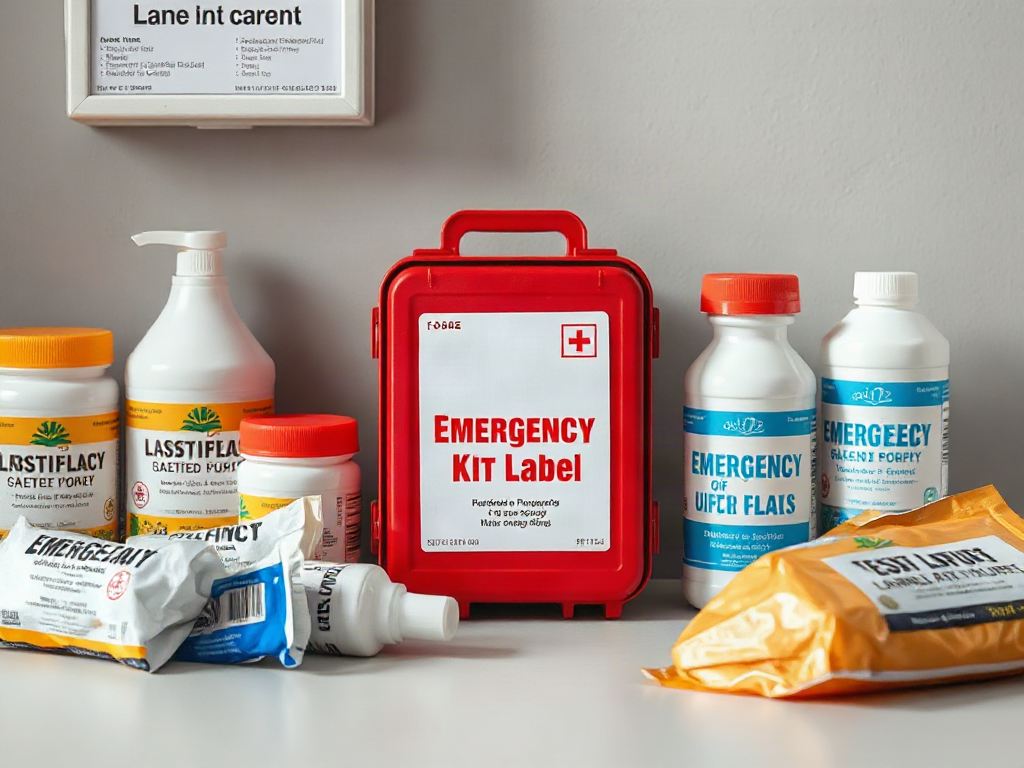
A comprehensive first aid kit is crucial for addressing injuries that may occur during emergencies. Your kit should include bandages, antiseptic wipes, gauze, adhesive tape, and over-the-counter pain relievers. Customizing your kit to meet personal health needs, such as including prescribed medications or specific supplies for chronic conditions, is also essential.

Regularly check your first aid kit to replace expired items and ensure you have the necessary supplies for potential injuries. Many people underestimate the importance of having a first aid kit readily available, which can lead to severe consequences in emergencies.

Portable Water Filter: Essential Hydration

Access to clean water is paramount during survival situations, making a portable water filter an essential tool in your kit. These filters can remove harmful bacteria and parasites, ensuring that you can safely drink from natural water sources. Look for filters that are lightweight, easy to use, and capable of filtering a substantial volume of water.

Understanding the limitations of your water filter is important, as some may not remove all contaminants. Always familiarize yourself with how to use and maintain your filter to ensure it functions effectively when needed. The risk of dehydration can be critical, so prioritize water filtration in your preparedness planning.

Additional Tools for Specific Needs

In addition to the core tools, consider including other items that address specific survival scenarios. For instance, a fire starter, such as waterproof matches or a flint striker, is crucial for warmth and cooking. A whistle can help signal for help if you become lost.

When assembling your survival kit, think about your environment and personal needs. Different scenarios may require unique items; for example, if you are in a cold climate, consider adding thermal blankets or hand warmers. Tailoring your kit to your specific circumstances enhances your preparedness.

Further Reading

Authoritative Sources

  • Ready.gov Preparedness Guidance
    ready.gov

    Federal preparedness guidance for household planning, alerts, supplies, and emergencies

  • American Red Cross Emergency Preparedness
    redcross.org

    Emergency preparedness resources for families, disasters, and practical safety planning

  • FEMA Preparedness Resources
    fema.gov

    National preparedness resources for planning, mitigation, and response readiness

Frequently Asked Questions

What is the most important item in a survival kit?

A reliable multi-tool is often considered the most important item in a survival kit due to its versatility in handling various tasks.

How often should I check my survival kit?

It’s advisable to check your survival kit at least twice a year to replace expired items and ensure all tools are functional.

Can I make my own first aid kit?

Yes, you can create your own first aid kit by selecting essential items tailored to your needs and preferences.

What type of water filter is best for survival?

Look for portable water filters that are lightweight and can remove bacteria and parasites effectively for survival situations.

Should I include food in my survival kit?

Yes, including non-perishable food items in your survival kit is wise to ensure you have sustenance during emergencies.

Conclusion

All in all, a well-prepared survival kit should include essential tools like a multi-tool, first aid kit, and portable water filter, tailored to your specific needs and environment. Regularly maintaining and updating your kit ensures its effectiveness during emergencies. Prioritize selecting durable and versatile items to maximize your preparedness and be ready for unexpected situations. Remember, the right tools can make a significant difference in survival scenarios.

How to Stay Clean Without Running Water: Practical Methods and Effective Solutions

How to Safely Collect and Store Rainwater: Essential Methods and Common Mistakes

Install it away from potential contaminants such as animal droppings, pesticides, or other hazardous materials. Regularly inspect the gutters and downspouts to make sure they are clean and functioning correctly, as blockages can lead to overflow and contamination. Additionally, if you plan to use the water for irrigation or non-potable uses, be aware of local regulations regarding rainwater harvesting and any necessary permits.

To enhance the safety of your rainwater storage, consider implementing a filtration system that can help remove any contaminants before the water enters your storage tank. Some systems may include first flush diverters that discard the initial runoff, which is likely to carry the most debris and pollutants. This ensures that the water collected is as clean as possible. Furthermore, adding a fine mesh screen over the top of your storage container can help keep out mosquitoes and other pests.

To enhance the safety of your rainwater storage, consider implementing a filtration system that can help remove any contaminants before the water enters your storage tank. This ensures that the water collected is as clean.

Choosing the Right Collection System

When selecting a rainwater collection system, consider the size and type of your roof, as these factors determine the volume of water you can collect. Rain barrels are ideal for smaller homes, while larger cisterns can cater to bigger properties and provide more substantial water storage. Ensure that your collection system is made from safe materials, such as polyethylene or fiberglass, to prevent leaching of harmful substances into the water.

Additionally, the design of your collection system should include a proper filtration mechanism to ensure the quality of the water. Some systems come equipped with built-in filters that catch debris before it enters the storage tank. For optimal use, ensure that the collection point is located strategically to maximize runoff capture during rain events.

Maintenance and Cleaning Practices

Regular maintenance is essential for ensuring the safety and longevity of your rainwater collection system. At least once a year, clean the interior of your storage tanks to remove sediment, algae, and other contaminants. Use a mixture of water and bleach to disinfect the surfaces, and rinse thoroughly before refilling.

Inspect the gutters and downspouts regularly to ensure they remain clear of debris. Clogged gutters can lead to overflow and contamination, which can compromise the quality of your stored water. Installing gutter guards can significantly reduce the amount of debris that enters your system, making maintenance easier.

Understanding Local Regulations

Before setting up a rainwater collection system, it’s important to understand the regulations in your area. Some regions may have restrictions on the collection and use of rainwater, while others may encourage it through incentives or rebates. Check with local government agencies to ensure compliance with any legal requirements, and to learn about best practices recommended for rainwater harvesting.

Being aware of these regulations not only helps you avoid potential fines but also ensures that your rainwater harvesting practices align with community standards and environmental sustainability goals.

Common Mistakes to Avoid

One of the most common mistakes in rainwater harvesting is using non-food-grade materials for storage. These materials can leach harmful chemicals into the water, rendering it unsafe for use. Always opt for containers specifically designed for rainwater collection.

Another mistake is neglecting regular maintenance. Without proper cleaning and inspection, your system can become a breeding ground for mosquitoes and a source of contamination. Establish a maintenance schedule to ensure your system remains in optimal condition.

Further Reading

Authoritative Sources

  • Library of Congress Research Guides
    guides.loc.gov

    Research guides that help readers locate reliable background sources on a wide range of subjects

  • USA.gov Official Information and Services
    usa.gov

    Official U.S. government information and public resources for practical reference

  • Google Scholar
    scholar.google.com

    Academic search resource for finding research literature and source material

Frequently Asked Questions

Can rainwater be used for drinking?

Yes, but it requires proper filtration and treatment to ensure safety.

What materials are safe for rainwater storage?

Use food-grade plastics or fiberglass to avoid contamination.

How often should rainwater systems be cleaned?

At least once a year, or more frequently if debris build-up is observed.

Are there regulations for rainwater harvesting?

Yes, regulations vary by location, so check with local authorities.

What are the benefits of rainwater harvesting?

It reduces water bills, conserves water resources, and can be used for irrigation.

Conclusion

In summary, safely collecting and storing rainwater is a practical and environmentally friendly practice that can provide a sustainable water source. By choosing the right collection system, maintaining it regularly, and understanding local regulations, you can ensure that your rainwater harvesting efforts are effective and compliant. Avoid common mistakes, such as using unsafe materials and neglecting maintenance, to secure the quality of your stored water. Start planning your rainwater collection system today to benefit from this valuable resource.

What To Do If Power Outage Lasts Weeks: Essential Supplies, Safety Tips, and Survival Strategies

What To Do If Power Outage Lasts Weeks: Essential Supplies, Safety Tips, and Survival Strategies

Next, safety should be your top priority. Assess your home for potential hazards, such as carbon monoxide risks from generators, and have a carbon monoxide detector in place. Furthermore, if the outage occurs in extreme weather conditions, prepare accordingly with appropriate clothing and blankets to regulate body temperature.

Securing Essential Supplies

In the event of a lengthy power outage, it is crucial to stockpile essential supplies. This includes non-perishable foods such as canned goods, dried fruits, and nuts, which provide necessary nutrition without requiring refrigeration. Additionally, store sufficient clean water—at least one gallon per person per day for at least three days—to ensure hydration.

Moreover, consider keeping a first-aid kit, essential medications, and personal hygiene items readily available. A well-planned supply list can prevent panic and ensure you have what you need for an extended period. Be mindful of expiration dates and rotate supplies regularly to maintain freshness.

Safety Precautions to Consider

Safety during a prolonged outage is paramount. Begin by identifying potential hazards in your environment. If using generators, ensure they are placed outdoors and away from windows to prevent carbon monoxide buildup. Install detectors to monitor dangerous gas levels and ensure they function properly.

Additionally, keep emergency contact numbers accessible and inform family or friends of your situation. Create a plan for how to reach help if necessary, and consider neighborhood check-ins to support each other. Establishing a safety network can provide peace of mind and additional resources.

Maintaining Communication

During an extended power outage, maintaining communication is essential. Invest in a battery-operated or hand-crank radio to stay updated on local news and emergency information. Ensure that your mobile devices are charged and consider portable chargers that can sustain power for longer durations.

Establishing a communication plan with family and friends can also help during an outage. Designate a meeting point if communication fails and keep a list of important contacts in case you need to reach out for assistance.

Long-Term Survival Strategies

Long-term survival requires strategic planning. If the outage persists, consider community resources such as local shelters or emergency services that may offer assistance. Stay informed about updates from local authorities regarding the power situation and available resources.

Additionally, think about food preservation techniques, such as canning or dehydrating, to extend your food supplies. Learning skills like these can help sustain you and your family over extended periods without power.

Further Reading

Authoritative Sources

  • Ready.gov Preparedness Guidance
    ready.gov

    Federal preparedness guidance for household planning, alerts, supplies, and emergencies

  • American Red Cross Emergency Preparedness
    redcross.org

    Emergency preparedness resources for families, disasters, and practical safety planning

  • FEMA Preparedness Resources
    fema.gov

    National preparedness resources for planning, mitigation, and response readiness

Frequently Asked Questions

How can I store food safely without power?

Use ice or coolers to keep perishable items cold, and consume items that require refrigeration first. Non-perishable foods should be stored in a cool, dry place.

What should I do if my medical devices rely on electricity?

If possible, have backup batteries or portable chargers available. Contact your healthcare provider for emergency plans regarding power outages.

How can I keep warm without electricity?

Layer clothing, use blankets, and gather in smaller spaces to conserve body heat. Consider safe alternative heating sources, such as wood stoves or propane heaters, if available.

What is the best way to stay informed during a power outage?

Use a battery-operated radio or a mobile device with a portable charger to receive updates from local news or emergency services.

How can I prepare my home for a long-term power outage?

Ensure you have a sufficient supply of water, food, medications, and fuel for any alternate power sources. Regularly check and maintain emergency supplies.

Conclusion

Facing a power outage that lasts weeks requires careful planning and resource management. Prioritize securing essential supplies, ensuring safety, and maintaining communication to navigate the challenges effectively. By preparing in advance and understanding the risks involved, you can mitigate the impact of prolonged outages and maintain a sense of security and well-being.

How to Prevent Theft During Crisis Situations: Practical Methods and Precautions

How to Prevent Theft During Crisis Situations: Practical Methods and Precautions

Often, thieves exploit chaos and confusion, making it vital for communities to remain alert and organized. Establishing a clear plan that includes emergency contacts, designated safe zones, and resource allocation can help mitigate risks. Moreover, educating community members on recognizing suspicious behavior and reporting it promptly is essential.

Identifying vulnerabilities in your property or community is the first step in preventing theft during crises. Often, thieves exploit chaos and confusion, making it vital for communities to remain alert and organized.

Assessing Vulnerabilities

Identifying vulnerabilities in your property or community is the first step in preventing theft during crises. Conduct a thorough assessment to pinpoint weak spots such as poorly lit areas, unmonitored entrances, and inadequate fencing. Addressing these vulnerabilities can significantly deter potential thieves.

Regularly reviewing and updating security measures is essential. Consider investing in better lighting, security cameras, and alarm systems. Engaging with local law enforcement for advice on enhancing security can also be beneficial. Remember, a well-secured environment discourages theft and promotes a sense of safety.

Strengthening Community Security

Building a strong sense of community security is vital in crisis situations. Organizing neighborhood watch groups can foster cooperation and vigilance among residents. These groups can help monitor suspicious activities and provide immediate support during emergencies.

Encouraging residents to communicate openly about security concerns and share information can strengthen community ties. Regular meetings can help keep everyone informed about safety practices and recent incidents. Together, communities can create a safer environment by being proactive and supportive.

Effective Communication Strategies

Clear communication is key to preventing theft during crises. Establishing a reliable communication system, such as a group messaging app or social media group, allows residents to share information quickly. This can include reporting suspicious behavior or coordinating safety efforts.

During a crisis, misinformation can spread rapidly, leading to panic and confusion. Therefore, ensuring that accurate information is disseminated promptly is crucial. Designating a trusted spokesperson within the community can help manage communication effectively and reduce the risk of theft.

Emergency Preparedness Plans

Having a well-thought-out emergency preparedness plan can significantly reduce the risk of theft during crises. This plan should outline specific actions to take in various emergency scenarios, including theft. Ensure that all community members are aware of the plan and their roles within it.

Regular drills can help familiarize residents with emergency procedures, making them more effective during actual crises. Additionally, having a designated safe space for valuables and important documents can provide peace of mind and security.

Further Reading

Authoritative Sources

  • Library of Congress Research Guides
    guides.loc.gov

    Research guides that help readers locate reliable background sources on a wide range of subjects

  • USA.gov Official Information and Services
    usa.gov

    Official U.S. government information and public resources for practical reference

  • Google Scholar
    scholar.google.com

    Academic search resource for finding research literature and source material

Frequently Asked Questions

What are the best security measures to implement during a crisis?

Effective security measures include surveillance cameras, alarm systems, and community watch programs that foster vigilance among residents.

How can communities work together to prevent theft?

Communities can form neighborhood watch groups, share information about suspicious activities, and establish communication channels to enhance security.

What should I do if I notice suspicious activity?

Report suspicious activity to local law enforcement immediately and share the information with your community members for increased awareness.

How can I secure my property during a crisis?

Enhance property security by installing better lighting, securing entrances, and using locks or alarms on doors and windows.

What role does communication play in preventing theft?

Effective communication ensures that community members are informed of potential threats and can coordinate safety efforts promptly.

Conclusion

In closing, preventing theft during crisis situations requires a multifaceted approach that includes assessing vulnerabilities, strengthening community ties, and implementing effective communication strategies. By taking proactive measures, communities can create a safer environment and reduce the risk of theft. Prioritize collaboration and preparedness, as these elements are key to maintaining security during emergencies.