
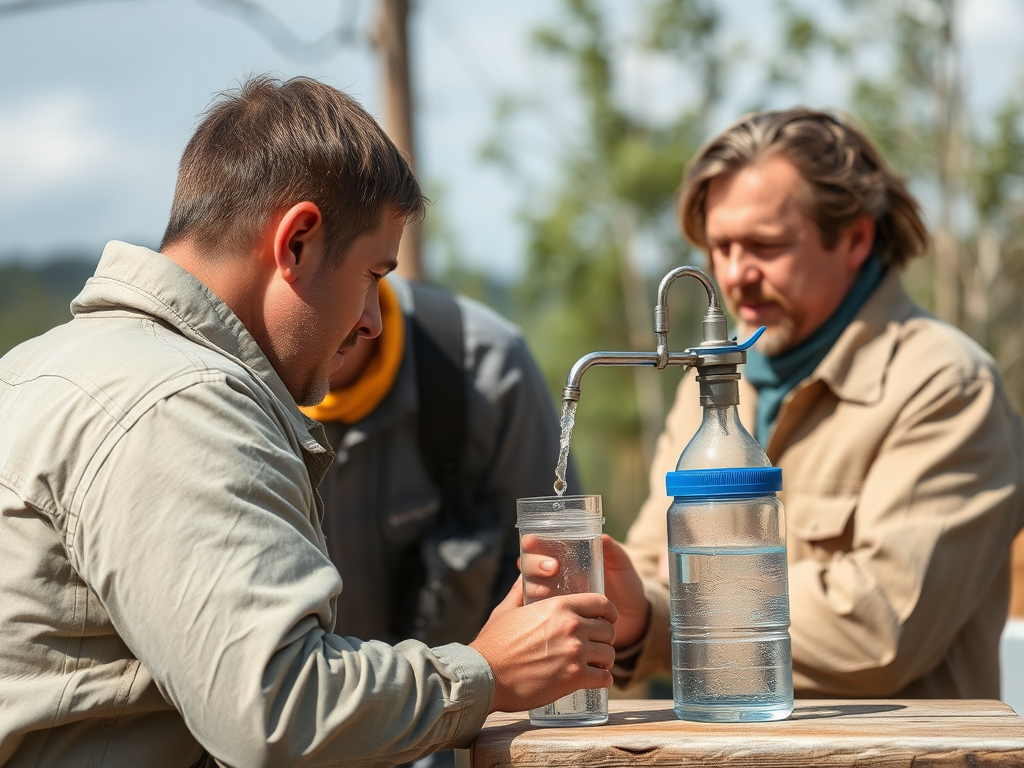
Confusion around water purification methods arises from the diverse techniques available, each designed to tackle specific contaminants. For instance, while filtration effectively removes sediments and some bacteria, it falls short against viruses and chemical pollutants. Understanding the strengths and limitations of methods like reverse osmosis, UV treatment, and chemical disinfection is essential for making informed choices. A common mistake is assuming that boiling water is a catch-all solution; it kills many pathogens but does not eliminate chemical contaminants. Regular maintenance of purification systems is also critical, as neglected filters can compromise water safety.
Understanding Water Purification Methods
Water purification methods are essential for ensuring safe drinking water, especially in areas where water quality is compromised. The main techniques include filtration, reverse osmosis, UV treatment, and chemical disinfection. Each method targets specific contaminants and employs unique mechanisms to render water safe for consumption.
Filtration typically involves passing water through a physical barrier that removes particulates and some pathogens. Reverse osmosis uses a semi-permeable membrane to remove dissolved solids, while UV treatment utilizes ultraviolet light to kill bacteria and viruses. Chemical disinfection involves adding substances like chlorine or iodine to eliminate harmful microorganisms. Understanding these methods helps consumers make informed decisions based on their specific water quality needs.
Common Misconceptions About Water Purification
Many individuals harbor misconceptions about water purification methods, which can lead to ineffective choices. One prevalent myth is that all purification methods are equally effective against all contaminants. For example, while filtration can remove sediments and some bacteria, it does not effectively tackle viruses or chemical pollutants.
Another misconception is that boiling water is sufficient for purification. While boiling kills many pathogens, it does not remove chemical contaminants or heavy metals. Furthermore, people often underestimate the importance of regular maintenance and replacement of filters in various systems, which can compromise their effectiveness over time. Recognizing these misconceptions is vital for selecting the appropriate purification method and ensuring safe drinking water.
Evaluating the Effectiveness of Different Techniques
When evaluating water purification techniques, it’s crucial to consider the specific contaminants present in the water source. For instance, if the primary concern is microbial contamination, UV treatment or chemical disinfection may be preferable. However, for water with high levels of dissolved solids, reverse osmosis is often more effective.
Moreover, some purification methods require more energy or maintenance than others. For example, reverse osmosis systems can be costly to install and operate, while gravity-fed filters are more user-friendly and require less upkeep. Understanding these factors can help consumers balance effectiveness, cost, and convenience when selecting a water purification system.
Making Informed Choices for Water Purification
Choosing the right water purification system involves careful consideration of various factors, including water quality, intended use, and budget. Testing water quality for specific contaminants can provide valuable insights into which purification method will be most effective. For instance, a home water test can reveal the presence of lead, chlorine, or bacteria, guiding consumers toward the appropriate filtering solution.
Additionally, consulting with professionals or researching credible resources can aid in understanding the advantages and limitations of different systems. It’s also important to consider long-term costs, including maintenance, filter replacements, and energy consumption. By making informed choices based on water quality and specific needs, consumers can effectively navigate the confusion surrounding water purification methods.
Frequently Asked Questions
What is the most effective water purification method?
The most effective method depends on the specific contaminants present; reverse osmosis is great for dissolved solids, while UV treatment is excellent for pathogens.
How often should filters be replaced in a purification system?
Filters should be replaced according to the manufacturer's recommendations, typically every 6 months to a year, depending on usage and water quality.
Can boiling water purify it completely?
Boiling effectively kills most pathogens but does not remove chemical contaminants or heavy metals.
What are the signs that my water purification system is not working?
Signs include a strange taste or odor, visible particles in the water, or a decrease in water flow rate.
Is bottled water a safer option than tap water?
Bottled water can be safer in some cases, but it is essential to verify its source and quality, as regulations may differ from those for tap water.
Conclusion
Understanding the confusion around water purification methods is crucial for making informed choices about safe drinking water. With various techniques available, each offering unique advantages and limitations, consumers must evaluate their specific needs and water quality. By addressing common misconceptions and recognizing the effectiveness of different methods, individuals can prioritize their health and ensure access to clean water. Regular testing and maintenance of purification systems further enhance the likelihood of safe drinking water.