
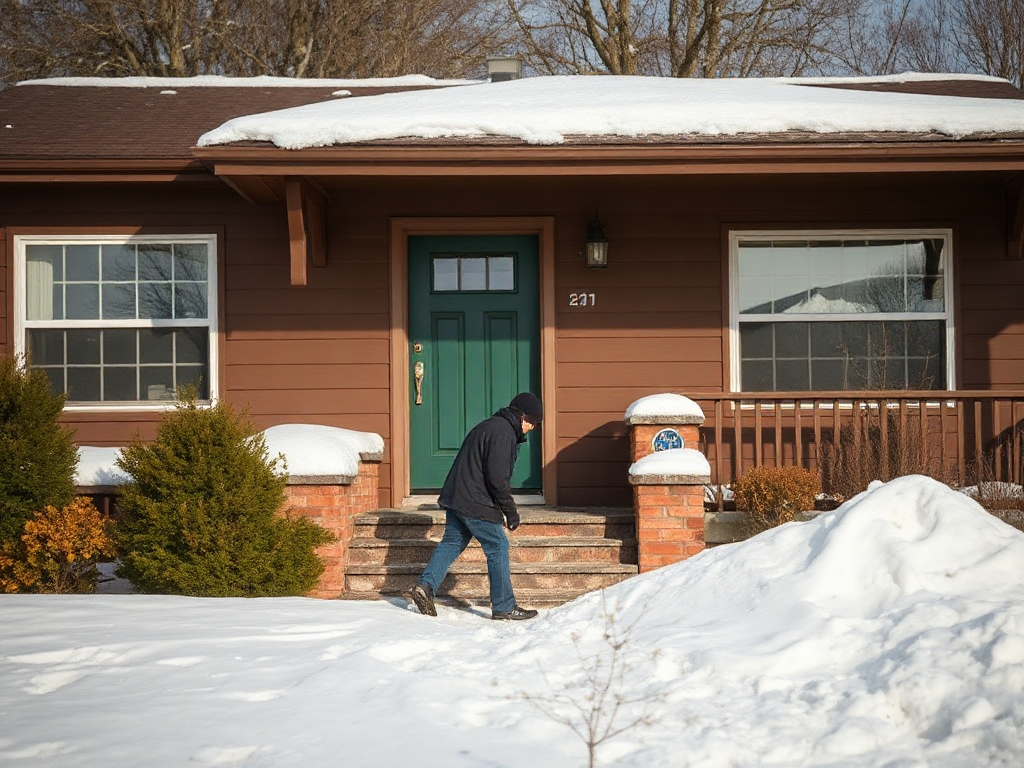
Seasonal preparedness reviews should happen four times a year—before winter, spring storm season, summer heat and travel, and autumn wildfire or cold-weather risks—with extra checks after a move, major household change, or real emergency. Review expiration dates, batteries, water, food, medications, contact information, evacuation routes, and equipment operation rather than merely counting supplies. A short inspection before the relevant hazard arrives gives you time to replace degraded items, test generators or communication tools safely, and adapt the plan for current household needs. Waiting until a forecasted event is already approaching creates rushed purchases, overlooked maintenance, and avoidable gaps in transportation, shelter, and communication.
Why Seasonal Reviews Belong on the Calendar
Seasonal preparedness reviews are maintenance appointments for the systems a household may need under pressure. Weather changes alter the likely hazards, while heat, humidity, freezing temperatures, and storage time affect the condition of food, water containers, batteries, medicines, clothing, and fuel-related equipment. A review is useful because it connects the contents of a kit with the conditions in which those contents must work.
A single annual inspection is better than none, but it can leave long gaps. A flashlight tested in January may still have dead batteries when a summer storm interrupts power. Likewise, winter clothing stored for months may no longer fit a growing child, and an evacuation route that worked last year may be unsuitable after construction, a move, or a change in household transportation. Quarterly checks reduce the chance that a problem remains hidden until an emergency.
The strongest schedule uses two layers: a broad review at the start of each season and small checks whenever something changes. That approach is more practical than repeatedly rebuilding every kit. Focus first on items that expire, degrade, require charging, or depend on a specific person. Food rotation, water storage inspection, medication dates, battery testing, and contact-list updates usually produce more value than buying another specialized gadget.
A common mistake is treating preparedness as an inventory contest. Having more supplies does not compensate for a missing prescription, an untested backup heat source, or a family member who does not know where to meet. Use the review to confirm function and access, not just quantity. The related seasonal preparedness review process should leave you with fewer unknowns and a short list of repairs.
The Best Timing for Each Season
The ideal time for a seasonal review is before the season’s main hazards become urgent. In practice, inspect winter needs in early autumn, spring storm and flooding concerns near the end of winter, summer heat and travel equipment in late spring, and autumn wildfire or early-freeze needs during late summer. Local climate matters more than a universal calendar, so use the period when your region normally begins experiencing the hazard as the deadline, not the starting point.
Late summer or early autumn: check heating equipment, blankets, cold-weather clothing, carbon-monoxide alarms, vehicle winter supplies, and plans for power loss. If a generator is part of the household system, follow its manufacturer’s safety and maintenance instructions; do not wait for the first outage to discover that it will not start. Review winter travel routes and identify where vulnerable relatives could stay if the home becomes too cold.
Late winter or early spring: examine roof and drainage concerns, flood-related documents, rain gear, sump-pump arrangements, weather alerts, and communication plans. Spring is also a useful time to rotate stored food that may have been exposed to temperature swings. A household in a flood-prone area may need a different priority order from one mainly concerned with tornadoes or severe thunderstorms.
Late spring: prepare for heat, extended travel, wildfire smoke, and summer storms. Inspect vehicle water, sun protection, cooling supplies, first-aid contents, and backup charging options. Families who spend weekends away from home should check that the vehicle kit matches the destinations and not assume the home kit can cover every roadside delay.
Late summer: revisit evacuation routes, outdoor air-quality precautions, fire-resistant document storage, and the location of important records. The alternative—reviewing only when an alert is issued—compresses decisions into the period when roads, stores, and communications may already be strained. Seasonal timing does not predict every emergency; it simply moves maintenance ahead of predictable environmental stress.
What to Check During Every Review
Every review should test five areas: supplies, equipment, information, people, and access. Supplies need condition checks, not just counts. Look for damaged packaging, unusual odors, leaking containers, corrosion, expired items, and products that no longer suit the household. Rotate usable food into normal meals and replace it with familiar items rather than storing foods nobody will eat.
Equipment requires a safe function test. Confirm that flashlights, radios, power banks, smoke alarms, carbon-monoxide alarms, fire extinguishers, mobility aids, and communication devices are present and usable. Rechargeable items should be charged according to their instructions, while disposable batteries should be checked for leakage. Do not run fuel-burning equipment indoors or in an attached garage, and do not improvise maintenance when the manufacturer’s instructions call for qualified service.
Information often becomes obsolete faster than physical supplies. Confirm phone numbers, emergency contacts, insurance details, medication lists, school arrangements, pet-care instructions, and meeting locations. Store critical records in a form that remains accessible if internet or household power fails. A printed contact sheet paired with secure digital copies can be more resilient than relying on one phone.
Access deserves its own test. A well-stocked container in a locked shed may be useless during a storm, while supplies scattered through several rooms slow retrieval. Keep frequently needed items visible and reachable, but balance convenience with child safety, fire safety, and protection from moisture or extreme temperatures. A compact checklist can include:
- Expiration dates and physical condition
- Power, lighting, communication, and alarm tests
- Water and food rotation
- Medication, pet, infant, and accessibility needs
- Routes, contacts, documents, and meeting places
The usual failure mode is checking the bag while ignoring the people who must use it. Ask each household member to locate the main supplies and explain the first action they would take if leaving, sheltering, or calling for help. A review is complete when the plan is understandable and the equipment works under the likely seasonal conditions.
How to Handle Household Changes and Warning Signs
Seasonal timing should be supplemented by event-based reviews. Recheck the plan after moving, changing jobs or schools, adding a child or pet, taking on caregiving duties, buying a different vehicle, receiving a new prescription, or losing access to a regular support person. These changes can alter evacuation speed, transportation capacity, dietary needs, communication, and the amount of water or medication required.
Recent experience is another trigger. After a power outage, smoke event, flood warning, severe storm, or evacuation, write down what was difficult while the memory is fresh. Perhaps the charging cables were incompatible, the family could not find the shutoff valve, the car lacked fuel, or a stored meal required cooking that was impossible without electricity. Those observations are more valuable than adding random supplies because they identify a specific failure in the household’s operating plan.
Warning signs of a weak system include repeated expired items, uncharged devices, conflicting evacuation instructions, supplies known only to one person, inaccessible storage, and a plan that assumes every adult will be home. A basic plan may be adequate for a small household with nearby support; a more complex arrangement is needed when someone has mobility, medical, language, or communication constraints. More detail is not automatically better if nobody can use it quickly.
Budget limits also affect priorities. Replace unsafe or unusable items first, then cover water, food, lighting, medications, communication, and transportation before purchasing niche equipment. Compare a dependable basic item with an advanced product that requires specialized fuel, maintenance, or training. The household review schedule should expose tradeoffs honestly: a smaller kit that is maintained and understood may outperform a larger kit left untouched.
A Practical Review Process That Gets Finished
Set aside enough time to complete one category at a time, rather than opening every storage container and creating an unfinished project. Begin with the next likely hazard, then inspect the supplies and systems most affected by it. Record replacement dates, missing items, and tasks that require outside help. A simple note on a calendar is sufficient if it identifies an owner and a deadline.
Use this order when time or money is limited:
- Protect immediate safety: check alarms, fire equipment, heating or cooling risks, and safe lighting.
- Restore basic function: verify water, food, medications, sanitation, and a way to communicate.
- Confirm movement: inspect vehicle readiness, routes, mobility equipment, and meeting arrangements.
- Update personal details: revise contacts, documents, pet care, school information, and accessibility needs.
- Test understanding: ask household members to explain where supplies are and what their role is.
Separate “replace now” from “improve later.” This prevents an expensive wish list from hiding a safety defect. For example, a leaking water container and a dead carbon-monoxide alarm deserve immediate attention; a desire for a more elaborate communications system can wait until the basic arrangement is reliable.
Signs the process is working include fewer unresolved tasks, supplies that match current needs, equipment that operates as expected, and household members who can act without searching for instructions. Signs it is failing include repeated deferrals, duplicated purchases, and a checklist that records ownership but never records testing. The seasonal preparedness checklist should end with a next review date and no mystery about what happens before then.
Frequently Asked Questions
Is a yearly preparedness review enough?
A yearly review is a useful baseline, but quarterly seasonal checks catch expired, damaged, or weather-inappropriate items sooner.
When should winter supplies be checked?
Check them in early autumn, before freezing conditions and winter storms make equipment failures or shortages harder to correct.
Should supplies be reviewed after an emergency?
Yes. Record what was missing, inaccessible, confusing, or unusable, then correct those specific weaknesses while the experience is fresh.
What should be checked first?
Start with immediate safety equipment, medications, water, food, lighting, communication, and transportation before adding optional gear.
How long should a seasonal review take?
The duration depends on the household, but a focused review is more effective than an oversized inspection that remains unfinished. Split complex tasks across several sessions.
Conclusion
Seasonal reviews work best when they happen before predictable hazards, not during the first urgent forecast. Use early autumn for winter systems, late winter or early spring for storms and flooding, late spring for heat and travel, and late summer for wildfire and evacuation concerns. Add event-based checks after household changes, equipment failures, or real emergencies. Prioritize safety devices, medications, water, food, communication, transportation, and accessible information before expanding into specialized equipment. Test what people will actually use, rotate what can expire, and assign a clear owner to every unfinished task. A calendar reminder tied to the next season—and a short record of what was corrected—turns preparedness from a forgotten storage project into a maintained household capability.