
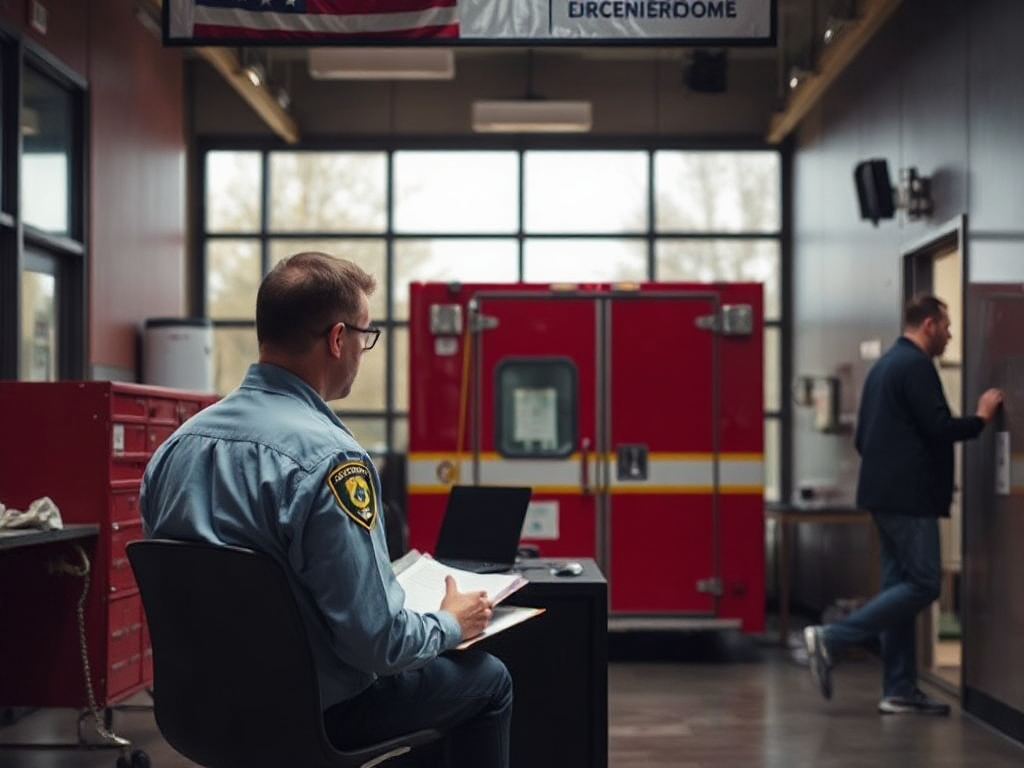
Knowing your local emergency contacts is essential for effective crisis management and can save lives. In emergencies, having immediate access to local services like police, fire departments, and medical facilities can dramatically improve response times. It's important to compile a comprehensive list of these contacts, including non-emergency numbers, and ensure that this information is easily accessible. Additionally, fostering relationships with neighbors and community resources can create a supportive network, which is invaluable during a crisis. This proactive approach not only enhances personal safety but also strengthens community resilience, enabling quicker assistance when it matters most.
Why Local Emergency Contacts Matter
Understanding the urgency of knowing your local emergency contacts is vital for effective crisis management. During emergencies, every second counts, and having immediate access to local resources can significantly enhance your safety and response capability. Local emergency contacts, including police, fire services, and medical facilities, are trained to handle specific situations that may arise in your community. Their familiarity with the area allows for quicker responses, which is crucial when lives are at stake.
Moreover, knowing your neighbors and local community resources can create a network of support that enhances overall preparedness. In times of crisis, community cohesion can lead to faster assistance and better outcomes. For instance, during a natural disaster, having a neighbor who is a first responder can expedite help and provide reassurance in uncertain times.
How to Compile Your Emergency Contact List
Creating an effective emergency contact list involves identifying key resources and ensuring that the information is easily accessible. Start by listing essential services such as local police, fire department, and hospitals. Include non-emergency numbers for local law enforcement and utility companies, as they can be just as vital during a crisis.
Once you have compiled these contacts, consider adding personal contacts such as family members, friends, or neighbors who can assist during emergencies. It’s wise to include various forms of communication (phone numbers, emails, etc.) for each contact to ensure that you can reach them through different means if necessary. Ultimately, keep this list in a visible and accessible location, such as on your refrigerator or saved in your mobile device, to ensure it’s readily available during an emergency.
Common Mistakes in Emergency Preparedness
One of the most significant mistakes people make regarding emergency preparedness is underestimating the importance of local contacts. Many individuals rely solely on general emergency numbers, such as 911, without recognizing the value of knowing local resources and services. This can lead to delays in receiving help, particularly in critical situations where local responders are more familiar with the area and its unique challenges.
Another common error is failing to update contact information regularly. People move, change jobs, or alter their phone numbers, and neglecting to keep this information current can lead to wasted time and confusion when trying to reach someone in an emergency. Regularly reviewing and updating your contact list ensures that you have the correct information when it matters most.
Understanding the urgency of knowing your local emergency contacts can be enhanced by accessing additional resources on community preparedness and emergency planning. Consider visiting local government websites or community safety organizations for tailored information specific to your area.
Frequently Asked Questions
Why is it important to know local emergency contacts?
Knowing local emergency contacts ensures quick access to essential services during crises, which can save lives and reduce response times.
How can I compile an effective emergency contact list?
Compile an effective list by including local emergency services, non-emergency contacts, and personal contacts with various communication methods.
What are common mistakes in emergency preparedness?
Common mistakes include underestimating local resources and failing to keep contact information updated, which can delay help in emergencies.
How often should I update my emergency contact list?
It's advisable to review and update your emergency contact list at least once a year or whenever significant changes occur in your personal contacts.
Where should I keep my emergency contact list?
Keep your emergency contact list in a visible place, such as on your refrigerator or saved in your mobile device, for easy access during emergencies.
Conclusion
Knowing your local emergency contacts is not just a precaution; it is a critical aspect of effective preparedness. By compiling a comprehensive list of local resources and regularly updating it, you can ensure that help is readily available when you need it most. Prioritizing this knowledge not only enhances your safety but also fosters a sense of community responsibility and support. Take the time today to gather and organize your emergency contacts; your future self will be grateful.