
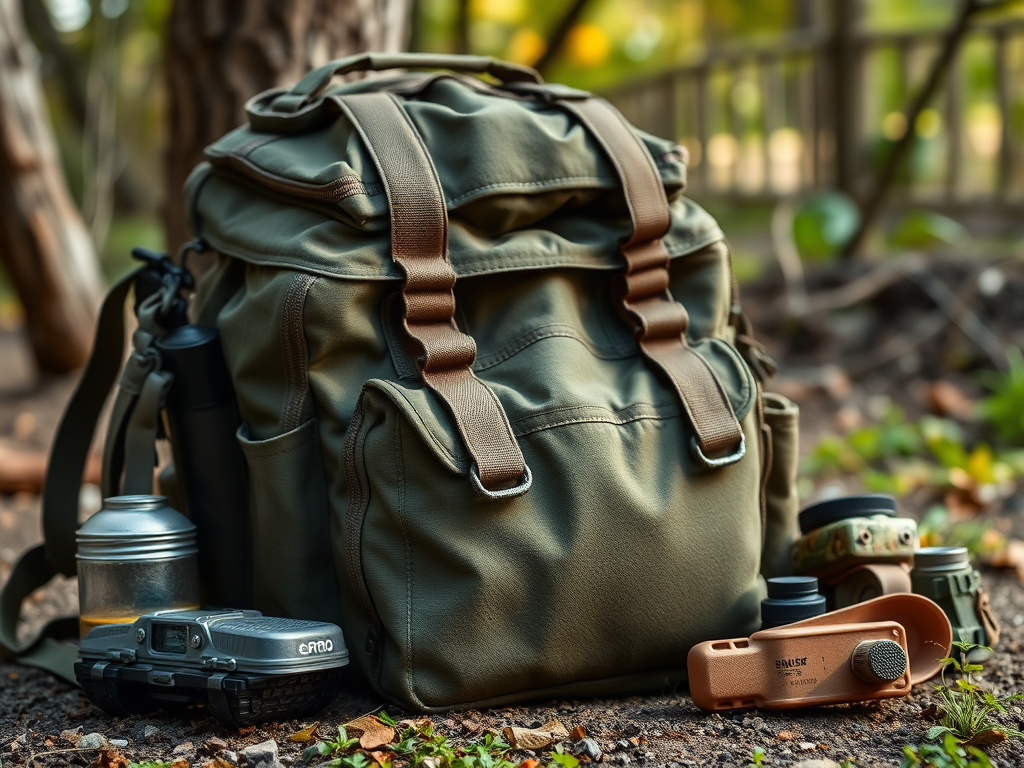
To build a bug-out bag effectively, begin with a sturdy, comfortable backpack that can hold all necessary items without being overly bulky. Include essential survival gear such as a multi-tool, flashlight, whistle, and fire-starting kit, as these are vital for shelter, signaling, and visibility. Don't forget personal hygiene items and a well-stocked first aid kit tailored to your medical needs. Prioritize lightweight, high-calorie food options and a reliable water filtration system to ensure you can sustain yourself in emergencies. Lastly, remember to pack important documents and medications to address your specific personal needs during a crisis.
Choosing the Right Backpack
Selecting a durable and comfortable backpack is the first step in building an effective bug-out bag. It should be large enough to hold all essential items but not so large that it becomes cumbersome. Look for features like padded straps, multiple compartments, and weather-resistant materials to enhance functionality. A good size for a bug-out bag is typically between 40 to 70 liters, providing ample space for gear without excessive bulk.
Many people make the mistake of choosing an overly complicated bag with too many features. Instead, focus on a straightforward design that allows easy access to contents. Consider your personal comfort and how the bag fits your body, as you’ll need to carry it for extended periods during an emergency.
Essential Items to Include
Once you have a suitable backpack, the next step is to fill it with essential items. A well-prepared bug-out bag should include basic survival gear, such as a multi-tool, flashlight, whistle, and fire-starting kit. Each item plays a critical role in survival situations, providing the tools necessary for shelter building, signaling for help, and ensuring visibility at night.
Many individuals overlook the importance of including personal hygiene items. Things like toothbrushes, toothpaste, and biodegradable soap can help maintain health and morale in stressful situations. Additionally, ensure you have a compact first aid kit that covers essential medical needs, including bandages, antiseptics, and any personal medications.
Food and Water Considerations
Food and water, prioritize lightweight, non-perishable items that provide high energy. Options like energy bars, dried fruits, and freeze-dried meals are excellent choices. Additionally, consider including a portable water filtration system or purification tablets to ensure you can access safe drinking water.
Many people underestimate their water needs in emergency situations. A general guideline is to have at least one gallon of water per person per day. Pack collapsible water containers for easy transport, and remember that hydration is crucial for maintaining energy and cognitive function during crises.
First Aid and Safety Gear
A comprehensive first aid kit is essential in any bug-out bag, as injuries can occur during emergencies. Include items such as adhesive bandages, gauze, antiseptic wipes, and pain relievers. Additionally, consider incorporating a CPR mask and instruction manual to enhance your ability to assist others.
Safety gear should also include a whistle, signaling mirror, and reflective emergency blanket. These items can help in alerting rescuers to your location and providing warmth in cold conditions. Many individuals fail to prepare adequately for emergencies, so ensure your bag is stocked with these vital items to increase your chances of survival.
Planning and Personalization
Every bug-out bag should be personalized to reflect individual needs and circumstances. Assess your environment and potential threats to determine what additional items may be necessary. For example, if you live in a region prone to natural disasters, consider including specific gear relevant to those scenarios.
Additionally, keep your bag updated regularly. Check expiration dates on food and medical supplies, and adjust the contents based on changing personal needs. A common mistake is to build a bag and forget about it; regular maintenance ensures that your bug-out bag remains a reliable resource when you need it most.
Frequently Asked Questions
What is the most important item in a bug-out bag?
The most important item is often considered to be water or a water purification method, as hydration is critical for survival.
How often should I update my bug-out bag?
Update your bug-out bag at least every six months to ensure all items, especially food and medications, are fresh and relevant.
Can I use a regular backpack for a bug-out bag?
Yes, but ensure it is durable, comfortable, and large enough to hold all essential items without being overly heavy.
What type of food should I pack?
Pack lightweight, non-perishable foods such as energy bars, nuts, and dehydrated meals that provide high calories and nutrition.
Should I include personal documents in my bug-out bag?
Yes, include copies of important documents like identification, insurance information, and medical records for easy access during emergencies.
Conclusion
Building a bug-out bag requires careful consideration of essential items tailored to individual needs and potential threats. Focus on including a durable backpack, critical survival gear, food, water, and personal items. Regular updates and personalization are key to ensuring your bag is a reliable resource when emergencies arise. Ultimately, preparation empowers you to respond effectively to unexpected situations.