
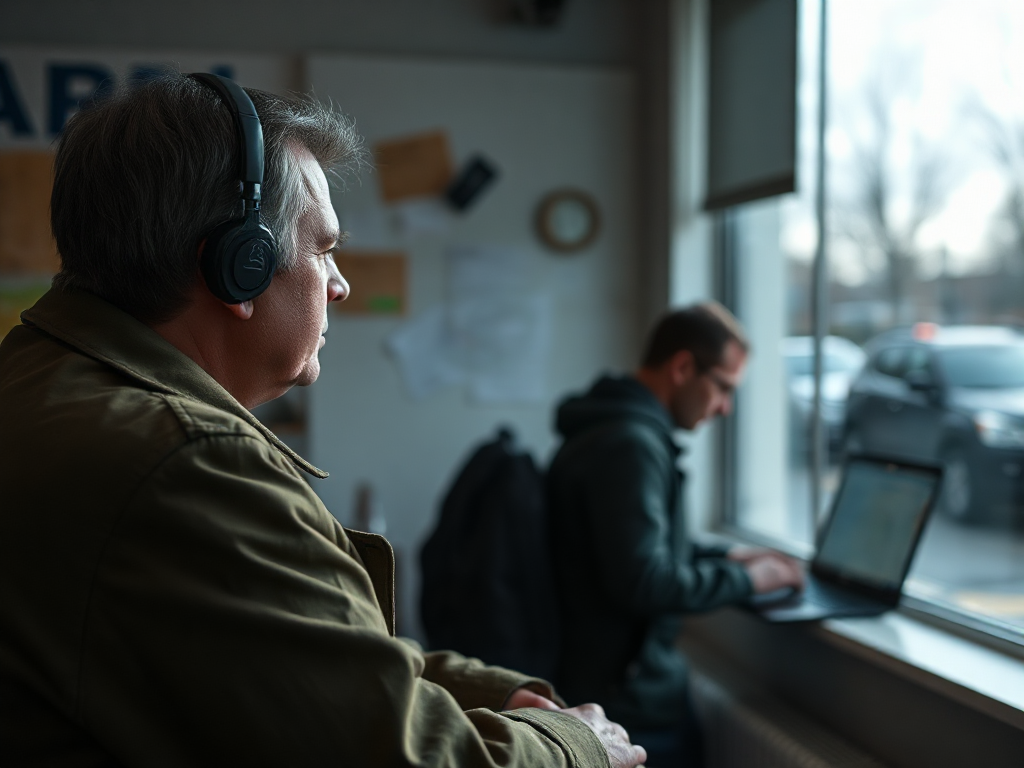
Neglecting mental preparedness in emergencies can have serious consequences, including increased anxiety and impaired decision-making. Individuals who do not prioritize their mental health may find themselves overwhelmed during crises, leading to confusion and ineffective responses. To mitigate these risks, it is vital to develop mental resilience through training and coping strategies. For instance, practicing mindfulness and scenario-based drills can enhance one’s ability to remain calm and focused under pressure. Ultimately, fostering mental preparedness is essential for ensuring personal safety and the well-being of others during emergencies.
The Importance of Mental Preparedness
Mental preparedness is a crucial aspect of emergency readiness that is often overlooked. It encompasses the ability to remain calm, make sound decisions, and effectively manage stress during crises. Failing to prioritize mental preparedness can lead to detrimental outcomes, such as panic, confusion, and an inability to act when it matters most. Individuals who cultivate mental readiness are more likely to respond effectively, ensuring their safety and that of others.
For instance, during natural disasters, those with a mental preparedness plan can better cope with fear and uncertainty, allowing them to focus on practical actions. In contrast, neglecting this aspect may result in emotional paralysis, where individuals freeze or make hasty decisions that could jeopardize their safety. Recognizing the value of mental preparedness can significantly impact one’s ability to navigate emergencies.
Common Psychological Risks in Emergencies
Emergencies often expose individuals to various psychological risks, including heightened anxiety, post-traumatic stress disorder (PTSD), and severe emotional distress. The chaos of a crisis can trigger these responses, leading to impaired judgment and increased vulnerability. For example, in an active shooter scenario, the immediate threat can overwhelm individuals, causing them to freeze or act irrationally.
Moreover, the lack of mental preparedness can exacerbate these risks. Individuals may struggle to manage their emotions, leading to panic attacks or a sense of helplessness. It’s essential to acknowledge these psychological challenges and understand how they can affect decision-making. Building awareness around these risks allows individuals to take proactive steps to mitigate their impact.
Building Mental Resilience
Mental resilience is the capacity to adapt and thrive in the face of adversity. It is vital for maintaining composure during emergencies. Building resilience involves developing coping strategies, enhancing emotional intelligence, and fostering a supportive social network. Individuals can improve their mental resilience through practice and preparation.
One effective method is exposure to simulated emergency situations, which can help individuals familiarize themselves with potential stressors and develop appropriate responses. For example, participating in emergency drills can enhance confidence and reduce anxiety. Additionally, cultivating a strong support system can provide emotional backing during crises, allowing individuals to share experiences and coping mechanisms.
Practical Strategies for Mental Preparedness
Implementing practical strategies for mental preparedness can significantly enhance one’s capacity to handle emergencies. First, individuals should engage in regular mental health check-ins, assessing their emotional well-being and identifying areas for improvement. Techniques such as mindfulness, meditation, and deep-breathing exercises can be beneficial in managing stress levels.
Furthermore, creating a personalized emergency plan that includes mental health resources is essential. This plan can outline coping strategies, contact information for mental health professionals, and community support resources. Regularly reviewing and practicing this plan will ensure individuals are equipped to handle psychological stressors effectively.
Frequently Asked Questions
What is mental preparedness in emergencies?
Mental preparedness involves the ability to stay calm, make sound decisions, and manage stress effectively during emergencies.
Why is mental preparedness important in emergencies?
It helps individuals respond effectively, ensuring their safety and that of others during crises.
What are common psychological risks during emergencies?
Common risks include heightened anxiety, PTSD, and emotional distress, which can impair decision-making.
How can I build mental resilience?
Building resilience involves developing coping strategies, enhancing emotional intelligence, and having a supportive social network.
What practical strategies can I use for mental preparedness?
Engage in regular mental health check-ins, practice mindfulness, and create a personalized emergency plan with mental health resources.
Conclusion
Addressing mental preparedness is essential for anyone looking to navigate emergencies effectively. By recognizing the psychological risks involved and building resilience, individuals can enhance their ability to respond to crises. Practical strategies such as regular mental health assessments and creating a personalized emergency plan can significantly improve outcomes. Prioritizing mental readiness not only benefits individual safety but also fosters a supportive community during challenging times.