
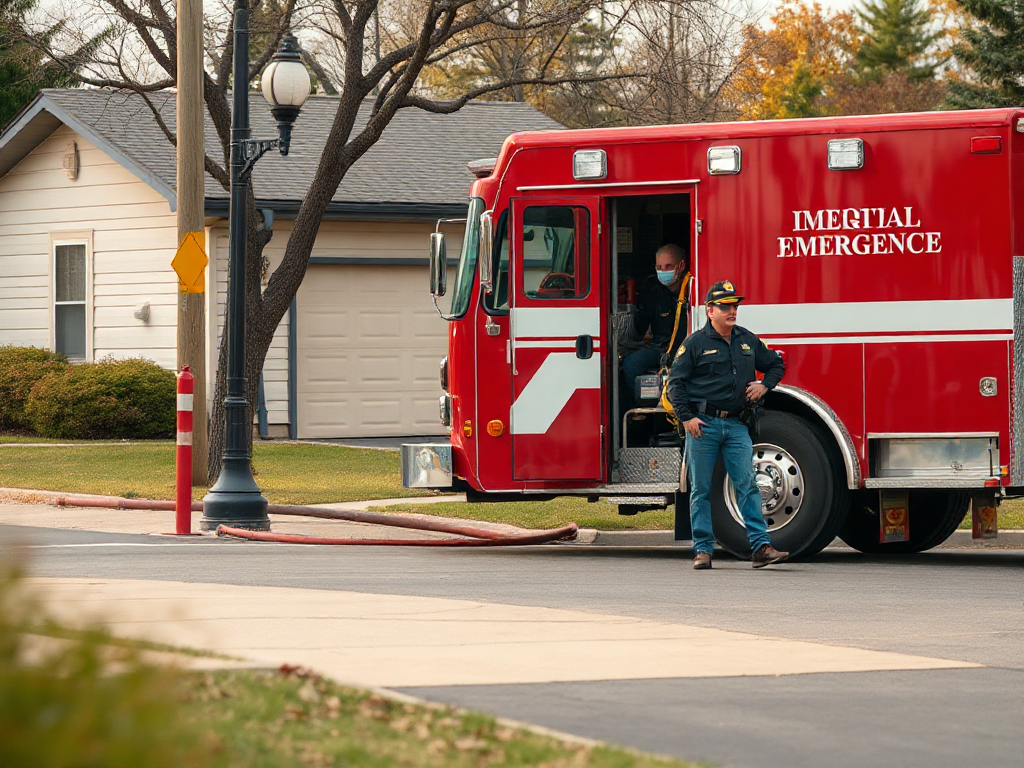
Ignoring local emergency services can severely jeopardize community safety and resilience. Increased response times during crises can lead to catastrophic outcomes, especially in situations where every second matters, such as medical emergencies or fires. Furthermore, neglecting these services undermines public trust, creating a disconnect between citizens and emergency responders. This lack of confidence can hinder effective cooperation in times of need. To mitigate these risks, communities must prioritize funding and support for local emergency services, ensuring they are well-equipped and trained to handle emergencies efficiently.
Understanding the Role of Local Emergency Services
Local emergency services, including fire departments, police, and medical responders, play a crucial role in maintaining community safety and well-being. They are the first line of defense during emergencies, providing rapid response to incidents ranging from medical emergencies to natural disasters. These services not only respond to crises but also engage in preventive measures, educating the community about safety protocols and emergency preparedness.
When communities recognize the importance of these services, they foster a culture of safety and resilience. Emergency services require adequate funding, training, and community support to operate effectively. Failure to acknowledge their role can lead to a lack of resources, affecting their ability to respond promptly and efficiently when emergencies arise.
Impacts of Neglecting Emergency Services
Neglecting local emergency services can have dire consequences that ripple throughout the community. A primary impact is the increased response time during emergencies. For instance, if a fire department is underfunded, it may lack the necessary equipment or personnel to respond effectively, leading to delays that can exacerbate the situation. This is particularly critical in medical emergencies where every second counts.
Moreover, inadequate emergency services can result in diminished public trust. When communities feel that their safety is compromised, it can lead to a breakdown in the relationship between citizens and emergency responders. This mistrust can hinder cooperation during emergencies, making it even more difficult to manage crises effectively. For example, if residents do not believe that local police or fire services will respond adequately, they may hesitate to report incidents or seek help, further endangering public safety.
Community Preparedness and Response
Effective community preparedness hinges on strong local emergency services. When these services are well-supported, they can conduct regular training, drills, and educational programs, equipping residents with the knowledge and skills to respond to emergencies. For example, community workshops focusing on first aid, fire safety, and disaster preparedness can empower residents, creating a more informed and proactive populace.
Conversely, communities that ignore their emergency services often find themselves unprepared for disasters. Inadequate training and lack of resources can lead to chaos during critical incidents. A notable example is the response to natural disasters like hurricanes or floods; communities that invest in their emergency services typically experience more effective management and recovery efforts compared to those that do not. By prioritizing local emergency services, communities can enhance their overall resilience and ability to respond effectively to crises.
Long-Term Consequences of Ignoring Emergency Services
The long-term consequences of neglecting local emergency services extend beyond immediate safety concerns. Over time, communities may face higher insurance premiums due to increased risks associated with inadequate emergency response. Insurers often evaluate the effectiveness of local emergency services when determining rates, and communities with poorly funded services may find themselves paying more.
Additionally, neglecting emergency services can lead to economic impacts. Businesses may be less inclined to invest in areas where public safety is perceived as inadequate, which can stunt local economic growth. Moreover, communities that fail to support their emergency services may struggle with recovery after disasters, resulting in prolonged disruptions to daily life and economic activity.
Frequently Asked Questions
What are the main functions of local emergency services?
Local emergency services primarily respond to crises, provide medical assistance, enforce laws, and engage in community education on safety and preparedness.
How does underfunding impact emergency services?
Underfunding can lead to longer response times, insufficient training, and inadequate resources, ultimately compromising public safety and trust.
Why is community support important for emergency services?
Community support ensures that emergency services receive the necessary funding and resources, enabling them to operate effectively and respond to emergencies promptly.
What are the consequences of ignoring local emergency services?
Consequences include increased risks during emergencies, slower response times, diminished public trust, and potential economic impacts on the community.
How can communities improve their emergency preparedness?
Communities can improve preparedness by supporting local emergency services, participating in training programs, and engaging in regular safety drills.
Conclusion
Prioritizing local emergency services is essential for maintaining community safety and resilience. Ignoring these services can lead to severe consequences, including slower response times and increased risks during emergencies. Communities must recognize the importance of supporting their emergency services through adequate funding, training, and public engagement. By fostering strong local emergency services, communities can enhance their preparedness and ensure a swift and effective response during crises.
Additional Resources
Authoritative Sources
- FEMA National Preparedness
fema.govFederal preparedness, mitigation, response, and community-resilience resources.
- American Red Cross Emergency Preparedness
redcross.orgPractical emergency preparation, safety, and supply guidance for households.