
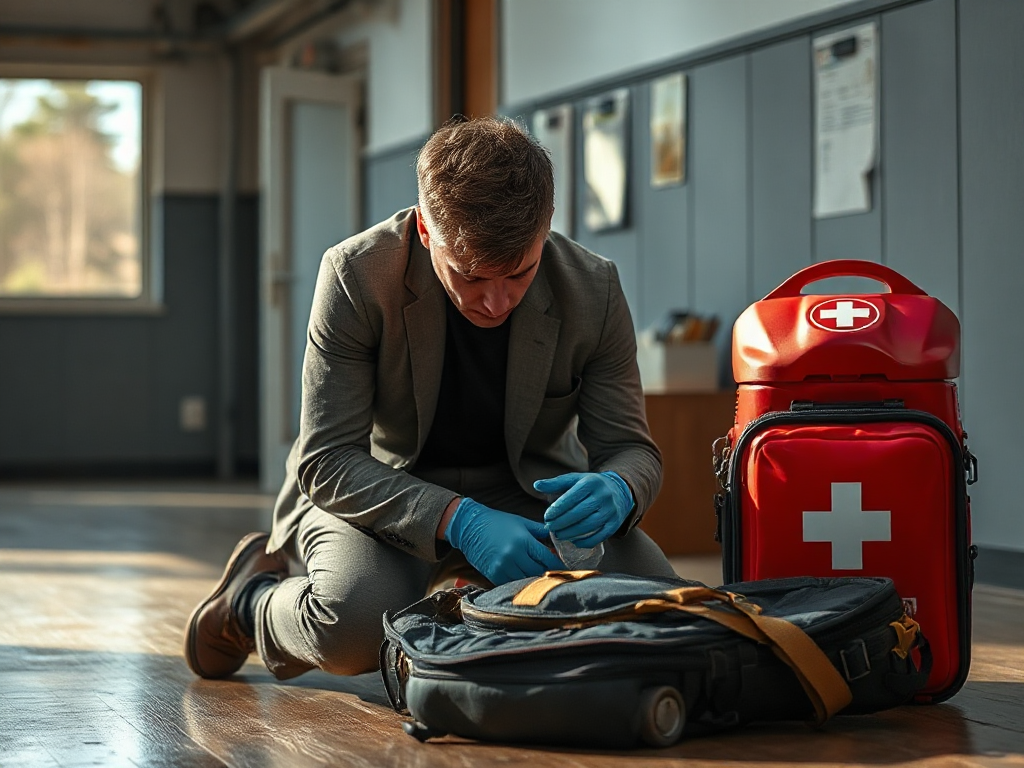
Underestimating the need for first aid training can have dire consequences during emergencies, as individuals may find themselves unprepared to respond effectively. This lack of preparation often arises from misconceptions that emergencies are unlikely or that first aid is only necessary for professionals. To mitigate risks, it is essential for everyone, regardless of their background, to pursue first aid training. This training not only equips individuals with critical skills but also instills confidence, enabling them to act decisively in crises. By addressing common misunderstandings and prioritizing first aid education, communities can enhance safety and potentially save lives.
The Importance of First Aid Training
First aid training is crucial because it equips individuals with the knowledge and skills necessary to respond to medical emergencies effectively. In situations such as heart attacks, severe bleeding, or choking, having a trained person can mean the difference between life and death. First aid training also fosters confidence in individuals, enabling them to act swiftly rather than hesitating in crises. Furthermore, trained individuals can alleviate pain and prevent further injury while waiting for professional medical help to arrive.
Moreover, first aid training is not just for professionals; it is essential for everyone, from parents to teachers and community leaders. By underestimating the need for first aid training, individuals may inadvertently place themselves and others at risk. The knowledge gained through training can help in everyday situations, ensuring a safer environment for all.
Common Misconceptions About First Aid
Many people hold misconceptions about first aid and its importance. One common belief is that first aid is only necessary for medical professionals or those in high-risk jobs. This assumption is flawed, as emergencies can occur anywhere, and anyone can be called to help. Another misconception is that first aid training is too complicated or time-consuming. In reality, many courses are designed to be accessible and can be completed in just a few hours.
Additionally, some individuals think that they can rely solely on emergency services to handle all situations. While professional responders are vital, they may not always be immediately available. The first few minutes of an emergency often fall to bystanders, making preparedness essential. By challenging these misconceptions, individuals can better understand the value of first aid training and its role in enhancing community safety.
Real-World Impact of Underestimating First Aid
Underestimating the need for first aid training can have serious repercussions in real-world scenarios. For instance, during a cardiac arrest, every minute counts. A trained bystander can perform CPR and use an AED (Automated External Defibrillator) to significantly increase the chances of survival. Conversely, without training, bystanders may freeze or provide ineffective assistance, leading to tragic outcomes.
Furthermore, studies have shown that communities with higher rates of first aid training experience better health outcomes and lower mortality rates in emergencies. This correlation highlights the importance of widespread training programs. Individuals who recognize the potential consequences of inadequate preparation are more likely to take proactive steps to enhance their skills, ultimately benefiting their communities.
Practical Steps to Improve First Aid Preparedness
Improving first aid preparedness involves several practical steps. First, individuals should seek accredited first aid courses that fit their schedules and learning preferences. Many organizations offer online and in-person options, making it easier to find a suitable program. Additionally, individuals should encourage family members, friends, and colleagues to participate in training together, fostering a culture of preparedness.
Regular refreshers are also essential, as skills can fade over time. Setting reminders for periodic training updates can ensure that knowledge remains fresh and actionable. Lastly, people should advocate for first aid training within their communities, schools, and workplaces, emphasizing the collective benefits of being prepared for emergencies. By taking these steps, individuals can significantly enhance their readiness to respond when needed.
Frequently Asked Questions
What is the most important reason to have first aid training?
The most important reason to have first aid training is that it prepares individuals to respond effectively in emergencies, potentially saving lives and reducing injury severity.
How often should I renew my first aid certification?
It is generally recommended to renew first aid certification every two to three years to ensure skills and knowledge remain current.
Can first aid training help in non-medical emergencies?
Yes, first aid training can provide skills that are valuable in various emergencies, including natural disasters, where quick thinking and basic medical knowledge can be critical.
What should I look for in a first aid training course?
Look for courses that are accredited, taught by experienced instructors, and offer hands-on practice to ensure effective learning.
Are there online first aid training options available?
Yes, many organizations offer online first aid training courses that provide flexibility and convenience for learners.
Conclusion
Recognizing the need for first aid training is vital for individual and community safety. By understanding the importance of preparedness, challenging misconceptions, and taking proactive steps to enhance skills, individuals can significantly impact emergency outcomes. Engaging in regular training and encouraging others to do the same fosters a culture of readiness that benefits everyone. Ultimately, being prepared not only empowers individuals but also contributes to a safer, more resilient community.