by PREPARE Magazine Editorial Team | Apr 5, 2025 | Blog, Premium Membership Updates
As we announced last week, we are beginning to offer live webinars on Preparedness topics. Last week, we hosted our very first live webinar on the topic of the importance of whole grains in preparedness, and proper storage of grains. The webinar was excellent, but as expected we did run into a few minor technical issues as we are learning a brand new service.
The purpose of these live webinars is to share resources and additional Preparedness training, and to offer exceptional training from experts and presenters. We are using one of the top new webinar platforms available, so we believe the quality of the experience is going to be excellent for those who attend.
We are very excited about this new presentation format, and believe it will be a valuable part of our Preparedness Community. Right now, we are offering these webinars/trainings as part of our Premium Member service. For those who are unable to attend the live training events, the webinars will be recorded and available in to our members in their membership area.
For Premium Members, a recording of the training videos we shared on the first webinar are available in your member area. Go to your Webinar and Video area to view and download.
If you are not a Premium Member and are interested in getting the video trainings, go to: PREPAREmember.com
by PREPARE Magazine Editorial Team | Apr 5, 2025 | Blog
 Regardless of your own personal belief system, there are obviously church buildings, church denominations and organizations out there that are doing something about the preparedness of their own parishioners. Some denominations are more known for this than others. But as a whole, what is or should be the church’s roll in preparedness?
This topic is not posted here to be a catalyst for religious debate, denominational ‘one-up-manship’ or an attempt to proselytize anyone. This is a real question of what is or should be the roll of the church (or organized religious entities) in preparedness.
Many churches teach differing beliefs about the days ahead; they differ from the rapture of escaping before tribulation to a testing and threshing of the ‘wheat from the chaff’ (true believers tested trust) in the last days. There is still no denying that trouble, emergencies and disasters have always, and still will always beset a congregation. Regardless of theological belief taught within a denomination, a parishioner may loose his/her only income, a flood or tornado may hit the area, quarantine or mass power outages may besiege their community for an extended period of time. How are the organized religious entities in an area preparing to respond to these highly potential realities?
 As one who believes, personally that the buildings and hierarchy of the ‘church’ organization is not without flaw, if you or I are part of a church body, you or I are both part of the problem and part of the solution at the same time.
- Have you quietly prepared out of fear of being ostracized or looted?
- Have you felt it was not your place to interject because it seemed to challenge the doctrinal belief system?
- Do you perhaps just not feel that you are your ‘brother’s keeper’ after all?
I’d like to encourage you, if you belong to a church and no one within it seems to you to be prepared for much. You have the ability to help them, but only if you will.
Below are a few ideas to help empower you to open the opportunity of helping your church see the need:
- Talk to your Pastor/Father/Leader. “About what?” you may ask. I’d rather suggest what not to talk about first. Don’t have a theological debate of the rapture or God’s protection. Don’t talk about governmental, FEMA or other conspiracy theories. Remember to be as grounded in the well-being of the community/body as possible as you speak on topics of preparedness. The ideas to follow may give you some ideas of what to talk about. Listen to your community needs at large and see what your leadership is open to begin at your church.
- Start a Food Pantry that also Stocks Other Needs. This can be actually easily done and the additions of candles, toilet paper, first aid supplies etc are often not noted as panic stock but rather realistic items of need when caring for parishioners and reaching a community in an emergency.
- Offer to teach or Organize Speakers for Classes/Seminars. From home canning or scratch food preparation to fire prevention and gardening – the ‘do it yourself’ trend is on the rise everywhere – a church congregation is not immune to this new trend. Thankfully you can use this to your (and their) advantage to help them gain skills they may not ever realize are preparedness skills.
- Attend, Lead or Join a Mission Trip. Really, there are mission trips within your own country because people in need are EVERYWHERE. In my county alone, the number of homeless and starving children would astound you! We live just outside of one of the countries fastest growing, and economically stable areas – however the soup-lines and shelters are full of families who have fallen on hard times. So if foreign travel is not an option, you don’t have to take your willing congregation members far to see how life could be for them. The Mission truly may be in your own back yard. This is usually a very eye opening experience for most people. It often causes us to not only see and meet the needs of others but realize the fragility of our own situations as well.
- Connect with and Bring in Your Denomination’s Response Team. You may be surprised to know that most denominations have a branch of an Emergency Response Team. Your denomination may not call it that, your Pastor/Father/Leader may not even be aware of the roll of this team (or aware OF it) but they are there. This team is your back up. They will help to guide you in ways to involve your local congregation (and hopefully reach out to the whole community) in ways that are least offensive to the leaders of your church.
With these few ideas, and more that may spring forth from you, you will hopefully open the eyes of those around you to some preparedness needs. They may never quite see it the same way you do, but you will know they are better prepared because of their involvement.
On an author’s personal note, my belief is that a church organization is made up of flawed individuals who can as easily as anyone, become self-absorbed and miss the opportunity to serve those who do not believe as they do. But by being well prepared to serve an entire community at large, regardless of belief system, the door of outreach will be flung wide open. This Door could be The Way to the Ultimate Preparedness for something we all face, and I’m not talking about taxes.
Are your church doors wide open or shut tight?
Popular Questions
How can a church contribute to community preparedness efforts?
A church can play a vital role in community preparedness by initiating programs that address local needs. For instance, starting a food pantry that includes essential supplies like first aid kits and hygiene products can help parishioners during emergencies. Additionally, organizing workshops on skills such as gardening or canning can empower members with practical knowledge that enhances their self-sufficiency.
What steps can church leaders take to promote preparedness among their congregation?
Church leaders can promote preparedness by engaging in open discussions about the importance of being ready for emergencies. They might consider inviting speakers to share insights on disaster response or community resilience. Furthermore, connecting with their denomination's emergency response team can provide valuable resources and guidance for implementing effective preparedness strategies.
In what ways can church members get involved in preparedness initiatives?
Church members can actively participate in preparedness initiatives by volunteering to lead or join community outreach programs. They can also help organize mission trips that focus on local needs, allowing the congregation to witness and address the challenges faced by those in their own community. By fostering a culture of service and readiness, members can inspire others to take preparedness seriously.
Why is it important for churches to address preparedness in their teachings?
Addressing preparedness in church teachings is crucial because it equips congregants with the knowledge and skills needed to navigate emergencies. It also reinforces the idea that caring for one another extends beyond spiritual support to practical assistance during crises. By integrating preparedness into their message, churches can help build a more resilient community that is better prepared for unforeseen challenges.
by PREPARE Magazine Editorial Team | Apr 5, 2025 | Blog


As we prepare, one roll is to be prepared for any unfavorable circumstances that may happen within the family, particularly with the children. Remember, that first aid and health care are two of the most important responsibilities for your family.
There are unexpected incidents that may happen in your household every once in a while such as minor accidents and/or illnesses. These are inevitable situations, particularly if your children are very active which make them prone to minor accidents, and also because of sudden change of weather or viruses around us which make them sick.
Identify possible risk that may cause accidents
- Is your home a two story building that has one or more staircases?
- Do you have pets at home, like dogs or cats?
- Is your home near the road or highway or public transportation?
- Do you live in an area near water such as river, lake or sea?
Try to identify as many different risk factors as possible. This could help you create a better action plan in preventing these accidents and can help you create a better plan on how to respond when these risks result in accidents. If you can’t come up with an action plan on your own, try to ask your neighbors, friends, other family members, or relatives, and check some tips online. It’s good if you can gather as much information as possible so that you’ll have more options and you’ll be able to choose which one that will best suit you and your family.
First-aid supplies to keep on-hand
Aside from accidents, different types of illnesses may also attack you or your child. Before this happens, prepare your medical and first-aid supplies. Colds, fever, skin itching, skinned knees, bruises, and minor tummy pain are easily taken care of without bringing your little patient to the doctor or ER, so make sure you equip yourself with ample knowledge in dealing with these certain situations.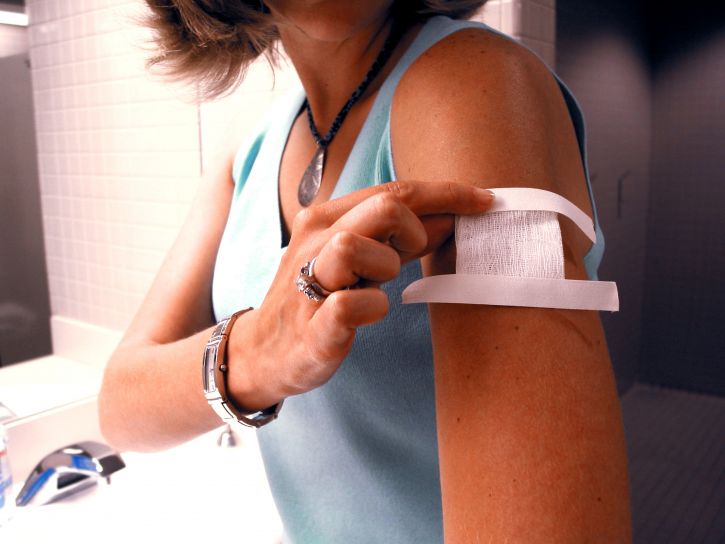
Here are a few helpful supplies for your first-aid kit:
- Bandages and gauze pads
- Cotton balls
- Instant cold and hot packs
- Medical tape
- Rubbing alcohol
- Saline drops and bulb syringe
- Scissors
- Thermometer
- Tweezers
- First-aid manual
Typical Over the Counter Medications (Many of which have Essential Oil Replacements):
- Acetaminophen – pain reliever and a fever reducer
- Anti-fungal creams – used to treat fungal infections of the skin, scalp and nails
- Antihistamines – used to treat allergy symptoms such as congestion, runny nose, sneezing, or itching
- Aspirin – pain reliever
- Cough Medicine
- Electrolyte solution – for dehydration
- Eye drops – for itchy eyes
- Ibuprofen or naproxen sodium – great painkillers for adults and older kids
- Vicks vapor rub – (or natural equivalent – see below) good for adult and toddler’s colds
- Gas Relief – (or natural equivalent – see below) to alleviate pain from bloating
Note: Be sure you consult a doctor before using most over the counter medications.
Essential Oils are gaining ground as an alternative to using the over-the-counter medication approach to many of the unexpected events in life requiring first aid. A good quality essential oil will have instructions and education for you to use it to for the best results. But because they are direct food or plant derivatives with no synthetic alterations the FDA often will not substantiate their claims. However, many people use Essential oils very successfully to address a magnitude of first aid needs instead of over-the -counter or prescription medications.

For someone wishing to ‘make over’ their medicine cabinet for to a healthier approach with less concern for side-affects, we would like to also offer a few natural options such as the ones listed below.
IMMUNE STRENGTH® Natural Defense (*Natural Replacement for Disinfectant Spray and more)
- Diffuse in a room to cleanse the air
- Dilute in spray bottle to clean doorknobs, telephones, and other community surfaces
TUMMY RUB® Digestive Support (*Natural Replacement for GasX, Pepto-Bismol and more)
- When traveling or trying new foods, use Tummy Rub to soothe occasional stomach discomfort*
- Heartburn, indigestion and upset stomach can be elevated with this topical Tummy Rub.
BREATHE EASE® Respiratory Support (*Natural Replacement for Vapor Rubs and more)
- Apply topically to maintain feelings of clear airways and easy breathing
- Diffuse or add to humidifier at bedtime for a restful night’s sleep
- Apply to chest, hands or bottom of feet
TRUE BLUE® Muscle and Joint Support (*Natural Replacement for BenGay or Icey-Hot and more)
- Apply on feet and knees before and after exercise
- Rub on soar aching muscles and joints after a day of heavy lifting or exertion to alleviate pain.
FRANKINCENSE (*Natural Cellular Support )
- Apply topically to reduce the appearance of skin imperfections
- Apply to the bottom of your feet to promote feelings of relaxation
- When in doubt, use and defuse Frankincense!
OREGANO (*Natural Immune Support )
- May be taken internally, 1–2 drops in an empty vegetable capsule to maintain a healthy immune system*
- May be Add to your favorite Italian dishes for flavoring and to support healthy digestion*
- May be taken internally to support healthy respiratory function*
MELALEUCA (*Natural Anti-fungal & First Aid for the Skin)
- Apply to skin for a cleansing and rejuvenating effect
- Defuse into the air to lift mood and help to create creativity.
- Apply to feet and toenails after showering to purify and keep nails looking healthy
PEPPERMINT (*Natural Respiratory & Tension Relief)
- May be taken internally to promote digestive health, respiratory function and clear breathing*
- Diffuse when feeling fatigued or low on energy
- Apply to neck and forehead with Lavender to relieve feelings of tension
LEMON (*Natural Cleansing & Purification)
- Diffuse in a room to neutralize odors and elevate mood
- Use to cleanse and purify the air and surfaces
- May be taken internally to assist with seasonal respiratory discomfort*
LAVENDER (*Naturally Relaxing & Mood Boosting)
- May be taken internally to reduce anxious feelings*
- Apply topically to soothe occasional skin irritations & bug bites.
- Massage on back or bottom of feet and apply a drop to pillow at bedtime
- May be taken internally with water to promote relaxation and a restful night’s sleep*
Additional tips:
ALWAYS make sure that you keep all medicines, essential oils and first-aid supplies on-hand but out of reach of small children. Every once in a while do an inventory on your medical supplies. Check dates, spills, etc., and replace items that are no longer usable. Try to familiarize yourself with the action plans that you have created so that it will be easier for you to handle any forms of accidents. You may also keep a hard copy of your action plans or if you have charts or other references, put them in a place where you can access them easily.
Usually in the family, these things are performed by Dr. Mom. However, try to educate each member on how to use medications or essential oils as well so that anyone can take over for you in order to handle certain emergencies when you are not around. Remember that in a family, it is much better if both you and your spouse know what to do when unfavorable circumstances arise.
*These statements have not been evaluated by the Food and Drug Administration. This product is not intended to diagnose, treat, cure, or prevent any disease. While some people select to ingest a few drops of essential oils per dose and on a very temporary basis, most of the time it is left up the consumer to decide if the manufacturer of the essential oil permits/promotes that ability. To the best of my knowledge, the FDA has not cleared any essential oil for human consumption but does acknowledge the use of them in topical and aromatic treatment.
Full Disclosure: The author of this post is an affiliate of Rocky Mountain Oils and may receive compensation should you purchase products. She can also be reached for more information.
________________________________________
Donna Miller is a teacher, author, sought-after speaker, and trainer. She has been both a guest and host on internet and broadcast radio talk-shows and in television interviews. She enjoys teaching online and local classes & ladies retreats. Donna is happily married and has three adult children, with one daughter-in-law and one son-in-law. She and her husband (Joseph) are the founders PREPARE Magazine and YourPreparation Station among other leading entities in the current Preparedness movement.
Popular Questions
What essential items should I include when building an alternative medicine cabinet for my family's preparedness?
When creating an alternative medicine cabinet, it's crucial to stock essential first-aid supplies such as bandages, gauze pads, and medical tape. Additionally, consider including over-the-counter medications like acetaminophen and antihistamines, as well as natural alternatives like essential oils for various ailments. This combination will help you address minor injuries and common illnesses effectively without always needing to visit a doctor.
How can I prepare my alternative medicine cabinet for unexpected illnesses in children?
To prepare for unexpected illnesses in children, ensure your alternative medicine cabinet contains remedies for common issues like colds, fevers, and tummy aches. Stock items such as a thermometer, saline drops, and electrolyte solutions to manage dehydration. Incorporating natural remedies, like essential oils, can also provide soothing relief for symptoms, making it easier to care for your child at home.
What natural alternatives can I use in my alternative medicine cabinet for common ailments?
In your alternative medicine cabinet, consider using natural alternatives like peppermint oil for digestive health and lavender for relaxation. Essential oils such as oregano and melaleuca can support immune function and skin health, respectively. These natural options can be effective substitutes for traditional over-the-counter medications, providing a holistic approach to family health.
How do I identify risks in my home when building an alternative medicine cabinet for preparedness?
Identifying risks in your home is essential for building an effective alternative medicine cabinet. Assess your living environment for potential hazards, such as staircases, pets, or proximity to water. Understanding these risks will help you tailor your first-aid supplies and remedies to address specific situations that may arise, ensuring your family is well-prepared.
by PREPARE Magazine Editorial Team | Apr 5, 2025 | Blog, Guest Bloggers
Prepping for Winter – The Shelter on Your Back

By Mike Douglas – The Maine Primitive Skills School
Each season brings unique beauty, great bounty and a special set of challenges. Between the time of the maple sap and ice out in Spring, to the insect hatches and movement of fish through our waterways in Summer, to the legendary hunting of Autumn, the three friendlier seasons offer sportsmen the bounty and beauty of the outdoors with risks that are worthy of respect, but often more forgiving than the harsh, often life threatening conditions that come wrapped in the beauty and solitude of our Maine Winter.
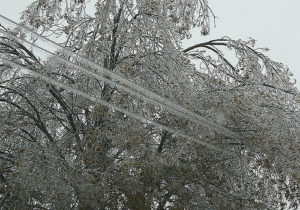 In 1998 my young family enjoyed a rare vacation together due to an ice storm. The beauty of bent and popping trees laden with ice and enshrouded in bitter cold created a magical landscape. The lack of power was a blessing, insulating us from the noise of the world and allowing us to enjoy in each other’s company. We explored the trails, ate meals around the wood stove under the light of candle and oil lamp, split wood, and thawed snow in to drinking water. It was a dream come true . . . until the fourth day. That was when my wife decided to start the car and check the radio. The sudden realization that people were in trouble, lives were being lost, and community was coming together over the air waves to assist those in need remains one of the most sobering moments of my life.
Here are some techniques that might help you enjoy the rugged and pristine beauty that our winter landscape provides and to do so in a fashion that will improve your comfort and minimize your chances of running into real trouble.
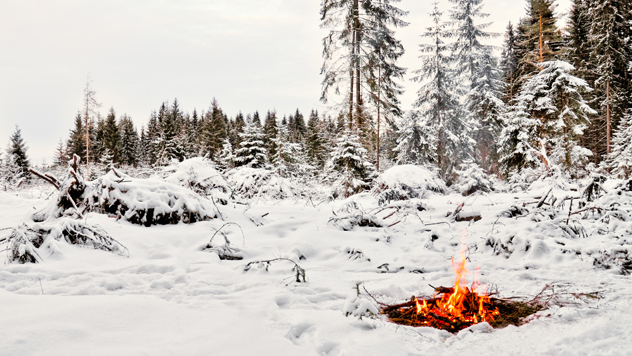
Dressing in layers is good advice. There is one thing to remember with this advice. In cold weather survival one of the rules is to remain “comfortably cool and dry”. Anyone who has spent a winter day in the North Woods knows that this can be a tricky, and sometimes near impossible, proposition. Unlike Alaska and other regions of the far north, our snow is rarely dry and powdery. If it is, it won’t be for long. In a twelve-hour period we can have rain, freezing rain, wet snow, and clearing skies at night where the temperatures can plummet well below zero. For this reason, personal shelter and the ability to make a warm fire are a priority when venturing out. This article will focus on clothing as our primary shelter.
Adequate shelter begins with the clothing on your back. As with any effective shelter, you should start with good materials and a solid foundation. The layer that makes contact with your skin should be hydrophobic. This means that it will not hold your body’s sweat or any other moisture close to your skin. Essentially, your radiant body heat acts to drive away the dampness keeping you dry and warm. Nylon, polypropylene, and silk are great materials for this first layer. It is called the “wicking layer” because it wicks moisture away from your body. The next layer is the insulation layer. This layer traps radiant body heat in a bubble of “dead air space” around you to keep you warm. Fiber pile is popular and effective. Goose down is available, but not only is it expensive, it is useless at creating a dead air space once it gets wet. My all-time favorite for insulation, as well as wicking layer, is wool. Merino wool close to the body and a heavy wool insulation layer have been my preferred cold weather choice since 1979. The reason is quite simply that wool will retain your body heat even when wet. The last layer is the protective shell that repels weather. A good shell is either breathable or has ventilation in the form of a main zipper and “pit zips”. Really good ones have both.

To prevent conduction, pay special attention to your feet. Thick liners or insulated inserts and socks nestled in a weather tight shell will not only keep your feet protected and dry from cold wet snow, it will also protect you from losing your core temperature through the active transfer of your body heat into the frozen ground. A good technique to remember is to keep a pair of wool socks on your feet and one tucked into the waistband of your pants. When your feet get wet or cold, you always have a warm and dry pair of socks to switch to. Even if you already switched into your dry pair, while your wrung out pair is drying in your waistband, the other pair is keeping your feet warm and dry. An inexpensive trick that helps keep your feet dry is to put on a pair of nylon dress socks before your wool socks. The nylon makes an inexpensive and effective wicking layer.
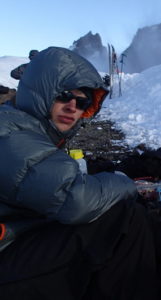
Outer garments and how you use them is important as well. A good thick cap beneath a hood adds extra protection and versatility to match our ever-changing weather. Having overmitts and two pairs of glove “liners” (one to go one your hands inside the mittens and the other tucked in your waist line next to your extra socks) is also a great combination that affords you protection from the cold as well as the ability to use your fingers.
The old saying, “If your feet are cold , put on a hat” has some truth to it. Any time your blood flow is near the surface, such is in the arteries in your neck, or near the surface and away from your heart, like the capillaries in your feet, fingers, and scalp, extra insulation can be used to keep you warm.
In our next article we will explore the strategies used to stay warm beyond the clothes on your back to include habits that will increase your comfort and prolong your time outdoors during Winter in Maine.
___________________________________________________________________________
Mike Douglas has taught survival since 1983. He’s studied with Paul Rezendes, Tom Brown Jr., Jon Young, and others. After the Marines he began The Maine Primitive Skills School. Mike’s run programs for the military, schools, camps, and businesses. He’s advised for Discovery Channels’ “Dual Survivor” and was featured on National Geographic’s “Doomsday Preppers”, receiving the highest “Survivability Score” of the shows first season. His programs draw people from around the world to participate in Tracking, Survival, Awareness, and more.
Popular Questions
What are the best clothing layers for prepping for winter conditions?
When prepping for winter, it's essential to wear clothing in layers to maintain warmth and dryness. Start with a hydrophobic base layer that wicks moisture away from your skin, such as nylon or merino wool. Next, add an insulation layer, like fiber pile or wool, to trap body heat. To wrap up, a breathable protective shell will shield you from the elements while allowing moisture to escape.
How can I keep my feet warm while prepping for winter outdoor activities?
To keep your feet warm during winter outings, wear thick liners or insulated inserts inside a weather-tight shell. A great technique is to keep an extra pair of wool socks tucked into your waistband, ensuring you have a dry pair ready if your feet get wet. Additionally, consider wearing a nylon dress sock as a wicking layer beneath your wool socks for added moisture management.
What should I consider when choosing outer garments for winter prepping?
When selecting outer garments for winter prepping, prioritize thickness and versatility to adapt to changing weather conditions. A good thick cap under a hood can provide extra warmth, while overmitts and glove liners allow for finger dexterity without sacrificing protection. Ensure your outer layer is breathable or has ventilation features to keep you comfortable during physical activity.
Why is it important to dress in layers for winter survival?
Dressing in layers is crucial for winter survival as it helps regulate body temperature and manage moisture. The base layer keeps sweat away from your skin, while the insulation layer traps heat, and the outer shell protects against wind and precipitation. This system allows you to adjust your clothing based on activity level and changing weather, reducing the risk of hypothermia.
by PREPARE Magazine Editorial Team | Apr 5, 2025 | Guest Bloggers, Meet Our Contributors
Guest Blog Post by Regular Contributor Don Alley (Bio Below)
Eating healthy makes you better able to perform. Duh. Now that we have the obvious out of the way, I’d like to share my recent healthy eating experience. I am not in the best shape I could be. Between being a husband, dad, homeowner, full time employee, writer, instructor, and martial practitioner, I don’t have a lot of time to really consider my diet. I stay active and can still perform all the hiking, recreation, and martial activity I want, but lately age and bad habits have caught up as youth ebbs. The choices in foods and lifestyle start to have more pronounced consequences. More than once in the last couple months I was either too tired, or not feeling well enough to attend my regular martial training.
It was time for a change.
Some other members of my training group have recently started following a detox diet. In this particular diet, it goes for 7 days to start, and ideally a full 21 days for a full cleanse. In it, certain foods are excluded; most notably, sodas, breads and grains, dairy, and several other food groups. Additionally, certain foods are singled out for exclusion based on common characteristics. I didn’t realize that strawberries were about the most polluted food out there, and it is next to impossible to find pure, pesticide-free supplies of these. Foods that were hormone enhanced, GMO, or laden with pesticides were to be specifically avoided.
In addition to starting the detox diet, some other considerations were to use natural deodorants rather than aluminum based ones, exfoliate skin and try to sweat more often to cleanse the skin, and start drinking only pure, filtered water.
I particularly enjoy one brand of soda, and drink one in the morning as a pick me up. After that, lunch would be whatever I packed, or whatever I feel like if I go out to eat. Food was to be enjoyed, period, and I simply wasn’t getting enough nutrients. I’ll readily admit I have a caffeine dependency, and forgoing caffeine was sure to be disconcerting. I’ve quit caffeine before, only to have it infiltrate its way into my routine again. Adjusting my entire diet, caffeine included, was going to be momentous.
Subscribe to PREPARE Magazine
Day 1
I had gotten some of the stuff to make the morning shakes they suggest, and just planned on hitting Panera at lunch. Their Fuji Apple Chicken Salad without the cheese actually adhered to the diet plan quite well. It was very odd skipping my soda in the morning, and by lunch time my head was in that weird swimmy feeling like when you get over a cold and try to get back into your routine. I was hungry.
When I went home from work, I had another of the shakes they detail in the plan. It wasn’t enough, but I knew the detox diet was important so convinced myself to give it a chance. Besides, I had 3 meals today, and even if they weren’t my normal fare, it wasn’t like I was going to starve.
Day 2
 The caffeine withdrawal was hitting hard. I was irritable. I even warned my 5 year old son the night before that I was likely going to be cranky today, and I was. I drank down the miserable shake, all the while bemoaning my aching head. I had the Fuji Salad again for lunch, and the side of French baguette was replaced by an apple
For the entire afternoon, I stayed in my cube at work to avoid interacting with people. I was actually starting to feel anxious about the whole thing, as if I was doing something risky. Never mind that my eating habits up until now were actually more risky. I was fiercely craving my old foods that got me into this mess. I convinced myself that I just had to get through a few more days (the initial diet is 7 days. Start small.).
By evening I was a wreck. I skipped jujutsu because I just was not in a place to deal with other people. I went home and limited my interaction with my family while my head sorted out this whole no-caffeine thing. I went to bed early figuring semi-consciousness was the better option than being miserable.
Day 3
Wednesday hit me with a surprise. My caffeine headache was mostly gone. I still had that weird head swimmy feeling like I was not quite there, but for the most part I was not in any discomfort. I was able to function and had minimal cravings for my old foods.
Days 4-7
For the remainder of the first week, the headaches were gone, and my body had decided to crave new things, it seemed. My soda longing still lingered in the back of my head, but it was just a whisper and not an overpowering command. A few things I noted:
- My stomach aches were gone.
- I wasn’t getting heartburn at night.
- I slept better than I can remember sleeping. Ever.
- I was losing weight at a reasonable clip.
- I had more energy.
- I wasn’t getting tired halfway through the work day.
- Cravings for most of my old staple foods were gone.
- I associated the shakes as good food, and look forward to healthier lunches.
On the 6th day, I went to my jujutsu class. Saturday mornings were hard classes for me. For some reason I just moved slower than usual. Not today. In the 1.5 hr class, I am generally dragging along the last 15-20 minutes. That day I made it through the entire class without issue. Sure, I was a bit winded, a bit sore, and older bones ached trying to keep up with younger people, but I was not fatigued the way I usually was. It was also a slightly more intense class than most Saturday classes, with lots of takedowns and getting back up to do it again.

Between the weight loss and actual real food intake, my body was better able to handle the action. At the time of this writing, I only have the one class to go on as far as gauging my experience with this diet and detox effort, but having done hundreds of Saturday classes and knowing how I handle them, this class was singularly my best one.
My interim conclusion is simple. I was previously eating in a way that was not only unhealthy but my body had to take measures to protect against. I was my own enemy. Once I changed to a healthier diet, my body started working for me again, and not against. This change was fast, and very noticeable. The weight reduction is an ancillary benefit. I lost significant weight sticking to the program, which has increased mobility and energy.
The right foods are just as important as the quantity of food. Purer is better. If you go to buy an item and the ingredients are anything other than that item, put it back on the shelf. There are purer versions available. In the long run these will pay off when your body doesn’t have to spend the nutrients gained in the detoxification process.
Donald Alley is a martial science practitioner with over 10 years’ experience. He is a black belt in Jujutsu and a brown belt in Aikido. He is an instructor with the ISBF and a Level 1 Instructor for the US-MTA as well as program coordinator / instructor with Martial Tactical Training of Michigan. He is a certified NRA instructor for Basic Pistol and Personal Protection in the Home. His product line, Bu Tactical, provides everyday carry options for martial devices.
Popular Questions
What is the fastest way to improve How Diet Can Affect Your Self-Defense Training without making beginner mistakes?
The fastest way to improve How Diet Can Affect Your Self-Defense Training is to simplify the process and control one variable at a time. Start with the most important baseline: define the goal, identify the main failure point, and test one change before making another. Keep short notes so you can connect the outcome to the adjustment you made. This prevents guesswork and helps you build a repeatable method instead of chasing random fixes.
What should you check first when How Diet Can Affect Your Self-Defense Training is not working well?
Check the most immediate bottlenecks first: setup errors, missing inputs, bad timing, or inconsistent follow-through. Before buying anything new or changing the whole system, confirm that the basics are being done correctly and consistently. A small diagnostic checklist usually reveals the real problem faster than broad trial and error. Once the weak point is clear, make one correction and watch the result before adjusting anything else.
What common mistakes make How Diet Can Affect Your Self-Defense Training harder than it needs to be?
The most common mistakes are changing too many variables at once, skipping the basics, and judging results too quickly. Many people also copy generic advice without adapting it to their exact situation, which leads to weak results and confusion. A better approach is to work from a simple baseline, make measured changes, and give each change enough time to show whether it helped. That makes progress easier to track and repeat.
by PREPARE Magazine Editorial Team | Apr 5, 2025 | Blog
We just launched the second issue of PREPARE Magazine. If you have not subscribed, we invite you to register today for a complimentary annual subscription. Our hope is that we might help encourage, empower and enrich your Preparation Journey.
As we continue to move closer to our “official launch” of PREPARE Magazine, we are very interested in hearing from people on ways we might be able to better serve. Please join the community conversation, and share your input.
The need to PREPARE continues to dominate conversations all over the Country. Even the US Government (including the Department of Homeland Security) is actively urging people to Prepare for difficulties that may lie ahead.
While we believe it is vitally important that we prepare, we want to be careful that we are not heavy-burdened with fears. With PREPARE Magazine we want to provide training and resources to help you in your journey. Can you please offer your assistance in sharing some of your concerns? By sharing, you help us help others.
[polldaddy poll=6283077]