
Before the festivities begin and the calendar turns over to a new year, many people are preparing for their holiday tradition of trimming the tree. We’d like to share with you, another thought about this topic. It is a more sustainable thought with hints of long-term heirloom memories for years to come.
One of our friends and authors, Desere, who is the Office Manager (and more) at Turtle Island Preserve, sent in this timely article that we thought would be good to share right away. We hope you’ll pass this on to your friends and family this year. And we hope you’ll use some of the inspiration Desere has to offer to sustain the memory of the season from generation to generation.
The Off-Road Girl’s Guide to: Holiday Trees – Digging up vs. Cutting Down
Regardless of religious persuasions, cultural heritage patterns, or particular holiday traditions, throughout North America there’s an undeniable mass harvesting of evergreen trees each winter. Here in southern Appalachia, Christmas trees are big business. According to the national Christmas Tree Association, approx. 26 million live conifers were harvested and sold in our nation in 2014. On average, consumers pay from $35 – 50 for freshly cut firs, spruces and pines. And each year from late December into January, our neighborhood curbsides are scattered with a surplus of discarded trees.
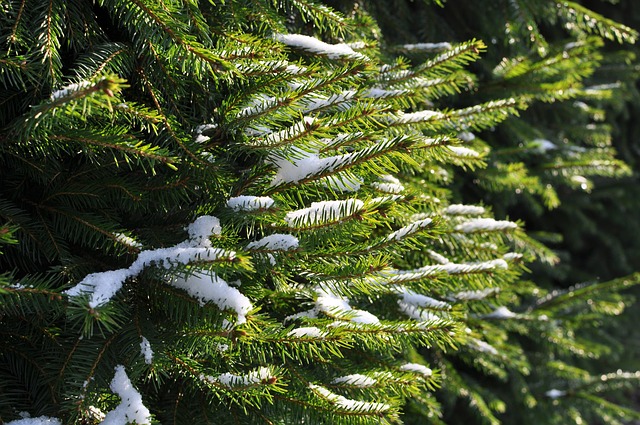 Some municipalities provide composting sites where trees can be taken and chipped, and some even offer neighborhood pick-ups for compost/mulch operations, but a good majority of our fallen tannenbaums become landfill-bound. There are green alternatives from recycled-plastic reusable trees to stringing up lights on potted plants, but if your halls simply cannot be decked without the age-old tradition of harvesting a lush verdant evergreen tree – consider planting a live tree that you dug up, rather than cut down. Planting your annual investment can beautify your yard, create privacy and windbreaks and reduce future landscaping costs. You can design and enhance your homestead with the boughs of Christmas past.
It’s easy and here’s how:
Evaluate your yard and select an ideal location for an evergreen tree or trees. Think long-term gain. Consider permaculture concepts in choosing the right site for a tree or a row of trees to commemorate each season. Evergreens in favorable conditions grow quickly to create boundaries, provide shade, attract birds and an intentionally planted row creates a windbreak to shelter your home from north winds.
Depending on your location’s fall temperatures, dig your receiving hole well before the ground freezes. Once the earth is removed, you can lightly fill with compost or fallen leaves and cover with an old piece of plywood. Be mindful if you have livestock or small children that may be attracted to or susceptible to hazards in the yard like a new giant hole.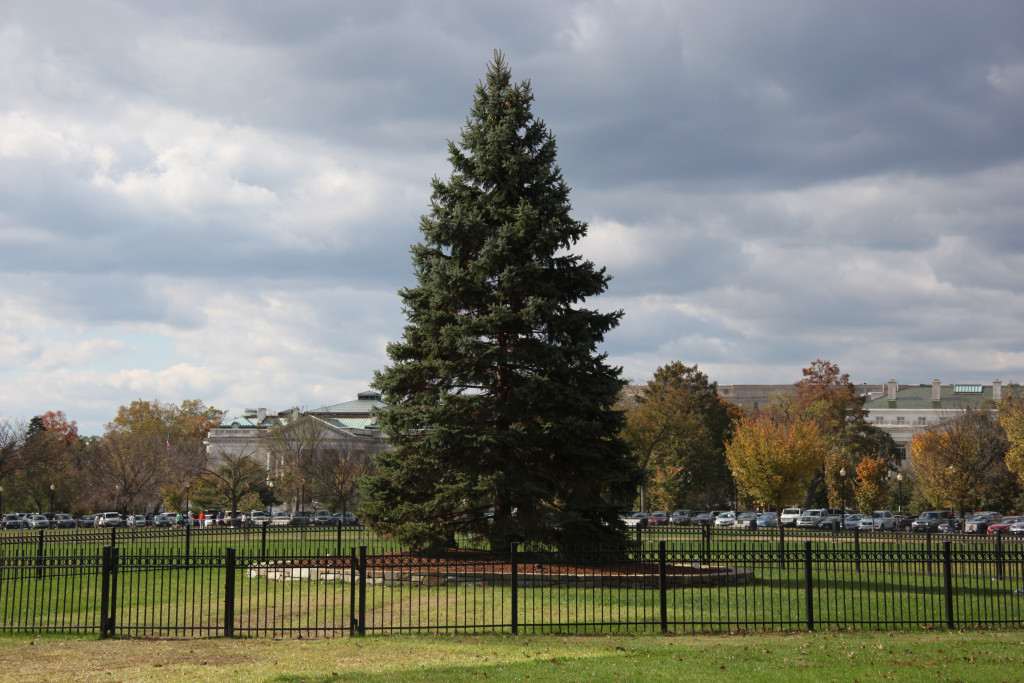
Some tree farms allow you to come out to dig instead of saw, but plenty of nurseries and home-centers have them already pre-balled and bundled for the convenience-oriented types too. If you’ve never dug up a tree by yourself, there are countless video tutorials online that describe the process in great detail but here are a few tips: Bring plenty of rope (I like mule-tape the best), burlap, a square-point shovel and a wheel barrel. Before you begin, bind the limbs and branches up and out of the way so you have plenty of room to work the tree from the earth.
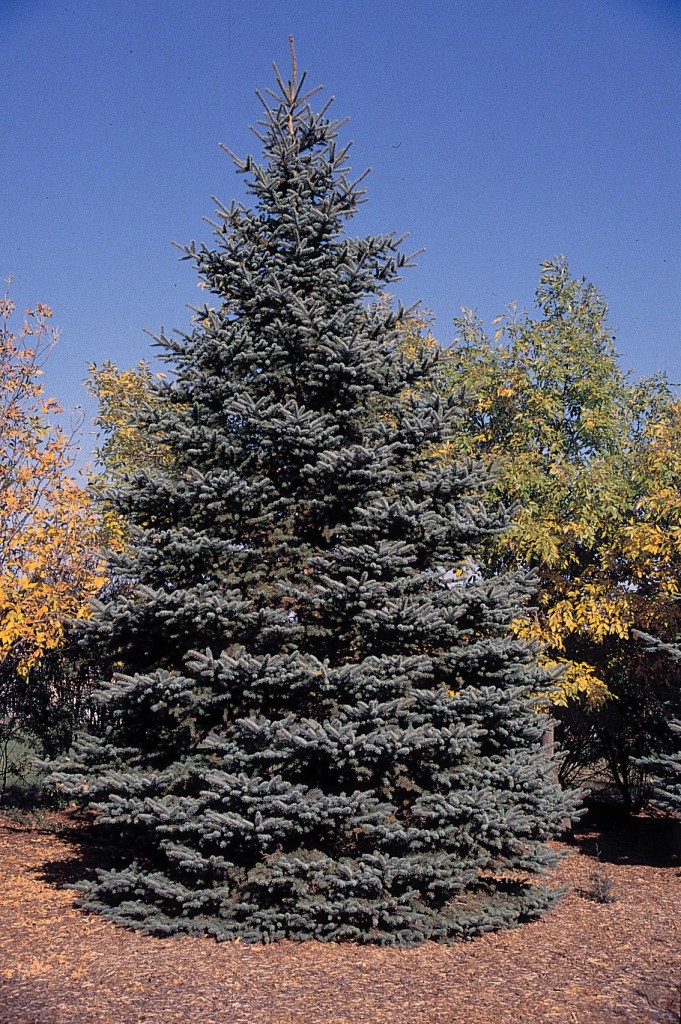 If your ground freezes early, you can do the digging in October, flag your tree, leave it bound in its original hole and return closer to the holiday to pick up your tree. If you bring it home right away, have a 30-50 gallon galvanized wash tub ready to serve as your tree’s temporary “pot”; it helps to have a dolly beneath the tree’s tub so you can roll it from here to there. Loosen the burlap, secure the tree in the tub, adding earth if needed. Water it well and unbind the rope to reduce stress on the branches. Leave it in a shed or garage to acclimate your new little green friend from the cold outdoors to the heated indoors. Once you roll the tree into your warm and cozy home, choose a spot that is as far away from heat sources and near a window if possible. Your potted tree won’t mind having its branches misted. Decorate as desired and enjoy much less needle loss than from a sawn-down tree.
As soon as the season has passed, roll your tree back into the shed or garage for re-acclimation to the outdoors. On a fair weather day, return to your yard’s receiving hole with the potted tree and plant it, making sure not to go too deep.
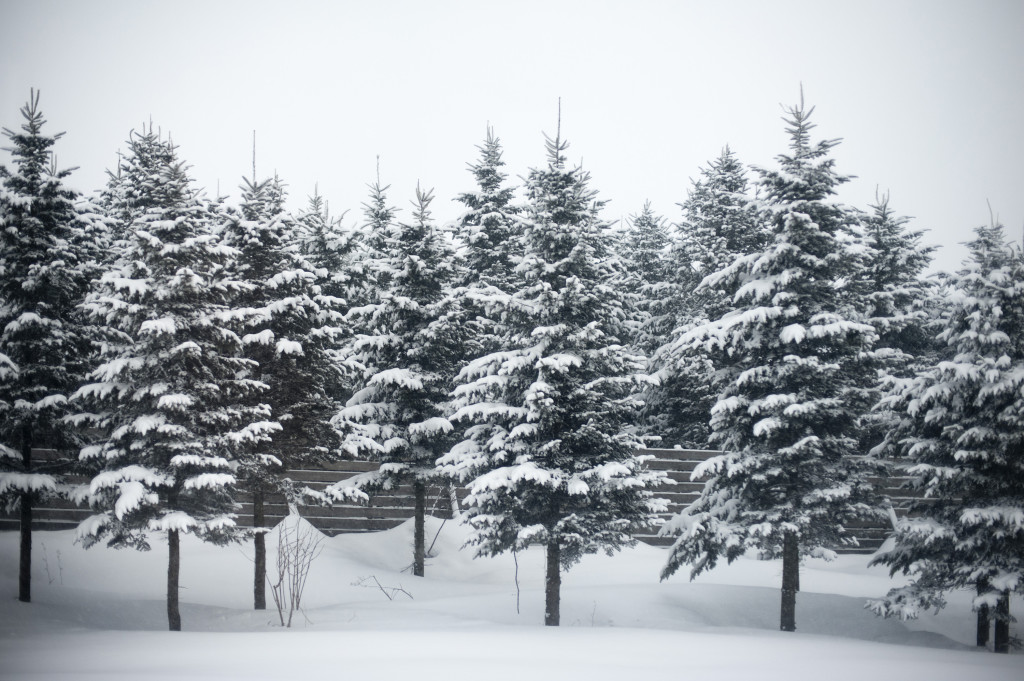
It’s been said that “The best time to plant a tree is 20 years ago, but the second-best time is today.” With a little extra thought and effort you can increase the value of your property and leave your family a lasting legacy of trees. In a few years your homestead can sparkle with a living commemoration for each year of holiday cheer. Traditions like this have a lasting positive impact not just on your wallet and the environment, but across the generations who will have both the memories you created inside the home, but also a meaningful personal connection to what’s planted just outside.
—————————————————-

Since 2006, Desere has lived and taught at Turtle Island Preserve. As office manager and Co-Director of Girls Camp and Young Boys Camp, she brings 10 years of experience as an outdoor educator having worked at various camps and educational institutions throughout the Nation. She has a wide and adventurous background in travel, art, and woodworking. She received a Bachelor’s Degree in fine art from The Rochester Institute of Technology and Associates in Visual Communications at the Art Institute of Pittsburgh.
LIMITED SPECIAL!

ONLY RUNS THRU DEC & JAN
Popular Questions
What are the benefits of digging up a holiday tree instead of cutting it down?
Digging up a holiday tree allows you to enjoy a living tree that can be replanted after the season, creating a lasting memory for your family. This sustainable practice not only reduces waste but also enhances your yard with greenery that can provide shade and attract wildlife. Additionally, it can save you money on landscaping in the long run as the tree matures and becomes part of your home’s natural beauty.
How can I prepare to dig up a holiday tree for the season?
Before digging up a holiday tree, evaluate your yard to find an ideal location that will support its growth. Dig the receiving hole well in advance, ideally before the ground freezes, and fill it with compost or leaves to enrich the soil. Gather necessary tools like a square-point shovel, burlap, and rope to secure the tree’s branches during the digging process.
What steps should I follow after bringing my dug-up holiday tree indoors?
Once you bring your dug-up holiday tree indoors, place it in a cool area away from heat sources to help it acclimate to the indoor environment. Water the tree well and consider misting the branches to maintain humidity. After the holiday season, gradually re-acclimate the tree back to outdoor conditions before planting it in your yard.
Can I dig up a holiday tree from a local nursery?
Yes, many local nurseries offer pre-balled and bundled trees that are ready for digging. Some tree farms even allow you to dig up your own tree, which can be a fun and engaging experience. Be sure to check with the nursery about their policies and the best practices for digging to ensure the health of the tree.
What should I do with my holiday tree after the season ends?
After the holiday season, it's important to replant your dug-up tree in your yard as soon as conditions allow. Choose a day with favorable weather to ensure a smooth transition for the tree. By planting it back in the ground, you not only preserve the tree but also create a living legacy that can be enjoyed for generations to come.