by PREPARE Magazine Editorial Team | Apr 5, 2025 | Guest Bloggers, Meet Our Contributors
Guest Blog Post by Regular Contributor Don Alley (Bio Below)
Eating healthy makes you better able to perform. Duh. Now that we have the obvious out of the way, I’d like to share my recent healthy eating experience. I am not in the best shape I could be. Between being a husband, dad, homeowner, full time employee, writer, instructor, and martial practitioner, I don’t have a lot of time to really consider my diet. I stay active and can still perform all the hiking, recreation, and martial activity I want, but lately age and bad habits have caught up as youth ebbs. The choices in foods and lifestyle start to have more pronounced consequences. More than once in the last couple months I was either too tired, or not feeling well enough to attend my regular martial training.
It was time for a change.
Some other members of my training group have recently started following a detox diet. In this particular diet, it goes for 7 days to start, and ideally a full 21 days for a full cleanse. In it, certain foods are excluded; most notably, sodas, breads and grains, dairy, and several other food groups. Additionally, certain foods are singled out for exclusion based on common characteristics. I didn’t realize that strawberries were about the most polluted food out there, and it is next to impossible to find pure, pesticide-free supplies of these. Foods that were hormone enhanced, GMO, or laden with pesticides were to be specifically avoided.
In addition to starting the detox diet, some other considerations were to use natural deodorants rather than aluminum based ones, exfoliate skin and try to sweat more often to cleanse the skin, and start drinking only pure, filtered water.
I particularly enjoy one brand of soda, and drink one in the morning as a pick me up. After that, lunch would be whatever I packed, or whatever I feel like if I go out to eat. Food was to be enjoyed, period, and I simply wasn’t getting enough nutrients. I’ll readily admit I have a caffeine dependency, and forgoing caffeine was sure to be disconcerting. I’ve quit caffeine before, only to have it infiltrate its way into my routine again. Adjusting my entire diet, caffeine included, was going to be momentous.
Subscribe to PREPARE Magazine
Day 1
I had gotten some of the stuff to make the morning shakes they suggest, and just planned on hitting Panera at lunch. Their Fuji Apple Chicken Salad without the cheese actually adhered to the diet plan quite well. It was very odd skipping my soda in the morning, and by lunch time my head was in that weird swimmy feeling like when you get over a cold and try to get back into your routine. I was hungry.
When I went home from work, I had another of the shakes they detail in the plan. It wasn’t enough, but I knew the detox diet was important so convinced myself to give it a chance. Besides, I had 3 meals today, and even if they weren’t my normal fare, it wasn’t like I was going to starve.
Day 2
 The caffeine withdrawal was hitting hard. I was irritable. I even warned my 5 year old son the night before that I was likely going to be cranky today, and I was. I drank down the miserable shake, all the while bemoaning my aching head. I had the Fuji Salad again for lunch, and the side of French baguette was replaced by an apple
For the entire afternoon, I stayed in my cube at work to avoid interacting with people. I was actually starting to feel anxious about the whole thing, as if I was doing something risky. Never mind that my eating habits up until now were actually more risky. I was fiercely craving my old foods that got me into this mess. I convinced myself that I just had to get through a few more days (the initial diet is 7 days. Start small.).
By evening I was a wreck. I skipped jujutsu because I just was not in a place to deal with other people. I went home and limited my interaction with my family while my head sorted out this whole no-caffeine thing. I went to bed early figuring semi-consciousness was the better option than being miserable.
Day 3
Wednesday hit me with a surprise. My caffeine headache was mostly gone. I still had that weird head swimmy feeling like I was not quite there, but for the most part I was not in any discomfort. I was able to function and had minimal cravings for my old foods.
Days 4-7
For the remainder of the first week, the headaches were gone, and my body had decided to crave new things, it seemed. My soda longing still lingered in the back of my head, but it was just a whisper and not an overpowering command. A few things I noted:
- My stomach aches were gone.
- I wasn’t getting heartburn at night.
- I slept better than I can remember sleeping. Ever.
- I was losing weight at a reasonable clip.
- I had more energy.
- I wasn’t getting tired halfway through the work day.
- Cravings for most of my old staple foods were gone.
- I associated the shakes as good food, and look forward to healthier lunches.
On the 6th day, I went to my jujutsu class. Saturday mornings were hard classes for me. For some reason I just moved slower than usual. Not today. In the 1.5 hr class, I am generally dragging along the last 15-20 minutes. That day I made it through the entire class without issue. Sure, I was a bit winded, a bit sore, and older bones ached trying to keep up with younger people, but I was not fatigued the way I usually was. It was also a slightly more intense class than most Saturday classes, with lots of takedowns and getting back up to do it again.

Between the weight loss and actual real food intake, my body was better able to handle the action. At the time of this writing, I only have the one class to go on as far as gauging my experience with this diet and detox effort, but having done hundreds of Saturday classes and knowing how I handle them, this class was singularly my best one.
My interim conclusion is simple. I was previously eating in a way that was not only unhealthy but my body had to take measures to protect against. I was my own enemy. Once I changed to a healthier diet, my body started working for me again, and not against. This change was fast, and very noticeable. The weight reduction is an ancillary benefit. I lost significant weight sticking to the program, which has increased mobility and energy.
The right foods are just as important as the quantity of food. Purer is better. If you go to buy an item and the ingredients are anything other than that item, put it back on the shelf. There are purer versions available. In the long run these will pay off when your body doesn’t have to spend the nutrients gained in the detoxification process.
Donald Alley is a martial science practitioner with over 10 years’ experience. He is a black belt in Jujutsu and a brown belt in Aikido. He is an instructor with the ISBF and a Level 1 Instructor for the US-MTA as well as program coordinator / instructor with Martial Tactical Training of Michigan. He is a certified NRA instructor for Basic Pistol and Personal Protection in the Home. His product line, Bu Tactical, provides everyday carry options for martial devices.
Popular Questions
What is the fastest way to improve How Diet Can Affect Your Self-Defense Training without making beginner mistakes?
The fastest way to improve How Diet Can Affect Your Self-Defense Training is to simplify the process and control one variable at a time. Start with the most important baseline: define the goal, identify the main failure point, and test one change before making another. Keep short notes so you can connect the outcome to the adjustment you made. This prevents guesswork and helps you build a repeatable method instead of chasing random fixes.
What should you check first when How Diet Can Affect Your Self-Defense Training is not working well?
Check the most immediate bottlenecks first: setup errors, missing inputs, bad timing, or inconsistent follow-through. Before buying anything new or changing the whole system, confirm that the basics are being done correctly and consistently. A small diagnostic checklist usually reveals the real problem faster than broad trial and error. Once the weak point is clear, make one correction and watch the result before adjusting anything else.
What common mistakes make How Diet Can Affect Your Self-Defense Training harder than it needs to be?
The most common mistakes are changing too many variables at once, skipping the basics, and judging results too quickly. Many people also copy generic advice without adapting it to their exact situation, which leads to weak results and confusion. A better approach is to work from a simple baseline, make measured changes, and give each change enough time to show whether it helped. That makes progress easier to track and repeat.
by PREPARE Magazine Editorial Team | Apr 5, 2025 | Blog, Guest Bloggers
A Product for Preparedness: WonderMix Heavy Duty Mixer Review
By Vickilynn Haycraft, http://www.RealFoodLiving.com
When considering products to purchase for their journey of preparation, many choose non-electrical products that can be used off-grid. Others may add some products that can be used while power and fuel are available, to increase their preparedness efforts.
Since we know that there are many situations and scenarios where our preparations may be needed, and not all of them will be off-grid, choosing products to assist us is always a good thing. For us, we choose to be assisted by products that allow us to put food into storage, freeze, dehydrate, can etc. One of these beneficial products for our family is a large, heavy-duty mixer / kitchen machine for home use. We use it to make big batches of bread, batters, mix, knead, whip, whisk, shred and more. We consider it an essential tool for our food storage preparations.
As a Product Reviewer for almost 30 years, I have tested and reviewed several mixers for home use including different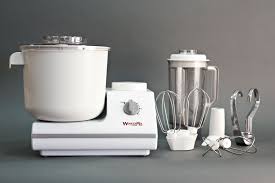 models of the Bosch Universal, Kitchen Aid, Dimension 2000 and Ankersrum mixers and now I have been testing the WonderMix. I was able to compare function to function against other brands and put the WonderMix through many different tasks and the WonderMix performed brilliantly.
In my list of requirements for Product Testing of mixers, I especially look for a heavy duty mixer that is well-made and sturdy, one that can handle large batches of stiff 100% whole grain doughs with ease without straining the motor, without jumping all over the counter and most of all, that will effectively develop the gluten in whole grain bread. On the other end of the spectrum, this heavy duty workhorse must be gentle when whipping delicate items and be able to mix and knead very small batches of bread effectively and as well as the large batches. The mixer must be durable and easy to use as well as accommodate accessories for expanding its functions, making it multi-purpose.
Testing of the Basic Package:
My initial observations of the WonderMix Revolution were that it had a smaller footprint than other mixers and looked like it could not handle my extra-large batch requirements. Boy, was I ever wrong! I packed up the WonderMix with my biggest batches of 100% whole wheat bread, triple batches of sprouted whole wheat bagels and stiff whole grain doughs. The smaller size of the WonderMix disguises the power and engineering efficiency contained inside. I am extremely impressed with the performance of beautifully developing gluten structure without overmixing the dough on large and small batches of yeast doughs. Also, as required, the WonderMix was able to delicately whip, mix and shred even the lightest batters, meats, and doughs.
I compared the WonderMix function to function against the Kitchen Aid stand mixer, Bosch Universal, Ankarsrum Kitchen Assistant, and in all the tests, the WonderMix performed much better than the KitchenAid and Ankersrum and matched the Bosch in some functions and outperformed the Bosch in others.
Some of my favorite features of the WonderMix are the locking 2-part lid (and it really locks, keeping the dough inside the bowl while kneading those big batches!), the unique dough hook and dough divider that facilitate large and small bread batches, and of course, the 900 watts of power. A huge feature is:
It. Did. Not. Walk. Across. The. Counter. (Even with mega-batches of stiff bread and bagel dough.)
In addition to checking off my Product Testing and Performance criteria check sheet, comparing the WonderMix to other mixers, I simply used it for everyday mixing, kneading, shredding, whipping, blending and had immense fun with it. I have to say that I am in love with this new mixer!
Features:
From the same established company that brings us the Wondermill and Wonder Jr. grain mills with proven quality, workmanship, and excellent Customer Service.
- CSA and UL listed
- Lifetime Warranty on many parts (no other heavy duty mixer offers this)
- 900 Watt Motor
- Direct Drive High Torque Transmission
- 3 Speeds + Pulse
- Large 22 Cup Mixing Bowl (5.5 quart)
- Heavy Duty Tru-Mix Dough Hook
- Convenient bowl handle
- BPA Free
- Cord Storage Compartment
- No Walking Base
- Overload Protection
- Dishwasher Safe Bowl
- Safety Bowl Locking System
- Double Beating Whisks
- For a limited time: comes with Cookie Whips and Blender
- Designed, Engineered and Licensed in Germany
- Accessories available
- Less expensive than other heavy duty mixers
Dimensions:
13 inches wide, 9 inches deep and 12 inches tall
Weight:
11 pounds
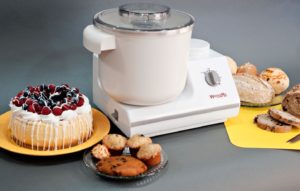
Conclusion: Based on testing, comparison and performance, I highly recommend the WonderMix Revolution Mixer as a heavy duty mixer. I use it for a wide variety of applications in my own kitchen.
__________________________________________
Vickilynn’s 7-loaf 100% Whole Wheat and Honey Challah
7 cups water, warm, about 120 degrees
2 Tablespoons apple cider vinegar
1/3 cup softened butter (or use all olive oil for dairy free)
1/3 cup extra virgin olive oil
3 Tablespoons instant yeast
18-20 freshly ground whole wheat or sprouted whole wheat flour, divided
1 cup honey
6 large whole eggs +
3 large egg whites (1 2/3 cup eggs) *reserve the yolks for the glaze
1 Tablespoon salt
2 cups vital gluten
Glaze
3 egg yolks
3 Tablespoons water
Place hot water and apple cider vinegar in WonderMix mixing bowl fitted with the dough hook. Add softened butter and mix to dissolve butter. Add 3 cups of flour and yeast. Mix well, cover and let sponge for 15 minutes.
Stir down sponge and add olive oil, salt, honey, eggs and 8 cups whole wheat flour. Mix well until everything is incorporated.
Add in flour, one cup at a time, until a dough is formed that pulls away from the sides of the mixing bowl and clings to itself. The dough should not be very sticky, but still moist and supple. Do not add all the flour if not necessary and add more if needed. The amount of flour needed will vary.
Let dough knead until very supple and springy and gluten is developed. *By hand, 20+ minutes, by large mixer 10 minutes.*
Let rise, covered, until doubled. Punch dough down and divide into 7 equal portions. Shape into desired shapes* and let rise about 30 minutes. Mix egg yolks and water until completely mixed. Brush breads with glaze before baking.
- To braid, divide each loaf’s dough into 4 portions. Roll each fourth into long snakes. Braid by starting with the left portion and running it over, under over under the other portions. Pinch each end of the loaf to seal. Roll loaf slightly long-wise on the counter before placing on the baking sheet.
- For shaped rolls; bake in a preheated 425 oven for 10-12 minutes, or until just lightly browned. Do not overbake, they will be hard. I bake mine for 10 minutes.
- For loaves, bake in a preheated 350 oven for 30-35 minutes, or until done.
- To make butterhorns (or crescents): divide each loaf portion into 2 equal parts. Roll each part into a circle 6-8 inches. Cut into 6 equal triangles. (I use a pizza cutter). Starting with the wide end, roll up the triangle and place on a lightly greased cookie sheet, with the point underneath. I turn the edges down slightly as well so the rolls look like an upside down “u”.
- To make cloverleaf rolls: divide each loaf portion into 12 balls. Divide each ball into 3 smaller balls. Place 3 balls in each tin of a 12 muffin pan. The balls will join together as they rise and look like a “crown”.
__________________________________________
Vickilynn’s 8-loaf 100% Whole Wheat and Honey Raisin Bread
8 cup water, warm, about 120 degrees
2 Tablespoons apple cider vinegar
20-22 cups freshly ground whole wheat or sprouted whole wheat flour
3 Tablespoons instant yeast
2 cups vital gluten
1 cup oil
1 cup honey
1 Tablespoon salt
2 Tablespoons cinnamon
2 Tablespoons vanilla extract
3 cups raisins
Place hot water and apple cider vinegar in Wonder Mix mixing bowl fitting with the dough hook. Add 8 cups of flour and yeast. Mix well, cover and let sponge for 15 minutes.
Stir down sponge and add vital gluten, olive oil, honey, salt, cinnamon, vanilla extract and raisins. Mix well until everything is incorporated.
Add in flour, one cup at a time, until a dough is formed that pulls away from the sides of the mixing bowl and clings to itself. The dough should not be very sticky, but still moist and supple. Do not add all the flour if not necessary and add more if needed. The amount of flour needed will vary.
Let dough knead until very supple and springy and gluten is developed. *By hand, 20+ minutes, by large mixer 10 minutes.*
Let rise, covered, until doubled. Punch dough down and divide into 8 equal portions. Shape into desired shapes and let rise about 30 minutes. Bake at 350 in a preheated oven for 30 minutes, or until bread is done. Let cool before slicing.
Egg-Free, Vegan Marshmallow Fluff (made with aquafaba)
1 teaspoon pure lemon juice (no oil!) or apple cider vinegar
1/2 cup aquafaba, unwhipped (about what is in a can of cooked garbanzo beans)
1/4 teaspoon cream of tartar
1/2 teaspoon guar gum (optional, but makes a more firm consistency)
Pinch of salt (optional, and only if using unsalted bean aquafaba)
1/2 cup powdered granular sweetener, sugar or xylitol
1 teaspoon vanilla extract
Wash the WonderMix bowl very well and make sure it is completely dry. Wipe the lemon juice or vinegar all over the inside of the bowl, to remove any oil residue.
Pour in the aquafaba, cream of tartar, guar gum and salt if using. Place the beaters in the Wondermix and cover the bowl. Beat on #3 for 10 minutes. Remove the small lid and start adding the powdered sweetener in VERY slowly, 1 Tablespoon at a time, and let the sweetener incorporate before adding more. When all the sweetener is in, add in the vanilla and taste the fluff. If it is sweet enough, use immediately. Add more sweetener as needed.
You can use this recipe to make baked meringue cookies, whipped toppings, vegan ice cream and more. For additional recipes, visit the Facebook group, Aquafaba Everything.
Vickilynn Haycraft is the author of: “Wrapping It Up!” and co-author of “Naturally Healthy Cuisine, Real Food for Real Families”. Vickilynn is a sought-after independent product tester and book reviewer delivering accurate, honest, and trustworthy reviews on products and books for the whole family. Subscribe to Vickilynn at: RealFoodLiving.com, National Product Review Examiner, National Family Preparedness Examiner.
Disclaimer: There are NO affiliate links within Vickilynn Haycraft’s review.
She is an independent Product Reviewer. She does not sell products or accept payment for reviews. The products reviewed are either purchased by Vickilynn Haycraft or provided for review and all reviews are unbiased regardless of how the item was obtained. This product was provided for testing and review.
Contact The Wondermill Company Directly here
____________________________________________
Here at PREPARE Magazine, we are delighted for Vickilynn’s unbiased review of fine products such as this and the many she has shared with us throughout our years of publication.
By way of full disclosure: If you are interested in purchasing the WonderMix Deluxe Mixer, please consider purchasing through Millers Grain House, an Authorized Dealer of all WonderMill Products. Our Founder would greatly appreciate your support.
NOTE: The warranties are only applied when you purchase the WonderMix through authorized dealers. Do not purchase from Ebay or Amazon dealers unless they are authorized.
Click here for more of Vickilynn’s recipes
Popular Questions
What makes the WonderMix Heavy Duty Mixer a good choice for food storage preparations?
The WonderMix Heavy Duty Mixer is designed to handle large batches of dough, making it ideal for food storage preparations. Its powerful 900-watt motor and unique dough hook allow it to mix and knead stiff whole grain doughs without straining. Additionally, it features a locking lid that keeps ingredients contained during mixing, ensuring a mess-free experience. This mixer is versatile enough to whip delicate batters while also managing heavy-duty tasks, making it a valuable tool for anyone focused on preparedness.
How does the performance of the WonderMix compare to other mixers?
In testing, the WonderMix outperformed several well-known brands, including KitchenAid and Ankarsrum, particularly in developing gluten in whole grain bread. It matched the Bosch Universal in some functions while excelling in others, showcasing its superior engineering. Users have noted that it does not walk across the counter, even with heavy batches, which is a common issue with other mixers. This reliability makes it a strong contender for those looking for a heavy-duty mixer.
What features of the WonderMix Heavy Duty Mixer enhance its usability?
The WonderMix Heavy Duty Mixer includes several features that enhance its usability, such as a large 22-cup mixing bowl and a convenient bowl handle. Its BPA-free construction and dishwasher-safe bowl make cleanup easy, while the overload protection ensures safe operation during heavy use. The mixer also comes with double beating whisks and additional accessories, allowing for a variety of culinary tasks. These thoughtful design elements make it a practical choice for both everyday cooking and emergency preparedness.
Can the WonderMix Heavy Duty Mixer handle small batches effectively?
Yes, the WonderMix Heavy Duty Mixer is designed to be versatile, effectively mixing and kneading both large and small batches. Its unique dough hook and divider facilitate the preparation of smaller quantities without compromising performance. Users have reported excellent results when whipping delicate items or mixing light batters, proving its adaptability. This feature makes it suitable for a wide range of cooking and baking needs.
by PREPARE Magazine Editorial Team | Apr 5, 2025 | Blog, Guest Bloggers

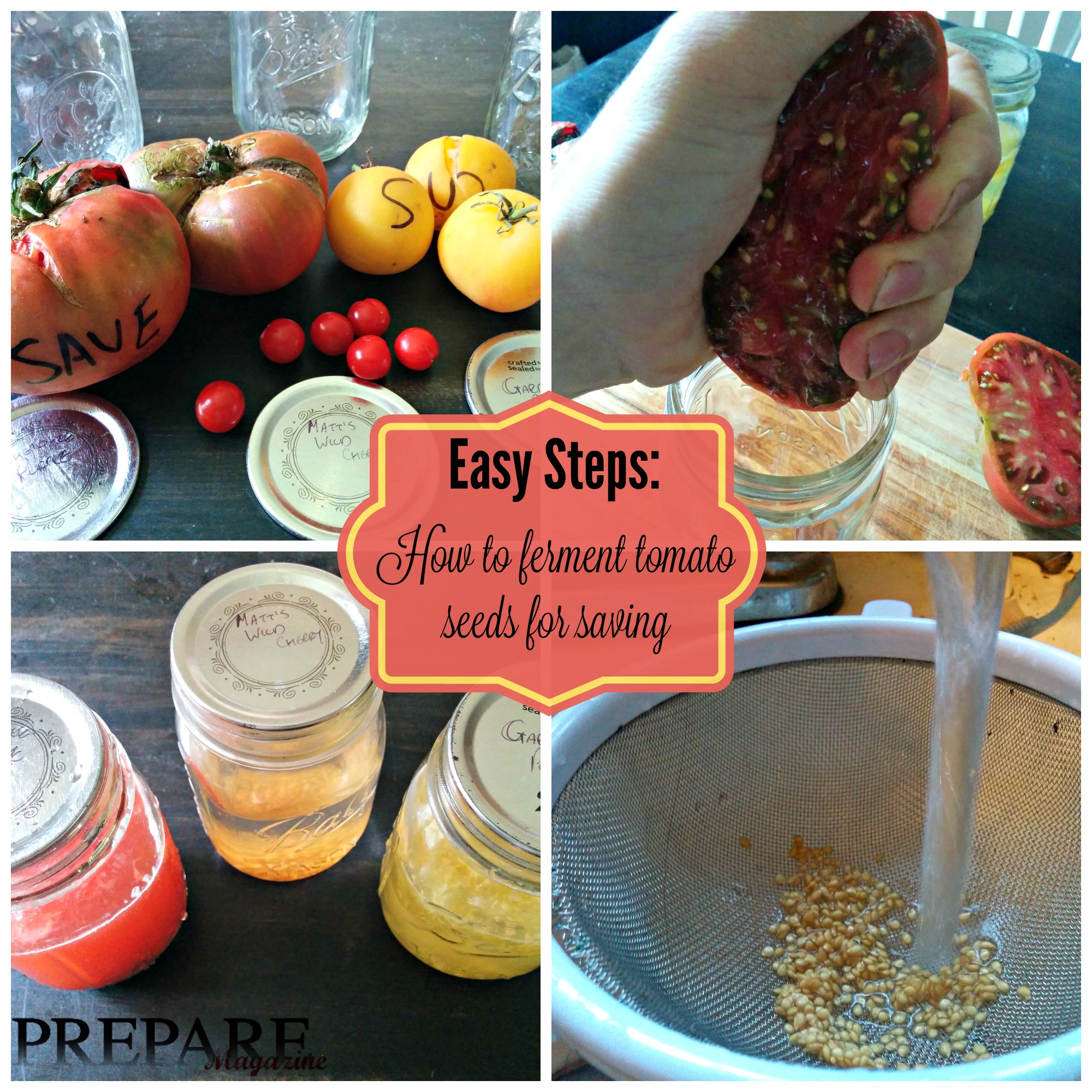
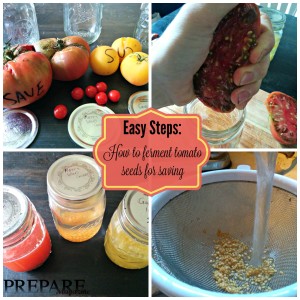
The traditional growing season is coming to a close. If you have grown heirloom tomatoes, then seed saving is next on the ‘to-do’ list. Here is a guest blog from one of our new writers here at PREPARE Magazine. We hope you enjoy these 8 Easy Steps to Fermenting Tomato Seed for Seed Saving.
——————————————————
By Guest Blogger, Chris Smith
Some seeds need to be fermented in order to break down the gelatinous placental layer that surrounds the seed. Once this layer is broken down the seeds can be dried and stored in a cool, dark and dry location.
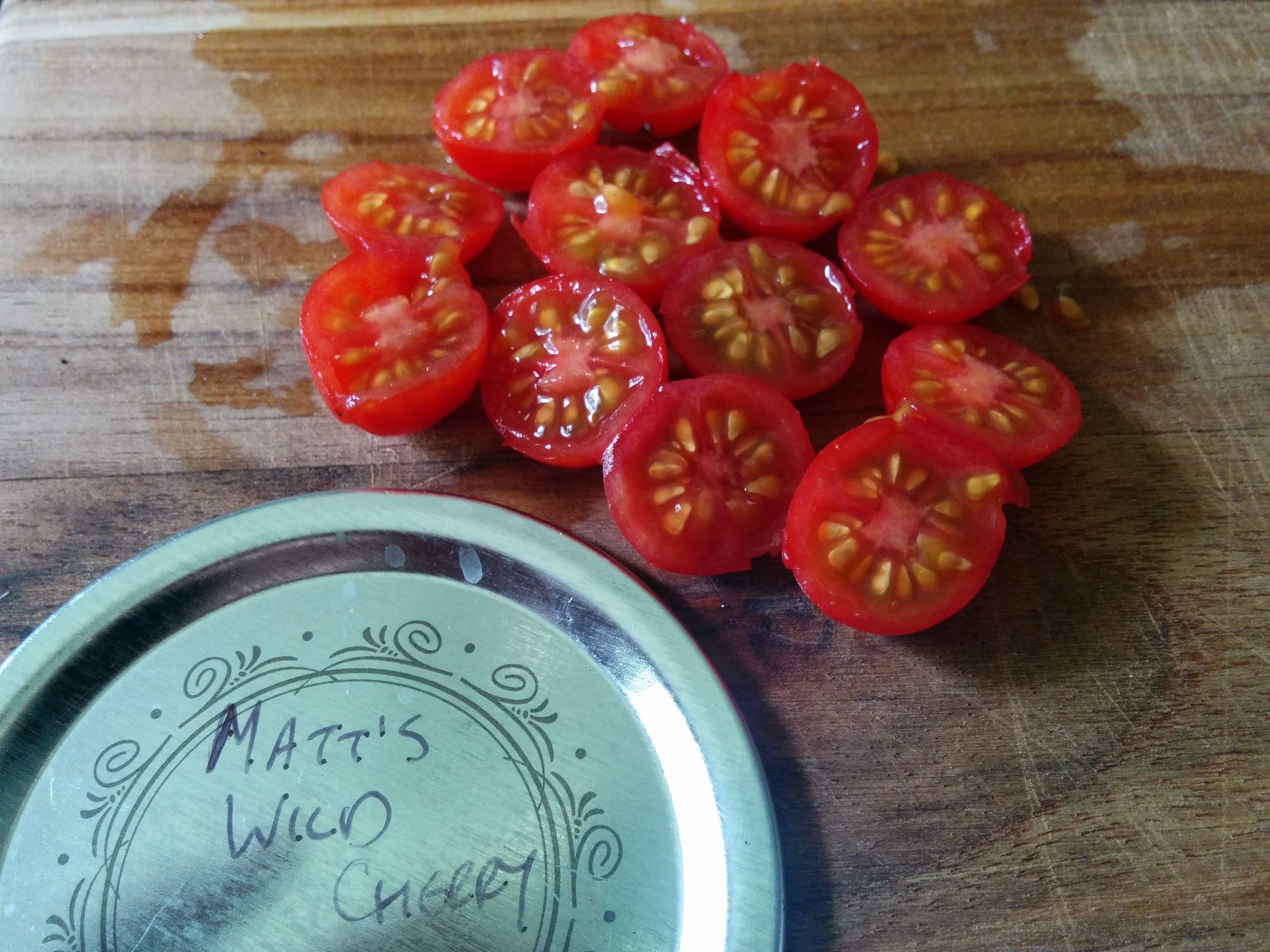
Step One – cut along the equator to reveal the seed categories

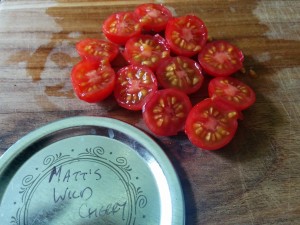

Step Two – squeeze or scrape seeds into a clean container



Step Three – top the container up with clean water and stir vigorously

Step Four – leave to ferment for 2-3 days. Stir daily
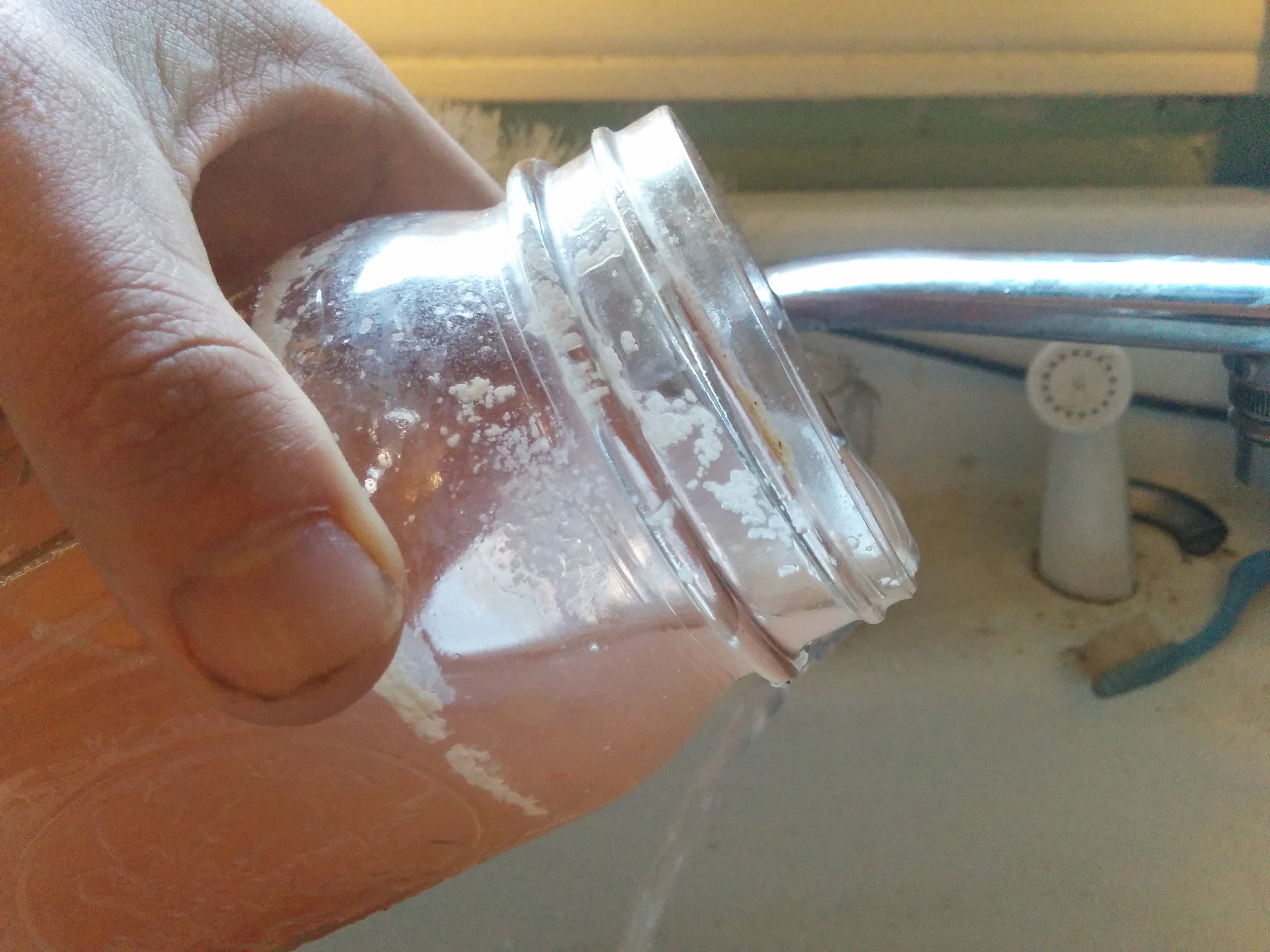
Step Five – seeds will sink to the bottom. Fermented gunk will form on top
Step Six – pour off the gunk, fill with water and pour off the gunk. Repeat until most of the gunk is gone.
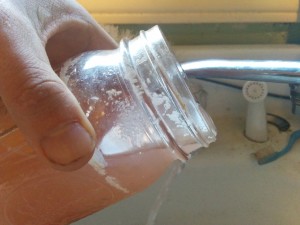
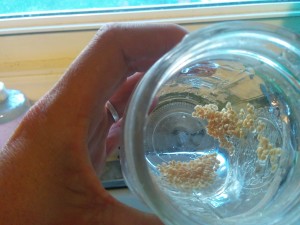
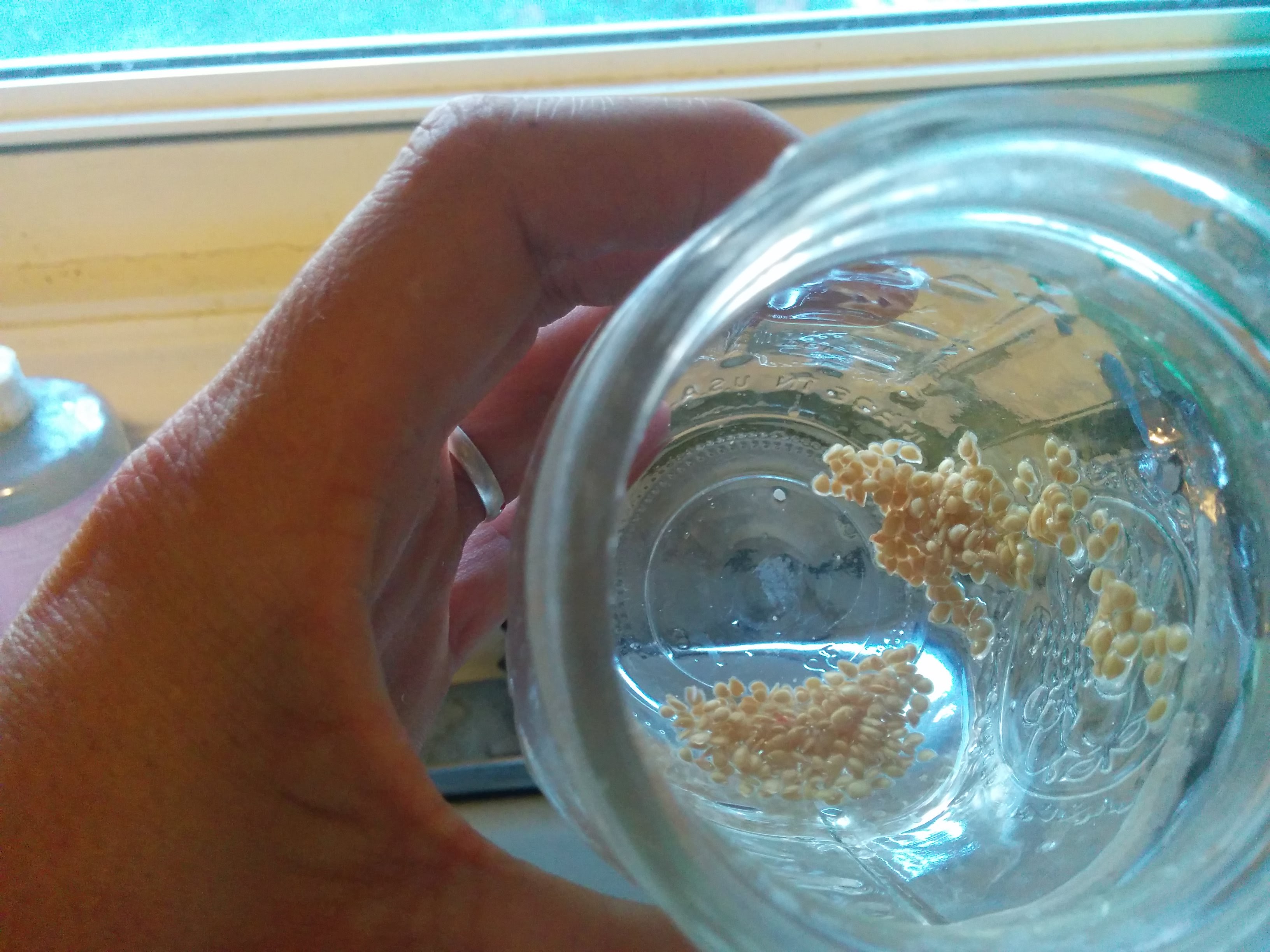
Step Seven – do a final rinse to make sure seeds are clean.
Step Eight – allow seeds to dry thoroughly before storing. I use coffee filters


___________________________________

Chris Smith is an enthusiastic grower and permaculture student from a green-thumbed family! On his ½ acre micro-farm, Chris is experimenting with landraces, selective seed saving, crop trials and seed grow outs. With a newborn in the family, the importance of resilient food systems is high in his mind. Chris works at Sow True Seed in Asheville, NC as the Community Coordinator and is active in promoting good quality, regionally adapted open-pollinated seed.
___________________________________
Popular Questions
What are the easy steps to ferment tomato seeds for saving?
To ferment tomato seeds for saving, start by cutting the tomato along the equator and squeezing the seeds into a clean container. Add clean water and stir vigorously, then let the mixture ferment for 2-3 days, stirring daily. After fermentation, the seeds will sink, and you can pour off the gunk that forms on top. Rinse the seeds thoroughly before allowing them to dry completely.
How long should you ferment tomato seeds for saving?
Fermenting tomato seeds typically takes about 2-3 days. During this time, it's important to stir the mixture daily to ensure even fermentation. After the fermentation period, the seeds will settle at the bottom, and you can remove the floating debris. This process helps break down the gelatinous layer surrounding the seeds, making them easier to clean.
What should you do after fermenting tomato seeds for saving?
Once the fermentation process is complete, pour off the gunk and rinse the seeds with clean water to remove any remaining debris. Repeat this rinsing process until most of the gunk is gone and the seeds are clean. After rinsing, allow the seeds to dry thoroughly, which is crucial for proper storage. Using coffee filters can help absorb moisture effectively during the drying process.
Why is it important to ferment tomato seeds before saving them?
Fermenting tomato seeds is essential because it helps break down the gelatinous layer that surrounds the seeds, which can inhibit germination if left intact. This process also helps eliminate any potential pathogens that may be present on the seeds. By fermenting, you ensure that the seeds are clean and ready for storage, increasing their viability for future planting. Properly fermented seeds can lead to healthier plants in the next growing season.
by PREPARE Magazine Editorial Team | Apr 5, 2025 | Blog, Guest Bloggers
Prepping for Winter – The Shelter on Your Back

By Mike Douglas – The Maine Primitive Skills School
Each season brings unique beauty, great bounty and a special set of challenges. Between the time of the maple sap and ice out in Spring, to the insect hatches and movement of fish through our waterways in Summer, to the legendary hunting of Autumn, the three friendlier seasons offer sportsmen the bounty and beauty of the outdoors with risks that are worthy of respect, but often more forgiving than the harsh, often life threatening conditions that come wrapped in the beauty and solitude of our Maine Winter.
 In 1998 my young family enjoyed a rare vacation together due to an ice storm. The beauty of bent and popping trees laden with ice and enshrouded in bitter cold created a magical landscape. The lack of power was a blessing, insulating us from the noise of the world and allowing us to enjoy in each other’s company. We explored the trails, ate meals around the wood stove under the light of candle and oil lamp, split wood, and thawed snow in to drinking water. It was a dream come true . . . until the fourth day. That was when my wife decided to start the car and check the radio. The sudden realization that people were in trouble, lives were being lost, and community was coming together over the air waves to assist those in need remains one of the most sobering moments of my life.
Here are some techniques that might help you enjoy the rugged and pristine beauty that our winter landscape provides and to do so in a fashion that will improve your comfort and minimize your chances of running into real trouble.
Dressing in layers is good advice. There is one thing to remember with this advice. In cold weather survival one of the rules is to remain “comfortably cool and dry”. Anyone who has spent a winter day in the North Woods knows that this can be a tricky, and sometimes near impossible, proposition. Unlike Alaska and other regions of the far north, our snow is rarely dry and powdery. If it is, it won’t be for long. In a twelve-hour period we can have rain, freezing rain, wet snow, and clearing skies at night where the temperatures can plummet well below zero. For this reason, personal shelter and the ability to make a warm fire are a priority when venturing out. This article will focus on clothing as our primary shelter.

Adequate shelter begins with the clothing on your back. As with any effective shelter, you should start with good materials and a solid foundation. The layer that makes contact with your skin should be hydrophobic. This means that it will not hold your body’s sweat or any other moisture close to your skin. Essentially, your radiant body heat acts to drive away the dampness keeping you dry and warm. Nylon, polypropylene, and silk are great materials for this first layer. It is called the “wicking layer” because it wicks moisture away from your body. The next layer is the insulation layer. This layer traps radiant body heat in a bubble of “dead air space” around you to keep you warm. Fiber pile is popular and effective. Goose down is available, but not only is it expensive, it is useless at creating a dead air space once it gets wet. My all-time favorite for insulation, as well as wicking layer, is wool. Merino wool close to the body and a heavy wool insulation layer have been my preferred cold weather choice since 1979. The reason is quite simply that wool will retain your body heat even when wet. The last layer is the protective shell that repels weather. A good shell is either breathable or has ventilation in the form of a main zipper and “pit zips”. Really good ones have both.

To prevent conduction, pay special attention to your feet. Thick liners or insulated inserts and socks nestled in a weather tight shell will not only keep your feet protected and dry from cold wet snow, it will also protect you from losing your core temperature through the active transfer of your body heat into the frozen ground. A good technique to remember is to keep a pair of wool socks on your feet and one tucked into the waistband of your pants. When your feet get wet or cold, you always have a warm and dry pair of socks to switch to. Even if you already switched into your dry pair, while your wrung out pair is drying in your waistband, the other pair is keeping your feet warm and dry. An inexpensive trick that helps keep your feet dry is to put on a pair of nylon dress socks before your wool socks. The nylon makes an inexpensive and effective wicking layer.

Outer garments and how you use them is important as well. A good thick cap beneath a hood adds extra protection and versatility to match our ever-changing weather. Having overmitts and two pairs of glove “liners” (one to go one your hands inside the mittens and the other tucked in your waist line next to your extra socks) is also a great combination that affords you protection from the cold as well as the ability to use your fingers.
The old saying, “If your feet are cold , put on a hat” has some truth to it. Any time your blood flow is near the surface, such is in the arteries in your neck, or near the surface and away from your heart, like the capillaries in your feet, fingers, and scalp, extra insulation can be used to keep you warm.
In our next article we will explore the strategies used to stay warm beyond the clothes on your back to include habits that will increase your comfort and prolong your time outdoors during Winter in Maine.
___________________________________________________________________________
Mike Douglas has taught survival since 1983. He’s studied with Paul Rezendes, Tom Brown Jr., Jon Young, and others. After the Marines he began The Maine Primitive Skills School. Mike’s run programs for the military, schools, camps, and businesses. He’s advised for Discovery Channels’ “Dual Survivor” and was featured on National Geographic’s “Doomsday Preppers”, receiving the highest “Survivability Score” of the shows first season. His programs draw people from around the world to participate in Tracking, Survival, Awareness, and more.
Popular Questions
What are the best clothing layers for prepping for winter conditions?
When prepping for winter, it's essential to wear clothing in layers to maintain warmth and dryness. Start with a hydrophobic base layer that wicks moisture away from your skin, such as nylon or merino wool. Next, add an insulation layer, like fiber pile or wool, to trap body heat. All in all, a breathable protective shell will shield you from the elements while allowing moisture to escape.
How can I keep my feet warm while prepping for winter outdoor activities?
To keep your feet warm during winter outings, wear thick liners or insulated inserts inside a weather-tight shell. A great technique is to keep an extra pair of wool socks tucked into your waistband, ensuring you have a dry pair ready if your feet get wet. Additionally, consider wearing a nylon dress sock as a wicking layer beneath your wool socks for added moisture management.
What should I consider when choosing outer garments for winter prepping?
When selecting outer garments for winter prepping, prioritize thickness and versatility to adapt to changing weather conditions. A good thick cap under a hood can provide extra warmth, while overmitts and glove liners allow for finger dexterity without sacrificing protection. Ensure your outer layer is breathable or has ventilation features to keep you comfortable during physical activity.
Why is it important to dress in layers for winter survival?
Dressing in layers is crucial for winter survival as it helps regulate body temperature and manage moisture. The base layer keeps sweat away from your skin, while the insulation layer traps heat, and the outer shell protects against wind and precipitation. This system allows you to adjust your clothing based on activity level and changing weather, reducing the risk of hypothermia.
by PREPARE Magazine Editorial Team | Apr 5, 2025 | Blog, Guest Bloggers
Here at PREPARE Magazine, we’re always delighted when another Author who really walks the talk reaches out to share with us and you. Today’s Guest Blogger, Abby Artemisia is exactly the kind of grassroots instructor/teacher that we love introducing to you.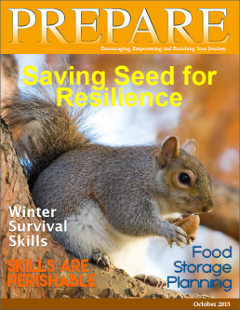
It’s interesting that Abby submitted this article while our most recent issue was in at the design desk. She had no way of knowing, other than that ‘feeling in the air’ what the cover of the most recent issue would be! You can get this exact Issue for FREE if you subscribe before November 15, 2015.
<- Just take a look at how appropriate it is in regards to this topic!
As with all of our Authors, Abby endeavors to live a more self-sustaining lifestyle. Her steps toward this lifestyle have taken her into her area of expertise. We are happy to introduce her to you and hope you will connect with her at the end of reading this article. Look for more from Abby within the upcoming pages of PREPARE Magazine!
_________________________________
Squirrel Syndrome
By Abby Artemisia, http://www.mightyoakfromlittleacorn.com/
 As I write this, it’s mid-October and I’m seriously suffering from Squirrel Syndrome. One of the last times I was in Asheville, my friend pointed to a squirrel, frantically running across the road with a nut in its mouth, and exclaimed, “Look, that’s you!”
We both burst out laughing, but it struck a chord somewhere deep inside of me. Then she said, “But just think, soon it will be winter and you can stop foraging.” Instead of calming me, that remark panicked me.
So what’s “Squirrel Syndrome” you ask. It’s when I feel like one of those squirrels who tries to run under your tires. I imagine their mouths are full of high-protein, health-supporting, oil-rich nuts, going to the equivalent of their root cellar. I start to believe they’re so hyper-focused on getting in the last of the available wild food, they barely (on a good day) stay alive.
That’s what I feel like this time of year. I have a list of at least twenty species of wild edibles and 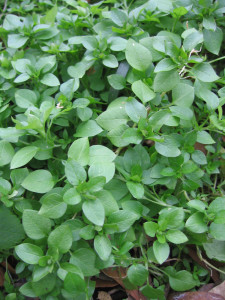 medicinals I want to harvest and preserve before it’s too late. I’ve been trying to get to the wild greens before they’re frost damaged, including things like sochan (the Cherokee word for cut-leaf coneflower) and raspberry leaf for tea. Luckily some greens like chickweed are hardier and will stick around most of the winter.
 This is the perfect time of year for digging roots. My friend and I have been teaching about roots lately, like dandelion, burdock, chicory, and sun chokes (aka Jerusalem artichoke [neither from Jerusalem or an artichoke]). They’re all in the Aster family, and all have inulin, shown to help balance blood sugar, and prebiotics, the food for probiotics in our body.

And, of course, who can forget: nuts! Around here, there don’t seem to be many acorns this year. It changes from year to year. How about where you are? They can be a lot of work, but I think they’re worth it. I wish I would have harvested more chestnuts, but there still seem to be plenty of hickory nuts and black walnuts.
Instead of succumbing to the panic of Squirrel Syndrome, I’ve decided to remember about Thanksgiving, my favorite holiday. I love this holiday because:
1) you aren’t expected to buy gifts for anyone, and
2) it’s all about gratitude for everything, but especially the abundance of nourishing, fresh food.
In that vein, I’m grateful that I got chestnuts at all this year. I’m grateful that the hickory and walnuts can wait to be processed until squirrel (syndrome) season is over. I’m grateful for the elderberries, pawpaws, and persimmons I harvested when I went home to Ohio to visit. I’m grateful to live in such an incredibly biodiverse region with so much wild food and medicine. I’m grateful, that though foraging is a lot of work, I get to do it in beautiful locations. Most importantly, I’m grateful to the plants for giving parts of themselves or even their whole lives so freely for my nourishment. Now off to gather the last of the nettles! Happy foraging!
_________________________________
Abby Artemisia is a botanist, herbalist, professional forager and mom living in a small community in the Blue Ridge Mountains. She received her botany degree in Ohio, worked on organic farms across the country, and learned about plant medicine and spirituality from Native Americans. Abby teaches about edible and medicinal plants and mushrooms, while foraging as much as possible. Her mission is to inspire nature (re)connection and health empowerment.
Visit Abbey’s Website: http://www.mightyoakfromlittleacorn.com/
Instagram: https://instagram.com/abbyfrolickingintheforest/
Facebook Page: https://www.facebook.com/AbbyBotanistHerbalist/
Popular Questions
What is the fastest way to improve It’s “Squirrel Syndrome” Time of Year without making beginner mistakes?
The fastest way to improve It’s “Squirrel Syndrome” Time of Year is to simplify the process and control one variable at a time. Start with the most important baseline: define the goal, identify the main failure point, and test one change before making another. Keep short notes so you can connect the outcome to the adjustment you made. This prevents guesswork and helps you build a repeatable method instead of chasing random fixes.
What should you check first when It’s “Squirrel Syndrome” Time of Year is not working well?
Check the most immediate bottlenecks first: setup errors, missing inputs, bad timing, or inconsistent follow-through. Before buying anything new or changing the whole system, confirm that the basics are being done correctly and consistently. A small diagnostic checklist usually reveals the real problem faster than broad trial and error. Once the weak point is clear, make one correction and watch the result before adjusting anything else.
What common mistakes make It’s “Squirrel Syndrome” Time of Year harder than it needs to be?
The most common mistakes are changing too many variables at once, skipping the basics, and judging results too quickly. Many people also copy generic advice without adapting it to their exact situation, which leads to weak results and confusion. A better approach is to work from a simple baseline, make measured changes, and give each change enough time to show whether it helped. That makes progress easier to track and repeat.
by PREPARE Magazine Editorial Team | Apr 5, 2025 | Guest Bloggers, Preparedness planning
It may seem odd that on a preparedness blog we are talking about the Winter Weather Treat of Snow Cream. To be sure, preparedness is our main goal, but making good use of time and resources also applies to living with what life hands you and making the best out of a potentially uncomfortable situation.
When live gives you lemons, make lemonade – when winter gives you an abundance of snow, make snow cream!
As winter weather continues to keep spring at bay, it may seem as if there is nothing to do, especially on those days when new snow drifts keep you inside the house. Here is a fun, old-fashioned and delicious way to beat boredom as well as a unique way to prepare candy.
Making maple snow candy is perhaps most famous from it’s description in the Little House on the Prairie series. Here’s what you’ll need for your own maple snow candy:

- A large cooking container. I used a soup pot but you can use any bowl or pot large enough to pour your syrup into.
- A medium saucepan for melting the syrup in
- Mixing spoon
- Maple syrup, the darker the syrup the more maple flavor the candy will have.
- Of course, the most important ingredient of all, snow!
First, go outside and find a clean patch of snow. The further away from a city you live the easier this will be. Fill your pot up to the very top and leave it just outside your door. This allows you to work quickly once the syrup is heated but also keeps it from getting too frozen as it would if you put it in the freezer.

Next, take your maple syrup and pour it into a medium saucepan. Make sure you cover the bottom of your saucepan with syrup. Place the saucepan onto the stove on medium. Stirring constantly, wait until the syrup bubbles and fluffs up to twice its original size, so that it looks more like honeycomb candy than syrup. It should also lighten to a pale brown taffy color.

Then, go grab your snow container. Working quickly, pour the syrup on top of the snow. You can make patterns and shapes or just simply drizzle it.

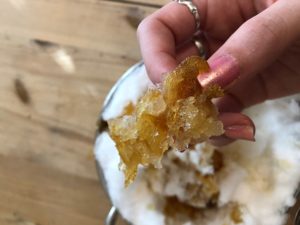
Let it set for about 45 seconds to a minute. At this point the boiling hot syrup will be barely warm to the touch and firm enough to pick up and eat.
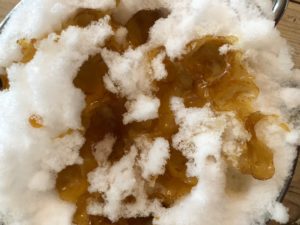
Enjoy the delicious maple candy, which is as much fun to eat as it is to make.
Kathleen-June G. Horne is a survival enthusiast and amateur outdoors-woman. She graduated from Western Kentucky University in 2015 with a degree in business and has written two books, a historical young adult novel entitled “The Sparrow’s Call” and a Christmas devotional, “24 Days of Devotion“. She was homeschooled until college, and used her free time to learn all she could about all the things people used to know. She runs the blog Miniskirts & Margins which is about fashion, her Southern Baptist faith and the adventures she runs into.
Listen to this podcast to get to know Kathleen-June G. Horne a bit better!
Popular Questions
How can I make snow cream during winter?
To make snow cream, start by gathering fresh, clean snow in a large container. Then, mix in ingredients like milk, sugar, and vanilla extract to create a creamy texture. Stir until well combined and enjoy this delightful winter treat right away, as it’s best served fresh. This simple recipe is a fun way to make the most of snowy days!
What ingredients do I need for making maple snow candy?
For maple snow candy, you will need maple syrup and a clean patch of snow. Heat the syrup in a saucepan until it bubbles and thickens, then quickly pour it over the snow to create candy shapes. Let it set for a minute before enjoying this sweet treat. It's a nostalgic way to enjoy winter while being resourceful!
Is snow cream safe to eat?
Yes, snow cream can be safe to eat as long as you use clean, fresh snow and avoid areas that may be contaminated. Make sure to gather snow away from roads and other potential pollutants. By following these precautions, you can enjoy this winter weather treat without worry. Just remember to consume it shortly after making it for the best taste and texture!
What are some variations of snow cream I can try?
You can experiment with different flavors in your snow cream by adding ingredients like cocoa powder, fruit purees, or flavored extracts. For a richer taste, consider using sweetened condensed milk instead of regular milk. These variations can make your snow cream unique and cater to different taste preferences. Enjoy getting creative with this winter treat!