by PREPARE Magazine Editorial Team | Apr 5, 2025 | Blog
 So let’s just say that you are already a subscriber to PREPARE Magazine’s Free Digital Issues <– Click if not …
How do you print or download it? We have an answer for that!
The digital version of PREPARE Magazine is created in a pdf format, and can be easily printed. With just a few short steps to sign up once, it will be easy to log in and print each time the Free Digital Issue Link comes to your Inbox!
When you open the Digital Flip-Viewer Copy of the Magazine in full-screen view by clicking “Expand”, there is a “print icon” at the bottom of the magazine. It is found in the row of icons (Email, Print & Zoom) at the bottom. See?
Click the print icon.
We contract with a company (called ISSUU) to provide the hosting and formatting for our magazine. They have the set up to make it easy to print. After clicking the icon, you will be taken to their (not OUR) website that will ask you to sign-up, or sign-in if you have already created an account with them, and be able to print!
Once you have created an account with ISSUU, you can vote (thumbs up we hope), add each month to your favorites, share it on Facebook, Twitter, Google+, email to a friend, print and download the issue each month.
A bonus is – for a LIMITED TIME – you can even get to the back issues this same way!
by PREPARE Magazine Editorial Team | Apr 5, 2025 | Blog
True. The digital version is free. Having the free version does meet a core belief system of our Chief Visionary Officer, Joseph Miller: “To reach as many people as possible with positive words of preparedness encouragement.”
But there are many more needs that are met via the bi-monthly, printed issues of PREPARE Magazine that the free version doesn’t fulfill. Benefits of which you may not have been aware.
Here are ten (10) reasons you want PREPARE Magazine in print:
- Print issues are not simply duplicates of the previous digital issues.
- Print issues contain approximately 50% never before released articles.
- Print issues can be referred to off line – EMP and grid-proof, cozy chair friendly and portable.
- You can build a content rich library of resources written by authors on a similar journey as you who are willing to share their expertise.
- You have a tangible resource to take on site while you to try the projects often shared in the magazine.
- The advertisement is limited. You’re not ‘sold to’ more frequently than you learn, unlike other publications.
- A beautifully designed, full-color publication is a valuable sharing tool on your coffee table or or magazine rack.
- The tactile proof to encourage others and combat the nay-Sayers. Showing that normal folks prepare and it’s not that scary or depressing.
- You want to show your support for those who hope to support you.
- Lastly, but importantly – You asked for a paper print publication, we listened and were able to meet your need.
So if you thought the paper subscription was simply a printed re-run of the free digital version, think again! You can see there is so much more to having this publication IN HAND!
If you’ve not yet subscribed there’s no time like the present. You’ll get the most recently released issue (pictured to the left) mailed to you right away!
Plus these bonus reasons….
- Save 28% for a limited time!
- For a limited time also receive the inaugural print issue (May/June 2013) for download
- Most recently released issue mailed to you immediately …while supplies last!
Popular Questions
What are the benefits of having PREPARE Magazine in print compared to the digital version?
Having PREPARE Magazine in print offers unique advantages that the digital version cannot provide. Print issues contain approximately 50% new content that is not available online, ensuring you receive fresh insights and information. Additionally, printed copies can be referred to offline, making them perfect for reading in various settings without needing an internet connection. This tangible resource allows you to build a library of preparedness knowledge that you can easily access anytime.
Why should I choose a printed subscription of PREPARE Magazine?
A printed subscription to PREPARE Magazine is a valuable investment for anyone serious about preparedness. It provides a beautifully designed, full-color publication that serves as an excellent conversation starter and sharing tool. With limited advertisements, you can focus more on learning rather than being sold to, which enhances your reading experience. Plus, you support a publication that listens to its audience's desire for a physical format.
How does PREPARE Magazine in print encourage community and support?
PREPARE Magazine in print acts as a tactile proof that encourages others to engage in preparedness. By displaying the magazine on your coffee table or magazine rack, you can inspire conversations and combat misconceptions about preparedness being scary or depressing. This visibility shows that everyday people are taking steps to prepare, fostering a sense of community among readers. Additionally, by subscribing, you are supporting a publication that aims to uplift and educate its audience.
What makes the print issues of PREPARE Magazine unique?
The print issues of PREPARE Magazine are not mere reprints of the digital content; they are curated with approximately 50% new articles and features. This unique blend of content ensures that subscribers receive valuable insights and practical advice that they won't find online. Furthermore, the print format allows for a more immersive reading experience, making it easier to engage with the material. If you're looking for a comprehensive resource on preparedness, the print edition is the way to go.
by PREPARE Magazine Editorial Team | Apr 5, 2025 | Blog
Maybe you haven’t given it much thought about how Alcohol and Diet Impact Health and Preparedness, but they both do. The use or abuse of either one of these areas of consumption have a great impact not only on one’s current physical state, but also upon the mental acuity to handle stressful situations when they arise.
In these troubled times and the potential of future struggles ahead, many people turn to substances in an attempt to cope. Alcohol and food are legal substances that when abused, in an attempt to cope, have a long lasting adverse affect on one’s health and ability to be best prepared.
Below is a more detailed article about how alcohol and diet affect the body:
_________________
Alcohol and Diet
 The phrase “you are what you eat” is especially true in today’s world. That isn’t to say that if you choose to drink, you will become your favorite libation. What it does suggest, however, is that choosing to drink alcohol or not can affect your well-being and functioning so any decision to indulge should be an informed one.
Effects of Alcohol on the Body
Alcohol affects the body in a variety of ways other than intoxication. It can affect the digestive system and how vitamins and nutrients are utilized by the body. Too much alcohol can slow down digestion as the body prioritizes breaking down alcohol to processing food. Alcohol is a toxin to the body so it is processed ahead of food in the liver’s attempt to keep functioning well. As alcohol is broken down into toxic byproducts, the liver and pancreas can be damaged and become less efficient. Since the liver is an organ that helps to fuel the body and keep it clean of toxins, alcohol makes it work overtime. A single episode of overindulging can actually lower your immune system for up to 24 hours afterwards. [1]
Depletes Vitamins
Alcohol is also known to deplete the body’s store of vital nutrients needed for good health. B complex is comprised of several different vitamins that link together to make a chain. The most common are B1, B6, B12, riboflavin and niacin. Certain vitamins in the B complex chain are more easily destroyed by alcohol than others. You may have learned that by taking a B complex vitamin before a night out on the town, you can avoid at least part of the nasty hangover from overindulging.
Alcohol and the Diet
Small to moderate amounts of alcohol have been shown to lessen the development of heart disease, however, alcohol in larger amounts long term can harm the heart making it less efficient at pumping oxygen and nutrients to the organs that need them.
Even smaller amounts of alcohol can disrupt neurotransmitters in the brain like glutamate causing forgetfulness or blackouts in more severe cases. Alcohol can affect your speech and motor control causing slurring and balance issues. Alcohol also affects serotonin, a neurotransmitter which helps to regulate your emotion and release endorphins, which explains why drinking alcohol use can feel relaxing and sometimes alters our emotional reactions.
Weight Gain
One of the most common problems associated with drinking alcohol frequently is weight gain. Alcoholic beverages contain what are best known as “empty calories”. They offer minimal, if any, nutritive value, and, when consumed in excess, can add unwanted pounds. An active person who drinks the occasional one or two beers while watching the game will not normally see a dramatic change. This weight gain occurs mainly when the consumption of alcohol escalates to the point where there are more calories being consumed than there are being used through exercise and other forms of activity.
As the liver and the rest of the body return to functioning at peak performance post drinking, nutrients will be more easily broken down and absorbed by the body. The blood will be able to carry more oxygen and nutrients throughout the body. Energy levels will increase and a person’s overall mood and ability to concentrate will rise.
When you begin to understand how alcohol affects your body, you may find you have further motivation to begin or maintain a healthier lifestyle. You can decide if, how much, and when you want to indulge in alcohol and support your use of alcohol so the effects on your body are minimized. You may decide that you enjoy and value the feelings of sobriety more than you enjoy the effects of drinking. It’s all in the choices we make and live with.
References:
http://www.niaaa.nih.gov/alcohol-health/alcohols-effects-body
http://pubs.niaaa.nih.gov/publications/Hangovers/beyondHangovers.pdf
Faith Moore, JD, is the Public Relations Coordinator at Saint Jude Retreats, a non 12 Step alternative to traditional drug and alcohol treatment centers and rehabs. Saint Jude Retreats provides residential, online, and home study programs for people with substance use problems that concentrates on self-directed positive and permanent change. Through the program, individuals with substance use problems are offered the opportunity to self-evaluate and explore avenues for life enhancement and happiness.
________________________________
Popular Questions
How does alcohol consumption affect my diet and overall health?
Alcohol can significantly impact your diet by slowing down digestion and depleting essential nutrients. When consumed, the body prioritizes breaking down alcohol over processing food, which can lead to nutrient deficiencies. Additionally, excessive alcohol intake can contribute to weight gain due to its empty calories, making it crucial to monitor your consumption for better health outcomes.
What are the long-term effects of alcohol on mental acuity and preparedness?
Long-term alcohol use can impair mental acuity by disrupting neurotransmitters in the brain, leading to forgetfulness and decreased cognitive function. This can hinder your ability to handle stressful situations effectively, which is vital for preparedness. Reducing alcohol intake can help improve your mental clarity and emotional regulation, enhancing your overall readiness for challenges.
Can moderate drinking have any benefits for my heart health?
Moderate alcohol consumption has been linked to a reduced risk of heart disease, as it may improve circulation and heart function. However, it's essential to balance this with the potential risks of excessive drinking, which can harm the heart over time. Making informed choices about alcohol can help you enjoy its benefits while minimizing negative health impacts.
What role does diet play in mitigating the effects of alcohol?
A balanced diet rich in vitamins and nutrients can help mitigate some adverse effects of alcohol consumption. Foods high in B vitamins, for example, can support your body's recovery and nutrient absorption after drinking. Incorporating healthy foods into your diet can enhance your overall well-being and help maintain your health even if you choose to drink.
How can I make informed choices about alcohol and my diet?
To make informed choices about alcohol and your diet, consider your health goals and the potential impacts of your consumption. Educate yourself on the effects of alcohol on your body and mind, and assess how it fits into your lifestyle. Keeping track of your drinking habits and prioritizing nutritious foods can help you maintain a healthier balance and improve your preparedness for life's challenges.
by PREPARE Magazine Editorial Team | Apr 5, 2025 | Blog, Guest Bloggers
A Product for Preparedness: WonderMix Heavy Duty Mixer Review
By Vickilynn Haycraft, http://www.RealFoodLiving.com
When considering products to purchase for their journey of preparation, many choose non-electrical products that can be used off-grid. Others may add some products that can be used while power and fuel are available, to increase their preparedness efforts.
Since we know that there are many situations and scenarios where our preparations may be needed, and not all of them will be off-grid, choosing products to assist us is always a good thing. For us, we choose to be assisted by products that allow us to put food into storage, freeze, dehydrate, can etc. One of these beneficial products for our family is a large, heavy-duty mixer / kitchen machine for home use. We use it to make big batches of bread, batters, mix, knead, whip, whisk, shred and more. We consider it an essential tool for our food storage preparations.
As a Product Reviewer for almost 30 years, I have tested and reviewed several mixers for home use including different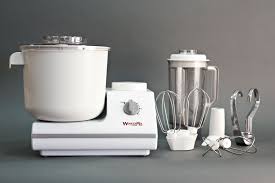 models of the Bosch Universal, Kitchen Aid, Dimension 2000 and Ankersrum mixers and now I have been testing the WonderMix. I was able to compare function to function against other brands and put the WonderMix through many different tasks and the WonderMix performed brilliantly.
In my list of requirements for Product Testing of mixers, I especially look for a heavy duty mixer that is well-made and sturdy, one that can handle large batches of stiff 100% whole grain doughs with ease without straining the motor, without jumping all over the counter and most of all, that will effectively develop the gluten in whole grain bread. On the other end of the spectrum, this heavy duty workhorse must be gentle when whipping delicate items and be able to mix and knead very small batches of bread effectively and as well as the large batches. The mixer must be durable and easy to use as well as accommodate accessories for expanding its functions, making it multi-purpose.
Testing of the Basic Package:
My initial observations of the WonderMix Revolution were that it had a smaller footprint than other mixers and looked like it could not handle my extra-large batch requirements. Boy, was I ever wrong! I packed up the WonderMix with my biggest batches of 100% whole wheat bread, triple batches of sprouted whole wheat bagels and stiff whole grain doughs. The smaller size of the WonderMix disguises the power and engineering efficiency contained inside. I am extremely impressed with the performance of beautifully developing gluten structure without overmixing the dough on large and small batches of yeast doughs. Also, as required, the WonderMix was able to delicately whip, mix and shred even the lightest batters, meats, and doughs.
I compared the WonderMix function to function against the Kitchen Aid stand mixer, Bosch Universal, Ankarsrum Kitchen Assistant, and in all the tests, the WonderMix performed much better than the KitchenAid and Ankersrum and matched the Bosch in some functions and outperformed the Bosch in others.
Some of my favorite features of the WonderMix are the locking 2-part lid (and it really locks, keeping the dough inside the bowl while kneading those big batches!), the unique dough hook and dough divider that facilitate large and small bread batches, and of course, the 900 watts of power. A huge feature is:
It. Did. Not. Walk. Across. The. Counter. (Even with mega-batches of stiff bread and bagel dough.)
In addition to checking off my Product Testing and Performance criteria check sheet, comparing the WonderMix to other mixers, I simply used it for everyday mixing, kneading, shredding, whipping, blending and had immense fun with it. I have to say that I am in love with this new mixer!
Features:
From the same established company that brings us the Wondermill and Wonder Jr. grain mills with proven quality, workmanship, and excellent Customer Service.
- CSA and UL listed
- Lifetime Warranty on many parts (no other heavy duty mixer offers this)
- 900 Watt Motor
- Direct Drive High Torque Transmission
- 3 Speeds + Pulse
- Large 22 Cup Mixing Bowl (5.5 quart)
- Heavy Duty Tru-Mix Dough Hook
- Convenient bowl handle
- BPA Free
- Cord Storage Compartment
- No Walking Base
- Overload Protection
- Dishwasher Safe Bowl
- Safety Bowl Locking System
- Double Beating Whisks
- For a limited time: comes with Cookie Whips and Blender
- Designed, Engineered and Licensed in Germany
- Accessories available
- Less expensive than other heavy duty mixers
Dimensions:
13 inches wide, 9 inches deep and 12 inches tall
Weight:
11 pounds
Conclusion: Based on testing, comparison and performance, I highly recommend the WonderMix Revolution Mixer as a heavy duty mixer. I use it for a wide variety of applications in my own kitchen.
__________________________________________
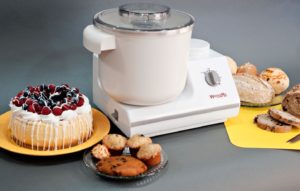
Vickilynn’s 7-loaf 100% Whole Wheat and Honey Challah
7 cups water, warm, about 120 degrees
2 Tablespoons apple cider vinegar
1/3 cup softened butter (or use all olive oil for dairy free)
1/3 cup extra virgin olive oil
3 Tablespoons instant yeast
18-20 freshly ground whole wheat or sprouted whole wheat flour, divided
1 cup honey
6 large whole eggs +
3 large egg whites (1 2/3 cup eggs) *reserve the yolks for the glaze
1 Tablespoon salt
2 cups vital gluten
Glaze
3 egg yolks
3 Tablespoons water
Place hot water and apple cider vinegar in WonderMix mixing bowl fitted with the dough hook. Add softened butter and mix to dissolve butter. Add 3 cups of flour and yeast. Mix well, cover and let sponge for 15 minutes.
Stir down sponge and add olive oil, salt, honey, eggs and 8 cups whole wheat flour. Mix well until everything is incorporated.
Add in flour, one cup at a time, until a dough is formed that pulls away from the sides of the mixing bowl and clings to itself. The dough should not be very sticky, but still moist and supple. Do not add all the flour if not necessary and add more if needed. The amount of flour needed will vary.
Let dough knead until very supple and springy and gluten is developed. *By hand, 20+ minutes, by large mixer 10 minutes.*
Let rise, covered, until doubled. Punch dough down and divide into 7 equal portions. Shape into desired shapes* and let rise about 30 minutes. Mix egg yolks and water until completely mixed. Brush breads with glaze before baking.
- To braid, divide each loaf’s dough into 4 portions. Roll each fourth into long snakes. Braid by starting with the left portion and running it over, under over under the other portions. Pinch each end of the loaf to seal. Roll loaf slightly long-wise on the counter before placing on the baking sheet.
- For shaped rolls; bake in a preheated 425 oven for 10-12 minutes, or until just lightly browned. Do not overbake, they will be hard. I bake mine for 10 minutes.
- For loaves, bake in a preheated 350 oven for 30-35 minutes, or until done.
- To make butterhorns (or crescents): divide each loaf portion into 2 equal parts. Roll each part into a circle 6-8 inches. Cut into 6 equal triangles. (I use a pizza cutter). Starting with the wide end, roll up the triangle and place on a lightly greased cookie sheet, with the point underneath. I turn the edges down slightly as well so the rolls look like an upside down “u”.
- To make cloverleaf rolls: divide each loaf portion into 12 balls. Divide each ball into 3 smaller balls. Place 3 balls in each tin of a 12 muffin pan. The balls will join together as they rise and look like a “crown”.
__________________________________________
Vickilynn’s 8-loaf 100% Whole Wheat and Honey Raisin Bread
8 cup water, warm, about 120 degrees
2 Tablespoons apple cider vinegar
20-22 cups freshly ground whole wheat or sprouted whole wheat flour
3 Tablespoons instant yeast
2 cups vital gluten
1 cup oil
1 cup honey
1 Tablespoon salt
2 Tablespoons cinnamon
2 Tablespoons vanilla extract
3 cups raisins
Place hot water and apple cider vinegar in Wonder Mix mixing bowl fitting with the dough hook. Add 8 cups of flour and yeast. Mix well, cover and let sponge for 15 minutes.
Stir down sponge and add vital gluten, olive oil, honey, salt, cinnamon, vanilla extract and raisins. Mix well until everything is incorporated.
Add in flour, one cup at a time, until a dough is formed that pulls away from the sides of the mixing bowl and clings to itself. The dough should not be very sticky, but still moist and supple. Do not add all the flour if not necessary and add more if needed. The amount of flour needed will vary.
Let dough knead until very supple and springy and gluten is developed. *By hand, 20+ minutes, by large mixer 10 minutes.*
Let rise, covered, until doubled. Punch dough down and divide into 8 equal portions. Shape into desired shapes and let rise about 30 minutes. Bake at 350 in a preheated oven for 30 minutes, or until bread is done. Let cool before slicing.
Egg-Free, Vegan Marshmallow Fluff (made with aquafaba)
1 teaspoon pure lemon juice (no oil!) or apple cider vinegar
1/2 cup aquafaba, unwhipped (about what is in a can of cooked garbanzo beans)
1/4 teaspoon cream of tartar
1/2 teaspoon guar gum (optional, but makes a more firm consistency)
Pinch of salt (optional, and only if using unsalted bean aquafaba)
1/2 cup powdered granular sweetener, sugar or xylitol
1 teaspoon vanilla extract
Wash the WonderMix bowl very well and make sure it is completely dry. Wipe the lemon juice or vinegar all over the inside of the bowl, to remove any oil residue.
Pour in the aquafaba, cream of tartar, guar gum and salt if using. Place the beaters in the Wondermix and cover the bowl. Beat on #3 for 10 minutes. Remove the small lid and start adding the powdered sweetener in VERY slowly, 1 Tablespoon at a time, and let the sweetener incorporate before adding more. When all the sweetener is in, add in the vanilla and taste the fluff. If it is sweet enough, use immediately. Add more sweetener as needed.
You can use this recipe to make baked meringue cookies, whipped toppings, vegan ice cream and more. For additional recipes, visit the Facebook group, Aquafaba Everything.
Vickilynn Haycraft is the author of: “Wrapping It Up!” and co-author of “Naturally Healthy Cuisine, Real Food for Real Families”. Vickilynn is a sought-after independent product tester and book reviewer delivering accurate, honest, and trustworthy reviews on products and books for the whole family. Subscribe to Vickilynn at: RealFoodLiving.com, National Product Review Examiner, National Family Preparedness Examiner.
Disclaimer: There are NO affiliate links within Vickilynn Haycraft’s review.
She is an independent Product Reviewer. She does not sell products or accept payment for reviews. The products reviewed are either purchased by Vickilynn Haycraft or provided for review and all reviews are unbiased regardless of how the item was obtained. This product was provided for testing and review.
Contact The Wondermill Company Directly here
____________________________________________
Here at PREPARE Magazine, we are delighted for Vickilynn’s unbiased review of fine products such as this and the many she has shared with us throughout our years of publication.
By way of full disclosure: If you are interested in purchasing the WonderMix Deluxe Mixer, please consider purchasing through Millers Grain House, an Authorized Dealer of all WonderMill Products. Our Founder would greatly appreciate your support.
NOTE: The warranties are only applied when you purchase the WonderMix through authorized dealers. Do not purchase from Ebay or Amazon dealers unless they are authorized.
Click here for more of Vickilynn’s recipes
Popular Questions
What makes the WonderMix Heavy Duty Mixer a good choice for food storage preparations?
The WonderMix Heavy Duty Mixer is designed to handle large batches of dough, making it ideal for food storage preparations. Its powerful 900-watt motor and unique dough hook allow it to mix and knead stiff whole grain doughs without straining. Additionally, it features a locking lid that keeps ingredients contained during mixing, ensuring a mess-free experience. This mixer is versatile enough to whip delicate batters while also managing heavy-duty tasks, making it a valuable tool for anyone focused on preparedness.
How does the performance of the WonderMix compare to other mixers?
In testing, the WonderMix outperformed several well-known brands, including KitchenAid and Ankarsrum, particularly in developing gluten in whole grain bread. It matched the Bosch Universal in some functions while excelling in others, showcasing its superior engineering. Users have noted that it does not walk across the counter, even with heavy batches, which is a common issue with other mixers. This reliability makes it a strong contender for those looking for a heavy-duty mixer.
What features of the WonderMix Heavy Duty Mixer enhance its usability?
The WonderMix Heavy Duty Mixer includes several features that enhance its usability, such as a large 22-cup mixing bowl and a convenient bowl handle. Its BPA-free construction and dishwasher-safe bowl make cleanup easy, while the overload protection ensures safe operation during heavy use. The mixer also comes with double beating whisks and additional accessories, allowing for a variety of culinary tasks. These thoughtful design elements make it a practical choice for both everyday cooking and emergency preparedness.
Can the WonderMix Heavy Duty Mixer handle small batches effectively?
Yes, the WonderMix Heavy Duty Mixer is designed to be versatile, effectively mixing and kneading both large and small batches. Its unique dough hook and divider facilitate the preparation of smaller quantities without compromising performance. Users have reported excellent results when whipping delicate items or mixing light batters, proving its adaptability. This feature makes it suitable for a wide range of cooking and baking needs.
by PREPARE Magazine Editorial Team | Apr 5, 2025 | Blog, Food Storage
The prospect of stockpiling food can sound a bit overwhelming — however, it’s one of the primary steps in emergency and disaster preparedness planning that is often overlooked. We often take for granted that we can rush out to the grocery store and purchase anything we need. During the recent pandemic, we experienced the reality that shelves were empty and in many cases the store was closed due to quarantines.
So, it’s important to have supplies on hand for emergencies and unknown disasters. Being prepared for an emergency means being able to provide food for your family when other resources are not available. While many people have food storage to get them through a few says, it’s important to rotate older supplies and do regular inventory checks to make sure you have what you need on hand.
Here are five compelling reasons to re-stock your preparedness food supplies.
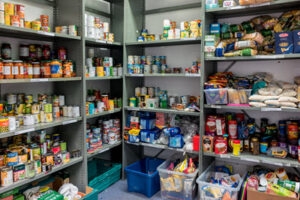 Reason 1: Food Insecurity
Food insecurity is an increasing problem for many people in both developed and developing countries. In the US, of the 40 million people who rely on food stamps, the majority are families with children and elderly members living alone. In 2019, the US Department of Agriculture (USDA) reported that 1 in 7 people are food insecure, which means they don’t have reliable access to adequate amounts of affordable, nutritious food. When an emergency or disaster strikes, these individuals are at an even greater risk of food insecurity.
Reason 2: Natural Disasters
Natural disasters can create devastating circumstances for families and communities. Often these events result in power and communication outages, store closures, and limited access to food, making it more difficult for families to receive necessary supplies including food. Additionally, unless you live in an area that experiences frequent natural disasters, it is likely you won’t have established emergency plans in place, making it more difficult to cope with the impacts of the event.
Reason 3: Emergencies and Disruptions of Services
The disruption of services due to a pandemic, a hurricane, or an ice storm can be made even worse when grocery stores are closed or running limited services. Furthermore, supply chains can be disrupted making it difficult to receive food or other supplies as quickly as expected. With your food stockpiles in place, you can help to minimize disruptions to your family’s daily routine.
Reason 4: Financial Disruptions
Financial disruptions can severely affect your ability to purchase food and other necessities on a recurring basis. A job loss, reduced hours, or other economic hardships can be especially devastating if you don’t have supplies stored away to help you get through the tough times. Preparing ahead of time can be the difference between running out of food and having enough to get through the difficult period.
Reason 5: Increased Prices
In some areas, the cost of food is already rising as a result of supply chain disruptions. In other areas, local producers and farmers have seen their production abilities decrease, making the cost of locally grown food more expensive. Additionally, food prices can greatly vary from region to region, so it’s important to stock up while prices are low in case they increase later.
Conclusion
These are just a few of the reasons why having a stockpile of preparedness food is important. Planning ahead and taking the necessary steps to ensure your family is prepared can be a huge relief during an emergency or disaster. With the right supplies and preparations in place, you can help to ensure your family’s safety and wellbeing during such events.

by PREPARE Magazine Editorial Team | Apr 5, 2025 | Blog
You may already get the complimentary digital issue of PREPARE Magazine once a Month, and for that we are very grateful. But we don’t want to stop there when it comes to encouraging you, serving your needs and helping build your support system for your Preparedness Journey. We want to be there for you more than just once a month.
That is why there are so many new things on the horizon! Look for some of these upcoming ways to connect, learn and enhance your skill set:
- Downloadable Reports and Training Videos
- Live Training Webinars and Events
- Preparedness Resources and Supplies
- Polls and Questionnaires to be sure we are meeting your needs.
- Special drawings and incentives
- Print-copy subscription mailed to your door with NEW articles.
This and more for everyone – but EVEN MORE for Founding Subscribers (that would be you now if you’re getting the complimentary monthly Issue)…but soon, that window to be a Founding Subscriber will shut once we officially launch! So hurry and spread the word to everyone you believe to be interested. Hey, it costs them nothing – so feel FREE to SHARE!
Also please remember that we do CURRENTLY have the PREPARE Magazine Facebook Page so we can keep in touch between the issues! So go by and ‘Like’ us, because we already like you!
Popular Questions
What can readers expect from the behind the scenes of PREPARE Magazine?
Readers can look forward to a variety of new initiatives that enhance their preparedness journey. The magazine aims to provide more than just a monthly digital issue by introducing downloadable reports, training videos, and live webinars. These resources are designed to help readers build their skills and knowledge in preparedness. Additionally, there will be special drawings and incentives for subscribers, making the experience even more engaging.
How does PREPARE Magazine plan to connect with its audience beyond the monthly issues?
PREPARE Magazine is committed to staying connected with its audience through various interactive platforms. This includes polls and questionnaires to gather feedback and ensure that the content meets the needs of its readers. The magazine also encourages readers to engage with its Facebook page for updates and community interaction. This approach fosters a supportive environment for those on their preparedness journey.
What benefits do Founding Subscribers receive from PREPARE Magazine?
Founding Subscribers enjoy exclusive benefits that enhance their experience with PREPARE Magazine. These subscribers will receive a print-copy of the magazine delivered to their door, featuring new articles and content not available to others. Additionally, they will have access to special resources and events tailored specifically for them. This unique offering is designed to reward early supporters and build a strong community around preparedness.
Are there any upcoming events or resources that readers should be aware of?
Yes, PREPARE Magazine is planning several exciting events and resources in the near future. Readers can anticipate live training webinars and events that will provide hands-on learning opportunities. Furthermore, the magazine will offer a range of preparedness resources and supplies to assist readers in their journey. Keeping an eye on these developments will ensure that subscribers are well-equipped and informed.

 So let’s just say that you are already a subscriber to PREPARE Magazine’s Free Digital Issues <– Click if not …