by PREPARE Magazine Editorial Team | Apr 5, 2025 | Meet Our Contributors
 We are honored that Joe Alton, M.D., aka Dr. Bones, and Amy Alton, A.R.N.P., aka Nurse Amy have been long-time
 supporters and encourages for PREPARE Magazine. Every since the very beginning they have shown great support in helping spread the news of peaceful, pragmatic preparedness to others. Dr. Joe and Nurse Amy have been instrumental in helping to launch the first print Issue of PREPARE and continue to contribute on a regular basis.
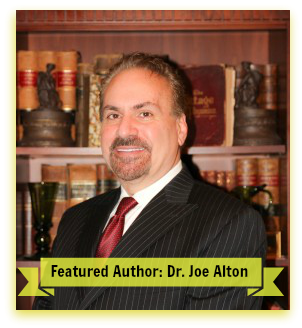
Joe Alton, M.D. is one of our Featured Authors. You can read many of his articles in the Print Issues of PREPARE Magazine.
Joe Alton, M.D. (aka: Dr. Bones) is a member of Mensa, collects 19th century medical books to gain insight on off-grid medical strategies. He is the co-author, along with Amy Alton, A.R.N.P. (aka Nurse Amy), of the #1 Amazon Bestseller in Survival Skills “the Survival Medicine Handbook“. The opinions voiced by Dr. Bones and Nurse Amy are for post-apocalyptic settings only; in normal times, they encourage you to seek modern and standard medical care from qualified professionals.
Back in November of 2014 Joe Alton, M.D., aka Dr. Bones, and Amy Alton, A.R.N.P., aka Nurse Amy were part of a very special Live Event. A Free Preparinar on “Hygiene when the Grid Goes Down”. It was a great success with many in attendance asking some great questions! Currently, this is on instant replay in the Premium Member Library Archive along with handouts and more information to help you be medically prepared.
During this Preparinar, attendees listened and learned about the following topics and more:
 Building an off-grid medicine cabinet
- Disposal of human waste
- Disease causing organisms in food
- Water sterilization
- Respiratory hygiene
- Infectious disease mitigation
If you would like access to this replay (and many others), please consider becoming a PREPARE Premium Member.
Joe & Amy both keep a pretty busy schedule. Between their website, classes, books and now online products, it was truly a privilege that Joe took some time to catch up with the Managing Editor of PREPARE and Podcast Hostess, Donna Miller on a recent episode.
Take a listen below to hear all the new things that Dr. Bones & Nurse Amy have going on and how they want to help you be medically prepared!
Your Preparation Station on BlogTalkRadio
If you’re not already familiar with them, we highly suggest that you check out what they have to say. We can whole heartedly endorse how they share their expertise.
Here are some other great ways to connect with Joe Alton, M.D., aka Dr. Bones, and Amy Alton, A.R.N.P., aka Nurse Amy:
We here at PREPARE Magazine have enjoyed working with Joe Alton, M.D., aka Dr. Bones, and Amy Alton, A.R.N.P., aka Nurse Amy for many years. We hope you will connect with them, learn skills from them, follow their advice and ask them for thier expertise as you become more prepared.
Popular Questions
What contributions has Joe Alton, M.D., aka Dr. Bones made to PREPARE Magazine?
Joe Alton, M.D., also known as Dr. Bones, has been a long-time supporter of PREPARE Magazine, helping to spread awareness about preparedness. He played a crucial role in launching the first print issue of the magazine and continues to contribute regularly with insightful articles. His expertise in off-grid medical strategies and survival skills is invaluable to readers seeking practical advice.
How can I learn more about off-grid medical strategies from Dr. Bones?
To delve deeper into off-grid medical strategies, you can explore the articles written by Joe Alton, M.D. in the print issues of PREPARE Magazine. Additionally, his co-authored book, "The Survival Medicine Handbook," is a top resource for survival skills. Engaging with his content will equip you with essential knowledge for medical preparedness in various situations.
What topics did Dr. Bones cover during the Hygiene when the Grid Goes Down Preparinar?
During the Preparinar event, Joe Alton, M.D. discussed critical topics such as building an off-grid medicine cabinet, water sterilization, and infectious disease mitigation. These subjects are vital for anyone looking to maintain hygiene and health during emergencies. The replay of this event is available in the Premium Member Library Archive for those interested in enhancing their preparedness knowledge.
How can I connect with Joe Alton, M.D. and Nurse Amy for more preparedness advice?
You can connect with Joe Alton, M.D., and Amy Alton, A.R.N.P. through their blog at Doom and Bloom, where they share valuable insights on survival and medical preparedness. They are also active on Facebook, providing updates and engaging with their audience. Following their work will keep you informed about their latest resources and advice.
What is the significance of Joe Alton's background in relation to his preparedness teachings?
Joe Alton, M.D. is a member of Mensa and collects 19th-century medical books, which enriches his understanding of off-grid medical practices. His diverse background allows him to offer unique insights into survival medicine, making his teachings particularly relevant for those interested in preparedness. This expertise is reflected in the comprehensive advice he provides through various platforms, including PREPARE Magazine.
by PREPARE Magazine Editorial Team | Apr 5, 2025 | Blog, Meet Our Contributors
Getting Kids Into the Garden
For my family, getting the 2012 garden going was NOT an easy task! We moved to follow a great opportunity and got a late start on the garden at the new place, Ultimately getting it ready and everything in the ground about a month later than it should have gone in. We knew it wasn’t ideal, but it’s what we had to work with.
But before getting into that, I would like to introduce my family and garden. In 2012, my wife and I and 6 kids were living in the home. At the time, their ages were 10, 8, 7, 5, 4, 1 and 3 mos. We had moved to a very rich, fertile area where the landowner generously gave us a 15×40 plot for a garden. It turned out to be some of the best soil we’ve ever grown a garden in. We planted corn, yellow/green beans, squash, watermelon, peppers, tomatoes, and other stuff I probably can’t remember. Yes, I know that sounds very “lite” on details about the garden – every avid gardener reading this wants to know the details. But this article really isn’t about gardening per se; it’s about getting kids into the garden! And besides, you are probably vastly better experienced with gardening than I am.
So, how do you get kids into the garden to become a productive asset to the family’s needs to prepare? Well, lots of ways.
Attitude. Parental attitude is really what starts the ball rolling. The parents are the ones who set the tone and atmosphere of the home. Our perspective on our children will be evident in both how we deal with them, and how they respond to us. Like a mirror, they will bounce back to us what they have received. From a Biblical perspective, we need to more fully grasp the concept from Psalm 127:3-5, that “Children are a blessing from the Lord”. As parents, do we truly look at our children as blessings? Do we see them as infinitely valuable, “fearfully and wonderfully made” and as “arrows in the hands of a mighty warrior? Or do we see them as obligations and liabilities? They may be young, but they are extremely perceptive! Our attitudes will rub off into their character as they see it in us. Your attitude towards them is the first building-block; if that is off somehow, they will know.
Praise and Recognition. First, let me say my wife has only really ever made a couple of meals that weren’t grand-slams since we’ve been married. She is a truly great cook. One of our family habits is, each night around the table, I call out those who participated in preparing the meal. So, when they were very young and just my wife was doing the cooking, I would make a point to say, “Hey guys, didn’t Mom do a great job with the dinner tonight?” to which I always got a chorus of “Yeaaaaahhhhh!”. So I would follow it up with, “How about we all thank Mom for the great job she did!” And they would all eagerly and repeatedly thank Mom. As the kids got old enough to help in the kitchen, we expanded on this to include the ones who helped with preparing the meal. Yes, it went to their heads. They loved the recognition. Year-round, we praise them and recognize their efforts for each area of the meal they worked on. It touches something inside them to be recognized for their efforts.
Now, when it came time for working in the 2012 garden, we had a foundation to build on. As the garden was being planned and planted and watered, I would again go around the evening dinner table with the usual recognitions, but then at the same time, I would bring up things like, “Hey, did anybody see any beans come up yet?” “I just can’t wait to see beans come up. Those are going to be so sweet and juicy and good.” “Who here wants to help make sure we have some good beans to eat when they’re ready?” It was unanimous, of course.
Ownership and Responsibility. I am a firm believer that if you “own” an object or a task, you’re going to take a lot more pride in your workmanship. You’re going to “make it yours”. What I found was that my kids naturally tended certain areas of the garden. Ben liked the watermelons. Amy was always in the beans and squash. Matthew was eager to take care of the corn. They all loved the garden, in general, but they took particular interest in specific plants. In our 2012 garden, this happened naturally, and I didn’t even realize it was happening at first. In our 2013 garden, we have already planned out who wants specific plants. Each kid has a “square” or two of a specific plant, and they get to “own” that square. Our extremely generous landlord has agreed to allow us a plot several times the size of our 2012 garden for 2013 and so, Lord willing, it will end up to be about a 3600 sq ft garden, which should be enough for each kid to “own” about 300 sq ft of garden to “make it theirs”. Now, before the pro gardeners reading this turn white and have visions of children leaving unkempt vines and unruly tomato stakes leaning sideways, I will say that we all “own” the garden as a family, and my wife and I will make sure that things are done properly and in order. Our 2012 garden was not exactly Eden, either; there were patches of onions and radishes which, literally, never saw the light of day because of the “enthusiasm” of certain ones who planted and tended it. Yes, we want to produce food for dinner and for storage, and we want the garden to be aesthetically appealing, but more importantly we want to instill in the kids the values that make a garden possible. The size of the tomatoes or the straightness of the rows — well, I’m not sure those will ever be in any record books. But the bedrock I’m hoping to leave in the kids is clear.
Hard Work and Reward. There were times when the kids just didn’t feel like being at the garden. The summer was brutally hot by local standards, and it’s far from the house with little neighboring shade. There were plenty of times I just didn’t feel like it either. But we needed to, and it became our “evening ritual” after dinner for all to take a walk out to the garden and see what was new. The sun was no longer hot, and they were much more open to the idea of going out to the garden. Now, I’ve done some back-breaking, blistering work in the heat of the day to make sure things were going to work, and as needed, I’ve had them work beside me in that. So they appreciated the opportunity to work in the cool of the day and make progress. In the early part of the summer, just seeing what new shoot came up or what new leaf had unfurled since the previous day was all the reward they wanted. And seeing new life like that really is remarkable! But towards the end, it gets even more exciting. Are the stems on the watermelons turning brown yet? How big are the squash getting? My wife and I needed to set some ground rules as well. For example, our 4-year old was not terribly skilled at telling the difference between a pepper that was ready to be picked and one that should still be on the plant. A lot of very tiny peppers were picked as a result. The concept of hard-work and reward is nothing new, and of course makes perfect sense to the kids, so we let the ones who had participated most in particular areas of the garden get the “first taste” of it. There are rewards for the whole family in producing the garden, in general, but there are specific, individual rewards for having been the one to work hard and take the lead in a certain area.
No matter where you are on the parenting or preparation continuum, there’s always plenty of room for improvement. If you’re having trouble motivating your kids to get involved in the garden, look for unique ways that speak to them. Lead them into it using these types of principles which help them praise & recognize the efforts of themselves and others alike, take ownership & responsibility for a particular thing, and experience the triumph of hard work & reward from that. I can’t guarantee that having the kids work in the garden will automatically result in every canning jar you own being full, but I can say for sure it stamps a layer of work-ethic into their hearts and minds, and helps them understand that being prepared, and working towards preparedness, is important.
Tom Kunz has been prepping all his adult life, long before it was popular to do so. He is married to the most wonderful woman on earth, and is a homeschooling father of 8, IT security specialist, software developer, mechanical engineer, firearms instructor, conference speaker, pianist, and composer. He specializes in providing security and communications services & support to Christians and missions agencies that work in countries which censor the internet and are openly hostile to the Gospel. His website is: http://SolidRockTechnologies.com/
Popular Questions
How can I encourage my children to participate in gardening activities?
To encourage your children to participate in gardening, start by creating a positive atmosphere around the activity. Share your excitement about the plants and involve them in the planning process, asking for their input on what to grow. Recognize their efforts during meals by praising their contributions, which can foster a sense of ownership and pride in their work. This approach not only makes gardening fun but also strengthens family bonds.
What are some effective ways to teach kids about responsibility in the garden?
Teaching kids about responsibility in the garden can be achieved by assigning them specific plants or areas to care for. Allow them to take ownership of their designated space, which encourages them to monitor growth and address any issues that arise. This hands-on experience helps them understand the importance of commitment and care in gardening. Celebrate their successes and discuss any challenges they face to reinforce their learning.
What role does parental attitude play in getting kids into gardening?
Parental attitude is crucial in getting kids interested in gardening, as children often mirror their parents’ enthusiasm. By demonstrating a positive and appreciative perspective towards gardening, you can inspire your children to engage with the activity. Share your excitement about the plants and the process, and involve them in discussions about the benefits of gardening. This creates a nurturing environment where children feel valued and motivated to participate.
How can I make gardening more appealing to my kids?
To make gardening more appealing to your kids, incorporate fun and interactive elements into the experience. Use colorful tools, create themed garden plots, or introduce friendly competitions to spark their interest. Additionally, involve them in the cooking process by using the vegetables they grow, which can create a tangible connection between their efforts and the meals enjoyed at the table. This not only makes gardening enjoyable but also teaches them about healthy eating.
by PREPARE Magazine Editorial Team | Apr 5, 2025 | Blog, Meet Our Contributors

Another very valued and consistent members of our Core Contributors is Vickilynn Haycraft. She has graciously offered to provide you with her insight and expertise in the area of product reviews ever since PREPARE Magazine’s very first digital issue.
Vickilynn has been a published independent Product Reviewer for more than 20 years and is widely respected for her honest and impartial reviews. She is also a cookbook author, columnist, radio show hostess, and most of all, a real life wife and mom.
Have you ever wondered about the products that you want to buy and how they work in real life? Before you buy, check out Product Reviews by Vickilynn Haycraft at Real Food Living.
 The Real Food Living website has Vickilynn’s product reviews, as well as recipes, tutorials, blog, Frequently Asked Questions, past radio shows and a free newsletter as well as her Examiner articles on family preparedness.
Her passion for helping others become prepared, particularly those with disabilities, is a testament to her Faith and her dedication. We are honored that she, along with so many others, has dedicated her writing to serve you. For her work, and her friendship, we are humbly grateful.
Stop by and connect with Vickilynn Haycraft, one our valued Core Contributor and trusted Reviewer at her Facebook and Twitter page.
(more…)
by PREPARE Magazine Editorial Team | Apr 5, 2025 | Meet Our Contributors
Meet one of PREPARE Magazine’s Valued Core Contributors: Jason Hunt
When we say that at PREPARE Magazine our contributors have a heart to help others prepare…we really do mean it! We hope you will get to know this particular core contributor in greater depth. What he has established for years prior to being a part of PREPARE Magazine speaks volumes to his commitment to serving others along this journey of preparing in Peace vs. fear.

Jason Hunt founded Hunt Survival, Inc./ KY River Bushcraft as an outreach and training center for people called to prepare for the gospel ministry that have a desire to get back to basics. His vision was equipping small groups of men and women that would venture out to take the gospel to diverse areas outside of the institutional church setting; more specifically in an outdoor or wilderness environment just as the early church did in its humble beginnings. Jason was commissioned a Kentucky Colonel by Governor Steve Beshear for service to the Commonwealth where he’s worked as a pastor and missional church planter for over a decade. He was ordained by the late Apostles Charles & Frances Hunter. Jason holds both Bachelor and Master degrees in Ministry respectively with a Doctorate in Theology. He’s also a published author having written books related to the Christian life, Search and Rescue and has been featured in several magazines and video series.
Jason Hunt is also the President of Frontier Christian University and continually strives to improve the lives of those he encounters all to the glory of Jesus Christ. Frontier Christian University was founded in 2001 originally as Southern Indiana Bible College under charter of Kingdom Harvest Ministries located in New Albany, Indiana. Their first class sessions were held at Dwelling Place Ministries which still serves the downtown community of New Albany. With an office now located in Floyds Knobs and training sites throughout Southern Indiana, FCU continues its commission of equipping God’s Generals to reform the nations with the power of the Gospel of the Messiah Jesus. With students from all 50 states and over a dozen other nations Frontier has been met with a wide variety of acceptance and recognition. FCU is equipping believers to make a difference in their communities for God’s kingdom.
Jason has been training in the martial arts for almost thirty years and was inducted into the 2001 U.S. Martial Arts Hall of Fame. He has black belt ranks in Ju Jitsu, Hapkido, Arnis, Krav Maga and Kapap.
Some of Jason’s professional certifications include:
- ICKMA Certified Firearms Instructor
- Wilderness Survival Instructor (ISI, ICKMA)
- Pathfinder Phase I & II
- Pathfinder Basic Certified
- Pathfinder Blacksmithing
- Firefighter (Active)
- EMT-Basic with Wilderness Upgrade (WEMT)
- Search & Rescue Team Leader
- ASHI BLS & First Aid Instructor
We here at PREPARE Magazine are delighted that Jason Hunt has contributed such wonderful articles that are practical, Scriptural and encouraging for those of us on this preparedness journey. We look forward to his contributions each month and know you will enjoy getting learn from all he has to offer. Thank you Jason!
If you’re reading this and not already signed up for your FREE monthly digital subscription, by all means – don’t miss out – click this LINK to get these encouraging and educating articles contributed each month by our wonderful contributors.
_______________________________________________________
Many great contributors have joined the team of PREPARE Magazine, and added their voice to the call to prepare. It is the group of dedicated Core Contributor writers who help to flesh-out the vision from the beginning and are the back bone of our publication. It is our honor and blessing to serve along side such wonderful individuals. We hope you enjoy getting to know them more.
by PREPARE Magazine Editorial Team | Apr 5, 2025 | Guest Bloggers, Meet Our Contributors
Guest Blog Post by Regular Contributor Don Alley (Bio Below)
Eating healthy makes you better able to perform. Duh. Now that we have the obvious out of the way, I’d like to share my recent healthy eating experience. I am not in the best shape I could be. Between being a husband, dad, homeowner, full time employee, writer, instructor, and martial practitioner, I don’t have a lot of time to really consider my diet. I stay active and can still perform all the hiking, recreation, and martial activity I want, but lately age and bad habits have caught up as youth ebbs. The choices in foods and lifestyle start to have more pronounced consequences. More than once in the last couple months I was either too tired, or not feeling well enough to attend my regular martial training.
It was time for a change.
Some other members of my training group have recently started following a detox diet. In this particular diet, it goes for 7 days to start, and ideally a full 21 days for a full cleanse. In it, certain foods are excluded; most notably, sodas, breads and grains, dairy, and several other food groups. Additionally, certain foods are singled out for exclusion based on common characteristics. I didn’t realize that strawberries were about the most polluted food out there, and it is next to impossible to find pure, pesticide-free supplies of these. Foods that were hormone enhanced, GMO, or laden with pesticides were to be specifically avoided.
In addition to starting the detox diet, some other considerations were to use natural deodorants rather than aluminum based ones, exfoliate skin and try to sweat more often to cleanse the skin, and start drinking only pure, filtered water.
I particularly enjoy one brand of soda, and drink one in the morning as a pick me up. After that, lunch would be whatever I packed, or whatever I feel like if I go out to eat. Food was to be enjoyed, period, and I simply wasn’t getting enough nutrients. I’ll readily admit I have a caffeine dependency, and forgoing caffeine was sure to be disconcerting. I’ve quit caffeine before, only to have it infiltrate its way into my routine again. Adjusting my entire diet, caffeine included, was going to be momentous.
Subscribe to PREPARE Magazine
Day 1
I had gotten some of the stuff to make the morning shakes they suggest, and just planned on hitting Panera at lunch. Their Fuji Apple Chicken Salad without the cheese actually adhered to the diet plan quite well. It was very odd skipping my soda in the morning, and by lunch time my head was in that weird swimmy feeling like when you get over a cold and try to get back into your routine. I was hungry.
When I went home from work, I had another of the shakes they detail in the plan. It wasn’t enough, but I knew the detox diet was important so convinced myself to give it a chance. Besides, I had 3 meals today, and even if they weren’t my normal fare, it wasn’t like I was going to starve.
Day 2
 The caffeine withdrawal was hitting hard. I was irritable. I even warned my 5 year old son the night before that I was likely going to be cranky today, and I was. I drank down the miserable shake, all the while bemoaning my aching head. I had the Fuji Salad again for lunch, and the side of French baguette was replaced by an apple
For the entire afternoon, I stayed in my cube at work to avoid interacting with people. I was actually starting to feel anxious about the whole thing, as if I was doing something risky. Never mind that my eating habits up until now were actually more risky. I was fiercely craving my old foods that got me into this mess. I convinced myself that I just had to get through a few more days (the initial diet is 7 days. Start small.).
By evening I was a wreck. I skipped jujutsu because I just was not in a place to deal with other people. I went home and limited my interaction with my family while my head sorted out this whole no-caffeine thing. I went to bed early figuring semi-consciousness was the better option than being miserable.
Day 3
Wednesday hit me with a surprise. My caffeine headache was mostly gone. I still had that weird head swimmy feeling like I was not quite there, but for the most part I was not in any discomfort. I was able to function and had minimal cravings for my old foods.
Days 4-7
For the remainder of the first week, the headaches were gone, and my body had decided to crave new things, it seemed. My soda longing still lingered in the back of my head, but it was just a whisper and not an overpowering command. A few things I noted:
- My stomach aches were gone.
- I wasn’t getting heartburn at night.
- I slept better than I can remember sleeping. Ever.
- I was losing weight at a reasonable clip.
- I had more energy.
- I wasn’t getting tired halfway through the work day.
- Cravings for most of my old staple foods were gone.
- I associated the shakes as good food, and look forward to healthier lunches.
On the 6th day, I went to my jujutsu class. Saturday mornings were hard classes for me. For some reason I just moved slower than usual. Not today. In the 1.5 hr class, I am generally dragging along the last 15-20 minutes. That day I made it through the entire class without issue. Sure, I was a bit winded, a bit sore, and older bones ached trying to keep up with younger people, but I was not fatigued the way I usually was. It was also a slightly more intense class than most Saturday classes, with lots of takedowns and getting back up to do it again.

Between the weight loss and actual real food intake, my body was better able to handle the action. At the time of this writing, I only have the one class to go on as far as gauging my experience with this diet and detox effort, but having done hundreds of Saturday classes and knowing how I handle them, this class was singularly my best one.
My interim conclusion is simple. I was previously eating in a way that was not only unhealthy but my body had to take measures to protect against. I was my own enemy. Once I changed to a healthier diet, my body started working for me again, and not against. This change was fast, and very noticeable. The weight reduction is an ancillary benefit. I lost significant weight sticking to the program, which has increased mobility and energy.
The right foods are just as important as the quantity of food. Purer is better. If you go to buy an item and the ingredients are anything other than that item, put it back on the shelf. There are purer versions available. In the long run these will pay off when your body doesn’t have to spend the nutrients gained in the detoxification process.
Donald Alley is a martial science practitioner with over 10 years’ experience. He is a black belt in Jujutsu and a brown belt in Aikido. He is an instructor with the ISBF and a Level 1 Instructor for the US-MTA as well as program coordinator / instructor with Martial Tactical Training of Michigan. He is a certified NRA instructor for Basic Pistol and Personal Protection in the Home. His product line, Bu Tactical, provides everyday carry options for martial devices.
Popular Questions
What is the fastest way to improve How Diet Can Affect Your Self-Defense Training without making beginner mistakes?
The fastest way to improve How Diet Can Affect Your Self-Defense Training is to simplify the process and control one variable at a time. Start with the most important baseline: define the goal, identify the main failure point, and test one change before making another. Keep short notes so you can connect the outcome to the adjustment you made. This prevents guesswork and helps you build a repeatable method instead of chasing random fixes.
What should you check first when How Diet Can Affect Your Self-Defense Training is not working well?
Check the most immediate bottlenecks first: setup errors, missing inputs, bad timing, or inconsistent follow-through. Before buying anything new or changing the whole system, confirm that the basics are being done correctly and consistently. A small diagnostic checklist usually reveals the real problem faster than broad trial and error. Once the weak point is clear, make one correction and watch the result before adjusting anything else.
What common mistakes make How Diet Can Affect Your Self-Defense Training harder than it needs to be?
The most common mistakes are changing too many variables at once, skipping the basics, and judging results too quickly. Many people also copy generic advice without adapting it to their exact situation, which leads to weak results and confusion. A better approach is to work from a simple baseline, make measured changes, and give each change enough time to show whether it helped. That makes progress easier to track and repeat.
by PREPARE Magazine Editorial Team | Apr 5, 2025 | Blog, Meet Our Contributors
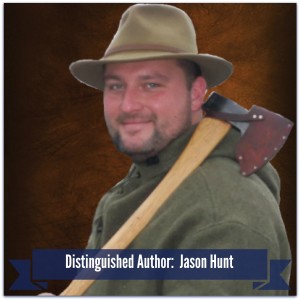 We are honored to have Jason Hunt, Th.D. among our list of Distinguished Authors. He has authored several dozens of articles and devotions for PREPARE Magazine. He has been involved since the first few digital issues in the Spring of 2012. We would like to invite you to get to know Jason a little better as we attempt to summarize all that he has to offer to the Mission of helping others to be well equipped and prepared.
Jason is the owner of Campcraft, LLC a survival outfitter and outdoor ministry located in Kentucky where he leads classes in wilderness survival, preparedness and wilderness medicine. He is also an instructor at The Pathfinder School and television host for both “Pathfinder TV” and “Campcraft with Jason Hunt”.
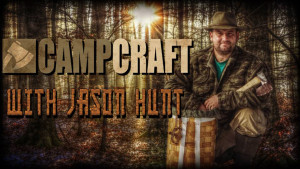
Jason grew up in the outdoors of Southern Indiana engaging almost daily in what nature provided as a playground, but it wasn’t until after a ten year stint as a pastor that he felt God call him back into the woods for what would be perhaps the greatest adventure of his life. Jason first received his training in survival from civilian and military experts by way of his martial arts experience which spans thirty years. Jason is the author of “The End Times Christian” and is the host of the weekly television series Campcraft airing in Louisville, Kentucky.
His training channel on Youtube can be found at this link: www.campcraft.tv

Back in October of 2013, Jason hosted one of our first ever Preparinars (before it was called that) on the Top 10 Bushcraft Skills You Need to Survive! It was well attended with over 250 guests online and is now viewed regularly as one of the most viewed Video Trainings in the growing Premium Member Library Archive
Below is an opportunity to hear about Jason’s journey in his own words. Listen to his beginnings, current activities and future visions of how he desires to do to help others in this podcast interview:
Your Preparation Station on BlogTalkRadio
Some of Jason’s professional certifications include:
The Pathfinder School, LLC Instructor
Wilderness Survival Instructor (ISI, ICKMA)
Pathfinder Phase I & II
Pathfinder Blacksmithing
Firefighter (Active)
ICKMA Certified Firearms Instructor
Rifleman Qualified
EMT-Basic with Wilderness Upgrade (WEMT)
Mantracking
Search & Rescue Team Leader
ASHI BLS & First Aid Instructor
Amazon.com Widgets
See more of books by Jason Hunt above. To connect with him, you may also find his Facebook page: https://www.facebook.com/HuntSurvivalInc
Popular Questions
What contributions has Jason Hunt Th.D. made to PREPARE Magazine?
Jason Hunt, Th.D. has authored numerous articles and devotions for PREPARE Magazine since its early digital issues in 2012. His writings focus on wilderness survival, preparedness, and outdoor ministry, providing valuable insights for readers interested in these topics. Through his contributions, he aims to equip others with the knowledge and skills necessary for outdoor adventures and emergency situations.
How did Jason Hunt Th.D. transition from pastoring to outdoor survival training?
After a decade of serving as a pastor, Jason Hunt felt a divine calling to return to the outdoors, which he had always loved. This transition marked the beginning of his journey into wilderness survival and preparedness, where he combined his passion for nature with his desire to help others. His background in martial arts and training from survival experts further enhanced his skills, allowing him to teach and inspire others effectively.
What types of classes does Jason Hunt Th.D. offer through Campcraft, LLC?
At Campcraft, LLC, Jason Hunt offers a variety of classes focused on wilderness survival, preparedness, and wilderness medicine. These classes are designed to teach participants essential skills for thriving in outdoor environments and handling emergencies. His hands-on approach ensures that students gain practical experience and confidence in their abilities.
What is the significance of Jason Hunt Th.D.'s television series?
Jason Hunt hosts the television series "Campcraft," which showcases his expertise in survival skills and outdoor living. The show serves as an educational platform, reaching a wider audience and promoting the importance of preparedness in everyday life. Through engaging content, Jason aims to inspire viewers to connect with nature and develop their survival skills.
How can I connect with Jason Hunt Th.D. online?
You can connect with Jason Hunt through his Facebook page, where he shares updates on his work and upcoming events. Additionally, his training channel on YouTube, found at www.campcraft.tv, offers a wealth of resources and instructional videos on survival techniques. Engaging with these platforms allows you to stay informed about his latest projects and insights into outdoor preparedness.