by PREPARE Magazine Editorial Team | Apr 5, 2025 | Blog, Coming Issue Updates, Preparedness planning
Be on the look out for your next digital issue very soon! In the next issue we focus on Financial Preparedness. As usual, our contributors have offered some stellar advice and tried and true ideas.
 If you have had questions about your digital issue or the link to view it, please direct this issue to Support@PREPAREMag.com
As much as we hope to have communications on the blog and appreciate comments and suggestions – we are not adept to handing specific issues about subscriptions here on the PREPARE Magazine Blog Updates.
You can have your technical, link and viewing questions resolved best through the Support Desk. They will be able to look up your subscription and address your question, whereas, through the blog we do not have that capability.
A couple of things to keep in mind based upon your subscription:
If you are Subscribed to the Free Annual Digital Subscription each issues is viewable in a flash magazine format.
If you are Subscribed to the PREPARE Premium Membership you have the ability to download, print and mobile view each issue (current and archived).
The support desk is there for your service and help, please feel free to direct all questions about your subscription to: Support@PREPAREMag.com so that we may best serve you.
Thank you!
by PREPARE Magazine Editorial Team | Apr 5, 2025 | Blog
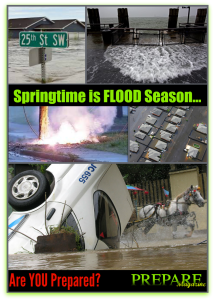 Severe Spring Weather Week is something that rolls around each year. You may or may not have been aware that this focus existed, but many regional branches of Homeland Security focus on the natural disasters that often affect their area in the spring.
We will be taking one typical Spring Severe Weather occurrence per day and focusing on it in hopes of keeping you safe. Please join us on our Facebook Page to read even more articles and share them with friends who may live in areas that are prone to the disastrous effects of Spring Severe Weather.
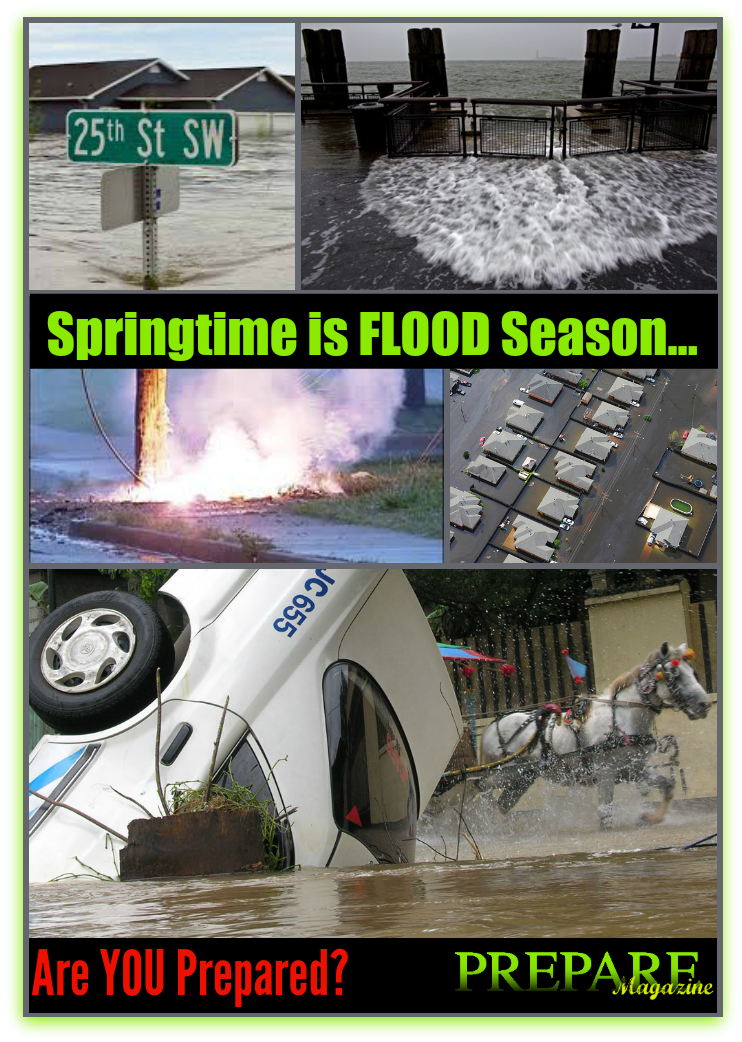
Today’s topic is Flooding.
One reason that Spring traditionally brings the heightened potential for flooding is that the ground in many areas is already saturated from the melting snows. The melted snow makes the ground less absorbent, because it is already ‘full’, much like a sponge.
Very dry ground is also quite susceptible to flooding. In areas that may not have received snow, the melting ice and snow from higher elevations and upcoming spring rains and thunderstorms cause run-off and flooding where the ground may have been too dry and thus the surface is too hard to absorb the water.
We want to hear from YOU… so please leave a comment and connect with us on Facebook .
Below is an excellent post written by one of the regular writers for PREPARE Magazine. We hope that his information is found timely and informative for you to keep you and your loved ones aware and prepared.
Flood Safety
by Joe Alton, M.D., aka Dr. Bones
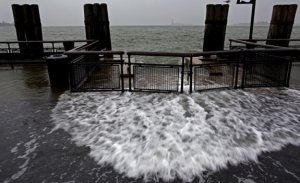 We frequently discuss the risks associated with storms such as hurricanes and tornadoes, but not as much about the complications that occur as a result. Just about any storm can cause a deluge of water, and this can cause a deluge in the biblical sense. Last year in Boulder, Colorado, it happened when 6 months of rain fell during a week’s time. As such, it’s important to know flood safety precautions.
What is a Flood?
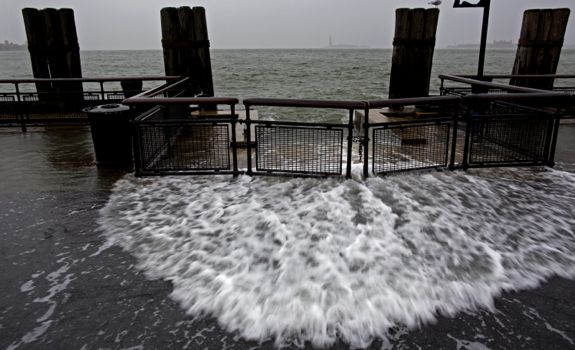
The definition of a flood is an overflow of water that submerges land which is normally dry. Flooding may occur as an overflow of water from water bodies (such as a seacoast, river or lake) in which the water runs over or breaks levees, resulting in the escape of large amounts of water into populated areas. It may also occur due to an accumulation of rainwater on saturated ground.
Some floods develop slowly, while others (called flash floods), can develop in a very short time and affect areas where it wasn’t even raining. As a result, it often catches the population downriver by surprise, causing severe damage and loss of life
FLOOD TYPES
There are several types of floods:
Areal Floods
Floods can happen on flat or low-lying areas when the ground is saturated and water cannot run off quickly enough to stop accumulating. This may be followed by a river flood as water moves into local waterways. Floods related to rainfall can also occur if water falls on an impenetrable surface, such as concrete, asphalt paving or frozen ground, and cannot rapidly be absorbed into the ground. In urban areas, it usually takes at least 1 inch (25 mm) of rainfall per hour to start significant ponding of water on impermeable surfaces.
Riverine Floods
Floods happen in rivers when the flow rate exceeds the capacity of the river channel, particularly at bends in the waterway. These are some of the most dangerous, as people tend to live and work by rivers due to access to fertile soil, irrigation, and trade routes.
River flows may rise to flood levels at different rates, from a few minutes to several weeks, depending on channel width and the source of the increased flow.
Slow rising floods most commonly occur in large rivers, like the Mississippi, that have large catchment areas. The increase in flow may be the result of sustained rainfall, rapid snow melt, monsoons, or tropical storms.
Coastal Floods
Flooding on the coast is commonly caused by a combination of sea tidal surges caused by winds and low barometric pressure. Coastal areas may be flooded by storm events, such as hurricanes, resulting in waves over-topping seawalls and levees.
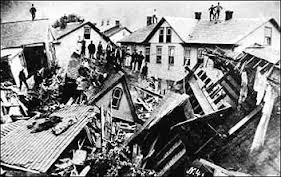 (left) Aftermath of dam collapse in Johnstown, PA 1889
Failures of infrastructure such as the collapse of a dam may cause catastrophic flooding, as in the Johnstown, Pennsylvania event in 1889 that took 2,200 lives. Major flooding may also be caused by the effects of an earthquake or volcanic eruption. These events often occur at sea, hundreds of miles from the area affected, but result in tidal wave floods called Tsunamis. The penetration of salt water causes widespread failure of fresh water delivery systems and may make farmland unusable, sometimes for many years.
Flooding often causes a failure of the power grid. Once this happens, the aftermath of the disaster may have more severe effects than the flood itself. These effects include loss of the water supply due to contamination by sewage. As a result, water-borne illness such as diarrheal disease may take a major toll on the population. Cholera and Typhoid are just some of the diarrheal/dysenteric diseases which may be life-threatening. Other issues include the inability of aid to get to flooded areas and the inundation of farmland causing loss of entire crops. Some industries may fail, leading to depression in the affected area. Once water and food shortage combine with the inability to receive help and/or make a living, economic collapse and civil unrest are likely to follow.
The scenario above is not purely hypothetical: Disasters related to flooding have sometimes caused millions of short- and long-term casualties. In both 1887 and 1931, major flooding of the Yangtze river in China ended up costing 1-2 and 3-4 million lives, respectively. If you take out war, famine, and pandemics, flooding is, undeniably, the deadliest of human tragedies.
Most people have heard of hurricane or tornado watches and warnings, but the U.S. weather services also tries to warn the populace of flooding. A “flash flood watch” means that flash flooding is possible in the near future; a “flash flood warning” means that flooding is imminent in the area. Many people ignore these warnings at their own peril.
If you live in a low-lying area, especially near a dam or river, then you should heed warnings when they are given and be prepared to evacuate quickly. Rising flood waters could easily trap you in your home, and you don’t want to have to perch on your roof waiting for help.
FLOOD SAFETY TIPS
Get Out Early
Make the decision to leave for higher ground before extensive ponding occurs.
Be Careful Walking Through Flowing Water
Drowning is the most common cause of death during a flood, especially a flash flood. Wilderness experts know that rapidly-moving water can knock you off your feet even if not that deep.
Don’t Drive Through a Flooded Area
As many people drown in their cars as anywhere else. Cars stall and roads/bridges could easily be washed out. Try to figure out now if there is a “high road” to safety, before a flood occurs.
Beware Of Downed Power Lines
Electrical current is easily conducted through water. Watch for downed power lines; you don’t have to touch them to be electrocuted, only step in the water they’re in.
Turn Off The Power
If you have reason to believe that water will get into your home, turn off the electricity. Don’t use appliances or motors that have gotten wet unless they have completely dried. You might have to take some apart to clean debris out of them.
Watch Out For Intruders
Critters that have been flooded out of their homes may seek shelter in yours. Snakes, raccoons, and other unfriendly creatures may decide your home is now their territory. Human
intruders may also be interested in your property.
Look Before You Step
After a flood, watch where you step; there is debris everywhere. The floors of your home may be covered in mud, causing a slip-and-fall hazard.
Check for Gas Leaks
Don’t use candles, lanterns, stoves, or lighters unless you are sure that the gas has been turned off and the area has been well-ventilated.
Exhaust Fumes Can Kill!
Only use generators, camping stoves or charcoal grills outside. Their fumes can be deadly.
Clean Out Saturated Items Completely
Floodwaters are not clean! Don’t use floodwater as drinking water or to cook food unless you have thoroughly sterilized and filtered it. Make sure you have food storage in waterproof containers.
Floods are just one of the many natural disasters that can endanger your family. Pay close attention to storm and flood warnings and you’ll have a head start on keeping them safe.
For more tips on Health & Medical Safety and Preparedness please visit Dr. Alton’s Website mentioned in his bio below. For more encouragement to a lifestyle of Preparedness and articles that span a variety of topics subscribe to the free digital issues of PREPARE Magazine.
Look for more topics about Spring Severe Weather Natural Disasters. Please share this post with friends. Let’s help keep everyone aware and prepared!
___________________________
 Joe Alton, M.D. (aka: Dr. Bones) is a member of Mensa, collects 19th-century medical books to gain insight on off-grid medical strategies. He is the co-author, along with Amy Alton, A.R.N.P. (aka Nurse Amy), of the #1 Amazon Bestseller in Survival Skills “The Survival Medicine Handbook“. The opinions voiced by Dr. Bones and Nurse Amy are for post-apocalyptic settings only; in normal times, seek modern and standard medical care from qualified professionals.
Popular Questions
What causes flooding during Severe Spring Weather Week?
Flooding during Severe Spring Weather Week is often caused by a combination of melting snow and heavy spring rains. As the ground becomes saturated from the melting snow, it loses its ability to absorb additional water, leading to overflow. Additionally, areas that have not received snow may experience runoff from higher elevations, exacerbating the flooding risk. Understanding these factors can help communities prepare for potential flooding events.
How can I stay safe during flooding in Severe Spring Weather Week?
To stay safe during flooding, it’s crucial to have an emergency plan in place. Ensure you know your evacuation routes and have a kit ready with essential supplies, including water, food, and medications. Stay informed by monitoring local weather updates and heed any warnings from authorities. If flooding occurs, avoid driving through flooded areas and seek higher ground immediately.
What types of floods should I be aware of during Severe Spring Weather Week?
During Severe Spring Weather Week, you should be aware of several types of floods, including areal floods, riverine floods, and coastal floods. Areal floods occur when the ground is saturated and cannot absorb more water, while riverine floods happen when river channels overflow due to excessive rainfall or snowmelt. Coastal floods can result from storm surges during severe weather events. Being informed about these types can help you recognize the risks in your area.
What should I include in my flood preparedness kit for Severe Spring Weather Week?
Your flood preparedness kit should include essential items such as bottled water, non-perishable food, a flashlight, batteries, a first aid kit, and any necessary medications. Additionally, include important documents like identification and insurance papers in a waterproof container. It’s also wise to have a battery-powered radio to stay updated on weather alerts. Preparing these items in advance can make a significant difference during a flooding event.
by PREPARE Magazine Editorial Team | Apr 5, 2025 | Blog, Guest Bloggers
Home On Wheels
Guest Blog Post by:
PREPARE Magazine Distinguished Author – Ken Youngquist, of Survivaltek
There is a saying that “less is more”. This has many applications: Less parts to a device means that there are less chances of failure; less estate and physical assets means less effort and funds required to maintain them. This often translates to 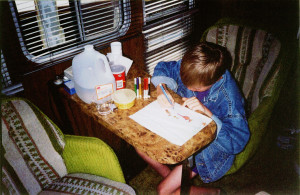 “more” time and money for other interests or needs.
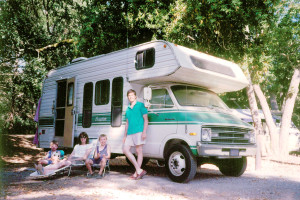
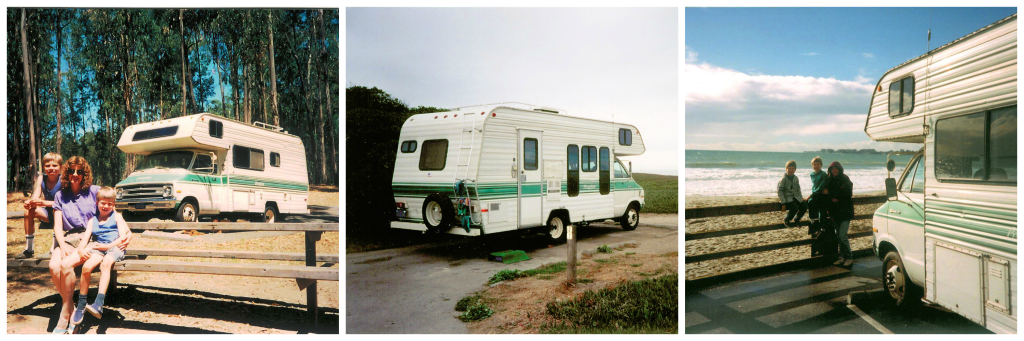
I have often reflected on the early days of raising a family. My wife and I were blessed with two sons. When they were old enough we enrolled them in our “home school”. As part of our desire to enrich their education and life experiences we purchased a “class C” motorhome. We were able to take many weekend trips to various locations that enabled us to enjoy the great outdoors while camping.
On one such occasion we went to a county park where it rained almost all weekend. It was prudent to take cover inside the RV where we stayed warm and dry. We played many board games, ate meals, watched a little TV, and did some reading. When there were breaks in the weather we would go outside to explore the surrounding area. When we returned to our 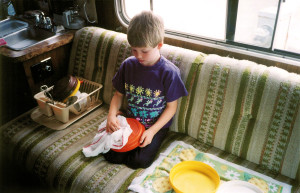 residence I was struck with the contrast in square footage of our two habitations. The house seemed huge in comparison to our motorhome (or RV) that had provided all the essentials for simple living that weekend.
As a matter of definition, recreational vehicles (RVs), (sometimes called a “motorhome” or “camper”) refers to a motor vehicle or trailer that is equipped with living space and amenities found in a home. Most RVs are self-contained providing a warm, dry, shelter with plenty of light, a galley for cooking, water storage, sleeping quarters, and often a toilet and shower. The RV experience is not limited to just indoor living space but also includes outdoor living with features like awnings to protect you from the sun and rain, and storage space for folding camping chairs, portable grills, and other camping equipment. It’s a delight to sit by a campfire and enjoy the wonderful views.
There are expenses to RV ownership like financing for purchase, insurance, propane, gasoline, storage and camping fees, but with careful planning they can be minimal compared to residential expenses. For us, our RV provided recreational and educational benefits but it also provided a shelter in the event of power outages or potential structural house damage in the event of unforeseen natural disasters.
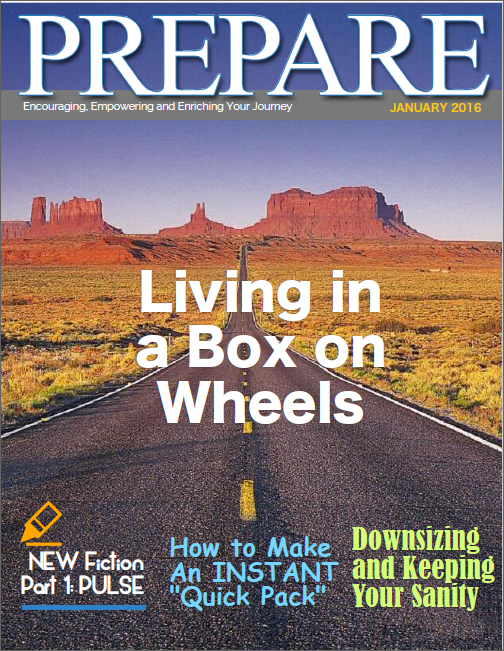
CLICK IMAGE ABOVE to Subscribe by 2/15/16 to receive this FREE Digital Issue! After 2/15/16 – Only Premium Members have Access to Previous Issues so CLICK IMAGE BELOW.
——————————

Ken Youngquist is the creator of Survivaltek, a website dedicated to teaching the ways and means to survive. Ken shares his experiences of performing both primitive and modern day skills. It is his desire to pass on the mantle of preparedness to others. He is also the author of the recently released e-book “Fifty ways to make survival tools from trash and household items”. You can visit his website and learn more at: http://survivaltek.com/
Popular Questions
How can adopting a less is more approach enhance life in a home on wheels?
Embracing a less is more philosophy in a home on wheels allows for a more streamlined lifestyle. By minimizing possessions, you can focus on experiences rather than material items, which is especially beneficial during travels. This approach not only reduces clutter but also makes it easier to maintain your RV, allowing for more time spent enjoying nature and family activities.
What are the benefits of living simply in a home on wheels?
Living simply in a home on wheels can lead to significant financial savings and reduced stress. With fewer items to manage, you can allocate resources towards experiences like camping trips or educational outings. This simplicity fosters a deeper connection with nature and your family, enhancing the overall quality of life.
How does a home on wheels support a less is more lifestyle?
A home on wheels naturally encourages a less is more lifestyle by providing only essential amenities for comfortable living. This compact space requires you to prioritize what truly matters, leading to thoughtful choices about what to bring along. The RV experience promotes outdoor living and adventure, reinforcing the idea that happiness often comes from experiences rather than possessions.
What should I consider when downsizing for a home on wheels?
When downsizing for a home on wheels, it's important to evaluate your needs and eliminate non-essential items. Focus on multi-functional gear and durable essentials that enhance your travel experience. This process not only simplifies your living space but also aligns with the less is more philosophy, making your RV life more enjoyable and manageable.
by PREPARE Magazine Editorial Team | Apr 5, 2025 | Blog, Preparedness planning
When it comes to gardening accessories, I really am a picky, tight-wad. I repair most of the ones that I have used before buying new and spend very very little on new gadgets from year to year. Mostly because I’ve not found things that work like they say they will or that I cannot create cheaper than purchase. That was until I was able to review The Roo.
Forever. I do mean forEVER since I’ve been gardening I have used the ‘shirt tail’ method of harvesting something at any given moment. As an upright human with opposable thumbs, I figured this was my best shot at gathering my goodies from the garden when I ventured out without a basket, which, was often. Boy, was I wrong on so many accounts!

Enter The Roo – as in Kangaroo. After being given the opportunity to play with this one (yes, the bright pink girly one – don’t worry, it’s not the only color) I’m completely sold on this being the better option for gathering and working in the garden. It’s like the ‘shirt-tails’ method on steroids. You can harvest almost a full bushel without ripping collar or buttonholes! It even surpasses the proverbial harvest basket. 
Here are just a few reasons why:
- The heavy duty, yet soft and pliable canvas material is lightweight but a very substantial blockade from thorns and dirt.
- The straps make for very comfortable and even weight distribution of not only the apron itself but the load you may carry.
- The pockets hold tools, stakes, twin and gloves (I’m a dirt-under-the-nails-gal myself)
- At the price and my limited skill of stitch-witchery, I could NEVER make one (much less design one) that is this effective.
Wearing it:
- Putting it on and wearing it about all day long, I hardly even noticed it was there as I moved throughout the garden. It was not in the least bit cumbersome nor did it inhibit my movement like so many other ‘smock’ type aprons I’d tried to use before.
- It was easy to done all by myself even though there are adjustable straps and hooks.
- The ability to tie it up and USE the actual Roo Feature (the load and drop pocket) was simple while wearing The Roo.
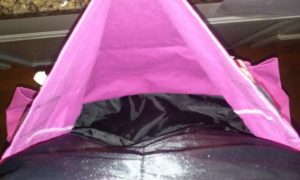



For me, nothing that is merely well-made or pretty passes the test unless it is actually functional. The Roo passed this test with flying colors! The function of its main feature (the easy load and unload pocket) was really what made me take note of how ingenious this is.
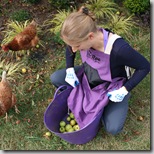 The pocket is a simple fold up style that does have a lot of room for carrying fruits and veggies. But the fact that with a slip of a knot, you can easily unload a bushel of beans onto a table or into a wheelbarrow without bending over or lifting up the heavy load actually made me try it over and over.
The distance to unload is not so far that you’ll bruise your produce and the way The Roo becomes like a gentle ‘chute’ or ‘slide’ makes it a controlable exit. It is almost second nature to unload without harming the harvest.

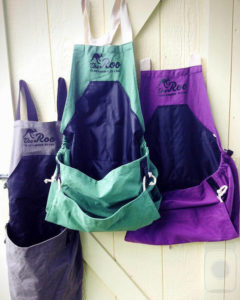 I highly recommend that you connect with Pantry Paratus and pick up The Roo (in a color of your choosing, of course)! I think, like me, you’ll find it comfortable, well-made, easy to use and above all of those features, ingeniously functional.
_________________________________________________________________
Donna Miller is a teacher, author, sought-after speaker and trainer. She has been both a guest and host on internet and broadcast radio talk-shows and in television interviews. She enjoys teaching online and local classes & ladies retreats. Donna is happily married and has three adult children, with one daughter-in-law and one son-in-law. She and her husband (Joseph) are the founders Millers Grain House and YourPreparation Station among other leading entities in the current Preparedness movement.
Popular Questions
What makes The Roo a standout gardening accessory?
The Roo is a unique gardening accessory that enhances the harvesting experience. Its heavy-duty yet soft canvas material protects against thorns and dirt while being lightweight. The design allows for comfortable weight distribution, making it easy to carry a significant load without strain.
How does The Roo improve the harvesting process?
The Roo features an innovative load and drop pocket that simplifies the harvesting process. You can easily unload your produce without bending over, thanks to its gentle chute design. This functionality allows for a controlled and efficient way to transfer your harvest to a table or wheelbarrow.
Can The Roo accommodate various gardening tools?
Yes, The Roo is designed with multiple pockets that can hold essential gardening tools, stakes, and gloves. This feature keeps everything organized and within reach while you work in the garden. The thoughtful design ensures that you have what you need at your fingertips, enhancing your gardening efficiency.
Is The Roo comfortable to wear during long gardening sessions?
Absolutely! The Roo is crafted to be worn comfortably throughout the day, with adjustable straps that allow for a customized fit. Many users find it non-intrusive, enabling them to move freely without feeling weighed down by traditional aprons.
Where can I purchase The Roo for my gardening needs?
You can find The Roo available for purchase through Pantry Paratus, where you can choose from various colors. This gardening accessory is not only functional but also stylish, making it a great addition to your gardening gear. Investing in The Roo will enhance your gardening experience significantly.
by PREPARE Magazine Editorial Team | Apr 5, 2025 | Meet Our Contributors
 We are honored to have Bill & Janet Liebsch among our list of Distinguished Authors. Bill & Janet have co-authored dozens of articles for PREPARE Magazine’s Digital and Print Issues. They have been actively involved in helping build the backbone of PREPARE Magazine since the Spring of 2012. We would like to invite you to get to know Bill & Janet better as we attempt to summarize all that they have to offer you and first responders in order to be well equipped and prepared for any disaster.
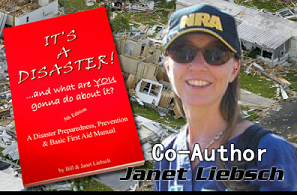
Bill and Janet literally wrote the book! They have simplified the vastness of being prepared into an easy to follow reference book. It’s not a novel or fluff – this is a book chock full of easy reference scenarios. You may find yourself faced with an emergency situation and need these simple steps to help you to focus on the situation at hand. “IT’S A DISASTER! …and what are YOU gonna do about it?” is our favorite ‘go-to’ reference book.
Bill & Janet Liebsch are the founders of FedHealth formed in 1999 to help the public focus on preparedness and health-related issues. We also are the authors and publishers of “IT’S A DISASTER! …and what are YOU gonna do about it?” and are dedicated to developing programs that primarily benefit First Responders, schools and volunteers. Get a sample of the content with this free mini-ebook HERE
Back in October of 2014, Janet was one of our guests on a Preparinar that dealt with Food Storage for people with Restrictive Dietary Needs.
Bill is living with Celiac Disease and recovering his health through dietary diligence. So Janet joined us to talk about Planning to Survive & Thrive with Celiac Disease. Her portion of the Preparinar is now one of the top viewed Video Trainings in the growing Premium Member Library Archive
Below is an opportunity to hear directly from Janet about the journey Bill & she have been on. Listen to how they began working on the reference book, working with First Responders all over the Nation, what they have to offer a community for support and fund raising and their goals and plans of the future:
Here are some other great ways to connect with Bill & Janet Liebsch:
It has been our honor here at PREPARE Magazine to work with Bill & Janet for these many years as fellow missionaries spreading the message of Positive Preparedness, Community and Knowledge. We hope you will connect with them and benefit from their level-headed advice in times of chaos.
Popular Questions
What contributions have Bill & Janet Liebsch made to preparedness literature?
Bill and Janet Liebsch have co-authored numerous articles for PREPARE Magazine, focusing on disaster preparedness and health-related issues. Their book, "IT'S A DISASTER! …and what are YOU gonna do about it?" serves as a practical guide for individuals facing emergencies. They have simplified complex preparedness concepts into actionable steps, making it easier for readers to respond effectively in crisis situations.
How did Bill & Janet Liebsch start their journey in disaster preparedness?
Their journey began with the founding of FedHealth in 1999, aimed at promoting public awareness about preparedness and health. Since then, they have actively engaged with first responders and communities to develop programs that support disaster readiness. Their experiences and insights have shaped their writing and outreach efforts, making them influential figures in the preparedness community.
What resources do Bill & Janet Liebsch offer for first responders?
Bill and Janet provide a wealth of resources tailored for first responders, including their reference book and various training programs. They focus on practical scenarios and strategies that first responders can utilize in emergencies. Their commitment to supporting these professionals is evident in their ongoing efforts to create informative content and training sessions.
How can individuals connect with Bill & Janet Liebsch for more information?
Individuals can connect with Bill and Janet through their blog at www.itsadisaster.org, where they share valuable insights and updates. They are also active on social media platforms like Facebook and Twitter, providing a space for community engagement. Additionally, signing up for their free newsletter offers subscribers access to informative content directly related to preparedness.
What is the significance of the mini-ebook offered by Bill & Janet Liebsch?
The free mini-ebook serves as a sample of the comprehensive content found in their main reference book. It provides readers with essential tips and strategies for disaster preparedness, making it a valuable resource for anyone looking to enhance their readiness. This mini-ebook reflects their dedication to educating the public and supporting individuals in emergency situations.
by PREPARE Magazine Editorial Team | Apr 5, 2025 | Blog
 We are very pleased to announce that we will soon be offering a hard-copy print version of PREPARE Magazine. We have met with our publisher and feel confident that we will be able to release this new version in July. We are excited.
We will continue to offer the monthly digital version. The new hard-copy print version will be printed bi-monthly (every other month) on high-quality paper and delivered by US Postal service. The publication will contain some elements from the monthly digital versions, but will include new feature sections and fresh content. It will be a larger publication and will not be a duplication of the digital version.
We will begin taking subscriptions for this new hard-copy version soon. We will offer a special introductory period for our “Founding Subscribers” – those who are currently subscribed to the monthly digital version of PREPARE Magazine. Be sure to keep an eye out for the subscription email.

 If you have had questions about your digital issue or the link to view it, please direct this issue to Support@PREPAREMag.com