A useful hotel emergency plan converts hazards into assigned actions. It should identify the events the property is most likely to face, such as fire, severe weather, extended power loss, flooding, hazardous-material release, violence, or a medical crisis, then state what staff and guests should do in each case. The document should not rely on a single generic evacuation paragraph. A fire may require immediate movement away from smoke, while a tornado warning may call for interior shelter and protection from glass.
At minimum, keep current information for the building, occupants, staff roles, emergency services, vendors, and property systems. Include floor plans showing exits, stairs, fire equipment, accessible routes, refuge areas where applicable, assembly points, utility controls, first-aid supplies, AED locations, and spaces that may need to be secured. Room numbers, door access arrangements, camera coverage, key storage, and hazardous storage areas should be handled with appropriate security controls rather than posted broadly.
Responsibility must be explicit. The plan should name the incident lead by role, not only by an individual who may be off duty. It should define who calls emergency services, who meets responders, who checks public areas, who supports guests with disabilities, who communicates with families or media, and who records decisions. A small property may combine roles; a large hotel may need a structured incident team. Either way, ambiguity wastes time.
Keep both a controlled digital version and accessible printed copies at the front desk, security post, engineering area, and another protected location. Digital files are easy to update but may be unavailable during a network outage. Paper is dependable but becomes dangerous when outdated. Date every revision, identify the approving manager, and remove superseded copies. The related hotel emergency plan checklist should be reviewed whenever a floor layout, contact number, access system, or operating procedure changes.
Evacuation, Shelter, and Guest Movement Procedures
Movement instructions should tell people where to go, how to get there, and what to do if the normal route is blocked. A plan that merely says “use the nearest exit” may fail when smoke, locked doors, crowds, construction barriers, or a disabled elevator changes the route. Include primary and alternate paths for every occupied level, exterior assembly locations, accountability methods, and a clear prohibition on elevator use when conditions make elevators unsafe.
Guest-facing instructions belong in rooms and common areas, but they should be concise enough to read under pressure. A room card can show the guest’s floor, two stair routes, alarm meaning, emergency number, and assembly location. Staff need the longer operational version: how to sweep assigned areas, how to report cleared or inaccessible spaces, how to handle unregistered visitors, and when not to re-enter. Never instruct employees to perform a search that exposes them to smoke, fire, violence, or other immediate danger.
Shelter procedures deserve equal attention. Severe weather may require moving guests away from windows into designated interior spaces, while an external chemical release may require closing openings and following official instructions. Lockdown or security incidents require carefully coordinated directions that avoid broadcasting sensitive tactical details. The correct response depends on the hazard, information from authorities, building design, and the time available.
Consider a nighttime fire alarm: many guests will be asleep, unfamiliar with the building, carrying luggage, or unsure whether an alarm is genuine. Staff should know which zones receive priority checks, how alarms are confirmed without delaying evacuation, and how the property accounts for rooms, conference attendees, contractors, and visitors. A common failure is assembling everyone in one convenient location that blocks fire apparatus or exposes people to the hazard. Choose assembly areas for safety, access, wind, traffic, and the possibility that the first location becomes unusable.
For a practical review, walk each route at different times rather than inspecting only the lobby. Check lighting, signage, door operation, stairwell access, radio coverage, and obstructions. If a route depends on a key, electronic release, or staff member, document the backup. Guests should receive simple choices; staff should receive decision rules.
Communication, Accountability, and Accessibility
Communication procedures should identify what information is verified, who approves it, which channels carry it, and how updates reach people who cannot hear, see, speak, read the primary language, or use a phone. A hotel may need public-address announcements, text messages, room calls, printed notices, staff runners, radios, and face-to-face direction. No single channel is reliable in every emergency.
Write message templates for the first announcement, route change, shelter instruction, all-clear, and family-information process. Messages should state the hazard if confirmed, the required action, the location or boundary, and where the next update will come from. Avoid speculation. Telling guests that a situation is “under control” without explaining what they should do can produce unsafe movement, while excessive detail can delay action.
Accountability is more than taking a head count at the assembly area. Keep a method for comparing occupied rooms, registered groups, employees, contractors, and known visitors with people who have reported out. Front-desk software may help, but it should not be the only source because reservations can be stale and people may be away from their rooms. Group coordinators, housekeeping information, conference rosters, and manual reports can fill gaps. Share personal information with responders only as needed and protect sensitive records.
Accessibility planning must be specific to the property and the people using it. Identify accessible exits, evacuation chairs if provided, refuge communication methods, visual alarm coverage, captioned or written messages, language support, and procedures for guests who need assistance with mobility, hearing, vision, cognition, or medication storage. Do not assume a companion, family member, or random employee will provide help. Ask about assistance during an emergency without creating a system that singles people out or compromises privacy.
Hotel staff also need a reliable internal channel. Radios may fail in stairwells; mobile phones may lose service; a crowded lobby may make verbal instructions impossible. Test repeaters, charging arrangements, backup batteries, contact trees, and radio terminology. The emergency communication section should explain what happens when the primary channel fails, who makes the decision to switch, and how teams confirm that a message was received.
Testing, Maintenance, and Plan Ownership
A plan becomes credible when staff can perform it without searching for basic information. Assign an owner responsible for revision control, training records, contact verification, equipment checks, and coordination with local responders. The owner should collect input from front desk, housekeeping, engineering, food service, security, management, and night-shift personnel because each department sees different failure points.
Use layered testing instead of relying on one dramatic drill. A short tabletop exercise can reveal unclear authority and missing contacts. A route walk can expose a blocked stairwell or poor radio signal. A communication test can show that an announcement is inaudible in guest rooms. A controlled evacuation exercise can evaluate timing and accountability, but it should be designed with management, staff, and relevant authorities so it does not create unnecessary danger or panic.
After every exercise or real incident, record what happened rather than simply marking the plan “reviewed.” Ask which instruction was misunderstood, which door or system failed, which guests needed unplanned assistance, how long accountability took, and whether staff knew when to stop an unsafe task. Corrective actions need an owner and deadline. A recurring problem without a responsible person is not a lesson; it is an unresolved hazard.
Review the plan after renovations, changes to locks or alarms, new technology, staffing changes, a new nearby hazard, or a change in local emergency contacts. Seasonal reviews can address wildfire smoke, hurricanes, winter storms, heat, or flooding, but the calendar should not replace event-driven review. A laminated evacuation map may last for years physically while becoming inaccurate after one remodeled corridor.
Prioritize improvements by consequence and dependency. Fix blocked exits and failed alarms before buying sophisticated software. Verify emergency contacts before expanding a notification program. Train the night team before measuring the performance of a daytime drill. The hotel preparedness planning process should leave each shift with a workable minimum: know the alarm response, know the safe routes, know who leads, know how to summon help, and know how to report missing or endangered people.
Frequently Asked Questions
Where should printed copies of a hotel emergency plan be kept?
Keep controlled copies at the front desk, security or operations post, engineering area, and a protected backup location. Make sure each copy has a revision date.
Should a hotel plan cover evacuation and sheltering?
Yes. Fire may require evacuation, while severe weather or an external hazard may make sheltering safer. The plan should state which response matches each hazard.
How should hotels account for guests during an evacuation?
Compare room and group information with reports from assembly areas, staff, contractors, and visitors. Treat records as useful evidence, not proof that every person is in the expected location.
What makes emergency instructions accessible?
Use visual and audible alerts, plain language, accessible routes, written alternatives, language support, and preassigned assistance procedures for people with different needs.
How often should a hotel emergency plan be tested?
Use a mix of tabletop reviews, route inspections, communication tests, and appropriately controlled drills. Repeat testing after renovations, system changes, staffing changes, or an incident.
Further Reading
Authoritative Sources
Academy of Nutrition and Dietetics eatright.org
Professional nutrition guidance, healthy eating resources, and practical dietitian-reviewed advice.
U.S. Department of Agriculture usda.gov
Official food, nutrition, agriculture, and consumer guidance from the USDA.
NIH Office of Dietary Supplements ods.od.nih.gov
Research-based fact sheets on nutrients, supplements, dietary intake, and safety considerations.
International Society of Sports Nutrition sportsnutritionsociety.org
Evidence-informed sports nutrition resources and position stands for active people and athletes.
Conclusion
A hotel emergency plan should function at the front desk, in the stairwell, inside guest rooms, and at the assembly point—not only in a management binder. Keep hazard-specific actions, current routes, role assignments, responder information, communication backups, accountability methods, accessibility procedures, and revision controls together. Give guests short instructions and give staff the operational detail needed to act safely without improvising. Test the plan across shifts, inspect the physical building, and correct failures with named owners and deadlines. The next practical step is a property walk-through: verify every exit, message channel, assembly area, contact number, and assistance procedure against current conditions. Then update the printed and digital versions so the same information is available when normal systems are unavailable.
Seasonal preparedness reviews are maintenance appointments for the systems a household may need under pressure. Weather changes alter the likely hazards, while heat, humidity, freezing temperatures, and storage time affect the condition of food, water containers, batteries, medicines, clothing, and fuel-related equipment. A review is useful because it connects the contents of a kit with the conditions in which those contents must work.
A single annual inspection is better than none, but it can leave long gaps. A flashlight tested in January may still have dead batteries when a summer storm interrupts power. Likewise, winter clothing stored for months may no longer fit a growing child, and an evacuation route that worked last year may be unsuitable after construction, a move, or a change in household transportation. Quarterly checks reduce the chance that a problem remains hidden until an emergency.
The strongest schedule uses two layers: a broad review at the start of each season and small checks whenever something changes. That approach is more practical than repeatedly rebuilding every kit. Focus first on items that expire, degrade, require charging, or depend on a specific person. Food rotation, water storage inspection, medication dates, battery testing, and contact-list updates usually produce more value than buying another specialized gadget.
A common mistake is treating preparedness as an inventory contest. Having more supplies does not compensate for a missing prescription, an untested backup heat source, or a family member who does not know where to meet. Use the review to confirm function and access, not just quantity. The related seasonal preparedness review process should leave you with fewer unknowns and a short list of repairs.
The Best Timing for Each Season
The ideal time for a seasonal review is before the season’s main hazards become urgent. In practice, inspect winter needs in early autumn, spring storm and flooding concerns near the end of winter, summer heat and travel equipment in late spring, and autumn wildfire or early-freeze needs during late summer. Local climate matters more than a universal calendar, so use the period when your region normally begins experiencing the hazard as the deadline, not the starting point.
Late summer or early autumn: check heating equipment, blankets, cold-weather clothing, carbon-monoxide alarms, vehicle winter supplies, and plans for power loss. If a generator is part of the household system, follow its manufacturer’s safety and maintenance instructions; do not wait for the first outage to discover that it will not start. Review winter travel routes and identify where vulnerable relatives could stay if the home becomes too cold.
Late winter or early spring: examine roof and drainage concerns, flood-related documents, rain gear, sump-pump arrangements, weather alerts, and communication plans. Spring is also a useful time to rotate stored food that may have been exposed to temperature swings. A household in a flood-prone area may need a different priority order from one mainly concerned with tornadoes or severe thunderstorms.
Late spring: prepare for heat, extended travel, wildfire smoke, and summer storms. Inspect vehicle water, sun protection, cooling supplies, first-aid contents, and backup charging options. Families who spend weekends away from home should check that the vehicle kit matches the destinations and not assume the home kit can cover every roadside delay.
Late summer: revisit evacuation routes, outdoor air-quality precautions, fire-resistant document storage, and the location of important records. The alternative—reviewing only when an alert is issued—compresses decisions into the period when roads, stores, and communications may already be strained. Seasonal timing does not predict every emergency; it simply moves maintenance ahead of predictable environmental stress.
What to Check During Every Review
Every review should test five areas: supplies, equipment, information, people, and access. Supplies need condition checks, not just counts. Look for damaged packaging, unusual odors, leaking containers, corrosion, expired items, and products that no longer suit the household. Rotate usable food into normal meals and replace it with familiar items rather than storing foods nobody will eat.
Equipment requires a safe function test. Confirm that flashlights, radios, power banks, smoke alarms, carbon-monoxide alarms, fire extinguishers, mobility aids, and communication devices are present and usable. Rechargeable items should be charged according to their instructions, while disposable batteries should be checked for leakage. Do not run fuel-burning equipment indoors or in an attached garage, and do not improvise maintenance when the manufacturer’s instructions call for qualified service.
Information often becomes obsolete faster than physical supplies. Confirm phone numbers, emergency contacts, insurance details, medication lists, school arrangements, pet-care instructions, and meeting locations. Store critical records in a form that remains accessible if internet or household power fails. A printed contact sheet paired with secure digital copies can be more resilient than relying on one phone.
Access deserves its own test. A well-stocked container in a locked shed may be useless during a storm, while supplies scattered through several rooms slow retrieval. Keep frequently needed items visible and reachable, but balance convenience with child safety, fire safety, and protection from moisture or extreme temperatures. A compact checklist can include:
Expiration dates and physical condition
Power, lighting, communication, and alarm tests
Water and food rotation
Medication, pet, infant, and accessibility needs
Routes, contacts, documents, and meeting places
The usual failure mode is checking the bag while ignoring the people who must use it. Ask each household member to locate the main supplies and explain the first action they would take if leaving, sheltering, or calling for help. A review is complete when the plan is understandable and the equipment works under the likely seasonal conditions.
How to Handle Household Changes and Warning Signs
Seasonal timing should be supplemented by event-based reviews. Recheck the plan after moving, changing jobs or schools, adding a child or pet, taking on caregiving duties, buying a different vehicle, receiving a new prescription, or losing access to a regular support person. These changes can alter evacuation speed, transportation capacity, dietary needs, communication, and the amount of water or medication required.
Recent experience is another trigger. After a power outage, smoke event, flood warning, severe storm, or evacuation, write down what was difficult while the memory is fresh. Perhaps the charging cables were incompatible, the family could not find the shutoff valve, the car lacked fuel, or a stored meal required cooking that was impossible without electricity. Those observations are more valuable than adding random supplies because they identify a specific failure in the household’s operating plan.
Warning signs of a weak system include repeated expired items, uncharged devices, conflicting evacuation instructions, supplies known only to one person, inaccessible storage, and a plan that assumes every adult will be home. A basic plan may be adequate for a small household with nearby support; a more complex arrangement is needed when someone has mobility, medical, language, or communication constraints. More detail is not automatically better if nobody can use it quickly.
Budget limits also affect priorities. Replace unsafe or unusable items first, then cover water, food, lighting, medications, communication, and transportation before purchasing niche equipment. Compare a dependable basic item with an advanced product that requires specialized fuel, maintenance, or training. The household review schedule should expose tradeoffs honestly: a smaller kit that is maintained and understood may outperform a larger kit left untouched.
A Practical Review Process That Gets Finished
Set aside enough time to complete one category at a time, rather than opening every storage container and creating an unfinished project. Begin with the next likely hazard, then inspect the supplies and systems most affected by it. Record replacement dates, missing items, and tasks that require outside help. A simple note on a calendar is sufficient if it identifies an owner and a deadline.
Use this order when time or money is limited:
Protect immediate safety: check alarms, fire equipment, heating or cooling risks, and safe lighting.
Restore basic function: verify water, food, medications, sanitation, and a way to communicate.
Update personal details: revise contacts, documents, pet care, school information, and accessibility needs.
Test understanding: ask household members to explain where supplies are and what their role is.
Separate “replace now” from “improve later.” This prevents an expensive wish list from hiding a safety defect. For example, a leaking water container and a dead carbon-monoxide alarm deserve immediate attention; a desire for a more elaborate communications system can wait until the basic arrangement is reliable.
Signs the process is working include fewer unresolved tasks, supplies that match current needs, equipment that operates as expected, and household members who can act without searching for instructions. Signs it is failing include repeated deferrals, duplicated purchases, and a checklist that records ownership but never records testing. The seasonal preparedness checklist should end with a next review date and no mystery about what happens before then.
Frequently Asked Questions
Is a yearly preparedness review enough?
A yearly review is a useful baseline, but quarterly seasonal checks catch expired, damaged, or weather-inappropriate items sooner.
When should winter supplies be checked?
Check them in early autumn, before freezing conditions and winter storms make equipment failures or shortages harder to correct.
Should supplies be reviewed after an emergency?
Yes. Record what was missing, inaccessible, confusing, or unusable, then correct those specific weaknesses while the experience is fresh.
What should be checked first?
Start with immediate safety equipment, medications, water, food, lighting, communication, and transportation before adding optional gear.
How long should a seasonal review take?
The duration depends on the household, but a focused review is more effective than an oversized inspection that remains unfinished. Split complex tasks across several sessions.
Further Reading
Authoritative Sources
Academy of Nutrition and Dietetics eatright.org
Professional nutrition guidance, healthy eating resources, and practical dietitian-reviewed advice.
U.S. Department of Agriculture usda.gov
Official food, nutrition, agriculture, and consumer guidance from the USDA.
NIH Office of Dietary Supplements ods.od.nih.gov
Research-based fact sheets on nutrients, supplements, dietary intake, and safety considerations.
International Society of Sports Nutrition sportsnutritionsociety.org
Evidence-informed sports nutrition resources and position stands for active people and athletes.
Conclusion
Seasonal reviews work best when they happen before predictable hazards, not during the first urgent forecast. Use early autumn for winter systems, late winter or early spring for storms and flooding, late spring for heat and travel, and late summer for wildfire and evacuation concerns. Add event-based checks after household changes, equipment failures, or real emergencies. Prioritize safety devices, medications, water, food, communication, transportation, and accessible information before expanding into specialized equipment. Test what people will actually use, rotate what can expire, and assign a clear owner to every unfinished task. A calendar reminder tied to the next season—and a short record of what was corrected—turns preparedness from a forgotten storage project into a maintained household capability.
A plan should first be tested through discussion and observation, not through the most dramatic version of the emergency it describes. A tabletop test lets everyone explain what they would do, in what order, with which tools, without blocking exits, shutting off utilities, or creating a real hazard. It exposes missing information cheaply: a person may not know where the shutoff key is, a contact list may contain an old number, or two family members may assume the other will collect an essential item.
Use a staged progression. First, read the plan aloud and identify decisions. Next, walk the route or locate the equipment without activating anything dangerous. Only then should you conduct a limited live exercise. For instance, a household evacuation plan can begin with a timed walk from bedrooms to the meeting point while carrying ordinary clothing, rather than simulating smoke, darkness, or a blocked staircase. A power-outage plan can test flashlight locations and battery checks without disconnecting the refrigerator or medical equipment.
The safest test is usually the one that answers a narrow question. “Can everyone leave safely through the chosen route?” is testable. “Can we handle any disaster?” is too broad to produce useful evidence. A paper exercise may be enough for a low-risk communication question, while a physical movement drill may be needed to reveal that a doorway is obstructed. The common mistake is treating realism as the same thing as quality. Added realism can create noise, stress, and injury without improving the decision being examined.
Before starting, identify what must remain operational. Do not test by removing access to prescribed medication, disabling a required alarm, tampering with fuel, or creating heat, smoke, traffic, or water hazards. Link the exercise to a specific page or section of How to test plans without creating unnecessary risk so the household can record what was actually examined rather than relying on memory.
Set Boundaries, Stop Rules, and Observation Measures
A controlled test needs boundaries that are agreed upon before anyone begins. Define the location, duration, participants, prohibited actions, and the condition that ends the exercise. A stop rule might be an injury, a fall, a frightened child, a blocked exit, loss of communication, a medical concern, or any situation that requires normal household attention. Stopping is not cheating; it prevents an exercise from becoming the emergency it was meant to prepare for.
Assign separate roles when possible. Participants follow the plan, an observer records what happens, and a safety lead watches for hazards and can halt the activity. In a small household, the observer may use a simple notebook rather than a phone, especially if the test concerns communications or power. Record elapsed time, unanswered questions, misplaced equipment, repeated instructions, and points where someone had to improvise. Do not score people as though they are being examined. The purpose is to improve the system, including labels, storage locations, instructions, and responsibilities.
Choose measures that match the plan’s purpose. A communication test might check whether each person receives the same message and knows the meeting location. A shelter-in-place test might examine whether ventilation choices, water, lighting, and sanitation supplies can be managed without entering a hazardous area. A vehicle evacuation test might focus on loading order and whether mobility limitations were considered. Counting speed alone can hide serious weaknesses; a fast departure that leaves medication or a dependent person behind is not a successful result.
Write the boundaries in plain language before the exercise:
What single question is being tested?
Which actions are simulated rather than performed?
Who can stop the test, and what signals a stop?
What normal services, safety devices, or care routines cannot be interrupted?
What observations will show that the plan worked or failed?
A frequent failure mode is allowing competitive pressure to override safety. If participants begin rushing, hiding mistakes, or inventing conditions that were not agreed upon, pause and reset. A modest, observable test produces better information than a theatrical drill that nobody can safely repeat.
Test One Failure Point Under Realistic Constraints
After a low-risk walk-through, test one vulnerable link rather than the entire plan at once. Plans often fail at handoffs: who notices the warning, who contacts relatives, who brings water, who checks on a neighbor, or who confirms that everyone has reached the meeting point. Isolating one link makes the result easier to interpret and reduces the chance that a complicated exercise will overwhelm participants.
Use a scenario that resembles the household’s actual constraints without reproducing dangerous conditions. If the plan assumes a power outage at night, conduct a daylight inventory of lights and then a brief indoor route exercise with safe, approved lighting; do not create darkness on stairs. If the plan assumes roads may be unavailable, identify two walking routes and verify access from the property rather than driving toward a closed road. If severe weather could separate family members, test the communication tree with a clearly labeled practice message, not a deceptive alert that could cause someone to leave work or school unnecessarily.
Compare the written assumption with observed behavior. A plan may say “take the emergency bag,” but the bag may be too heavy for the person assigned to carry it, stored behind clutter, or missing items needed by a child or pet. The remedy may be to divide the load, move it closer to an exit, or change the assignment—not simply to demand faster performance. An alternative approach is to test every component simultaneously, but that makes it difficult to tell whether the problem was a missing item, unclear authority, poor route design, or communication delay.
Use a small test record with four fields: expected action, observed action, reason for the difference, and proposed change. The reason matters. If someone skipped a step because the instruction was ambiguous, adding more training may not solve the problem. If equipment was inaccessible, a storage change may be more effective. If the task depended on a person who was absent, the plan needs a backup rather than a reminder.
Keep the exercise reversible. Do not open unknown containers, operate unfamiliar generators indoors, enter damaged structures, handle suspected contamination, or practice medical procedures beyond the participant’s training. For higher-consequence tasks, use qualified instruction or an established community training program instead of improvising a home simulation. The testing process should reveal weaknesses while preserving the people, equipment, and services the plan is supposed to protect.
Review Results and Escalate Testing Carefully
The review is where a drill becomes a plan improvement. Hold it soon after the test while details are fresh, and ask what was clear, what was difficult, what became unsafe, and what assumption proved false. Start with observable events rather than blame: “the contact number was outdated” is more useful than “someone failed to prepare.” Separate urgent hazards from inconveniences so the household fixes the most consequential weakness first.
Prioritize changes that remove hazards, clarify authority, improve access, or provide a workable backup. A mislabeled shutoff valve may deserve attention before a slower-than-expected packing time. A meeting place that becomes inaccessible during flooding may require replacement before a minor equipment upgrade. Assign each change to a person and set a modest review date. If the fix is moving supplies, update the written plan and tell everyone; otherwise the next test may expose a new location problem.
Repeat the same narrow test after making a change. Improvement should be visible in the measure that originally revealed the weakness, while new risks should not appear elsewhere. For example, moving an emergency bag beside an exit may improve access but create a trip hazard; the revised location must be checked from both directions. This is why a short after-action review should include unintended consequences, not just whether the original target was met.
Escalate only when the lower-risk method no longer answers the question. A tabletop discussion can precede a walk-through; a walk-through can precede a supervised live exercise; specialized or hazardous activities can be left to trained professionals. Weather, illness, fatigue, young children, pets, visitors, and accessibility needs may all justify postponing a physical test. A plan that cannot be tested safely in one setting may need a safer substitute, not a more aggressive drill.
For ongoing maintenance, schedule brief seasonal checks tied to real changes: a new address, a medication change, a different vehicle, altered mobility, new household members, or construction that affects exits. Use documented observations and stop rules each time. The goal is not perfect performance under staged pressure; it is a plan that remains understandable, accessible, and safe enough to use when conditions are genuinely difficult.
Frequently Asked Questions
What is the safest first test for a household plan?
Use a tabletop discussion that traces decisions and responsibilities without activating hazardous equipment or interrupting essential services.
How realistic should a preparedness drill be?
Make it realistic enough to test the target decision, but simulate dangerous conditions such as smoke, darkness, traffic disruption, or contaminated water.
Who should observe the test?
A person who is not carrying out the task can record delays, confusion, missing supplies, and unsafe actions while the safety lead retains authority to stop the exercise.
What should make you stop a drill?
Stop for injury, distress, a blocked route, a medical concern, equipment damage, loss of control, or any condition that requires normal emergency action.
How often should plans be tested?
Review them after major household changes and use brief periodic checks for contacts, routes, supplies, and responsibilities rather than relying on one large annual exercise.
Further Reading
Authoritative Sources
Academy of Nutrition and Dietetics eatright.org
Professional nutrition guidance, healthy eating resources, and practical dietitian-reviewed advice.
U.S. Department of Agriculture usda.gov
Official food, nutrition, agriculture, and consumer guidance from the USDA.
NIH Office of Dietary Supplements ods.od.nih.gov
Research-based fact sheets on nutrients, supplements, dietary intake, and safety considerations.
International Society of Sports Nutrition sportsnutritionsociety.org
Evidence-informed sports nutrition resources and position stands for active people and athletes.
Conclusion
Safe plan testing is a controlled learning process, not a contest to recreate the worst possible conditions. Select one question, begin with a discussion or walk-through, protect essential services, and define stop rules before anyone starts. Observe access, communication, handoffs, and accessibility—not just speed. When a test reveals a problem, identify whether the cause is an unclear instruction, unsuitable equipment, poor storage, or a missing backup, then change the system and repeat the narrow test. Escalate to supervised or professional training when the activity involves fire, fuel, structural damage, medical care, contamination, or other hazards beyond household control. A small, repeatable exercise often provides more useful evidence than a dramatic drill that introduces the very risk the plan is meant to reduce.
Household skills preserve essential services by replacing a limited utility function with a safe, practiced alternative. The first task is not buying equipment; it is defining what must continue if water, power, heating, food distribution, communications, or waste collection becomes unreliable. A household with an infant, an older adult, a disability, pets, or medication that needs refrigeration may rank services differently from a healthy two-person household.
Write down the consequences of losing each service for one day, three days, and a longer period. Water loss affects drinking, cooking, hygiene, and toilet use. Electricity loss may affect lighting, refrigeration, internet access, pumps, and heating controls. A natural-gas interruption creates a different problem from a power outage, even if both occur during cold weather. This assessment exposes dependencies that are easy to miss, such as a garage-door opener, electrically powered well pump, or phone that cannot be recharged.
A useful priority order is human safety first, then hydration and sanitation, temperature control, food, information, and convenience. That order is not absolute: a medically necessary powered device may move electricity to the top. Record the service, the backup method, its limits, and the person responsible for using it. How to preserve essential services with household skills becomes much more practical when the plan describes a specific household rather than an imaginary emergency.
A common mistake is treating every outage as a supply problem. Stored items matter, but capability also depends on skills, access, timing, and safe operating conditions. A water container is not a complete water plan if nobody knows how it will be moved or used hygienically. A battery is not a lighting plan if its charging method depends on the unavailable service. Test the dependency chain before an outage reveals it.
Build Water, Food, and Sanitation Capability
Water handling deserves the earliest attention because it supports drinking, cooking, hygiene, and some forms of cleaning. Household members should know where stored water is located, how containers are opened without contamination, and which water sources are unsuitable without appropriate treatment. Keep drinking water separate from utility water used for flushing or cleaning, and protect containers from heat, chemicals, sunlight, and pets.
Food skills extend a limited pantry more effectively than simply accumulating unfamiliar ingredients. Practice preparing meals with foods the household already eats, using a manual can opener and a cooking method that does not rely on the normal range. Shelf-stable beans, grains, canned vegetables, nut butters, and ready-to-eat foods can serve different purposes, but each has tradeoffs involving water, fuel, cooking time, salt, allergies, and storage life. A dry food that requires extended boiling may be less useful during a fuel shortage than a canned option.
Sanitation often fails because people plan for drinking water but not handwashing, toilet use, menstrual care, diapers, cleaning, or waste containment. Establish a temporary method before it is needed, and keep hand-cleaning supplies near the relevant activity. Never mix household chemicals casually, and do not assume an improvised toilet arrangement is safe merely because it is convenient. Local public-health instructions should take precedence when sewage, floodwater, or suspected contamination is involved.
Label stored water and food with the date acquired and rotate items through ordinary use.
Keep a manual opener, measuring container, soap, disposable gloves, absorbent material, and sturdy waste bags together.
Practice one no-grid meal and one low-water cleaning routine under supervision.
The wrong comparison is “stored supplies versus skills.” Supplies provide time; skills determine whether they are used efficiently and safely. A household that has practiced portioning water, cooking unfamiliar fuel-free meals, and separating clean from dirty tasks is less likely to waste resources. The failure mode to avoid is using emergency reserves casually without replacement, leaving the next disruption with an empty shelf and no tested routine.
Manage Heat, Light, and Electricity Safely
Heat, light, and electricity require boundaries as much as technical ability. Portable lights, charged batteries, blankets, appropriate clothing, and room management can reduce dependence on a functioning grid. Closing unused rooms, blocking drafts without obstructing ventilation, and gathering household members in a suitable space may conserve warmth. These measures are modest but safer than bringing an outdoor combustion appliance indoors.
Learn the difference between a device that merely needs charging and a system that requires a qualified repair. A labeled power bank can recharge a phone; it cannot safely replace a damaged service panel. A small battery station may run selected low-wattage devices, but its capacity, connectors, ventilation, and manufacturer limits must be understood. Generators, fuel-burning heaters, grills, and camp stoves can produce fire or carbon-monoxide hazards when used incorrectly. Operate them only as directed, in the locations specified by the manufacturer and local safety authorities.
Make a written load list before purchasing backup power. Note the starting and running requirements of each device, then rank them: medical equipment, communication, lighting, refrigeration, and comfort may not all fit within one source. Refrigeration also involves time, temperature, and door-opening decisions; opening the door repeatedly may waste the cold reserve. A thermometer and a clear rule about what to use first are more useful than guessing.
For example, a household may choose rechargeable lanterns for rooms, a separate phone battery, and a small approved power source for a medical communication device rather than attempting to run the entire home. That approach offers less comfort but fewer connection and fuel risks. The common misconception is that improvisation demonstrates self-reliance. In electrical and heating systems, improvisation can turn a service interruption into electrocution, fire, carbon-monoxide exposure, or equipment damage. How to preserve essential services with household skills includes knowing when to stop and call a qualified professional.
Maintain Communication, Records, and Household Routines
Communication is an essential service because it connects a household to warnings, relatives, transport, medical support, and utility information. Keep several ways to receive information, such as a charged phone, a battery-powered or hand-crank radio where appropriate, written contact numbers, and a predetermined meeting or check-in procedure. A communication plan should work even if internet access, cell service, or household power is unavailable.
Store critical records in a protected, accessible form. Useful documents may include identification details, medication lists, allergies, insurance contacts, utility account information, pet records, and instructions for important equipment. Avoid relying on one phone application or a password that nobody else in the household can retrieve. Protect sensitive data, but ensure an authorized family member can locate the information when the primary organizer is absent.
Assign roles that match real ability rather than assuming the most confident person will manage everything. One person can monitor official alerts, another can track water and food use, and another can check on neighbors or pets if doing so is safe. Children can learn simple tasks such as locating flashlights, staying away from generators, and communicating an address, while adults handle fuel, electrical equipment, and sanitation decisions requiring judgment.
Practice a short communication drill during an ordinary week. Turn off nonessential devices, retrieve the contact sheet, send a test message, locate the radio, and identify the meeting point. Notice which batteries are missing, which numbers are outdated, and which instructions are ambiguous. The weak assumption is that a phone equals communication readiness. A phone without charge, signal, unlocked access, or current contact information is only partial capability.
Practice Skills Without Creating New Hazards
Household skills become dependable through small, repeatable practice rather than a single intensive exercise. Choose one service each month and test its backup method briefly: prepare a meal, use stored water hygienically, illuminate a room, retrieve records, or complete a communication check. Practice under controlled conditions and stop when a task involves fire, gas, electrical damage, structural instability, contaminated water, or a medical emergency beyond household first aid.
Keep a simple log of what worked and what failed. Record fuel consumed, water used, charging time, room temperature, food preparation time, and any missing tool. These observations turn vague confidence into a realistic limit. If a battery source runs a light for several evenings but not a refrigerator, label it accordingly. If a cooking method requires more water than the household can spare, reserve it for conditions where fuel and water are both available.
Use a staged decision process:
Protect people from immediate hazards and follow official warnings.
Confirm which service has failed and whether the interruption is local or household-specific.
Use the least hazardous tested alternative before attempting a more complex workaround.
Track remaining water, fuel, food, battery power, and medication access.
Escalate to emergency services, utility personnel, or qualified tradespeople when the problem exceeds household capability.
Preparedness can create false confidence when practice ignores fatigue, cold, darkness, mobility limits, or competing responsibilities. A method that works in daylight may fail at midnight; a plan that works for one adult may not work for a caregiver managing children. Rehearse the constraints that matter, keep instructions visible, and revise the plan after every test. For more household-specific planning, How to preserve essential services with household skills should be treated as an ongoing maintenance task, not a one-time project.
For current, situation-specific guidance, consult your local emergency-management office, utility providers, fire department, public-health department, and equipment manufacturers. Their instructions are more appropriate than generic advice when water safety, generator placement, heating equipment, evacuation, or sanitation conditions are involved.
Frequently Asked Questions
Which household skill should be learned first?
Start with safe water handling and sanitation, then add food preparation, lighting, communication, and temperature management. Adjust the order for medical or mobility needs.
Can household skills replace all essential services?
No. Skills can provide limited substitutes and buy time, but they cannot replace professional utility repair, emergency medical care, safe electrical work, or reliable public infrastructure.
How can a family test its outage plan?
Run a short, controlled drill using one meal, one lighting source, the communication plan, and stored water. Record missing tools, unsafe steps, and actual resource use.
What is the most common preparedness mistake?
Depending on a single device or supply without checking its dependencies is common. Test charging, fuel, ventilation, storage, access, and replacement needs before relying on a backup.
When should a household stop troubleshooting?
Stop when there is suspected gas or carbon-monoxide exposure, damaged wiring, fire, structural danger, contaminated water, or a medical problem requiring trained care. Follow official instructions and seek qualified help.
Further Reading
Authoritative Sources
Academy of Nutrition and Dietetics eatright.org
Professional nutrition guidance, healthy eating resources, and practical dietitian-reviewed advice.
U.S. Department of Agriculture usda.gov
Official food, nutrition, agriculture, and consumer guidance from the USDA.
NIH Office of Dietary Supplements ods.od.nih.gov
Research-based fact sheets on nutrients, supplements, dietary intake, and safety considerations.
International Society of Sports Nutrition sportsnutritionsociety.org
Evidence-informed sports nutrition resources and position stands for active people and athletes.
Conclusion
Preserving essential services at home depends on matching practical skills to the limits of the household and the likely failure. Water storage and sanitation deserve early attention, while food preparation, lighting, communication, and temperature control should be built around tested alternatives rather than improvised devices. Practice exposes hidden dependencies: a cooking method may consume scarce water, a battery may not support a high-demand appliance, and a communication plan may fail without current contacts. Keep written instructions, rotate supplies, assign realistic roles, and review the plan after each drill. Most importantly, recognize professional boundaries. Household competence is not the ability to repair every system; it is the ability to protect people, conserve resources, and make sound decisions until safe outside service returns.
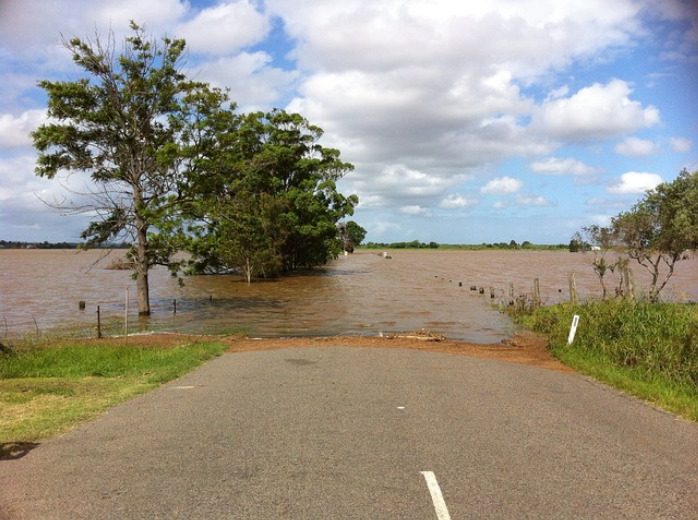
Road closures can develop faster than many households expect because transportation depends on a narrow set of bridges, mountain passes, low-water crossings, and major intersections. Floodwater may cover pavement or weaken the roadbed; wildfire can produce smoke, falling debris, and changing evacuation boundaries; snow and ice can stop traffic on grades; and a collision or damaged utility line can block a route without much warning. The practical lesson is to treat a closure warning as a change in travel conditions, not merely an inconvenience.
Location matters as much as the hazard itself. A home near a river, canyon, forest, coastal causeway, or single access road has fewer tolerable delays than a neighborhood with several independent exits. Examine the roads you normally use and note where a detour would become impossible. A short route that crosses one bridge may be less dependable than a longer route using higher ground and multiple connecting roads.
Weather forecasts alone do not show whether a particular road is passable. Check local emergency management, transportation agencies, law enforcement notices, and official alert systems for closures, evacuation orders, and restrictions. User-submitted map reports may reveal congestion, but they can lag behind barricades or remain visible after conditions change.
A common failure is waiting for absolute certainty. People may continue normal errands because the road is open at the moment, then discover that fuel stations, bridges, or outbound lanes are unavailable. Another mistake is assuming a familiar shortcut is safer than a marked detour. During fast-moving hazards, official routing may account for crews, emergency access, smoke, flood depth, or road damage that a navigation app cannot interpret.
Set Departure Triggers Before Travel Becomes Risky
A usable departure plan converts changing information into a decision. Choose triggers in advance, such as an evacuation order, a direction from local officials, a road closure near your area, loss of a primary exit, or a forecast that makes the return trip unsafe. The trigger should specify who decides, where the household meets, and whether anyone leaves immediately or first completes a short safety check.
Timing requires judgment. Leaving too early may mean traveling through ordinary congestion or reaching a destination before it is ready; leaving too late can place you behind a long queue, low fuel, poor visibility, or a closed bridge. The better comparison is not “leave now or wait until danger is certain.” It is whether the remaining travel window is shrinking and whether your household can still depart safely if one route fails.
Write the plan in plain language. For example: “If officials order evacuation, we leave within fifteen minutes using Route A unless it is closed; then we use Route B and meet at the library outside the affected area.” Include a check for people who work away from home, children at school, older adults, mobility limitations, pets, and anyone who may need transportation. A plan that works only when every person is already at home is incomplete.
Practice the sequence once under normal conditions. Confirm that everyone knows where identification, medications, keys, and chargers are stored. The goal is not a theatrical drill; it is finding friction. A missing car seat, dead phone, blocked driveway, or uncertain pet carrier can consume the minutes you thought were available. Keep How to prepare when roads may close quickly connected to the wider household plan rather than treating departure as a vehicle-only task.
Build a Vehicle and Household Departure Kit
Departure supplies should cover the period between leaving home and reaching a safe destination, with extra attention to items that are difficult to replace on a closed or crowded route. Keep the vehicle mechanically ready: maintain adequate fuel, check tire condition, confirm lights and windshield visibility, and keep a physical key available if remote systems fail. A phone is useful, but it should not be the only source of directions or communication.
Pack supplies in containers that can be lifted quickly rather than scattered through closets. Water, ready-to-eat food, prescription medicines, first-aid basics, sanitation items, weather-appropriate clothing, blankets, flashlights, spare batteries, charging cables, and identification are practical starting points. Add infant supplies, mobility aids, eyeglasses, pet food and restraint equipment, or other items tied to the people traveling. Store copies of essential contact and insurance information securely, while keeping originals accessible.
Food selection involves a tradeoff. Heavy canned goods provide familiar calories but take space and may require an opener; compact shelf-stable foods are easier to carry but should match dietary needs and be acceptable without cooking. Water is bulky, so decide what remains in the vehicle, what can be carried, and what will be collected at the destination. Do not rely on finding supplies after departure when stores may close or fuel lines may be long.
Use a compact checklist to reveal omissions:
Vehicle: fuel, tire check, charger, flashlight, basic tools, and paper map.
People: medicines, documents, clothing, food, water, and personal-care items.
Communication: contact list, battery bank, alert access, and a meeting location.
Special needs: pet carriers, child restraints, mobility equipment, or medical devices.
The common mistake is building a large emergency cache that cannot be loaded quickly. A smaller, labeled departure bag beside the exit may be more useful than extensive supplies stored in separate rooms. Recheck medicines, food dates, batteries, clothing sizes, and seasonal needs on a regular schedule.
Use Routes, Alerts, and Backup Destinations Wisely
Route planning works best when it includes a primary route, a realistic alternative, and a destination outside the likely closure area. Trace each route on a paper map and identify bridges, tunnels, steep grades, fuel points, and places where traffic cannot turn around. A backup route is not useful if it merges with the primary route five miles later or depends on the same vulnerable crossing.
Navigation technology can assist with turn-by-turn travel, but it should not make the safety decision. Apps may route drivers onto private roads, unmaintained tracks, flooded pavement, or a road closed moments earlier. Compare the suggested path with official closure information and visible traffic controls. If signs, police directions, and the app disagree, follow authorized on-site instructions rather than attempting a shortcut.
Choose destinations with more than one option. A relative’s home may be appropriate if that person has agreed in advance and can accommodate the household, but an unconfirmed destination can create another crisis. Identify a second contact, a public shelter option, and a meeting point outside the threatened area. Tell a trusted person where you are going, but avoid broadcasting sensitive household details publicly.
Conditions may change after you leave. Stop only in safe, legal locations to reassess alerts; do not pull onto a shoulder near active emergency operations. If officials close the road ahead, turn around where directed and use the next verified route. Never drive through floodwater, around barricades, into smoke with poor visibility, or onto a road marked unsafe simply because other vehicles are proceeding.
A weak assumption is that the fastest route is the best route. During a rapid closure, reliability matters more than normal travel time. A longer road with higher ground, better visibility, and confirmed access may reduce exposure to a second closure. For a broader household checklist, use How to prepare when roads may close quickly alongside your local alert registration and transportation-agency resources.
Frequently Asked Questions
When should I leave if a road closure is possible?
Leave when officials direct evacuation or when delay is likely to remove a safe travel window. Do not wait for the road to become visibly blocked.
How many routes should a household plan?
Plan one primary route and at least one genuinely independent alternative. Confirm that they do not share the same bridge, canyon, or likely closure point.
Should I trust a navigation app during a fast closure?
Use it for assistance, not final judgment. Verify its route against official closure notices, traffic controls, and conditions visible on the road.
What should stay in the vehicle?
Keep water, ready-to-eat food, medicines, identification, chargers, lighting, weather-appropriate clothing, a first-aid kit, and a paper map available for rapid departure.
Is a full fuel tank necessary?
Maintaining a comfortable fuel margin reduces dependence on crowded or closed stations. The exact threshold depends on distance, vehicle range, weather, and local access.
Further Reading
Authoritative Sources
Academy of Nutrition and Dietetics eatright.org
Professional nutrition guidance, healthy eating resources, and practical dietitian-reviewed advice.
U.S. Department of Agriculture usda.gov
Official food, nutrition, agriculture, and consumer guidance from the USDA.
NIH Office of Dietary Supplements ods.od.nih.gov
Research-based fact sheets on nutrients, supplements, dietary intake, and safety considerations.
International Society of Sports Nutrition sportsnutritionsociety.org
Evidence-informed sports nutrition resources and position stands for active people and athletes.
Conclusion
Roads that may close quickly require decisions made before the warning becomes an immediate departure order. Identify the hazards and vulnerable crossings near your home, define clear triggers, keep a fueled and usable vehicle ready, and store essential items where they can be loaded without searching. Build route redundancy rather than relying on one familiar road or one navigation app. Official alerts and on-site directions should outrank convenience, shortcuts, and assumptions about normal travel times. Review the plan whenever household members, seasons, vehicles, or local road conditions change. A short practice run can expose missing medicines, inaccessible supplies, weak communication links, or a destination that was never confirmed. Those corrections are easier to make while roads remain open.
Find the gaps most families don’t notice until something goes wrong.
Free. Practical. No fear-mongering.
By requesting this resource, you agree to receive practical PREPARE Magazine guides, tools, and email updates. You can unsubscribe anytime. Privacy Policy