
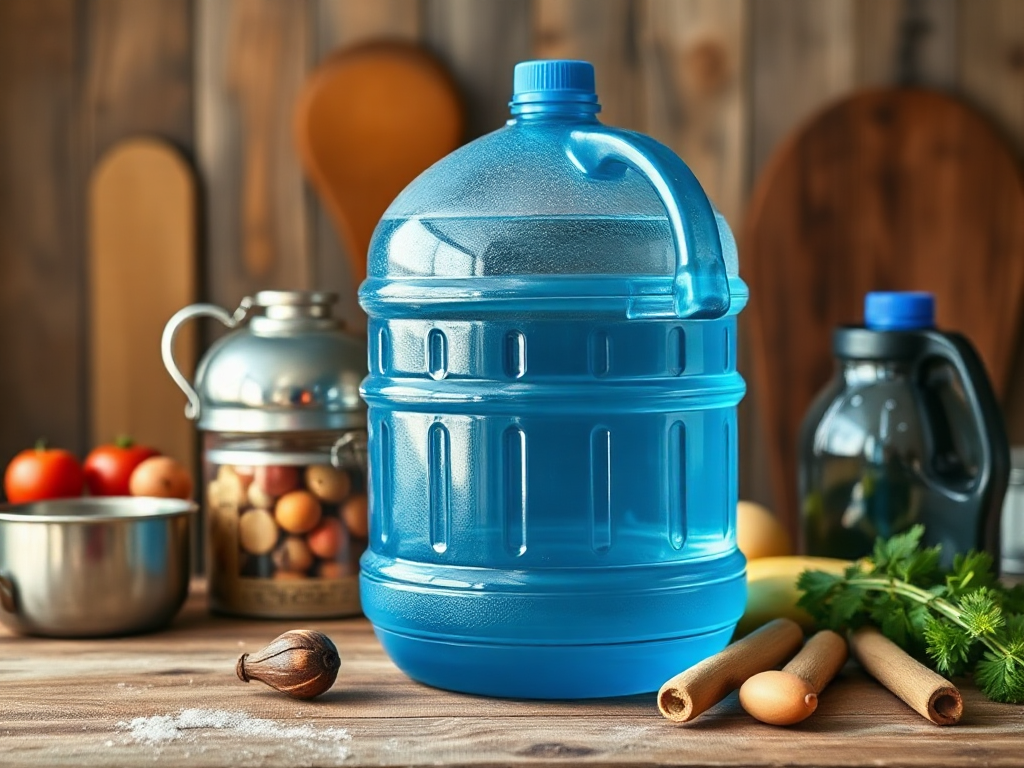
Preserve essential services with household skills by combining safe water handling, basic cooking, sanitation, heating, electrical awareness, and reliable communication methods. Store and rotate water, practice backup meal preparation, protect indoor temperatures without unsafe combustion, and learn which household systems can be maintained without professional equipment. Written instructions, manual tools, spare parts, and recurring practice matter because forgotten procedures and improvised fuel use create avoidable risks. Treat electricity, gas, structural repairs, and medical emergencies as professional boundaries rather than do-it-yourself challenges. A practical household plan assigns roles, tests each method under normal conditions, and keeps safe alternatives available when a utility outage lasts longer than expected.
Identify the Services Your Household Must Sustain
Household skills preserve essential services by replacing a limited utility function with a safe, practiced alternative. The first task is not buying equipment; it is defining what must continue if water, power, heating, food distribution, communications, or waste collection becomes unreliable. A household with an infant, an older adult, a disability, pets, or medication that needs refrigeration may rank services differently from a healthy two-person household.
Write down the consequences of losing each service for one day, three days, and a longer period. Water loss affects drinking, cooking, hygiene, and toilet use. Electricity loss may affect lighting, refrigeration, internet access, pumps, and heating controls. A natural-gas interruption creates a different problem from a power outage, even if both occur during cold weather. This assessment exposes dependencies that are easy to miss, such as a garage-door opener, electrically powered well pump, or phone that cannot be recharged.
A useful priority order is human safety first, then hydration and sanitation, temperature control, food, information, and convenience. That order is not absolute: a medically necessary powered device may move electricity to the top. Record the service, the backup method, its limits, and the person responsible for using it. How to preserve essential services with household skills becomes much more practical when the plan describes a specific household rather than an imaginary emergency.
A common mistake is treating every outage as a supply problem. Stored items matter, but capability also depends on skills, access, timing, and safe operating conditions. A water container is not a complete water plan if nobody knows how it will be moved or used hygienically. A battery is not a lighting plan if its charging method depends on the unavailable service. Test the dependency chain before an outage reveals it.
Build Water, Food, and Sanitation Capability
Water handling deserves the earliest attention because it supports drinking, cooking, hygiene, and some forms of cleaning. Household members should know where stored water is located, how containers are opened without contamination, and which water sources are unsuitable without appropriate treatment. Keep drinking water separate from utility water used for flushing or cleaning, and protect containers from heat, chemicals, sunlight, and pets.
Food skills extend a limited pantry more effectively than simply accumulating unfamiliar ingredients. Practice preparing meals with foods the household already eats, using a manual can opener and a cooking method that does not rely on the normal range. Shelf-stable beans, grains, canned vegetables, nut butters, and ready-to-eat foods can serve different purposes, but each has tradeoffs involving water, fuel, cooking time, salt, allergies, and storage life. A dry food that requires extended boiling may be less useful during a fuel shortage than a canned option.
Sanitation often fails because people plan for drinking water but not handwashing, toilet use, menstrual care, diapers, cleaning, or waste containment. Establish a temporary method before it is needed, and keep hand-cleaning supplies near the relevant activity. Never mix household chemicals casually, and do not assume an improvised toilet arrangement is safe merely because it is convenient. Local public-health instructions should take precedence when sewage, floodwater, or suspected contamination is involved.
- Label stored water and food with the date acquired and rotate items through ordinary use.
- Keep a manual opener, measuring container, soap, disposable gloves, absorbent material, and sturdy waste bags together.
- Practice one no-grid meal and one low-water cleaning routine under supervision.
The wrong comparison is “stored supplies versus skills.” Supplies provide time; skills determine whether they are used efficiently and safely. A household that has practiced portioning water, cooking unfamiliar fuel-free meals, and separating clean from dirty tasks is less likely to waste resources. The failure mode to avoid is using emergency reserves casually without replacement, leaving the next disruption with an empty shelf and no tested routine.
Manage Heat, Light, and Electricity Safely
Heat, light, and electricity require boundaries as much as technical ability. Portable lights, charged batteries, blankets, appropriate clothing, and room management can reduce dependence on a functioning grid. Closing unused rooms, blocking drafts without obstructing ventilation, and gathering household members in a suitable space may conserve warmth. These measures are modest but safer than bringing an outdoor combustion appliance indoors.
Learn the difference between a device that merely needs charging and a system that requires a qualified repair. A labeled power bank can recharge a phone; it cannot safely replace a damaged service panel. A small battery station may run selected low-wattage devices, but its capacity, connectors, ventilation, and manufacturer limits must be understood. Generators, fuel-burning heaters, grills, and camp stoves can produce fire or carbon-monoxide hazards when used incorrectly. Operate them only as directed, in the locations specified by the manufacturer and local safety authorities.
Make a written load list before purchasing backup power. Note the starting and running requirements of each device, then rank them: medical equipment, communication, lighting, refrigeration, and comfort may not all fit within one source. Refrigeration also involves time, temperature, and door-opening decisions; opening the door repeatedly may waste the cold reserve. A thermometer and a clear rule about what to use first are more useful than guessing.
For example, a household may choose rechargeable lanterns for rooms, a separate phone battery, and a small approved power source for a medical communication device rather than attempting to run the entire home. That approach offers less comfort but fewer connection and fuel risks. The common misconception is that improvisation demonstrates self-reliance. In electrical and heating systems, improvisation can turn a service interruption into electrocution, fire, carbon-monoxide exposure, or equipment damage. How to preserve essential services with household skills includes knowing when to stop and call a qualified professional.
Maintain Communication, Records, and Household Routines
Communication is an essential service because it connects a household to warnings, relatives, transport, medical support, and utility information. Keep several ways to receive information, such as a charged phone, a battery-powered or hand-crank radio where appropriate, written contact numbers, and a predetermined meeting or check-in procedure. A communication plan should work even if internet access, cell service, or household power is unavailable.
Store critical records in a protected, accessible form. Useful documents may include identification details, medication lists, allergies, insurance contacts, utility account information, pet records, and instructions for important equipment. Avoid relying on one phone application or a password that nobody else in the household can retrieve. Protect sensitive data, but ensure an authorized family member can locate the information when the primary organizer is absent.
Assign roles that match real ability rather than assuming the most confident person will manage everything. One person can monitor official alerts, another can track water and food use, and another can check on neighbors or pets if doing so is safe. Children can learn simple tasks such as locating flashlights, staying away from generators, and communicating an address, while adults handle fuel, electrical equipment, and sanitation decisions requiring judgment.
Practice a short communication drill during an ordinary week. Turn off nonessential devices, retrieve the contact sheet, send a test message, locate the radio, and identify the meeting point. Notice which batteries are missing, which numbers are outdated, and which instructions are ambiguous. The weak assumption is that a phone equals communication readiness. A phone without charge, signal, unlocked access, or current contact information is only partial capability.
Practice Skills Without Creating New Hazards
Household skills become dependable through small, repeatable practice rather than a single intensive exercise. Choose one service each month and test its backup method briefly: prepare a meal, use stored water hygienically, illuminate a room, retrieve records, or complete a communication check. Practice under controlled conditions and stop when a task involves fire, gas, electrical damage, structural instability, contaminated water, or a medical emergency beyond household first aid.
Keep a simple log of what worked and what failed. Record fuel consumed, water used, charging time, room temperature, food preparation time, and any missing tool. These observations turn vague confidence into a realistic limit. If a battery source runs a light for several evenings but not a refrigerator, label it accordingly. If a cooking method requires more water than the household can spare, reserve it for conditions where fuel and water are both available.
Use a staged decision process:
- Protect people from immediate hazards and follow official warnings.
- Confirm which service has failed and whether the interruption is local or household-specific.
- Use the least hazardous tested alternative before attempting a more complex workaround.
- Track remaining water, fuel, food, battery power, and medication access.
- Escalate to emergency services, utility personnel, or qualified tradespeople when the problem exceeds household capability.
Preparedness can create false confidence when practice ignores fatigue, cold, darkness, mobility limits, or competing responsibilities. A method that works in daylight may fail at midnight; a plan that works for one adult may not work for a caregiver managing children. Rehearse the constraints that matter, keep instructions visible, and revise the plan after every test. For more household-specific planning, How to preserve essential services with household skills should be treated as an ongoing maintenance task, not a one-time project.
For current, situation-specific guidance, consult your local emergency-management office, utility providers, fire department, public-health department, and equipment manufacturers. Their instructions are more appropriate than generic advice when water safety, generator placement, heating equipment, evacuation, or sanitation conditions are involved.
Frequently Asked Questions
Which household skill should be learned first?
Start with safe water handling and sanitation, then add food preparation, lighting, communication, and temperature management. Adjust the order for medical or mobility needs.
Can household skills replace all essential services?
No. Skills can provide limited substitutes and buy time, but they cannot replace professional utility repair, emergency medical care, safe electrical work, or reliable public infrastructure.
How can a family test its outage plan?
Run a short, controlled drill using one meal, one lighting source, the communication plan, and stored water. Record missing tools, unsafe steps, and actual resource use.
What is the most common preparedness mistake?
Depending on a single device or supply without checking its dependencies is common. Test charging, fuel, ventilation, storage, access, and replacement needs before relying on a backup.
When should a household stop troubleshooting?
Stop when there is suspected gas or carbon-monoxide exposure, damaged wiring, fire, structural danger, contaminated water, or a medical problem requiring trained care. Follow official instructions and seek qualified help.
Conclusion
Preserving essential services at home depends on matching practical skills to the limits of the household and the likely failure. Water storage and sanitation deserve early attention, while food preparation, lighting, communication, and temperature control should be built around tested alternatives rather than improvised devices. Practice exposes hidden dependencies: a cooking method may consume scarce water, a battery may not support a high-demand appliance, and a communication plan may fail without current contacts. Keep written instructions, rotate supplies, assign realistic roles, and review the plan after each drill. Most importantly, recognize professional boundaries. Household competence is not the ability to repair every system; it is the ability to protect people, conserve resources, and make sound decisions until safe outside service returns.