
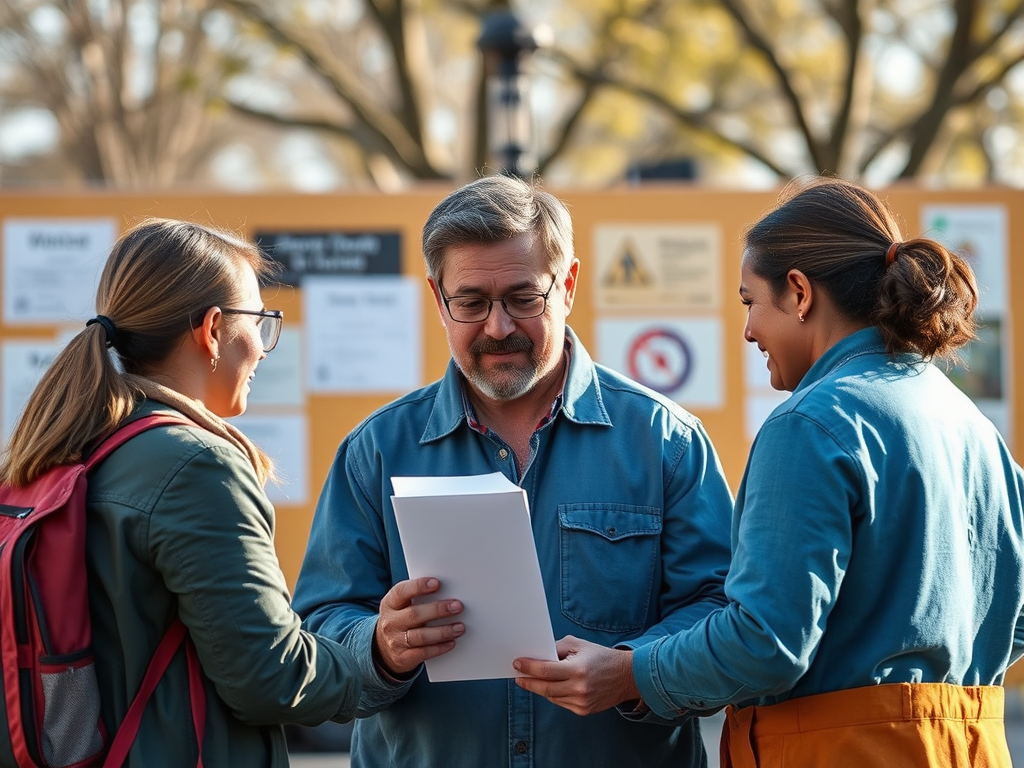
Identifying local resources for emergency preparedness involves researching community networks, agencies, and essential contacts such as local government offices, nonprofit organizations, and emergency services. Start by exploring local government websites for emergency management resources, connecting with community organizations that focus on disaster preparedness, and utilizing social media platforms to engage with local groups. This proactive approach helps ensure you have access to timely information and support during an emergency, which is critical for effective preparedness.
Understanding Community Networks
Community networks play a vital role in emergency preparedness by connecting individuals and groups with shared interests in safety and resilience. These networks can include neighborhood associations, local volunteer groups, and online forums where residents share information and resources. By understanding the structure and function of these networks, you can better navigate them to access valuable support.
One common mistake individuals make is underestimating the power of local connections. Many people rely solely on official channels for information during emergencies, overlooking the insights and resources that community members can provide. For example, local social media groups often share real-time updates about weather conditions, resource availability, and safety tips. Engaging with these networks allows you to stay informed and connected during critical times.
To effectively utilize community networks, start by identifying the platforms where your neighbors gather, such as Facebook groups, Nextdoor, or local forums. Participate actively by asking questions, sharing your own resources, and offering assistance to others. This reciprocal approach fosters strong relationships that can be invaluable during emergencies.
Identifying Local Agencies
Local government agencies are essential resources for emergency preparedness, providing crucial information, services, and support during crises. Begin by researching your city or county’s emergency management office, which typically oversees disaster response and preparedness efforts. This office can provide information on local hazards, evacuation routes, and emergency plans.
Additionally, familiarize yourself with other relevant agencies, such as public health departments, fire departments, and law enforcement. These agencies often have dedicated personnel and resources focused on emergency preparedness and can guide you on specific local issues, such as health advisories or fire safety measures. It’s important to understand the roles these agencies play and how they can assist you during an emergency.
One effective method to stay informed is to subscribe to alerts from local agencies. Many municipalities offer email or text alerts for emergencies, allowing you to receive timely updates directly. Regularly check the agency websites for information on upcoming training sessions, community drills, and preparedness resources that can enhance your readiness.
Utilizing Online Resources
The internet is a valuable tool for identifying local resources for emergency preparedness. Numerous websites provide information on local hazards, preparedness tips, and resources available in your area. Start by visiting the official website of your local government, where you can typically find a dedicated section on emergency management.
In addition to government resources, nonprofit organizations focused on disaster preparedness, such as the American Red Cross, offer online tools and resources tailored to individuals and families. These organizations often provide checklists, emergency plans, and training opportunities that can enhance your preparedness efforts.
Online platforms such as social media and community forums can also serve as excellent sources of information. By following local agencies and community groups on platforms like Twitter or Facebook, you can receive real-time updates and engage with others in your area who are also focused on preparedness. However, it’s essential to verify the credibility of the sources you rely on to avoid misinformation.
Engaging with Local Organizations
Local organizations, including nonprofits and volunteer groups, are invaluable resources for emergency preparedness. These groups often have established relationships with local agencies and can provide insight into available resources, training opportunities, and community events focused on preparedness.
To effectively engage with these organizations, start by identifying those that align with your interests or needs. For instance, if you are concerned about health emergencies, seek out local health organizations that offer training in first aid or CPR. Attend community meetings or events hosted by these groups to connect with others who share your commitment to preparedness.
One common pitfall is failing to follow up after initial engagement. Building strong relationships with local organizations takes time and ongoing communication. Consider volunteering your time or skills to contribute to their efforts, which can deepen your connection and provide you with access to valuable resources and information.
Frequently Asked Questions
How can I find out about local emergency services?
Visit your local government website or contact your city or county's emergency management office for information on available emergency services.
What role do community organizations play in emergency preparedness?
Community organizations provide training, resources, and support, helping residents connect and prepare for emergencies together.
How can social media help with emergency preparedness?
Social media allows you to connect with local groups and receive real-time updates from agencies and community members during emergencies.
Why is it important to engage with local agencies?
Engaging with local agencies ensures you have access to accurate information, resources, and support tailored to your community's specific needs during emergencies.
Conclusion
Identifying local resources for emergency preparedness is essential for ensuring safety and resilience in your community. By actively engaging with community networks, local agencies, and organizations, you can create a robust support system that enhances your preparedness efforts. Prioritize building relationships and staying informed to effectively navigate emergencies, empowering yourself and those around you to respond effectively when it matters most.