
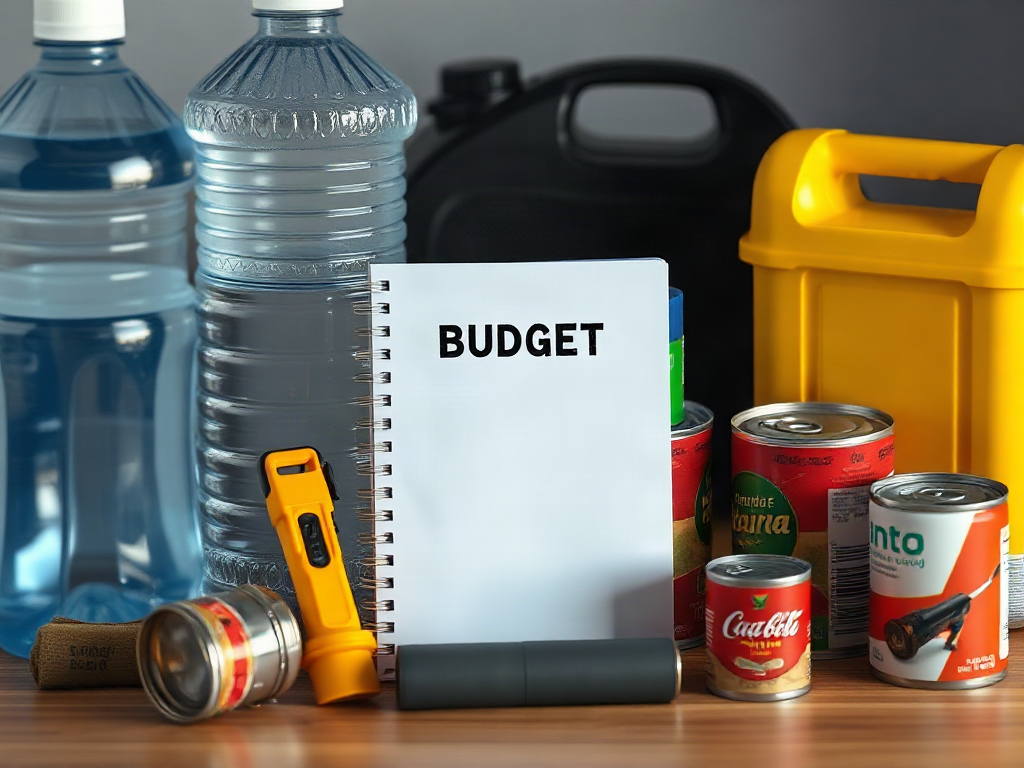
Preparedness readiness after financial setbacks is rebuilt by protecting immediate household stability, identifying lost capabilities, and restoring the highest-consequence essentials before buying optional gear. Review cash flow, insurance, medications, water, food, transportation, communications, and evacuation needs to find gaps created by depleted savings or sold supplies. Favor no-cost planning, maintenance, skill practice, and gradual replacement over debt-funded purchases or an attempt to recreate the old stockpile at once. A workable reset plan uses a small recurring budget, clear purchase thresholds, and regular checks so readiness improves without undermining rent, utilities, debt obligations, or recovery savings.
What you’ll learn
This guide covers the following practical points:
- Assess What the Setback Actually Changed — A financial setback rarely removes every preparedness capability equally.
- Protect Financial Stability While Rebuilding — Readiness spending should not create a second financial emergency.
- Restore Critical Capabilities in the Right Order — Replacement order should follow consequence and household need, not a universal gear list.
- Maintain Progress With a Simple Reset Cycle — A short monthly review keeps gradual rebuilding connected to actual risks.
Assess What the Setback Actually Changed
A financial setback rarely removes every preparedness capability equally. The household may still have sound plans, useful skills, safe water containers, and durable equipment even if savings have fallen or consumable supplies were used. Begin with a capability check rather than assuming the entire setup must be rebuilt.
Examine the events your household could reasonably face: a short power outage, water interruption, evacuation, temporary income loss, vehicle problem, or urgent prescription need. For each event, note whether you can respond with what is already available. Check expiration dates, battery condition, fuel restrictions, food quality, medication access, contact information, and whether essential equipment still works.
Separate each gap into one of three categories: an immediate safety issue, a near-term disruption risk, or a convenience loss. No safe drinking-water capacity is more consequential than lacking a specialized camp stove. An expired fire extinguisher deserves attention before replacing duplicate tools. This ranking prevents limited money from flowing toward visible gear while less noticeable vulnerabilities remain.
Inventory should include resources outside storage bins. A nearby relative who can provide temporary shelter, a practiced shutoff procedure, printed insurance details, and the ability to cook pantry staples all have operational value. The common mistake is valuing purchases while overlooking knowledge, maintenance, relationships, and existing household goods that still perform the required function.
Protect Financial Stability While Rebuilding
Readiness spending should not create a second financial emergency. Rent or mortgage payments, utilities, basic food, necessary transportation, minimum debt obligations, and essential healthcare generally take priority over expanding an emergency supply collection. Individual circumstances differ, so major debt, insurance, or savings decisions may warrant guidance from an appropriately qualified financial professional.
Create a preparedness amount from money that remains after current necessities are covered. The figure may be small or temporarily zero. A cash-only limit reduces the risk of turning supplies into interest-bearing debt. If no purchase budget exists, focus on testing equipment, rotating pantry food, updating contact lists, learning local evacuation routes, and organizing items already owned.
Use replacement thresholds instead of shopping whenever anxiety rises. A threshold ties spending to a defined capability: enough safe water storage for the household’s chosen planning period, a working light in each occupied area, or a reliable way to receive local alerts. Once that function is restored, direct the next available dollars toward another gap rather than buying duplicates.
Watch total ownership cost as well as shelf price. A discounted device that needs proprietary batteries, frequent replacement parts, or a paid service may be less suitable than a simpler item already supported at home. Used equipment can lower costs, but safety equipment, fuel containers, water containers, and electrical devices require careful inspection. A bargain is not useful when its history or condition cannot be verified.
Restore Critical Capabilities in the Right Order
Replacement order should follow consequence and household need, not a universal gear list. Medical requirements, climate, dependents, housing type, local hazards, and transportation access can change what belongs first. Someone dependent on powered medical equipment has a different priority than a healthy household preparing mainly for brief service interruptions.
A practical rebuilding sequence is:
- Immediate life and health needs: necessary medications, safe water handling, sanitation, temperature protection, and working safety devices.
- Information and contact: charged phones, backup charging where feasible, local alerts, printed contacts, and a household meeting plan.
- Food and routine continuity: familiar shelf-stable meals, a safe preparation method, hygiene items, and supplies for children, older adults, or animals.
- Mobility and evacuation: vehicle reliability, transit alternatives, essential documents, destination options, and a manageable carry kit.
- Longer-duration depth: additional consumables, redundancy, specialized equipment, and comfort items.
Consider an illustrative household with $24 available each month after necessities. Its audit finds a damaged water container, no working flashlight, several meals already in the pantry, and two usable phone power banks. During month one, the household might replace the container and add an inexpensive light if both fit within the $24 ceiling. Month two could strengthen pantry depth with foods the household normally eats. The power banks would not be replaced merely because newer models exist.
The calculation is simple: monthly amount multiplied by the number of months gives the planned spending boundary. At $24 per month, three months provides $72 for staged purchases. That is a limit, not a spending target; unused money can remain available for recovery savings. This approach is slower than a large restocking trip, but it protects cash flow and exposes poor purchase choices before they multiply.
Maintain Progress With a Simple Reset Cycle
A short monthly review keeps gradual rebuilding connected to actual risks. Record what was repaired, replaced, consumed, or deferred. Then test one capability, such as finding documents without internet access, charging communication devices, preparing a no-power meal, or moving an evacuation bag to the vehicle.
Signs of progress are functional rather than visual. The household can locate critical items, equipment passes a basic test, stored food enters normal meals before expiring, and the next purchase addresses a documented gap. Financial progress matters too: preparedness purchases remain within the set limit and do not cause missed bills or new revolving debt.
Warning signs include repeated impulse purchases, accumulating several versions of the same tool, replacing usable equipment for cosmetic reasons, and buying consumables faster than they can be rotated. Another failure pattern is postponing every action until finances fully recover. Updating plans, practicing procedures, inspecting supplies, and consolidating scattered items cost little or nothing.
Reassess after any change in income, housing, health needs, household size, transportation, or local exposure. A plan built for an apartment may no longer fit after a move, while a new medication could alter power, refrigeration, or evacuation requirements. The reset cycle works when it remains small enough to repeat and specific enough to reveal whether the household is becoming more capable.
Frequently Asked Questions
Should I rebuild emergency savings or buy supplies first?
Protect essential bills and immediate safety needs first, then balance a modest supply budget with savings recovery. Avoid treating every missing item as urgent, and consider qualified financial guidance for decisions involving debt or competing obligations.
What can I do when there is no preparedness budget?
Inspect existing equipment, rotate pantry food, update contacts, organize documents, confirm evacuation destinations, practice utility shutoffs, and test communication plans. These actions can reveal and reduce gaps without new purchases.
Is buying used preparedness equipment a good idea?
Used durable items may offer value when their condition can be checked. Be cautious with damaged electrical products, questionable fuel containers, degraded water containers, expired safety equipment, or anything whose failure could create a serious hazard.
How often should I review the reset plan?
A brief monthly check works well during active rebuilding, with an additional review after changes in income, health, housing, transportation, or household membership. The schedule should be frequent enough to catch deterioration without encouraging unnecessary shopping.
How do I know when my household is ready enough?
Readiness is functional rather than absolute. Look for working safety equipment, accessible essentials, practiced communication and evacuation procedures, manageable supply rotation, and the ability to handle the disruptions most relevant to your household.
Conclusion
Financial recovery and household readiness should reinforce rather than compete with each other. Preserve essential payments, audit the capabilities that remain, and direct limited funds toward gaps with the greatest consequences. Test plans and equipment while rebuilding supplies in stages, using familiar products and firm spending limits. The next useful step is a written inventory that identifies one no-cost action and one affordable replacement for the coming month.