
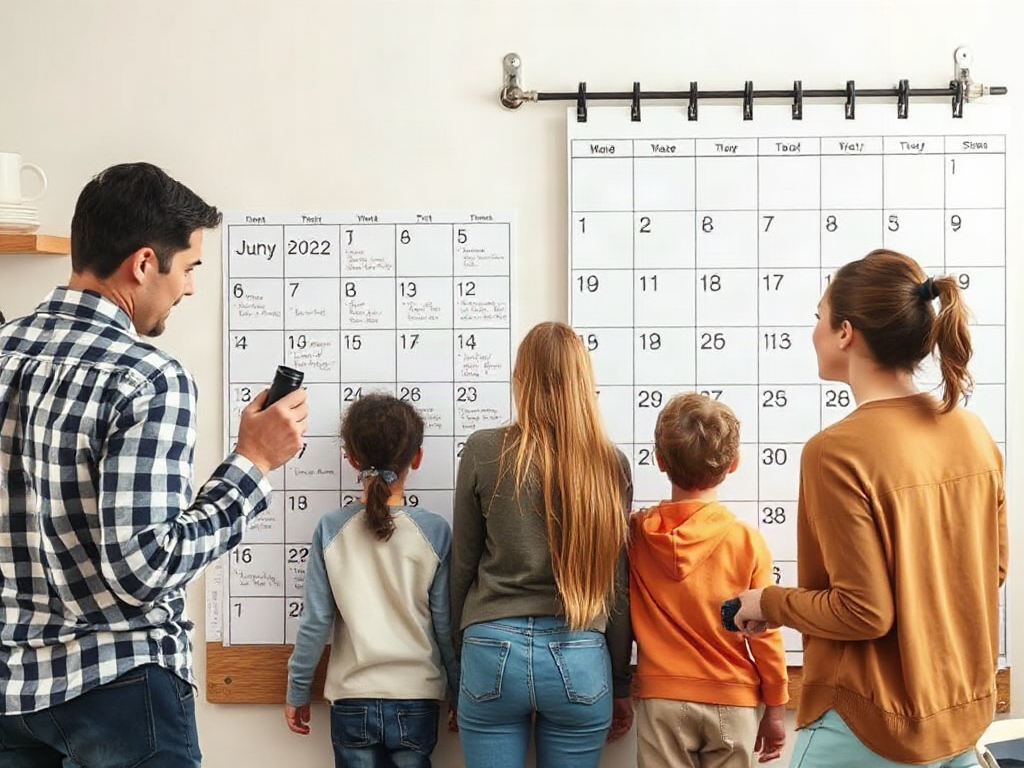
Preparedness habits that survive busy schedules are small, repeatable actions attached to routines that already happen, such as grocery shopping, bill paying, commuting, and seasonal home maintenance. The most durable approach uses short supply checks, automatic calendar reminders, rotating food and water, and one clearly assigned household task at a time. Keep essential gear visible and accessible rather than buried in long-term storage. Favor a usable baseline over an ambitious project list, and test plans during ordinary disruptions. A habit is working when supplies remain current, household members know their roles, and missed sessions can resume without rebuilding the entire system.
What you’ll learn
This guide covers the following practical points:
- Build Around Routines That Already Happen — A preparedness task is more likely to continue when it shares a trigger with an established household routine.
- Use Short Maintenance Cycles — Brief maintenance sessions protect readiness better than occasional large reorganizations.
- Prioritize a Usable Baseline — A compact, maintained baseline is more dependable than a large collection that nobody can locate or operate.
- Make Household Plans Easy to Use — A household plan must remain usable when schedules separate people and communication is unreliable.
Build Around Routines That Already Happen
A preparedness task is more likely to continue when it shares a trigger with an established household routine. Adding two shelf-stable meal ingredients during a normal grocery trip demands less attention than scheduling a separate shopping day. Checking the vehicle kit while waiting for an oil change works for the same reason: the location, materials, and reminder are already present.
Choose triggers that occur often enough to prevent neglect but not so often that they become noise. A weekly grocery order can support gradual pantry rotation, while a monthly bill-paying session is a better time to review emergency cash, contact information, and expiring prescriptions. Seasonal clock changes can prompt smoke-alarm checks, but they are too infrequent for monitoring frequently used batteries or stored water.
Keep each pairing narrow. Attaching ten preparedness chores to Sunday evening creates a second job, not a habit. A stronger arrangement assigns one action to each relevant routine: replace consumed pantry items after shopping, charge power banks before work travel, and check the vehicle fuel level when planning the next day. The common failure is depending on spare time, because unscheduled spare time is usually claimed by more immediate demands.
Use Short Maintenance Cycles
Brief maintenance sessions protect readiness better than occasional large reorganizations. A ten-minute check can identify a leaking water container, dead flashlight, missing medication list, or depleted cash reserve before the problem spreads across the household system. Short sessions also make it easier to resume after illness, travel, or an unusually demanding month.
Divide maintenance by location rather than reviewing everything at once. Check one zone per session: pantry, vehicle, bedside supplies, evacuation bags, communication records, or backup power. Record only the next action and its due date. Detailed inventories can be useful, but they become a burden when every minor use requires extensive data entry.
| Routine Trigger | Preparedness Action | Practical Limit |
|---|---|---|
| Weekly grocery order | Replace food and water used that week | Buy items the household normally consumes |
| Monthly bill review | Check contacts, cash, and key document copies | Update only changed information |
| Vehicle service | Inspect the roadside kit and charging cables | Account for heat, cold, and storage space |
| Seasonal home maintenance | Test lights and inspect stored supplies | Move expiring items into normal use |
Calendar reminders should name a concrete action, such as “test both power banks,” rather than “work on preparedness.” Vague reminders require a new decision each time they appear and are easier to dismiss. If reminders are repeatedly postponed, reduce the task until it fits the available window.
Prioritize a Usable Baseline
A compact, maintained baseline is more dependable than a large collection that nobody can locate or operate. Start with the disruptions most likely to affect daily life: a short power outage, temporary water interruption, vehicle delay, severe weather warning, or a need to leave home quickly. These scenarios reveal overlapping needs without requiring a separate kit for every hazard.
Priorities usually include accessible water, food that requires little preparation, necessary medications, lighting, phone charging, weather information, basic first aid, sanitation supplies, and copies of critical contacts. Exact quantities depend on household size, climate, health needs, available storage, and local risks. People who depend on powered medical equipment, refrigerated medication, mobility aids, or caregiver support need individualized backup arrangements and should seek appropriate professional guidance where needed.
Use a simple three-level priority test:
- Keep working: maintain essentials already owned, including batteries, chargers, water containers, and routine food reserves.
- Close one gap: address the missing item that would cause the earliest serious difficulty.
- Add capacity later: expand duration or redundancy only after the baseline is usable.
For example, a household with flashlights but no tested charging option gains more from maintaining a charged power bank than buying another specialty bag. Buying broadly before checking existing resources often creates duplicates while leaving a critical gap unresolved.
Make Household Plans Easy to Use
A household plan must remain usable when schedules separate people and communication is unreliable. Put the essential details on one page: primary and alternate meeting places, an out-of-area contact, school or workplace procedures, evacuation responsibilities, medication needs, pet arrangements, and the location of shutoff tools. Store copies where household members can reach them, while protecting sensitive personal information.
Assign responsibilities by normal access rather than ideal availability. The person usually near the school may handle pickup, while another person secures pets or brings medication. Every critical duty needs an alternate because work travel, traffic, or illness may make the primary person unavailable. Plans that depend on one highly organized household member are fragile even when that person maintains them well.
Practice one narrow part at a time. Send the agreed check-in message, walk to the nearby meeting point, locate the water shutoff without operating it, or load essential mobility equipment into the vehicle. A full-scale drill may be useful occasionally, but small tests are easier to schedule and expose practical problems such as an outdated number, blocked storage area, or bag that is too heavy.
Test Whether the Habits Are Working
Effective habits leave observable evidence: frequently used supplies are replenished, stored food enters normal meals before quality declines, devices hold a charge, and household members can find essential items without asking the usual organizer. A system that looks complete but cannot be used quickly is not being maintained successfully.
Use ordinary disruptions as low-risk tests. During a brief outage, note whether lights were easy to reach and whether charging equipment worked. After a rushed departure, check whether medications, identification, pet items, and weather-appropriate clothing were accessible. Record the first point of friction rather than redesigning everything.
Warning signs include repeated reminder dismissal, expired or damaged goods, equipment still in unopened packaging, conflicting household instructions, and supplies stored behind unrelated clutter. Respond by simplifying the process: move the item closer to where it is used, reduce the check to one zone, replace unfamiliar equipment with a manageable option, or reassign the task. Missed maintenance does not require starting over; it requires restoring the smallest action that keeps the system functional.
Frequently Asked Questions
How much time should a weekly preparedness habit take?
Five to fifteen minutes is often enough for one focused task, such as replacing used pantry items or testing a power bank. If the task routinely runs longer, divide it by location or supply type.
What should a busy household prepare first?
Begin with water, routine food, essential medication needs, lighting, communication, sanitation, and a simple contact plan. Address the gap that would create the earliest serious problem in a likely local disruption.
How can preparedness supplies be rotated without extra work?
Store familiar food and household goods where older items are used first, then replace them during regular shopping. Avoid stocking products the household would not ordinarily consume.
What if calendar reminders keep getting ignored?
Replace broad reminders with a single visible action and shorten the session. “Check vehicle flashlight” is easier to complete than “review emergency kit.”.
Does every family member need a separate preparedness role?
Responsibilities should match age, ability, and normal access. Critical duties need a backup person, while children can practice simple actions such as finding a meeting place or carrying contact information.
Conclusion
Durable readiness comes from maintaining a modest system that fits the household’s actual calendar. Attach one task to each reliable routine, keep checks short, close critical gaps before expanding, and make responsibilities easy to understand. Test individual parts during normal life and treat repeated postponement as a signal to simplify. The next useful step is to choose one existing weekly routine and pair it with one clearly defined supply or communication check.