When Preparedness Purchases Cross A Financial Line
Preparedness spending becomes financially harmful when it weakens the household’s ability to handle ordinary financial shocks. A basement full of supplies does not compensate for missed rent, unpaid utility bills, unaffordable medication, or credit-card balances that continue accumulating interest. Resilience depends on both physical readiness and financial flexibility, so a purchase should be judged by the disruption it addresses, how often it can be used, and what essential obligation it displaces.
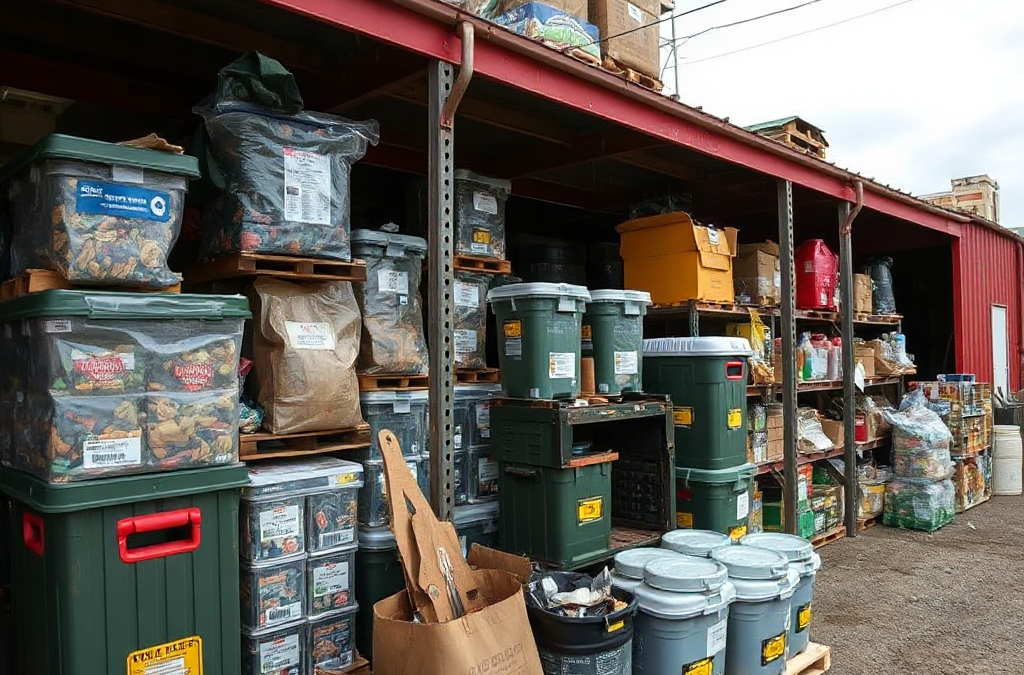
The distinction is not between spending nothing and buying everything. A few gallons of stored water, shelf-stable foods the household already eats, flashlights, batteries, first-aid materials, and a way to receive alerts may address common short-term disruptions at a relatively modest cost. A specialized generator, large freeze-dried-food order, protective equipment, or duplicate storage system may require substantially more money, maintenance, and space. The expensive option is not automatically more protective if the household cannot operate, store, test, or replace it.
Consider two households with the same emergency concern. One buys a costly device on credit while postponing an overdue vehicle repair. The other keeps a smaller supply of familiar food, maintains transportation, and sets aside cash for an unexpected bill. The second household may have less impressive equipment, yet it has fewer points of failure during a power outage or evacuation. The comparison illustrates why financially harmful preparedness spending is a resource-allocation problem, not a test of commitment.
A useful first question is whether the purchase reduces a credible risk or mainly reduces anxiety for a few minutes. Anxiety can produce urgency, bulk buying, and repeated research that never becomes a usable plan. Practical readiness should leave core finances intact and create capabilities that remain useful after the imagined event has passed.
Warning Signs That Spending Has Become Harmful
The clearest warning sign is substitution: preparedness purchases are being made with money needed for necessities. Delaying a housing payment, skipping a medical appointment, using high-interest credit, or reducing food quality to buy another supply container indicates that the budget has lost its boundary. Even a cash purchase can be harmful when it consumes the reserve needed for an ordinary car repair or temporary loss of income.
Inventory behavior provides another useful signal. Buying duplicates without checking dates, opening packages, or confirming compatibility often means the stockpile is growing faster than household use. Water containers may need inspection, batteries may lose charge, food may expire, and fuel-related equipment may require safe storage and periodic testing. The sticker price hides these ongoing costs. A cheap item that is forgotten in a damp shed can be less useful than a slightly more expensive item that is accessible, familiar, and maintained.
Specialization also deserves scrutiny. Gear designed for a rare scenario may look reassuring but offer little value during a winter outage, temporary water interruption, job disruption, or short evacuation. Before buying, identify the exact task, the likely duration, the people affected, and the alternative if the product fails. A multipurpose light, portable charger, manual can opener, and ordinary household food may serve several scenarios; a narrowly designed device may serve only one.
Watch for social and emotional pressure as well. Limited-time offers, alarming online content, and claims that a serious household must own a particular product can bypass normal purchasing judgment. A practical pause can expose the problem: wait one week, compare the item with an existing substitute, and write down the financial tradeoff. If the purchase still makes sense after that pause and can be paid for without sacrificing essentials, it may deserve consideration. If not, the urge was probably carrying more weight than the risk.
Prioritizing Resilience Without Sacrificing Stability
Financially sound preparedness begins with a priority order rather than a shopping list. Protect current housing, utilities, food, medication, transportation, insurance, and minimum debt obligations before adding specialized supplies. The exact order varies by household, but the principle is consistent: a measure that prevents an everyday disruption from becoming a crisis often has greater practical value than equipment reserved for a low-probability event.
Next, match spending to local and household-specific exposure. A household in a cold climate may place more value on safe warmth, layered clothing, and outage communication than on desert water-hauling equipment. Someone who relies on refrigerated medication has a different vulnerability from a household focused mainly on food storage. Mobility limitations, pets, infants, remote work, and limited transportation change the priority list. Broad internet checklists can identify categories, but they cannot decide which gap matters most in one home.
Use a simple value test for each proposed purchase:
Probability: Could this household reasonably face the disruption?
Consequence: What happens if the gap remains unresolved?
Versatility: Can the item serve ordinary life or multiple hazards?
Readiness: Can everyone use, maintain, and access it?
Financial effect: Will buying it reduce cash reserves or increase costly debt?
This test favors boring but dependable actions in many homes: maintaining a vehicle, keeping documents accessible, learning how to shut off utilities, storing food that is already eaten, and keeping a small amount of cash available. Those choices may feel less dramatic than acquiring advanced equipment, but they address operational failure points. The common mistake is treating visible inventory as proof of readiness while overlooking skills, access, communication, and the money required to keep the household functioning.
A Practical Review Process For Existing Supplies
A spending correction does not require discarding everything or abandoning preparedness. It requires turning an accumulation into a working system. Start by gathering receipts, account statements, subscriptions, storage costs, and recent purchases. Separate items into four groups: immediately useful, useful after testing, excess or duplicate, and unsuitable. This review often reveals that the largest problem is not one expensive item but a pattern of small purchases that escaped scrutiny.
Test the first group under ordinary conditions. Cook a meal from stored food, charge the backup power source, operate the radio, inspect water containers, and confirm that every household member can find essential items. Testing exposes compatibility and usability problems before an emergency does. It also shows whether a product has a genuine place in the household’s routine. A backup stove that nobody can safely operate is not equivalent to a tested cooking method.
The second group needs a decision, not indefinite storage. Set a date for testing, maintenance, or use. If an item cannot be used safely, has no clear storage location, or requires a replacement part that costs more than its likely value, selling, donating, recycling, or returning it may be more rational than keeping it. Check manufacturer instructions and local disposal rules for batteries, fuel, chemicals, and pressurized equipment rather than improvising.
Use recovered money deliberately. Applying proceeds to high-cost debt, restoring an emergency reserve, paying for needed vehicle maintenance, or buying a truly missing basic item converts past overspending into stronger resilience. Do not automatically replace sold items with a new version. The purpose of an audit is to reduce financial leakage and clarify priorities, not to create another shopping cycle. Readers comparing expenses with readiness gaps can use this spending review question set before making the next purchase.
Building A Sustainable Preparedness Budget
A sustainable budget treats preparedness as household maintenance rather than a race toward a finished stockpile. Create a separate monthly or quarterly amount only after essential bills, debt requirements, and savings goals are covered. The amount can be small; consistency matters more than a dramatic one-time purchase. Assign part of it to replenishment and maintenance, because food rotation, battery replacement, training, and equipment testing are recurring responsibilities.
Divide the budget between immediate gaps and longer-term improvements. Immediate gaps might include safe drinking water, several familiar meals, lighting, communication, basic sanitation, and necessary medications managed according to professional instructions. Longer-term improvements might include weatherization, transportation repairs, backup power, or a skill class. A purchase that lowers future operating costs can compete favorably with a product that merely adds another object to storage.
Set stop rules before shopping. For example, do not buy a duplicate until the current item is used or fails; do not finance nonessential preparedness equipment; do not purchase food that the household will not eat; and do not add gear without assigning a storage location, test date, and maintenance cost. These rules are especially useful when marketing or fear makes a purchase feel urgent.
Review the budget after a move, income change, new medical need, household addition, or major hazard change. A plan that was affordable last year may not fit the current household. The strongest sign that the approach is working is not a fuller closet; it is fewer unresolved essentials, supplies that are rotated and understood, and enough financial room to respond when an unexpected bill arrives. For a broader household assessment, connect the budget review with the rest of the preparedness decision rather than treating shopping as the entire solution.
Frequently Asked Questions
Is buying emergency supplies ever financially harmful?
Yes. Spending becomes harmful when it uses money needed for housing, health care, food, transportation, debt obligations, or a cash reserve, especially when the purchases are duplicates or difficult to maintain.
What should come before expensive preparedness gear?
Address essential bills, high-cost debt, transportation reliability, insurance gaps, basic communication, water, food, sanitation, and household-specific medical needs before buying specialized equipment.
How can I tell whether a stockpile is too large?
It may be too large if items expire before use, storage obstructs access, duplicates accumulate, maintenance is unaffordable, or the inventory was funded by debt or skipped necessities.
Should I sell preparedness items I no longer need?
Possibly, if the items are safe, legal to transfer, functional, and unlikely to serve a realistic household need. Use the recovered money for essential repairs, debt reduction, savings, or a clearly identified readiness gap.
Can a small preparedness budget still be useful?
Yes. A modest recurring amount can cover familiar food, water containers, lighting, communication, sanitation, maintenance, and skill practice when purchases are prioritized and rotated instead of accumulated.
Further Reading
Authoritative Sources
Academy of Nutrition and Dietetics eatright.org
Professional nutrition guidance, healthy eating resources, and practical dietitian-reviewed advice.
U.S. Department of Agriculture usda.gov
Official food, nutrition, agriculture, and consumer guidance from the USDA.
NIH Office of Dietary Supplements ods.od.nih.gov
Research-based fact sheets on nutrients, supplements, dietary intake, and safety considerations.
International Society of Sports Nutrition sportsnutritionsociety.org
Evidence-informed sports nutrition resources and position stands for active people and athletes.
Conclusion
Preparedness should increase a household’s options, not remove its ability to pay for ordinary life. The first corrective step is to compare the supply shelf with the financial obligations and risks it may be competing against. Keep versatile items that are tested, accessible, and regularly used; question duplicates, specialized gear, and purchases carrying expensive debt. Direct freed-up money toward cash reserves, transportation, medication needs, basic utilities, and repairs that reduce everyday vulnerability. A sustainable approach also includes maintenance and replacement, so the budget reflects the real cost of ownership rather than the checkout price alone. Review the system after major household or income changes, and let actual local hazards and household needs—not marketing pressure—determine what deserves the next dollar.
Temporary housing can mean a hotel room, congregate shelter, furnished apartment, family home, employer-provided lodging, or a short-term rental. Each option creates different obligations and limitations, so confirm the arrangement before transporting all of your belongings. Get the address, contact person, check-in time, expected end date, and instructions for receiving keys or access codes. If the placement came through an agency, ask whether the agency pays directly or reimburses you.
Ask practical questions that affect daily survival rather than focusing only on the room itself. Find out whether meals, cooking equipment, bedding, towels, laundry, internet access, parking, and transportation are included. Clarify rules for children, service animals, pets, visitors, smoking, and medication storage. A room that looks suitable online may be difficult for someone using a walker, managing a respiratory condition, or caring for an infant if it has stairs, no elevator, or no refrigerator.
Write down what was promised and compare it with what is actually available at check-in. A shelter may offer a bed but not a private locker; a hotel may provide a refrigerator but no safe cooking method; a relative may offer space but have limited room for medical equipment. Neither option is automatically better. Privacy may make a hotel easier for rest, while a shelter or shared home may provide meals, transportation, or staff support.
Before arrival, send a concise needs list to the placement contact. Include mobility requirements, refrigeration for medication, power needs for medical devices, allergies, language access, school transportation, and pet-related constraints. The common failure is assuming that “temporary” means flexible. In practice, a placement may have strict checkout times, occupancy limits, or rules that make an unannounced change difficult.
Pack for the First Three Days and the Next Phase
Pack in two layers: a small, accessible bag for the first 72 hours and a separate set of belongings for the longer stay. The first bag should remain with you, not buried in a vehicle or stored in a shared hallway. Include identification, prescription medications in their original containers, glasses, hearing-device supplies, chargers, a change of clothes, basic toiletries, snacks, water, and copies of important contact information. If medication is running low, contact the prescriber or pharmacy promptly rather than waiting until the supply is nearly gone.
The second layer should match the actual housing conditions. A hotel room may require compact food that does not need cooking, while a furnished apartment may support groceries and simple meal preparation. Shared lodging may make labeled storage containers, a sleep mask, ear protection, and a small lockable bag more useful than extra kitchen equipment. Families should include school materials, comfort items, and clothing suited to the local weather, but avoid moving every possession before the placement’s duration is known.
A focused checklist is more useful than a large emergency pile:
Documents: identification, insurance details, benefit information, lease or placement paperwork, and copies of prescriptions.
Health items: medications, mobility aids, medical supplies, masks if needed, and a written list of conditions and contacts.
Daily function: clothing, hygiene items, chargers, glasses, infant supplies, and needed work or school equipment.
Food and water: items compatible with the room’s storage and cooking limits, including medically necessary dietary foods.
Security: a small lock, privacy pouch, and backup copies of documents stored separately from originals.
Do not assume donated goods will match your needs or arrive when promised. Accept useful items, but keep track of what is essential and what is replaceable. The better test is whether the household can sleep, take medication, communicate, eat, and leave safely if the placement changes overnight.
Make the Space Safe, Functional, and Accessible
Inspect the temporary space during the first hour and report problems immediately. Check doors and windows, smoke and carbon-monoxide alarms where applicable, lighting, heating or cooling, electrical outlets, plumbing, locks, and visible trip hazards. Photograph existing damage if the arrangement involves a rental or hotel deposit. A dated record can distinguish pre-existing damage from a problem that develops during the stay.
Set up the room around movement and essential routines. Keep medications, identification, phones, and chargers in one consistent location. Place frequently used items between waist and shoulder height when bending or reaching is unsafe. Keep walkways clear, especially around beds, bathroom entrances, and exits. If an extension cord is necessary, route it away from walking paths rather than creating a concealed trip hazard.
Accessibility needs should be specific. “Accessible room” may not answer whether the bathroom has a usable transfer space, whether a wheelchair fits beside the bed, or whether the entrance has a threshold. Ask for measurements or inspect the layout when possible. A ground-floor room may be preferable for rapid exit, but an upper-floor unit might be quieter or safer from street-level flooding in some settings. The correct choice depends on the hazard, the person’s mobility, and the building’s evacuation options.
Privacy and security also require deliberate choices. In shared housing, keep valuables and documents secured, label food if communal refrigeration is used, and learn staff procedures for visitors and nighttime access. In a private rental, verify who is authorized to enter and how maintenance requests are handled. Avoid using candles, improvised heaters, or cooking devices prohibited by the property. A common mistake is trying to make an unfamiliar room feel normal before learning its rules; safety and access should come first.
After setup, test the arrangement rather than merely observing it. Walk from the sleeping area to the bathroom, door, vehicle, and charging point. Confirm that the phone receives service and that essential equipment can run without overloading an outlet. If a routine fails during daylight, it is better to adjust furniture or request another room before illness, fatigue, or a nighttime emergency exposes the problem.
Manage Documents, Money, Communication, and Deadlines
Displacement often creates administrative work at the same time that normal records and routines are unavailable. Create one physical document pouch and one digital folder containing identification, insurance information, medication details, school or employment records, agency correspondence, receipts, and contact names. Use secure backups when possible, but do not rely on a single phone that may be lost, damaged, or unable to charge.
Track costs by date and category. Save receipts for lodging, transportation, replacement clothing, food, medication, and storage when an insurer, employer, charity, or public program may require documentation. Do not assume reimbursement is guaranteed; ask what expenses qualify before committing to a costly arrangement. A cheaper shared placement may create transportation or childcare costs that make it less workable than a more expensive room near work or school.
Communication needs a routine. Give trusted contacts the temporary address only when appropriate, establish a check-in schedule, and keep the placement agency’s after-hours number on paper. Update schools, employers, pharmacies, caregivers, and service providers when the change affects appointments or deliveries. For mail, ask the housing provider or postal service about the safest available option rather than allowing sensitive documents to accumulate in an unsecured lobby.
Maintain a written timeline with the placement start date, review date, checkout date, payment deadlines, and follow-up appointments. Ask what happens if the room becomes unavailable, funding ends, or repairs force a move. The dangerous assumption is that someone else is monitoring the deadline. A placement may end because a voucher expires, a hotel reservation is not renewed, or a host’s circumstances change even when the resident has done nothing wrong.
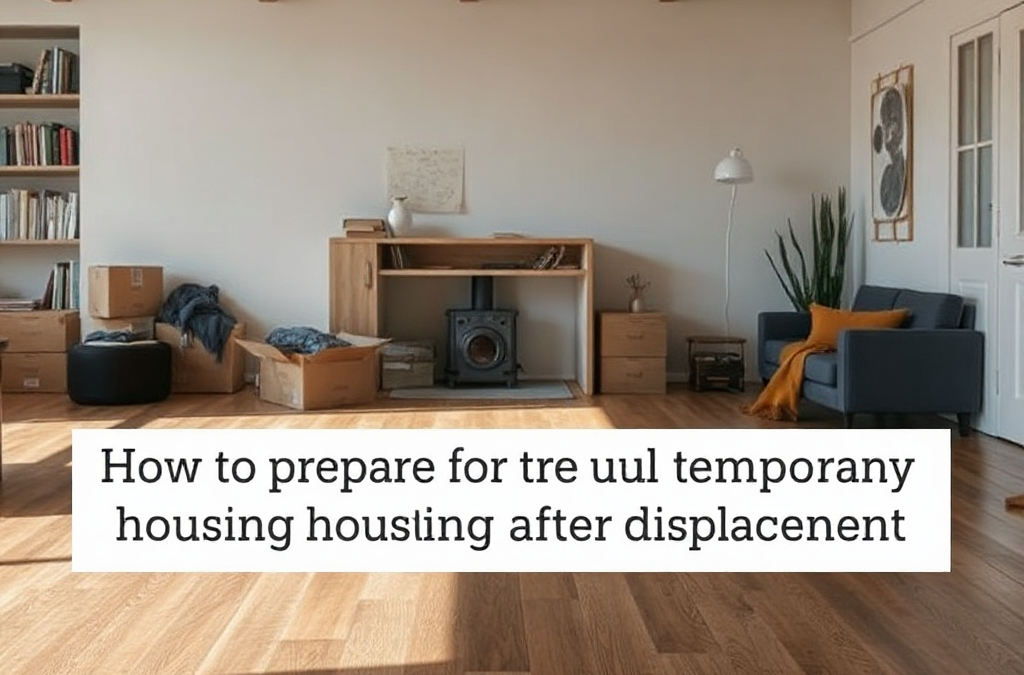
Use How to prepare for temporary housing after displacement as a working checklist, but customize it for the actual funding and housing arrangement. The goal is not paperwork for its own sake; it is preserving proof, access to services, and enough notice to make the next decision.
Build a Transition Plan Before Temporary Lodging Ends
Temporary housing works better when it has a next-step review, even if the final destination is unknown. Within the first few days, identify whether the arrangement is suitable for the expected duration, what problem could end it, and what alternatives are realistically available. Check transportation time, access to groceries and pharmacies, school or work requirements, storage needs, and the cost of extending the stay.
Separate immediate needs from recovery decisions. Replacing medication, obtaining safe sleep, and securing documents come before choosing furniture or transporting sentimental property. If the space is stable, gradually move only the items that support daily function. If the space is uncertain, keep important belongings consolidated and preserve a low-cost exit option. A family staying with relatives might save money but need a backup motel or shelter contact if overcrowding becomes unsafe; a hotel resident might need to locate a longer-term rental before the booking expires.
Review the arrangement using observable signs. It is functioning when everyone can sleep, access medication, communicate, follow hygiene routines, and leave the building safely. It is failing when the household is missing essential supplies, experiencing repeated safety problems, losing access to work or care, or receiving unclear answers about the end date. Those signs justify a prompt conversation with the host, caseworker, property manager, or relevant service provider.
Keep external support organized. A local emergency-management office, disaster-relief organization, housing navigator, social-services agency, or community health provider may know about placement rules and available assistance. Ask for the specific program name, eligibility requirements, documents needed, and response time. Avoid paying an unverified person who promises guaranteed housing or demanding personal information without a clear organizational purpose.
For related planning, review How to prepare for temporary housing after displacement alongside a household evacuation plan and a medication continuity list. A short written transition plan should state the next call to make, the deadline it addresses, and the fallback if no answer arrives.
Frequently Asked Questions
What should I take first when moving into temporary housing?
Take identification, medications, chargers, clothing, hygiene supplies, essential medical equipment, food for immediate needs, and contact information. Keep these items in a bag that stays with you.
How can I tell whether temporary housing is suitable?
Check safety, accessibility, sleeping conditions, bathroom access, food storage, transportation, privacy, and the ability to manage medications and communication. Ask for a change if an essential need cannot be met.
Should I move all my belongings into a temporary room?
No. Move only items needed for the expected stay and keep documents, valuables, and irreplaceable belongings controlled. Confirm the duration and storage rules before transporting more.
What records should I keep after displacement?
Keep placement paperwork, receipts, photographs of pre-existing damage, agency contacts, appointment details, prescriptions, and messages about extensions or checkout dates.
What should I do if temporary housing may end soon?
Ask for the exact end date and extension process, contact the placement agency or housing navigator, review affordable alternatives, and keep a backup contact and transportation option ready.
Further Reading
Authoritative Sources
Academy of Nutrition and Dietetics eatright.org
Professional nutrition guidance, healthy eating resources, and practical dietitian-reviewed advice.
U.S. Department of Agriculture usda.gov
Official food, nutrition, agriculture, and consumer guidance from the USDA.
NIH Office of Dietary Supplements ods.od.nih.gov
Research-based fact sheets on nutrients, supplements, dietary intake, and safety considerations.
International Society of Sports Nutrition sportsnutritionsociety.org
Evidence-informed sports nutrition resources and position stands for active people and athletes.
Conclusion
Temporary housing should be treated as a working base, not an indefinite solution. Confirm the arrangement’s rules and end date, carry essential documents and medications, inspect the space for hazards, and adapt the setup to mobility, health, privacy, transportation, and family needs. Keep receipts and written contacts because recovery assistance, reimbursement, or a housing extension may depend on records. Review the placement after the first few days using practical tests: can everyone sleep, communicate, take medication, eat, and leave safely? If any answer is no, raise the issue promptly rather than waiting for the situation to deteriorate. Before the placement expires, make the next call, gather required documents, and preserve a fallback option.
Documents That Give Adults Decision-Making Authority
Emergency caregiving often fails at the point where a helper needs authority rather than goodwill. A relative may know a person’s medications and preferences but still be unable to authorize treatment, obtain account information, arrange services, or sign a facility form. The appropriate legal document depends on the decision involved and on whether the person can still make and communicate choices.
A durable power of attorney for health care, also called a health care proxy or medical power of attorney in some states, names an agent to make medical decisions when the individual cannot do so. A durable financial power of attorney can authorize tasks such as paying housing costs, managing insurance matters, accessing funds, or handling benefit paperwork. These are separate roles in many forms, and combining them casually can create confusion about who may act.
Durability matters. A power of attorney that is not durable may terminate when the principal becomes incapacitated, exactly when emergency assistance is most needed. The document may also be “springing,” meaning the agent’s authority begins only after a stated condition or determination, or effective immediately. That choice involves a tradeoff: immediate authority can reduce delay, while a delayed trigger may feel more protective to the person granting authority. State law and the document’s language control.
Consider an older adult evacuated after a storm. A neighbor may transport the person to a shelter, but a designated financial agent may be needed to pay for temporary lodging or communicate with an insurer. A medical agent may be able to speak with clinicians, yet that does not automatically grant access to bank accounts. Assuming that one document covers every task is a common and costly mistake.
Before an emergency, identify the decisions most likely to arise and verify that each named agent is willing, reachable, and geographically realistic. Use a lawyer familiar with the applicable state law when circumstances are complex, family members disagree, property is in multiple states, or a person has cognitive impairment. The related Which legal documents support emergency caregiving checklist should be treated as a coordination tool, not a substitute for legal review.
Medical Access, Privacy, And Treatment Permissions
Medical authority and medical information access are related but not identical. A health care power of attorney may allow an agent to make decisions under its conditions, while a HIPAA authorization identifies people who may receive protected health information. Without an authorization, a caregiver can encounter delays when requesting records, discussing test results, coordinating prescriptions, or confirming discharge instructions.
A HIPAA authorization generally does not appoint someone to make treatment choices. It is a permission to disclose specified health information to specified recipients, subject to its terms and applicable law. A person might therefore need both an agent appointment and an information-release authorization. A living will or other advance directive addresses the individual’s treatment wishes in defined end-of-life or incapacity situations; it is not a broad replacement for a health care agent.
Specificity improves usefulness. A form should identify the person granting permission, the recipient or class of recipients, the information covered, and any expiration or revocation terms required by the governing rules. Broad wording may be convenient, but a hospital, pharmacy, school-based clinic, or insurer may still require its own process. Conversely, a narrowly drafted authorization may omit the mental-health, substance-use, or other records that a caregiver needs to coordinate safely.
For example, if an adult is unconscious after an accident, a partner may need immediate updates from the hospital while a sibling handles transportation and medication pickup. If only one person is listed, the other may face preventable barriers. A practical arrangement can name a primary agent, a successor, and permitted information recipients, while preserving the patient’s right to make decisions whenever capacity is present.
Keep current copies with the primary care practice, relevant specialists, the named agents, and the person’s emergency records when appropriate. Ask the health system whether it accepts uploaded documents or requires an institutional form. The mistake to avoid is relying on a phone photograph with missing pages, an outdated agent, or an unsigned template. Guidance from Which legal documents support emergency caregiving is most useful when paired with the receiving organization’s actual intake requirements.
Children, Temporary Care, And Family Disruptions
Caregiving for a child requires a different set of permissions because a parent’s authority, custody orders, school rules, and medical consent requirements may intersect. A minor-child power of attorney, caregiver authorization, temporary delegation, or similar state-specific form may let a trusted adult handle routine education, health care, transportation, and daily supervision for a limited period. The document’s name and legal effect vary by jurisdiction.
Temporary authorization is not the same as transferring custody or creating a permanent guardianship. A parent may want a grandparent to obtain urgent treatment and collect a child from school during an evacuation, without giving that person authority over every major decision. A court-appointed guardian, emergency guardian, or temporary custody order may be necessary when parents are unavailable for a longer period, when there is a dispute, or when an agency or court requires formal authority.
Travel creates another weak point. A child crossing a border or traveling with a nonparent may need a signed travel-consent letter, identification documents, and evidence of the accompanying adult’s relationship or permission. A letter may help explain the arrangement, but it does not override a custody order, border rule, or carrier requirement. Families should check the destination and transportation provider rather than assume a notarized page is universally sufficient.
Imagine parents delayed in a distant city while their child remains with an aunt after a wildfire. The aunt may need permission to authorize treatment, communicate with a school, access medication information, and arrange a temporary address. A document that covers only medical care leaves educational and transportation gaps. A document that is unlimited in duration may create concerns that a narrower authorization would avoid.
Prepare a child-care packet containing the child’s identification details, insurance information, allergies, medication instructions, clinician contacts, school contacts, custody orders, and signed permissions. Name an alternate caregiver if the first person is unreachable. Review the packet after divorce, relocation, adoption, a new diagnosis, or a change in the child’s medications. Which legal documents support emergency caregiving should be reviewed alongside the specific school, clinic, and jurisdictional forms that will actually be presented.
Making Legal Papers Usable During An Emergency
A valid document is only helpful if people can locate it, recognize it, and accept it under pressure. Build an access system rather than placing every original in an unknown safe. Store originals according to the instructions of the drafting professional, and provide authorized agents with readable copies. A secure digital copy can support rapid sharing, but it should not be the only copy if phones lose power or internet service fails.
Use a short document inventory that records the document type, signing date, named agents, successor agents, state of execution, storage location, and review date. Do not put passwords or unnecessary sensitive information in an openly shared file. Tell the relevant people where the documents are and how to reach the drafting attorney, physician, insurer, bank, school, or facility. A legal paper that the agent has never seen can still produce hesitation at the moment of need.
Institutional acceptance is a practical constraint. Banks, hospitals, long-term-care facilities, and government offices may examine signatures, notarization, witnesses, dates, and revocation status. They may also have internal forms or may request a certified copy. This does not automatically mean the original document is invalid, but it can create delay. If a particular institution is likely to be involved, ask its records or legal-operations department in advance what it will accept.
Prioritize documents in this order: authority for immediate medical decisions, permission to share essential health information, financial authority for housing and care expenses, child-care or temporary-care permissions, and supporting identity and custody records. The order may change for a household’s circumstances. For example, a person caring for a dependent adult may need benefits and housing access before any treatment decision arises.
Review the package after a move, marriage, separation, death of an agent, diagnosis, change in family relationships, or change in state law. A successor who lives several states away may be legally eligible but operationally unavailable. Legal documents do not replace emergency contacts, advance conversations, or professional advice; they make those arrangements easier to verify when normal communication and family availability break down.
For practical emergency coordination, consult official guidance from Ready.gov, the American Red Cross, and FEMA. These sources address household planning and communication; a licensed attorney or the relevant state agency should confirm the legal requirements for powers of attorney, guardianship, and caregiver permissions.
Frequently Asked Questions
Does a health care power of attorney let a caregiver access medical records?
It may support decision-making authority, but it does not always function as a complete HIPAA authorization. A separate release may reduce delays when records or detailed updates are needed.
Is a general power of attorney enough for emergency caregiving?
Not necessarily. Its scope may exclude health care, and a non-durable form may end upon incapacity. The document should be reviewed for its exact powers and triggering language.
Can a parent authorize a relative to care for a child?
Many jurisdictions provide a temporary caregiver authorization or similar form, but the authority and duration vary. School, medical, travel, and custody requirements should be checked separately.
Should emergency legal documents be notarized?
Notarization and witness rules depend on the document and governing jurisdiction. Even when not legally required, an institution may have acceptance procedures, so confirm requirements before a crisis.
How often should caregiving documents be reviewed?
Review them after major family, health, residence, or agent changes and periodically with qualified legal advice. Replace outdated contact information and confirm that named agents remain willing and reachable.
Further Reading
Authoritative Sources
Ready.gov ready.gov
Official household preparedness guidance, emergency plans, and supply checklist resources.
FEMA fema.gov
Federal emergency management information, disaster planning resources, and recovery guidance.
American Red Cross Emergency Preparedness redcross.org
Practical emergency preparation, safety, and response guidance for households.
CDC Emergency Preparedness and Response cdc.gov
Public health guidance for disasters, emergency response, and recovery conditions.
Conclusion
Emergency caregiving works more smoothly when authority is matched to the decision: health care powers for treatment choices, HIPAA permissions for information, financial powers for money and benefits, and child-care or court orders for minors and custody situations. No single form reliably covers every need. Check whether the document is durable, whether it names a successor, whether it remains valid in the relevant jurisdiction, and whether the hospital, bank, school, or agency will accept its format. Give trusted agents usable copies, maintain a secure backup, and keep supporting identification and medical information together. A short review with a qualified local attorney is especially worthwhile after incapacity, relocation, divorce, or a change in caregivers.
A continuity plan begins with the dependent person’s actual daily needs, not with a generic emergency kit. A caregiver should identify which tasks cannot be delayed, which can be adjusted temporarily, and which require a trained professional. That distinction determines the supplies, instructions, people, and locations the plan must cover.
Write down the routine in practical terms. Include medication times, meals, toileting, bathing, transfers, wound care, glucose checks if applicable, communication assistance, supervision, and sleep needs. A person with dementia may need familiar language and a low-stimulation environment, while someone who uses oxygen, suction equipment, a wheelchair, or a feeding device may depend on electricity, safe storage, or accessible transport. The plan should describe what the caregiver actually does rather than relying on labels such as “special needs.”
Separate essential care from preferred care. If a power outage prevents a usual appliance from working, the plan should state the safe temporary alternative and the point at which outside help is required. Do not improvise medical procedures or substitute equipment without guidance from the person’s clinician, pharmacist, equipment provider, or emergency services. A continuity plan coordinates care; it does not replace professional instructions.
A useful first pass asks three questions:
What must happen within a few hours to avoid harm or serious distress?
What information would a substitute caregiver need to act safely?
What condition would require relocation, clinical advice, or emergency assistance?
For example, a caregiver may discover that a person can miss a preferred television program but cannot safely miss a dose, a transfer schedule, or access to a charged communication device. Prioritizing those dependencies prevents the common mistake of spending the budget on general supplies while overlooking the specific process that keeps the person stable.
Readers building a wider household system can connect this work with What caregivers need in a disaster continuity plan, especially when the dependent person shares food, water, shelter, or transportation resources with others.
Build a Usable Care Information Record
A care information record turns personal knowledge into instructions another responsible adult can use. It should be brief enough to consult under pressure but detailed enough to prevent dangerous guesses. Put the most time-sensitive information on the first page: name, date of birth, diagnoses or relevant conditions, allergies, current medications, emergency contacts, clinician contacts, mobility needs, communication method, and immediate warning signs.
Medication details deserve more than a list of drug names. Record the strength, dose, timing, route, prescribing clinician, pharmacy, refill information, and whether the medicine needs refrigeration or special handling. Keep the prescription labels with the supplies when possible. A pharmacist can clarify questions about replacement supplies, storage, and missed doses; caregivers should not create a new dosing schedule based on memory.
Describe how the person shows discomfort, confusion, breathing difficulty, dehydration, or a change from normal behavior. A non-speaking person may communicate pain through movement, facial expression, or changes in routine. A substitute caregiver cannot reliably identify those signals unless the primary caregiver writes them down. Include preferred communication tools, hearing or vision aids, language needs, and approaches that reduce agitation.
The record should also explain consent and decision-making contacts without implying that a document grants authority it does not legally provide. Note who should be called for health decisions, where relevant documents are stored, and which facility or clinician usually manages the person’s care. Keep copies in a clearly marked folder, a waterproof pouch, and an offline device protected by an appropriate password. An online file alone may be inaccessible during a power, internet, or account problem.
Use plain verbs and observable instructions. “Needs help with transfers; lock wheelchair brakes, position the transfer belt as trained, and stop if balance changes” is more useful than “requires mobility assistance.” Have a substitute caregiver read the instructions aloud and identify anything unclear. That handoff test reveals whether the record reflects the person’s real routine or merely the primary caregiver’s shorthand.
For a broader household contact structure, What caregivers need in a disaster continuity plan should sit alongside copies of identification, insurance details, medical releases where applicable, and information about the person’s preferred shelter or care setting.
Arrange Backup People, Places, and Transportation
A plan is incomplete if care stops when the primary caregiver is injured, trapped, hospitalized, or separated from the household. Choose backup people before an incident and confirm that they are willing, reachable, and realistically able to perform the required tasks. A nearby neighbor may be useful for a brief welfare check but may not be suitable for medication administration, lifting, personal care, or communication with a clinician.
Use a layered arrangement rather than naming one substitute. Identify a first backup, a second backup outside the immediate area, and a professional or organizational contact when available. Give each person the information and access they would need, including a key or entry procedure, pet considerations, parking instructions, and the location of the care folder. A backup who has never met the dependent person may need a supervised practice visit.
Decide where the person will go if the home becomes unsafe. Options might include a relative’s accessible home, a designated shelter, a medical facility, or another approved care setting. Check the practical details: stairs, bathroom access, quiet space, electrical outlets, refrigeration, service-animal arrangements, and distance from required clinicians. “We will go to a shelter” is not a complete decision if the shelter’s accessibility, equipment support, or intake process is unknown.
Transportation needs careful planning because ordinary vehicles may not accommodate wheelchairs, oxygen equipment, transfer requirements, or a person who cannot tolerate prolonged waiting. Identify at least two transportation options and record how far in advance each must be requested. Keep a go-bag packed with essential documents, medication information, comfort items, spare clothing, communication aids, and equipment chargers. The bag should be easy to carry without blocking the person’s movement.
A common failure is assuming that every helper will be available during a widespread event. Test the plan with a scenario in which the nearest backup cannot answer and roads are closed. If no workable option remains, contact local emergency management, disability services, aging services, medical equipment providers, or the person’s care team before a crisis when possible. External support may have eligibility, scheduling, or capacity limits, so it should supplement rather than replace personal arrangements.
Protect Medications, Equipment, and Communication
Continuity depends on preserving the items that make care possible. Store a practical reserve of routinely used medications and consumable supplies in accordance with pharmacy and clinician guidance, while checking expiration dates and rotating stock. Keep medicines in original labeled containers when feasible. Include items that are easy to forget, such as syringes, dressings, incontinence products, spare batteries, hearing-aid supplies, charger adapters, and mobility-device tools.
Power-dependent equipment needs its own failure plan. List the equipment that requires electricity, its expected battery duration, the compatible charging method, and the equipment supplier’s contact details. A portable power station may support some devices but not others; capacity, connector type, ventilation, and manufacturer instructions matter. Never operate fuel-burning generators indoors or in enclosed areas, and do not assume a neighbor’s generator can safely power medical equipment without checking compatibility.
Temperature-sensitive supplies create another constraint. Refrigerated medicines may have specific storage limits, and a cooler is not automatically a safe substitute. Ask the pharmacist or prescribing clinician what to do during an outage, how to monitor temperature, and what action to take if storage conditions are exceeded. A written answer is more reliable than a remembered conversation during a stressful event.
Communication should work when one channel fails. Keep a charged phone, backup battery, printed contact list, and a battery-powered or hand-crank information source if appropriate for the household. Agree on a short message format that states the person’s location, condition, immediate need, and callback number. Identify a contact outside the local area who can relay updates when nearby networks are congested.
Supplies should be organized around care tasks, not scattered by product type. A medication pouch, hygiene pouch, equipment pouch, and document pouch make a handoff faster. The tradeoff is portability: storing every possible item in one oversized container may make evacuation harder. Prioritize the first period of care, then add replenishment plans and larger reserves where space and budget allow. What caregivers need in a disaster continuity plan is strongest when the inventory matches the person’s documented routine rather than a generic checklist.
Test and Update the Continuity Plan
Testing shows whether the plan works for someone who did not write it. Begin with a low-risk handoff: ask a backup caregiver to locate the record, explain the medication schedule, find the emergency bag, and describe the evacuation destination. Do not simulate dangerous medical tasks or interrupt prescribed care. The purpose is to find unclear instructions and missing access, not to create a dramatic drill.
Run separate checks for common disruptions. During a power-loss review, confirm charging, refrigeration instructions, lighting, and equipment alarms. During an evacuation review, confirm vehicle access, transfer assistance, identification, and destination acceptance. During a primary-caregiver absence review, verify that another person can enter the home, understand the routine, and reach the clinician or pharmacy.
Record failures rather than relying on memory. A plan may appear sound until the backup key is missing, the phone numbers are outdated, the wheelchair cannot fit the vehicle, or the substitute caregiver cannot interpret a communication signal. Each failure should lead to a specific correction, such as adding a diagram, labeling a cabinet, arranging a second ride, or scheduling a supervised practice visit.
Review the plan after medication changes, a new diagnosis, a move, a change in mobility, a new equipment prescription, or a change in the backup team. Set a recurring calendar reminder as well, because contact information and supplies change even when the person’s condition does not. Invite the dependent person to participate in decisions whenever possible; familiar choices can reduce distress and improve cooperation during a disruption.
Keep the final version accessible to the people who may need it, while protecting private information from unnecessary exposure. A sealed paper copy, an offline digital copy, and a clearly identified emergency bag provide useful redundancy. The strongest sign that the arrangement is working is not that every scenario has been predicted; it is that another capable person can take over without guessing.
Frequently Asked Questions
What should a caregiver write down first?
Begin with time-sensitive medications, allergies, essential care tasks, communication methods, mobility needs, emergency contacts, and signs that require professional help.
How many backup caregivers are needed?
Name a primary substitute and at least one additional contact who lives or works outside the immediate disruption area. Match each person’s role to their actual skills and availability.
What if the dependent person uses powered medical equipment?
List each device’s power requirements, battery duration, charging method, and supplier contact. Ask the equipment provider or clinician about safe outage procedures and compatible backup power.
Should the plan include medication reserves?
Ask the prescriber or pharmacist about an appropriate reserve, storage, rotation, and replacement process. Keep medicines labeled and do not change doses because access is disrupted.
How can caregivers test the plan safely?
Conduct a supervised handoff in which a backup locates the records, explains the routine, checks supplies, and describes transportation. Do not interrupt treatment or perform unfamiliar medical procedures as a drill.
Further Reading
Authoritative Sources
Academy of Nutrition and Dietetics eatright.org
Professional nutrition guidance, healthy eating resources, and practical dietitian-reviewed advice.
U.S. Department of Agriculture usda.gov
Official food, nutrition, agriculture, and consumer guidance from the USDA.
NIH Office of Dietary Supplements ods.od.nih.gov
Research-based fact sheets on nutrients, supplements, dietary intake, and safety considerations.
International Society of Sports Nutrition sportsnutritionsociety.org
Evidence-informed sports nutrition resources and position stands for active people and athletes.
Conclusion
A caregiver’s continuity plan should make essential care transferable when the usual routine, home, power supply, or primary caregiver is unavailable. Document the person’s actual daily needs, preserve medication and equipment information, establish layered backup support, and select destinations and transportation that fit the person’s abilities. Paper records, offline copies, labeled supplies, and alternate communication channels reduce dependence on one device or one person. Review the arrangement after health, medication, equipment, or household changes, then test a simple handoff with a trusted substitute. The next useful step is to write the first-page care record and call the backup people to confirm what they can genuinely do. A smaller plan that has been practiced is more dependable than a comprehensive file nobody else can use.
Start With Health, Mobility, and Communication Needs
Older adults need an emergency plan shaped by daily function rather than by a generic supply list. A person who lives independently but uses a walker, relies on home oxygen, has hearing loss, or needs help reading instructions faces different risks from a healthy adult who can leave quickly and carry several bags. The first planning task is to identify what would become difficult if electricity, water, transportation, telephone service, or regular caregivers were unavailable.
Write down the practical details that another person would need during a stressful handoff. Include diagnoses only as useful, current information; medication names and doses; allergies; preferred pharmacy; primary-care contact information; mobility equipment; communication preferences; and the location of important documents. A printed copy should be stored in a waterproof sleeve, with a digital copy available to a trusted contact. The record needs review whenever a prescription, device, caregiver, or address changes.
A common mistake is treating age as the main planning variable. Age alone does not determine emergency needs, while arthritis, balance problems, memory changes, reduced vision, and chronic conditions may alter the safest response. Ask whether the person can open packaging, climb stairs, hear an alert, transfer from a chair, keep food cold, and explain needs to unfamiliar responders. Those answers reveal more than a standard checklist.
Use How older adults should adapt emergency preparations as a living household record, not a document put away after it is written. Recheck it seasonally and after any health or living-arrangement change. If a task requires assistance on an ordinary day, assume it may require more assistance during a power outage, evacuation, or crowded shelter.
Build Medication and Medical-Equipment Continuity
Medication continuity deserves early attention because missed doses, damaged supplies, or interrupted refrigeration can create problems before food and water become scarce. Ask the prescribing clinician and pharmacist how to manage prescriptions during travel, evacuation, or a prolonged outage. Do not change doses, stop treatment, or stockpile prescription medicine without professional advice. Keep an up-to-date list with generic and brand names, dosage, timing, prescriber, and pharmacy details.
Store medicines in their labeled containers and keep a modest reserve where legally and medically appropriate. A duplicate set of critical information can go in an evacuation bag, while the main supply remains in a secure, accessible location. Check expiration dates and storage instructions. Heat, freezing temperatures, moisture, and direct sunlight can damage some products, and insulin or other temperature-sensitive medicines may require a specific plan rather than an improvised cooler.
Medical equipment also needs an operating plan. Battery-dependent devices, power wheelchairs, oxygen concentrators, nebulizers, hearing aids, and communication systems should be matched with compatible backup power or an alternative approved by the equipment provider. A generator must never be operated indoors, in a garage, or near doors and windows because of carbon monoxide risk. Battery backup is not automatically adequate: confirm runtime, charging method, replacement availability, and whether the device can be used safely while charging.
For example, a person using a power wheelchair may need a route that avoids a threshold or stairway even if the building itself is accessible. A person with hearing loss may not notice a spoken shelter announcement and may need written instructions or a visual alert. The failure mode is often not lack of supplies but a mismatch between the supply and the person’s equipment, strength, or sensory needs. Review the emergency preparations checklist with a pharmacist, clinician, equipment supplier, or caregiver when a medical dependency is significant.
Make Evacuation and Shelter Plans Usable
An evacuation plan should specify who provides transportation, where the person will go, how mobility equipment will travel, and what happens if the primary destination is unavailable. “Leave early” is not a complete instruction for someone who does not drive, needs a wheelchair-accessible vehicle, or cannot stand in a long line. Confirm at least two transportation options, including a relative, neighbor, community service, paratransit provider, or local emergency program when available.
Choose destinations based on actual needs rather than distance alone. A nearby home with stairs, no accessible bathroom, and no space for medical equipment may be less suitable than a farther location with reliable power and a trained caregiver. Ask in advance whether the destination can accommodate a walker, service animal, refrigerated medicine, dietary restrictions, and assistance with bathing or transfers. Shelters may provide basic support, but they may not offer private medication storage, specialized equipment, or the level of personal care a resident normally receives.
Keep an evacuation bag light enough for the person or assigned helper to manage. Useful items may include identification, contact information, medications, glasses, hearing-aid supplies, a charger, spare batteries, comfortable clothing, hygiene products, water, easy-open foods, and copies of medical information. Avoid packing a large container that cannot be lifted or moved through a doorway. Divide weight among several small bags if that makes transport safer.
Practice the route without creating a hazardous drill. Walk or roll from the sleeping area to the exit, test the elevator alternative, and identify a safe place to wait for transportation. A person with limited balance may need a seated rest point; a person with dementia may need a familiar companion and simple written cues. The plan is working when the person can explain the first action, the helper knows where essential items are, and the route remains possible without rushing.
Set Up Check-Ins, Supplies, and Practice
A dependable check-in system reduces the chance that a delayed response will be mistaken for independence. Select two contacts who live in different locations and agree on who calls, texts, visits, or contacts emergency services if communication stops. Give them permission to share relevant information with responders when appropriate. Include a neighbor who can physically check the home, especially if family members live far away.
Communication planning should account for hearing, vision, memory, and technology. Write phone numbers in large print, keep a charged phone and backup battery within reach, and identify more than one way to receive official alerts. If texting is easier than speaking, make that the primary check-in method; if the person cannot use a smartphone reliably, arrange a human contact instead of assuming an app will solve the problem. Keep a paper map and written meeting locations because internet access may fail.
Household supplies should be accessible, familiar, and easy to use. Choose pull-tab foods or foods that require little preparation if hand strength is limited. Store water in containers that can be lifted safely, or divide larger quantities into smaller bottles. Add incontinence products, dentures supplies, backup glasses, skin-care items, and comfort items when they are part of daily life. Food that is technically shelf-stable but impossible to open or chew is not useful emergency food.
Review the setup on a schedule tied to real changes. Test flashlights, alarms, chargers, and backup batteries; rotate foods; confirm contact numbers; and check whether a new medication needs refrigeration. Do not rely on a single caregiver, one vehicle, or one phone number. A resilient arrangement has a primary option and a workable substitute, with instructions simple enough for a tired helper to follow.
Prioritize the Plan Under Real Constraints
Limited money, storage, strength, and caregiver availability require prioritization. Address life-sustaining and time-sensitive needs before adding convenience items: medication access, mobility, communication, temperature control, water, food, and transportation. A compact, well-labeled kit near the exit may be more valuable than a large stockpile hidden in a basement. Keep heavy items at waist height when possible and avoid placing essential supplies behind clutter.
Use a short review to identify weak points. Ask what would happen if the power failed overnight, the usual caregiver could not arrive, the elevator stopped, or the person had to leave within an hour. Then identify the first failure and fix that one before buying more general supplies. For a resident of an apartment, elevator dependence and building access may outrank backyard water storage. For someone in a rural area, transportation distance and pharmacy access may matter more.
Medical: Confirm prescriptions, equipment, storage, and backup power.
Movement: Clear exits and match transportation to mobility needs.
Communication: Provide large-print contacts and a human check-in system.
Basic care: Store manageable water, ready-to-eat food, hygiene items, and lighting.
Recovery: Keep documents, insurance information, and trusted contacts together.
The most misleading assumption is that a plan is complete because every item is present. Preparedness is stronger when the older adult can reach, identify, and use the supplies without unnecessary strain. Ask the person to demonstrate the first three actions during an outage or evacuation. If the process depends on lifting too much, reading tiny labels, remembering several steps, or waiting for one unavailable person, revise the arrangement rather than blaming the individual.
Frequently Asked Questions
How much medication should an older adult keep for an emergency?
Ask the prescribing clinician and pharmacist about a lawful, medically appropriate reserve. Keep medicines labeled, review storage requirements, and avoid changing doses without professional guidance.
What should someone do if they cannot evacuate independently?
Arrange at least two transportation or assistance options in advance, and confirm that vehicles and destinations can accommodate mobility equipment and personal-care needs.
How can emergency supplies be made easier to use?
Use large-print labels, pull-tab foods, smaller water containers, waist-height storage, reachable lighting, and clearly grouped medical information.
Should an older adult rely on a family caregiver?
Family may be the primary support, but a backup neighbor, community service, or alternate contact is necessary if the caregiver is traveling, injured, or unable to reach the home.
How often should an emergency plan be reviewed?
Review it after medication, health, equipment, address, or caregiver changes and conduct regular checks of batteries, food, contact numbers, and evacuation routes.
Further Reading
Authoritative Sources
Academy of Nutrition and Dietetics eatright.org
Professional nutrition guidance, healthy eating resources, and practical dietitian-reviewed advice.
U.S. Department of Agriculture usda.gov
Official food, nutrition, agriculture, and consumer guidance from the USDA.
NIH Office of Dietary Supplements ods.od.nih.gov
Research-based fact sheets on nutrients, supplements, dietary intake, and safety considerations.
International Society of Sports Nutrition sportsnutritionsociety.org
Evidence-informed sports nutrition resources and position stands for active people and athletes.
Conclusion
Older adults get a more reliable emergency plan by adapting it to actual daily tasks: taking medicine, moving through the home, communicating needs, preserving power-dependent equipment, and reaching safe transportation. Begin with the most consequential dependency, whether that is refrigerated medication, an elevator, oxygen equipment, or a caregiver who lives across town. Make supplies light, labeled, reachable, and familiar, then test the plan with the person who will use it. Add a second contact and a second destination before expanding the stockpile. A practical review after every health or household change keeps the plan aligned with reality and exposes failures while there is still time to correct them.
Find the gaps most families don’t notice until something goes wrong.
Free. Practical. No fear-mongering.
By requesting this resource, you agree to receive practical PREPARE Magazine guides, tools, and email updates. You can unsubscribe anytime. Privacy Policy