A self-defense boundary is a clear limit paired with an action you control. It may sound like, “Please step back,” followed by moving toward an open, populated area. The boundary is not a demand that another person behave perfectly; it is a way to communicate your limit while preparing to reduce contact. During a disaster, that distinction matters because shelters, fuel lines, aid stations, apartment hallways, and evacuation vehicles can compress strangers into stressful spaces.
Scarcity and uncertainty can make ordinary disagreements feel urgent. People may be tired, worried about relatives, confused by conflicting information, or angry about delays. Those conditions explain pressure but do not make intimidation acceptable. A person who blocks a doorway, reaches into your belongings, follows you after you move away, or repeatedly ignores a stated limit is giving you information about rising risk. Treat the behavior as a safety problem rather than as a debate to win.
Useful boundaries are brief and observable. “Do not touch my bag” is clearer than an accusation about someone’s character. “I am leaving now” communicates an action without inviting negotiation. Avoid threats, insults, or claims about what you will do to the other person, particularly when witnesses, children, or responders are nearby. A calm statement also gives bystanders and staff a recognizable moment to support you.
Readers preparing for a crisis should write a few phrases in advance and practice saying them without shouting. Link each phrase to a response: create space, bring a companion, notify staff, or leave. The boundary is working when the person backs off, the conversation ends, or you reach a safer location. It is failing when the person closes distance, blocks movement, escalates language, or recruits others into the confrontation. At that point, repeating yourself is usually less useful than changing location.
For related household preparation, Practical self-defense boundaries during disasters should be treated as part of an evacuation and communication routine, not as a separate combat skill.
Distance, Position, and Early Exit Choices
Position often determines whether a boundary remains voluntary. Stand where you can see the person’s hands and keep access to an exit, staffed counter, neighbor, or other visible group. Do not allow yourself to be pressed against a wall, vehicle, stairwell, fence, or shopping cart. A table, counter, parked vehicle, or row of chairs can provide useful separation while you decide what to do next.
Distance should be adjusted to the setting. In a crowded shelter, several feet may be difficult, so place yourself beside an adult companion or near a worker rather than attempting to force a personal space bubble through a dense line. In an empty parking area, distance and lighting become more valuable; cross toward an occupied building or call for assistance before an argument develops. A person who continues approaching after you move away deserves more caution than someone who remains stationary and speaks from a distance.
Movement should be early and ordinary when possible. Leaving a line before tempers peak may cost your place, but staying can expose you to a more serious problem. Tell a worker why you are stepping away and ask how to rejoin later. If a stranger follows, do not lead that person to your room, vehicle, or family members. Move toward staff, security, a reception desk, a group of known neighbors, or a location where emergency services can be contacted.
A common mistake is focusing on the person’s hands while ignoring the environment. Check whether a door opens outward, whether your child can move with you, whether smoke or debris blocks a route, and whether a mobility limitation changes your options. Another mistake is assuming a familiar neighborhood is safe after power or communications fail. Darkness, damaged structures, and reduced staffing can alter normal routes. Walk evacuation paths beforehand when practical, and identify more than one destination.
Physical readiness should support escape rather than encourage engagement. Wear footwear that permits movement, keep essential medication accessible, and avoid carrying loose items that can fall or snag. These choices are modest, but they reduce the chance that a trip, locked door, or forgotten phone turns a manageable encounter into a trapped one. Use the broader disaster self-defense boundary plan to match routes and companions to the actual site.
Verbal De-Escalation Without Surrendering Safety
De-escalation is not the same as appeasement. It means reducing unnecessary friction while preserving your ability to leave. Keep your voice low enough that the other person must listen rather than compete with you. Use short sentences, avoid sudden gestures, and keep your hands visible without pointing or reaching toward the person. A neutral phrase such as “I am not discussing this here; I am moving to the help desk” redirects the interaction toward a concrete action.
Do not argue over motives during an emergency. Statements such as “You are trying to rob me” or “You must be drunk” can provoke denial and anger without improving your safety. Describe the observable behavior and your response: “You are standing in front of the exit. I need a clear path, and I am calling staff.” If the person wants an explanation, repeating the same short limit may be safer than adding details about your supplies, family, or destination.
Companions need assigned roles. One adult can speak while another gathers children or contacts a worker. Several people shouting at once may look like a group confrontation and can increase confusion. A child should not be sent to negotiate with an adult who is acting aggressively. Agree beforehand on a simple meeting point and a phrase that means “leave now,” especially when noise, poor reception, or a damaged power grid makes phone calls unreliable.
Empathy has a narrow but useful role. “I understand the line is frustrating” can acknowledge pressure without agreeing to unsafe conduct. Do not offer your entire supply bag, personal information, or vehicle access merely to end a tense conversation. That may be reasonable when sharing a low-risk item, but it is a poor response to stalking, forced entry, or repeated demands. The tradeoff is situational: cooperation with aid staff may solve a resource dispute, while continued discussion with an unknown person may expose your family to more risk.
Watch for signs that words are no longer controlling the interaction: clenched fists, sudden silence, scanning for witnesses, blocking movement, threats, unwanted touching, or attempts to separate you from companions. These signs do not prove what someone will do, but they justify more distance and faster help-seeking. A boundary is a safety tool, not a test of courage.
Household Rules, Supplies, and Shared Spaces
Many disaster conflicts begin with unclear access rather than deliberate violence. Neighbors may ask for fuel, food, batteries, water, tools, or a place to charge a phone. Decide in advance what your household can share, with whom, and through which method. A small public distribution point is safer than opening your home to an unfamiliar person. Sharing a measured amount through a door, gate, or community coordinator preserves a boundary that informal visits can weaken.
Keep valuable supplies out of casual view and avoid discussing inventory in public lines or online posts. Store essential items so one person cannot remove everything without another adult noticing, but do not create improvised traps or hazardous barriers. Locking doors, improving exterior lighting when power permits, and maintaining working smoke and carbon-monoxide alarms address household safety without turning the home into a confrontation zone.
Shared spaces require rules that are easy to enforce. In a shelter or apartment building, establish who can enter a room, where bags are placed, how children check in, and which staff member handles disputes. A sign, spoken rule, or group message can prevent misunderstandings, but it will not stop someone who intends to trespass. Report repeated violations early, document times and descriptions when safe, and avoid physically guarding property if leaving is the safer choice.
Property protection has limits. A phone, generator, or stored food may be expensive or difficult to replace, yet pursuing a thief into darkness can expose you to unknown companions, damaged ground, or weapons. Prioritize people, escape routes, medication, identification, and communication over objects. A useful household drill is to ask, “If someone enters the yard, where do we go, who calls, and which door remains clear?” The answer should not depend on one adult confronting the intruder.
Use clear household boundaries for disaster situations alongside local shelter rules and emergency instructions. Personal judgment still matters because a rural property, high-rise building, evacuation bus, and crowded relief center present different exits, witnesses, and response times.
When a Threat Becomes Immediate
Immediate danger changes the priority from explaining a boundary to creating survival space and obtaining help. If someone grabs you, attempts to force entry, displays a weapon, or blocks your only route while making a credible threat, use the safest available exit and contact emergency services when possible. Loudly call for specific help—“You in the blue jacket, call emergency services”—rather than relying on a general request that bystanders may ignore.
Use only the force reasonably necessary to break contact and escape, and follow applicable local law. Legal standards vary by location and circumstances, so this article is not legal advice. Do not chase someone who leaves, recover property at personal risk, or keep escalating after you can safely disengage. If a weapon is present, distance, cover, and an unobstructed escape may matter more than trying to control the person.
After reaching safety, account for children and companions, move away from doors and windows if the threat remains nearby, and provide responders with precise observations: location, direction of travel, clothing, vehicle description, injuries, and whether a weapon was seen. Avoid exaggeration or speculation. If you are injured, seek medical attention even when the injury appears minor, and preserve relevant messages or video without returning to the danger area.
A frequent failure mode is waiting for certainty. You do not need to prove that a person intends harm before leaving a vulnerable position. At the same time, suspicion alone does not justify attacking or accusing someone. The practical middle path is early separation, visible help-seeking, and proportionate action. Review what happened later with your household: which route worked, where communication failed, and what change would reduce exposure next time.
Practice a compact priority sequence: notice the behavior, state one limit, create distance, move toward people or staff, call for help, and leave the area. It is not a guarantee of safety, but it is more reliable than improvising a confrontation while frightened, tired, or responsible for children.
Frequently Asked Questions
What is a practical self-defense boundary during a disaster?
It is a clear limit paired with a safety action, such as saying “Do not touch my bag” while moving toward staff or an open exit.
Should I confront someone who is taking supplies?
Prioritize people and escape over property. Notify staff or emergency services, avoid pursuit, and do not enter a dark or isolated area to recover items.
How can I de-escalate without appearing weak?
Use a calm voice, visible hands, short statements, and a clear movement plan. Leaving and seeking help is a safety decision, not a surrender.
Where should I stand during a tense interaction?
Choose a visible position with an unobstructed exit and some separation. Avoid being pinned against walls, vehicles, fences, or blocked doorways.
When should I call emergency services?
Call when there is immediate danger, forced entry, unwanted physical contact, a weapon, credible threats, or a person who prevents you from leaving safely.
Further Reading
Authoritative Sources
Active Shooter Preparedness ready.gov
Provides government guidance on recognizing danger, escaping when possible, and responding during an armed attack
Community Resilience fema.gov
Explains how community coordination and local resources can strengthen disaster response and reduce individual isolation
How to Prepare for Emergencies redcross.org
Offers practical preparation guidance for communication, evacuation, household needs, and emergency contacts
Conclusion
Effective disaster self-defense is built around early recognition, clear limits, distance, and a route away from trouble. Decide before an emergency how your household will share supplies, regroup, contact help, and leave crowded or isolated locations. During an encounter, describe the behavior, state one boundary, avoid arguing about motives, and move toward staff, companions, witnesses, or an open exit. Treat pursuit, blocking, touching, and weapon displays as signals to stop negotiating and seek immediate assistance. Property may be replaceable; a trapped family member or escalating confrontation carries a different cost. Rehearse a few calm phrases and one simple exit sequence so your response remains practical when fatigue, noise, and uncertainty make improvisation difficult.
Delayed preparation usually involves work that is mundane, distributed across several rooms, or difficult to measure. Buying a flashlight feels complete; checking its batteries, placing it where everyone can find it, and using it in a power outage are separate tasks. The same pattern applies to food, water, documents, medications, and household equipment. People often mistake possession for readiness.
Administrative work is especially easy to postpone because it has no visible payoff on an ordinary day. Updating an emergency contact sheet, recording insurance information, or locating the main water shutoff may take less than an hour, but each requires decisions and cooperation. A household with children, older adults, pets, mobility limitations, or prescription needs has more dependencies to account for than a single adult living alone.
A useful way to judge a delayed task is to ask what happens if it remains unfinished during a weekend outage. If the answer involves guessing, driving somewhere, searching through boxes, relying on a charged phone, or waiting for a neighbor, the task deserves a higher place on the list. Before disaster: the preparation tasks people delay is less about buying everything at once than removing these points of uncertainty.
Another misconception is that preparation must begin with a large, expensive purchase. A costly generator does not compensate for unknown fuel requirements, unsafe placement, missing extension cords, or a lack of maintenance. A modest battery lantern that is tested twice a year may be more useful during the first night. The tradeoff is simple: prioritize reliable functions before adding capacity or specialized equipment.
The First Tasks to Finish
Water, basic food, light, and medication access should be addressed before specialized gear because they affect ordinary household functioning immediately. Water storage needs a clean location, containers that are suitable for the purpose, and a rotation or inspection routine. Food should match what the household actually eats and can prepare without normal appliances. Shelf-stable foods that require several cups of water or long cooking may be a poor choice during an outage.
Medication planning requires more care than simply placing bottles in a kit. Record prescription names, doses, prescribing offices, allergies, and pharmacy details, then ask a pharmacist or clinician about appropriate backup arrangements. Do not alter dosing or stockpile medicine in ways that conflict with professional instructions. A printed list is useful when a phone is unavailable, but it must be updated whenever treatment changes.
Lighting and temperature deserve equal attention. Put working lights in sleeping areas, near exits, and where electrical panels or shutoffs can be reached safely. Keep spare batteries matched to the devices that use them rather than collecting loose cells with unknown charge. During cold weather, plan for layered clothing and a safe room arrangement; during heat, identify drinking water, shade, ventilation options, and anyone who may need closer observation.
Consider a household that has a pantry, bottled water, and several flashlights but keeps them in a locked basement. The supplies exist, yet a nighttime flood or damaged stairway may make them inaccessible. Moving a smaller working set to a reachable location can improve performance more than buying another case of supplies. Use this compact priority list:
Water and foods that require little preparation.
Prescription information, necessary medications, and basic first-aid items.
Light, phone charging, and a battery or hand-powered radio if appropriate.
Warmth or cooling measures suited to the season.
Pet food, infant supplies, mobility aids, and other routine necessities.
Check whether each item is accessible, usable without special knowledge, and replaceable within the household budget. The goal is not theoretical completeness. It is a dependable first layer that buys time while larger problems are assessed.
Household Information and Communication Gaps
Contact information and household instructions often fail because they exist only in one person’s phone. Create a printed sheet with names, phone numbers, addresses, medical notes that the household chooses to share, school or care contacts, and an out-of-area contact when that arrangement makes sense. Store copies in more than one practical location, and protect sensitive information from unnecessary exposure.
Communication plans need decisions, not just numbers. Agree on where household members should meet if they cannot return home, who collects children, how pets are handled, and which messages should be sent first. A plan that says “we will call each other” is weak if the network is congested, phones lose power, or one person assumes another has already acted. Text messaging, voice calls, official alerts, and in-person contact may each work differently under pressure.
Important records are another commonly delayed task. Gather copies or secure digital backups of identification, insurance policies, property information, prescriptions, vehicle details, and financial account instructions. A backup should be accessible without the original device and protected with sensible privacy controls. Keep the collection focused; copying every household paper creates clutter and makes urgent information harder to find.
Run a short scenario rather than merely discussing the plan. Imagine that a storm warning arrives while one adult is at work, a child is at school, and the home has no internet. Who receives the first message? Where is the meeting point? Which document proves insurance coverage? Where are leashes, chargers, and medications? The awkward answers reveal more than a polished conversation.
Use Before disaster: the preparation tasks people delay as a prompt to include people who are often left out of planning. An older relative may need transportation rather than extra food. A tenant may not control building utilities. A person with hearing, vision, cognitive, or mobility needs may require a different alert method. The best arrangement reflects actual constraints instead of assuming every household member can improvise.
Testing, Maintenance, and Realistic Tradeoffs
Testing converts stored items into working capability. Turn on every lantern, inspect charging cables, check smoke and carbon monoxide alarms according to manufacturer instructions, and confirm that stored food is still acceptable and familiar. Replace damaged containers, expired batteries, and supplies that have been exposed to heat or moisture. A written inventory is helpful only if someone uses it during inspections.
Utility knowledge requires caution. Locate shutoffs for water and electricity and learn the relevant household procedure from the property owner, utility, or qualified professional. Gas service should not be manipulated casually; follow local guidance and avoid creating a hazard. Marking a valve is useful only when the marking is accurate and the person using it understands when action is appropriate.
Backup power presents a clear comparison between convenience and risk. A small power bank can keep phones available for a limited period, while a generator may support selected appliances but introduces fuel storage, carbon-monoxide, electrical, and weather-related concerns. Never operate fuel-burning equipment indoors, in a garage, or near openings where exhaust can enter. Read the manufacturer’s instructions and determine what the equipment can safely support before an outage.
Maintenance also exposes unrealistic assumptions. A freezer full of food may be valuable but cannot replace drinking water. A solar charger may perform poorly in heavy cloud or behind a window. A paper map is useful, but it does not show every temporary closure. A first-aid kit cannot substitute for medical training. These limitations do not make the items useless; they define where a backup is dependable and where another option is needed.
Schedule small checks rather than a single annual scramble. Link inspections to a recurring household event, such as the start of a season or a routine calendar reminder. Ask a second adult to locate and use the equipment without coaching. If the person cannot find the supplies, interpret the result as a layout or labeling failure, not a personal failure. Before disaster: the preparation tasks people delay should end in systems that work when the usual organizer is absent.
A Simple Order for Completing the Work
The fastest way to reduce delay is to divide the work into visible, finishable actions. Begin with a short household risk conversation: likely hazards, people and animals needing assistance, likely power or water interruptions, and places members may be separated. Then complete the tasks that protect the next day before researching advanced scenarios.
Use a four-pass process. In the first pass, gather immediate necessities and place them where they can be reached. In the second, write contacts, medication information, meeting instructions, and essential records. In the third, inspect equipment and learn safety procedures. In the fourth, run a brief test under realistic conditions, such as finding supplies in darkness or sending a message with the internet unavailable.
Budget and storage space may require choices. Renters may favor portable containers, printed instructions, and building-specific information over permanent modifications. People with limited funds can build gradually, choosing ordinary foods, refillable water containers, spare lighting, and document copies before purchasing expensive equipment. Households with more resources still need prioritization; abundance can hide disorganization.
Signs that the arrangement is working include every adult knowing where core supplies are, food being usable without unfamiliar preparation, contact details remaining current, and equipment passing a real test. Signs of failure include dead batteries, unlabeled containers, a single point of access, expired medication information, or instructions that depend on one person’s memory. Correct those defects before adding another category of gear.
Set one concrete next action for today and one inspection date. For example, gather water and light in one accessible location today, then schedule a document and communication review next month. Small completed tasks reduce the backlog more effectively than repeated research sessions that never change the household’s physical or informational readiness.
For hazard-specific instructions, consult official local emergency-management notices, utility guidance, public-health agencies, and manufacturer manuals for equipment you operate. Those sources can account for regional evacuation rules, weather conditions, building systems, medication questions, and safe use limits that a general article cannot determine.
Frequently Asked Questions
Which delayed task should a household do first?
Secure accessible drinking water, basic food, necessary medication information, and working light first. These needs affect the first hours of an outage and are often difficult to replace after stores close.
Why are printed records still useful?
Phones can lose power, service, or access to stored accounts. A current, privacy-conscious paper record can provide contacts, prescriptions, insurance details, and instructions when digital tools are unavailable.
How often should stored supplies be checked?
Use a recurring schedule suited to the item and the manufacturer’s instructions. Inspect batteries, chargers, food, water containers, medications, and seasonal clothing whenever conditions or household needs change.
Should renters learn utility shutoffs?
Renters should identify which controls they may safely use and obtain building-specific instructions from the landlord or property manager. Do not operate gas or electrical equipment without understanding the hazards and applicable guidance.
Is expensive equipment necessary for useful preparation?
No. Accessible water, familiar food, working lights, printed information, and a tested communication arrangement often provide more immediate value than specialized equipment that is difficult to maintain or use safely.
Conclusion
Delayed preparation becomes costly when a task depends on open stores, reliable power, clear roads, or one person’s memory. Finish the basic layer first: accessible water, familiar food, medication information, lighting, seasonal protection, household contacts, and essential records. Then test the arrangement rather than assuming that purchased items will work. Pay special attention to accessibility, pets, renters, children, and anyone who needs transportation or regular treatment. Expensive equipment can be useful, but only after its operating limits and safety requirements are understood. Choose one physical task and one information task, complete both, and put the next inspection on the calendar. Readiness grows through maintained systems, not through an ever-expanding pile of supplies.
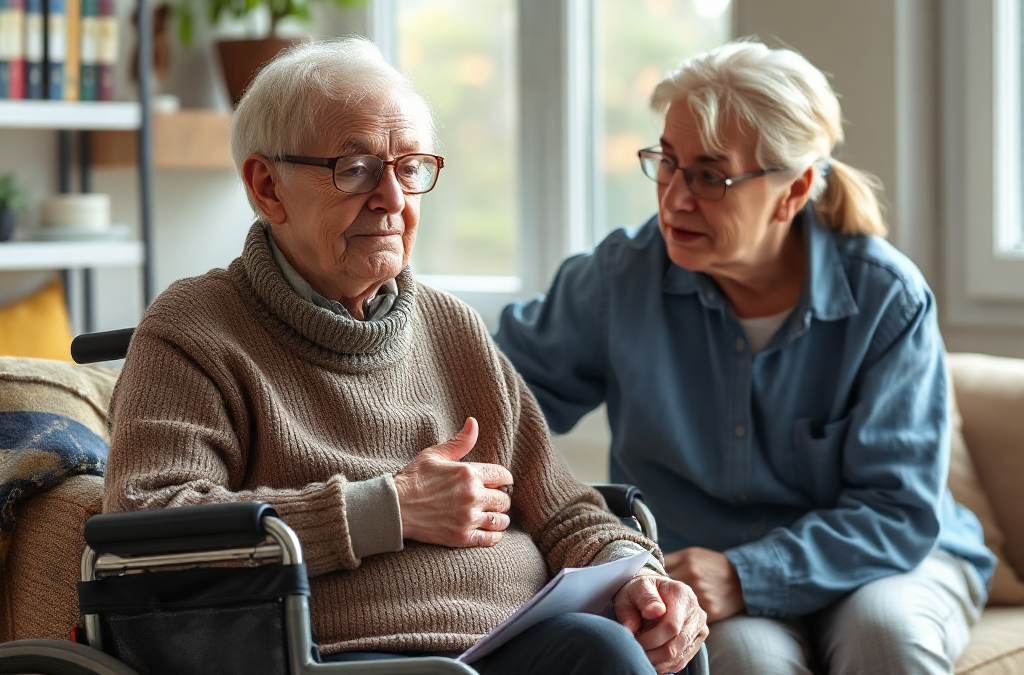
A continuity plan begins with the dependent person’s actual daily needs, not with a generic emergency kit. A caregiver should identify which tasks cannot be delayed, which can be adjusted temporarily, and which require a trained professional. That distinction determines the supplies, instructions, people, and locations the plan must cover.
Write down the routine in practical terms. Include medication times, meals, toileting, bathing, transfers, wound care, glucose checks if applicable, communication assistance, supervision, and sleep needs. A person with dementia may need familiar language and a low-stimulation environment, while someone who uses oxygen, suction equipment, a wheelchair, or a feeding device may depend on electricity, safe storage, or accessible transport. The plan should describe what the caregiver actually does rather than relying on labels such as “special needs.”
Separate essential care from preferred care. If a power outage prevents a usual appliance from working, the plan should state the safe temporary alternative and the point at which outside help is required. Do not improvise medical procedures or substitute equipment without guidance from the person’s clinician, pharmacist, equipment provider, or emergency services. A continuity plan coordinates care; it does not replace professional instructions.
A useful first pass asks three questions:
What must happen within a few hours to avoid harm or serious distress?
What information would a substitute caregiver need to act safely?
What condition would require relocation, clinical advice, or emergency assistance?
For example, a caregiver may discover that a person can miss a preferred television program but cannot safely miss a dose, a transfer schedule, or access to a charged communication device. Prioritizing those dependencies prevents the common mistake of spending the budget on general supplies while overlooking the specific process that keeps the person stable.
Readers building a wider household system can connect this work with What caregivers need in a disaster continuity plan, especially when the dependent person shares food, water, shelter, or transportation resources with others.
Build a Usable Care Information Record
A care information record turns personal knowledge into instructions another responsible adult can use. It should be brief enough to consult under pressure but detailed enough to prevent dangerous guesses. Put the most time-sensitive information on the first page: name, date of birth, diagnoses or relevant conditions, allergies, current medications, emergency contacts, clinician contacts, mobility needs, communication method, and immediate warning signs.
Medication details deserve more than a list of drug names. Record the strength, dose, timing, route, prescribing clinician, pharmacy, refill information, and whether the medicine needs refrigeration or special handling. Keep the prescription labels with the supplies when possible. A pharmacist can clarify questions about replacement supplies, storage, and missed doses; caregivers should not create a new dosing schedule based on memory.
Describe how the person shows discomfort, confusion, breathing difficulty, dehydration, or a change from normal behavior. A non-speaking person may communicate pain through movement, facial expression, or changes in routine. A substitute caregiver cannot reliably identify those signals unless the primary caregiver writes them down. Include preferred communication tools, hearing or vision aids, language needs, and approaches that reduce agitation.
The record should also explain consent and decision-making contacts without implying that a document grants authority it does not legally provide. Note who should be called for health decisions, where relevant documents are stored, and which facility or clinician usually manages the person’s care. Keep copies in a clearly marked folder, a waterproof pouch, and an offline device protected by an appropriate password. An online file alone may be inaccessible during a power, internet, or account problem.
Use plain verbs and observable instructions. “Needs help with transfers; lock wheelchair brakes, position the transfer belt as trained, and stop if balance changes” is more useful than “requires mobility assistance.” Have a substitute caregiver read the instructions aloud and identify anything unclear. That handoff test reveals whether the record reflects the person’s real routine or merely the primary caregiver’s shorthand.
For a broader household contact structure, What caregivers need in a disaster continuity plan should sit alongside copies of identification, insurance details, medical releases where applicable, and information about the person’s preferred shelter or care setting.
Arrange Backup People, Places, and Transportation
A plan is incomplete if care stops when the primary caregiver is injured, trapped, hospitalized, or separated from the household. Choose backup people before an incident and confirm that they are willing, reachable, and realistically able to perform the required tasks. A nearby neighbor may be useful for a brief welfare check but may not be suitable for medication administration, lifting, personal care, or communication with a clinician.
Use a layered arrangement rather than naming one substitute. Identify a first backup, a second backup outside the immediate area, and a professional or organizational contact when available. Give each person the information and access they would need, including a key or entry procedure, pet considerations, parking instructions, and the location of the care folder. A backup who has never met the dependent person may need a supervised practice visit.
Decide where the person will go if the home becomes unsafe. Options might include a relative’s accessible home, a designated shelter, a medical facility, or another approved care setting. Check the practical details: stairs, bathroom access, quiet space, electrical outlets, refrigeration, service-animal arrangements, and distance from required clinicians. “We will go to a shelter” is not a complete decision if the shelter’s accessibility, equipment support, or intake process is unknown.
Transportation needs careful planning because ordinary vehicles may not accommodate wheelchairs, oxygen equipment, transfer requirements, or a person who cannot tolerate prolonged waiting. Identify at least two transportation options and record how far in advance each must be requested. Keep a go-bag packed with essential documents, medication information, comfort items, spare clothing, communication aids, and equipment chargers. The bag should be easy to carry without blocking the person’s movement.
A common failure is assuming that every helper will be available during a widespread event. Test the plan with a scenario in which the nearest backup cannot answer and roads are closed. If no workable option remains, contact local emergency management, disability services, aging services, medical equipment providers, or the person’s care team before a crisis when possible. External support may have eligibility, scheduling, or capacity limits, so it should supplement rather than replace personal arrangements.
Protect Medications, Equipment, and Communication
Continuity depends on preserving the items that make care possible. Store a practical reserve of routinely used medications and consumable supplies in accordance with pharmacy and clinician guidance, while checking expiration dates and rotating stock. Keep medicines in original labeled containers when feasible. Include items that are easy to forget, such as syringes, dressings, incontinence products, spare batteries, hearing-aid supplies, charger adapters, and mobility-device tools.
Power-dependent equipment needs its own failure plan. List the equipment that requires electricity, its expected battery duration, the compatible charging method, and the equipment supplier’s contact details. A portable power station may support some devices but not others; capacity, connector type, ventilation, and manufacturer instructions matter. Never operate fuel-burning generators indoors or in enclosed areas, and do not assume a neighbor’s generator can safely power medical equipment without checking compatibility.
Temperature-sensitive supplies create another constraint. Refrigerated medicines may have specific storage limits, and a cooler is not automatically a safe substitute. Ask the pharmacist or prescribing clinician what to do during an outage, how to monitor temperature, and what action to take if storage conditions are exceeded. A written answer is more reliable than a remembered conversation during a stressful event.
Communication should work when one channel fails. Keep a charged phone, backup battery, printed contact list, and a battery-powered or hand-crank information source if appropriate for the household. Agree on a short message format that states the person’s location, condition, immediate need, and callback number. Identify a contact outside the local area who can relay updates when nearby networks are congested.
Supplies should be organized around care tasks, not scattered by product type. A medication pouch, hygiene pouch, equipment pouch, and document pouch make a handoff faster. The tradeoff is portability: storing every possible item in one oversized container may make evacuation harder. Prioritize the first period of care, then add replenishment plans and larger reserves where space and budget allow. What caregivers need in a disaster continuity plan is strongest when the inventory matches the person’s documented routine rather than a generic checklist.
Test and Update the Continuity Plan
Testing shows whether the plan works for someone who did not write it. Begin with a low-risk handoff: ask a backup caregiver to locate the record, explain the medication schedule, find the emergency bag, and describe the evacuation destination. Do not simulate dangerous medical tasks or interrupt prescribed care. The purpose is to find unclear instructions and missing access, not to create a dramatic drill.
Run separate checks for common disruptions. During a power-loss review, confirm charging, refrigeration instructions, lighting, and equipment alarms. During an evacuation review, confirm vehicle access, transfer assistance, identification, and destination acceptance. During a primary-caregiver absence review, verify that another person can enter the home, understand the routine, and reach the clinician or pharmacy.
Record failures rather than relying on memory. A plan may appear sound until the backup key is missing, the phone numbers are outdated, the wheelchair cannot fit the vehicle, or the substitute caregiver cannot interpret a communication signal. Each failure should lead to a specific correction, such as adding a diagram, labeling a cabinet, arranging a second ride, or scheduling a supervised practice visit.
Review the plan after medication changes, a new diagnosis, a move, a change in mobility, a new equipment prescription, or a change in the backup team. Set a recurring calendar reminder as well, because contact information and supplies change even when the person’s condition does not. Invite the dependent person to participate in decisions whenever possible; familiar choices can reduce distress and improve cooperation during a disruption.
Keep the final version accessible to the people who may need it, while protecting private information from unnecessary exposure. A sealed paper copy, an offline digital copy, and a clearly identified emergency bag provide useful redundancy. The strongest sign that the arrangement is working is not that every scenario has been predicted; it is that another capable person can take over without guessing.
Frequently Asked Questions
What should a caregiver write down first?
Begin with time-sensitive medications, allergies, essential care tasks, communication methods, mobility needs, emergency contacts, and signs that require professional help.
How many backup caregivers are needed?
Name a primary substitute and at least one additional contact who lives or works outside the immediate disruption area. Match each person’s role to their actual skills and availability.
What if the dependent person uses powered medical equipment?
List each device’s power requirements, battery duration, charging method, and supplier contact. Ask the equipment provider or clinician about safe outage procedures and compatible backup power.
Should the plan include medication reserves?
Ask the prescriber or pharmacist about an appropriate reserve, storage, rotation, and replacement process. Keep medicines labeled and do not change doses because access is disrupted.
How can caregivers test the plan safely?
Conduct a supervised handoff in which a backup locates the records, explains the routine, checks supplies, and describes transportation. Do not interrupt treatment or perform unfamiliar medical procedures as a drill.
Further Reading
Authoritative Sources
Academy of Nutrition and Dietetics eatright.org
Professional nutrition guidance, healthy eating resources, and practical dietitian-reviewed advice.
U.S. Department of Agriculture usda.gov
Official food, nutrition, agriculture, and consumer guidance from the USDA.
NIH Office of Dietary Supplements ods.od.nih.gov
Research-based fact sheets on nutrients, supplements, dietary intake, and safety considerations.
International Society of Sports Nutrition sportsnutritionsociety.org
Evidence-informed sports nutrition resources and position stands for active people and athletes.
Conclusion
A caregiver’s continuity plan should make essential care transferable when the usual routine, home, power supply, or primary caregiver is unavailable. Document the person’s actual daily needs, preserve medication and equipment information, establish layered backup support, and select destinations and transportation that fit the person’s abilities. Paper records, offline copies, labeled supplies, and alternate communication channels reduce dependence on one device or one person. Review the arrangement after health, medication, equipment, or household changes, then test a simple handoff with a trusted substitute. The next useful step is to write the first-page care record and call the backup people to confirm what they can genuinely do. A smaller plan that has been practiced is more dependable than a comprehensive file nobody else can use.
When unpredictable circumstances strike, being prepared is your best line of defense.
Having an emergency food supply is a crucial aspect of this preparation. But what are the best foods to store in case of an emergency? This post will delve into the essential food items you should always have in your pantry, ensuring you’re equipped to weather any storm.
From long-lasting staples to nutrient-rich options, we’ll guide you through building a robust emergency food supply. You’ll gain actionable insights into selecting foods with long shelf lives, nutritional value, and easy preparation.
Stay tuned as we unravel the mystery of emergency food storage, equipping you with the knowledge to face any unexpected situation with confidence and calm.
What foods have a long shelf life?
When preparing for emergencies, it’s crucial to stock up on foods that have a long shelf life. These include non-perishable items such as canned goods. Canned vegetables, fruits, and meats can last for years when stored in a cool, dry place.
Dry goods like rice, pasta, and beans also have impressive shelf lives. These staples are versatile and can be used in a variety of meals. Don’t forget about whole grains as they are packed with nutrients and can last for up to a year when stored properly.
Another category to consider is freeze-dried foods and dehydrated meals. These items can last for decades, making them ideal for emergency food storage.
Condiments such as salt, sugar, and honey are also essential. Not only do they add flavor to meals, but they also have indefinite shelf lives.
Canned goods
Dry goods
Whole grains
Freeze-dried foods
Condiments
Having a variety of these foods in your emergency pantry will ensure you’re prepared for any situation. Remember, the key is to store these foods properly to maintain their shelf life and nutritional value.
How to store water for emergencies?
In the event of a disaster, having an emergency water supply is as vital as having a stockpile of non-perishable food items. Water is essential for hydration, cooking, and hygiene. The rule of thumb is to store at least one gallon of water per person per day for a minimum of three days.
Storing water properly is crucial to ensure its safety and usability. First, choose the right containers. Food-grade water storage containers are recommended. These are made from a special type of plastic that will not transfer toxic substances into the water.
Next, treat the water before storing. Boiling is a common method, but you can also use household bleach. Add eight drops of bleach per gallon of water, stir and let it stand for 30 minutes.
Remember to store your water in a cool, dark place. This helps prevent the growth of algae and bacteria.
Lastly, rotate your stored water every six months. This ensures you always have a fresh supply in case of emergencies.
Remember, having a supply of stored water is as important as having emergency food supplies. In a crisis, these resources can be the difference between survival and disaster.
Can I store fresh fruits and vegetables?
When it comes to emergency food storage, fresh fruits and vegetables may not be your first choice due to their short shelf life. However, with the right preservation techniques, they can be a valuable addition to your emergency food supply. Canning, for instance, can extend the shelf life of fruits and vegetables for years. It involves sealing food in airtight containers and heating them to kill microorganisms that cause spoilage.
Another method is dehydration. Removing the water content from fruits and vegetables inhibits the growth of bacteria, making them safe to store for extended periods. Dehydrated fruits and vegetables can be rehydrated when needed, providing a nutritious addition to meals.
Freezing is another viable option. However, it requires a consistent power supply, which may not be guaranteed during emergencies. As such, it’s advisable to have a mix of canned, dehydrated, and frozen fruits and vegetables to ensure a balanced diet.
Canning – Preserves fruits and vegetables for years.
Dehydration – Extends the shelf life by removing water content.
Freezing – Requires consistent power supply.
Remember, food safety is paramount when storing fruits and vegetables for emergencies. Always use clean containers and follow proper preservation techniques to prevent foodborne illnesses.
What are the best canned foods for emergencies?
When faced with an emergency, having a stockpile of canned foods can be a lifesaver. Among the top choices for emergency food storage, canned beans stand out. They’re rich in protein and fiber, offering the necessary energy and nutrients for survival.
Canned fruits and vegetables are also essential. They provide a variety of vitamins and minerals and can be used in different meals, making your emergency food supply more diverse.
Another excellent option is canned meats, such as chicken, turkey, or tuna. These are rich in protein and can be eaten straight from the can or used in various recipes.
Canned soups and stews are also a must-have. They are easy to prepare, require minimal additional ingredients, and can provide a comforting meal in times of stress.
Canned dairy products, like condensed milk or evaporated milk, can be used in a variety of ways, from adding to coffee or tea to using in baking or cooking.
Lastly, don’t forget about canned fish. Rich in Omega-3 fatty acids, they’re an excellent source of protein and can be used in many dishes.
Remember, the key to a good emergency food supply is diversity and balance. So, when you’re choosing what canned foods to store, consider their nutritional value, shelf life, and your personal preferences.
How to rotate my emergency food supply?
Rotating your emergency food supply is a critical aspect of maintaining a fresh, nutritious, and safe stockpile. Start by organizing your supplies according to their expiration dates. Foods with the nearest expiry dates should be at the front, while those with later dates at the back. This “”first in, first out”” approach ensures that no food goes to waste.
Next, consider the type of food. Dry goods like rice, pasta, and beans have a long shelf life and require less frequent rotation. On the other hand, canned goods, although long-lasting, have a shorter shelf life and should be rotated more often.
Remember to keep a record of your stock. Having a detailed inventory will help you track what needs to be consumed first and what needs to be replaced.
Food rotation also involves using the stored food regularly. Use them in your day-to-day meals and replace them immediately. This method ensures that your emergency food supply remains fresh and familiarizes you with the preparation of these foods.
Lastly, storing a variety of foods not only provides nutritional balance but also prevents palate fatigue. Include a mix of grains, proteins, fruits, and vegetables in your emergency supply.
Remember, a well-rotated food supply is key to ensuring you have safe and nutritious food during emergencies.
Do I need to store cooking supplies?
Absolutely! When preparing for emergencies, storing cooking supplies is as essential as stocking up on non-perishable foods. You might have a pantry full of canned goods, but without the proper tools, you could find it challenging to prepare and consume these foods.
Consider keeping a manual can opener on hand, as electric ones will be useless during power outages. Also, a portable camp stove or grill can be invaluable for heating food when conventional cooking methods are unavailable. Including matches or a lighter in your emergency kit is a smart move too.
When it comes to utensils, opt for multi-purpose items. A Swiss Army knife, for instance, includes a blade, a can opener, and even a screwdriver – all in one compact tool.
Lastly, don’t forget about cleaning supplies. Hygiene is crucial in emergency situations to prevent the spread of disease. Include biodegradable soap, sponges, and disposable wipes in your kit.
Remember, the goal is to be self-sufficient during an emergency. Having the right cooking supplies on hand will ensure you can prepare and consume the foods you’ve stored safely and efficiently.
What is the importance of diversifying emergency food?
Diversifying your emergency food supply is vital for several reasons. Firstly, a variety of foods ensures a balanced intake of essential nutrients. Different foods provide different nutrients that your body needs to function optimally. For instance, canned vegetables are rich in vitamins and minerals, while whole grains provide much-needed fiber and energy.
Secondly, food diversity helps to prevent taste fatigue. Eating the same food repeatedly can lead to a lack of appetite, which can be detrimental in an emergency situation where maintaining strength and health is paramount. Including a mix of canned meats, fruits, vegetables, and grains can keep meals interesting.
Thirdly, certain foods can last longer than others. Combining non-perishable items with longer shelf life, like canned goods, with shorter shelf life items like dried fruits, ensures you have a food supply ready for immediate and long-term needs.
Lastly, diversification provides a safety net against food allergies or intolerances. Having a variety of foods ensures that if one or two items are unsuitable for someone, there are still plenty of other options available.
Remember, when building your emergency food supply, it’s not just about quantity, but also about quality and variety. This way, you’re prepared for any situation, from a short-term power outage to a long-term natural disaster.
Can I store dietary specific foods?
Absolutely! When planning your emergency food storage, it’s crucial to consider any specific dietary needs or restrictions. For those following a gluten-free diet, options like canned fruits and vegetables, rice, quinoa, and gluten-free crackers are excellent choices.
For vegetarians and vegans, canned and dried beans, nuts and seeds, and whole grains are nutrient-dense foods that store well.
People with diabetes should focus on low-glycemic foods like whole grains, beans, and certain fruits. It’s essential to have a variety of non-perishable food items that cater to your specific dietary needs.
For those with high blood pressure or heart conditions, low-sodium canned vegetables, fruits, beans, and lean proteins are recommended. Always remember to check the labels for sodium content.
If you’re on a high-protein diet, canned tuna, chicken, or salmon, and dehydrated meats can be part of your emergency food supplies.
Remember, the key to effective emergency food storage is variety, balance, and consideration of dietary needs. This ensures that you have a healthy mix of foods that not only cater to your dietary requirements but also provide essential nutrients during emergencies.
Long-term storage foods like canned goods, dry mixes, and other staples can provide essential nutrients and variety in your diet. These foods are typically high in calories and nutrients, providing the necessary energy during emergencies.
Lastly, don’t forget about water. It’s advisable to store at least one gallon of water per person per day for at least three days. Water is essential for hydration, cooking, and sanitation.
Conclusion: Planning Your Emergency Food Supply
In closing, planning for emergencies by storing the right foods is a crucial aspect of preparedness. We’ve discussed the importance of selecting foods with a long shelf life, such as canned goods and dried foods, and how to properly store water for emergencies. We’ve also explored the possibility of storing fresh fruits and vegetables, albeit with a shorter shelf-life, and the importance of rotating your food supply to ensure freshness.
We’ve highlighted the necessity of storing cooking supplies alongside your food, and the significance of diversifying your emergency food supply to cater for nutritional needs and to prevent food fatigue. This includes considering dietary-specific foods for those with unique nutritional requirements.
As you plan your emergency food supply, remember that the key is to be proactive and versatile. Future trends may introduce new, innovative ways of food preservation and storage, but the principles of longevity, nutrition, and variety remain paramount. Stay informed, stay prepared, and remember that a well-planned emergency food supply can make a significant difference in times of crisis.
A global outbreak of Bird Flu (Avian Influenza) with a 60% fatality rate in humans would represent a severe and unprecedented public health crisis, likely leading to widespread panic, significant societal disruption, and a considerable strain on global healthcare systems. The impact of such an outbreak could vary depending on several factors, including the speed of the spread, the effectiveness of the global response, and the availability of vaccines and antiviral treatments. Here’s an overview of what could happen and how families can prepare:
What Could Happen in a Global Outbreak?
Healthcare Systems Overwhelmed: Hospitals and healthcare facilities could be overwhelmed with the number of patients, leading to resource shortages, including hospital beds, medical supplies, and healthcare workers.
Economic Impact: Significant economic disruption due to reduced workforce, strained healthcare costs, impacts on trade, and decreased consumer spending. Industries such as travel, tourism, and retail could be particularly hard hit.
Social Disruption: Mandatory quarantines, travel restrictions, and social distancing measures could lead to isolation, changes in daily life, and disruptions to education and social services.
Global Efforts for Vaccine and Treatment: An intense global research effort would likely be underway to develop a vaccine and effective treatments. The speed and effectiveness of these efforts could significantly impact the course of the pandemic.
Public Fear and Panic: Fear of contracting the virus could lead to panic, hoarding of supplies, and widespread anxiety and stress.
How Families Can Prepare:
Stay Informed: Keep up to date with reliable information from health authorities and understand the symptoms and transmission methods of the virus.
Hygiene and Prevention: Emphasize regular handwashing, use of hand sanitizers, and adherence to respiratory hygiene practices like covering coughs and sneezes.
Stockpile Essentials: Maintain a supply of non-perishable food, water, medications, and other essentials to minimize trips to stores and potential exposure.
Plan for Healthcare: Know the symptoms of Bird Flu, when to seek medical attention, and the location of the nearest healthcare facilities that are prepared to treat Bird Flu patients.
Isolation and Quarantine Plans: Prepare for the possibility of self-isolation or quarantine by understanding how to care for a sick family member and prevent the spread of the virus within the household.
Mental Health and Well-being: Plan for ways to maintain mental health and well-being through communication with loved ones, maintaining routines, and staying physically active within the constraints of a pandemic situation.
Community and Social Support: Develop a plan to check on vulnerable neighbors or family members remotely and understand how to access community resources and support.
Emergency Contacts and Plans: Have a list of emergency contacts, including healthcare providers and local health departments, and develop a family emergency plan.
Financial Preparedness: Be prepared for possible economic impacts, including disruptions to employment. Consider building an emergency fund if possible.
Stay Flexible and Adaptable: The situation can change rapidly, so be ready to adapt plans based on new information and guidance from health authorities.
Vaccination and Compliance with Health Directives: If a vaccine becomes available, plan to get vaccinated. Follow health directives and guidelines to help reduce the spread of the virus.
In preparing for such a pandemic, the key is to balance vigilance and preparedness with maintaining a sense of calm and rationality. Staying informed, being prepared, and following public health advice are the best steps families can take to protect themselves and their communities.
When the power goes out, and the chill sets in, how do you keep warm? It’s a question that often leaves us cold, literally and figuratively.
Exploring the world of alternative heating options during a blackout, this post delves into the heart of survivalist warmth. We navigate through traditional methods, innovative solutions, and eco-friendly alternatives, shedding light on the best ways to combat the cold during a power outage.
The journey to self-sufficiency in heating during a blackout is more than just about staying warm; it’s about resilience, resourcefulness, and readiness. So, let’s embark on this enlightening journey together, as we uncover the secrets of alternative heating options during a blackout.
Can fireplaces provide heat during blackouts?
Absolutely, fireplaces can be an effective source of heat during blackouts. They are a traditional heating method that doesn’t rely on electricity, making them a reliable alternative heating option. Wood-burning fireplaces are the most common type, and they can provide warmth for several hours with a good supply of wood.
The heat output of a fireplace depends on the type of wood used. Hardwoods like oak and hickory burn hotter and longer, while softwoods like pine and cedar ignite quickly but burn faster. It’s important to have a well-ventilated area for a fireplace to prevent carbon monoxide buildup.
Gas fireplaces are another option that can work during power outages. They use natural gas or propane as fuel, and many models come with a battery backup system. This ensures that the fireplace can still ignite even if there’s no electricity.
However, it’s worth noting that not all fireplaces are created equal. Some are more energy efficient than others. For instance, a fireplace insert, which is a closed-combustion system, can heat a room more effectively than an open-hearth fireplace.
Also, consider the safety aspects of using a fireplace during a blackout. Keep a fire extinguisher nearby, and ensure your smoke and carbon monoxide detectors are battery-operated or have a battery backup.
Remember, while fireplaces can indeed provide heat during blackouts, they should be used responsibly and safely.
What is a kerosene heater?
A kerosene heater is a portable, unvented heating device that is fueled by kerosene. This makes it an ideal alternative heating option during a blackout, as it does not rely on electricity. The heater operates by drawing kerosene from a storage tank into a wick, which is then ignited to produce heat.
Kerosene heaters provide a significant amount of heat, making them efficient for warming large spaces. They are also cost-effective, as kerosene is generally cheaper than other fuels. However, it’s important to use them in well-ventilated areas due to the risk of carbon monoxide poisoning.
Kerosene heaters are easy to operate, with most models featuring a simple manual control system. They are also lightweight and compact, making them easy to move around.
Despite their many benefits, kerosene heaters do have some drawbacks. These include the potential for fire hazards if not used properly, and the need for regular maintenance to ensure they remain safe and effective.
Here are some safety tips when using a kerosene heater:
Only use 1-K grade kerosene.
Never leave a lit heater unattended.
Keep the heater away from flammable materials.
Ensure proper ventilation to prevent carbon monoxide buildup.
Ultimately, a kerosene heater can be a reliable and efficient source of heat during a blackout. However, it’s crucial to understand how to use and maintain it properly to ensure safety.
Are propane heaters safe indoors?
Propane heaters are commonly used as alternative heating options during a blackout, but their safety indoors is often a concern. The main risk associated with indoor use of propane heaters is carbon monoxide (CO) poisoning. This colorless, odorless gas is produced when propane fuel doesn’t burn completely. Without proper ventilation, CO can build up to dangerous levels, leading to CO poisoning symptoms such as headaches, dizziness, and in severe cases, loss of consciousness.
However, this doesn’t mean that all propane heaters are unsafe for indoor use. Many modern units come with safety features designed to mitigate these risks. For instance, oxygen depletion sensors (ODS) can detect low oxygen levels, automatically shutting down the heater before CO levels become hazardous. Additionally, some propane heaters have built-in CO detectors that alert users when CO concentration is too high.
To ensure safety when using a propane heater indoors:
Choose a heater designed for indoor use.
Ensure the room is well-ventilated.
Never leave the heater unattended.
Regularly check and maintain the heater to ensure it’s in good working condition.
All in all, while there are risks associated with using propane heaters indoors, they can be effectively managed with the right safety measures and equipment.
How effective are wood-burning stoves?
In the face of a blackout, many homeowners turn to wood-burning stoves as an alternative heating option. Wood-burning stoves are highly efficient, able to convert up to 80% of the fuel’s energy into heat, making them a powerful source of warmth during power outages.
Moreover, these stoves are not reliant on electricity, thus providing a reliable heat source when the grid fails. They can also serve dual purposes, offering a cooking surface in addition to heat generation.
Wood as a fuel source is renewable and often locally available, reducing the carbon footprint associated with transporting other fuel types. However, it is crucial to use dry, seasoned wood to minimize smoke and maximize heat output.
Wood-burning stoves require manual operation, adding fuel, and adjusting air control.
They demand regular cleaning and maintenance to ensure efficient operation.
While wood-burning stoves are a viable solution for alternative heating during a blackout, they are not without their challenges. Proper installation and ventilation are critical to prevent the risk of carbon monoxide poisoning or house fires.
Despite these considerations, the effectiveness of wood-burning stoves as an alternative heating option during a blackout is undeniable. They provide reliable, efficient heat, and with proper use and maintenance, they can be a valuable addition to any home’s emergency preparedness plan.
When faced with a blackout, having alternative heating options is crucial. One such option is a gas stove. Gas stoves, typically used for cooking, can also provide a degree of warmth. However, it’s important to note that they are not designed as primary heating devices.
Firstly, gas stoves emit carbon monoxide, a colorless, odorless gas that can be harmful in enclosed spaces. Proper ventilation is necessary when using a gas stove for heating to prevent carbon monoxide poisoning.
Secondly, gas stoves can pose a fire risk. They should never be left unattended when in use as a heating source. Always keep flammable materials away from the stove and ensure the area is clear of any potential fire hazards.
Ensure proper ventilation
Never leave the stove unattended
Keep flammable materials away
Additionally, gas stoves are not energy-efficient as heaters. They can consume a significant amount of gas, leading to high energy costs.
To wrap up, while a gas stove can provide some warmth during a blackout, it is not a recommended or safe heating option. It’s always better to have a dedicated alternative heating source, like a portable heater, or wood-burning stove which are designed for safe, efficient heat production.
Remember, safety should always be the top priority when dealing with alternative heating options during a blackout.
How do thermal blankets work?
Thermal blankets, often referred to as emergency blankets, are a standout in the list of alternative heating options during a blackout. They are designed using a material called Mylar, which is a thin, flexible insulating material derived from polyester.
• Mylar’s primary function is to reflect heat back to its source, making it a perfect material for thermal blankets.
When a person is wrapped in a thermal blanket, it traps the body heat that would otherwise be lost to the environment, effectively keeping the person warm. This is particularly useful during a blackout when traditional heating methods may not be available.
In addition, thermal blankets are waterproof and windproof, providing an extra layer of protection against harsh weather conditions. They are lightweight and compact, making them an excellent addition to any emergency preparedness kit.
The effectiveness of thermal blankets in preserving body heat makes them a popular choice for outdoor adventurers, emergency responders, and anyone needing to stay warm during a power outage. They are a testament to human ingenuity in creating simple, yet effective, solutions to stay warm.
While they may not replace the comfort of a heated home, thermal blankets can be a life-saving tool during a blackout, helping to prevent hypothermia and other cold-related illnesses.
Remember, during a blackout, staying warm is of paramount importance, and thermal blankets are a practical, cost-effective solution.
What are battery-powered heaters?
Battery-powered heaters are an innovative solution for maintaining warmth during a blackout. Unlike traditional heating systems that rely on electricity or gas, these heaters operate on high-capacity batteries. This makes them an ideal alternative heating option when power outages occur.
The key advantage of these heaters is their portability. Being compact and lightweight, they can be easily moved around to heat specific areas, providing targeted warmth when and where you need it most. They come in various sizes and designs, catering to different heating needs.
Battery-powered heaters work by converting the battery’s stored energy into heat. Some models utilize infrared technology to generate heat, while others use ceramic elements. Regardless of the heating method, these heaters are designed to provide a comfortable temperature, even in the harshest of conditions.
Energy-efficient: Battery-powered heaters consume less energy compared to traditional heating systems, making them a cost-effective choice.
Safety: They are equipped with safety features such as automatic shut-off and tip-over protection, ensuring a safe heating solution during a blackout.
Despite their benefits, it’s important to note that the heating capacity of battery-powered heaters is usually lower than their electric counterparts. However, for short-term heating during a blackout, they are an excellent alternative heating option.
Is it safe to use candles for heating?
When considering alternative heating options during a blackout, many people turn to candles. While candles can provide a source of light and a small amount of heat, they are not a safe or effective heating solution.
The primary concern with using candles for heat is the risk of fire. Candles should never be left unattended, and they should always be placed in a stable holder away from flammable materials. Furthermore, the heat output of candles is minimal, making them an inefficient heating source.
In addition, candles can produce harmful indoor air pollutants, such as benzene and toluene. These pollutants can lead to health problems when inhaled over a long period.
Instead of relying on candles for heat, consider safer and more efficient alternatives. These could include portable propane heaters, which are designed for indoor use and provide a significant amount of heat. Another option is a wood-burning stove, which can heat a large area effectively.
Portable propane heaters: These heaters are safe for indoor use and can provide a substantial amount of heat. They are also easy to operate, making them a practical choice during a blackout.
Remember, while it’s important to stay warm during a blackout, safety should always be your top priority. Therefore, candles should not be used as a primary source of heat.
Ultimately, there are various alternative heating options available during a blackout. Fireplaces, for instance, can be an efficient source of heat, as can kerosene and propane heaters. However, safety should always be a priority, particularly with indoor propane heaters. Wood-burning stoves, while traditional, remain a highly effective heating solution.
Gas stoves, while not designed primarily for heating, can also be used to warm up your space. Thermal blankets, on the other hand, work by reflecting body heat and are a simple yet effective solution. Battery-powered heaters are a modern, portable option, although their heating capacity might be limited.
Candles, while providing a degree of warmth, should be used with caution due to the fire risk. It is crucial to remember that each heating option has its own pros and cons, and the choice will depend on your individual circumstances, needs, and safety considerations.
As we move forward, we may see advancements in heating technology that could provide more efficient and safer heating options during blackouts. Staying informed about these trends will ensure you’re well-prepared for any situation. Remember, planning ahead is key to staying warm and safe during a blackout.


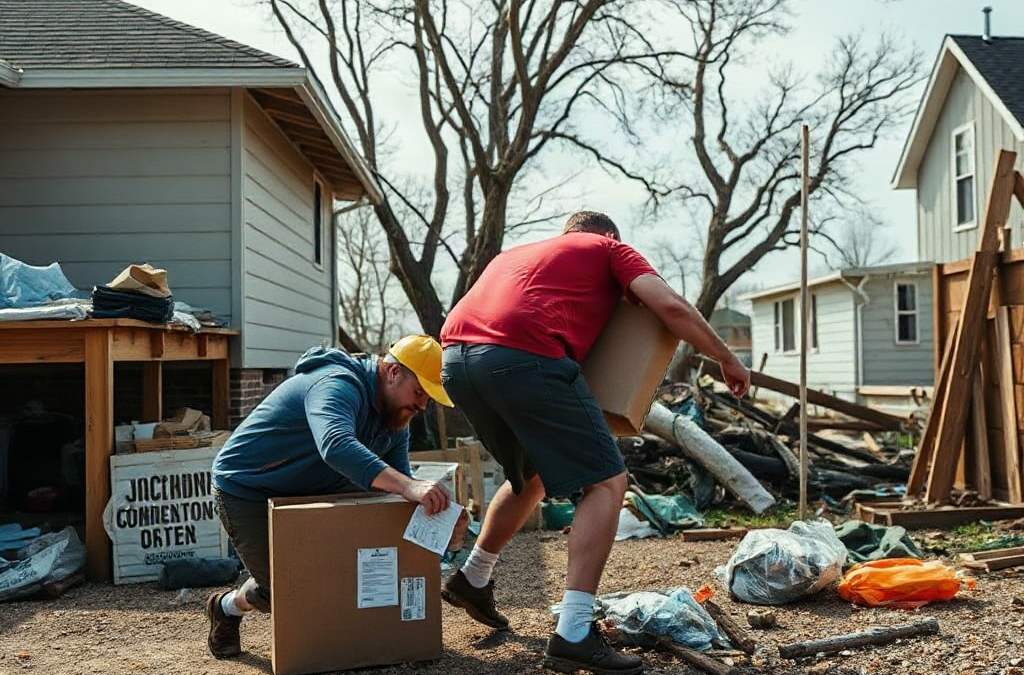

 Battery-powered heaters are an innovative solution for maintaining warmth during a blackout. Unlike traditional heating systems that rely on electricity or gas, these heaters operate on high-capacity batteries. This makes them an ideal alternative heating option when power outages occur.