During the global Pandemic, it was hard to get the items we needed from the grocery stores. During the early phase of the crisis, people rushed to the stores and empties the shelves of the supplies they felt they needed for their families. Fear fueled the push for people to grab and hoard so their family didn’t go without the things they needed. Unfortunately, the supply chaos was compounded as suppliers were unable to adequately get products to stores. Everyone was severely impacted with the disruption. When stores did get supplies, they were forced to limit quantities people could purchase.
In times of emergency, such as a global pandemic, supply chains can be significantly impacted, leading to shortages and the imposition of quantity purchasing limits on essential items. These restrictions can make it challenging for individuals to obtain the supplies they need. However, there are strategies you can adopt to navigate these limitations and ensure you and your family remain well-stocked. Below are some practical steps to overcome the difficulties and quantity purchasing limits during crises.
1. Plan Ahead and Prioritize
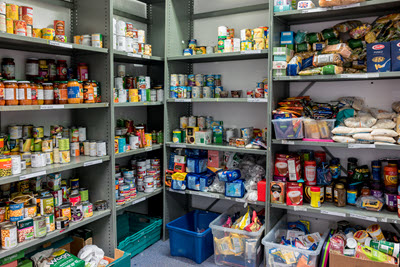
Begin by assessing your household’s needs and prioritizing items that are essential for your health, hygiene, and sustenance. Create a list of necessities, including medications, non-perishable food, personal hygiene products, and any other critical supplies. Having a clear understanding of what you need will help you focus your efforts on acquiring these items first.
2. Explore Alternative Shopping Venues
Large retailers and grocery stores are not your only options. Local smaller stores, ethnic markets, and online platforms may not face the same degree of demand and could have more relaxed purchasing limits. Exploring these alternatives can increase your chances of finding what you need without running into restrictive buying limits.
3. Leverage Community Networks
Community support networks, such as neighborhood groups on social media platforms, can be invaluable during emergencies. These groups often share information about which stores are well-stocked, and members may be willing to trade items or offer extras of what they have. Participating in these networks not only helps you find supplies but also strengthens community bonds.
4. Bulk Buying Clubs and Co-ops
Joining a bulk buying club or a cooperative can be an effective way to access larger quantities of essentials. These organizations often purchase directly from suppliers, bypassing retail limits. Membership might come with a fee, but the access to necessary goods without restrictions can be well worth the cost.
5. Build Relationships with Local Retailers
Establishing a rapport with the staff and management at local stores can provide you with insider information on delivery schedules and when new stock is expected. Some stores may also be willing to set aside items for regular customers, allowing you to bypass general purchasing limits.
6. Alternative Products and DIY Solutions
When specific products are in short supply, consider alternatives that meet the same needs. For example, if disinfectant wipes are unavailable, you can make your own sanitizing solutions with bleach or alcohol. Being flexible and creative with the products you use can help mitigate the impact of purchasing limits.
7. Monitor and Respond to Changing Restrictions
Keep abreast of news and updates from retailers and government sources regarding purchasing limits and supply chain developments. Being informed allows you to adjust your strategies as the situation evolves, helping you to better navigate restrictions.
8. Practice Ethical Shopping
Ultimately, while it’s important to ensure your household has what it needs, it’s equally important to shop ethically. Hoarding contributes to shortages and affects the most vulnerable members of our communities. Purchase responsibly, keeping in mind the needs of others.
The bottom line is … PREPARE. Don’t wait until an emergency or disaster to hit to get prepared. By then, it could be too late and your family could be severely impacted. By adopting the above simple strategies, you can navigate purchasing limits and mitigate the impact of supply chain disruptions during emergencies. Planning, community cooperation, and flexibility are key to overcoming these challenges, ensuring you and your loved ones remain safe and well-provided for.
Recovering to Normal After a Disaster Preparedness Event: Positive and Negative Lessons We Learned Following the Global Pandemic
Table of Contents
Introduction
Positive Lessons Learned
Enhanced Preparedness and Resource Management
Community Resilience and Support Systems
Innovation in Healthcare and Technology
Negative Lessons Learned
Supply Chain Vulnerabilities
Mental Health Impacts and Social Isolation
Misinformation and Public Trust
Frequently Asked Questions (FAQ)
Introduction
The global pandemic was a wake-up call that forced many of us to rethink our approach to disaster preparedness. For individuals and families, the experience was both challenging and eye-opening. We were pushed to our limits, but we also discovered new strengths and weaknesses in how we handle crises. This article aims to reflect on the lessons we learned—both positive and negative—to help you and your family prepare better for future difficulties.
Positive Lessons Learned
Enhanced Preparedness and Resource Management
One of the most valuable lessons from the pandemic was the importance of being prepared. Many families found themselves scrambling for basic necessities, realizing too late the value of having an emergency supply of food, water, and essential items. The experience taught us that preparedness isn’t just about having a stockpile—it’s about knowing how to manage resources wisely. Learning to rotate supplies, create a meal plan using stored food, and understanding the shelf life of essential items are all crucial skills that can make a big difference in a crisis.
Community Resilience and Support Systems
Another positive outcome was the strengthening of community ties. During the pandemic, many of us reached out to neighbors, friends, and even strangers to offer help or seek support. Whether it was sharing supplies, offering childcare, or simply checking in on each other, these acts of kindness showed the power of community resilience. Building and maintaining these support networks is essential for future preparedness. Knowing that you have a group of people to rely on can ease the burden of a crisis and provide a safety net when things get tough.
Innovation in Healthcare and Technology
The pandemic also accelerated innovation in healthcare and technology. From telemedicine to remote work solutions, we saw rapid advancements that allowed us to adapt to new challenges. For families, this means access to better healthcare options, even in remote areas, and more flexibility in how we work and learn. Embracing these innovations can improve our preparedness for future events, making it easier to access care and maintain stability during a crisis.
Negative Lessons Learned
Supply Chain Vulnerabilities
While there were positive takeaways, the pandemic also exposed significant vulnerabilities, particularly in our supply chains. Many families experienced the frustration of empty store shelves and long waits for essential items. This highlighted the importance of understanding where our goods come from and how fragile the supply chain can be. Moving forward, it’s crucial to consider local sourcing, alternative suppliers, and even the possibility of growing your own food to mitigate these risks.
Mental Health Impacts and Social Isolation
The mental health impact of the pandemic was profound, with many people experiencing increased anxiety, depression, and loneliness due to social isolation. For families, this was especially challenging as children, teens, and adults all faced different struggles. Recognizing the importance of mental health as part of overall preparedness is vital. Developing coping strategies, maintaining social connections, and seeking professional help when needed are all steps that can help protect your family’s well-being during future crises.
Misinformation and Public Trust
The spread of misinformation during the pandemic was another significant challenge. Conflicting advice, rumors, and false information created confusion and eroded public trust. For families, this meant sifting through a constant stream of news to find reliable information. Moving forward, it’s essential to identify trustworthy sources and stay informed without becoming overwhelmed. Teaching your family how to critically evaluate information and make informed decisions is a critical skill in today’s information-saturated world.
Frequently Asked Questions (FAQ)
Q: How can I ensure my family is better prepared for future crises?
A: Start by assessing your current level of preparedness. Create an emergency plan that includes a supply checklist, communication strategy, and evacuation routes. Make sure everyone in your family knows what to do in different scenarios. Regularly review and update your plan as needed.
Q: What are some ways to build a strong support network in my community?
A: Get involved in local groups or organizations that focus on community preparedness. Attend neighborhood meetings, participate in local events, and offer help to neighbors when possible. Building relationships now will pay off when you need support during a crisis.
Q: How can I protect my family’s mental health during a prolonged crisis?
A: Encourage open communication about feelings and concerns. Establish routines that provide a sense of normalcy, even in uncertain times. Stay connected with loved ones through virtual means if necessary, and don’t hesitate to seek professional help if someone in your family is struggling.
Q: What should I do to avoid falling victim to misinformation?
A: Rely on reputable sources like government health agencies, respected news outlets, and experts in the field. Be cautious of information that seems sensational or too good to be true. Cross-reference information from multiple reliable sources before making decisions based on it.
Q: How can I prepare for potential supply chain disruptions?
A: Consider diversifying your sources for essential items. Look into local farms, community-supported agriculture (CSA) programs, and other local suppliers. Start a garden if possible, and learn skills like canning and preserving food. Having a variety of options can reduce your dependence on traditional supply chains.
Potentially, the most critical area that is needed for preparedness is securing your family water source. It seems that most families begin to focus on food storage when they are concerned about an emergency situation, but neglect to really prioritize their water supply. We have been groomed to assume that water will simply continue to flow from the faucet – even during a massive disaster. The reality is, our water supply is fragile and we must take actions now to be better prepared for any possible water emergency.
Understanding the paramount importance of water treatment is crucial for ensuring our health and safety. Contaminated water is a breeding ground for myriad illnesses, but with the right purification methods, we can significantly reduce these risks. The most effective approach to water purification involves integrating various techniques, such as chlorination, boiling, filtration, and distillation, to achieve the best results.
Chlorination is a powerful ally in the battle against waterborne pathogens. By adding chlorine to water, we can eliminate harmful bacteria and viruses, reduce unpleasant odors and tastes, and inhibit the growth of algae and molds in water storage areas. This process not only guarantees safer drinking water but also prolongs the cleanliness of storage containers. For household disinfection, using regular, unscented liquid bleach containing 5.25 to 6 percent sodium hypochlorite is recommended. A precise measurement of 1/8 teaspoon of bleach per gallon of water, left to sit for 30 minutes, can effectively purify the water, provided it retains a slight bleach scent indicating successful treatment.
Boiling water is perhaps the simplest and quickest method for purifying water. This age-old technique eradicates viruses, bacteria, parasites, and other pathogens, ensuring the water is safe for consumption. Simply boiling water for one minute can significantly improve its safety. To enhance the taste of boiled water, transferring it between two clean containers or adding a pinch of salt can make it more palatable.
Portable water filters offer a convenient solution for on-the-go water purification. They are capable of removing bacteria and parasites, thereby preventing waterborne diseases. By following the manufacturer’s guidelines, these filters can provide clean and safe water from virtually any source.
Distillation goes a step further by eliminating microbes, heavy metals, salts, and most chemicals that other methods may leave behind. The process of distillation involves boiling water and collecting the condensed vapor, resulting in water that is not only pure but also free from trace elements. This purified water can contribute to improved bodily functions and the prevention of kidney stones.
In addition to understanding the core methods of water purification, it’s paramount to be proactive in addressing the looming challenges of water scarcity. Below are some tips on how you can start preparing now to ensure you’re not caught off guard:
Adopt Water-Saving Habits: Simple changes in daily activities can make a big difference. Be mindful of water usage in your home by fixing leaks promptly, taking shorter showers, and turning off the tap while brushing your teeth. These habits not only conserve water but also instill a culture of sustainability within the household.
Invest in Rainwater Collection: Installing a rainwater collection system is a practical step towards self-sufficiency. This collected water can be used for gardening, washing, and, with proper treatment, even drinking. It’s a way to decrease your dependence on municipal water supplies and safeguard against shortages.
Establish a Water Reserve: Keeping an emergency water supply is wise. Begin by storing bottled water and consider larger, more durable containers for long-term storage. Regular maintenance of your storage ensures the water remains fresh and safe for consumption when needed.
Explore Water Recycling: Educating yourself on the benefits and methods of greywater recycling can open up new avenues for water conservation. Reusing water from baths, sinks, and laundry machines for irrigation purposes can significantly reduce your household’s water footprint.
Community Engagement: Participating in community efforts to promote water conservation can amplify the impact of individual actions. Support local policies and initiatives aimed at sustainable water use and encourage others to join in these efforts.
By taking these steps today, you’re not just preparing for a potential water shortage; you’re also contributing to the broader effort of preserving our most precious resource. Water is the lifeline of our communities, and through mindful conservation and efficient purification practices, we can ensure its availability for generations to come.
All in all, safeguarding our water supply through effective treatment methods is essential for maintaining our health. By combining chlorination, boiling, filtration, and distillation, we can ensure that our water is free from contaminants and safe for consumption. Educating ourselves and taking proactive steps towards water purification will not only protect us from diseases but also contribute to our overall well-being.
Imagine a life free from utility bills, the hum of electronics, and the constant buzz of the modern world. This is the reality of off-grid living.
Off-grid living is a lifestyle choice that prioritizes independence, self-reliance, and a deep connection with nature. More than just a trend, it’s a return to simpler times, where life moves at a slower pace and every day brings a new opportunity to engage with the world around us.
In the following posts, we will dive deeper into the philosophy behind off-grid living, the practical steps to achieve it, and the challenges and rewards that come with this unique lifestyle. Whether you’re a seasoned off-grid dweller seeking fresh insights or a curious newcomer ready for a change, you’re in the right place.
Welcome to the world of off-grid living – a journey into self-sufficiency and a life lived on your own terms.
What Is Off-Grid Living?
Off-grid living refers to a lifestyle that is independent of the main national electrical grid. This lifestyle is often adopted by individuals who desire self-sufficiency, environmental sustainability, and freedom from modern societal constraints. These individuals, often referred to as off-gridders, typically rely on alternative energy sources such as solar, wind, and hydropower.
Off-grid living involves generating one’s own power, sourcing water, managing waste, and producing food. This lifestyle requires a significant level of practical skills and resilience. It’s not uncommon for off-gridders to grow their own food, raise livestock, and use composting toilets to manage waste.
Off-grid homes are typically located in remote or rural areas, where there is ample space for renewable energy installations and farming. These homes are often designed to be energy-efficient, with features such as insulation, thermal mass, and natural light.
• Energy Production: Off-gridders use renewable energy sources such as solar panels, wind turbines, and hydroelectric systems to generate electricity. These systems are often complemented by battery storage systems and backup generators.
• Water and Waste Management: Off-grid living also involves sourcing water from wells, streams, or rainwater collection systems. Waste is typically managed through composting toilets and greywater recycling systems.
• Food Production: Many off-gridders grow their own food in gardens and greenhouses. They may also raise livestock or keep bees for honey.
Despite the challenges, off-grid living can offer numerous benefits, including lower living costs, a reduced carbon footprint, and a closer connection to nature. However, it’s essential to thoroughly research and prepare for this lifestyle before making the transition.
How Is Electricity Generated Off-Grid?
Off-grid living requires generating your own electricity. This is typically achieved through renewable energy sources such as solar panels, wind turbines, and hydroelectric power. Solar panels are a popular choice for off-grid homes due to their relative ease of installation and maintenance. They capture sunlight and convert it into electricity, providing a sustainable and environmentally friendly power source.
Wind turbines function similarly, converting kinetic energy from the wind into electrical energy. These are particularly effective in areas with consistent and strong wind patterns. Hydroelectric power, on the other hand, harnesses the energy of moving water to generate electricity. This method requires a nearby water source and is less commonly used due to the specific geographical requirements.
In addition to these renewable energy sources, many off-grid homes utilize a battery storage system. This allows excess electricity to be stored and used when the primary source isn’t generating power, such as during the night or on windless days.
The choice of electricity generation method often depends on the geographical location and individual needs of the off-grid home. Regardless of the method chosen, living off-grid requires careful planning and management of energy resources to ensure a consistent and reliable power supply.
What Are Off-Grid Water Solutions?
Off-grid living requires innovative water solutions to ensure a reliable supply. One such solution is rainwater harvesting, a method that involves collecting and storing rainwater for later use. This method is sustainable and cost-effective, making it a popular choice for off-grid living.
Another off-grid water solution is the use of wells. Wells provide a steady supply of water, although the availability and quality of water can depend on the location and depth of the well.
A third solution is the use of water delivery services. While this might not be the most sustainable option, it can be a necessary choice in areas where other water sources are not available or reliable.
Rainwater Harvesting
Wells
Water Delivery Services
Water purification is another crucial aspect of off-grid water solutions. This might involve boiling water, using water purification tablets, or employing more sophisticated systems like reverse osmosis.
Off-grid living is all about self-reliance and sustainability, and water is no exception. By utilizing these off-grid water solutions, you can ensure a reliable and safe water supply for your off-grid lifestyle. It’s important to research and understand the options available to you, as the best solution will depend on your location, climate, and personal needs.
How To Grow Food Off-Grid?
Living off-grid requires a self-sustaining approach to food production. One of the fundamental steps is choosing the right crops. Consider low-maintenance plants like potatoes, beans, tomatoes, and zucchini. These are high-yielding and require minimal care.
Permaculture plays a crucial role in off-grid living. It’s a system of agricultural design that mimics natural ecosystems, promoting sustainability and self-sufficiency. Permaculture principles can be applied to any scale of gardening, from small backyard plots to large-scale farm operations.
Composting is another essential aspect of growing food off-grid. It allows you to recycle organic waste into nutrient-rich soil, promoting healthy plant growth.
Water conservation is also vital in off-grid farming. Techniques like drip irrigation and rainwater harvesting help optimize water usage.
Another way to ensure a constant food supply is through aquaponics, a system that combines conventional aquaculture with hydroponics. Fish waste provides organic food for the plants, and the plants naturally filter the water for the fish.
Preservation methods such as canning, drying, and freezing can help you store your produce for longer periods, ensuring you have food supply year-round.
Remember, off-grid living is about creating a sustainable lifestyle. The key is to learn, adapt, and continuously improve your methods for growing food.
What Are Off-Grid Waste Disposal Methods?
Living off-grid means finding sustainable ways to manage waste. One of the most common methods is composting. Organic waste like fruit peels, vegetable scraps, and coffee grounds can be turned into nutrient-rich compost for your garden. This process not only reduces waste but also contributes to the health of your plants.
Another popular method is the use of a composting toilet. Unlike traditional toilets, these systems do not require water and instead convert human waste into compost that can be safely returned to the earth. It’s a practical solution for those living in remote areas without access to sewage systems.
For non-organic waste, recycling is a key part of off-grid living. Many off-gridders repurpose items like glass jars, tin cans, and plastic containers, reducing the amount of waste that goes into landfills. Some also burn paper and cardboard waste in a controlled environment, turning it into ash that can be used in the garden.
Lastly, greywater systems are becoming increasingly popular in off-grid communities. These systems reuse water from sinks, showers, and washing machines for irrigation, reducing water waste and the strain on local water resources.
Each of these off-grid waste disposal methods contributes to a sustainable lifestyle, reducing our impact on the environment and making the most of our resources. Living off-grid is about more than just disconnecting from public utilities; it’s about creating a self-sufficient and eco-friendly lifestyle.
Is Off-Grid Living Legal?
The legality of off-grid living varies significantly across different regions. In some countries, it’s completely legal to live off-grid, while in others, there may be restrictions or requirements. For example, in the United States, the legality of off-grid living is determined by local zoning laws and building codes. Some states, like Florida and California, have laws that encourage off-grid living, while others may impose restrictions on off-grid activities like collecting rainwater or using solar panels.
In Canada, off-grid living is generally legal but can be subject to certain regulations. For instance, you may be required to connect to the municipal water supply or sewage system. In Australia, off-grid living is legal, but you must comply with building codes and planning regulations.
In the United Kingdom, off-grid living is legal, but planning permission is usually required if you want to build a home in the countryside.
Building Codes: These are regulations that dictate how a building must be constructed or modified. They can affect off-grid living if they require connection to utilities.
Zoning Laws: These laws can restrict where you can live off-grid, often to prevent people from living in areas not designed for residential use.
It’s crucial to research the laws in your specific area before deciding to live off-grid. Consulting with a local expert or legal advisor can help you navigate the complexities of off-grid laws and regulations. Remember, while off-grid living offers a sense of freedom and self-reliance, it’s essential to ensure your lifestyle is within the bounds of the law.
How To Stay Connected Off-Grid?
Living off-grid doesn’t necessarily mean you’re cut off from the world. You can still stay connected to the outside world, thanks to modern technology. One of the most popular options is satellite communication. Satellite phones and internet services can provide reliable connectivity, even in the most remote locations. However, it’s important to consider the cost, as these services can be pricey.
Another option for off-grid communication is the use of two-way radios. These devices are perfect for local communication, especially in areas with no cellular coverage. They’re also useful for emergency situations.
Solar-powered devices are also becoming increasingly popular in the off-grid community. These devices harness the power of the sun to provide electricity, enabling you to charge your communication devices. Solar panels can be a great investment for those living off-grid.
Ham radios
CB radios
Walkie-talkies
These are other excellent communication devices for off-grid living. They require no network infrastructure and can reach long distances.
In addition, there are now apps that allow you to send messages without internet or cellular service. These apps use Bluetooth to connect to nearby devices, creating a mesh network for communication.
Remember, staying connected while living off-grid requires planning and investment. But with the right tools and preparation, you can enjoy the solitude of off-grid living without feeling isolated.
What Skills Are Needed For Off-Grid Living?
To thrive in an off-grid living scenario, you must master a set of diverse skills.
Firstly, understanding permaculture and organic farming is crucial. These skills ensure your ability to grow your own food, maintaining a sustainable diet. Composting, crop rotation, and natural pest control are some of the techniques you need to grasp.
Secondly, knowledge of basic construction is essential. Whether it’s building your own shelter or repairing existing structures, this skill could make a significant difference in your living conditions.
Water collection and purification techniques are another must-have skill set. Rainwater harvesting, water filtration, and understanding how to store water safely are vital for survival.
Renewable energy systems knowledge is also a key skill. This includes understanding solar panels, wind turbines, and hydroelectric power.
Additionally, basic first aid skills are important. Knowing how to treat minor wounds, recognize symptoms of common illnesses, and when to seek professional help can be lifesaving.
Lastly, proficiency in outdoor survival skills such as fire-making, foraging, and navigation can be extremely beneficial.
Remember, off-grid living requires continuous learning and adaptability. The more skills you acquire, the more prepared you’ll be for any challenges that come your way.
Conclusion
In sum, off-grid living is a lifestyle choice that emphasizes self-reliance, sustainability, and a reduced dependence on traditional utilities. This post has illuminated the various aspects of off-grid living, from generating electricity and finding water solutions, to growing food and disposing of waste efficiently. We’ve also discussed the legality of this lifestyle and the ways to stay connected in an off-grid setting.
The skills required for off-grid living are diverse and can be challenging to master, but the rewards are immense. The future trends in sustainable living and renewable energy sources are likely to make this lifestyle more accessible and efficient.
Embracing off-grid living is not just about survival, but also about thriving in harmony with nature. It’s about learning to use resources wisely, being resilient, and fostering a sense of community. If you’re considering this lifestyle, remember that preparation is key. Research thoroughly, learn the necessary skills, and plan for your basic needs.
Off-grid living isn’t for everyone, but those who choose it often find a deep sense of satisfaction and freedom. As we move forward, it will be interesting to see how advancements in technology and shifts in societal attitudes will continue to shape and redefine what it means to live off-grid.
A global outbreak of Bird Flu (Avian Influenza) with a 60% fatality rate in humans would represent a severe and unprecedented public health crisis, likely leading to widespread panic, significant societal disruption, and a considerable strain on global healthcare systems. The impact of such an outbreak could vary depending on several factors, including the speed of the spread, the effectiveness of the global response, and the availability of vaccines and antiviral treatments. Here’s an overview of what could happen and how families can prepare:
What Could Happen in a Global Outbreak?
Healthcare Systems Overwhelmed: Hospitals and healthcare facilities could be overwhelmed with the number of patients, leading to resource shortages, including hospital beds, medical supplies, and healthcare workers.
Economic Impact: Significant economic disruption due to reduced workforce, strained healthcare costs, impacts on trade, and decreased consumer spending. Industries such as travel, tourism, and retail could be particularly hard hit.
Social Disruption: Mandatory quarantines, travel restrictions, and social distancing measures could lead to isolation, changes in daily life, and disruptions to education and social services.
Global Efforts for Vaccine and Treatment: An intense global research effort would likely be underway to develop a vaccine and effective treatments. The speed and effectiveness of these efforts could significantly impact the course of the pandemic.
Public Fear and Panic: Fear of contracting the virus could lead to panic, hoarding of supplies, and widespread anxiety and stress.
How Families Can Prepare:
Stay Informed: Keep up to date with reliable information from health authorities and understand the symptoms and transmission methods of the virus.
Hygiene and Prevention: Emphasize regular handwashing, use of hand sanitizers, and adherence to respiratory hygiene practices like covering coughs and sneezes.
Stockpile Essentials: Maintain a supply of non-perishable food, water, medications, and other essentials to minimize trips to stores and potential exposure.
Plan for Healthcare: Know the symptoms of Bird Flu, when to seek medical attention, and the location of the nearest healthcare facilities that are prepared to treat Bird Flu patients.
Isolation and Quarantine Plans: Prepare for the possibility of self-isolation or quarantine by understanding how to care for a sick family member and prevent the spread of the virus within the household.
Mental Health and Well-being: Plan for ways to maintain mental health and well-being through communication with loved ones, maintaining routines, and staying physically active within the constraints of a pandemic situation.
Community and Social Support: Develop a plan to check on vulnerable neighbors or family members remotely and understand how to access community resources and support.
Emergency Contacts and Plans: Have a list of emergency contacts, including healthcare providers and local health departments, and develop a family emergency plan.
Financial Preparedness: Be prepared for possible economic impacts, including disruptions to employment. Consider building an emergency fund if possible.
Stay Flexible and Adaptable: The situation can change rapidly, so be ready to adapt plans based on new information and guidance from health authorities.
Vaccination and Compliance with Health Directives: If a vaccine becomes available, plan to get vaccinated. Follow health directives and guidelines to help reduce the spread of the virus.
In preparing for such a pandemic, the key is to balance vigilance and preparedness with maintaining a sense of calm and rationality. Staying informed, being prepared, and following public health advice are the best steps families can take to protect themselves and their communities.
It’s an unsettling thought, but have you ever wondered what you would do if the worst were to happen? Whether it’s a natural disaster, financial crisis, or personal tragedy, life can sometimes throw us curveballs.
This guide is designed to help you navigate these uncertainties, providing you with the tools and strategies needed to prepare for any worst case scenario. We delve deep into the complexities of planning for the unexpected, offering practical advice and insights to help you stay ahead of the game.
Join us as we explore the art of preparation, and how to turn potential challenges into opportunities for growth and resilience. This journey is not about fostering fear, but about empowering you to face any situation with confidence and composure. So, are you ready to embrace the uncertainty? Let’s get started.
What Is A Worst Case Scenario?
A worst case scenario is an outcome where all possible variables or conditions have resulted in the most unfavorable situation. It is a term often used in risk management, planning, and decision-making processes. The concept encourages individuals or organizations to consider the most severe possible outcome and plan accordingly.
This type of scenario planning is crucial in preparing for worst case scenarios. It involves a thorough analysis of potential risks, their impacts, and the development of strategies to mitigate them.
There are several steps involved in preparing for worst case scenarios:
1. Identifying potential risks: This involves brainstorming and analyzing all possible risks that could lead to a worst case scenario.
2. Evaluating the impact: Once the risks have been identified, the next step is to evaluate their potential impact. This could include financial loss, damage to reputation, or even physical harm.
3. Developing a response plan: After understanding the potential impact, a response plan is developed to mitigate these risks. This could involve contingency plans, backup systems, or emergency protocols.
4. Implementing the plan: The final step is the implementation of the plan. This involves training, testing, and regularly reviewing the plan to ensure its effectiveness.
In essence, a worst case scenario is not just about imagining the worst. It’s about preparing for the worst and ensuring that you or your organization is ready to handle any adversity that may come your way. It’s about resilience, foresight, and the ability to adapt in the face of challenges.
How To Prepare For Natural Disasters?
Preparing for natural disasters involves a range of strategies, from creating an emergency plan to stocking up on essential supplies. A crucial step is to stay informed about the potential risks in your area. This could involve researching historical weather patterns or subscribing to disaster alerts.
Emergency plans should be comprehensive, covering all possible scenarios. This includes identifying safe spots in your home, planning escape routes, and establishing communication methods with family members. It’s also crucial to practice these plans regularly to ensure everyone knows what to do.
Stockpiling essential supplies is another vital aspect of disaster preparedness. This includes non-perishable food, water, medical supplies, and important documents. Consider packing a “go bag” with essentials that can be easily grabbed in case of an evacuation.
In addition to physical preparations, mental preparedness is equally important. This involves understanding the emotional impact of disasters and developing coping strategies. It can be beneficial to seek professional help or join support groups to help manage stress and anxiety related to disasters.
Lastly, it’s important to consider insurance coverage. This can provide financial protection in case of property damage or loss.
Preparing for natural disasters is a continuous process, requiring regular review and updates to plans and supplies. By taking these steps, you can ensure you’re ready to face any worst case scenario that may arise.
Can Insurance Cover Worst Case Scenarios?
The question of whether insurance can cover worst case scenarios is one that often arises when individuals begin preparing for unforeseen circumstances. Insurance policies are designed to provide financial protection against a variety of risks, from natural disasters to health issues. However, the extent of coverage largely depends on the specific terms of your policy.
For instance, homeowners insurance typically covers damage caused by events like fires or storms, but may not cover flood damage unless you have a specific flood insurance policy. Similarly, health insurance can cover a wide range of medical expenses, but might not cover certain treatments or procedures, leaving you with out-of-pocket costs.
When it comes to planning for worst case scenarios, it’s important to thoroughly review your insurance policies. Understand what is covered and what isn’t. In some cases, you may need to purchase additional coverage or a separate policy to ensure you’re fully protected.
• Life insurance, for example, is a crucial aspect of preparing for the worst. It provides financial support to your loved ones in the event of your death, helping them cope with loss of income, funeral costs, and other expenses.
All in all, while insurance can provide significant protection against worst case scenarios, it’s not a catch-all solution. You need to carefully consider your personal circumstances and potential risks when assessing your insurance needs.
Why Is It Important To Prepare For The Worst?
The significance of preparing for the worst is often underestimated. However, it’s an essential part of life planning that cannot be overlooked. By anticipating potential challenges, you are better equipped to handle them effectively, minimizing their impact on your life.
Preparing for the worst-case scenario allows you to maintain control in situations where you would otherwise be overwhelmed. Whether it’s financial instability, health crises, or natural disasters, having a plan can make the difference between chaos and stability.
One key aspect of preparation is creating an emergency fund. This serves as a financial safety net, ensuring you can meet your basic needs even when faced with unexpected expenses.
Another important part of worst-case scenario planning is risk assessment. By identifying potential threats, you can develop strategies to mitigate their impact. This could involve purchasing insurance, improving your health habits, or even making changes to your home to withstand natural disasters.
Lastly, preparing for the worst-case scenario encourages resilience. When you’re prepared, you’re less likely to be caught off guard by life’s curveballs. Instead, you’ll have the confidence and resources to face challenges head-on, fostering a sense of empowerment and resilience.
In the grand scheme of things, preparing for the worst doesn’t mean living in constant fear. Rather, it’s about taking proactive steps to ensure your well-being and peace of mind, no matter what life throws your way.
What Are Some Common Worst Case Scenarios?
In the realm of preparation, it is essential to identify potential worst case scenarios. One such scenario is a natural disaster, such as a hurricane, earthquake, or flood. These events can lead to loss of life, property damage, and displacement. Therefore, it is vital to have a disaster preparedness plan in place.
Next, consider the possibility of a medical emergency. This could range from a sudden illness or injury to a global pandemic. Having a well-stocked first aid kit, knowing basic first aid procedures, and maintaining good health practices can mitigate these risks.
Financial crises are another common worst case scenario. Job loss, unexpected expenses, or economic downturns can lead to severe financial strain. To prepare, it is advisable to build an emergency fund, diversify income sources, and regularly review and adjust your budget.
Lastly, the threat of cyber attacks is increasingly prevalent in our digital age. Identity theft, data breaches, and online scams can have devastating effects. To combat this, it is crucial to use strong, unique passwords, enable two-factor authentication, and stay informed about the latest cyber threats.
Remember, preparing for worst case scenarios is not about living in fear, but rather about empowering yourself to handle whatever life throws your way.
How To Make A Disaster Preparedness Plan?
When faced with a potential disaster, having a well-crafted preparedness plan can make all the difference. The first step in creating a disaster preparedness plan is to identify the types of disasters that could potentially affect your area. This could range from natural disasters like earthquakes and hurricanes to man-made disasters such as power outages or chemical spills.
Once you’ve identified potential threats, the next step is to create a communication plan. This should include contact information for all family members, as well as a designated meeting place in case of evacuation. It’s also important to have a backup plan in case the primary plan falls through.
Another essential part of a disaster preparedness plan is having an emergency supply kit. This should include enough food, water, and medical supplies to last for at least three days. Other items to consider include flashlights, batteries, and a portable radio.
Lastly, it’s important to regularly review and update your plan. This will ensure that it remains effective and relevant. It’s also a good idea to practice your plan with all family members to ensure everyone knows what to do in case of a disaster.
Disaster preparedness is not something to be taken lightly. By taking the time to create a comprehensive plan, you can greatly increase your chances of surviving and recovering from a disaster. Remember, the key to successful disaster preparedness is planning, preparation, and practice.
What Supplies Are Needed For Worst Case Scenarios?
When preparing for worst case scenarios, your survival kit should be comprehensive yet practical. Non-perishable food and water are key, with enough supplies to last each person for at least three days. Consider foods that are high in energy and easy to prepare, such as canned goods, dried fruits, and energy bars.
Another essential is a first aid kit. This should include bandages, antiseptic wipes, tweezers, medical tape, and any necessary prescription medications. A manual on basic first aid procedures can also be invaluable in a crisis situation.
A multi-purpose tool is a critical inclusion, providing you with a knife, can opener, screwdriver, and more in one compact item. Other practical items to pack are a flashlight, extra batteries, a whistle to signal for help, and local maps.
For communication and information, consider including a battery-powered or hand-crank radio. If possible, a portable charger for your mobile devices could also prove useful.
In the event that you need to evacuate quickly, having important documents stored in a waterproof container is crucial. This includes identification, insurance policies, bank account records, and contact details of family members.
Lastly, personal hygiene items such as toilet paper, soap, and feminine supplies are often overlooked but are necessary for maintaining health and morale during a disaster.
Preparing for worst case scenarios is about more than just physical supplies, it’s also about mental readiness. Knowledge and preparation can help you stay calm and make better decisions when it matters most.
How To Mentally Prepare For Worst Case Scenarios?
Preparing for worst case scenarios can be a daunting task. However, it’s essential for maintaining mental fortitude and resilience. One way to prepare is by visualizing the scenario. This technique, often used by athletes and performers, can help you anticipate potential challenges and formulate responses.
Another strategy is stress inoculation. This psychological approach involves gradual exposure to stressors, helping you build resilience over time. It’s akin to a mental workout, strengthening your ability to handle high-stress situations.
Next, consider scenario planning. This process involves identifying potential outcomes and creating strategic responses for each. It’s a proactive approach that can provide a sense of control, reducing anxiety and fear.
1. Mental Rehearsal: Repeatedly visualizing successful navigation through a worst-case scenario can create a mental blueprint. This can help reduce panic and enable you to act effectively when faced with the actual situation.
Remember, it’s important to balance preparation with positivity. Constantly dwelling on worst-case scenarios can lead to unnecessary stress and anxiety. Instead, use these strategies as tools for empowerment, not sources of fear. Practice mindfulness and relaxation techniques to maintain a positive mindset amidst your preparation. Lastly, remember that seeking professional help is always an option if you find it difficult to manage your fears or anxieties.
Conclusion: Preparing for the Worst Case Scenario
In our in-depth exploration of the worst-case scenarios, we’ve covered a wide range of topics. We’ve defined what a worst-case scenario is and outlined the importance of being prepared for such situations. We’ve discussed the role of insurance in mitigating the impact of worst-case scenarios and highlighted the necessity of a well-thought-out disaster preparedness plan.
We’ve also delved into the mental aspect of preparing for worst-case scenarios, emphasizing the importance of psychological readiness alongside physical preparedness. Furthermore, we’ve identified some common worst-case scenarios and provided a comprehensive list of supplies needed to brace for these situations.
As we look to the future, it’s crucial to stay informed about potential developments or trends that may influence these worst-case scenarios. Remember, preparation is not about fostering fear but rather about empowering oneself. Being prepared allows us to face any situation with confidence, knowing we’ve done our best to mitigate potential risks.
All in all, preparing for worst-case scenarios is a vital aspect of life. It’s not merely about surviving a disaster but also about maintaining our mental wellbeing in the face of adversity. So, continue to educate yourself, stay vigilant, and always be prepared.

 1. Plan Ahead and Prioritize
 Understanding the paramount importance of water treatment is crucial for ensuring our health and safety. Contaminated water is a breeding ground for myriad illnesses, but with the right purification methods, we can significantly reduce these risks. The most effective approach to water purification involves integrating various techniques, such as chlorination, boiling, filtration, and distillation, to achieve the best results.