Imagine a life free from utility bills, the hum of electronics, and the constant buzz of the modern world. This is the reality of off-grid living.
Off-grid living is a lifestyle choice that prioritizes independence, self-reliance, and a deep connection with nature. More than just a trend, it’s a return to simpler times, where life moves at a slower pace and every day brings a new opportunity to engage with the world around us.
In the following posts, we will dive deeper into the philosophy behind off-grid living, the practical steps to achieve it, and the challenges and rewards that come with this unique lifestyle. Whether you’re a seasoned off-grid dweller seeking fresh insights or a curious newcomer ready for a change, you’re in the right place.
Welcome to the world of off-grid living – a journey into self-sufficiency and a life lived on your own terms.
What Is Off-Grid Living?
Off-grid living refers to a lifestyle that is independent of the main national electrical grid. This lifestyle is often adopted by individuals who desire self-sufficiency, environmental sustainability, and freedom from modern societal constraints. These individuals, often referred to as off-gridders, typically rely on alternative energy sources such as solar, wind, and hydropower.
Off-grid living involves generating one’s own power, sourcing water, managing waste, and producing food. This lifestyle requires a significant level of practical skills and resilience. It’s not uncommon for off-gridders to grow their own food, raise livestock, and use composting toilets to manage waste.
Off-grid homes are typically located in remote or rural areas, where there is ample space for renewable energy installations and farming. These homes are often designed to be energy-efficient, with features such as insulation, thermal mass, and natural light.
• Energy Production: Off-gridders use renewable energy sources such as solar panels, wind turbines, and hydroelectric systems to generate electricity. These systems are often complemented by battery storage systems and backup generators.
• Water and Waste Management: Off-grid living also involves sourcing water from wells, streams, or rainwater collection systems. Waste is typically managed through composting toilets and greywater recycling systems.
• Food Production: Many off-gridders grow their own food in gardens and greenhouses. They may also raise livestock or keep bees for honey.
Despite the challenges, off-grid living can offer numerous benefits, including lower living costs, a reduced carbon footprint, and a closer connection to nature. However, it’s essential to thoroughly research and prepare for this lifestyle before making the transition.
How Is Electricity Generated Off-Grid?
Off-grid living requires generating your own electricity. This is typically achieved through renewable energy sources such as solar panels, wind turbines, and hydroelectric power. Solar panels are a popular choice for off-grid homes due to their relative ease of installation and maintenance. They capture sunlight and convert it into electricity, providing a sustainable and environmentally friendly power source.
Wind turbines function similarly, converting kinetic energy from the wind into electrical energy. These are particularly effective in areas with consistent and strong wind patterns. Hydroelectric power, on the other hand, harnesses the energy of moving water to generate electricity. This method requires a nearby water source and is less commonly used due to the specific geographical requirements.
In addition to these renewable energy sources, many off-grid homes utilize a battery storage system. This allows excess electricity to be stored and used when the primary source isn’t generating power, such as during the night or on windless days.
The choice of electricity generation method often depends on the geographical location and individual needs of the off-grid home. Regardless of the method chosen, living off-grid requires careful planning and management of energy resources to ensure a consistent and reliable power supply.
What Are Off-Grid Water Solutions?
Off-grid living requires innovative water solutions to ensure a reliable supply. One such solution is rainwater harvesting, a method that involves collecting and storing rainwater for later use. This method is sustainable and cost-effective, making it a popular choice for off-grid living.
Another off-grid water solution is the use of wells. Wells provide a steady supply of water, although the availability and quality of water can depend on the location and depth of the well.
A third solution is the use of water delivery services. While this might not be the most sustainable option, it can be a necessary choice in areas where other water sources are not available or reliable.
Rainwater Harvesting
Wells
Water Delivery Services
Water purification is another crucial aspect of off-grid water solutions. This might involve boiling water, using water purification tablets, or employing more sophisticated systems like reverse osmosis.
Off-grid living is all about self-reliance and sustainability, and water is no exception. By utilizing these off-grid water solutions, you can ensure a reliable and safe water supply for your off-grid lifestyle. It’s important to research and understand the options available to you, as the best solution will depend on your location, climate, and personal needs.
How To Grow Food Off-Grid?
Living off-grid requires a self-sustaining approach to food production. One of the fundamental steps is choosing the right crops. Consider low-maintenance plants like potatoes, beans, tomatoes, and zucchini. These are high-yielding and require minimal care.
Permaculture plays a crucial role in off-grid living. It’s a system of agricultural design that mimics natural ecosystems, promoting sustainability and self-sufficiency. Permaculture principles can be applied to any scale of gardening, from small backyard plots to large-scale farm operations.
Composting is another essential aspect of growing food off-grid. It allows you to recycle organic waste into nutrient-rich soil, promoting healthy plant growth.
Water conservation is also vital in off-grid farming. Techniques like drip irrigation and rainwater harvesting help optimize water usage.
Another way to ensure a constant food supply is through aquaponics, a system that combines conventional aquaculture with hydroponics. Fish waste provides organic food for the plants, and the plants naturally filter the water for the fish.
Preservation methods such as canning, drying, and freezing can help you store your produce for longer periods, ensuring you have food supply year-round.
Remember, off-grid living is about creating a sustainable lifestyle. The key is to learn, adapt, and continuously improve your methods for growing food.
What Are Off-Grid Waste Disposal Methods?
Living off-grid means finding sustainable ways to manage waste. One of the most common methods is composting. Organic waste like fruit peels, vegetable scraps, and coffee grounds can be turned into nutrient-rich compost for your garden. This process not only reduces waste but also contributes to the health of your plants.
Another popular method is the use of a composting toilet. Unlike traditional toilets, these systems do not require water and instead convert human waste into compost that can be safely returned to the earth. It’s a practical solution for those living in remote areas without access to sewage systems.
For non-organic waste, recycling is a key part of off-grid living. Many off-gridders repurpose items like glass jars, tin cans, and plastic containers, reducing the amount of waste that goes into landfills. Some also burn paper and cardboard waste in a controlled environment, turning it into ash that can be used in the garden.
Lastly, greywater systems are becoming increasingly popular in off-grid communities. These systems reuse water from sinks, showers, and washing machines for irrigation, reducing water waste and the strain on local water resources.
Each of these off-grid waste disposal methods contributes to a sustainable lifestyle, reducing our impact on the environment and making the most of our resources. Living off-grid is about more than just disconnecting from public utilities; it’s about creating a self-sufficient and eco-friendly lifestyle.
Is Off-Grid Living Legal?
The legality of off-grid living varies significantly across different regions. In some countries, it’s completely legal to live off-grid, while in others, there may be restrictions or requirements. For example, in the United States, the legality of off-grid living is determined by local zoning laws and building codes. Some states, like Florida and California, have laws that encourage off-grid living, while others may impose restrictions on off-grid activities like collecting rainwater or using solar panels.
In Canada, off-grid living is generally legal but can be subject to certain regulations. For instance, you may be required to connect to the municipal water supply or sewage system. In Australia, off-grid living is legal, but you must comply with building codes and planning regulations.
In the United Kingdom, off-grid living is legal, but planning permission is usually required if you want to build a home in the countryside.
Building Codes: These are regulations that dictate how a building must be constructed or modified. They can affect off-grid living if they require connection to utilities.
Zoning Laws: These laws can restrict where you can live off-grid, often to prevent people from living in areas not designed for residential use.
It’s crucial to research the laws in your specific area before deciding to live off-grid. Consulting with a local expert or legal advisor can help you navigate the complexities of off-grid laws and regulations. Remember, while off-grid living offers a sense of freedom and self-reliance, it’s essential to ensure your lifestyle is within the bounds of the law.
How To Stay Connected Off-Grid?
Living off-grid doesn’t necessarily mean you’re cut off from the world. You can still stay connected to the outside world, thanks to modern technology. One of the most popular options is satellite communication. Satellite phones and internet services can provide reliable connectivity, even in the most remote locations. However, it’s important to consider the cost, as these services can be pricey.
Another option for off-grid communication is the use of two-way radios. These devices are perfect for local communication, especially in areas with no cellular coverage. They’re also useful for emergency situations.
Solar-powered devices are also becoming increasingly popular in the off-grid community. These devices harness the power of the sun to provide electricity, enabling you to charge your communication devices. Solar panels can be a great investment for those living off-grid.
Ham radios
CB radios
Walkie-talkies
These are other excellent communication devices for off-grid living. They require no network infrastructure and can reach long distances.
In addition, there are now apps that allow you to send messages without internet or cellular service. These apps use Bluetooth to connect to nearby devices, creating a mesh network for communication.
Remember, staying connected while living off-grid requires planning and investment. But with the right tools and preparation, you can enjoy the solitude of off-grid living without feeling isolated.
What Skills Are Needed For Off-Grid Living?
To thrive in an off-grid living scenario, you must master a set of diverse skills.
Firstly, understanding permaculture and organic farming is crucial. These skills ensure your ability to grow your own food, maintaining a sustainable diet. Composting, crop rotation, and natural pest control are some of the techniques you need to grasp.
Secondly, knowledge of basic construction is essential. Whether it’s building your own shelter or repairing existing structures, this skill could make a significant difference in your living conditions.
Water collection and purification techniques are another must-have skill set. Rainwater harvesting, water filtration, and understanding how to store water safely are vital for survival.
Renewable energy systems knowledge is also a key skill. This includes understanding solar panels, wind turbines, and hydroelectric power.
Additionally, basic first aid skills are important. Knowing how to treat minor wounds, recognize symptoms of common illnesses, and when to seek professional help can be lifesaving.
Lastly, proficiency in outdoor survival skills such as fire-making, foraging, and navigation can be extremely beneficial.
Remember, off-grid living requires continuous learning and adaptability. The more skills you acquire, the more prepared you’ll be for any challenges that come your way.
Conclusion
In sum, off-grid living is a lifestyle choice that emphasizes self-reliance, sustainability, and a reduced dependence on traditional utilities. This post has illuminated the various aspects of off-grid living, from generating electricity and finding water solutions, to growing food and disposing of waste efficiently. We’ve also discussed the legality of this lifestyle and the ways to stay connected in an off-grid setting.
The skills required for off-grid living are diverse and can be challenging to master, but the rewards are immense. The future trends in sustainable living and renewable energy sources are likely to make this lifestyle more accessible and efficient.
Embracing off-grid living is not just about survival, but also about thriving in harmony with nature. It’s about learning to use resources wisely, being resilient, and fostering a sense of community. If you’re considering this lifestyle, remember that preparation is key. Research thoroughly, learn the necessary skills, and plan for your basic needs.
Off-grid living isn’t for everyone, but those who choose it often find a deep sense of satisfaction and freedom. As we move forward, it will be interesting to see how advancements in technology and shifts in societal attitudes will continue to shape and redefine what it means to live off-grid.
In the realm of preparedness and self-reliance, there is a crucial distinction between raising awareness about potential threats based on facts and engaging in fearmongering. While it is essential to discuss the importance of being prepared for possible disasters, it is equally vital to recognize the dangers of exaggerated claims, unrealistic fears, and harmful ideologies that can divide communities and cause unnecessary panic.
Fearmongering is the act of deliberately spreading alarming and exaggerated rumors of an impending danger or threat, often with the intention of manipulating public perception and emotions. This tactic is commonly used by some websites and media outlets to attract attention, increase traffic, and push a specific agenda. Fearmongering often relies on sensationalism, conspiracy theories, and cherry-picked data to paint a picture of imminent doom, even when the facts do not support such claims.
The proliferation of fearmongering and negative claims can have severe consequences for individuals and society as a whole. When people are constantly bombarded with messages of impending catastrophe, it can lead to heightened anxiety, stress, and even panic. This can result in irrational decision-making, such as hoarding supplies, engaging in dangerous activities, or adopting extremist ideologies.
Moreover, fearmongering often exploits and amplifies existing social, political, and economic divisions, creating an “us vs. them” mentality that can further erode community cohesion and trust. This divisiveness can hinder efforts to work together and find common ground in the face of real challenges.
It is important to acknowledge that humans have a natural tendency to be drawn towards negative news events and painful stories. This innate fascination with the negative can be attributed to various factors, including evolutionary instincts that prioritize threat detection and a desire to make sense of the world around us. However, this inclination towards negativity can also be exploited by those engaging in fearmongering.
In today’s digital age, where information is readily accessible and rapidly shared, our societies seem to be inundated with a constant stream of tales of woe and impending doom. This proliferation of negative content can create a vicious cycle, where the more we consume, the more we crave, leading to a heightened sense of anxiety and a distorted perception of reality.
While it is crucial to stay informed about potential risks and challenges, it is equally important to maintain a balanced perspective and not let our innate fascination with the negative override rational thinking. By being aware of our own biases and actively seeking out fact-based information from credible sources, we can counteract the allure of fearmongering and make informed decisions about preparedness.
In contrast to fearmongering, genuine preparedness is based on a rational assessment of potential risks and taking appropriate measures to mitigate those risks. It involves analyzing credible sources of information, such as scientific studies, historical data, and expert opinions, to identify realistic threats that may impact our lives. Preparedness focuses on empowering individuals with knowledge and skills to face challenges, rather than paralyzing them with fear.
To navigate the line between fearmongering and fact-based preparedness, consider the following:
Rely on credible sources: Seek information from reputable organizations, government agencies, and experts in relevant fields. Be cautious of websites or individuals that make bold claims without providing verifiable evidence.
Maintain a balanced perspective: Approach potential threats with a level-headed and rational mindset. While it is important to be aware of risks, avoid falling into the trap of worst-case scenario thinking or apocalyptic predictions.
Focus on practical solutions: Preparedness should be about empowering yourself and your community with practical knowledge, skills, and resources to face challenges. Avoid sources that primarily focus on instilling fear without offering constructive advice or solutions.
Foster community resilience: Work towards building strong, supportive, and inclusive communities that can withstand and recover from adversity. Encourage open dialogue, cooperation, and mutual aid rather than division and mistrust.
Prioritize mental health: Engage in self-care practices and seek support if you find yourself overwhelmed by fear or anxiety. Remember that preparedness is about enhancing your overall well-being, not compromising it.
By being mindful of the dangers of fearmongering, recognizing our own biases towards negativity, and focusing on fact-based preparedness, we can cultivate a more resilient and united society. It is crucial to approach challenges with a clear head, a compassionate heart, and a commitment to working together for the common good. Through responsible preparedness efforts, we can empower ourselves and our communities to face adversity with courage, wisdom, and hope, while resisting the allure of sensationalism and fearmongering.
When calamity strikes, preparedness is key. A well-stocked bug-out bag can mean the difference between survival and disaster. This post will delve deep into the essentials you need to pack in your bug-out bag, ensuring you’re equipped for any eventuality.
From life-saving tools to sustenance supplies, we’ll explore the must-haves for any survival kit. We’ll also touch on the importance of customizing your bag to suit your specific needs and circumstances.
Stay tuned as we unravel the mystery of survival preparedness. Whether you’re a seasoned prepper or a novice, you’ll find valuable insights here. Let’s embark on this journey together, and ensure you’re ready to face any emergency head-on.
What is a bug-out bag?
A bug-out bag is a portable kit that contains all the items one would require to survive for 72 hours when evacuating from a disaster. The concept originates from the military, with the term ‘bug out’ referring to the rapid withdrawal in the face of an impending threat.
A well-equipped bug-out bag holds a balance of survival essentials. These include water and a method to purify it, non-perishable food, and basic tools like a multi-tool, a flashlight, and a fire starter.
First aid supplies are also crucial, along with personal hygiene items. To maintain communication and receive emergency updates, consider including a hand-crank radio or a compact solar charger for your devices.
Moreover, it’s essential to pack for the weather. Include a lightweight, waterproof jacket, a hat, and good quality, durable footwear. In summary, remember to include important documents such as identification, cash, and maps of your local area.
A bug-out bag is not a one-size-fits-all solution. Personalize it based on your needs, considering factors such as dietary restrictions, personal health conditions, and the local climate. Remember, the goal is to keep you safe and comfortable during a critical situation.
Why is a bug-out bag important?
A bug-out bag is a crucial element in emergency preparedness. It is a portable kit that contains the items one would require to survive for 72 hours when evacuating from a disaster. The importance of these bags cannot be understated, as they provide essential supplies for survival situations.
Food, water, shelter, and warmth are the basic requirements for survival, and a well-equipped bug-out bag will contain items to fulfill these needs. High-energy, non-perishable food items and water purification tablets or filters are must-haves. A lightweight tent, sleeping bag, and emergency blanket can provide shelter and warmth.
First aid supplies are another crucial component of a bug-out bag. Injuries can occur during a disaster, and having the necessary supplies to treat them can make a significant difference in survival scenarios.
Communication and navigation tools, such as a radio and compass, are also vital. They can provide necessary information about the situation and help you navigate to safety.
Lastly, a bug-out bag should contain personal items, such as medication, personal documents, and cash. These items can prove invaluable in a disaster situation.
Having a bug-out bag ready not only prepares you for emergencies but also gives you peace of mind knowing that you’re prepared for any situation. It is a small investment that can potentially save lives.
What should be in a bug-out bag?
A bug-out bag, often referred to as a 72-hour kit, is a lifeline during emergencies. One of the primary items to include is water, either in the form of bottled water or purification tablets. Food is equally crucial; opt for non-perishable items like canned goods, energy bars, and MREs (Meals Ready to Eat).
Shelter and warmth are also essential components of a bug-out bag. This can include a lightweight tent, a sleeping bag, and emergency blankets. A good quality first-aid kit is indispensable for treating injuries.
Navigation tools such as a compass and maps of your local area can be vital for finding your way in unfamiliar terrain. A multi-tool, which includes a knife, can opener, and various other tools, can also prove very useful.
Lastly, remember to include a flashlight and extra batteries, a radio for receiving emergency broadcasts, and personal items such as prescription medications and important documents.
Fire-starting equipment — matches, lighters, or a fire starter — can be life-saving, providing warmth and a means to cook food.
In closing, a well-stocked bug-out bag can be the difference between life and death in an emergency situation. It’s crucial to consider all potential needs and scenarios when packing your bag.
Can food be stored in a bug-out bag?
Absolutely, food is a crucial component of any well-stocked bug-out bag. However, it’s not just about tossing in a few snacks. The key lies in selecting the right kind of food. Non-perishable, lightweight, and high-energy foods are the ideal choices. Items such as energy bars, dehydrated meals, canned goods with easy-open lids, and trail mix offer a good balance of protein, fats, and carbohydrates.
Remember to pack a manual can opener if your canned goods require one. You don’t want to be caught in a survival situation with cans of food and no way to open them.
It’s also essential to consider the shelf life of the food you pack. While canned goods can last for years, they are often heavy. Dehydrated meals and energy bars are lighter and also have long shelf lives.
Water is another vital element. While not technically food, it’s arguably the most critical survival necessity. Pack as much as you can feasibly carry, and include water purification tablets or a life straw to ensure you have access to clean drinking water.
• Rotate your food supplies: To ensure your food remains fresh and safe to eat, it’s a good idea to rotate the supplies in your bug-out bag periodically. Check the expiry dates and replace any items that are about to expire.
Food storage in a bug-out bag is not just practical; it’s a survival necessity. By packing wisely, you can have the energy and nutrition you need in an emergency situation. Remember, the goal isn’t gourmet dining; it’s survival. Choose your food items with that in mind.
How to pack a bug-out bag efficiently?
Packing a bug-out bag efficiently involves careful selection and organization of survival essentials. The first item on your list should be water and a means to purify it. This could be in the form of a purification tablet or a portable filter.
Next, a well-packed bug-out bag needs food. Opt for lightweight, high-energy food items like energy bars or freeze-dried meals. Don’t forget a compact cooking system, such as a portable stove and a metal pot.
Shelter and warmth are equally crucial. A lightweight tent or a bivvy sack, along with a compact sleeping bag, can protect you from the elements.
Your bag should also contain a first-aid kit, including bandages, antiseptic wipes, tweezers, medical tape, and pain relievers.
Communication and navigation tools are essential too. These can be a compass, maps, a whistle, and a solar-powered or hand-crank radio.
Lastly, remember to pack multi-purpose tools, such as a Swiss army knife or a multi-tool, and fire-starting items like waterproof matches or a lighter.
When packing these items, remember to balance the weight evenly in your bag. This will make carrying it over long distances more manageable. The goal is to be prepared for any situation while also maintaining mobility.
Efficient packing of a bug-out bag can mean the difference between survival and hardship in an emergency situation. Proper planning and thoughtful packing are key.
What are the best bug-out bag backpacks?
When it comes to bug-out bags, the backpack you choose is as important as the items you pack. The 5.11 Tactical Rush72 is a popular choice among survivalists. This military-grade backpack offers ample storage space and has a robust construction, ensuring durability in harsh conditions.
Another top-rated bug-out bag backpack is the Maxpedition Falcon-II. Known for its compact design and high-quality materials, it is ideal for those who prefer a lightweight yet sturdy bag. The Falcon-II features multiple compartments, allowing for organized storage of essential survival items.
The Condor 3 Day Assault Pack is another excellent option. It boasts a large carrying capacity, making it perfect for storing all the crucial bug-out bag items. Plus, its comfortable shoulder straps reduce strain during long treks.
For those who prioritize comfort, the Osprey Atmos AG 65 is a must-consider. It’s renowned for its Anti-Gravity suspension system that makes heavy loads feel lighter. The Atmos AG 65 also offers various pockets and compartments for easy access to your survival gear.
Lastly, the Mystery Ranch 2-Day Assault Pack is worth mentioning. Its unique 3-ZIP design allows quick access to your gear, and it’s built to withstand rugged use.
Remember, the best bug-out bag backpack for you depends on your individual needs and preferences. Consider factors such as comfort, durability, size, and organization when making your choice.
Is a first-aid kit necessary in a bug-out bag?
Absolutely, a first-aid kit is a critical component of any bug-out bag. When facing an emergency situation, injuries are often inevitable. Having a well-stocked first-aid kit can make the difference between a minor and a major injury, or even life and death.
The kit should include items such as bandages, antiseptic wipes, tweezers, medical tape, and pain relievers. These items can treat a range of injuries, from minor cuts and scrapes to more serious wounds. Additionally, it’s advisable to include personal medication or any specific medical supplies that you or your family members might need.
Another reason why a first-aid kit is essential in a bug-out bag is its utility in survival situations. For instance, the medical tape can be used for repairs, while the tweezers can be helpful in removing splinters or ticks.
Remember, the goal of a bug-out bag is to ensure survival during an emergency. Therefore, every item in the bag must serve a specific purpose. A first-aid kit, with its versatile and lifesaving components, undoubtedly fulfills this requirement. So, when packing your bug-out bag, make sure a first-aid kit is at the top of your list.
How much water should be in a bug-out bag?
The amount of water to pack in your bug-out bag is a crucial factor to consider. As a general rule, it is recommended to carry at least one liter of water per person per day. However, the exact amount can vary based on individual needs, physical exertion, and climate conditions.
For instance, in hot or arid environments, more water may be necessary. It’s also important to remember that water is heavy, so balance is key. You don’t want your bag to be too heavy to carry comfortably.
In addition to actual water, consider including water purification tablets or a life straw in your bug-out bag. These items can be life-savers in situations where you have access to water, but it’s not safe to drink.
1 liter of water per person per day
Water purification tablets
Life straw
Remember, staying hydrated is vital for survival. So, while it’s essential to pack other items like food, first aid kits, and shelter supplies, water should always be a priority in your bug-out bag.
Concluding Thoughts on Essential Bug-Out Bag Items
In closing, understanding the concept of a bug-out bag and its importance is crucial for anyone who wants to be prepared for any unforeseen circumstances. It’s not just about having a bag, but about knowing what to put in it. From food and water supplies to a first-aid kit, the contents of your bug-out bag can make a significant difference in a survival scenario.
Packing your bag efficiently is also a key factor, as is choosing the right backpack. A bug-out bag should be compact yet capable of holding all the necessary items. The inclusion of a first-aid kit is not just an option but a necessity. As for water, the amount to store depends on various factors, including the size of your bag and your personal needs.
In the future, the concept of a bug-out bag may evolve with new survival gear developments and trends. Therefore, it’s important to stay informed and update your bag accordingly. Remember, the goal is to ensure your survival and comfort during a crisis. So, keep refining your bug-out bag and stay prepared.
Power Outage Survival Guide: How to Stay Cool and Safe During Extreme Summer Heat
Summer Power Outage Survival Guide will help you prepare as climate change continues to impact our weather patterns, the frequency and intensity of heatwaves are on the rise. With this comes an increased risk of power outages during the hottest months of the year. Losing power during a heatwave can be more than just an inconvenience – it can be downright dangerous. Extreme heat is the leading cause of weather-related deaths in the United States, claiming an average of 702 lives per year, according to the Centers for Disease Control and Prevention (CDC). In this comprehensive guide, we’ll cover everything you need to know to prepare for and survive a summer power outage, including the risks, essential supplies, cooling strategies, and the importance of community support.
The Risks of Power Outages During Extreme Heat:
Power outages during heatwaves can occur for various reasons, including increased energy demand, heat-related equipment failures, and severe weather events. When the power grid is strained and unable to meet the high demand for air conditioning, rolling blackouts may be implemented to prevent a complete system failure. In other cases, extreme heat can cause transformers and other electrical equipment to malfunction, leading to outages.
During a power outage, the lack of air conditioning, fans, and other cooling devices can quickly lead to dangerous indoor temperatures. This puts everyone at risk for heat-related illnesses, such as heat exhaustion and heat stroke, but some populations are more vulnerable than others. The elderly, young children, and people with chronic medical conditions are particularly susceptible to the effects of extreme heat. Additionally, those living in urban areas may be at higher risk due to the “urban heat island” effect, where concrete and asphalt surfaces absorb and radiate more heat than natural landscapes.
Essential Supplies for a Summer Power Outage:
To prepare for a summer power outage, it’s crucial to have an emergency kit stocked with essential supplies. This kit should include enough water and non-perishable food to last at least 72 hours, with a minimum of one gallon of water per person per day. Other essential items include a first aid kit, prescription medications, a battery-powered or hand-crank radio for updates on the outage and weather conditions, flashlights and extra batteries, portable battery-operated fans, cooling towels or gel packs, and backup power sources, such as a generator or solar chargers (if possible).
In addition to your emergency kit, it’s important to prepare your home for extreme heat. This can include installing blackout curtains or thermal blinds to block out sunlight, sealing air leaks to keep hot air out and cool air in, and ensuring your air conditioner is in good working order before a heatwave strikes.
Staying Cool During a Summer Blackout:
If a power outage occurs during extreme heat, your top priority should be staying cool and hydrated. Drink plenty of water throughout the day, even if you don’t feel thirsty. Avoid alcohol and caffeine, as these can contribute to dehydration. Dress in loose, lightweight, and light-colored clothing to help your body regulate its temperature.
To create a cooler environment inside your home, close windows and blinds during the hottest part of the day to keep the sun’s heat out. In the evening, open windows on opposite sides of your home to create a cross-breeze and use battery-operated fans to circulate the air. You can also create a makeshift cooling station by placing a bowl of ice or frozen water bottles in front of a fan.
If your home becomes too hot to bear, seek out cool public spaces such as shopping malls, libraries, or designated cooling centers. Many cities and towns offer these air-conditioned spaces during heatwaves to provide relief for those without power.
The Role of Community in Surviving a Summer Power Outage:
Community support is essential during a summer power outage. Check on elderly neighbors, young children, and those with medical conditions to ensure they are staying cool and have access to necessary supplies. If you have a backup power source, consider sharing it with neighbors who may be more vulnerable to the heat.
Local governments and community organizations often play a crucial role in providing resources and support during extreme heat events. Stay informed about available resources, such as cooling centers, transportation to cool locations, and distribution of water and other essential supplies. You can find this information through local news outlets, social media, and your city or town’s website.
It’s also important to be aware of the signs of heat-related illnesses and to check on loved ones and neighbors regularly. Our Summer Power Outage Survival Guide will help identify symptoms of heat exhaustion include heavy sweating, weakness, cold and clammy skin, fast or weak pulse, nausea, and fainting – so you are better aware. If left untreated, heat exhaustion can progress to heat stroke, a life-threatening condition characterized by a high body temperature, hot and dry skin, rapid pulse, and altered mental state. If you suspect someone is experiencing a heat-related illness, call emergency services immediately.
Conclusion:
As the threat of summer power outages during extreme heat continues to rise, it’s more important than ever to be prepared. By understanding the risks, stocking up on essential supplies, knowing how to stay cool, and supporting your community, you can weather the storm and stay safe during a summer blackout.
Remember, preparation is key. Don’t wait until the power goes out to start thinking about how to stay cool and safe. Take action now to create an emergency plan, build your kit, and fortify your home against extreme heat. By doing so, you’ll not only protect yourself and your loved ones but also contribute to the resilience of your community in the face of a changing climate.
In the face of a crisis, water is the essence of survival. It’s not just about quenching thirst, but also maintaining hygiene and potentially warding off diseases.
Understanding how to locate and purify water is a vital skill, one that could mean the difference between life and death. This knowledge isn’t exclusive to wilderness survival, but extends to urban emergencies as well, where conventional water sources may become compromised.
In the forthcoming sections, we will delve into practical methods of finding water, including natural sources and man-made reservoirs, along with essential purification techniques. So, whether you’re a seasoned survivalist or a novice prepper, this guide is your go-to resource for securing the most crucial element of survival – water.
Where to find water in a disaster?
In the face of a catastrophe, finding water becomes a critical survival strategy. This is because water is the cornerstone of life, and its scarcity can lead to dehydration and death. One of the most reliable sources of water during a disaster is your home’s water heater. It typically holds up to 50 gallons of drinkable water, which can be accessed by opening the drain valve at the bottom.
Another potential source is the toilet tank, not the bowl. The water stored here is usually clean and safe to drink. However, if you’re unsure about its cleanliness, it’s advisable to purify it before consumption.
Additionally, the outdoors offer several water sources. Natural bodies of water such as rivers, streams, and lakes can provide water, though it’s crucial to purify this water to eliminate any potential contaminants. Rainwater is another viable option, and it can be collected using buckets or other containers.
In an urban setting, public facilities such as schools, parks, or municipal buildings often have water fountains or taps that can be used.
Remember, purification is key in all these scenarios. Boiling, using water purification tablets, or a portable water filter can help ensure the water is safe to drink.
Conservation is equally important during a disaster. Avoid wasting water and ration your supply wisely to ensure it lasts until you can find a new source.
In emergencies, knowing where to find water can mean the difference between life and death. Therefore, understanding these strategies is vital for anyone seeking to be prepared for disaster scenarios.
In an emergency situation, having access to clean, drinkable water is paramount. One of the most effective methods is boiling. Boiling water kills many types of disease-causing organisms. Simply heat the water until it reaches a rolling boil and maintain for at least one minute.
Another method is using iodine tablets or chlorine bleach. These chemicals kill most pathogens found in water. Follow the instructions on the package to determine the correct dosage. Note that this method may leave an unpleasant taste in the water.
Another option is using a portable water filter. These devices remove bacteria, parasites and other harmful substances from the water. They are compact, lightweight, and easy to use, making them an excellent choice for emergency situations.
Distillation is another effective method of purifying water. This involves boiling the water and then collecting the steam, which condenses back into water. This method removes all impurities, including chemicals and salts.
To wrap up, exposure to sunlight can also be used to purify water. This method, known as SODIS (Solar Disinfection), involves filling a transparent plastic bottle with water and leaving it in direct sunlight for at least 6 hours. The UV rays from the sun kill harmful microorganisms in the water.
Remember that these methods should be used as a last resort when no other source of safe drinking water is available. It’s always best to prepare for emergencies by storing a sufficient supply of bottled water.
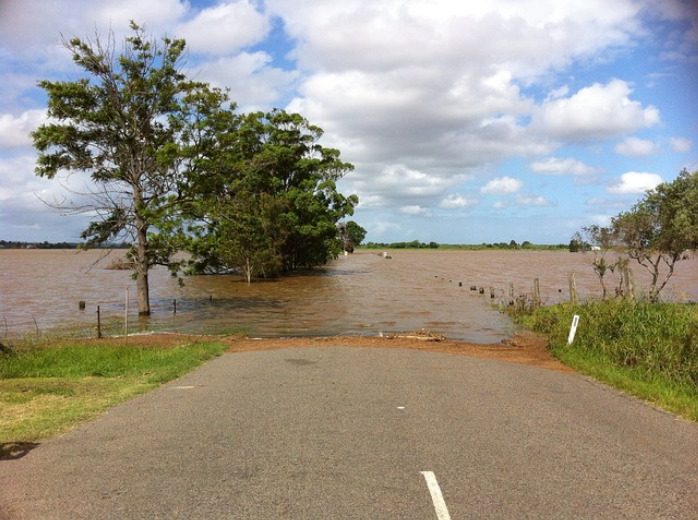
Can I drink flood water?
In the midst of an emergency situation, finding water can be a critical challenge. One might wonder, can I drink flood water? The short answer is, no. Flood water is often contaminated with numerous pollutants, including bacteria, viruses, and chemicals that could lead to serious health issues.
Flood water is not a safe or reliable source of drinking water. It can contain sewage overflow, harmful bacteria like E.coli, and hazardous substances washed away from roads and industrial areas. Drinking such water can lead to waterborne diseases such as cholera, typhoid, and dysentery, among others.
Instead, look for alternative sources of water in an emergency situation. Some of these include:
1. Rainwater: Collect and store rainwater for consumption. However, ensure to boil it before drinking to kill any potential pathogens.
2. Snow and ice: Melt snow and ice for drinking water. Avoid colored or dirty snow.
3. Natural springs: These can be a good source of water, but it’s crucial to purify the water before drinking.
4. Water from canned goods: Many canned foods contain water which can be used for hydration in emergencies.
Remember, in an emergency situation, finding water is crucial but ensuring its safety for consumption is equally vital. Always purify water before drinking to avoid health risks.
How to store water for emergencies?
Storing water for emergencies is a critical task that requires careful planning and execution. Water storage containers are a must-have for anyone looking to prepare for an emergency. These containers should be food-grade, meaning they are safe to store water that you plan to drink.
Next, consider the water source. Tap water, if it’s safe to drink, can be stored directly in the containers. If you’re using water from a well or a spring, it’s essential to purify it before storage. Boiling is a common method, but you can also use water purification tablets or a water purifier.
Equally important is the storage location. Ideally, the water should be stored in a cool, dark place to prevent the growth of algae and bacteria. Avoid places with direct sunlight or high temperatures.
Here are a few steps to follow when storing water:
1. Clean the water storage containers thoroughly.
2. Fill the container with water, leaving some space at the top.
3. Securely close the container to prevent contamination.
4. Store the container in a suitable location.
Remember, the storage duration also matters. As a rule of thumb, stored water should be used and replaced every six months. This ensures that the water remains fresh and safe to drink.
Lastly, don’t forget about water purification methods during emergencies. Having a plan to purify water can be a lifesaver when your stored water supply runs out. This can include boiling water, using purification tablets, or a portable water filter.
In essence, proper water storage is paramount in any emergency preparedness plan. By following these guidelines, you can ensure that you have a safe and reliable water supply when you need it most.
What is the best emergency water filter?
In an emergency situation, finding a reliable source of drinking water is paramount. Among the plethora of water filters available, the Sawyer Mini stands out as the best emergency water filter. It’s compact, lightweight, and capable of filtering up to 100,000 gallons of water.
The Sawyer Mini uses a 0.1 micron absolute filtration system, effectively removing 99.99999% of all bacteria, such as salmonella, cholera, and E.coli, and 99.9999% of all protozoa, such as giardia and cryptosporidium. It’s a highly efficient tool for emergency water purification.
Moreover, this filter can be attached directly to a drinking pouch, hydration pack, or even a disposable water bottle, making it an ideal choice for emergency situations. It also comes with a drinking straw for direct use from a water source.
Survivalists often recommend having multiple methods of water purification in an emergency. Other options include:
Boiling: Kills most types of pathogens but does not remove chemical contaminants.
Chemical treatment: Effective against most pathogens but may leave an unpleasant taste.
Distillation: Effective against most pathogens and chemical contaminants but requires a heat source and time.
While these methods can be effective, they require time, resources, and may not be feasible in all situations. In contrast, the Sawyer Mini is ready to use instantly, providing clean, safe drinking water in any circumstance. Its efficiency, portability, and ease of use make it the top choice for an emergency water filter.
Can you drink rainwater in emergencies?
In dire circumstances, when access to clean water is limited, rainwater can serve as a potential source of hydration. However, it is essential to understand that while rainwater is generally pure as it falls from the sky, it can pick up various contaminants as it lands. It may collect pollutants from the atmosphere, rooftops, and even the containers used for collection.
Purification is a vital step when considering drinking rainwater in emergencies. Simple methods like boiling, using water purification tablets, or solar disinfection can be effective. These techniques can help eliminate potential pathogens and make the water safer for consumption.
When collecting rainwater, it is advisable to wait for a few minutes after the rain starts. This allows the rain to wash away most of the atmospheric pollutants. Using clean, sanitized containers for collection can further minimize the risk of contamination.
Here are some steps to purify rainwater:
1. Collect rainwater in a clean container.
2. Let it stand for at least an hour. This allows larger particles to settle at the bottom.
3. Filter the water using a cloth or coffee filter to remove smaller particles.
4. Boil the water for at least one minute or use water purification tablets as directed.
Remember, rainwater should only be used as a last resort and must be treated before consumption. Always prioritize finding a reliable source of clean, potable water in emergency situations.
How to collect rainwater for drinking?
Collecting rainwater for drinking during an emergency situation can be a lifesaver. The process is simple and requires only a few basic tools. First, you need a clean container to collect the rainwater. This could be a bucket, a barrel, or even a clean garbage can.
Next, find an open space where rainwater can easily be collected. This could be a rooftop or a yard. Avoid areas near trees or buildings, as these can contaminate the water with debris. Once you’ve found the perfect spot, place your container there and wait for the rain to fill it up.
After collecting the rainwater, it’s important to purify it before drinking. This can be done by boiling the water for at least 10 minutes, using water purification tablets, or a portable water filter.
Collect rainwater in a clean container
Find an open space for collection
Purify the collected water before drinking
Remember, during an emergency situation, having access to safe drinking water is crucial. Knowing how to collect and purify rainwater can make a significant difference in your survival.
While rainwater is a great source of water during emergencies, it’s also a sustainable way to conserve water in daily life. So, mastering the skill of collecting rainwater is not only useful for emergencies but also for promoting sustainability and self-sufficiency.
Is snow a safe water source during emergencies?
Snow, a form of frozen water, is often considered a potential water source during emergencies. However, it’s crucial to understand that consuming snow directly can pose health risks. One of the primary concerns is the low temperature of snow. Consuming it directly can lead to a decrease in body temperature, potentially resulting in hypothermia.
Another concern is the potential presence of impurities in the snow. Snow can contain dirt, bacteria, or even harmful chemicals. Therefore, it’s advised to purify snow before consumption. The safest way to consume snow is by melting it first and then boiling the water. This process eliminates most of the harmful bacteria and parasites that could be present.
Melt the snow: Collect clean, fresh snow and melt it. Avoid colored or dirty snow as it might contain impurities.
Boil the water: After melting the snow, boil the water for at least one minute to kill any remaining bacteria or parasites.
Remember, finding water during an emergency situation is crucial, but it’s equally important to ensure the water source is safe. While snow can be a viable option, it should be consumed with caution, following the appropriate purification steps.
Conclusion: Navigating Water Needs During Emergency Scenarios
Navigating the landscape of water sourcing and purification during emergency situations can be daunting. This post has aimed to provide you with the knowledge and tools necessary to ensure your survival and well-being during such times. We’ve explored where to find water during a disaster, how to purify it, and whether or not certain sources such as flood water or snow are safe to consume.
The importance of storing water for emergencies was also discussed, along with the best emergency water filters available. Rainwater, often overlooked, can be a viable source of hydration in emergencies, provided you know how to collect and purify it effectively.
Remember, each situation is unique and requires different approaches. It’s crucial to understand the risks associated with each water source and to take the necessary steps to ensure its safety before consumption.
As we move forward, advancements in technology and survival strategies may further enhance our ability to secure clean water in emergency situations. It’s important to stay informed and prepared. Remember, knowledge is your best tool in any emergency situation. Stay safe and stay hydrated.
Preparing for World War III: The Sobering Reality and Practical Steps
As tensions escalate around the globe, the once inconceivable prospect of World War III is now a sobering reality that must be considered. While the hope for peace remains paramount, the prudent course of action is preparing for World War III. In this article, we will explore five critical signs indicating the possibility of World War III and underscore the urgent need for preparedness.
Increased Military Mobilizations and Exercises
One of the most glaring indicators of a looming global conflict is the dramatic increase in military mobilizations and exercises. Nations worldwide are ramping up their military readiness through large-scale exercises, troop movements, and strategic deployments. These activities are not merely routine drills; they are often a signal of preparation for potential combat operations.
In recent years, we have witnessed massive troop movements near contentious borders, particularly in Eastern Europe and the Asia-Pacific region. The rapid deployment of naval fleets to strategic waters, such as the South China Sea, further exacerbates these tensions. The scale and frequency of these exercises are unprecedented, signaling that major powers are preparing for World War III.
Breakdown in Diplomatic Relations
The breakdown of diplomatic relations is another ominous sign that the world is inching closer to a large-scale conflict. Historically, the expulsion of diplomats, withdrawal from international treaties, and the closure of embassies have been precursors to war. Today, we see a marked deterioration in relations between major powers, with frequent diplomatic spats and a lack of meaningful dialogue.
Countries are increasingly resorting to rhetoric and actions that undermine decades of diplomatic progress. The erosion of communication channels between nuclear-armed states is particularly alarming, as it increases the risk of misunderstandings and miscalculations that could spiral into open conflict. This breakdown is a critical factor in preparing for World War III.
Escalation of Regional Conflicts
Regional conflicts have always had the potential to escalate into broader wars, and the current geopolitical climate is no exception. Localized conflicts involving major powers or their allies can quickly draw in other nations, leading to a cascading effect that results in a global confrontation.
We are currently witnessing intensified conflicts in regions like the Middle East, Eastern Europe, and the South China Sea. These hotspots are not isolated incidents; they are battlegrounds where superpowers are vying for influence and control. The involvement of major powers in these conflicts, whether directly or through proxies, raises the stakes and the risk of a broader war. Preparing for World War III means understanding these dynamics.
Cyber Attacks on Critical Infrastructure
In today’s interconnected world, cyber warfare has become a critical component of military strategy. Large-scale cyber attacks targeting essential services such as power grids, financial systems, and communication networks are not just acts of aggression; they are preparations for broader conflict.
The past few years have seen coordinated cyber assaults on critical infrastructure in multiple countries. These attacks are designed to cripple a nation’s ability to function, creating chaos and weakening its defense capabilities. As cyber attacks become more sophisticated and frequent, they serve as a grim reminder of the vulnerabilities that can be exploited in the lead-up to a major conflict. This is a significant aspect of preparing for World War III.
Economic Warfare and Sanctions
Severe economic sanctions, trade embargoes, and financial isolation are often preludes to military action. Economic warfare is a strategy used to weaken an adversary without immediate physical confrontation, but it can escalate into open conflict if the targeted nation decides to retaliate.
Comprehensive sanctions that cripple a nation’s economy, such as those imposed on Iran and North Korea, are becoming more common. These measures not only devastate the targeted country’s economy but also create significant geopolitical tensions. The imposition of such sanctions by major powers and the resulting retaliatory actions further heighten the risk of war. Understanding this is essential in preparing for World War III.
The Need for Preparedness
Given the sobering reality of these developments, the need for preparedness cannot be overstated. While it is impossible to predict precisely when or if World War III will break out, the signs are clear that we are living in increasingly perilous times. Preparing for World War III is not about succumbing to fear but about taking practical steps to ensure the safety and well-being of our families and communities.
1. Emergency Supplies and Resources
Start by building an emergency supply kit that includes food, water, medical supplies, and other essential items. Ensure that you have enough resources to sustain your household for an extended period. Stockpile non-perishable foods, water purification tablets, first aid kits, and essential medications.
2. Developing a Survival Plan
Create a comprehensive survival plan that outlines steps to take in the event of an emergency. Identify safe locations for evacuation, establish communication protocols with family members, and keep important documents and emergency contacts readily accessible. Regularly review and update your plan to account for any changes in circumstances.
3. Community Preparedness
Strengthen community ties and build a network of support with neighbors and local organizations. Community preparedness can make a significant difference in times of crisis. Work together to share resources, information, and skills that can help everyone survive and thrive in the face of adversity.
4. Staying Informed
Stay informed about global events and developments. Monitor reliable news sources and government advisories to keep abreast of any significant changes. Awareness of the evolving situation will enable you to respond quickly and appropriately. This is crucial in preparing for World War III.
5. Mental and Emotional Resilience
In closing, focus on building mental and emotional resilience. The stress and uncertainty of a potential global conflict can take a toll on mental health. Practice stress management techniques, maintain strong social connections, and seek professional support if needed.
Conclusion
The potential for World War III is a sobering reality that demands our attention and preparedness. By recognizing the signs of increasing military mobilizations, diplomatic breakdowns, escalating regional conflicts, cyber attacks, and economic warfare, we can better understand the gravity of the situation. Preparing for World War III is not about fear but about taking responsible actions to safeguard our lives and futures. In these uncertain times, preparedness is not just a choice; it is a necessity.

 Off-grid living refers to a lifestyle that is independent of the main national electrical grid. This lifestyle is often adopted by individuals who desire self-sufficiency, environmental sustainability, and freedom from modern societal constraints. These individuals, often referred to as off-gridders, typically rely on alternative energy sources such as solar, wind, and hydropower.
 Off-grid living requires innovative water solutions to ensure a reliable supply. One such solution is rainwater harvesting, a method that involves collecting and storing rainwater for later use. This method is sustainable and cost-effective, making it a popular choice for off-grid living.
 As tensions escalate around the globe, the once inconceivable prospect of World War III is now a sobering reality that must be considered. While the hope for peace remains paramount, the prudent course of action is preparing for World War III. In this article, we will explore five critical signs indicating the possibility of World War III and underscore the urgent need for preparedness.