by PREPARE Magazine Editorial Team | Apr 5, 2025 | emergency preparedness, off-grid, preparing for disaster, self-reliant living, water storage
In the face of a crisis, water is the essence of survival. It’s not just about quenching thirst, but also maintaining hygiene and potentially warding off diseases.
Understanding how to locate and purify water is a vital skill, one that could mean the difference between life and death. This knowledge isn’t exclusive to wilderness survival, but extends to urban emergencies as well, where conventional water sources may become compromised.
In the forthcoming sections, we will delve into practical methods of finding water, including natural sources and man-made reservoirs, along with essential purification techniques. So, whether you’re a seasoned survivalist or a novice prepper, this guide is your go-to resource for securing the most crucial element of survival – water.
Where to find water in a disaster?
 In the face of a catastrophe, finding water becomes a critical survival strategy. This is because water is the cornerstone of life, and its scarcity can lead to dehydration and death. One of the most reliable sources of water during a disaster is your home’s water heater. It typically holds up to 50 gallons of drinkable water, which can be accessed by opening the drain valve at the bottom.
Another potential source is the toilet tank, not the bowl. The water stored here is usually clean and safe to drink. However, if you’re unsure about its cleanliness, it’s advisable to purify it before consumption.
Additionally, the outdoors offer several water sources. Natural bodies of water such as rivers, streams, and lakes can provide water, though it’s crucial to purify this water to eliminate any potential contaminants. Rainwater is another viable option, and it can be collected using buckets or other containers.
In an urban setting, public facilities such as schools, parks, or municipal buildings often have water fountains or taps that can be used.
Remember, purification is key in all these scenarios. Boiling, using water purification tablets, or a portable water filter can help ensure the water is safe to drink.
Conservation is equally important during a disaster. Avoid wasting water and ration your supply wisely to ensure it lasts until you can find a new source.
In emergencies, knowing where to find water can mean the difference between life and death. Therefore, understanding these strategies is vital for anyone seeking to be prepared for disaster scenarios.
In an emergency situation, having access to clean, drinkable water is paramount. One of the most effective methods is boiling. Boiling water kills many types of disease-causing organisms. Simply heat the water until it reaches a rolling boil and maintain for at least one minute.
Another method is using iodine tablets or chlorine bleach. These chemicals kill most pathogens found in water. Follow the instructions on the package to determine the correct dosage. Note that this method may leave an unpleasant taste in the water.
Another option is using a portable water filter. These devices remove bacteria, parasites and other harmful substances from the water. They are compact, lightweight, and easy to use, making them an excellent choice for emergency situations.
Distillation is another effective method of purifying water. This involves boiling the water and then collecting the steam, which condenses back into water. This method removes all impurities, including chemicals and salts.
To wrap up, exposure to sunlight can also be used to purify water. This method, known as SODIS (Solar Disinfection), involves filling a transparent plastic bottle with water and leaving it in direct sunlight for at least 6 hours. The UV rays from the sun kill harmful microorganisms in the water.
Remember that these methods should be used as a last resort when no other source of safe drinking water is available. It’s always best to prepare for emergencies by storing a sufficient supply of bottled water.
Can I drink flood water?
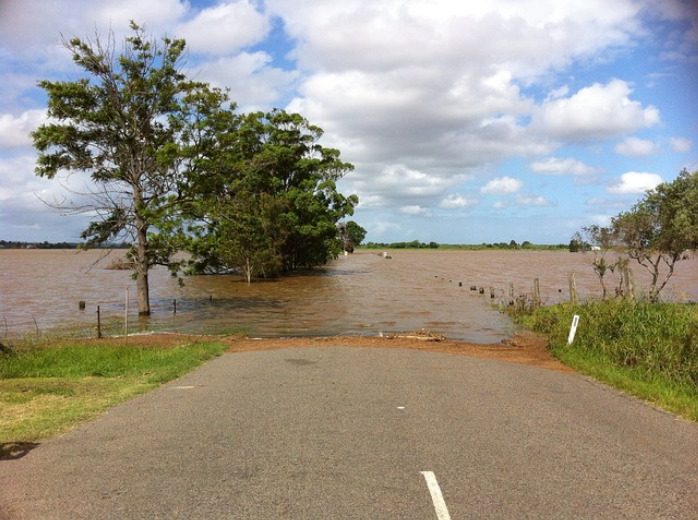
In the midst of an emergency situation, finding water can be a critical challenge. One might wonder, can I drink flood water? The short answer is, no. Flood water is often contaminated with numerous pollutants, including bacteria, viruses, and chemicals that could lead to serious health issues.
Flood water is not a safe or reliable source of drinking water. It can contain sewage overflow, harmful bacteria like E.coli, and hazardous substances washed away from roads and industrial areas. Drinking such water can lead to waterborne diseases such as cholera, typhoid, and dysentery, among others.
Instead, look for alternative sources of water in an emergency situation. Some of these include:
1. Rainwater: Collect and store rainwater for consumption. However, ensure to boil it before drinking to kill any potential pathogens.
2. Snow and ice: Melt snow and ice for drinking water. Avoid colored or dirty snow.
3. Natural springs: These can be a good source of water, but it’s crucial to purify the water before drinking.
4. Water from canned goods: Many canned foods contain water which can be used for hydration in emergencies.
Remember, in an emergency situation, finding water is crucial but ensuring its safety for consumption is equally vital. Always purify water before drinking to avoid health risks.
How to store water for emergencies?
Storing water for emergencies is a critical task that requires careful planning and execution. Water storage containers are a must-have for anyone looking to prepare for an emergency. These containers should be food-grade, meaning they are safe to store water that you plan to drink.
Next, consider the water source. Tap water, if it’s safe to drink, can be stored directly in the containers. If you’re using water from a well or a spring, it’s essential to purify it before storage. Boiling is a common method, but you can also use water purification tablets or a water purifier.
Equally important is the storage location. Ideally, the water should be stored in a cool, dark place to prevent the growth of algae and bacteria. Avoid places with direct sunlight or high temperatures.
Here are a few steps to follow when storing water:
1. Clean the water storage containers thoroughly.
2. Fill the container with water, leaving some space at the top.
3. Securely close the container to prevent contamination.
4. Store the container in a suitable location.
Remember, the storage duration also matters. As a rule of thumb, stored water should be used and replaced every six months. This ensures that the water remains fresh and safe to drink.
Lastly, don’t forget about water purification methods during emergencies. Having a plan to purify water can be a lifesaver when your stored water supply runs out. This can include boiling water, using purification tablets, or a portable water filter.
In essence, proper water storage is paramount in any emergency preparedness plan. By following these guidelines, you can ensure that you have a safe and reliable water supply when you need it most.
What is the best emergency water filter?
In an emergency situation, finding a reliable source of drinking water is paramount. Among the plethora of water filters available, the Sawyer Mini stands out as the best emergency water filter. It’s compact, lightweight, and capable of filtering up to 100,000 gallons of water.
The Sawyer Mini uses a 0.1 micron absolute filtration system, effectively removing 99.99999% of all bacteria, such as salmonella, cholera, and E.coli, and 99.9999% of all protozoa, such as giardia and cryptosporidium. It’s a highly efficient tool for emergency water purification.
Moreover, this filter can be attached directly to a drinking pouch, hydration pack, or even a disposable water bottle, making it an ideal choice for emergency situations. It also comes with a drinking straw for direct use from a water source.
Survivalists often recommend having multiple methods of water purification in an emergency. Other options include:
- Boiling: Kills most types of pathogens but does not remove chemical contaminants.
- Chemical treatment: Effective against most pathogens but may leave an unpleasant taste.
- Distillation: Effective against most pathogens and chemical contaminants but requires a heat source and time.
While these methods can be effective, they require time, resources, and may not be feasible in all situations. In contrast, the Sawyer Mini is ready to use instantly, providing clean, safe drinking water in any circumstance. Its efficiency, portability, and ease of use make it the top choice for an emergency water filter.
Can you drink rainwater in emergencies?
In dire circumstances, when access to clean water is limited, rainwater can serve as a potential source of hydration. However, it is essential to understand that while rainwater is generally pure as it falls from the sky, it can pick up various contaminants as it lands. It may collect pollutants from the atmosphere, rooftops, and even the containers used for collection.
Purification is a vital step when considering drinking rainwater in emergencies. Simple methods like boiling, using water purification tablets, or solar disinfection can be effective. These techniques can help eliminate potential pathogens and make the water safer for consumption.
When collecting rainwater, it is advisable to wait for a few minutes after the rain starts. This allows the rain to wash away most of the atmospheric pollutants. Using clean, sanitized containers for collection can further minimize the risk of contamination.
Here are some steps to purify rainwater:
1. Collect rainwater in a clean container.
2. Let it stand for at least an hour. This allows larger particles to settle at the bottom.
3. Filter the water using a cloth or coffee filter to remove smaller particles.
4. Boil the water for at least one minute or use water purification tablets as directed.
Remember, rainwater should only be used as a last resort and must be treated before consumption. Always prioritize finding a reliable source of clean, potable water in emergency situations.
How to collect rainwater for drinking?
Collecting rainwater for drinking during an emergency situation can be a lifesaver. The process is simple and requires only a few basic tools. First, you need a clean container to collect the rainwater. This could be a bucket, a barrel, or even a clean garbage can.
Next, find an open space where rainwater can easily be collected. This could be a rooftop or a yard. Avoid areas near trees or buildings, as these can contaminate the water with debris. Once you’ve found the perfect spot, place your container there and wait for the rain to fill it up.
After collecting the rainwater, it’s important to purify it before drinking. This can be done by boiling the water for at least 10 minutes, using water purification tablets, or a portable water filter.
- Collect rainwater in a clean container
- Find an open space for collection
- Purify the collected water before drinking
Remember, during an emergency situation, having access to safe drinking water is crucial. Knowing how to collect and purify rainwater can make a significant difference in your survival.
While rainwater is a great source of water during emergencies, it’s also a sustainable way to conserve water in daily life. So, mastering the skill of collecting rainwater is not only useful for emergencies but also for promoting sustainability and self-sufficiency.
Is snow a safe water source during emergencies?
Snow, a form of frozen water, is often considered a potential water source during emergencies. However, it’s crucial to understand that consuming snow directly can pose health risks. One of the primary concerns is the low temperature of snow. Consuming it directly can lead to a decrease in body temperature, potentially resulting in hypothermia.
Another concern is the potential presence of impurities in the snow. Snow can contain dirt, bacteria, or even harmful chemicals. Therefore, it’s advised to purify snow before consumption. The safest way to consume snow is by melting it first and then boiling the water. This process eliminates most of the harmful bacteria and parasites that could be present.
- Melt the snow: Collect clean, fresh snow and melt it. Avoid colored or dirty snow as it might contain impurities.
- Boil the water: After melting the snow, boil the water for at least one minute to kill any remaining bacteria or parasites.
Remember, finding water during an emergency situation is crucial, but it’s equally important to ensure the water source is safe. While snow can be a viable option, it should be consumed with caution, following the appropriate purification steps.
Conclusion: Navigating Water Needs During Emergency Scenarios
Navigating the landscape of water sourcing and purification during emergency situations can be daunting. This post has aimed to provide you with the knowledge and tools necessary to ensure your survival and well-being during such times. We’ve explored where to find water during a disaster, how to purify it, and whether or not certain sources such as flood water or snow are safe to consume.
The importance of storing water for emergencies was also discussed, along with the best emergency water filters available. Rainwater, often overlooked, can be a viable source of hydration in emergencies, provided you know how to collect and purify it effectively.
Remember, each situation is unique and requires different approaches. It’s crucial to understand the risks associated with each water source and to take the necessary steps to ensure its safety before consumption.
As we move forward, advancements in technology and survival strategies may further enhance our ability to secure clean water in emergency situations. It’s important to stay informed and prepared. Remember, knowledge is your best tool in any emergency situation. Stay safe and stay hydrated.
by PREPARE Magazine Editorial Team | Apr 5, 2025 | emergency preparedness, Food Storage, off-grid, preparing for disaster, self-reliant living
by PREPARE Magazine Editorial Team | Apr 5, 2025 | emergency preparedness, off-grid, preparing for disaster, self-reliant living
When the power goes out, and the chill sets in, how do you keep warm? It’s a question that often leaves us cold, literally and figuratively.
Exploring the world of alternative heating options during a blackout, this post delves into the heart of survivalist warmth. We navigate through traditional methods, innovative solutions, and eco-friendly alternatives, shedding light on the best ways to combat the cold during a power outage.
The journey to self-sufficiency in heating during a blackout is more than just about staying warm; it’s about resilience, resourcefulness, and readiness. So, let’s embark on this enlightening journey together, as we uncover the secrets of alternative heating options during a blackout.
Can fireplaces provide heat during blackouts?
 Absolutely, fireplaces can be an effective source of heat during blackouts. They are a traditional heating method that doesn’t rely on electricity, making them a reliable alternative heating option. Wood-burning fireplaces are the most common type, and they can provide warmth for several hours with a good supply of wood.
The heat output of a fireplace depends on the type of wood used. Hardwoods like oak and hickory burn hotter and longer, while softwoods like pine and cedar ignite quickly but burn faster. It’s important to have a well-ventilated area for a fireplace to prevent carbon monoxide buildup.
Gas fireplaces are another option that can work during power outages. They use natural gas or propane as fuel, and many models come with a battery backup system. This ensures that the fireplace can still ignite even if there’s no electricity.
However, it’s worth noting that not all fireplaces are created equal. Some are more energy efficient than others. For instance, a fireplace insert, which is a closed-combustion system, can heat a room more effectively than an open-hearth fireplace.
Also, consider the safety aspects of using a fireplace during a blackout. Keep a fire extinguisher nearby, and ensure your smoke and carbon monoxide detectors are battery-operated or have a battery backup.
Remember, while fireplaces can indeed provide heat during blackouts, they should be used responsibly and safely.
What is a kerosene heater?
A kerosene heater is a portable, unvented heating device that is fueled by kerosene. This makes it an ideal alternative heating option during a blackout, as it does not rely on electricity. The heater operates by drawing kerosene from a storage tank into a wick, which is then ignited to produce heat.
Kerosene heaters provide a significant amount of heat, making them efficient for warming large spaces. They are also cost-effective, as kerosene is generally cheaper than other fuels. However, it’s important to use them in well-ventilated areas due to the risk of carbon monoxide poisoning.
Kerosene heaters are easy to operate, with most models featuring a simple manual control system. They are also lightweight and compact, making them easy to move around.
Despite their many benefits, kerosene heaters do have some drawbacks. These include the potential for fire hazards if not used properly, and the need for regular maintenance to ensure they remain safe and effective.
Here are some safety tips when using a kerosene heater:
- Only use 1-K grade kerosene.
- Never leave a lit heater unattended.
- Keep the heater away from flammable materials.
- Ensure proper ventilation to prevent carbon monoxide buildup.
All in all, a kerosene heater can be a reliable and efficient source of heat during a blackout. However, it’s crucial to understand how to use and maintain it properly to ensure safety.
Are propane heaters safe indoors?
Propane heaters are commonly used as alternative heating options during a blackout, but their safety indoors is often a concern. The main risk associated with indoor use of propane heaters is carbon monoxide (CO) poisoning. This colorless, odorless gas is produced when propane fuel doesn’t burn completely. Without proper ventilation, CO can build up to dangerous levels, leading to CO poisoning symptoms such as headaches, dizziness, and in severe cases, loss of consciousness.
However, this doesn’t mean that all propane heaters are unsafe for indoor use. Many modern units come with safety features designed to mitigate these risks. For instance, oxygen depletion sensors (ODS) can detect low oxygen levels, automatically shutting down the heater before CO levels become hazardous. Additionally, some propane heaters have built-in CO detectors that alert users when CO concentration is too high.
To ensure safety when using a propane heater indoors:
- Choose a heater designed for indoor use.
- Ensure the room is well-ventilated.
- Never leave the heater unattended.
- Regularly check and maintain the heater to ensure it’s in good working condition.
In closing, while there are risks associated with using propane heaters indoors, they can be effectively managed with the right safety measures and equipment.
How effective are wood-burning stoves?
In the face of a blackout, many homeowners turn to wood-burning stoves as an alternative heating option. Wood-burning stoves are highly efficient, able to convert up to 80% of the fuel’s energy into heat, making them a powerful source of warmth during power outages.
Moreover, these stoves are not reliant on electricity, thus providing a reliable heat source when the grid fails. They can also serve dual purposes, offering a cooking surface in addition to heat generation.
Wood as a fuel source is renewable and often locally available, reducing the carbon footprint associated with transporting other fuel types. However, it is crucial to use dry, seasoned wood to minimize smoke and maximize heat output.
- Wood-burning stoves require manual operation, adding fuel, and adjusting air control.
- They demand regular cleaning and maintenance to ensure efficient operation.
While wood-burning stoves are a viable solution for alternative heating during a blackout, they are not without their challenges. Proper installation and ventilation are critical to prevent the risk of carbon monoxide poisoning or house fires.
Despite these considerations, the effectiveness of wood-burning stoves as an alternative heating option during a blackout is undeniable. They provide reliable, efficient heat, and with proper use and maintenance, they can be a valuable addition to any home’s emergency preparedness plan.
Can gas stoves be used for heating?
When faced with a blackout, having alternative heating options is crucial. One such option is a gas stove. Gas stoves, typically used for cooking, can also provide a degree of warmth. However, it’s important to note that they are not designed as primary heating devices.
Firstly, gas stoves emit carbon monoxide, a colorless, odorless gas that can be harmful in enclosed spaces. Proper ventilation is necessary when using a gas stove for heating to prevent carbon monoxide poisoning.
Secondly, gas stoves can pose a fire risk. They should never be left unattended when in use as a heating source. Always keep flammable materials away from the stove and ensure the area is clear of any potential fire hazards.
- Ensure proper ventilation
- Never leave the stove unattended
- Keep flammable materials away
Additionally, gas stoves are not energy-efficient as heaters. They can consume a significant amount of gas, leading to high energy costs.
All in all, while a gas stove can provide some warmth during a blackout, it is not a recommended or safe heating option. It’s always better to have a dedicated alternative heating source, like a portable heater, or wood-burning stove which are designed for safe, efficient heat production.
Remember, safety should always be the top priority when dealing with alternative heating options during a blackout.
How do thermal blankets work?
Thermal blankets, often referred to as emergency blankets, are a standout in the list of alternative heating options during a blackout. They are designed using a material called Mylar, which is a thin, flexible insulating material derived from polyester.
• Mylar’s primary function is to reflect heat back to its source, making it a perfect material for thermal blankets.
When a person is wrapped in a thermal blanket, it traps the body heat that would otherwise be lost to the environment, effectively keeping the person warm. This is particularly useful during a blackout when traditional heating methods may not be available.
In addition, thermal blankets are waterproof and windproof, providing an extra layer of protection against harsh weather conditions. They are lightweight and compact, making them an excellent addition to any emergency preparedness kit.
The effectiveness of thermal blankets in preserving body heat makes them a popular choice for outdoor adventurers, emergency responders, and anyone needing to stay warm during a power outage. They are a testament to human ingenuity in creating simple, yet effective, solutions to stay warm.
While they may not replace the comfort of a heated home, thermal blankets can be a life-saving tool during a blackout, helping to prevent hypothermia and other cold-related illnesses.
Remember, during a blackout, staying warm is of paramount importance, and thermal blankets are a practical, cost-effective solution.
What are battery-powered heaters?
 Battery-powered heaters are an innovative solution for maintaining warmth during a blackout. Unlike traditional heating systems that rely on electricity or gas, these heaters operate on high-capacity batteries. This makes them an ideal alternative heating option when power outages occur.
The key advantage of these heaters is their portability. Being compact and lightweight, they can be easily moved around to heat specific areas, providing targeted warmth when and where you need it most. They come in various sizes and designs, catering to different heating needs.
Battery-powered heaters work by converting the battery’s stored energy into heat. Some models utilize infrared technology to generate heat, while others use ceramic elements. Regardless of the heating method, these heaters are designed to provide a comfortable temperature, even in the harshest of conditions.
- Energy-efficient: Battery-powered heaters consume less energy compared to traditional heating systems, making them a cost-effective choice.
- Safety: They are equipped with safety features such as automatic shut-off and tip-over protection, ensuring a safe heating solution during a blackout.
Despite their benefits, it’s important to note that the heating capacity of battery-powered heaters is usually lower than their electric counterparts. However, for short-term heating during a blackout, they are an excellent alternative heating option.
Is it safe to use candles for heating?
When considering alternative heating options during a blackout, many people turn to candles. While candles can provide a source of light and a small amount of heat, they are not a safe or effective heating solution.
The primary concern with using candles for heat is the risk of fire. Candles should never be left unattended, and they should always be placed in a stable holder away from flammable materials. Furthermore, the heat output of candles is minimal, making them an inefficient heating source.
In addition, candles can produce harmful indoor air pollutants, such as benzene and toluene. These pollutants can lead to health problems when inhaled over a long period.
Instead of relying on candles for heat, consider safer and more efficient alternatives. These could include portable propane heaters, which are designed for indoor use and provide a significant amount of heat. Another option is a wood-burning stove, which can heat a large area effectively.
- Portable propane heaters: These heaters are safe for indoor use and can provide a substantial amount of heat. They are also easy to operate, making them a practical choice during a blackout.
Remember, while it’s important to stay warm during a blackout, safety should always be your top priority. Therefore, candles should not be used as a primary source of heat.
Wrapping Up: Staying Warm During Blackouts
In closing, there are various alternative heating options available during a blackout. Fireplaces, for instance, can be an efficient source of heat, as can kerosene and propane heaters. However, safety should always be a priority, particularly with indoor propane heaters. Wood-burning stoves, while traditional, remain a highly effective heating solution.
Gas stoves, while not designed primarily for heating, can also be used to warm up your space. Thermal blankets, on the other hand, work by reflecting body heat and are a simple yet effective solution. Battery-powered heaters are a modern, portable option, although their heating capacity might be limited.
Candles, while providing a degree of warmth, should be used with caution due to the fire risk. It is crucial to remember that each heating option has its own pros and cons, and the choice will depend on your individual circumstances, needs, and safety considerations.
As we move forward, we may see advancements in heating technology that could provide more efficient and safer heating options during blackouts. Staying informed about these trends will ensure you’re well-prepared for any situation. Remember, planning ahead is key to staying warm and safe during a blackout.
by PREPARE Magazine Editorial Team | Apr 5, 2025 | emergency preparedness, off-grid, self-reliant living
Learning How to Save Seeds from Existing Plants is an important skill to learn for self-reliance and preparedness. In the article below, we share some important tips for learning and developing this important skill.
Saving seeds from existing plants is an empowering practice that not only allows you to preserve heirloom seeds but also turns you into an active participant in the fascinating world of seed saving. By mastering the art of seed saving, you can create a self-sustaining garden while contributing to the preservation of diverse heirloom varieties. This chapter will guide you through the process, from simple techniques like dry harvesting to more complex methods such as fermentation. Not only will you ensure the continuity of these precious plant resources, but you can also share your knowledge within your community, fostering a resilient and interconnected gardening network.
Benefits of Saving Seeds:
1. Preservation of Heirloom Seeds: Saving seeds from existing plants is a vital practice in preserving heirloom seeds. Heirloom varieties carry the history and genetic diversity of our plants and are at risk of being lost without conservation efforts.
2. Self-Sustaining Garden: By learning how to save seeds, you can create a self-sustaining garden. Instead of relying on external sources for seeds each season, you can harvest, store, and replant your own seeds, reducing costs and ensuring a continuous supply.
3. Customization and Adaptation: Saving seeds allows you to tailor your plants to your specific needs and preferences. Over time, you can select seeds from plants with desirable traits, such as disease resistance, flavor, or productivity, resulting in a garden perfectly adapted to your unique growing conditions.
Seed Saving Techniques:
1. Dry Harvesting: Dry harvesting is a simple and commonly used method for saving seeds. It involves allowing the plants to mature fully and dry on the plant before harvesting the seeds. This method is suitable for plants with dry seeds, such as beans, peppers, or sunflowers.
2. Wet Processing: Some plants, like tomatoes or cucumbers, have seeds surrounded by a gel-like substance. Wet processing is required to separate the seeds from this gel. The process includes fermenting the seeds in water to remove the gel, rinsing, and drying them before storage.
3. Biennial Plants: Biennial plants, like carrots or beets, form seeds in their second year, requiring overwintering. These plants require specific techniques, including overwintering the plants or storing them in a cool and dry place until the following spring.
Storing Saved Seeds:
1. Proper Labeling: It is crucial to label your saved seeds accurately. Include the plant’s name, variety, and the date of collection. Proper labeling ensures you can keep track of your seeds and share them with others confidently.
2. Cool and Dry Storage: To maintain seed viability, store them in a cool and dry place, ideally between 32 and 41°F (-5°C). Low humidity levels and consistent temperatures will prolong their shelf life.
3. Seed Containers: Use airtight containers, such as glass jars or seed envelopes, to store your saved seeds. These containers protect the seeds from moisture, light, and pests.
Sharing Seeds and Knowledge:
1. Community Seed Exchanges: Seed saving is a perfect opportunity to foster community resilience and interconnectedness. Participate in community seed exchanges or start one in your area to share your saved seeds and gain access to new varieties from fellow gardeners.
2. Educating Others: Share your seed-saving knowledge and experience with others. Conduct workshops or host events to empower fellow gardeners to become seed savers themselves. By spreading this information, you contribute to a more sustainable and diverse gardening community.
Learning how to save seeds from existing plants is a valuable skill that not only enables you to preserve heirloom seeds but also empowers you to take control of your garden’s sustainability. By utilizing techniques like dry harvesting and wet processing, you can successfully save a wide range of seeds. Ensure proper storage and labeling, and consider participating in seed exchanges and educating your community to promote a resilient and interconnected network of gardeners. Embrace the art of seed saving, become a steward of biodiversity, and contribute to the preservation of our precious plant resources.
by PREPARE Magazine Editorial Team | Apr 5, 2025 | emergency preparedness, off-grid, preparing for disaster, water storage
With the recent breaking news from the US Government that there is a serious National Security Threat, we all should be very concerned. We should also intensity our efforts to get better prepared.
The report raises a very significant topic that we should all be aware of and prepare for. Read on …
What Happens If We Get Hit by an EMP Attack?
Imagine one day your phone, computer, and even your car suddenly stop working. This could happen if we were hit by an EMP, or Electromagnetic Pulse, attack. It sounds like something out of a movie, but it’s a real threat that could change our lives in an instant. Here’s what you need to know, broken down so it’s easy to understand.
Right Away Trouble
- Gadgets Gone Wild: First off, anything electronic might just quit. This means no texting, no internet, and even cars might not start. Imagine trying to do anything without any of your tech.
- Lights Out: The power could go out everywhere. It’s not just about not being able to charge your phone; hospitals, stores, and basically everything that needs power would stop working.
- Can’t Call for Help: With phones and the internet down, calling for help or finding out what’s going on would be really hard. We’d be cut off from each other.
- Stuck Where You Are: Without cars or buses, getting anywhere would be a huge challenge.
Problems That Follow
- Hospitals in a Crunch: Without power, hospitals would struggle to take care of sick people, especially those who need machines to stay alive.
- Money Trouble: Businesses wouldn’t be able to work right, and buying things would be tough. This could lead to a big economic mess.
- People Getting Scared: With everything out of whack, people might start to panic. This could lead to chaos in the streets.
- No Water: This is a big one. With no power, getting clean water could become a problem. Water pumps need electricity, so no power means no water.
Bouncing Back?
Fixing everything wouldn’t be quick or easy. We’d have to rebuild a lot of what makes our world work, like the power grid and communication networks. And we’d have to think about how to make them tough enough to survive if this ever happened again.
Why We Need to Get Ready
This all sounds pretty scary, but there are things we can do to get ready, just in case. Here’s why it’s important:
- Be Informed: Knowing about the risks and what to do can make a big difference.
- Make a Plan: Have a family plan for what to do if there’s no power or water. Know where to meet and how to stay safe.
- Emergency Kit: Put together a kit with things you might need, like water, food that doesn’t go bad, a flashlight, and a radio that doesn’t need electricity.
Wrapping Up
An EMP attack could seriously mess up our way of life, but by being aware and getting ready, we can handle it better. It’s all about knowing what could happen and having a plan to deal with it. Let’s not wait until it’s too late to start thinking about what we’d do.
by PREPARE Magazine Editorial Team | Apr 5, 2025 | Blog, emergency preparedness, off-grid, preparing for disaster, self-reliant living
The Shadow of ConflictIn the modern world, the thought of a war, particularly in a region as volatile as the Middle East, is a chilling prospect. This area, rich in history, culture, and resources, has often been a flashpoint for tensions that have implications far beyond its geographical boundaries. A conflict here could have a domino effect, leading to a cascade of disasters—economic turmoil, fuel shortages, food scarcity, and in the worst-case scenario, a global nuclear confrontation. As daunting as these possibilities are, understanding and preparing for them is essential. This piece aims to outline what families might expect in such a scenario and underscore the importance of individual and family preparedness.
The Ripple Effects of War
Economic Instability
The first and most immediate impact of a conflict in the Middle East would be economic instability. The region is a vital artery for the world’s oil supply, accounting for a significant portion of global production. Any disruption can lead to skyrocketing fuel prices, affecting everything from transportation costs to the price of goods and services. Families might find their household budgets stretched to breaking points as the cost of living increases sharply.
Fuel Losses
With the Middle East being a cornerstone in the global energy market, a conflict would likely lead to substantial fuel shortages. These shortages could have a two-fold effect: directly, in the difficulty of obtaining fuel for personal use, and indirectly, by hampering the transportation of goods. This scenario could result in limited mobility for individuals and critical delays in the delivery of essential items, including food and medical supplies.
Food Scarcity
Food security would be severely compromised. The Middle East conflict might disrupt agricultural production and supply chains, leading to shortages and soaring prices. Families might face difficulties in accessing affordable, nutritious food, potentially leading to health issues and increased pressure on already strained social services.
Potential Global Nuclear Conflict
The gravest concern would be the escalation into a global nuclear conflict. While this remains the least likely scenario, its possibility cannot be entirely dismissed. The fallout from such an event would be catastrophic, not just in terms of immediate casualties but also in the long-term environmental and health impacts. It underscores the necessity of global diplomacy and conflict prevention.
The Imperative of Preparedness
Given these daunting prospects, preparedness is not just wise; it’s essential. Here’s how families can prepare:
Economic Preparedness
Families should focus on building a financial safety net. This might include saving money, investing in non-perishable goods, and reducing unnecessary expenses. Having a reserve can provide a buffer against economic instability.
Fuel Conservation
In anticipation of fuel shortages, consider reducing dependence on vehicles that require fossil fuels. Exploring alternative modes of transportation, such as bicycles or electric vehicles, can be a step towards mitigating the impact of fuel losses.
Food Security
Invest in a sustainable food supply. This can range from stocking up on non-perishable food items to starting a home garden. Learning about food preservation techniques can also ensure that families have access to nutritious meals even during times of scarcity.
Community Resilience
Building strong community ties is crucial. In times of crisis, communities that work together can better navigate challenges, from sharing resources to providing emotional support. Joining or establishing local preparedness groups can enhance collective resilience.
Staying Informed and Educated
Knowledge is a powerful tool. Stay informed about global and regional politics and understand the basics of emergency preparedness. Educational resources can equip individuals and families with the skills needed to navigate crises effectively.
Conclusion
While the prospect of a conflict in the Middle East and its potential fallout is daunting, it is a reality that cannot be ignored. The interconnectedness of today’s world means that the impacts of such a conflict would ripple across the globe, affecting economic stability, food security, and potentially leading to global military escalations. However, through informed preparedness, individuals and families can mitigate these impacts and contribute to a resilient community. It is through such preparedness that we can hope to navigate the uncertainties of our times, ensuring not just survival but the continuation of our way of life. Let us take action today to safeguard our tomorrow.

 As tensions escalate around the globe, the once inconceivable prospect of World War III is now a sobering reality that must be considered. While the hope for peace remains paramount, the prudent course of action is preparing for World War III. In this article, we will explore five critical signs indicating the possibility of World War III and underscore the urgent need for preparedness.