
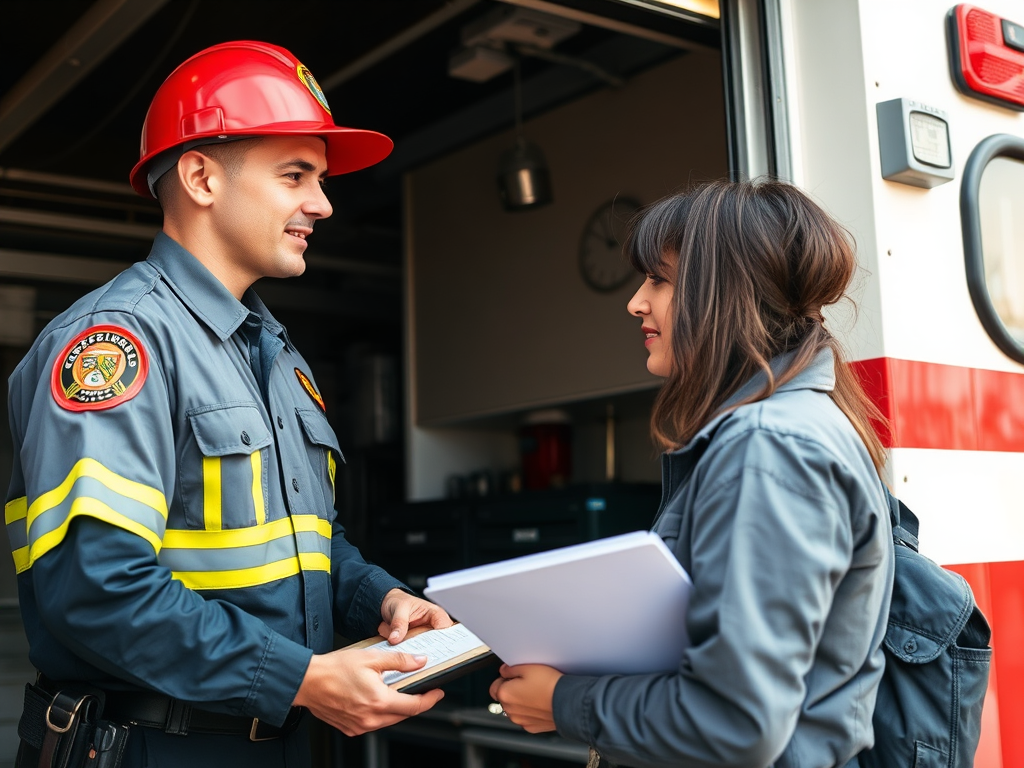
Building relationships with local emergency services involves proactive engagement, consistent communication, and collaborative planning. Start by attending community meetings where emergency services are present, and introduce yourself to key personnel. Establish regular communication channels, such as newsletters or social media groups, to stay informed and foster trust. Additionally, participating in joint training exercises can enhance mutual understanding and cooperation, crucial for effective emergency response.
What you’ll learn
This guide covers the following practical points:
- The Importance of Collaboration with Emergency Services — Collaboration with local emergency services is crucial for enhancing community safety and preparedness.
- Effective Networking Strategies — Building relationships with local emergency services requires strategic networking efforts.
- Common Misconceptions to Avoid — When trying to build relationships with local emergency services, it's important to avoid common misconceptions that can hinder collaboration.
- Building Long-term Partnerships — To ensure lasting relationships with local emergency services, focus on creating long-term partnerships based on trust and mutual respect.
The Importance of Collaboration with Emergency Services
Collaboration with local emergency services is crucial for enhancing community safety and preparedness. When citizens and emergency responders work together, they can create a more resilient environment capable of responding effectively to crises. This cooperation fosters trust, improves communication, and ensures that emergency services understand the specific needs of the community they serve. Moreover, a strong partnership can lead to better resource allocation and quicker response times during emergencies.
Understanding the roles and capabilities of local emergency services, including police, fire departments, and emergency medical services, is essential. Each entity has unique strengths and limitations. For example, while police can provide security and crowd control, fire services are equipped for rescue and firefighting. By recognizing these distinctions, communities can better leverage their resources and ensure a coordinated response during crises.
Effective Networking Strategies
Building relationships with local emergency services requires strategic networking efforts. Start by attending public meetings, town halls, or community forums where emergency services present their operations and initiatives. These events provide a platform for residents to ask questions, voice concerns, and establish connections with emergency personnel.
In addition to attending meetings, consider forming or joining community groups focused on safety and preparedness. These groups can serve as a liaison between residents and emergency services, facilitating communication and collaborative efforts. Regularly scheduled meetings can help maintain engagement and ensure that all parties remain informed about ongoing initiatives.
Utilizing social media platforms can further enhance communication. Create dedicated pages or groups where community members can share information, report issues, and interact with emergency services. This real-time communication can be invaluable during emergencies, allowing for quick dissemination of information and updates.
Common Misconceptions to Avoid
When trying to build relationships with local emergency services, it’s important to avoid common misconceptions that can hinder collaboration. One prevalent myth is that emergency services are solely responsible for community safety. In reality, a partnership approach is necessary, where both residents and responders play active roles. Understanding that community members can contribute valuable local knowledge can help bridge gaps in communication.
Another misconception is that emergency services only want to interact with community leaders or officials. While these relationships are important, emergency services also value direct communication with everyday citizens. Engaging with responders at community events or through informal channels can help demystify their roles and foster a sense of accessibility.
All in all, some individuals may assume that building these relationships is a one-time effort. In truth, ongoing engagement is crucial. Regular interactions, updates, and feedback sessions create a culture of collaboration that benefits everyone involved.
Building Long-term Partnerships
To ensure lasting relationships with local emergency services, focus on creating long-term partnerships based on trust and mutual respect. Start by establishing clear communication protocols. Agree on how often to meet and the preferred methods of communication, whether through phone, email, or in-person meetings.
Participating in joint training exercises or simulations can strengthen these partnerships. Such activities allow community members and emergency responders to practice working together in real-life scenarios, enhancing overall preparedness. Additionally, these exercises provide opportunities to identify strengths and weaknesses in emergency response plans.
Recognizing and celebrating the contributions of emergency services can also fortify relationships. Hosting appreciation events or recognizing their efforts publicly can enhance goodwill and demonstrate community support. This acknowledgment can motivate emergency personnel to engage more actively with the community.
Building effective relationships with emergency services is an ongoing process that requires commitment and active participation from both parties. Explore local resources or organizations that focus on community safety and emergency preparedness to deepen your understanding and involvement.
Frequently Asked Questions
What are the benefits of building relationships with emergency services?
Building relationships with emergency services improves community safety, enhances communication, and fosters trust, leading to more effective responses during emergencies.
How can I get involved with my local emergency services?
You can get involved by attending community meetings, volunteering for local safety initiatives, or joining community groups focused on emergency preparedness.
What should I do if I have concerns about local emergency services?
Communicate your concerns directly to the emergency services through official channels or community forums, ensuring they are aware of the issues affecting your community.
Are there training programs available for citizens?
Yes, many local emergency services offer training programs for citizens on topics like first aid, CPR, and emergency response, which can enhance community preparedness.
How can social media help in building these relationships?
Social media allows for real-time communication, updates, and information sharing between emergency services and the community, fostering engagement and collaboration.
Conclusion
Establishing strong relationships with local emergency services is essential for community safety and preparedness. By actively engaging with responders, participating in training, and maintaining open lines of communication, communities can create a resilient environment that effectively addresses emergencies. Prioritize ongoing collaboration and mutual respect to build a partnership that benefits everyone involved.
Additional Resources
Authoritative Sources
- American Red Cross Emergency Preparedness
redcross.orgPractical emergency preparation, safety, and supply guidance for households.