Learning How to Save Seeds from Existing Plants is an important skill to learn for self-reliance and preparedness. In the article below, we share some important tips for learning and developing this important skill.
Saving seeds from existing plants is an empowering practice that not only allows you to preserve heirloom seeds but also turns you into an active participant in the fascinating world of seed saving. By mastering the art of seed saving, you can create a self-sustaining garden while contributing to the preservation of diverse heirloom varieties. This chapter will guide you through the process, from simple techniques like dry harvesting to more complex methods such as fermentation. Not only will you ensure the continuity of these precious plant resources, but you can also share your knowledge within your community, fostering a resilient and interconnected gardening network.
1. Preservation of Heirloom Seeds: Saving seeds from existing plants is a vital practice in preserving heirloom seeds. Heirloom varieties carry the history and genetic diversity of our plants and are at risk of being lost without conservation efforts.
2. Self-Sustaining Garden: By learning how to save seeds, you can create a self-sustaining garden. Instead of relying on external sources for seeds each season, you can harvest, store, and replant your own seeds, reducing costs and ensuring a continuous supply.
3. Customization and Adaptation: Saving seeds allows you to tailor your plants to your specific needs and preferences. Over time, you can select seeds from plants with desirable traits, such as disease resistance, flavor, or productivity, resulting in a garden perfectly adapted to your unique growing conditions.
Seed Saving Techniques:
1. Dry Harvesting: Dry harvesting is a simple and commonly used method for saving seeds. It involves allowing the plants to mature fully and dry on the plant before harvesting the seeds. This method is suitable for plants with dry seeds, such as beans, peppers, or sunflowers.
2. Wet Processing: Some plants, like tomatoes or cucumbers, have seeds surrounded by a gel-like substance. Wet processing is required to separate the seeds from this gel. The process includes fermenting the seeds in water to remove the gel, rinsing, and drying them before storage.
3. Biennial Plants: Biennial plants, like carrots or beets, form seeds in their second year, requiring overwintering. These plants require specific techniques, including overwintering the plants or storing them in a cool and dry place until the following spring.
1. Proper Labeling: It is crucial to label your saved seeds accurately. Include the plant’s name, variety, and the date of collection. Proper labeling ensures you can keep track of your seeds and share them with others confidently.
2. Cool and Dry Storage: To maintain seed viability, store them in a cool and dry place, ideally between 32 and 41°F (-5°C). Low humidity levels and consistent temperatures will prolong their shelf life.
3. Seed Containers: Use airtight containers, such as glass jars or seed envelopes, to store your saved seeds. These containers protect the seeds from moisture, light, and pests.
Sharing Seeds and Knowledge:
1. Community Seed Exchanges: Seed saving is a perfect opportunity to foster community resilience and interconnectedness. Participate in community seed exchanges or start one in your area to share your saved seeds and gain access to new varieties from fellow gardeners.
2. Educating Others: Share your seed-saving knowledge and experience with others. Conduct workshops or host events to empower fellow gardeners to become seed savers themselves. By spreading this information, you contribute to a more sustainable and diverse gardening community.
Learning how to save seeds from existing plants is a valuable skill that not only enables you to preserve heirloom seeds but also empowers you to take control of your garden’s sustainability. By utilizing techniques like dry harvesting and wet processing, you can successfully save a wide range of seeds. Ensure proper storage and labeling, and consider participating in seed exchanges and educating your community to promote a resilient and interconnected network of gardeners. Embrace the art of seed saving, become a steward of biodiversity, and contribute to the preservation of our precious plant resources.
As we seek more autonomy over our health and well-being, understanding and utilizing medicinal herbs becomes key. Here’s a closer examination of some of the most effective natural remedies that you should consider including in your health preparedness kit.
Enhanced Insights into Essential Medicinal Herbs
Echinacea
Properties: Immune-stimulating, anti-inflammatory, antiviral. Historical Uses: Native Americans used echinacea for centuries before it was discovered by European settlers. They applied it to wounds, burns, and insect bites and used it for toothaches and throat infections. Modern Applications: Recent research underlines its efficacy in shortening the duration of the common cold and flu, and possibly reducing the odds of developing colds by stimulating phagocytosis, an immune response in which cells engulf harmful particles.
Ginger
Properties: Anti-inflammatory, anti-nausea, carminative, and circulatory stimulant. Historical Uses: Ancient texts from India, China, and the Middle East include ginger as a staple in natural medicine, particularly for gastrointestinal distress. Modern Applications: Modern studies confirm its effectiveness in treating nausea associated with pregnancy and chemotherapy. It’s also shown to reduce muscle pain intensity when consumed regularly, and it can help lower blood sugar levels according to some studies.
Peppermint
Properties: Antispasmodic, carminative, and mild sedative. Historical Uses: Peppermint has been used in herbal remedies for thousands of years for digestive disorders, headaches, and cold symptoms. Modern Applications: Clinically proven to relieve symptoms of irritable bowel syndrome (IBS), including pain, bloating, gas, and diarrhea. Peppermint oil capsules are an FDA-approved treatment for IBS.
Get a Free Subscription to PREPARE Magazine
Lavender
Properties: Anxiolytic (anxiety-reducing), antidepressant, sedative, and antibacterial. Historical Uses: Used in ancient Egypt for mummification and perfume. The Romans used lavender for bathing, cooking, and scenting the air. Modern Applications: Supported by numerous clinical trials, lavender oil is used in aromatherapy for reducing stress, anxiety, and mild pain. It is also applied topically to help heal cuts, burns, and insect bites.
Turmeric
Properties: Anti-inflammatory, antioxidant, and hepatoprotective. Historical Uses: Turmeric has been a pivotal medicinal herb in Ayurvedic and traditional Chinese medicine for over 4,000 years, primarily to treat inflammation, skin diseases, wounds, digestive ailments, and liver conditions. Modern Applications: Curcumin, the active component in turmeric, has been shown in clinical trials to be effective in reducing symptoms of arthritis and is being investigated for its potential benefits in managing heart disease, Alzheimer’s, and cancer.
Garlic
Properties: Antimicrobial, antithrombotic, and lipid-lowering. Historical Uses: Ancient civilizations, including the Egyptians, Babylonians, Greeks, and Romans, used garlic for its therapeutic benefits, particularly in treating respiratory problems, parasites, and poor digestion. Modern Applications: Current research supports garlic’s effectiveness in reducing cholesterol levels, lowering blood pressure, and preventing heart disease. Its allicin content is responsible for its potent antibacterial and antiviral properties.
Chamomile
Properties: Anti-inflammatory, antispasmodic, and sedative. Historical Uses: Used in ancient Egypt, Greece, and Rome as a medicinal herb for nausea and vomiting or as a salve for wounds. Modern Applications: Chamomile is widely recognized for its effectiveness in treating insomnia and other sleep disorders. It is also used for soothing stomach ailments and as a topical application for skin conditions like eczema.
Willow Bark
Properties: Anti-inflammatory, analgesic, and antipyretic. Historical Uses: Used throughout history for pain and inflammation; the active ingredient salicin was identified from willow bark and led to the development of aspirin in the 19th century. Modern Applications: Used today as a natural remedy for headache, muscle pain, menstrual cramps, arthritis, osteoarthritis, gout, and ankylosing spondylitis. It’s considered a natural alternative to aspirin, particularly for those who experience stomach upset from synthetic forms.
Aloe Vera
Properties: Emollient, anti-inflammatory, antifungal, and healing properties. Historical Uses: Aloe vera has been used medicinally since at least the first century AD. It was known as the “plant of immortality” in ancient Egypt. Modern Applications: Aloe is most commonly used topically for sunburns, burns, and other skin conditions. Taken orally, it can help treat constipation and digestive disorders.
St. John’s Wort
Properties: Antidepressant, antiviral, and anti-inflammatory. Historical Uses: Used by the ancient Greeks and extensively throughout the Middle Ages for its healing properties, especially for wounds and nerve disorders. Modern Applications: Widely used today as a natural treatment for depression, anxiety, and seasonal affective disorder. Research shows that it can be as effective as some prescription antidepressants for mild to moderate depression.
Conclusion
Understanding and using these medicinal herbs can provide a natural way to maintain health and treat common ailments. They offer a way to harness nature’s power for both preventative health measures and active treatment of acute conditions. Remember, while these herbs are powerful, they should complement modern medical advice, especially for serious or chronic conditions.
These detailed insights offer a more comprehensive understanding of each herb’s extensive benefits and applications, illustrating why they are so valuable in a holistic health approach.
Emergency preparedness is a topic that has gained significant attention in recent years, and for good reason. With the increasing frequency and severity of natural disasters, as well as the ongoing threat of pandemics and other emergencies, it is more important than ever to be prepared for the unexpected. In this article, we will explore the various aspects of emergency preparedness, providing you with the knowledge and tools to protect yourself and your loved ones.
First and foremost, it is crucial to understand that emergency preparedness is not just about stockpiling supplies and creating a plan. While these are important components, true preparedness goes beyond the physical aspects. It is about having the mindset and skills to effectively respond to and recover from emergencies.
One of the key elements of emergency preparedness is creating a comprehensive emergency plan. This includes identifying potential risks and hazards in your area, establishing communication strategies, and designating meeting points for your family. By having a well-thought-out plan in place, you can minimize confusion and make quick decisions when time is of the essence.
Equally important is the need to assemble an emergency supply kit. This should include essential items such as food, water, medications, and first aid supplies. Additionally, it is important to have important documents, cash, and other necessities readily accessible in case of evacuation.
Furthermore, emergency preparedness extends beyond the individual level. Communities and organizations also play a vital role in ensuring the safety and well-being of their members. By working together, sharing resources, and coordinating response efforts, communities can effectively mitigate the impact of emergencies.
In closing, emergency preparedness is a critical aspect of safeguarding your future. By taking the time to create a comprehensive plan, assemble necessary supplies, and foster community collaboration, you are taking proactive steps to protect yourself and your loved ones. In the following articles, we will delve deeper into each of these topics, providing you with the knowledge and guidance to become truly prepared for any emergency that may arise. Stay tuned for more in-depth discussions on emergency planning, supply kits, and community resilience.
Emergency Preparedness
Emergency preparedness is a crucial aspect of ensuring the safety and well-being of individuals and communities in the face of unexpected events. Whether it’s natural disasters, accidents, or even pandemics, being prepared can make all the difference. In this article, we will explore the importance of emergency preparedness and provide practical tips to help you stay ready for any situation.
One of the key elements of emergency preparedness is having a well-thought-out emergency plan. This plan should include evacuation routes, designated meeting points, and a communication strategy for your family or community. By having a clear plan in place, you can minimize confusion and ensure everyone knows what to do in case of an emergency.
Another crucial aspect of emergency preparedness is having a well-stocked emergency kit. This kit should include essential items such as food, water, medications, and first aid supplies. It’s also important to regularly check and update your emergency kit to ensure that everything is in working order and not expired.
In addition to having a plan and an emergency kit, it’s important to stay informed about potential risks and hazards in your area. This can be done through local news, weather alerts, and community notifications. By staying informed, you can take proactive measures to mitigate risks and keep yourself and your loved ones safe.
Furthermore, it’s important to educate yourself and others about emergency preparedness. This can involve attending training sessions, participating in drills, and spreading awareness about the importance of being prepared. By sharing knowledge and resources, we can create a culture of preparedness that benefits everyone.
Ultimately, emergency preparedness is a critical aspect of ensuring the safety and well-being of individuals and communities. By having a plan, a well-stocked emergency kit, staying informed, and educating others, we can be better equipped to handle unexpected events. Remember, being prepared is not a one-time task but an ongoing commitment to the safety and resilience of ourselves and those around us. Stay prepared, stay safe.
Emergency Kits
Emergency preparedness is crucial for everyone, as unforeseen disasters can strike at any time. One of the essential components of emergency preparedness is having a well-stocked emergency kit. In this article, we will explore the key items that should be included in an emergency kit, ensuring you are ready for any situation.
First and foremost, water is the most critical item to have in an emergency kit. It is recommended to have at least one gallon of water per person per day for a minimum of three days. Water is essential for hydration, cooking, and sanitation purposes during an emergency.
Next, non-perishable food items should be included in your emergency kit. Canned goods, energy bars, and dried fruits are excellent choices as they have a long shelf life and provide the necessary nutrients. It is advisable to have enough food to last each person for at least three days.
A battery-powered or hand-crank radio is another essential item for your emergency kit. This allows you to stay informed about the latest news and updates during a crisis when power might be out. Additionally, a flashlight with extra batteries, a whistle, and a multi-purpose tool are crucial for any emergency situation.
Medical supplies are also vital in an emergency kit. A well-stocked first aid kit, including bandages, antiseptic wipes, and over-the-counter medications, can help treat minor injuries and illnesses. It is also recommended to include any necessary prescription medications for family members.
Other items to consider include extra clothing and blankets, a waterproof document pouch, cash, and important documents such as identification cards, insurance policies, and contact information.
To wrap up, having a well-prepared emergency kit is essential for any emergency situation. By including the necessary items mentioned above, you can ensure the safety and well-being of yourself and your loved ones during uncertain times. Remember to regularly check and update your emergency kit to ensure everything is in working order and up to date. Stay prepared and stay safe.
Emergency Communication
Effective communication during emergencies is crucial for ensuring the safety and well-being of individuals and communities. In times of crisis, clear and timely information can save lives and help people make informed decisions. This article explores the importance of emergency communication and provides valuable insights on how to establish effective communication channels during emergencies.
When disaster strikes, communication networks may be disrupted, making it difficult to relay important information. That’s why it’s essential to have alternative communication methods in place. One such method is the use of two-way radios, which can operate even when traditional communication systems fail. These radios enable emergency responders and organizations to coordinate their efforts and provide updates to those affected.
In addition to two-way radios, social media platforms have become crucial tools for emergency communication. During emergencies, people often turn to platforms like Twitter and Facebook for real-time updates and information. Emergency management agencies and organizations should leverage these platforms to disseminate accurate and timely information to the public.
Another important aspect of emergency communication is the establishment of a centralized information hub. This hub can be a website or a dedicated phone line where people can access the latest updates, emergency contact information, and resources. It is crucial to ensure that this hub is easily accessible and user-friendly, allowing people to quickly find the information they need.
Furthermore, it is essential to educate the public about emergency communication protocols. Conducting regular drills and providing guidance on how to use emergency communication devices can help individuals and communities be better prepared. Additionally, translating important information into multiple languages can ensure that everyone can access and understand the messages.
In closing, effective emergency communication is vital for saving lives and minimizing the impact of disasters. By utilizing alternative communication methods, leveraging social media platforms, establishing centralized information hubs, and educating the public, we can enhance our emergency preparedness and response capabilities. Stay informed, stay connected, and be prepared for any emergency that may come your way.
Emergency Plans
Emergency preparedness is a crucial aspect of ensuring the safety and well-being of individuals and communities. In times of crisis, having a well-thought-out emergency plan can make all the difference. Whether it’s a natural disaster, a medical emergency, or a man-made incident, being prepared can save lives.
One of the key components of an effective emergency plan is communication. Establishing clear lines of communication with emergency services, neighbors, and loved ones is essential. This can be done through phone calls, text messages, or even social media platforms. It’s important to have multiple communication methods in place in case one fails.
Another important aspect of emergency planning is having a designated meeting place. This could be a nearby park, a relative’s house, or any other location that is easily accessible and known to all members of the household. In the event of an emergency, it’s important to have a predetermined meeting place where everyone can gather and ensure that everyone is safe.
In addition to communication and meeting places, emergency plans should also include provisions for basic needs such as food, water, and shelter. It’s important to have a supply of non-perishable food items, bottled water, and other essentials that can sustain you and your family for at least a few days. Having a first aid kit and necessary medications on hand is also crucial.
Lastly, it’s important to regularly review and update your emergency plan. As circumstances change, your plan may need to be adjusted accordingly. It’s important to stay informed about potential hazards in your area and be proactive in preparing for them.
To wrap up, having a well-thought-out emergency plan is essential for ensuring the safety and well-being of yourself and your loved ones. By establishing clear communication, designated meeting places, and provisions for basic needs, you can be better prepared to handle any emergency that may arise. Remember, preparation is key when it comes to emergency situations. Stay safe and be prepared!
Emergency Evacuation
Emergency evacuation is a crucial aspect of emergency preparedness. It involves the safe and efficient movement of individuals from a dangerous or potentially hazardous situation to a place of safety. Whether it’s a natural disaster like a hurricane or a man-made incident such as a fire or terrorist attack, being prepared for an emergency evacuation can mean the difference between life and death.
One of the key elements of emergency evacuation is having a well-developed evacuation plan in place. This plan should outline the procedures to be followed, including designated evacuation routes, assembly points, and communication methods. It is important to regularly review and update this plan to ensure its effectiveness.
When an evacuation order is issued, it is crucial to remain calm and follow the instructions of emergency personnel. Gather essential items such as medications, important documents, and emergency supplies like food and water. It is also important to have a designated meeting place for family members in case you get separated during the evacuation.
During the evacuation, it is important to stay informed about the situation through reliable sources such as emergency radio broadcasts or official social media accounts. Be aware of potential hazards along the evacuation route and follow any additional instructions given by authorities.
Ultimately, emergency evacuation is a critical aspect of emergency preparedness. By having a well-developed evacuation plan, staying calm, and following instructions, individuals can increase their chances of safely navigating through a crisis. Remember, being prepared is the key to successfully managing an emergency evacuation. Stay safe and stay prepared!
Emergency Shelter
When it comes to emergency preparedness, one of the most crucial aspects to consider is emergency shelter. In times of crisis, having a safe and secure place to stay can mean the difference between life and death. Whether it’s a natural disaster like a hurricane or an unforeseen event like a power outage, having a plan for emergency shelter is essential.
There are several options to consider when it comes to emergency shelter. One of the most common options is a designated shelter facility. These facilities are typically set up in advance and provide temporary housing for individuals and families in need. They often have basic amenities such as beds, bathrooms, and food services. It’s important to familiarize yourself with the location of these facilities in your area and have a plan for how to get there in case of an emergency.
Another option for emergency shelter is staying with friends or family. This can be a more comfortable and familiar option, especially if you have loved ones nearby. However, it’s important to have a plan in place and communicate with your friends and family ahead of time to ensure that they are willing and able to accommodate you in an emergency situation.
If staying with friends or family is not an option, you may need to consider alternative forms of shelter. This could include setting up a tent in your backyard or finding a safe location in your community, such as a community center or church, where you can seek refuge. It’s important to have the necessary supplies, such as tents, sleeping bags, and food, readily available in case you need to rely on these alternative forms of shelter.
All in all, emergency shelter is a critical aspect of emergency preparedness. By having a plan in place and familiarizing yourself with the options available to you, you can ensure that you and your loved ones have a safe and secure place to stay in times of crisis. Remember to stay informed, communicate with your loved ones, and be prepared for any situation that may arise.
Emergency Food and Water
When it comes to emergency preparedness, one of the most crucial aspects to consider is ensuring an adequate supply of food and water. In times of crisis or natural disasters, access to clean water and nutritious food becomes even more critical for survival. Therefore, it is essential to have a well-thought-out plan in place to secure these basic necessities.
Water is the foundation of life, and in an emergency situation, it becomes even more vital. It is recommended to store at least one gallon of water per person per day for a minimum of three days. This includes water for drinking, cooking, and personal hygiene. It is also important to periodically check and replace stored water to ensure its freshness and safety.
In addition to water, having an emergency food supply is equally important. Non-perishable food items that require minimal preparation and have a long shelf life should be prioritized. Canned goods, dried fruits, nuts, and granola bars are excellent choices. It is advisable to have enough food to sustain each individual for a minimum of three days.
Furthermore, consider any specific dietary needs or restrictions when planning your emergency food supply. If you have infants or elderly individuals in your household, ensure you have an adequate supply of formula, baby food, or special dietary items. Also, don’t forget to include a manual can opener and disposable utensils in your emergency kit.
Remember, emergencies can happen at any time, so it is crucial to be prepared. By having an ample supply of food and water, you can ensure the well-being and survival of yourself and your loved ones. Stay proactive and regularly assess and update your emergency supplies to maintain their quality and effectiveness.
All in all, emergency food and water are essential components of any emergency preparedness plan. By following these guidelines and maintaining a well-stocked supply, you can increase your chances of surviving and thriving during challenging times. Stay vigilant, stay prepared!
Emergency First Aid
Emergencies can happen at any time, and being prepared to provide first aid can make a significant difference in saving lives. Whether it’s a minor injury or a life-threatening situation, knowing how to respond quickly and effectively can be crucial. In this article, we will explore some essential emergency first aid techniques that everyone should know.
One of the most important skills in emergency first aid is CPR, or cardiopulmonary resuscitation. CPR is used to revive someone whose heart has stopped beating. By performing chest compressions and rescue breaths, you can help maintain blood flow and oxygen to the vital organs until medical professionals arrive.
Another vital skill is knowing how to control bleeding. In an emergency situation, severe bleeding can be life-threatening. Applying direct pressure to the wound and elevating the injured area can help slow down the bleeding until medical help is available.
Knowing how to recognize and respond to common medical emergencies is also crucial. For example, learning the signs and symptoms of a heart attack or stroke can help you take immediate action and potentially save a life. Similarly, understanding the basics of treating burns, fractures, and allergic reactions can make a significant difference in providing timely and appropriate care.
In addition to these skills, having a well-stocked first aid kit is essential. Your kit should include items such as bandages, adhesive tape, antiseptic wipes, gloves, and scissors. It’s also a good idea to have a list of emergency phone numbers and any necessary medications readily available.
Emergency first aid is a critical aspect of emergency preparedness. By learning these essential skills and having the necessary supplies on hand, you can be better equipped to handle any emergency situation that may arise. Remember, being prepared can save lives.
(Note: This article lacks any form of conclusion or closing remarks. It also does not have any introduction or summary remarks.)
Ultimately, emergency preparedness is a crucial aspect of ensuring the safety and well-being of ourselves and our loved ones. Throughout this post, we have covered various topics related to emergency preparedness, including emergency kits, emergency communication, emergency plans, emergency evacuation, emergency shelter, emergency food and water, and emergency first aid.
By emphasizing the importance of emergency preparedness, we have highlighted the significance of being proactive rather than reactive in times of crisis. Creating an emergency kit tailored to our specific needs and circumstances is essential, as it provides us with the necessary supplies and resources to sustain ourselves during an emergency situation. Additionally, establishing effective communication channels and developing comprehensive emergency plans can greatly enhance our ability to respond and recover from emergencies.
We have also discussed the importance of emergency evacuation and finding suitable emergency shelter. These measures ensure our safety and protection when faced with natural disasters or other unforeseen events. Equally important is the availability of emergency food and water supplies, as they are vital for our sustenance during times of crisis.
Furthermore, we have stressed the significance of emergency first aid knowledge and skills. Being equipped with the ability to administer basic medical assistance can make a significant difference in saving lives and minimizing the impact of injuries during emergencies.
Looking ahead, we anticipate that advancements in technology will continue to play a significant role in emergency preparedness. The integration of smart devices and real-time communication platforms will enable faster and more efficient emergency response systems. Additionally, the growing awareness and emphasis on climate change and its potential impact on natural disasters highlight the need for continuous adaptation and preparedness.
Thank you for taking the time to read this post on emergency preparedness. We hope that the information provided has been valuable to you. We encourage you to leave any comments or feedback, as your input is essential in improving our content. Remember, being prepared can make all the difference when faced with an emergency situation. Stay safe and be proactive in your emergency preparedness efforts.
Imagine a day without running water. Not a temporary outage, but a complete, prolonged collapse of our water system. Can you picture it?
The reality is, our water systems aren’t infallible. From natural disasters to aging infrastructure, the risk of a water system collapse is more real than we’d like to admit.
This is not a doomsday prophecy, but a call for preparedness. In the following sections, we will delve deeper into understanding the potential causes, effects, and most importantly, the strategies to survive a water system collapse.
So, are you ready to navigate life if the taps run dry? Let’s explore this together, ensuring you’re well-equipped to face any water-related contingency that may arise in our unpredictable world.
What is the water system collapse?
A water system collapse refers to a catastrophic failure in the infrastructure that supplies water for consumption, sanitation, and other uses. This can be triggered by natural disasters, aging infrastructure, or even human error. When this happens, the availability of safe, clean water is significantly compromised, posing a major threat to public health and safety.
In the event of a water system collapse, the immediate effects can be dire. Without access to clean water, people are at risk of dehydration and waterborne diseases. Sanitation becomes a challenge, increasing the risk of outbreaks of diseases like cholera and typhoid. Moreover, firefighting efforts can be hampered, and industries that rely heavily on water can come to a standstill.
To prepare for a potential water system collapse, it’s important to have a water disaster plan in place. This includes storing enough water for drinking, cooking, and hygiene, as well as having a way to purify water if necessary. It’s also crucial to have a plan for how to dispose of waste safely to prevent the spread of disease.
In addition, being informed about the state of your local water system and the risks it faces can help you be better prepared. For instance, if you live in an area prone to earthquakes, you should be aware that these can damage water infrastructure and disrupt supply.
Remember, a water system collapse can have far-reaching consequences, affecting every aspect of life. Therefore, being ready for such a situation is a crucial part of disaster preparedness.
Understanding the potentiality of a water system collapse is crucial for survival. Stockpiling water is the first step. Experts recommend storing at least one gallon of water per person per day for a minimum of two weeks. This should cover both drinking and sanitation needs. Water storage containers should be food-grade and thoroughly cleaned before use.
Another critical aspect is learning how to purify water. Various methods can be used, including boiling, distillation, and chemical treatment. Having a water purification device on hand is also beneficial.
Knowledge of alternative water sources is also important. Rainwater, snow, and dew can be collected and purified for use. Rivers, lakes, and springs can also serve as water sources in an emergency.
Emergency preparedness should also include a plan for sanitation in the absence of running water. This might involve using portable toilets or digging latrines.
Remember, in a water system collapse, conserving water becomes paramount. Simple measures like not flushing toilets unnecessarily and avoiding activities that require large amounts of water can make a significant difference.
In summary, keep abreast of the latest water conservation and purification techniques. Knowledge is power, especially when it comes to survival.
In a world where water system collapse is a possibility, being prepared can make all the difference.
What are the signs of a water system collapse?
Noticing the signs of a potential water system collapse is crucial for preventive measures. One major indication is the presence of discolored water. This could be a sign of pipe corrosion or contamination, which can severely degrade the water system.
Another sign is a sudden change in water pressure. A significant drop could imply a leak or break in the system, while an increase might indicate a blockage.
Frequent water outages are another red flag. If your water supply is constantly being interrupted, it could mean that the water system is struggling to maintain its functionality.
The presence of unusual odors or tastes in your water is also a sign. This could indicate the presence of harmful bacteria or other contaminants.
To help you identify these signs, here are a few things to look out for:
1. Discolored water: Brown, yellow, or cloudy water can indicate pipe corrosion or contamination.
2. Changes in water pressure: Sudden drops or increases in water pressure can signal a leak or blockage in the system.
3. Frequent water outages: Regular interruptions in your water supply could be a sign of a struggling water system.
4. Unusual odors or tastes: If your water tastes or smells off, it could be due to bacteria or other contaminants.
By recognizing these signs early, you can take steps to prepare for a potential water system collapse, ensuring your family’s safety and well-being. Remember to seek professional help if you notice any of these signs, as handling water system issues can be complex and dangerous if not done correctly.
How can I store water for emergencies?
In the event of a water system collapse, storing water for emergencies becomes a matter of utmost importance. The first step involves identifying suitable containers for water storage. It’s recommended to use food-grade water storage containers, which are designed to prevent the growth of harmful bacteria.
Emergency water storage is not just about having enough quantity, but also ensuring the quality of water. Hence, it is essential to treat stored water to kill any pathogens. This can be done through boiling, distillation, or using water purification tablets.
Another critical factor to consider is the storage location. Ideally, water should be stored in a cool, dark place to prevent the growth of algae and bacteria. Also, remember to rotate your stored water every six months to keep it fresh and safe for consumption.
Here are a few steps you can follow for effective water storage:
Choose the right containers: Use food-grade water storage containers or cleaned, sanitized soda bottles.
Treat the water: Use water purification tablets or boil the water before storing.
Store in the right place: Keep the containers in a cool, dark place.
Rotate regularly: Replace stored water every six months.
In addition to storing water, you might want to consider installing a rainwater harvesting system. This can provide a sustainable water source when the regular water system fails.
Remember, water is a vital resource during emergencies. Having a well-thought-out plan for water storage can make the difference between survival and disaster in the event of a water system collapse.
What are the alternatives to a collapsed water system?
In the event of a water system collapse, it’s crucial to know the alternatives available for sourcing clean, drinkable water. One such option is rainwater harvesting, a sustainable method that collects and stores rainwater for future use. With proper filtration, this water can be used for drinking, cooking, and hygiene needs.
Another alternative is well water. If your location permits, drilling a well can provide a consistent source of water. However, this option requires regular testing to ensure the water’s safety.
Bottled water can also be a viable option, especially in the short term. It’s convenient and safe, but relying solely on bottled water can be costly and environmentally unfriendly.
If you live near a natural water source like a river or lake, it can serve as a water supply. However, it’s essential to purify this water before use to eliminate potential pathogens.
Furthermore, portable water filters and purification tablets have become increasingly popular for emergency preparedness. These devices can make almost any water source safe to drink, making them a valuable tool in a water system collapse scenario.
Lastly, solar stills are an innovative solution that uses the sun’s energy to evaporate and condense water, effectively purifying it. This method is especially useful in arid regions with abundant sunlight.
Each of these alternatives has its advantages and challenges, and the best choice will depend on your specific circumstances. However, having a plan in place and being prepared is the best defense against a potential water system collapse.
How long can I survive without water?
The human body is roughly 60% water, and this crucial substance plays a vital role in numerous bodily functions. Survival without water varies based on several factors, including the individual’s health, age, and the surrounding environment. However, experts generally agree that a person can only survive for about 3-5 days without water.
When the water system collapses, your body will start to dehydrate, leading to a series of health issues. Initial symptoms of dehydration include fatigue, dry mouth, and increased thirst. As the condition worsens, you may experience dizziness, rapid heartbeat, and even unconsciousness.
Preparation for a potential water system collapse should include storing safe drinking water. The U.S. Federal Emergency Management Agency (FEMA) recommends storing at least one gallon of water per person per day for at least three days. This supply should be enough to cover drinking and sanitation needs.
Water purification tablets
Portable water filters
Boiling
These methods can make unsafe water safe to drink, which can be a lifesaver in a situation where the water system has collapsed.
Remember, water isn’t just for drinking. It’s also necessary for cooking, cleaning, and sanitation. Therefore, it’s essential to consider all of these needs when preparing for a potential water system failure.
In the face of a water system collapse, understanding how long you can survive without water and knowing how to purify and store water can make a significant difference in your survival chances.
What are the risks of a water system collapse?
A water system collapse poses significant risks to human health, the economy, and the environment. One of the primary concerns is the lack of access to clean, safe drinking water. This can lead to dehydration, malnutrition, and the spread of waterborne diseases, such as cholera and typhoid fever.
Additionally, a collapse could disrupt essential services that rely on water, including hospitals, schools, and businesses. This can lead to economic instability and a decline in living standards.
From an environmental perspective, a water system failure could lead to uncontrolled sewage spills, causing severe pollution in rivers, lakes, and oceans. This can harm aquatic life and disrupt ecosystems.
The risks associated with a water system collapse are not limited to these areas, but also include:
Food production: Agriculture heavily relies on water for irrigation. A water system collapse could lead to crop failure and food shortages.
Energy production: Many power plants require water for cooling. A collapse could disrupt energy supplies, causing blackouts and hindering industrial processes.
Public health: Without a functioning water system, sanitation services would be compromised, leading to increased risk of disease outbreaks.
Understanding these risks is the first step towards preparing for a potential water system collapse. It’s crucial to have contingency plans in place, including water storage solutions, water purification methods, and alternative sources of water.
How can I purify water in emergencies?
In the event of a water system collapse, having the ability to purify water becomes a critical skill. Boiling water is the simplest and most effective method of purification. It eliminates bacteria, viruses, and parasites that can cause illness. Boil the water for at least one minute to ensure it’s safe to drink.
Chemical treatment, using chlorine or iodine, is another method. These chemicals kill most pathogens in the water. However, some parasites may be resistant. It’s important to follow the instructions on the packaging to ensure effective treatment.
A water filter is also a viable option. There are portable filters designed for emergency situations. They can remove bacteria, parasites, and often, chemicals. However, viruses are usually too small to be filtered out.
Ultraviolet light is an effective, though less common, method. Portable UV devices can kill bacteria, viruses, and parasites. However, they require a power source and may not be as effective in cloudy or turbid water.
Lastly, distillation is a method that involves boiling water and then collecting the condensed steam. This method can remove bacteria, viruses, parasites, and chemicals.
Remember, in an emergency, having multiple methods of water purification increases your chances of survival. Each method has its pros and cons, and the best option may depend on your specific situation.
To wrap up, understanding the concept of a water system collapse and recognizing its signs are crucial steps towards preparedness. It’s imperative to know how to store water for emergencies and be aware of alternatives to a collapsed water system. The human body can survive only a few days without water, which underscores the importance of this issue.
The risks associated with a water system collapse are severe and can impact our daily lives significantly. Hence, learning how to purify water in emergencies is a vital survival skill. Being prepared not only involves having the knowledge and resources but also being proactive in implementing these measures.
Looking ahead, advancements in technology and infrastructure may provide new solutions to these challenges. However, the possibility of a water system collapse remains a pertinent issue. Therefore, it’s essential to stay informed about developments and trends that could affect our water supply.
In closing, being ready for a water system collapse is not just about survival – it’s about taking responsibility for our lives and those of our loved ones. So, let’s take the lessons from this post and make sure we are prepared, come what may.
7 Clever Strategies to Prepare for Emergencies without breaking the bank.
When it comes to emergency preparedness, being ready does not have to mean breaking the bank. In today’s world, where uncertainties abound—from natural disasters to unforeseen economic troubles—it’s crucial to prepare in a way that’s both effective and economical. Here are seven top strategies to get your family prepared without overstretching your finances.
1. Start Small and Scale Up
The key to budget-friendly preparedness is starting small. Begin by assessing your current supplies before buying anything new. Often, items already in your home can be repurposed for emergency use. For example, candles, matches, blankets, and basic first aid supplies are common in many households. Each month, add one or two items to your emergency kit, spreading out the cost over time. This gradual approach minimizes financial strain and allows you to build a comprehensive kit without a significant upfront investment.
2. Take Advantage of Sales and Bulk Buying
One of the most effective ways to gather your supplies on a budget is to shop sales and buy in bulk. Non-perishable food items, such as canned goods, rice, and pasta, often go on sale and can be stored for extended periods. Watch for discounts and promotions at local grocery stores or wholesale clubs where you can buy larger quantities at lower prices. Remember, the goal is to accumulate a diverse array of foods to sustain your family for several days or even weeks if necessary.
3. DIY Where Possible
There are numerous DIY projects for emergency preparedness that can save money. For instance, instead of buying expensive ready-made emergency kits, create your own. Assemble a basic first aid kit using common household items such as band-aids, antibacterial ointment, and over-the-counter medications. You can also make your own water filters or learn to purify water with bleach. Not only is DIY more budget-friendly, but it also ensures you know exactly what’s in your supplies and how to use them.
4. Leverage Community Resources
Often, local community centers, fire departments, or health departments offer free or low-cost training sessions on various aspects of emergency preparedness, such as CPR, first aid, and disaster response strategies. These resources can be invaluable and help you prepare without spending much money. Additionally, community groups or online platforms often organize swap meets where you can trade items with neighbors, allowing you to diversify your emergency supplies at no additional cost.
5. Focus on Multipurpose Items
When purchasing supplies, prioritize items that serve multiple purposes to maximize your investment. For example, duct tape and bungee cords are versatile tools that can be used in various scenarios, from repairs to securing items. Similarly, choose foods that can be used in multiple recipes. This approach not only saves money but also reduces the storage space needed for your supplies.
6. Plan for Natural Solutions
Nature offers a plethora of resources that can be tapped into during emergencies. Learn about local edible plants and natural medicine, which can supplement your food and medical supplies. Also, consider natural water sources near your home and methods for purification. Knowledge about your local environment can be a lifesaver and is completely free.
7. Educate and Practice Regularly
The most crucial aspect of emergency preparedness is knowledge. Educate yourself and your family about potential disasters in your area and have regular discussions about what to do in different scenarios. Practice evacuation routes, communication plans, and safety procedures. The more familiar these plans are, the better you will manage in real situations, ensuring that your preparation is not only cost-effective but also life-saving.
Conclusion
Preparing for emergencies does not need to be an expensive endeavor. With thoughtful planning, strategic purchasing, and a focus on education, you can ensure that your family is well-prepared without overspending. Remember, the goal of emergency preparedness is to provide peace of mind and safety for your family. By employing these budget-friendly strategies, you’re not just saving money—you’re building resilience and security in an unpredictable world.
When disaster strikes, it is often too late to think about how to respond effectively. That is why preparing for disasters is crucial. By taking the necessary steps beforehand, you can minimize the impact of a disaster and ensure the safety and security of yourself, your loved ones, and your community.
In this introductory article, we will explore the importance of preparing for disasters and delve into various related topics that will equip you with the knowledge and skills needed to face any emergency situation. From natural disasters like hurricanes, earthquakes, and floods, to man-made crises such as fires, terrorist attacks, and pandemics, being prepared is the key to survival.
By adopting a proactive approach to disaster preparedness, you can significantly reduce the risks associated with these events. This involves creating an emergency plan, assembling a disaster supply kit, and staying informed about potential hazards in your area. Additionally, understanding evacuation routes, communication strategies, and first aid techniques can make all the difference when faced with a crisis.
In the following sections, we will delve deeper into each of these topics, providing you with practical advice and expert tips on how to prepare for different types of disasters. We will also explore the importance of community resilience and the role that individuals can play in supporting one another during times of crisis.
Remember, disaster preparedness is an ongoing process. It requires regular review and updates to ensure that you are equipped with the most current information and resources. So, join us as we embark on this journey of preparedness, where we will empower you to face any disaster head-on and emerge stronger and more resilient.
Stay tuned for our next installment, where we will delve into the first topic: creating an emergency plan. Together, we can build a safer and more secure future.
Why is it important to prepare for disasters?
Disasters can strike at any time, without warning. Whether it’s a natural disaster like a hurricane or earthquake, or a man-made disaster such as a terrorist attack or pandemic, being prepared is crucial. In fact, preparing for disasters can mean the difference between life and death.
One of the main reasons why it is important to prepare for disasters is to ensure the safety and well-being of yourself and your loved ones. By having a plan in place and being prepared, you can minimize the risks and potential harm that disasters can cause. This includes having emergency supplies, such as food, water, and medication, readily available, as well as knowing what to do and where to go in case of an emergency.
Another reason to prepare for disasters is to protect your property and belongings. By taking preventive measures, such as securing your home and belongings, you can reduce the risk of damage or loss during a disaster. This can include installing storm shutters, reinforcing doors and windows, and securing important documents and valuables in a safe place.
Furthermore, being prepared for disasters can also help in the recovery process. By having a plan in place, you can quickly assess the situation and take necessary actions to start the recovery process. This can include contacting emergency services, insurance companies, and other relevant authorities to get the help and support needed.
Ultimately, preparing for disasters is of utmost importance. It ensures the safety and well-being of yourself and your loved ones, protects your property and belongings, and helps in the recovery process. By being proactive and taking the necessary steps to prepare, you can minimize the impact of disasters and increase your chances of survival. Don’t wait until it’s too late – start preparing today.
What are some common natural disasters?
Natural disasters can strike at any time, leaving devastation in their wake. Being prepared is crucial, as it can save lives and minimize damage. In this article, we will explore some of the most common natural disasters and the importance of preparing for them.
One of the most well-known natural disasters is earthquakes. These occur when the Earth’s tectonic plates shift, causing the ground to shake violently. Earthquakes can result in collapsed buildings, landslides, and tsunamis, making preparedness essential.
Another common natural disaster is hurricanes. These powerful storms form over warm ocean waters and can cause widespread destruction. High winds, heavy rainfall, and storm surges can lead to flooding, power outages, and significant property damage. Having a plan in place and stocking up on essential supplies is crucial when facing a hurricane.
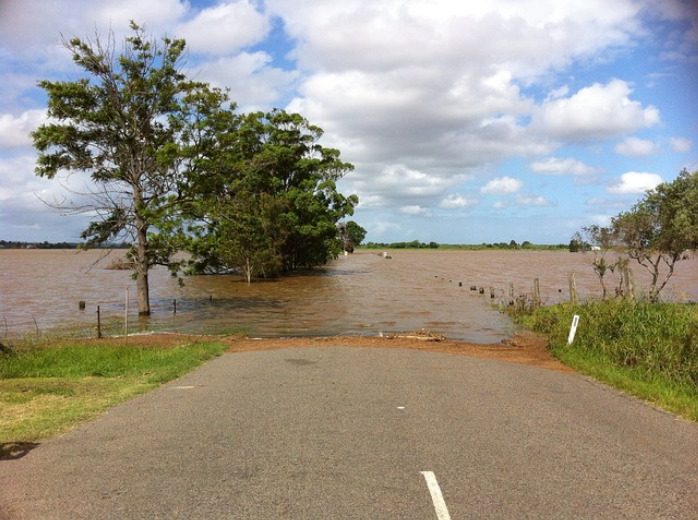
Floods are also a frequent occurrence in many parts of the world. Heavy rainfall, melting snow, or dam failures can lead to overflowing rivers and flash floods. Being aware of flood-prone areas and having an evacuation plan can help ensure the safety of individuals and their belongings.
Wildfires are another natural disaster that can have devastating consequences. Dry conditions, strong winds, and human activities can lead to the rapid spread of fires. Preparing for wildfires involves creating defensible space around homes, having emergency kits ready, and being aware of evacuation routes.
Tornadoes, volcanic eruptions, and tsunamis are other natural disasters that can wreak havoc on communities. Each requires specific preparedness measures to ensure the safety and well-being of those affected.
All in all, being aware of the common natural disasters in your area and taking steps to prepare is crucial. By having a plan, stocking up on supplies, and staying informed, you can increase your chances of surviving and recovering from these catastrophic events. Remember, it’s never too early to start preparing for disasters. Stay safe!
How can I create an emergency preparedness plan?
When it comes to preparing for disasters, having an emergency preparedness plan in place is crucial. Whether you live in an area prone to natural disasters or not, it’s always better to be safe than sorry. So, how can you create an effective emergency preparedness plan? Let’s dive in.
First and foremost, you need to assess the potential risks in your area. Are you prone to hurricanes, earthquakes, or floods? Understanding the specific hazards you may face will help you tailor your plan accordingly. By doing this, you can focus on the necessary steps to mitigate the risks.
Next, gather essential supplies. Stock up on non-perishable food, water, and medication to last you and your family for at least a few days. Don’t forget to include a first aid kit, flashlights, batteries, and a battery-powered radio. These items are crucial in case of power outages or communication disruptions.
Communication is key during emergencies. Make sure you have a designated meeting spot for your family members in case you get separated. Additionally, have a list of emergency contacts, including local authorities, nearby hospitals, and family members who live outside the affected area. This way, you can stay connected and informed.
Creating an evacuation plan is also vital. Identify the safest routes and shelters in your area. Plan multiple evacuation routes in case one becomes inaccessible. Practice these routes with your family members, so everyone knows what to do and where to go in case of an emergency.
Lastly, don’t forget about your pets. Include them in your emergency preparedness plan by having extra food, water, and necessary supplies for them. Research pet-friendly shelters or hotels in case you need to evacuate with your furry friends.
By following these steps, you can create a comprehensive emergency preparedness plan that will help you and your loved ones stay safe during disasters. Remember, preparation is key when it comes to facing unexpected situations. Stay informed, stay prepared, and stay safe.
What should I include in a disaster supply kit?
When it comes to preparing for disasters, having a well-stocked disaster supply kit is essential. Whether you’re facing a natural disaster like a hurricane or an unexpected emergency, having the right supplies can make all the difference. So, what should you include in your disaster supply kit?
First and foremost, water is crucial. Plan on having at least one gallon of water per person per day for at least three days. This will ensure that you have enough water for drinking, cooking, and hygiene purposes. Non-perishable food items are also important to include. Canned goods, granola bars, and dried fruits are great options that have a long shelf life.
In addition to food and water, it’s important to have a supply of essential medications. If you or your family members rely on prescription medications, make sure to have a sufficient amount on hand. Don’t forget about over-the-counter medications like pain relievers, antacids, and allergy medicine.
Other items to include in your disaster supply kit are a flashlight with extra batteries, a first aid kit, a whistle to signal for help, and a manual can opener. It’s also a good idea to have a battery-powered or hand-crank radio to stay updated on the latest news and emergency instructions.
Lastly, don’t forget about personal hygiene items. Include items like toilet paper, hand sanitizer, wet wipes, and feminine hygiene products. It’s also a good idea to have extra clothing and blankets in case of cold weather.
Remember, disasters can happen at any time, so it’s important to be prepared. By having a well-stocked disaster supply kit, you’ll have peace of mind knowing that you have the essentials to weather any storm. Stay safe and be prepared!
How can I protect my home from disasters?
When it comes to protecting your home from disasters, preparation is key. By taking the necessary steps, you can minimize the potential damage and ensure the safety of your loved ones. Here are some important measures you can take to safeguard your home:
1. Create an emergency plan: Develop a detailed plan that outlines what to do in different disaster scenarios. Make sure all family members are aware of the plan and know how to execute it efficiently.
2. Secure important documents: Keep important documents such as insurance policies, identification papers, and medical records in a waterproof and fireproof safe. Consider making digital copies and storing them securely online as well.
3. Install smoke detectors and fire extinguishers: These are essential for early detection and prevention of fires. Place smoke detectors in every room and check them regularly to ensure they are in working condition. Keep fire extinguishers in easily accessible areas, such as the kitchen and garage.
4. Reinforce your home: Strengthen your home’s structure to withstand natural disasters. Install storm shutters, reinforce windows and doors, and secure heavy furniture to prevent them from toppling over during earthquakes or strong winds.
5. Maintain your property: Regularly inspect and maintain your home. Clear gutters and drains to prevent water buildup, trim trees and branches to reduce the risk of falling during storms, and repair any structural damage promptly.
6. Create a disaster supply kit: Stock up on essential supplies such as food, water, first aid kits, flashlights, and batteries. Keep the kit easily accessible and ensure it is regularly updated.
Remember, disasters can strike at any time, so it’s crucial to be prepared. By implementing these measures, you can protect your home and increase your chances of staying safe during emergencies. Stay vigilant and stay prepared!
What are some ways to stay informed during a disaster?
When a disaster strikes, staying informed is crucial for your safety and well-being. In today’s digital age, there are several ways to ensure you have access to the latest information and updates. By utilizing these methods, you can stay informed and make informed decisions during a crisis.
One of the most effective ways to stay informed during a disaster is by monitoring local news sources. Local news outlets often provide up-to-date information on the situation, including evacuation orders, road closures, and emergency contact numbers. By staying tuned to these sources, you can stay informed about the latest developments in your area.
In addition to local news, it is also important to utilize technology to stay informed. Many emergency management agencies have developed mobile apps that provide real-time updates during disasters. These apps often include features such as emergency alerts, evacuation routes, and shelter locations. By downloading and using these apps, you can have vital information at your fingertips, even when you’re on the go.
Social media platforms can also be valuable sources of information during a disaster. Many organizations and government agencies use social media to provide updates and share important information. By following these accounts, you can receive timely updates and stay connected with the community.
Another way to stay informed is by signing up for emergency alerts. Many regions have systems in place that send out alerts via text message or email during emergencies. By registering for these alerts, you can receive important information directly to your phone or inbox.
To wrap up, staying informed during a disaster is crucial for your safety. By utilizing local news sources, technology, social media, and emergency alerts, you can ensure that you have access to the latest information and updates. Remember, being informed is the first step towards being prepared.
How can I help others during a disaster?
When disaster strikes, it is important to come together as a community and support one another. There are several ways you can help others during a disaster, whether it’s a natural calamity or a man-made crisis. By being prepared and taking proactive steps, you can make a significant difference in the lives of those affected.
One of the most crucial ways to help others during a disaster is by volunteering your time and skills. Organizations such as the Red Cross and local disaster relief agencies are always in need of volunteers to assist with various tasks. Whether it’s providing first aid, distributing supplies, or offering emotional support, your contribution can be invaluable.
Another way to help is by donating to reputable disaster relief organizations. Financial contributions can make a significant impact in providing immediate relief to those affected. Look for organizations that have a proven track record in disaster response and ensure that your donation will be used efficiently and effectively.
Additionally, spreading awareness and educating others about disaster preparedness can also be a great help. Encourage your friends, family, and community to create emergency kits, develop evacuation plans, and stay informed about potential hazards. By sharing knowledge and resources, you can empower others to be better prepared for future disasters.
Ultimately, offering a helping hand to your neighbors and community members can go a long way. Check on your elderly or vulnerable neighbors, offer assistance with cleanup and recovery efforts, and provide support to those who may be struggling emotionally in the aftermath of a disaster. Small acts of kindness can make a big difference in times of crisis.
All in all, there are various ways you can help others during a disaster. By volunteering, donating, spreading awareness, and offering support, you can play a vital role in assisting those affected by disasters. Together, we can build resilient communities that are better prepared to face any future challenges.
What should I do after a disaster occurs?
In the aftermath of a disaster, it’s crucial to stay calm and take immediate action to ensure your safety and well-being. While each disaster may require a different approach, there are some general steps you can follow to navigate through this challenging time.
First and foremost, prioritize your safety and the safety of those around you. Check for any injuries and provide first aid if necessary. If you’re in a damaged building, evacuate to a safer location and avoid entering any unstable structures.
Next, assess the damage and contact the relevant authorities. Report any injuries, missing persons, or hazardous situations to the emergency services. They are trained to handle these situations and can provide the necessary assistance.
It’s important to gather essential supplies, such as food, water, and medical supplies. If possible, listen to emergency broadcasts for updates and instructions from local authorities. They will provide information on evacuation routes, emergency shelters, and other resources available to you.
Document the damage by taking photographs or videos, as this can be helpful for insurance claims and disaster relief applications. Keep all receipts for expenses related to the disaster, as you may be eligible for financial assistance.
Reach out to your loved ones to let them know you’re safe. Use text messages or social media platforms, as they may be more reliable than phone calls during this time. Stay connected with your community and offer support to those in need.
Remember to take care of your mental and emotional well-being. Disasters can be traumatic, and it’s important to seek support from friends, family, or professionals if needed.
While the immediate aftermath of a disaster can be overwhelming, staying informed, organized, and connected will help you navigate through this challenging time. By taking these steps, you can begin the process of recovery and rebuilding.
In closing, preparing for disasters is of utmost importance in order to ensure the safety and well-being of ourselves and our loved ones. Throughout this post, we have discussed various topics related to disaster preparedness, including the importance of being prepared, common natural disasters, creating an emergency preparedness plan, building a disaster supply kit, protecting our homes, staying informed during a disaster, helping others, and what to do after a disaster occurs.
We have learned that being prepared for disasters can mean the difference between life and death. By having a plan in place and knowing what to do in various scenarios, we can minimize the impact of a disaster on our lives. We have also explored the different types of natural disasters that can occur, such as hurricanes, earthquakes, floods, and wildfires, and the specific steps we can take to prepare for each of them.
Creating an emergency preparedness plan is crucial, as it allows us to have a clear understanding of what needs to be done in case of an emergency. This includes identifying evacuation routes, establishing communication plans with family members, and knowing the location of emergency shelters. Additionally, building a disaster supply kit is essential, as it ensures that we have the necessary food, water, medications, and other essential items to sustain ourselves during and after a disaster.
Protecting our homes from disasters involves taking preventive measures such as reinforcing structures, securing loose objects, and having proper insurance coverage. Staying informed during a disaster is vital, and we have discussed various ways to do so, including listening to emergency alerts, monitoring weather updates, and utilizing mobile apps and social media platforms.
Helping others during a disaster is a compassionate act that can make a significant difference in someone’s life. By volunteering, donating supplies, or offering support to affected individuals and communities, we can contribute to the recovery process. In summary, we have explored the necessary steps to take after a disaster occurs, including assessing the damage, contacting insurance providers, and seeking assistance from local authorities and relief organizations.
Looking ahead, it is important to stay updated on new developments and trends in disaster preparedness. With the increasing frequency and intensity of natural disasters, it is crucial to adapt and improve our preparedness efforts. We must also consider the potential impact of climate change on the frequency and severity of disasters.
Thank you for taking the time to read this post. We hope that the information provided has been helpful in understanding the importance of preparing for disasters. We encourage you to leave any comments or feedback and to share your own experiences and tips on disaster preparedness. Together, we can create safer and more resilient communities.