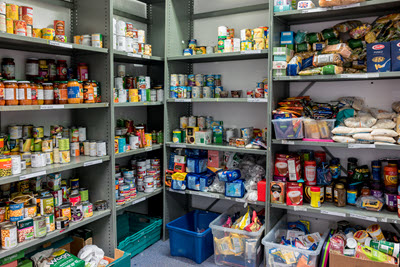
During the global Pandemic, it was hard to get the items we needed from the grocery stores. During the early phase of the crisis, people rushed to the stores and empties the shelves of the supplies they felt they needed for their families. Fear fueled the push for people to grab and hoard so their family didn’t go without the things they needed. Unfortunately, the supply chaos was compounded as suppliers were unable to adequately get products to stores. Everyone was severely impacted with the disruption. When stores did get supplies, they were forced to limit quantities people could purchase.
In times of emergency, such as a global pandemic, supply chains can be significantly impacted, leading to shortages and the imposition of quantity purchasing limits on essential items. These restrictions can make it challenging for individuals to obtain the supplies they need. However, there are strategies you can adopt to navigate these limitations and ensure you and your family remain well-stocked. Below are some practical steps to overcome the difficulties and quantity purchasing limits during crises.
1. Plan Ahead and Prioritize
Begin by assessing your household’s needs and prioritizing items that are essential for your health, hygiene, and sustenance. Create a list of necessities, including medications, non-perishable food, personal hygiene products, and any other critical supplies. Having a clear understanding of what you need will help you focus your efforts on acquiring these items first.
2. Explore Alternative Shopping Venues
Large retailers and grocery stores are not your only options. Local smaller stores, ethnic markets, and online platforms may not face the same degree of demand and could have more relaxed purchasing limits. Exploring these alternatives can increase your chances of finding what you need without running into restrictive buying limits.
3. Leverage Community Networks
Community support networks, such as neighborhood groups on social media platforms, can be invaluable during emergencies. These groups often share information about which stores are well-stocked, and members may be willing to trade items or offer extras of what they have. Participating in these networks not only helps you find supplies but also strengthens community bonds.
4. Bulk Buying Clubs and Co-ops
Joining a bulk buying club or a cooperative can be an effective way to access larger quantities of essentials. These organizations often purchase directly from suppliers, bypassing retail limits. Membership might come with a fee, but the access to necessary goods without restrictions can be well worth the cost.
5. Build Relationships with Local Retailers
Establishing a rapport with the staff and management at local stores can provide you with insider information on delivery schedules and when new stock is expected. Some stores may also be willing to set aside items for regular customers, allowing you to bypass general purchasing limits.
6. Alternative Products and DIY Solutions
When specific products are in short supply, consider alternatives that meet the same needs. For example, if disinfectant wipes are unavailable, you can make your own sanitizing solutions with bleach or alcohol. Being flexible and creative with the products you use can help mitigate the impact of purchasing limits.
7. Monitor and Respond to Changing Restrictions
Keep abreast of news and updates from retailers and government sources regarding purchasing limits and supply chain developments. Being informed allows you to adjust your strategies as the situation evolves, helping you to better navigate restrictions.
8. Practice Ethical Shopping
To wrap up, while it’s important to ensure your household has what it needs, it’s equally important to shop ethically. Hoarding contributes to shortages and affects the most vulnerable members of our communities. Purchase responsibly, keeping in mind the needs of others.
The bottom line is … PREPARE. Don’t wait until an emergency or disaster to hit to get prepared. By then, it could be too late and your family could be severely impacted. By adopting the above simple strategies, you can navigate purchasing limits and mitigate the impact of supply chain disruptions during emergencies. Planning, community cooperation, and flexibility are key to overcoming these challenges, ensuring you and your loved ones remain safe and well-provided for.
In the realm of preparedness and self-reliance, there is a crucial distinction between raising awareness about potential threats based on facts and engaging in fearmongering. While it is essential to discuss the importance of being prepared for possible disasters, it is equally vital to recognize the dangers of exaggerated claims, unrealistic fears, and harmful ideologies that can divide communities and cause unnecessary panic.
Fearmongering is the act of deliberately spreading alarming and exaggerated rumors of an impending danger or threat, often with the intention of manipulating public perception and emotions. This tactic is commonly used by some websites and media outlets to attract attention, increase traffic, and push a specific agenda. Fearmongering often relies on sensationalism, conspiracy theories, and cherry-picked data to paint a picture of imminent doom, even when the facts do not support such claims.
The proliferation of fearmongering and negative claims can have severe consequences for individuals and society as a whole. When people are constantly bombarded with messages of impending catastrophe, it can lead to heightened anxiety, stress, and even panic. This can result in irrational decision-making, such as hoarding supplies, engaging in dangerous activities, or adopting extremist ideologies.
Moreover, fearmongering often exploits and amplifies existing social, political, and economic divisions, creating an “us vs. them” mentality that can further erode community cohesion and trust. This divisiveness can hinder efforts to work together and find common ground in the face of real challenges.
It is important to acknowledge that humans have a natural tendency to be drawn towards negative news events and painful stories. This innate fascination with the negative can be attributed to various factors, including evolutionary instincts that prioritize threat detection and a desire to make sense of the world around us. However, this inclination towards negativity can also be exploited by those engaging in fearmongering.
In today’s digital age, where information is readily accessible and rapidly shared, our societies seem to be inundated with a constant stream of tales of woe and impending doom. This proliferation of negative content can create a vicious cycle, where the more we consume, the more we crave, leading to a heightened sense of anxiety and a distorted perception of reality.
While it is crucial to stay informed about potential risks and challenges, it is equally important to maintain a balanced perspective and not let our innate fascination with the negative override rational thinking. By being aware of our own biases and actively seeking out fact-based information from credible sources, we can counteract the allure of fearmongering and make informed decisions about preparedness.
In contrast to fearmongering, genuine preparedness is based on a rational assessment of potential risks and taking appropriate measures to mitigate those risks. It involves analyzing credible sources of information, such as scientific studies, historical data, and expert opinions, to identify realistic threats that may impact our lives. Preparedness focuses on empowering individuals with knowledge and skills to face challenges, rather than paralyzing them with fear.
To navigate the line between fearmongering and fact-based preparedness, consider the following:
Rely on credible sources: Seek information from reputable organizations, government agencies, and experts in relevant fields. Be cautious of websites or individuals that make bold claims without providing verifiable evidence.
Maintain a balanced perspective: Approach potential threats with a level-headed and rational mindset. While it is important to be aware of risks, avoid falling into the trap of worst-case scenario thinking or apocalyptic predictions.
Focus on practical solutions: Preparedness should be about empowering yourself and your community with practical knowledge, skills, and resources to face challenges. Avoid sources that primarily focus on instilling fear without offering constructive advice or solutions.
Foster community resilience: Work towards building strong, supportive, and inclusive communities that can withstand and recover from adversity. Encourage open dialogue, cooperation, and mutual aid rather than division and mistrust.
Prioritize mental health: Engage in self-care practices and seek support if you find yourself overwhelmed by fear or anxiety. Remember that preparedness is about enhancing your overall well-being, not compromising it.
By being mindful of the dangers of fearmongering, recognizing our own biases towards negativity, and focusing on fact-based preparedness, we can cultivate a more resilient and united society. It is crucial to approach challenges with a clear head, a compassionate heart, and a commitment to working together for the common good. Through responsible preparedness efforts, we can empower ourselves and our communities to face adversity with courage, wisdom, and hope, while resisting the allure of sensationalism and fearmongering.
When the Global Pandemic hit, many families were devastated. With the health quarantine that was imposed, there were shortages of food and supplies at the local markets. Even if you could get out to stores (since there were restrictions in place) – grocery shelves were often empty of items that your family needed. In our area, there was a massive run on toilet paper. You couldn’t find it anywhere!
So the question arises…
Should we stockpile toilet paper to prepare for the next emergency situation?
Well, it’s obviously an issue that we’ve experiences so it’s a valid question. I can share some points to consider if you are thinking about stockpiling toilet paper for any future emergency situation. Here are some general thoughts to consider:
Analyze the emergency situation:
It is essential to understand the circumstances of an emergency before deciding to stockpile any goods, including toilet paper. For instance, in the case of a hurricane or natural disaster, it is unlikely that toilet paper is a crucial item to stockpile as there could be more pressing needs like food, water, shelter, or medical supplies. In contrast, during a pandemic or similar widespread outbreak, the availability of toilet paper could be limited due to supply chain disruptions and panic buying, making it important to stockpile.
Determine the duration of the emergency:
Another critical factor to consider is the potential length of the emergency. If it is a short-term emergency like a power outage or water supply disruption, it may not be necessary to stockpile large amounts of toilet paper. However, if the emergency is likely to last for several weeks or months, it may be wise to consider stockpiling toilet paper to avoid shortages.
Assess your personal and family needs:
Personal factors like the number of people in your household, the frequency of bowel movements, and the size of your storage space should also be taken into account when deciding to stockpile toilet paper. It is vital to stockpile a reasonable amount that can last for a considerable period but does not take up excessive space in your home.
Keep in mind the cost:
While it is understandable to want to stockpile, it is essential to consider the cost involved in purchasing large amounts of toilet paper. The cost may not be worth it if there is no need for it during the emergency, or if the emergency situation is not long-lasting. Moreover, panic buying can lead to inflated prices and hoarding, making it more difficult for others to access necessary goods.
All in all, the decision to stockpile toilet paper during an emergency situation ultimately depends on various factors. It is important to weigh the benefits and drawbacks carefully and assess the specific emergency’s nature, duration, and personal needs. It is also crucial to avoid panic buying and to stockpile goods responsibly, keeping in mind the cost and the needs of your community.
In the face of a crisis, water is the essence of survival. It’s not just about quenching thirst, but also maintaining hygiene and potentially warding off diseases.
Understanding how to locate and purify water is a vital skill, one that could mean the difference between life and death. This knowledge isn’t exclusive to wilderness survival, but extends to urban emergencies as well, where conventional water sources may become compromised.
In the forthcoming sections, we will delve into practical methods of finding water, including natural sources and man-made reservoirs, along with essential purification techniques. So, whether you’re a seasoned survivalist or a novice prepper, this guide is your go-to resource for securing the most crucial element of survival – water.
Where to find water in a disaster?
In the face of a catastrophe, finding water becomes a critical survival strategy. This is because water is the cornerstone of life, and its scarcity can lead to dehydration and death. One of the most reliable sources of water during a disaster is your home’s water heater. It typically holds up to 50 gallons of drinkable water, which can be accessed by opening the drain valve at the bottom.
Another potential source is the toilet tank, not the bowl. The water stored here is usually clean and safe to drink. However, if you’re unsure about its cleanliness, it’s advisable to purify it before consumption.
Additionally, the outdoors offer several water sources. Natural bodies of water such as rivers, streams, and lakes can provide water, though it’s crucial to purify this water to eliminate any potential contaminants. Rainwater is another viable option, and it can be collected using buckets or other containers.
In an urban setting, public facilities such as schools, parks, or municipal buildings often have water fountains or taps that can be used.
Remember, purification is key in all these scenarios. Boiling, using water purification tablets, or a portable water filter can help ensure the water is safe to drink.
Conservation is equally important during a disaster. Avoid wasting water and ration your supply wisely to ensure it lasts until you can find a new source.
In emergencies, knowing where to find water can mean the difference between life and death. Therefore, understanding these strategies is vital for anyone seeking to be prepared for disaster scenarios.
In an emergency situation, having access to clean, drinkable water is paramount. One of the most effective methods is boiling. Boiling water kills many types of disease-causing organisms. Simply heat the water until it reaches a rolling boil and maintain for at least one minute.
Another method is using iodine tablets or chlorine bleach. These chemicals kill most pathogens found in water. Follow the instructions on the package to determine the correct dosage. Note that this method may leave an unpleasant taste in the water.
Another option is using a portable water filter. These devices remove bacteria, parasites and other harmful substances from the water. They are compact, lightweight, and easy to use, making them an excellent choice for emergency situations.
Distillation is another effective method of purifying water. This involves boiling the water and then collecting the steam, which condenses back into water. This method removes all impurities, including chemicals and salts.
Ultimately, exposure to sunlight can also be used to purify water. This method, known as SODIS (Solar Disinfection), involves filling a transparent plastic bottle with water and leaving it in direct sunlight for at least 6 hours. The UV rays from the sun kill harmful microorganisms in the water.
Remember that these methods should be used as a last resort when no other source of safe drinking water is available. It’s always best to prepare for emergencies by storing a sufficient supply of bottled water.
Can I drink flood water?
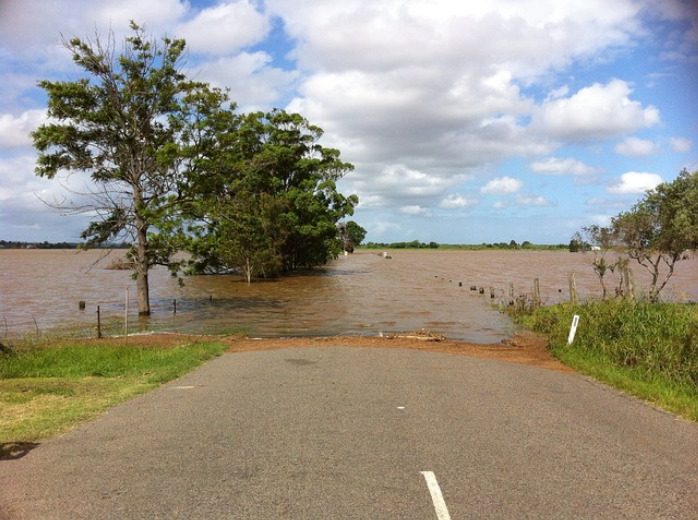
In the midst of an emergency situation, finding water can be a critical challenge. One might wonder, can I drink flood water? The short answer is, no. Flood water is often contaminated with numerous pollutants, including bacteria, viruses, and chemicals that could lead to serious health issues.
Flood water is not a safe or reliable source of drinking water. It can contain sewage overflow, harmful bacteria like E.coli, and hazardous substances washed away from roads and industrial areas. Drinking such water can lead to waterborne diseases such as cholera, typhoid, and dysentery, among others.
Instead, look for alternative sources of water in an emergency situation. Some of these include:
1. Rainwater: Collect and store rainwater for consumption. However, ensure to boil it before drinking to kill any potential pathogens.
2. Snow and ice: Melt snow and ice for drinking water. Avoid colored or dirty snow.
3. Natural springs: These can be a good source of water, but it’s crucial to purify the water before drinking.
4. Water from canned goods: Many canned foods contain water which can be used for hydration in emergencies.
Remember, in an emergency situation, finding water is crucial but ensuring its safety for consumption is equally vital. Always purify water before drinking to avoid health risks.
How to store water for emergencies?
Storing water for emergencies is a critical task that requires careful planning and execution. Water storage containers are a must-have for anyone looking to prepare for an emergency. These containers should be food-grade, meaning they are safe to store water that you plan to drink.
Next, consider the water source. Tap water, if it’s safe to drink, can be stored directly in the containers. If you’re using water from a well or a spring, it’s essential to purify it before storage. Boiling is a common method, but you can also use water purification tablets or a water purifier.
Equally important is the storage location. Ideally, the water should be stored in a cool, dark place to prevent the growth of algae and bacteria. Avoid places with direct sunlight or high temperatures.
Here are a few steps to follow when storing water:
1. Clean the water storage containers thoroughly.
2. Fill the container with water, leaving some space at the top.
3. Securely close the container to prevent contamination.
4. Store the container in a suitable location.
Remember, the storage duration also matters. As a rule of thumb, stored water should be used and replaced every six months. This ensures that the water remains fresh and safe to drink.
Lastly, don’t forget about water purification methods during emergencies. Having a plan to purify water can be a lifesaver when your stored water supply runs out. This can include boiling water, using purification tablets, or a portable water filter.
In essence, proper water storage is paramount in any emergency preparedness plan. By following these guidelines, you can ensure that you have a safe and reliable water supply when you need it most.
What is the best emergency water filter?
In an emergency situation, finding a reliable source of drinking water is paramount. Among the plethora of water filters available, the Sawyer Mini stands out as the best emergency water filter. It’s compact, lightweight, and capable of filtering up to 100,000 gallons of water.
The Sawyer Mini uses a 0.1 micron absolute filtration system, effectively removing 99.99999% of all bacteria, such as salmonella, cholera, and E.coli, and 99.9999% of all protozoa, such as giardia and cryptosporidium. It’s a highly efficient tool for emergency water purification.
Moreover, this filter can be attached directly to a drinking pouch, hydration pack, or even a disposable water bottle, making it an ideal choice for emergency situations. It also comes with a drinking straw for direct use from a water source.
Survivalists often recommend having multiple methods of water purification in an emergency. Other options include:
Boiling: Kills most types of pathogens but does not remove chemical contaminants.
Chemical treatment: Effective against most pathogens but may leave an unpleasant taste.
Distillation: Effective against most pathogens and chemical contaminants but requires a heat source and time.
While these methods can be effective, they require time, resources, and may not be feasible in all situations. In contrast, the Sawyer Mini is ready to use instantly, providing clean, safe drinking water in any circumstance. Its efficiency, portability, and ease of use make it the top choice for an emergency water filter.
Can you drink rainwater in emergencies?
In dire circumstances, when access to clean water is limited, rainwater can serve as a potential source of hydration. However, it is essential to understand that while rainwater is generally pure as it falls from the sky, it can pick up various contaminants as it lands. It may collect pollutants from the atmosphere, rooftops, and even the containers used for collection.
Purification is a vital step when considering drinking rainwater in emergencies. Simple methods like boiling, using water purification tablets, or solar disinfection can be effective. These techniques can help eliminate potential pathogens and make the water safer for consumption.
When collecting rainwater, it is advisable to wait for a few minutes after the rain starts. This allows the rain to wash away most of the atmospheric pollutants. Using clean, sanitized containers for collection can further minimize the risk of contamination.
Here are some steps to purify rainwater:
1. Collect rainwater in a clean container.
2. Let it stand for at least an hour. This allows larger particles to settle at the bottom.
3. Filter the water using a cloth or coffee filter to remove smaller particles.
4. Boil the water for at least one minute or use water purification tablets as directed.
Remember, rainwater should only be used as a last resort and must be treated before consumption. Always prioritize finding a reliable source of clean, potable water in emergency situations.
How to collect rainwater for drinking?
Collecting rainwater for drinking during an emergency situation can be a lifesaver. The process is simple and requires only a few basic tools. First, you need a clean container to collect the rainwater. This could be a bucket, a barrel, or even a clean garbage can.
Next, find an open space where rainwater can easily be collected. This could be a rooftop or a yard. Avoid areas near trees or buildings, as these can contaminate the water with debris. Once you’ve found the perfect spot, place your container there and wait for the rain to fill it up.
After collecting the rainwater, it’s important to purify it before drinking. This can be done by boiling the water for at least 10 minutes, using water purification tablets, or a portable water filter.
Collect rainwater in a clean container
Find an open space for collection
Purify the collected water before drinking
Remember, during an emergency situation, having access to safe drinking water is crucial. Knowing how to collect and purify rainwater can make a significant difference in your survival.
While rainwater is a great source of water during emergencies, it’s also a sustainable way to conserve water in daily life. So, mastering the skill of collecting rainwater is not only useful for emergencies but also for promoting sustainability and self-sufficiency.
Is snow a safe water source during emergencies?
Snow, a form of frozen water, is often considered a potential water source during emergencies. However, it’s crucial to understand that consuming snow directly can pose health risks. One of the primary concerns is the low temperature of snow. Consuming it directly can lead to a decrease in body temperature, potentially resulting in hypothermia.
Another concern is the potential presence of impurities in the snow. Snow can contain dirt, bacteria, or even harmful chemicals. Therefore, it’s advised to purify snow before consumption. The safest way to consume snow is by melting it first and then boiling the water. This process eliminates most of the harmful bacteria and parasites that could be present.
Melt the snow: Collect clean, fresh snow and melt it. Avoid colored or dirty snow as it might contain impurities.
Boil the water: After melting the snow, boil the water for at least one minute to kill any remaining bacteria or parasites.
Remember, finding water during an emergency situation is crucial, but it’s equally important to ensure the water source is safe. While snow can be a viable option, it should be consumed with caution, following the appropriate purification steps.
Conclusion: Navigating Water Needs During Emergency Scenarios
Navigating the landscape of water sourcing and purification during emergency situations can be daunting. This post has aimed to provide you with the knowledge and tools necessary to ensure your survival and well-being during such times. We’ve explored where to find water during a disaster, how to purify it, and whether or not certain sources such as flood water or snow are safe to consume.
The importance of storing water for emergencies was also discussed, along with the best emergency water filters available. Rainwater, often overlooked, can be a viable source of hydration in emergencies, provided you know how to collect and purify it effectively.
Remember, each situation is unique and requires different approaches. It’s crucial to understand the risks associated with each water source and to take the necessary steps to ensure its safety before consumption.
As we move forward, advancements in technology and survival strategies may further enhance our ability to secure clean water in emergency situations. It’s important to stay informed and prepared. Remember, knowledge is your best tool in any emergency situation. Stay safe and stay hydrated.
Potentially, the most critical area that is needed for preparedness is securing your family water source. It seems that most families begin to focus on food storage when they are concerned about an emergency situation, but neglect to really prioritize their water supply. We have been groomed to assume that water will simply continue to flow from the faucet – even during a massive disaster. The reality is, our water supply is fragile and we must take actions now to be better prepared for any possible water emergency.
Understanding the paramount importance of water treatment is crucial for ensuring our health and safety. Contaminated water is a breeding ground for myriad illnesses, but with the right purification methods, we can significantly reduce these risks. The most effective approach to water purification involves integrating various techniques, such as chlorination, boiling, filtration, and distillation, to achieve the best results.
Chlorination is a powerful ally in the battle against waterborne pathogens. By adding chlorine to water, we can eliminate harmful bacteria and viruses, reduce unpleasant odors and tastes, and inhibit the growth of algae and molds in water storage areas. This process not only guarantees safer drinking water but also prolongs the cleanliness of storage containers. For household disinfection, using regular, unscented liquid bleach containing 5.25 to 6 percent sodium hypochlorite is recommended. A precise measurement of 1/8 teaspoon of bleach per gallon of water, left to sit for 30 minutes, can effectively purify the water, provided it retains a slight bleach scent indicating successful treatment.
Boiling water is perhaps the simplest and quickest method for purifying water. This age-old technique eradicates viruses, bacteria, parasites, and other pathogens, ensuring the water is safe for consumption. Simply boiling water for one minute can significantly improve its safety. To enhance the taste of boiled water, transferring it between two clean containers or adding a pinch of salt can make it more palatable.
Portable water filters offer a convenient solution for on-the-go water purification. They are capable of removing bacteria and parasites, thereby preventing waterborne diseases. By following the manufacturer’s guidelines, these filters can provide clean and safe water from virtually any source.
Distillation goes a step further by eliminating microbes, heavy metals, salts, and most chemicals that other methods may leave behind. The process of distillation involves boiling water and collecting the condensed vapor, resulting in water that is not only pure but also free from trace elements. This purified water can contribute to improved bodily functions and the prevention of kidney stones.
In addition to understanding the core methods of water purification, it’s paramount to be proactive in addressing the looming challenges of water scarcity. Below are some tips on how you can start preparing now to ensure you’re not caught off guard:
Adopt Water-Saving Habits: Simple changes in daily activities can make a big difference. Be mindful of water usage in your home by fixing leaks promptly, taking shorter showers, and turning off the tap while brushing your teeth. These habits not only conserve water but also instill a culture of sustainability within the household.
Invest in Rainwater Collection: Installing a rainwater collection system is a practical step towards self-sufficiency. This collected water can be used for gardening, washing, and, with proper treatment, even drinking. It’s a way to decrease your dependence on municipal water supplies and safeguard against shortages.
Establish a Water Reserve: Keeping an emergency water supply is wise. Begin by storing bottled water and consider larger, more durable containers for long-term storage. Regular maintenance of your storage ensures the water remains fresh and safe for consumption when needed.
Explore Water Recycling: Educating yourself on the benefits and methods of greywater recycling can open up new avenues for water conservation. Reusing water from baths, sinks, and laundry machines for irrigation purposes can significantly reduce your household’s water footprint.
Community Engagement: Participating in community efforts to promote water conservation can amplify the impact of individual actions. Support local policies and initiatives aimed at sustainable water use and encourage others to join in these efforts.
By taking these steps today, you’re not just preparing for a potential water shortage; you’re also contributing to the broader effort of preserving our most precious resource. Water is the lifeline of our communities, and through mindful conservation and efficient purification practices, we can ensure its availability for generations to come.
All in all, safeguarding our water supply through effective treatment methods is essential for maintaining our health. By combining chlorination, boiling, filtration, and distillation, we can ensure that our water is free from contaminants and safe for consumption. Educating ourselves and taking proactive steps towards water purification will not only protect us from diseases but also contribute to our overall well-being.
Master Harvesting Techniques for Wild Edible Plants and Medicinal Herbs: A Comprehensive Guide to Sustainable Foraging for Preparedness
In the world of preparedness, knowing the correct harvesting techniques for wild edible plants and medicinal herbs is a skill that could one day save your life or the lives of your loved ones. Whether facing a short-term emergency or a long-term survival situation, having the ability to safely identify, gather, and process nutrient-rich and medicinally potent plants from the wild can provide critical sustenance and healing when other resources are scarce. This article will teach you the essential harvesting techniques for responsibly utilizing nature’s bounty, ensuring both your well-being and the health of the ecosystems you depend on.
Get a FREE Subscription to PREPARE Magazine
The Vital Importance of Harvesting Edible Plants:
Overharvesting can permanently damage plant populations and habitats
Sustainable techniques allow for continued use of valuable wild resources
Responsible harvesting practices demonstrate respect for nature and future generations
Key Techniques for Harvesting Wild Edible and Medicinal Plants:
Leaves:
Use sharp, clean tools to prevent plant damage and infection
Pick selectively, leaving enough for photosynthesis and growth
Harvest in the morning for peak nutrient content
Fruits:
Handle gently to avoid bruising
Only take fully mature fruits to ensure the best nutrition and allow the plant to reproduce
Roots:
Carefully dig to minimize disturbance to surrounding plants
Consider dividing and replanting some roots to propagate the plant
Harvest in fall when energy is concentrated in the roots for maximum potency
Essential Best Practices for Sustainable Harvesting:
Master plant identification to avoid dangerous mistakes
Follow the 10% rule to maintain healthy plant populations
Practice “Leave No Trace” principles to minimize your impact
The Life-Saving Benefits of Proper Wild Harvesting Skills:
Provides a renewable source of food and medicine in emergencies
Supports the overall health and resilience of vital ecosystems
Ensures peak quality and potency by harvesting at optimal times using correct methods
Getting Started with Confidence:
Begin with easy-to-identify plants and expand your knowledge gradually
Document your harvests to track patterns and yields
Approach wild harvesting with an attitude of gratitude and stewardship
Conclusion: Mastering sustainable harvesting techniques for wild edible and medicinal plants is not just a valuable preparedness skill – it’s an investment in your own resilience and the future health of the natural world. By learning to mindfully gather leaves, fruits, and roots in a way that protects and propagates these essential plant species, you’ll be ready to nourish and heal yourself and others in times of great need. So venture out with respect and wonder, and begin cultivating this life-sustaining partnership with nature today.

 1. Plan Ahead and Prioritize
 Understanding the paramount importance of water treatment is crucial for ensuring our health and safety. Contaminated water is a breeding ground for myriad illnesses, but with the right purification methods, we can significantly reduce these risks. The most effective approach to water purification involves integrating various techniques, such as chlorination, boiling, filtration, and distillation, to achieve the best results.
 Key Techniques for Harvesting Wild Edible and Medicinal Plants: