When disaster strikes, it is often too late to think about how to respond effectively. That is why preparing for disasters is crucial. By taking the necessary steps beforehand, you can minimize the impact of a disaster and ensure the safety and security of yourself, your loved ones, and your community.
In this introductory article, we will explore the importance of preparing for disasters and delve into various related topics that will equip you with the knowledge and skills needed to face any emergency situation. From natural disasters like hurricanes, earthquakes, and floods, to man-made crises such as fires, terrorist attacks, and pandemics, being prepared is the key to survival.
By adopting a proactive approach to disaster preparedness, you can significantly reduce the risks associated with these events. This involves creating an emergency plan, assembling a disaster supply kit, and staying informed about potential hazards in your area. Additionally, understanding evacuation routes, communication strategies, and first aid techniques can make all the difference when faced with a crisis.
In the following sections, we will delve deeper into each of these topics, providing you with practical advice and expert tips on how to prepare for different types of disasters. We will also explore the importance of community resilience and the role that individuals can play in supporting one another during times of crisis.
Remember, disaster preparedness is an ongoing process. It requires regular review and updates to ensure that you are equipped with the most current information and resources. So, join us as we embark on this journey of preparedness, where we will empower you to face any disaster head-on and emerge stronger and more resilient.
Stay tuned for our next installment, where we will delve into the first topic: creating an emergency plan. Together, we can build a safer and more secure future.
Why is it important to prepare for disasters?
Disasters can strike at any time, without warning. Whether it’s a natural disaster like a hurricane or earthquake, or a man-made disaster such as a terrorist attack or pandemic, being prepared is crucial. In fact, preparing for disasters can mean the difference between life and death.
One of the main reasons why it is important to prepare for disasters is to ensure the safety and well-being of yourself and your loved ones. By having a plan in place and being prepared, you can minimize the risks and potential harm that disasters can cause. This includes having emergency supplies, such as food, water, and medication, readily available, as well as knowing what to do and where to go in case of an emergency.
Another reason to prepare for disasters is to protect your property and belongings. By taking preventive measures, such as securing your home and belongings, you can reduce the risk of damage or loss during a disaster. This can include installing storm shutters, reinforcing doors and windows, and securing important documents and valuables in a safe place.
Furthermore, being prepared for disasters can also help in the recovery process. By having a plan in place, you can quickly assess the situation and take necessary actions to start the recovery process. This can include contacting emergency services, insurance companies, and other relevant authorities to get the help and support needed.
To wrap up, preparing for disasters is of utmost importance. It ensures the safety and well-being of yourself and your loved ones, protects your property and belongings, and helps in the recovery process. By being proactive and taking the necessary steps to prepare, you can minimize the impact of disasters and increase your chances of survival. Don’t wait until it’s too late – start preparing today.
What are some common natural disasters?
Natural disasters can strike at any time, leaving devastation in their wake. Being prepared is crucial, as it can save lives and minimize damage. In this article, we will explore some of the most common natural disasters and the importance of preparing for them.
One of the most well-known natural disasters is earthquakes. These occur when the Earth’s tectonic plates shift, causing the ground to shake violently. Earthquakes can result in collapsed buildings, landslides, and tsunamis, making preparedness essential.
Another common natural disaster is hurricanes. These powerful storms form over warm ocean waters and can cause widespread destruction. High winds, heavy rainfall, and storm surges can lead to flooding, power outages, and significant property damage. Having a plan in place and stocking up on essential supplies is crucial when facing a hurricane.
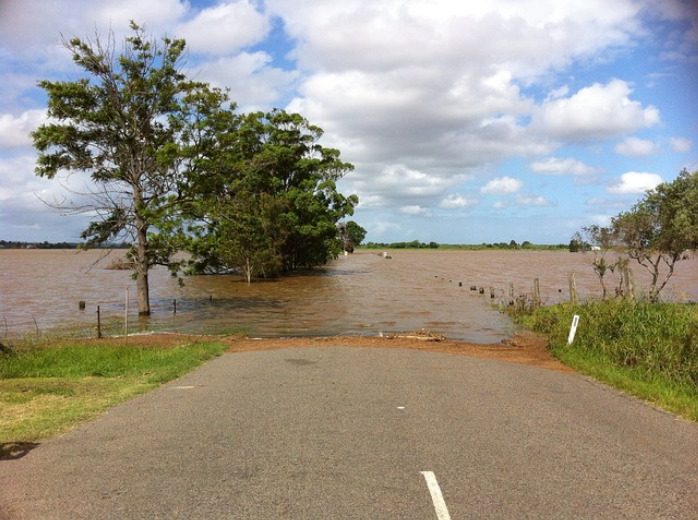
Floods are also a frequent occurrence in many parts of the world. Heavy rainfall, melting snow, or dam failures can lead to overflowing rivers and flash floods. Being aware of flood-prone areas and having an evacuation plan can help ensure the safety of individuals and their belongings.
Wildfires are another natural disaster that can have devastating consequences. Dry conditions, strong winds, and human activities can lead to the rapid spread of fires. Preparing for wildfires involves creating defensible space around homes, having emergency kits ready, and being aware of evacuation routes.
Tornadoes, volcanic eruptions, and tsunamis are other natural disasters that can wreak havoc on communities. Each requires specific preparedness measures to ensure the safety and well-being of those affected.
Ultimately, being aware of the common natural disasters in your area and taking steps to prepare is crucial. By having a plan, stocking up on supplies, and staying informed, you can increase your chances of surviving and recovering from these catastrophic events. Remember, it’s never too early to start preparing for disasters. Stay safe!
How can I create an emergency preparedness plan?
When it comes to preparing for disasters, having an emergency preparedness plan in place is crucial. Whether you live in an area prone to natural disasters or not, it’s always better to be safe than sorry. So, how can you create an effective emergency preparedness plan? Let’s dive in.
First and foremost, you need to assess the potential risks in your area. Are you prone to hurricanes, earthquakes, or floods? Understanding the specific hazards you may face will help you tailor your plan accordingly. By doing this, you can focus on the necessary steps to mitigate the risks.
Next, gather essential supplies. Stock up on non-perishable food, water, and medication to last you and your family for at least a few days. Don’t forget to include a first aid kit, flashlights, batteries, and a battery-powered radio. These items are crucial in case of power outages or communication disruptions.
Communication is key during emergencies. Make sure you have a designated meeting spot for your family members in case you get separated. Additionally, have a list of emergency contacts, including local authorities, nearby hospitals, and family members who live outside the affected area. This way, you can stay connected and informed.
Creating an evacuation plan is also vital. Identify the safest routes and shelters in your area. Plan multiple evacuation routes in case one becomes inaccessible. Practice these routes with your family members, so everyone knows what to do and where to go in case of an emergency.
Lastly, don’t forget about your pets. Include them in your emergency preparedness plan by having extra food, water, and necessary supplies for them. Research pet-friendly shelters or hotels in case you need to evacuate with your furry friends.
By following these steps, you can create a comprehensive emergency preparedness plan that will help you and your loved ones stay safe during disasters. Remember, preparation is key when it comes to facing unexpected situations. Stay informed, stay prepared, and stay safe.
What should I include in a disaster supply kit?
When it comes to preparing for disasters, having a well-stocked disaster supply kit is essential. Whether you’re facing a natural disaster like a hurricane or an unexpected emergency, having the right supplies can make all the difference. So, what should you include in your disaster supply kit?
First and foremost, water is crucial. Plan on having at least one gallon of water per person per day for at least three days. This will ensure that you have enough water for drinking, cooking, and hygiene purposes. Non-perishable food items are also important to include. Canned goods, granola bars, and dried fruits are great options that have a long shelf life.
In addition to food and water, it’s important to have a supply of essential medications. If you or your family members rely on prescription medications, make sure to have a sufficient amount on hand. Don’t forget about over-the-counter medications like pain relievers, antacids, and allergy medicine.
Other items to include in your disaster supply kit are a flashlight with extra batteries, a first aid kit, a whistle to signal for help, and a manual can opener. It’s also a good idea to have a battery-powered or hand-crank radio to stay updated on the latest news and emergency instructions.
Lastly, don’t forget about personal hygiene items. Include items like toilet paper, hand sanitizer, wet wipes, and feminine hygiene products. It’s also a good idea to have extra clothing and blankets in case of cold weather.
Remember, disasters can happen at any time, so it’s important to be prepared. By having a well-stocked disaster supply kit, you’ll have peace of mind knowing that you have the essentials to weather any storm. Stay safe and be prepared!
How can I protect my home from disasters?
When it comes to protecting your home from disasters, preparation is key. By taking the necessary steps, you can minimize the potential damage and ensure the safety of your loved ones. Here are some important measures you can take to safeguard your home:
1. Create an emergency plan: Develop a detailed plan that outlines what to do in different disaster scenarios. Make sure all family members are aware of the plan and know how to execute it efficiently.
2. Secure important documents: Keep important documents such as insurance policies, identification papers, and medical records in a waterproof and fireproof safe. Consider making digital copies and storing them securely online as well.
3. Install smoke detectors and fire extinguishers: These are essential for early detection and prevention of fires. Place smoke detectors in every room and check them regularly to ensure they are in working condition. Keep fire extinguishers in easily accessible areas, such as the kitchen and garage.
4. Reinforce your home: Strengthen your home’s structure to withstand natural disasters. Install storm shutters, reinforce windows and doors, and secure heavy furniture to prevent them from toppling over during earthquakes or strong winds.
5. Maintain your property: Regularly inspect and maintain your home. Clear gutters and drains to prevent water buildup, trim trees and branches to reduce the risk of falling during storms, and repair any structural damage promptly.
6. Create a disaster supply kit: Stock up on essential supplies such as food, water, first aid kits, flashlights, and batteries. Keep the kit easily accessible and ensure it is regularly updated.
Remember, disasters can strike at any time, so it’s crucial to be prepared. By implementing these measures, you can protect your home and increase your chances of staying safe during emergencies. Stay vigilant and stay prepared!
What are some ways to stay informed during a disaster?
When a disaster strikes, staying informed is crucial for your safety and well-being. In today’s digital age, there are several ways to ensure you have access to the latest information and updates. By utilizing these methods, you can stay informed and make informed decisions during a crisis.
One of the most effective ways to stay informed during a disaster is by monitoring local news sources. Local news outlets often provide up-to-date information on the situation, including evacuation orders, road closures, and emergency contact numbers. By staying tuned to these sources, you can stay informed about the latest developments in your area.
In addition to local news, it is also important to utilize technology to stay informed. Many emergency management agencies have developed mobile apps that provide real-time updates during disasters. These apps often include features such as emergency alerts, evacuation routes, and shelter locations. By downloading and using these apps, you can have vital information at your fingertips, even when you’re on the go.
Social media platforms can also be valuable sources of information during a disaster. Many organizations and government agencies use social media to provide updates and share important information. By following these accounts, you can receive timely updates and stay connected with the community.
Another way to stay informed is by signing up for emergency alerts. Many regions have systems in place that send out alerts via text message or email during emergencies. By registering for these alerts, you can receive important information directly to your phone or inbox.
In closing, staying informed during a disaster is crucial for your safety. By utilizing local news sources, technology, social media, and emergency alerts, you can ensure that you have access to the latest information and updates. Remember, being informed is the first step towards being prepared.
How can I help others during a disaster?
When disaster strikes, it is important to come together as a community and support one another. There are several ways you can help others during a disaster, whether it’s a natural calamity or a man-made crisis. By being prepared and taking proactive steps, you can make a significant difference in the lives of those affected.
One of the most crucial ways to help others during a disaster is by volunteering your time and skills. Organizations such as the Red Cross and local disaster relief agencies are always in need of volunteers to assist with various tasks. Whether it’s providing first aid, distributing supplies, or offering emotional support, your contribution can be invaluable.
Another way to help is by donating to reputable disaster relief organizations. Financial contributions can make a significant impact in providing immediate relief to those affected. Look for organizations that have a proven track record in disaster response and ensure that your donation will be used efficiently and effectively.
Additionally, spreading awareness and educating others about disaster preparedness can also be a great help. Encourage your friends, family, and community to create emergency kits, develop evacuation plans, and stay informed about potential hazards. By sharing knowledge and resources, you can empower others to be better prepared for future disasters.
Ultimately, offering a helping hand to your neighbors and community members can go a long way. Check on your elderly or vulnerable neighbors, offer assistance with cleanup and recovery efforts, and provide support to those who may be struggling emotionally in the aftermath of a disaster. Small acts of kindness can make a big difference in times of crisis.
Ultimately, there are various ways you can help others during a disaster. By volunteering, donating, spreading awareness, and offering support, you can play a vital role in assisting those affected by disasters. Together, we can build resilient communities that are better prepared to face any future challenges.
What should I do after a disaster occurs?
In the aftermath of a disaster, it’s crucial to stay calm and take immediate action to ensure your safety and well-being. While each disaster may require a different approach, there are some general steps you can follow to navigate through this challenging time.
First and foremost, prioritize your safety and the safety of those around you. Check for any injuries and provide first aid if necessary. If you’re in a damaged building, evacuate to a safer location and avoid entering any unstable structures.
Next, assess the damage and contact the relevant authorities. Report any injuries, missing persons, or hazardous situations to the emergency services. They are trained to handle these situations and can provide the necessary assistance.
It’s important to gather essential supplies, such as food, water, and medical supplies. If possible, listen to emergency broadcasts for updates and instructions from local authorities. They will provide information on evacuation routes, emergency shelters, and other resources available to you.
Document the damage by taking photographs or videos, as this can be helpful for insurance claims and disaster relief applications. Keep all receipts for expenses related to the disaster, as you may be eligible for financial assistance.
Reach out to your loved ones to let them know you’re safe. Use text messages or social media platforms, as they may be more reliable than phone calls during this time. Stay connected with your community and offer support to those in need.
Remember to take care of your mental and emotional well-being. Disasters can be traumatic, and it’s important to seek support from friends, family, or professionals if needed.
While the immediate aftermath of a disaster can be overwhelming, staying informed, organized, and connected will help you navigate through this challenging time. By taking these steps, you can begin the process of recovery and rebuilding.
In closing, preparing for disasters is of utmost importance in order to ensure the safety and well-being of ourselves and our loved ones. Throughout this post, we have discussed various topics related to disaster preparedness, including the importance of being prepared, common natural disasters, creating an emergency preparedness plan, building a disaster supply kit, protecting our homes, staying informed during a disaster, helping others, and what to do after a disaster occurs.
We have learned that being prepared for disasters can mean the difference between life and death. By having a plan in place and knowing what to do in various scenarios, we can minimize the impact of a disaster on our lives. We have also explored the different types of natural disasters that can occur, such as hurricanes, earthquakes, floods, and wildfires, and the specific steps we can take to prepare for each of them.
Creating an emergency preparedness plan is crucial, as it allows us to have a clear understanding of what needs to be done in case of an emergency. This includes identifying evacuation routes, establishing communication plans with family members, and knowing the location of emergency shelters. Additionally, building a disaster supply kit is essential, as it ensures that we have the necessary food, water, medications, and other essential items to sustain ourselves during and after a disaster.
Protecting our homes from disasters involves taking preventive measures such as reinforcing structures, securing loose objects, and having proper insurance coverage. Staying informed during a disaster is vital, and we have discussed various ways to do so, including listening to emergency alerts, monitoring weather updates, and utilizing mobile apps and social media platforms.
Helping others during a disaster is a compassionate act that can make a significant difference in someone’s life. By volunteering, donating supplies, or offering support to affected individuals and communities, we can contribute to the recovery process. In summary, we have explored the necessary steps to take after a disaster occurs, including assessing the damage, contacting insurance providers, and seeking assistance from local authorities and relief organizations.
Looking ahead, it is important to stay updated on new developments and trends in disaster preparedness. With the increasing frequency and intensity of natural disasters, it is crucial to adapt and improve our preparedness efforts. We must also consider the potential impact of climate change on the frequency and severity of disasters.
Thank you for taking the time to read this post. We hope that the information provided has been helpful in understanding the importance of preparing for disasters. We encourage you to leave any comments or feedback and to share your own experiences and tips on disaster preparedness. Together, we can create safer and more resilient communities.
It’s not always an encouraging topic, but the reality is we need to be aware and PREPARE. With that, let’s discuss the topic of Preparing for Domestic Terrorism and Political Violence in the U.S.
In today’s world where domestic terrorism and political violence pose a significant threat in the United States it is crucial for citizens to be well informed and prepared. This comprehensive guide provides practical advice along with strategies that will help you stay safe, vigilant, and resilient when faced with such threats.
Understanding the nuances between domestic terrorism and political violence is crucial before diving into preparedness strategies. Domestic terrorism refers to acts of terror committed by citizens or permanent residents against their own government or fellow countrymen while political violence encompasses a wider range of violent actions motivated by politics – from protests turned deadly to targeted attacks on politicians.
To ensure effective preparation for potential threats it’s essential that we have an accurate understanding of these terms.
Keep Up To Date
Staying informed is key when it comes to preparedness. Keep tabs on trusted news sources and official government updates regularly so you can stay abreast of any potential threats or escalating situations that could lead to violence. This will help ensure your safety during times of uncertainty.
Identify Red Flags
Recognizing and understanding the warning signs of impending violence is crucial for staying safe. This includes recognizing unusual behaviors or threats made in person or on social media, suspicious packages found lying around public spaces as well as individuals acting erratically within them. If something seems off its always better to err on caution by reporting it immediately to authorities rather than ignoring it altogether.
Create a Safety Plan
A personal safety plan is an essential component of keeping yourself and loved ones safe. This should include strategies for leaving your home or workplace quickly as well as designated meeting points in case something goes wrong. Don’t forget to share this information with everyone involved so they know what steps to take if needed.
Emergency Communication Plan – What You Need To Know
When crisis strikes its essential to have a reliable communication plan in place with those closest to you. Traditional methods may not always be available so consider alternative options such as text messaging, social media or emergency specific apps for efficient and effective contact during difficult times.
Mental and Physical Preparedness – 5 Tips
Preparing for emergencies transcends the realm of plans and provisions; it’s a holistic approach encompassing both mental agility and physical readiness. Here are five crucial tips to fortify your mental and physical preparedness:
Regular Exercise and Fitness: Physical stamina and strength are your allies in times of crisis. Engage in regular exercise that simulates real-life scenarios, such as hiking with a packed bag or practicing sprints. This not only builds endurance but also prepares your body to handle the physical demands during emergencies.
Mental Rehearsal and Visualization: Visualize various crisis scenarios and rehearse your response mentally. This practice, often used by athletes and professionals, enhances mental resilience, ensuring you’re mentally equipped to make swift, calm decisions under pressure.
Skills Training: Equip yourself with essential survival skills such as first aid, self-defense, or emergency navigation. Regular practice ensures these skills become second nature, enabling you to act effectively and confidently when every second counts.
Mindfulness and Stress Management: Incorporate mindfulness practices such as meditation or yoga into your routine. These techniques are instrumental in managing stress, enhancing focus, and maintaining emotional balance amidst chaos, ensuring you remain composed and clear-headed during a crisis.
Nutrition and Rest: A well-nourished body and mind are crucial for peak performance. Maintain a balanced diet rich in essential nutrients to fuel your body. Prioritize sleep and rest to ensure your mind and body are well-rested and ready to face challenges with vigor and clarity.
By integrating these tips into your daily life, you can elevate your readiness, ensuring you’re physically robust and mentally sharp, turning you into a resilient force ready to face any emergency.
Home Security Measures You Can Take
Transform your home into a safer haven by enhancing its security measures. This can include installing state of the art security systems, ensuring all doors and windows are locked tightly shut at night and being cautious about who enters or exits through them during the daytime too. With these precautions in place you’ll feel more confident knowing that your loved ones are protected from harm within their own four walls.
Community Involvement
Be proactive about keeping your community safe by participating in local safety initiatives. Community watch programs and workshops provide valuable knowledge while also fostering a sense of unity against potential threats. Don’t miss out on these opportunities to make a difference!
Basic First Aid and Self-Defense – 8 Essentials
In times of crisis having basic first aid and self defense knowledge can be indispensable. Its worthwhile investing in courses that teach these skills as they could make all the difference during an emergency situation.
Emergency Kits – What You Need To Know
When disaster strikes its essential to have an emergency kit on hand with essentials like water, non perishable foods, a first aid kit and important documents. A flashlight is also necessary for navigating dark spaces during power outages or other crises. By having everything you need in one place – known as a go bag- you can save valuable time when seconds count most! Don’t wait until it’s too late; prepare now by creating your own customized emergency kit today.
Beware of Misinformation
When crisis strikes misinformation can quickly spread like wildfire. To avoid falling prey to falsehoods or propagating them yourself verify all information through official sources before taking any action or sharing it with others.
Conclusion
Domestic terrorism and political violence are unfortunate realities that we must face in todays world. However living in fear is not the answer – instead being informed about potential risks having a plan of action ready at hand and actively participating within your community’s safety measures can help you contribute towards both personal security as well as overall resilience against such threats. Remember that preparedness requires continuous effort; staying vigilant through regular updates on any developments related to these issues while taking proactive steps will enable us all to navigate successfully through this complex period.
In an era where uncertainty looms large and the allure of a simpler, more connected way of life beckons, the concept of self-sustaining living in rural areas has captured the imagination of many. This article delves into the intricacies of rural self-sufficiency, exploring the key principles and practices that empower individuals to cultivate resilience, reduce their ecological footprint, and forge a harmonious relationship with the natural world.
The Pursuit of Autonomy
At the heart of self-sustaining living lies the pursuit of autonomy and the ability to meet one’s basic needs independently. This encompasses a wide range of aspects, from food production and energy generation to water management and waste disposal. By embracing a holistic approach to self-sufficiency, individuals can create a robust and resilient lifestyle that not only provides for their immediate needs but also contributes to the long-term well-being of the environment.
Sustainable Agriculture and Permaculture
Subscribe to PREPARE
One of the cornerstones of rural self-sufficiency is sustainable agriculture. By cultivating a diverse array of crops and raising livestock, individuals can ensure a reliable supply of nutritious, locally-sourced food. Permaculture, a design philosophy that mimics natural ecosystems, offers a framework for creating productive and resilient landscapes. By integrating principles such as companion planting, crop rotation, and agroforestry, permaculture practitioners can optimize land use, enhance soil fertility, and promote biodiversity. Regenerative farming practices, such as no-till methods and cover cropping, further contribute to the health and vitality of the soil, ensuring long-term agricultural sustainability.
Energy Independence and Renewable Sources
Energy independence is another crucial aspect of self-sustaining living. By harnessing renewable energy sources like solar, wind, and hydropower, individuals can significantly reduce their reliance on traditional utility grids. Solar panels, for example, can generate electricity to power homes and farm equipment, while wind turbines can harness the power of the wind to pump water or generate electricity. Micro-hydro systems, which utilize the energy of moving water, can provide a reliable source of power in areas with streams or rivers. By diversifying energy sources and implementing efficient home design and appliance selection, self-sufficient homesteads can minimize their energy demands and reduce their carbon footprint.
Water Management and Conservation
Water management is a critical component of rural resilience, as access to clean and reliable water sources is essential for both human consumption and agricultural purposes. Rainwater harvesting, through the use of cisterns and catchment systems, can capture and store precipitation for later use. Well construction, when done responsibly and in accordance with local regulations, can tap into groundwater reserves. Greywater recycling systems, which recycle water from sinks, showers, and laundry for irrigation purposes, can significantly reduce water consumption. Additionally, implementing water conservation techniques, such as drip irrigation and mulching, can minimize water loss and promote efficient use of this precious resource.
Waste Management and Composting
Effective waste management is another pillar of self-sustaining living. By adopting practices such as composting and vermicomposting, individuals can transform organic waste into nutrient-rich soil amendments. Composting not only diverts waste from landfills but also enhances soil structure, fertility, and moisture retention. Vermicomposting, which utilizes worms to break down organic matter, produces a highly concentrated and biologically active compost known as worm castings. By closing the loop and recycling waste back into the soil, self-sufficient homesteads can minimize their environmental impact and foster a circular economy.
Preparedness and Emergency Skills
Preparedness is a fundamental aspect of rural self-sufficiency, as it equips individuals with the skills and knowledge necessary to navigate challenges and emergencies. Developing a comprehensive emergency preparedness plan, which includes provisions for food, water, shelter, and medical supplies, is essential. Learning basic first aid and CPR can be lifesaving in remote areas where access to medical facilities may be limited. Additionally, acquiring self-defense skills and establishing a network of like-minded individuals can provide a sense of security and support during uncertain times.
Building Community and Resilience
Building a strong sense of community is integral to the success and resilience of self-sustaining rural living. Engaging with neighbors, participating in local events, and sharing knowledge and resources can foster a sense of belonging and mutual support. Community gardens, seed exchanges, and skill-sharing workshops provide opportunities for individuals to learn from one another and collaborate on projects. By cultivating a spirit of cooperation and interdependence, rural communities can weather challenges and thrive together.
The Rewards and Challenges of Self-Sufficiency
While the path to self-sufficiency is not without its challenges, the rewards are immeasurable. Embracing a self-sustaining lifestyle in rural areas offers the opportunity to reconnect with the natural world, cultivate a deeper sense of purpose, and build resilience in the face of uncertainty. It requires a willingness to learn, adapt, and embrace a simpler way of life. By taking responsibility for one’s own needs and working in harmony with the environment, individuals can create a more sustainable and fulfilling existence.
A Call to Action
As we navigate the complexities of the modern world, the call to self-sufficiency grows louder. By embracing the principles and practices outlined in this comprehensive guide, individuals can embark on a transformative journey towards rural resilience. From cultivating the land and harnessing renewable energy to managing water and waste responsibly, each step brings us closer to a more autonomous and environmentally conscious way of life. Through preparedness, community building, and a commitment to ongoing learning, we can create thriving, self-sufficient homesteads that serve as beacons of hope and inspiration for generations to come.
Thriving in Harmony with Nature
In the end, self-sustaining rural living is not just about survival; it is about thriving in harmony with the natural world. It is an invitation to reconnect with the rhythms of the earth, to cultivate a deeper appreciation for the interconnectedness of all things, and to create a legacy of resilience and abundance. By embracing this path, we not only secure our own well-being but also contribute to the healing and regeneration of the planet we call home.
Are you ready for the unexpected? When unforeseen circumstances strike, whether it’s a natural disaster or a global pandemic, having a well-stocked pantry can make all the difference.
This guide to essential foods for preparedness will arm you with the knowledge you need to ensure your food supply remains robust and nutritious, no matter what comes your way. We will delve into the world of survival foods, providing you with a comprehensive list of items that are not only long-lasting but also versatile and healthy.
From canned goods to grains, proteins, and even sweets, we’ll uncover the must-have items that should be on every preparedness-minded individual’s shopping list. So buckle up and prepare to transform your pantry into a survivalist’s dream. Let’s embark on this journey towards self-reliance and peace of mind together.
What Are Essential Foods for Preparedness?
When considering essential foods for preparedness, it’s critical to prioritize items that have a long shelf life, require minimal preparation, and provide balanced nutrition. Whole grains such as rice, oats, and quinoa are excellent choices due to their long shelf life and high nutritional value.
Canned goods are another fundamental component of any preparedness pantry. These include fruits, vegetables, beans, and meats, which can last for years without refrigeration. They’re ready to eat and rich in essential nutrients.
Dried beans and legumes are also crucial for their long shelf life and high protein content. They’re lightweight, compact, and can be used in a variety of dishes.
Preserved meats like jerky and canned tuna provide protein and don’t require refrigeration.
Powdered milk is a versatile source of calcium and protein, and it can be used in cooking or rehydrated for direct consumption.
Nuts and seeds are packed with healthy fats, proteins, and fiber, making them an excellent snack choice.
Honey is a natural sweetener that never spoils and can be used in cooking or as a quick energy source.
Spices and seasonings are also vital to store as they can turn bland meals into flavorful dishes.
Remember, always rotate these foods to keep your stock fresh and check expiration dates regularly. A well-stocked pantry can provide peace of mind and ensure you’re ready for any situation.
How to Store Canned Foods?
Storing canned foods properly is a key aspect of preparedness. The first step is to ensure the cans are not damaged or dented, as this could compromise the food’s safety. Always store cans in a cool, dry place, away from direct sunlight. The ideal temperature is between 50 and 70 degrees Fahrenheit. Avoid storing canned goods near cleaning supplies or chemicals to prevent contamination.
To maintain the quality of the canned foods, rotate your stock regularly. This means using older cans first and placing newer cans at the back of your storage area. It’s also important to keep an inventory of your canned goods, noting the date of purchase and the ‘best by’ date. This way, you can efficiently manage your stock and avoid wasting food.
When it comes to canned goods, variety is key. Include a range of essential foods such as fruits, vegetables, meats, and beans in your storage. This ensures you have a balanced diet during emergencies.
Remember, canned foods are a reliable and convenient option for long-term storage. They offer a variety of essential nutrients, are easy to store, and have a long shelf life, making them an excellent choice for emergency preparedness.
Best Long Shelf-Life Foods?
When it comes to preparedness, having a stockpile of long shelf-life foods is vital. Canned goods are a popular choice, with options like canned vegetables, fruits, and meats offering both nutrition and long shelf life. These are packed at their peak freshness, ensuring you get the most nutrients even when stored for long periods.
Dry goods such as rice, pasta, and beans are also essential. These staples can last for years when stored properly, making them a must-have in any preparedness plan. Similarly, powdered milk and instant coffee can last for a long time, providing a source of dairy and a comforting beverage when fresh options are unavailable.
Don’t forget about non-perishable protein sources. Canned tuna, chicken, and even SPAM can be stored for several years. These provide essential protein needed for strength and energy during emergencies.
Lastly, consider ready-to-eat meals like MREs (Meals Ready-to-Eat). These military-grade meals are designed to be eaten without cooking, making them a convenient option in times of crisis.
Remember, proper storage is key to prolonging the shelf-life of these foods. Keep them in a cool, dry place, away from direct sunlight. With these foods in your pantry, you’ll be well-prepared for any situation.
Importance of Water in Food Storage?
Water is a crucial element when it comes to food storage for preparedness. It serves multiple purposes, from hydration to cooking and maintaining the freshness of stored foods. Emergency food storage isn’t just about having a stockpile of canned goods, it’s also about ensuring you have a sufficient water supply.
Water is required for rehydrating freeze-dried and dehydrated foods, a popular choice in long-term food storage. Without an adequate water supply, these foods are essentially useless. Furthermore, water plays a vital role in preserving the nutritional value of stored foods, preventing them from drying out and losing their essential nutrients.
In case of emergency situations where access to clean, drinkable water is compromised, having a stored water supply becomes even more critical. It’s recommended to store at least one gallon of water per person per day for both consumption and food preparation.
When planning your food storage, it’s important to keep in mind the space water storage will require. Water barrels, water purification tablets, and water filters are all useful tools to consider.
Remember, food storage preparedness is not just about the foods you store, but also the water you have on hand to support your nutritional needs.
How to Store Dry Foods?
Storing dry foods properly is an essential part of food preparedness. The first step is to ensure that your dry foods are placed in air-tight containers. These containers protect the food from exposure to the elements, pests, and moisture.
Next, consider the location for storage. A cool, dry, and dark place is ideal for preserving the quality of dry foods. This could be a pantry, a dedicated storage room, or even a basement.
Temperature control is another vital aspect of dry food storage. Maintaining a consistent temperature of around 50-70 degrees Fahrenheit can significantly extend the shelf life of your foods.
It’s also important to rotate your stock. Use the oldest items first and replace them with new purchases. This practice, known as First-In, First-Out (FIFO), ensures you’re always consuming the freshest products.
When it comes to storing specific types of dry foods, here are some tips:
Grains and Beans: These should be stored in sealed containers and kept away from heat and light.
Dried Fruits and Vegetables: These need to be stored in airtight containers to prevent moisture absorption.
Spices and Herbs: These should also be stored in airtight containers, but in a cool, dark place to preserve their flavor and potency.
Remember, proper storage of dry foods is a key aspect of preparedness and can ensure you have a reliable food supply during emergencies.
Ideal Conditions for Food Storage?
Storing food properly is an essential part of preparedness. The ideal conditions for food storage vary depending on the type of food, but there are general guidelines that can be followed.
Dry foods, such as rice, pasta, and beans, should be stored in a cool, dry place. These foods are susceptible to moisture and heat, which can lead to spoilage.
Canned goods are a staple in any preparedness plan. They have a long shelf life and can be stored at room temperature. However, they should be kept away from extreme temperatures and direct sunlight.
Frozen foods should be kept at a constant temperature of 0 degrees Fahrenheit or below. It’s important to avoid the “”freeze-thaw”” cycle, which can lead to food spoilage.
Perishable foods, such as fruits and vegetables, should be stored in a refrigerator at a temperature between 34 and 40 degrees Fahrenheit. These foods have a shorter shelf life and should be consumed first.
Water is an often overlooked but essential part of food storage. It should be stored in a cool, dark place and replaced every six months.
Remember, the key to successful food storage is rotation. Consume the oldest items first, and replace them with new ones. This ensures that your food supply remains fresh and safe to eat.
Proper food storage not only ensures that you have a supply of food in case of an emergency, but it also helps to reduce food waste and save money. So, take the time to store your food properly, and you’ll be prepared for whatever comes your way.
How to Rotate Stored Foods?
Proper food rotation is crucial when it comes to emergency food storage. The principle of “”First In, First Out”” or FIFO is often applied. This means consuming the oldest stored foods first.
To implement this, start by marking your food containers with the date of purchase. This can be done using permanent markers or adhesive labels. This way, you can easily identify the oldest items in your storage.
When you buy new supplies, don’t just place them on top of the old ones. Instead, move the older items to the front and place the new ones at the back. This ensures that older foods are used first, preventing them from going bad.
It’s also vital to regularly check your food storage. This allows you to spot any signs of spoilage or infestation early on. If you find any expired or damaged items, remove them immediately to prevent contamination.
Another important aspect of food rotation is diversification. Don’t just store one type of food. Having a variety of items not only provides a balanced diet but also prevents food fatigue.
Remember, the goal of food storage is not just to have food on hand, but to have edible, nutritious food that can sustain you and your family during emergencies. Proper food rotation plays a key role in achieving this.
Can Frozen Foods Be Stored Long Term?
Indeed, certain frozen foods can be stored long term, making them excellent choices for preparedness. However, it’s crucial to consider the type of food and the conditions of storage.
Vegetables and fruits, when properly blanched and frozen, can last up to 12 months. They retain their nutritional value and can be a valuable source of vitamins during times of scarcity. Meats and poultry can also be stored long term, but their quality may start to degrade after 4-6 months.
Frozen meals are another category to consider. While they may not be the healthiest option, they can provide essential calories and are easy to prepare. Most can last up to 8-12 months in the freezer.
On the other hand, dairy products, such as milk and cheese, do not fare well when frozen for extended periods. They can develop a change in texture and flavor.
Storage conditions play a significant role in long-term preservation of frozen foods. A constant temperature of 0°F (-18°C) is recommended to maintain the quality of the food.
In terms of preparedness, it’s also important to consider the risk of power outages. If the freezer’s temperature rises, the food’s shelf life will be significantly reduced. Therefore, having a backup power source or alternative storage method can be beneficial.
Remember, while frozen foods can be stored long term, it’s essential to rotate your stock regularly to ensure you’re consuming the freshest produce. This practice also allows you to assess your inventory and replenish as needed.
So, can frozen foods be stored long term? Yes, but with careful consideration of the type of food and storage conditions.
Conclusion: The Essentials of Food Preparedness
In this post, we’ve explored the crucial aspects of food preparedness, focusing on the essential foods to store for readiness in uncertain times. We’ve delved into what constitutes essential foods for preparedness, understanding that these are foods with a long shelf-life and high nutritional value.
We’ve also discussed the importance of proper storage, from canned and dry foods to long-term frozen food storage. We’ve learned that ideal conditions for food storage are cool, dry, and dark places, and the importance of rotating stored foods to maintain their freshness and nutritional value.
Water, being a vital part of food storage, was also emphasized, as its role extends beyond just hydration to food preparation and sanitation.
As we look towards the future, the importance of food preparedness remains paramount. Trends suggest a growing interest in sustainable and space-efficient food storage solutions.
To wrap up, food preparedness is not just about having food stored away, but having the right foods, stored correctly. The knowledge gained from this post empowers you to make informed decisions regarding your food storage practices. Remember, preparedness is the key to survival in any situation.
The reality is, there is an Imminent Threat of a Global Pandemic…
The world is interconnected like never before thanks to globalization but this also means that a pandemic could have catastrophic consequences. Unfortunately many people overlook or ignore these warning signs until its too late – and they may be closer than we think! Here are some of the indicators pointing towards an impending health crisis on a massive scale.
Alarming Changes in Animal Populations
The world is facing unprecedented changes in wildlife behavior and population dynamics due to human encroachment and environmental degradation. This disruption goes beyond an ecological crisis – it poses a direct threat to human health as well. The increased interaction between humans and animals accelerates the chances of zoonotic diseases jumping species. Observing unusual patterns of illness or death among animals should serve as more than just a sign; its an urgent call for action against pathogens brewing at the crossroads of different species.
Mysterious Illness Clusters
When mysterious illnesses suddenly emerge in clusters with unfamiliar symptoms it serves as a warning sign for what could be an impending nightmare scenario. These enigmas are whispers from potential pathogens that may soon spread across populations if ignored or dismissed as isolated incidents without taking necessary measures immediately. This delay could result in allowing the disease to gain ground and escalate into another pandemic situation. It is imperative not to take these occurrences lightly by acting swiftly before its too late!
The Unprecedented Spread of Diseases Across Borders
In todays interconnected world diseases can spread across continents in mere hours by hitching rides with unsuspecting travelers. When an infectious disease starts to make its presence felt across different regions at a speed and pattern that goes against historical trends it becomes clear that we may be witnessing the onset of a pandemic right before our eyes.
The Rise of Drug-Resistant Pathogens – A Concern
The threat of antimicrobial resistance is real and looming large over our healthcare system. As pathogens evolve into drug resistant strains they become potential killers that were once easily treatable diseases. This silent alarm signals the possibility for a global catastrophe if we don’t act now against this growing problem. Don’t underestimate its impact – it goes beyond just being an issue affecting individual health; rather, it has far reaching implications on society as well.
Global Health Monitoring Systems – Alarming Signs
The digital age has brought about significant advancements in health monitoring systems that scan vast amounts of data for patterns indicating an outbreak. These sentinels serve as our first line of defense against potential epidemics yet their warnings are often met with hesitation or neglect. Ignoring these alerts is akin to disregarding the rumbles preceding an impending storm – both situations carry equally severe consequences if left unchecked.
The possibility of a global pandemic is no longer an abstract risk – it’s an imminent threat that looms large over our interconnected world. The early signs serve as a clarion call for immediate action from international bodies, governments and individuals alike. Complacency at this critical juncture could prove catastrophic; heeding warnings now may be the difference between life or death later on down the line.
As we stand here today facing such challenges head-on – let us choose wisely: either take proactive measures towards preventing another outbreak or remain complacent at great peril to ourselves and others around us. It all comes down to how much value we place upon human lives versus personal convenience in times like these when everything hangs in balance.
So, What Can Families do to Be Ready for a Global Pandemic?
In the shadow of an imminent pandemic, preparation at every level, including at the heart of our communities—our families—is not just prudent; it’s paramount. Here are some practical steps that families can take to fortify themselves against the impending crisis:
1. Educate and Stay Informed
Knowledge is the first line of defense. Ensure every family member understands the importance of hygiene practices such as regular handwashing, respiratory etiquette (like covering coughs), and the proper use of masks when necessary. Stay informed about the latest developments and guidelines from reliable sources like the WHO or CDC. Misinformation can spread faster than a virus, so it’s crucial to rely on credible sources.
2. Create a Pandemic Preparedness Kit
Prepare a kit with essentials that can last for several weeks. This should include:
Non-perishable food items and a safe water supply.
A first-aid kit, along with a supply of necessary prescription medications.
Hygiene supplies such as soap, hand sanitizer, and disinfectants.
Protective items like masks and gloves.
Copies of important documents in case of evacuation.
3. Develop a Family Emergency Plan
Discuss and develop a clear plan covering various scenarios. Ensure every family member knows what to do in case of sickness or quarantine. Decide on a room to isolate a sick family member if needed. Plan for child care in case parents or guardians become ill. Discuss how to care for vulnerable family members, including the elderly or those with chronic health conditions.
4. Strengthen Your Immune System
A healthy body is more capable of fighting off infections. Maintain a balanced diet, get enough sleep, stay active, and manage stress. Encourage everyone in the family to adopt these healthy habits.
5. Establish Lines of Communication
Maintain regular contact with neighbors, friends, and relatives, especially those who might need extra assistance, such as the elderly or disabled. Establish a community network to share resources and support one another during a lockdown or quarantine.
6. Plan for Disruptions
Prepare for the possibility of significant disruptions to daily life. This includes potential school closures, work-from-home scenarios, and the suspension of public services. Ensure you have the necessary resources, like a stable internet connection and educational materials for children, to manage these changes.
7. Financial Preparedness
Pandemics can have severe economic impacts. If possible, set aside an emergency fund to cover unexpected medical costs or loss of income. Review your health insurance policies and understand what is covered.
8. Mental Health and Wellbeing
The psychological impact of a pandemic can be profound. Promote a positive home environment, and be open to discussions about fears and concerns. Consider online resources or professional help if stress or anxiety becomes overwhelming.
By taking proactive steps now, families can navigate the uncertainties of a pandemic with resilience and solidarity. Preparation not only eases the burden on healthcare systems but also fosters a sense of control and calm in the midst of chaos, empowering communities to face the storm together.
Preparing for the Inevitable: Understanding and Mitigating the Risks of a Power Grid Collapse
In today’s interconnected and technologically dependent society, the stability of our power grid is more critical than ever. However, the same complexity that provides our modern conveniences also makes the grid highly vulnerable to multiple threats, ranging from natural disasters to sophisticated cyber-attacks. Among the most concerning are electromagnetic pulses (EMP), cyber-terrorism, geomagnetic storms, physical terror attacks, and severe natural catastrophes. Each of these threats can potentially cause a long-term power outage, disrupting everything from basic home heating to global economic systems. This article explores the plausible scenarios leading to a power grid collapse and emphasizes the essential steps needed to prepare for such an eventuality.
Growing Threats to the Power Grid
Electromagnetic Pulses (EMP): An EMP, whether from a nuclear explosion in the atmosphere or a naturally occurring event, can have devastating effects on the electrical grid. The high-intensity burst of electromagnetic energy can instantly damage or destroy electrical circuits and communications infrastructure, leading to widespread and prolonged blackouts.
Cyber Attacks: As geopolitical tensions rise, so does the risk of cyber attacks on critical infrastructure. Nations or organized cybercriminals can target power grid systems, manipulating control systems or shutting down key operational networks, which can cause cascading failures across vast areas.
Geomagnetic Storms: Solar activity, such as solar flares and coronal mass ejections, can produce geomagnetic storms that induce ground currents capable of frying transformers and other critical grid components. These storms are natural phenomena but can have impacts similar to an EMP in their ability to disrupt electrical infrastructure.
Terrorism: Physical attacks on key infrastructure elements like substations or power lines can also lead to significant disruptions. Such terror attacks aim to cause immediate damage and long-term economic and social impacts.
Natural Disasters: Earthquakes, hurricanes, and other severe weather events regularly challenge the resilience of the power grid. The physical damage inflicted by these disasters can take weeks or even months to repair, particularly if they strike critical nodes or components.
The scenarios outlined above are not just possibilities; they are eventualities that could occur with little to no warning. Given the catastrophic potential of a power grid failure, preparedness is not merely advisable; it is essential. The following are the top five preparatory steps every household and community should take to mitigate the risks associated with a power grid collapse:
Establish Alternative Power Sources: Investing in alternative energy sources such as solar panels, wind turbines, or generators is crucial. These can provide critical power to essential devices and systems, from medical equipment to heating and refrigeration, during an outage.
Stockpile Essentials: Having a supply of non-perishable food, water, and medical supplies is fundamental. Each household should aim to have at least a three-week supply, as recovery from a severe grid collapse could take much longer.
Develop an Emergency Plan: Knowing what to do when a disaster strikes is vital. This plan should include evacuation routes, communication methods, and a meeting point for family members. Regularly review and practice the emergency plan to ensure everyone knows their role.
Secure and Harden Home Infrastructure: Protecting your home from EMP effects with Faraday cages or other shielding methods for electronic devices can prevent damage. Additionally, reinforcing structures against potential physical threats and ensuring that your home can sustain long periods without external power are crucial steps.
Stay Informed and Educated: Understanding the nature of the threats and staying informed about current geopolitical and environmental issues can provide crucial time to react before a disaster strikes. Regular updates from trusted news sources and government alerts can keep you ahead of the situation.
Conclusion
While the thought of a power grid collapse is daunting, the reality is that the potential for such an event is increasingly likely in our complex, high-tech world. By understanding the threats and taking proactive measures to prepare, individuals and communities can enhance their resilience against this modern-day vulnerability. Preparing for a power grid collapse is not just about surviving an initial disaster but ensuring the long-term sustainability and safety of our way of life.

 Disasters can strike at any time, without warning. Whether it’s a natural disaster like a hurricane or earthquake, or a man-made disaster such as a terrorist attack or pandemic, being prepared is crucial. In fact, preparing for disasters can mean the difference between life and death.
 When it comes to preparing for disasters, having an emergency preparedness plan in place is crucial. Whether you live in an area prone to natural disasters or not, it’s always better to be safe than sorry. So, how can you create an effective emergency preparedness plan? Let’s dive in.