It’s an unsettling thought, but have you ever wondered what you would do if the worst were to happen? Whether it’s a natural disaster, financial crisis, or personal tragedy, life can sometimes throw us curveballs.
This guide is designed to help you navigate these uncertainties, providing you with the tools and strategies needed to prepare for any worst case scenario. We delve deep into the complexities of planning for the unexpected, offering practical advice and insights to help you stay ahead of the game.
Join us as we explore the art of preparation, and how to turn potential challenges into opportunities for growth and resilience. This journey is not about fostering fear, but about empowering you to face any situation with confidence and composure. So, are you ready to embrace the uncertainty? Let’s get started.
What Is A Worst Case Scenario?
A worst case scenario is an outcome where all possible variables or conditions have resulted in the most unfavorable situation. It is a term often used in risk management, planning, and decision-making processes. The concept encourages individuals or organizations to consider the most severe possible outcome and plan accordingly.
This type of scenario planning is crucial in preparing for worst case scenarios. It involves a thorough analysis of potential risks, their impacts, and the development of strategies to mitigate them.
There are several steps involved in preparing for worst case scenarios:
1. Identifying potential risks: This involves brainstorming and analyzing all possible risks that could lead to a worst case scenario.
2. Evaluating the impact: Once the risks have been identified, the next step is to evaluate their potential impact. This could include financial loss, damage to reputation, or even physical harm.
3. Developing a response plan: After understanding the potential impact, a response plan is developed to mitigate these risks. This could involve contingency plans, backup systems, or emergency protocols.
4. Implementing the plan: The final step is the implementation of the plan. This involves training, testing, and regularly reviewing the plan to ensure its effectiveness.
In essence, a worst case scenario is not just about imagining the worst. It’s about preparing for the worst and ensuring that you or your organization is ready to handle any adversity that may come your way. It’s about resilience, foresight, and the ability to adapt in the face of challenges.
How To Prepare For Natural Disasters?
Preparing for natural disasters involves a range of strategies, from creating an emergency plan to stocking up on essential supplies. A crucial step is to stay informed about the potential risks in your area. This could involve researching historical weather patterns or subscribing to disaster alerts.
Emergency plans should be comprehensive, covering all possible scenarios. This includes identifying safe spots in your home, planning escape routes, and establishing communication methods with family members. It’s also crucial to practice these plans regularly to ensure everyone knows what to do.
Stockpiling essential supplies is another vital aspect of disaster preparedness. This includes non-perishable food, water, medical supplies, and important documents. Consider packing a “go bag” with essentials that can be easily grabbed in case of an evacuation.
In addition to physical preparations, mental preparedness is equally important. This involves understanding the emotional impact of disasters and developing coping strategies. It can be beneficial to seek professional help or join support groups to help manage stress and anxiety related to disasters.
Lastly, it’s important to consider insurance coverage. This can provide financial protection in case of property damage or loss.
Preparing for natural disasters is a continuous process, requiring regular review and updates to plans and supplies. By taking these steps, you can ensure you’re ready to face any worst case scenario that may arise.
Can Insurance Cover Worst Case Scenarios?
The question of whether insurance can cover worst case scenarios is one that often arises when individuals begin preparing for unforeseen circumstances. Insurance policies are designed to provide financial protection against a variety of risks, from natural disasters to health issues. However, the extent of coverage largely depends on the specific terms of your policy.
For instance, homeowners insurance typically covers damage caused by events like fires or storms, but may not cover flood damage unless you have a specific flood insurance policy. Similarly, health insurance can cover a wide range of medical expenses, but might not cover certain treatments or procedures, leaving you with out-of-pocket costs.
When it comes to planning for worst case scenarios, it’s important to thoroughly review your insurance policies. Understand what is covered and what isn’t. In some cases, you may need to purchase additional coverage or a separate policy to ensure you’re fully protected.
• Life insurance, for example, is a crucial aspect of preparing for the worst. It provides financial support to your loved ones in the event of your death, helping them cope with loss of income, funeral costs, and other expenses.
In closing, while insurance can provide significant protection against worst case scenarios, it’s not a catch-all solution. You need to carefully consider your personal circumstances and potential risks when assessing your insurance needs.
Why Is It Important To Prepare For The Worst?
The significance of preparing for the worst is often underestimated. However, it’s an essential part of life planning that cannot be overlooked. By anticipating potential challenges, you are better equipped to handle them effectively, minimizing their impact on your life.
Preparing for the worst-case scenario allows you to maintain control in situations where you would otherwise be overwhelmed. Whether it’s financial instability, health crises, or natural disasters, having a plan can make the difference between chaos and stability.
One key aspect of preparation is creating an emergency fund. This serves as a financial safety net, ensuring you can meet your basic needs even when faced with unexpected expenses.
Another important part of worst-case scenario planning is risk assessment. By identifying potential threats, you can develop strategies to mitigate their impact. This could involve purchasing insurance, improving your health habits, or even making changes to your home to withstand natural disasters.
Lastly, preparing for the worst-case scenario encourages resilience. When you’re prepared, you’re less likely to be caught off guard by life’s curveballs. Instead, you’ll have the confidence and resources to face challenges head-on, fostering a sense of empowerment and resilience.
In the grand scheme of things, preparing for the worst doesn’t mean living in constant fear. Rather, it’s about taking proactive steps to ensure your well-being and peace of mind, no matter what life throws your way.
What Are Some Common Worst Case Scenarios?
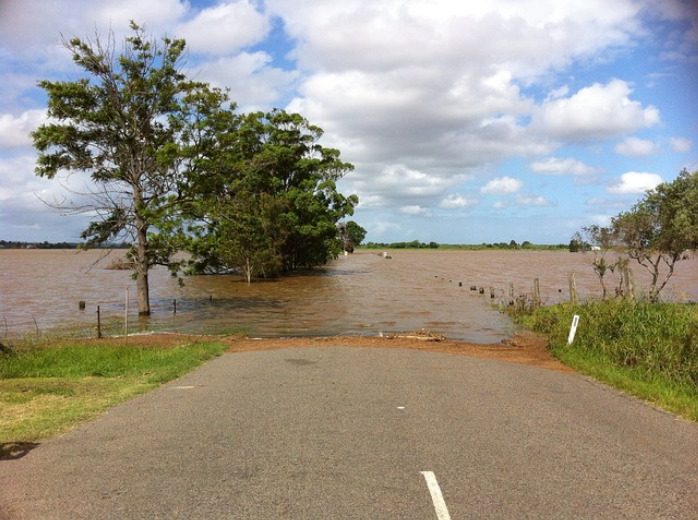
In the realm of preparation, it is essential to identify potential worst case scenarios. One such scenario is a natural disaster, such as a hurricane, earthquake, or flood. These events can lead to loss of life, property damage, and displacement. Therefore, it is vital to have a disaster preparedness plan in place.
Next, consider the possibility of a medical emergency. This could range from a sudden illness or injury to a global pandemic. Having a well-stocked first aid kit, knowing basic first aid procedures, and maintaining good health practices can mitigate these risks.
Financial crises are another common worst case scenario. Job loss, unexpected expenses, or economic downturns can lead to severe financial strain. To prepare, it is advisable to build an emergency fund, diversify income sources, and regularly review and adjust your budget.
Lastly, the threat of cyber attacks is increasingly prevalent in our digital age. Identity theft, data breaches, and online scams can have devastating effects. To combat this, it is crucial to use strong, unique passwords, enable two-factor authentication, and stay informed about the latest cyber threats.
Remember, preparing for worst case scenarios is not about living in fear, but rather about empowering yourself to handle whatever life throws your way.
How To Make A Disaster Preparedness Plan?
When faced with a potential disaster, having a well-crafted preparedness plan can make all the difference. The first step in creating a disaster preparedness plan is to identify the types of disasters that could potentially affect your area. This could range from natural disasters like earthquakes and hurricanes to man-made disasters such as power outages or chemical spills.
Once you’ve identified potential threats, the next step is to create a communication plan. This should include contact information for all family members, as well as a designated meeting place in case of evacuation. It’s also important to have a backup plan in case the primary plan falls through.
Another essential part of a disaster preparedness plan is having an emergency supply kit. This should include enough food, water, and medical supplies to last for at least three days. Other items to consider include flashlights, batteries, and a portable radio.
Lastly, it’s important to regularly review and update your plan. This will ensure that it remains effective and relevant. It’s also a good idea to practice your plan with all family members to ensure everyone knows what to do in case of a disaster.
Disaster preparedness is not something to be taken lightly. By taking the time to create a comprehensive plan, you can greatly increase your chances of surviving and recovering from a disaster. Remember, the key to successful disaster preparedness is planning, preparation, and practice.
What Supplies Are Needed For Worst Case Scenarios?
When preparing for worst case scenarios, your survival kit should be comprehensive yet practical. Non-perishable food and water are key, with enough supplies to last each person for at least three days. Consider foods that are high in energy and easy to prepare, such as canned goods, dried fruits, and energy bars.
Another essential is a first aid kit. This should include bandages, antiseptic wipes, tweezers, medical tape, and any necessary prescription medications. A manual on basic first aid procedures can also be invaluable in a crisis situation.
A multi-purpose tool is a critical inclusion, providing you with a knife, can opener, screwdriver, and more in one compact item. Other practical items to pack are a flashlight, extra batteries, a whistle to signal for help, and local maps.
For communication and information, consider including a battery-powered or hand-crank radio. If possible, a portable charger for your mobile devices could also prove useful.
In the event that you need to evacuate quickly, having important documents stored in a waterproof container is crucial. This includes identification, insurance policies, bank account records, and contact details of family members.
Lastly, personal hygiene items such as toilet paper, soap, and feminine supplies are often overlooked but are necessary for maintaining health and morale during a disaster.
Preparing for worst case scenarios is about more than just physical supplies, it’s also about mental readiness. Knowledge and preparation can help you stay calm and make better decisions when it matters most.
How To Mentally Prepare For Worst Case Scenarios?
Preparing for worst case scenarios can be a daunting task. However, it’s essential for maintaining mental fortitude and resilience. One way to prepare is by visualizing the scenario. This technique, often used by athletes and performers, can help you anticipate potential challenges and formulate responses.
Another strategy is stress inoculation. This psychological approach involves gradual exposure to stressors, helping you build resilience over time. It’s akin to a mental workout, strengthening your ability to handle high-stress situations.
Next, consider scenario planning. This process involves identifying potential outcomes and creating strategic responses for each. It’s a proactive approach that can provide a sense of control, reducing anxiety and fear.
1. Mental Rehearsal: Repeatedly visualizing successful navigation through a worst-case scenario can create a mental blueprint. This can help reduce panic and enable you to act effectively when faced with the actual situation.
Remember, it’s important to balance preparation with positivity. Constantly dwelling on worst-case scenarios can lead to unnecessary stress and anxiety. Instead, use these strategies as tools for empowerment, not sources of fear. Practice mindfulness and relaxation techniques to maintain a positive mindset amidst your preparation. Lastly, remember that seeking professional help is always an option if you find it difficult to manage your fears or anxieties.
Conclusion: Preparing for the Worst Case Scenario
In our in-depth exploration of the worst-case scenarios, we’ve covered a wide range of topics. We’ve defined what a worst-case scenario is and outlined the importance of being prepared for such situations. We’ve discussed the role of insurance in mitigating the impact of worst-case scenarios and highlighted the necessity of a well-thought-out disaster preparedness plan.
We’ve also delved into the mental aspect of preparing for worst-case scenarios, emphasizing the importance of psychological readiness alongside physical preparedness. Furthermore, we’ve identified some common worst-case scenarios and provided a comprehensive list of supplies needed to brace for these situations.
As we look to the future, it’s crucial to stay informed about potential developments or trends that may influence these worst-case scenarios. Remember, preparation is not about fostering fear but rather about empowering oneself. Being prepared allows us to face any situation with confidence, knowing we’ve done our best to mitigate potential risks.
Ultimately, preparing for worst-case scenarios is a vital aspect of life. It’s not merely about surviving a disaster but also about maintaining our mental wellbeing in the face of adversity. So, continue to educate yourself, stay vigilant, and always be prepared.
The Shadow of ConflictIn the modern world, the thought of a war, particularly in a region as volatile as the Middle East, is a chilling prospect. This area, rich in history, culture, and resources, has often been a flashpoint for tensions that have implications far beyond its geographical boundaries. A conflict here could have a domino effect, leading to a cascade of disasters—economic turmoil, fuel shortages, food scarcity, and in the worst-case scenario, a global nuclear confrontation. As daunting as these possibilities are, understanding and preparing for them is essential. This piece aims to outline what families might expect in such a scenario and underscore the importance of individual and family preparedness.
The Ripple Effects of War
Economic Instability
The first and most immediate impact of a conflict in the Middle East would be economic instability. The region is a vital artery for the world’s oil supply, accounting for a significant portion of global production. Any disruption can lead to skyrocketing fuel prices, affecting everything from transportation costs to the price of goods and services. Families might find their household budgets stretched to breaking points as the cost of living increases sharply.
Fuel Losses
With the Middle East being a cornerstone in the global energy market, a conflict would likely lead to substantial fuel shortages. These shortages could have a two-fold effect: directly, in the difficulty of obtaining fuel for personal use, and indirectly, by hampering the transportation of goods. This scenario could result in limited mobility for individuals and critical delays in the delivery of essential items, including food and medical supplies.
Food Scarcity
Food security would be severely compromised. The Middle East conflict might disrupt agricultural production and supply chains, leading to shortages and soaring prices. Families might face difficulties in accessing affordable, nutritious food, potentially leading to health issues and increased pressure on already strained social services.
Potential Global Nuclear Conflict
The gravest concern would be the escalation into a global nuclear conflict. While this remains the least likely scenario, its possibility cannot be entirely dismissed. The fallout from such an event would be catastrophic, not just in terms of immediate casualties but also in the long-term environmental and health impacts. It underscores the necessity of global diplomacy and conflict prevention.
The Imperative of Preparedness
Given these daunting prospects, preparedness is not just wise; it’s essential. Here’s how families can prepare:
Economic Preparedness
Families should focus on building a financial safety net. This might include saving money, investing in non-perishable goods, and reducing unnecessary expenses. Having a reserve can provide a buffer against economic instability.
Fuel Conservation
In anticipation of fuel shortages, consider reducing dependence on vehicles that require fossil fuels. Exploring alternative modes of transportation, such as bicycles or electric vehicles, can be a step towards mitigating the impact of fuel losses.
Food Security
Invest in a sustainable food supply. This can range from stocking up on non-perishable food items to starting a home garden. Learning about food preservation techniques can also ensure that families have access to nutritious meals even during times of scarcity.
Community Resilience
Building strong community ties is crucial. In times of crisis, communities that work together can better navigate challenges, from sharing resources to providing emotional support. Joining or establishing local preparedness groups can enhance collective resilience.
Staying Informed and Educated
Knowledge is a powerful tool. Stay informed about global and regional politics and understand the basics of emergency preparedness. Educational resources can equip individuals and families with the skills needed to navigate crises effectively.
Conclusion
While the prospect of a conflict in the Middle East and its potential fallout is daunting, it is a reality that cannot be ignored. The interconnectedness of today’s world means that the impacts of such a conflict would ripple across the globe, affecting economic stability, food security, and potentially leading to global military escalations. However, through informed preparedness, individuals and families can mitigate these impacts and contribute to a resilient community. It is through such preparedness that we can hope to navigate the uncertainties of our times, ensuring not just survival but the continuation of our way of life. Let us take action today to safeguard our tomorrow.
In a world where uncertainty looms and the threat of natural disasters is ever-present, it’s crucial to be prepared for any situation. While modern medicine has made tremendous advancements, access to traditional healthcare resources may be limited during a crisis. This is where the ancient wisdom of herbal remedies comes into play. By turning to the power of nature and equipping ourselves with the knowledge of medicinal plants, we can build resilience and maintain our health even in the most challenging of times.
The Importance of Natural Remedies in Disaster Preparedness: When disaster strikes, the infrastructure we rely on can be compromised, leaving us without access to conventional medical supplies and support. In such scenarios, having a deep understanding of herbal remedies can be a lifesaving skill. Our ancestors relied on the healing properties of plants for centuries, using them to treat a wide range of ailments and promote overall well-being. By tapping into this ancient wisdom, we can become self-sufficient and better prepared to face adversity.
Building Your Medicinal Garden
One of the most empowering steps you can take in your disaster preparedness journey is to cultivate your own medicinal garden. Start by researching the plants that thrive in your local climate and have a history of medicinal use. Some essential herbs to consider include:
Echinacea – Known for its immune-boosting properties, echinacea can help strengthen your body’s natural defenses against illness.
Willow Bark – Containing salicin, a compound similar to aspirin, willow bark has been used for centuries to alleviate pain and reduce inflammation.
Lavender – This fragrant herb is renowned for its calming effects, helping to reduce stress and promote relaxation during times of upheaval.
Calendula – With its antimicrobial and wound-healing properties, calendula is a valuable addition to any medicinal garden.
Peppermint – Peppermint can soothe digestive issues, alleviate headaches, and provide a refreshing boost of energy when needed.
By nurturing these plants in your own backyard, you’ll have a reliable source of natural remedies at your fingertips, ready to support you and your loved ones during a crisis.
Having a thriving medicinal garden is just the first step. To truly harness the power of these plants, it’s essential to learn how to prepare them effectively. From teas and tinctures to salves and poultices, each method of preparation offers unique benefits and applications. Take the time to study the proper techniques for harvesting, drying, and storing your herbs to ensure their potency and longevity.
Engaging in workshops, reading herbal medicine books, and connecting with experienced herbalists can deepen your understanding of these natural remedies. As you gain confidence in your skills, you’ll be better equipped to address a variety of health concerns, from minor cuts and bruises to more complex issues like respiratory infections and digestive distress.
The Mind-Body Connection:
In times of crisis, our mental and emotional well-being is just as important as our physical health. Herbal remedies can play a significant role in promoting a sense of calm and resilience. Herbs like chamomile, lemon balm, and passionflower have been used for centuries to ease anxiety, promote restful sleep, and support the nervous system.
Incorporating these herbs into your daily routine, whether through tea, tinctures, or aromatherapy, can help you maintain a sense of balance and inner peace, even in the face of adversity. By nurturing your mind-body connection, you’ll be better equipped to navigate the challenges that come your way.
Building Community Resilience:
The knowledge of herbal remedies is a valuable resource not just for yourself, but for your entire community. By sharing your expertise and empowering others with the skills to use medicinal plants, you can contribute to the collective resilience of your neighborhood, town, or city.
Consider organizing workshops, starting a local herb study group, or volunteering to teach herbal medicine classes at community centers or schools. By fostering a network of individuals who are knowledgeable about natural remedies, you’ll be creating a safety net that can support everyone during times of crisis.
Conclusion:
In a world where disaster can strike at any moment, being prepared is not just a choice, but a necessity. By embracing the power of herbal remedies and cultivating a deep connection with the natural world, we can equip ourselves with the tools to maintain our health and well-being, no matter what challenges we face.
So let us step into our gardens, dig our hands into the soil, and nurture the plants that have the potential to heal and sustain us. Let us learn the ancient wisdom of herbal medicine and share that knowledge with our communities. In doing so, we’ll be building a foundation of resilience that can weather any storm.
Remember, in times of crisis, be prepared, be empowered, and be natural. The power to heal lies within the earth, and within ourselves. Let us harness that power and create a future where we can thrive, no matter what the world may bring.
When calamity strikes, preparedness is key. A well-stocked bug-out bag can mean the difference between survival and disaster. This post will delve deep into the essentials you need to pack in your bug-out bag, ensuring you’re equipped for any eventuality.
From life-saving tools to sustenance supplies, we’ll explore the must-haves for any survival kit. We’ll also touch on the importance of customizing your bag to suit your specific needs and circumstances.
Stay tuned as we unravel the mystery of survival preparedness. Whether you’re a seasoned prepper or a novice, you’ll find valuable insights here. Let’s embark on this journey together, and ensure you’re ready to face any emergency head-on.
What is a bug-out bag?
A bug-out bag is a portable kit that contains all the items one would require to survive for 72 hours when evacuating from a disaster. The concept originates from the military, with the term ‘bug out’ referring to the rapid withdrawal in the face of an impending threat.
A well-equipped bug-out bag holds a balance of survival essentials. These include water and a method to purify it, non-perishable food, and basic tools like a multi-tool, a flashlight, and a fire starter.
First aid supplies are also crucial, along with personal hygiene items. To maintain communication and receive emergency updates, consider including a hand-crank radio or a compact solar charger for your devices.
Moreover, it’s essential to pack for the weather. Include a lightweight, waterproof jacket, a hat, and good quality, durable footwear. All in all, remember to include important documents such as identification, cash, and maps of your local area.
A bug-out bag is not a one-size-fits-all solution. Personalize it based on your needs, considering factors such as dietary restrictions, personal health conditions, and the local climate. Remember, the goal is to keep you safe and comfortable during a critical situation.
Why is a bug-out bag important?
A bug-out bag is a crucial element in emergency preparedness. It is a portable kit that contains the items one would require to survive for 72 hours when evacuating from a disaster. The importance of these bags cannot be understated, as they provide essential supplies for survival situations.
Food, water, shelter, and warmth are the basic requirements for survival, and a well-equipped bug-out bag will contain items to fulfill these needs. High-energy, non-perishable food items and water purification tablets or filters are must-haves. A lightweight tent, sleeping bag, and emergency blanket can provide shelter and warmth.
First aid supplies are another crucial component of a bug-out bag. Injuries can occur during a disaster, and having the necessary supplies to treat them can make a significant difference in survival scenarios.
Communication and navigation tools, such as a radio and compass, are also vital. They can provide necessary information about the situation and help you navigate to safety.
Lastly, a bug-out bag should contain personal items, such as medication, personal documents, and cash. These items can prove invaluable in a disaster situation.
Having a bug-out bag ready not only prepares you for emergencies but also gives you peace of mind knowing that you’re prepared for any situation. It is a small investment that can potentially save lives.
What should be in a bug-out bag?
A bug-out bag, often referred to as a 72-hour kit, is a lifeline during emergencies. One of the primary items to include is water, either in the form of bottled water or purification tablets. Food is equally crucial; opt for non-perishable items like canned goods, energy bars, and MREs (Meals Ready to Eat).
Shelter and warmth are also essential components of a bug-out bag. This can include a lightweight tent, a sleeping bag, and emergency blankets. A good quality first-aid kit is indispensable for treating injuries.
Navigation tools such as a compass and maps of your local area can be vital for finding your way in unfamiliar terrain. A multi-tool, which includes a knife, can opener, and various other tools, can also prove very useful.
Lastly, remember to include a flashlight and extra batteries, a radio for receiving emergency broadcasts, and personal items such as prescription medications and important documents.
Fire-starting equipment — matches, lighters, or a fire starter — can be life-saving, providing warmth and a means to cook food.
To wrap up, a well-stocked bug-out bag can be the difference between life and death in an emergency situation. It’s crucial to consider all potential needs and scenarios when packing your bag.
Can food be stored in a bug-out bag?
Absolutely, food is a crucial component of any well-stocked bug-out bag. However, it’s not just about tossing in a few snacks. The key lies in selecting the right kind of food. Non-perishable, lightweight, and high-energy foods are the ideal choices. Items such as energy bars, dehydrated meals, canned goods with easy-open lids, and trail mix offer a good balance of protein, fats, and carbohydrates.
Remember to pack a manual can opener if your canned goods require one. You don’t want to be caught in a survival situation with cans of food and no way to open them.
It’s also essential to consider the shelf life of the food you pack. While canned goods can last for years, they are often heavy. Dehydrated meals and energy bars are lighter and also have long shelf lives.
Water is another vital element. While not technically food, it’s arguably the most critical survival necessity. Pack as much as you can feasibly carry, and include water purification tablets or a life straw to ensure you have access to clean drinking water.
• Rotate your food supplies: To ensure your food remains fresh and safe to eat, it’s a good idea to rotate the supplies in your bug-out bag periodically. Check the expiry dates and replace any items that are about to expire.
Food storage in a bug-out bag is not just practical; it’s a survival necessity. By packing wisely, you can have the energy and nutrition you need in an emergency situation. Remember, the goal isn’t gourmet dining; it’s survival. Choose your food items with that in mind.
How to pack a bug-out bag efficiently?
Packing a bug-out bag efficiently involves careful selection and organization of survival essentials. The first item on your list should be water and a means to purify it. This could be in the form of a purification tablet or a portable filter.
Next, a well-packed bug-out bag needs food. Opt for lightweight, high-energy food items like energy bars or freeze-dried meals. Don’t forget a compact cooking system, such as a portable stove and a metal pot.
Shelter and warmth are equally crucial. A lightweight tent or a bivvy sack, along with a compact sleeping bag, can protect you from the elements.
Your bag should also contain a first-aid kit, including bandages, antiseptic wipes, tweezers, medical tape, and pain relievers.
Communication and navigation tools are essential too. These can be a compass, maps, a whistle, and a solar-powered or hand-crank radio.
Lastly, remember to pack multi-purpose tools, such as a Swiss army knife or a multi-tool, and fire-starting items like waterproof matches or a lighter.
When packing these items, remember to balance the weight evenly in your bag. This will make carrying it over long distances more manageable. The goal is to be prepared for any situation while also maintaining mobility.
Efficient packing of a bug-out bag can mean the difference between survival and hardship in an emergency situation. Proper planning and thoughtful packing are key.
What are the best bug-out bag backpacks?
When it comes to bug-out bags, the backpack you choose is as important as the items you pack. The 5.11 Tactical Rush72 is a popular choice among survivalists. This military-grade backpack offers ample storage space and has a robust construction, ensuring durability in harsh conditions.
Another top-rated bug-out bag backpack is the Maxpedition Falcon-II. Known for its compact design and high-quality materials, it is ideal for those who prefer a lightweight yet sturdy bag. The Falcon-II features multiple compartments, allowing for organized storage of essential survival items.
The Condor 3 Day Assault Pack is another excellent option. It boasts a large carrying capacity, making it perfect for storing all the crucial bug-out bag items. Plus, its comfortable shoulder straps reduce strain during long treks.
For those who prioritize comfort, the Osprey Atmos AG 65 is a must-consider. It’s renowned for its Anti-Gravity suspension system that makes heavy loads feel lighter. The Atmos AG 65 also offers various pockets and compartments for easy access to your survival gear.
Lastly, the Mystery Ranch 2-Day Assault Pack is worth mentioning. Its unique 3-ZIP design allows quick access to your gear, and it’s built to withstand rugged use.
Remember, the best bug-out bag backpack for you depends on your individual needs and preferences. Consider factors such as comfort, durability, size, and organization when making your choice.
Is a first-aid kit necessary in a bug-out bag?
Absolutely, a first-aid kit is a critical component of any bug-out bag. When facing an emergency situation, injuries are often inevitable. Having a well-stocked first-aid kit can make the difference between a minor and a major injury, or even life and death.
The kit should include items such as bandages, antiseptic wipes, tweezers, medical tape, and pain relievers. These items can treat a range of injuries, from minor cuts and scrapes to more serious wounds. Additionally, it’s advisable to include personal medication or any specific medical supplies that you or your family members might need.
Another reason why a first-aid kit is essential in a bug-out bag is its utility in survival situations. For instance, the medical tape can be used for repairs, while the tweezers can be helpful in removing splinters or ticks.
Remember, the goal of a bug-out bag is to ensure survival during an emergency. Therefore, every item in the bag must serve a specific purpose. A first-aid kit, with its versatile and lifesaving components, undoubtedly fulfills this requirement. So, when packing your bug-out bag, make sure a first-aid kit is at the top of your list.
How much water should be in a bug-out bag?
The amount of water to pack in your bug-out bag is a crucial factor to consider. As a general rule, it is recommended to carry at least one liter of water per person per day. However, the exact amount can vary based on individual needs, physical exertion, and climate conditions.
For instance, in hot or arid environments, more water may be necessary. It’s also important to remember that water is heavy, so balance is key. You don’t want your bag to be too heavy to carry comfortably.
In addition to actual water, consider including water purification tablets or a life straw in your bug-out bag. These items can be life-savers in situations where you have access to water, but it’s not safe to drink.
1 liter of water per person per day
Water purification tablets
Life straw
Remember, staying hydrated is vital for survival. So, while it’s essential to pack other items like food, first aid kits, and shelter supplies, water should always be a priority in your bug-out bag.
Concluding Thoughts on Essential Bug-Out Bag Items
Ultimately, understanding the concept of a bug-out bag and its importance is crucial for anyone who wants to be prepared for any unforeseen circumstances. It’s not just about having a bag, but about knowing what to put in it. From food and water supplies to a first-aid kit, the contents of your bug-out bag can make a significant difference in a survival scenario.
Packing your bag efficiently is also a key factor, as is choosing the right backpack. A bug-out bag should be compact yet capable of holding all the necessary items. The inclusion of a first-aid kit is not just an option but a necessity. As for water, the amount to store depends on various factors, including the size of your bag and your personal needs.
In the future, the concept of a bug-out bag may evolve with new survival gear developments and trends. Therefore, it’s important to stay informed and update your bag accordingly. Remember, the goal is to ensure your survival and comfort during a crisis. So, keep refining your bug-out bag and stay prepared.
Navigating the Darkness: Preparing for a Long-Term Power Grid Outage
In today’s digital and interconnected communities, the very fabric of daily life is powered by electricity. From the moment we wake up to the minute we fall asleep, our routines, comforts, and conveniences are all facilitated by power. But what happens when the lights go out, not just for an hour, or a day, but for an extended period?
Recent events, such as the major cell service outage that threw daily life and commerce into chaos, have highlighted our vulnerability. Such disruptions can indeed be eye-openers, possibly even tests by adversaries to gauge our readiness. We want to explore the ramifications of a long-term power grid outage and underscores the importance of individual and family preparedness in facing such a scenario.
The Domino Effect of a Power Grid Outage
Immediate Disruptions
The first and most apparent impact of a long-term power outage is the loss of lighting and electronic device functionality. But the ramifications extend far beyond mere inconvenience. Refrigeration systems fail, leading to food spoilage. Heating and cooling systems cease to operate, exposing families to extreme temperatures. Communication networks go down, isolating individuals from critical information and contact with loved ones.
Water Supply and Sanitation
Water treatment and pumping stations rely heavily on electricity. Without power, the flow of clean water halts, and sanitation services deteriorate, posing severe health risks through the potential spread of disease.
Economic and Commercial Impact
The recent cell service outage provided a glimpse into how commerce grinds to a halt without power. ATMs and card transactions become impossible, supply chains are disrupted, and businesses incur significant losses. The economic ripple effect can lead to a downturn that affects everyone.
Healthcare Services Disruption
Healthcare facilities, despite having backup generators, are not immune to the strains of a prolonged power outage. Equipment failure and the inability to provide routine care can result in healthcare crises, particularly for those with critical medical needs.
Safety and Security Concerns
With alarm systems and street lighting down, there’s an increase in safety and security concerns. The dark becomes a cover for criminal activities, and in the absence of a functioning communication network, emergency services struggle to respond effectively.
Preparing for the Long Haul
Stockpile Essentials
Families should maintain a stockpile of essential supplies, including water, non-perishable food, medications, and first aid kits. Aim for a supply that can last at least two weeks to a month.
Alternative Power Sources
Invest in alternative power sources such as solar panels, portable generators, or battery-powered devices. Understand the operation and safety precautions of these alternatives to ensure they can be utilized effectively during an outage.
Water Purification
Learn methods of water purification and storage. Having the ability to purify water from various sources can be a lifesaver in prolonged power outages.
Communication Plans
Develop a family communication plan that doesn’t rely on digital networks. Consider two-way radios or satellite phones as backups. Establish a meeting point and a check-in routine in case communication networks fail.
Protect Financial Assets
Keep a small amount of cash on hand, as digital transactions may not be possible. Additionally, secure important documents in a safe, easily accessible place in case of evacuation.
Community Collaboration
Engage with your community to develop a collective response plan. Sharing resources and information can make a significant difference in the resilience of a neighborhood during extended outages.
Emergency Skills
Acquire basic emergency skills. CPR, first aid, and the ability to use a fire extinguisher can be crucial in a crisis. Similarly, knowing how to shut off your home’s gas, water, and electricity can prevent further disasters.
The Bigger Picture
While the thought of a long-term power outage and its accompanying challenges may seem daunting, preparedness can significantly mitigate the risks and impacts. The recent cell service outage, whether an anomaly or a test of our readiness, serves as a stark reminder of our dependence on power and the need for resilience. By taking proactive steps towards preparedness, families can ensure their safety and well-being, even in the darkest times.
To wrap up, as we reflect on our vulnerabilities and the potential for disruption, let us also recognize our capacity for resilience and adaptation. Preparing for a power grid outage not only enhances our ability to withstand such events but also strengthens the bonds within our communities. Together, we can navigate the darkness, emerging more connected and prepared for whatever challenges the future holds.
Don’t Be a Prepper Frog: Avoiding the Slow Boil of Complacency
The old adage about boiling a frog is a powerful metaphor for the dangers of complacency. If you throw a frog into a pot of boiling water, it will instinctively jump out to save itself. However, if you place a frog in a pot of lukewarm water and gradually increase the heat, the frog will unwittingly adapt to the rising temperature until it’s too late. This analogy serves as a stark warning for those in the preparedness community who may have become too comfortable with the current state of affairs.
The Gathering Storm
The signs are all around us. Economic indicators point not just to a looming recession but to the potential for a global depression, with rising inflation, mounting debt, and the specter of widespread job losses threatening to destabilize global markets. Geopolitical tensions are escalating, with the war drums beating louder each day. The potential for major global conflicts looms on the horizon, conflicts that could disrupt supply chains, trigger resource scarcity, and fundamentally alter the fabric of our daily lives. What do you think your current job or the local grocery store will look like in the face of a major global war? Climate change is leading to more frequent and severe natural disasters, straining infrastructure and displacing populations. The convergence of these factors suggests that we are heading into uncharted territory, a perfect storm of crises that could test our resilience like never before.
The Lukewarm Climate:
In the wake of the global pandemic, many people have developed a false sense of security. They look back on the challenges faced during that time and think, “It wasn’t so bad.” They recall the short-term inconveniences of empty grocery store shelves and the rush to stockpile essentials like toilet paper. As a result, they believe that by throwing a few extra rolls of toilet paper in the closet and storing a couple of cans of beans, they are adequately prepared for any future crisis. This mindset is dangerously shortsighted.
The Slow Boil:
Just like the frog in the slowly heating water, we risk becoming desensitized to the warning signs around us. The steady stream of negative news, from economic instability to social unrest and geopolitical tensions, can gradually fade into background noise. We adapt to each new challenge, convincing ourselves that we will get through it just as we have before. However, this mindset fails to recognize that the heat is steadily increasing, and the water is getting hotter.
The Danger of Complacency:
Complacency is the enemy of preparedness. When we become too comfortable with the status quo, we lose our sense of urgency and fail to take proactive steps to protect ourselves and our loved ones. We may dismiss the need for comprehensive emergency plans, neglect to acquire essential skills, or fail to stockpile adequate supplies. This leaves us vulnerable to the very real possibility that tougher times are on the horizon.
In the face of these gathering storms, it is crucial that we remain vigilant and proactive. We cannot afford to be lulled into a false sense of security by the relative calm of the present moment. Instead, we must be mindful of the harsh reality that lies ahead and take steps to prepare accordingly. This means developing comprehensive emergency plans, acquiring essential skills, and stockpiling supplies to weather any potential crisis.
Building Resilience:
True preparedness goes beyond simply hoarding goods. It requires building resilience on multiple levels – physical, mental, and emotional. We must cultivate the skills and knowledge necessary to adapt to changing circumstances, from growing our own food to navigating off-grid scenarios. We must also cultivate mental and emotional resilience, developing the fortitude to face adversity head-on and maintain a positive mindset in the face of challenges.
Community Preparedness:
No one can go it alone in a crisis. Building strong, resilient communities is essential to weathering any storm. This means fostering connections with like-minded individuals, sharing knowledge and resources, and working together to create mutual support networks. By pooling our skills and resources, we can create a safety net that will help us all navigate the challenges ahead.
The Importance of Perspective:
It’s easy to become overwhelmed by the magnitude of the challenges we face. However, it’s important to maintain a sense of perspective. Throughout history, humanity has faced and overcome countless crises. We are resilient, adaptable creatures, capable of incredible feats of courage and ingenuity in the face of adversity. By drawing on this inner strength and working together, we can rise to meet any challenge that comes our way.
An Urgent Call to Action
The time to prepare is now. We cannot afford to be complacent, to assume that the relative calm of the present moment will last forever. We cannot expect that Government will rush to our rescue with bail-out resources and policies to protect our families. Certainly, we pray for our leaders and vote for those who share our values – but, the reality is that we need to take action to prepare our families for the looming difficulties. We must heed the warning signs and take proactive steps to build our resilience and prepare for the challenges ahead. This means developing comprehensive emergency plans, acquiring essential skills, stockpiling supplies, building strong communities of mutual support, and conducting honest assessments of our current state of readiness.
The Family Preparedness Audit
One crucial step in the preparedness journey is conducting a family preparedness audit. This involves taking a hard, honest look at your current state of readiness and identifying areas for improvement. Ask yourselves questions like: Do we have enough food, water, and essential supplies to sustain us for an extended period? Do we have the skills and knowledge necessary to adapt to off-grid living if needed? Have we developed a comprehensive emergency plan that accounts for various scenarios? By conducting this audit and addressing any gaps in your preparedness, you can ensure that your family is as resilient as possible in the face of any crisis.
All in all: The analogy of the boiling frog serves as a powerful reminder of the dangers of complacency. We cannot afford to be lulled into a false sense of security by the lukewarm climate of the present moment. Instead, we must be mindful of the gathering storms on the horizon and take proactive steps to prepare. By building our resilience, cultivating essential skills, working together as communities, and honestly assessing our current state of readiness, we can weather any crisis that comes our way. The time to act is now, before the water gets too hot and it’s too late to jump out of the pot. Don’t be a prepper frog – be a resilient, proactive member of the preparedness community, ready to face whatever challenges lie ahead.

 A worst case scenario is an outcome where all possible variables or conditions have resulted in the most unfavorable situation. It is a term often used in risk management, planning, and decision-making processes. The concept encourages individuals or organizations to consider the most severe possible outcome and plan accordingly.
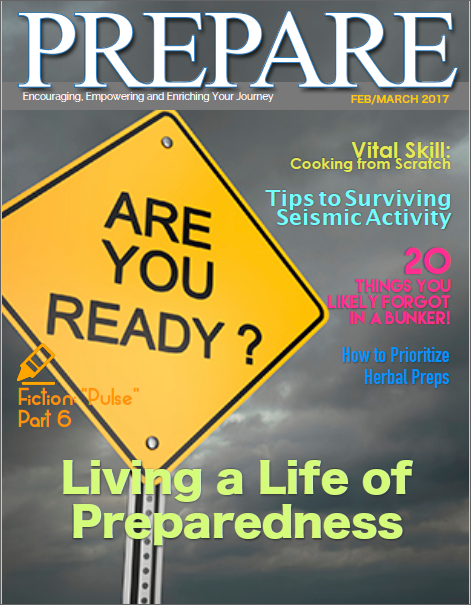 When faced with a potential disaster, having a well-crafted preparedness plan can make all the difference. The first step in creating a disaster preparedness plan is to identify the types of disasters that could potentially affect your area. This could range from natural disasters like earthquakes and hurricanes to man-made disasters such as power outages or chemical spills.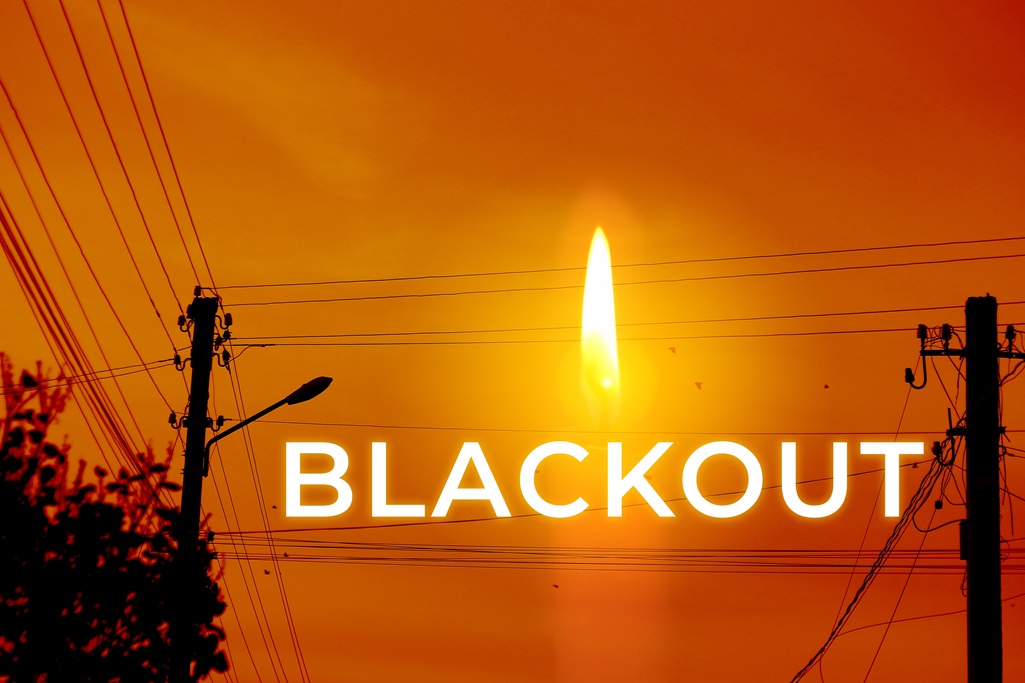
 The Gathering Storm
 or Vigilance