by PREPARE Magazine Editorial Team | May 2, 2026 | emergency preparedness
Quick Answer: You should seek professional help for emergency preparedness when you feel overwhelmed by the planning process or lack the expertise to create a comprehensive plan. For example, hiring a consultant can help tailor a disaster response strategy specific to your location and needs.
Why This Happens: Many individuals may not have the knowledge or resources to effectively prepare for emergencies, leading to anxiety about potential disasters and inadequate planning.
How To Fix It:
- Assess your current preparedness level and identify gaps in your knowledge.
- Research local emergency management agencies that offer workshops or consultations.
- Consider hiring a certified emergency preparedness consultant for personalized guidance.
- Join community preparedness groups to learn from others and share resources.
- Regularly review and update your emergency plan with professional input to ensure it remains effective.
Article Guide
Practical Steps for Emergency Preparedness
Emergency preparedness is not just a checklist; it’s a vital lifeline that can mean the difference between chaos and calm in the face of disaster. Many people find themselves paralyzed by uncertainty, unsure of where to start or how to navigate the complexities of planning for unforeseen events. This feeling of overwhelm can lead to inadequate preparations, leaving individuals and families vulnerable when emergencies strike. By seeking professional guidance, you can transform anxiety into action, creating a tailored strategy that addresses your specific needs and local risks. Embracing this proactive approach not only enhances your readiness but also fosters a sense of community resilience.
Assess Your Risks
Understanding the specific risks in your area is the first step in emergency preparedness. Different regions face different threats, such as:
- Flooding: If you live in a low-lying area, consider the likelihood of flooding during heavy rains or snowmelt.
- Earthquakes: Residents in tectonically active regions should be aware of earthquake risks and prepare accordingly.
- Hurricanes: Coastal areas often face hurricane threats, necessitating specific preparations like securing windows and having evacuation plans.
- Wildfires: If you live near wooded areas, understanding wildfire risks can help you create defensible space around your home.
Create an Emergency Plan
Having a well-thought-out emergency plan is crucial. Your plan should include:
- Communication: Designate a family member as the point of contact. Ensure everyone knows how to reach them during an emergency.
- Evacuation Routes: Identify multiple routes out of your neighborhood and practice them with your family.
- Meeting Places: Choose a safe location where your family can reunite if separated.
- Emergency Contacts: Compile a list of important contacts, including local emergency services, family, and friends.
Build an Emergency Kit
An emergency kit is essential for surviving the first few days after a disaster. Consider including the following items:
- Water: Store at least one gallon of water per person per day for at least three days.
- Food: Include non-perishable food items like canned goods, granola bars, and dried fruits. Aim for a three-day supply.
- First Aid Kit: A comprehensive first aid kit should include bandages, antiseptics, pain relievers, and any necessary prescription medications.
- Flashlight and Batteries: Power outages are common during emergencies, so have a reliable flashlight and extra batteries on hand.
- Multi-tool: A multi-tool can be invaluable for various tasks, from opening cans to making repairs.
Knowledge is power when it comes to emergency preparedness. Stay informed by:
- Monitoring Weather Alerts: Sign up for local weather alerts to receive timely information about severe weather conditions.
- Following Local News: Keep up with local news outlets for updates on emergencies and safety recommendations.
- Joining Community Preparedness Groups: Engage with local organizations focused on emergency preparedness to share resources and knowledge.
Practice Your Plan
Having a plan is only effective if everyone knows how to execute it. Regularly practice your emergency plan with your family. Consider conducting drills for:
- Evacuations: Simulate an evacuation scenario to ensure everyone knows the routes and meeting points.
- Emergency Communication: Test your communication methods to ensure everyone can reach the designated contact.
- Using Emergency Kits: Familiarize your family with the contents of your emergency kit and how to use each item.
Evaluate Your Home's Safety
Assessing your home for safety can prevent injuries during an emergency. Consider the following:
- Secure Heavy Furniture: Anchor bookshelves and heavy furniture to walls to prevent tipping during earthquakes.
- Install Smoke and Carbon Monoxide Detectors: Ensure detectors are installed on every level of your home and test them monthly.
- Clear Debris: Keep your yard clear of debris that could become projectiles during severe storms.
Know When to Seek Professional Help
While self-preparation is vital, there are times when professional assistance is necessary. Consider seeking help when:
- Creating a Comprehensive Emergency Plan: If you feel overwhelmed, hiring a consultant can help tailor a plan to your specific needs.
- Conducting a Home Safety Assessment: Professionals can identify vulnerabilities in your home that you may overlook.
- Training for Emergency Situations: Enroll in courses offered by local organizations for first aid, CPR, or disaster response training.
Conclusion
Emergency preparedness is an ongoing process that requires regular evaluation and updates. By taking these practical steps, you can ensure that you and your loved ones are ready to face any emergency that may arise. Remember, the goal is to be proactive rather than reactive, so start preparing today!
How to Apply Emergency Preparedness Without Guesswork
Strong results with emergency preparedness come from matching the method to the actual goal, checking the most important conditions first, and adjusting one part of the process at a time. The reliable pattern is simple: define the result, choose a repeatable starting method, measure what changes, and correct the weakest point before adding more complexity.
Match the method to the goal
Before choosing a more advanced approach, compare setup time, cost, maintenance needs, and the most likely failure point. A beginner-friendly method that can be repeated consistently is usually more valuable than a complicated method that is difficult to monitor or troubleshoot.
Common Mistakes to Avoid
The most common mistake is changing too many variables at once. That makes it hard to know what actually improved the result. Keep notes, adjust one factor at a time, and confirm the outcome before moving to the next change.
Practical Next Steps
- Choose the simplest method that fits the goal behind emergency preparedness.
- Track one or two measurable results so progress is clear.
- Correct the most obvious weak point before adding tools or complexity.
- Review the outcome after a short test period and refine the process.
by PREPARE Magazine Editorial Team | May 2, 2026 | emergency preparedness
Quick Answer: Avoiding common mistakes in emergency preparedness can save lives. For example, not having a communication plan can lead to confusion during a crisis, so ensure everyone knows how to reach each other.
Why This Happens: Many people underestimate the likelihood of emergencies or assume they will have time to react when a disaster strikes, leading to inadequate planning.
How To Fix It:
- Create a comprehensive emergency plan that includes communication methods and meeting points.
- Regularly review and update your emergency supplies, ensuring they are accessible and not expired.
- Conduct practice drills with your family or group to familiarize everyone with the plan.
- Stay informed about local hazards and resources by following local emergency management agencies.
- Educate yourself on basic first aid and emergency response techniques to enhance your preparedness.
In This Article
How Emergency Preparedness Works in Real Life
In the face of unexpected disasters, the difference between chaos and calm often hinges on how well we prepare. Many individuals mistakenly believe that emergencies are distant possibilities, leading to a false sense of security that can have dire consequences. A well-structured emergency plan, complete with clear communication strategies and designated meeting points, can transform a potentially overwhelming situation into a manageable one. Regularly updating supplies and practicing drills ensures that everyone is not only aware of their roles but also confident in executing them when it matters most. By taking proactive steps, we can significantly enhance our resilience and safeguard our loved ones during crises.
1. Underestimating the Importance of a Plan
Many individuals believe that simply having supplies is enough. However, without a clear plan, those supplies may go unused. A well-thought-out emergency plan should include:
- Evacuation routes: Know multiple ways to exit your home and community. For instance, if you live in a flood-prone area, identify higher ground routes.
- Communication strategies: Establish a family communication plan. Designate a meeting point and ensure everyone knows how to reach each other during a crisis.
- Emergency contacts: Keep a list of important phone numbers, including local emergency services, family members, and friends.
2. Neglecting to Practice Your Plan
Having a plan is only the first step; practicing it is crucial. Conduct regular drills to ensure everyone knows their roles. For example, hold a fire drill every six months to familiarize your family with the escape routes and procedures. This practice can help reduce panic during an actual emergency.
3. Failing to Customize Your Emergency Kit
Generic emergency kits may not meet your specific needs. Tailor your kit based on your family’s unique circumstances:
- Medical needs: If someone in your household has specific health requirements, include necessary medications and medical supplies.
- Pet supplies: Don’t forget about your pets. Pack food, water, and any medications they may need.
- Age-appropriate items: For families with children, include toys, games, and comfort items to help ease anxiety during stressful situations.
4. Ignoring Local Hazards
Every region has its own set of potential emergencies, whether it’s hurricanes, earthquakes, or wildfires. Research the specific risks in your area and prepare accordingly. For instance, if you live in an earthquake-prone area, consider securing heavy furniture and appliances to walls to prevent them from toppling over.
Emergency preparedness is not just an individual effort; community resources can be invaluable. Engage with local organizations and participate in community preparedness programs. For example, many communities offer free training sessions on first aid and CPR, which can be lifesaving skills during emergencies.
In an emergency, information is crucial. Stay updated on local news and weather alerts. Consider downloading apps that provide real-time alerts for your area. Additionally, familiarize yourself with the emergency services available in your community, such as shelters and food banks.
7. Forgetting to Update Your Supplies
Emergency supplies can expire or become outdated. Regularly check your kit and replace any expired items. For example, batteries for flashlights and radios should be replaced every year, and food items should be rotated to ensure freshness.
8. Neglecting Mental Preparedness
Physical preparedness is essential, but mental resilience is equally important. Prepare your family emotionally by discussing potential emergencies and how to cope with them. Encourage open conversations about fears and concerns, and consider practicing relaxation techniques, such as deep breathing or mindfulness, to help manage stress during crises.
9. Not Having a Backup Plan
Sometimes, even the best-laid plans can go awry. Always have a backup plan in place. For instance, if your primary evacuation route is blocked, know alternative routes. Additionally, have a secondary meeting point in case your first choice is unsafe.
10. Disregarding Financial Preparedness
Financial preparedness is often overlooked. Ensure you have access to cash in case ATMs are down. Keep important documents, such as insurance policies and identification, in a waterproof container. Consider creating a digital backup of these documents stored securely online.
Conclusion
Emergency preparedness is a multifaceted approach that requires planning, practice, and community involvement. By avoiding common mistakes and taking proactive steps, you can enhance your readiness for any situation. Remember, the goal is not just to survive but to thrive in the face of adversity. Start today by assessing your current preparedness level and making necessary adjustments to ensure you and your loved ones are ready for whatever may come your way.
How to Apply Emergency Preparedness Without Guesswork
Strong results with emergency preparedness come from matching the method to the actual goal, checking the most important conditions first, and adjusting one part of the process at a time. The reliable pattern is simple: define the result, choose a repeatable starting method, measure what changes, and correct the weakest point before adding more complexity.
Match the method to the goal
Before choosing a more advanced approach, compare setup time, cost, maintenance needs, and the most likely failure point. A beginner-friendly method that can be repeated consistently is usually more valuable than a complicated method that is difficult to monitor or troubleshoot.
Common Mistakes to Avoid
The most common mistake is changing too many variables at once. That makes it hard to know what actually improved the result. Keep notes, adjust one factor at a time, and confirm the outcome before moving to the next change.
Practical Next Steps
- Choose the simplest method that fits the goal behind emergency preparedness.
- Track one or two measurable results so progress is clear.
- Correct the most obvious weak point before adding tools or complexity.
- Review the outcome after a short test period and refine the process.
What are practical ways to start emergency preparedness?
emergency preparedness is a specific approach or topic with practical steps you can learn and apply. Start by understanding the core definition, then practice one small technique at a time so you can measure results and improve quickly.
What are practical ways to start emergency preparedness?
Common mistakes include skipping the basics, changing too many variables at once, and not measuring results. Make one change at a time and give it enough time to see what actually helped.
by PREPARE Magazine Editorial Team | May 2, 2026 | emergency preparedness
Quick Answer: You can get help with emergency preparedness from local government agencies, community organizations, and online resources like the Federal Emergency Management Agency (FEMA). For example, FEMA offers a comprehensive guide on creating emergency plans and kits.
Why This Happens: Many people are unaware of the resources available to them for emergency preparedness, leading to a lack of planning and readiness for potential disasters.
How To Fix It:
- Visit FEMA's website to access free resources and guides on emergency preparedness.
- Contact your local emergency management office for workshops or training sessions.
- Join community preparedness groups or attend local events focused on disaster readiness.
- Utilize apps like Ready that provide personalized emergency plans and alerts.
- Educate yourself and your family through online courses on emergency response.
Table of Contents
A Simple, Repeatable Plan for Emergency Preparedness
In an unpredictable world, the importance of being prepared for emergencies cannot be overstated. Whether facing natural disasters or unforeseen crises, having a solid plan can mean the difference between chaos and calm. Many individuals overlook the wealth of resources available to them, from local government initiatives to comprehensive guides provided by organizations like FEMA. By taking proactive steps to educate themselves and their families, people can build a foundation of readiness that not only protects them but also fosters a sense of community resilience. Embracing these resources empowers everyone to face challenges head-on, ensuring that when the unexpected occurs, they are ready to respond effectively.
1. Assess Your Risks
Understanding the specific risks in your area is the first step in creating an effective emergency preparedness plan. For instance, if you live in a coastal region, you may need to prepare for hurricanes or flooding. In contrast, those in the Midwest might focus on tornado preparedness. Here are some common risks to consider:
- Natural Disasters: Earthquakes, floods, hurricanes, tornadoes, and wildfires.
- Health Emergencies: Pandemics, outbreaks of infectious diseases, and foodborne illnesses.
- Technological Hazards: Power outages, cyberattacks, and chemical spills.
2. Create a Family Emergency Plan
Your family emergency plan should outline how your family will respond to different types of emergencies. This includes communication strategies, evacuation routes, and meeting points. Here’s how to create one:
- Communication: Designate a family member as the primary contact. Ensure everyone knows how to reach them, whether by phone or social media.
- Evacuation Routes: Identify multiple routes out of your neighborhood and practice them. For example, if you live in an area prone to wildfires, know the quickest ways to evacuate.
- Meeting Points: Choose a safe location where your family can regroup if separated. This could be a neighbor’s house or a local park.
3. Build an Emergency Kit
An emergency kit is essential for any preparedness plan. It should contain supplies to sustain you and your family for at least 72 hours. Here’s a comprehensive list of items to include:
- Water: One gallon per person per day for at least three days.
- Food: Non-perishable items such as canned goods, granola bars, and dried fruits. Don’t forget a manual can opener!
- First Aid Kit: Include bandages, antiseptic wipes, pain relievers, and any necessary prescription medications.
- Tools and Supplies: Flashlights, batteries, multi-tools, and duct tape can be invaluable in emergencies.
- Personal Items: Include items like hygiene products, important documents, and cash in small denominations.
Staying informed during an emergency is crucial. Sign up for local alerts and warnings through your city or county’s emergency management office. Additionally, consider the following resources:
- Weather Apps: Download apps that provide real-time weather updates and alerts.
- Emergency Radio: A battery-operated or hand-crank radio can keep you informed when the power is out.
- Community Resources: Local organizations often provide information on emergency preparedness workshops and resources.
5. Practice Your Plan
Creating a plan is only the first step; practicing it is essential. Schedule regular drills with your family to ensure everyone knows what to do in an emergency. Here are some ideas for practice drills:
- Fire Drill: Practice how to exit your home quickly and safely in case of a fire.
- Earthquake Drill: Teach family members to “Drop, Cover, and Hold On” during an earthquake.
- Evacuation Drill: Simulate an evacuation scenario to ensure everyone knows the routes and meeting points.
Emergency preparedness is not just an individual effort; community involvement is vital. Here are ways to connect with your community for better preparedness:
- Join Local Groups: Participate in local emergency preparedness groups or neighborhood watch programs.
- Attend Workshops: Many communities offer workshops on disaster preparedness, first aid, and CPR training.
- Volunteer: Consider volunteering with local emergency response teams or organizations like the Red Cross.
7. Review and Update Your Plan Regularly
Your emergency preparedness plan should not be static. Review and update it regularly, especially after significant life changes such as moving, having a baby, or changes in family dynamics. Here are some tips for keeping your plan current:
- Annual Review: Set a date each year to review your emergency plan and kit.
- Update Contacts: Ensure that all emergency contacts are current and accessible.
- Replace Expired Items: Regularly check your emergency kit for expired food, medications, and batteries.
Conclusion
Emergency preparedness is a continuous process that requires commitment and proactive planning. By assessing your risks, creating a family emergency plan, building an emergency kit, staying informed, practicing your plan, connecting with your community, and regularly reviewing your strategies, you can significantly enhance your readiness for any emergency. Remember, being prepared not only protects you and your loved ones but also strengthens your community as a whole.
How to Apply Emergency Preparedness Without Guesswork
Strong results with emergency preparedness come from matching the method to the actual goal, checking the most important conditions first, and adjusting one part of the process at a time. The reliable pattern is simple: define the result, choose a repeatable starting method, measure what changes, and correct the weakest point before adding more complexity.
Match the method to the goal
Before choosing a more advanced approach, compare setup time, cost, maintenance needs, and the most likely failure point. A beginner-friendly method that can be repeated consistently is usually more valuable than a complicated method that is difficult to monitor or troubleshoot.
Common Mistakes to Avoid
The most common mistake is changing too many variables at once. That makes it hard to know what actually improved the result. Keep notes, adjust one factor at a time, and confirm the outcome before moving to the next change.
Practical Next Steps
- Choose the simplest method that fits the goal behind emergency preparedness.
- Track one or two measurable results so progress is clear.
- Correct the most obvious weak point before adding tools or complexity.
- Review the outcome after a short test period and refine the process.
Common Questions People Ask
What is emergency preparedness and why does it matter?
emergency preparedness is a specific approach or topic with practical steps you can learn and apply. Start by understanding the core definition, then practice one small technique at a time so you can measure results and improve quickly.
How do you get started with emergency preparedness?
Start with a small beginner setup, follow a proven checklist, and keep simple notes as you learn. Once you can repeat your results consistently, expand your system or add more advanced techniques.
What are common mistakes with emergency preparedness?
Common mistakes include skipping the basics, changing too many variables at once, and not measuring results. Make one change at a time and give it enough time to see what actually helped.
by PREPARE Magazine Editorial Team | Apr 5, 2025 | emergency preparedness
When the Global Pandemic hit, many families were devastated. With the health quarantine that was imposed, there were shortages of food and supplies at the local markets. Even if you could get out to stores (since there were restrictions in place) – grocery shelves were often empty of items that your family needed. In our area, there was a massive run on toilet paper. You couldn’t find it anywhere!
So the question arises…
Should we stockpile toilet paper to prepare for the next emergency situation?
Well, it’s obviously an issue that we’ve experiences so it’s a valid question. I can share some points to consider if you are thinking about stockpiling toilet paper for any future emergency situation. Here are some general thoughts to consider:
Analyze the emergency situation:
It is essential to understand the circumstances of an emergency before deciding to stockpile any goods, including toilet paper. For instance, in the case of a hurricane or natural disaster, it is unlikely that toilet paper is a crucial item to stockpile as there could be more pressing needs like food, water, shelter, or medical supplies. In contrast, during a pandemic or similar widespread outbreak, the availability of toilet paper could be limited due to supply chain disruptions and panic buying, making it important to stockpile.
Determine the duration of the emergency:
Another critical factor to consider is the potential length of the emergency. If it is a short-term emergency like a power outage or water supply disruption, it may not be necessary to stockpile large amounts of toilet paper. However, if the emergency is likely to last for several weeks or months, it may be wise to consider stockpiling toilet paper to avoid shortages.
Assess your personal and family needs:
Personal factors like the number of people in your household, the frequency of bowel movements, and the size of your storage space should also be taken into account when deciding to stockpile toilet paper. It is vital to stockpile a reasonable amount that can last for a considerable period but does not take up excessive space in your home.
Keep in mind the cost:
While it is understandable to want to stockpile, it is essential to consider the cost involved in purchasing large amounts of toilet paper. The cost may not be worth it if there is no need for it during the emergency, or if the emergency situation is not long-lasting. Moreover, panic buying can lead to inflated prices and hoarding, making it more difficult for others to access necessary goods.
Ultimately, the decision to stockpile toilet paper during an emergency situation ultimately depends on various factors. It is important to weigh the benefits and drawbacks carefully and assess the specific emergency’s nature, duration, and personal needs. It is also crucial to avoid panic buying and to stockpile goods responsibly, keeping in mind the cost and the needs of your community.
by PREPARE Magazine Editorial Team | Apr 5, 2025 | emergency preparedness, off-grid, preparing for disaster, self-reliant living, water storage
In the face of a crisis, water is the essence of survival. It’s not just about quenching thirst, but also maintaining hygiene and potentially warding off diseases.
Understanding how to locate and purify water is a vital skill, one that could mean the difference between life and death. This knowledge isn’t exclusive to wilderness survival, but extends to urban emergencies as well, where conventional water sources may become compromised.
In the forthcoming sections, we will delve into practical methods of finding water, including natural sources and man-made reservoirs, along with essential purification techniques. So, whether you’re a seasoned survivalist or a novice prepper, this guide is your go-to resource for securing the most crucial element of survival – water.
Where to find water in a disaster?
 In the face of a catastrophe, finding water becomes a critical survival strategy. This is because water is the cornerstone of life, and its scarcity can lead to dehydration and death. One of the most reliable sources of water during a disaster is your home’s water heater. It typically holds up to 50 gallons of drinkable water, which can be accessed by opening the drain valve at the bottom.
Another potential source is the toilet tank, not the bowl. The water stored here is usually clean and safe to drink. However, if you’re unsure about its cleanliness, it’s advisable to purify it before consumption.
Additionally, the outdoors offer several water sources. Natural bodies of water such as rivers, streams, and lakes can provide water, though it’s crucial to purify this water to eliminate any potential contaminants. Rainwater is another viable option, and it can be collected using buckets or other containers.
In an urban setting, public facilities such as schools, parks, or municipal buildings often have water fountains or taps that can be used.
Remember, purification is key in all these scenarios. Boiling, using water purification tablets, or a portable water filter can help ensure the water is safe to drink.
Conservation is equally important during a disaster. Avoid wasting water and ration your supply wisely to ensure it lasts until you can find a new source.
In emergencies, knowing where to find water can mean the difference between life and death. Therefore, understanding these strategies is vital for anyone seeking to be prepared for disaster scenarios.
In an emergency situation, having access to clean, drinkable water is paramount. One of the most effective methods is boiling. Boiling water kills many types of disease-causing organisms. Simply heat the water until it reaches a rolling boil and maintain for at least one minute.
Another method is using iodine tablets or chlorine bleach. These chemicals kill most pathogens found in water. Follow the instructions on the package to determine the correct dosage. Note that this method may leave an unpleasant taste in the water.
Another option is using a portable water filter. These devices remove bacteria, parasites and other harmful substances from the water. They are compact, lightweight, and easy to use, making them an excellent choice for emergency situations.
Distillation is another effective method of purifying water. This involves boiling the water and then collecting the steam, which condenses back into water. This method removes all impurities, including chemicals and salts.
In closing, exposure to sunlight can also be used to purify water. This method, known as SODIS (Solar Disinfection), involves filling a transparent plastic bottle with water and leaving it in direct sunlight for at least 6 hours. The UV rays from the sun kill harmful microorganisms in the water.
Remember that these methods should be used as a last resort when no other source of safe drinking water is available. It’s always best to prepare for emergencies by storing a sufficient supply of bottled water.
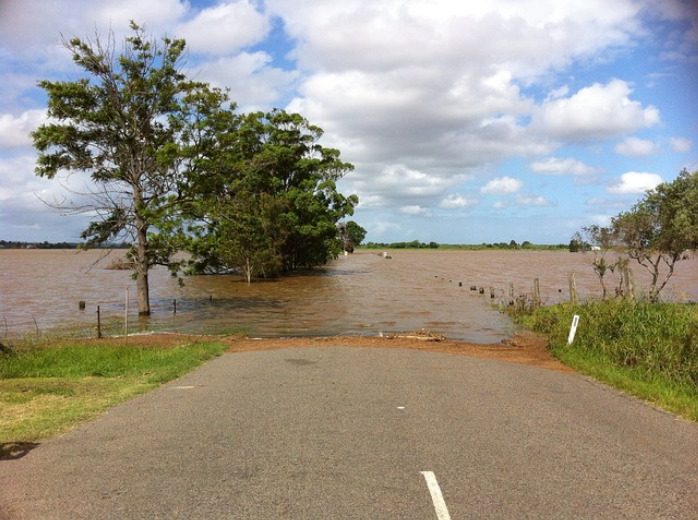
Can I drink flood water?
In the midst of an emergency situation, finding water can be a critical challenge. One might wonder, can I drink flood water? The short answer is, no. Flood water is often contaminated with numerous pollutants, including bacteria, viruses, and chemicals that could lead to serious health issues.
Flood water is not a safe or reliable source of drinking water. It can contain sewage overflow, harmful bacteria like E.coli, and hazardous substances washed away from roads and industrial areas. Drinking such water can lead to waterborne diseases such as cholera, typhoid, and dysentery, among others.
Instead, look for alternative sources of water in an emergency situation. Some of these include:
1. Rainwater: Collect and store rainwater for consumption. However, ensure to boil it before drinking to kill any potential pathogens.
2. Snow and ice: Melt snow and ice for drinking water. Avoid colored or dirty snow.
3. Natural springs: These can be a good source of water, but it’s crucial to purify the water before drinking.
4. Water from canned goods: Many canned foods contain water which can be used for hydration in emergencies.
Remember, in an emergency situation, finding water is crucial but ensuring its safety for consumption is equally vital. Always purify water before drinking to avoid health risks.
How to store water for emergencies?
Storing water for emergencies is a critical task that requires careful planning and execution. Water storage containers are a must-have for anyone looking to prepare for an emergency. These containers should be food-grade, meaning they are safe to store water that you plan to drink.
Next, consider the water source. Tap water, if it’s safe to drink, can be stored directly in the containers. If you’re using water from a well or a spring, it’s essential to purify it before storage. Boiling is a common method, but you can also use water purification tablets or a water purifier.
Equally important is the storage location. Ideally, the water should be stored in a cool, dark place to prevent the growth of algae and bacteria. Avoid places with direct sunlight or high temperatures.
Here are a few steps to follow when storing water:
1. Clean the water storage containers thoroughly.
2. Fill the container with water, leaving some space at the top.
3. Securely close the container to prevent contamination.
4. Store the container in a suitable location.
Remember, the storage duration also matters. As a rule of thumb, stored water should be used and replaced every six months. This ensures that the water remains fresh and safe to drink.
Lastly, don’t forget about water purification methods during emergencies. Having a plan to purify water can be a lifesaver when your stored water supply runs out. This can include boiling water, using purification tablets, or a portable water filter.
In essence, proper water storage is paramount in any emergency preparedness plan. By following these guidelines, you can ensure that you have a safe and reliable water supply when you need it most.
What is the best emergency water filter?
In an emergency situation, finding a reliable source of drinking water is paramount. Among the plethora of water filters available, the Sawyer Mini stands out as the best emergency water filter. It’s compact, lightweight, and capable of filtering up to 100,000 gallons of water.
The Sawyer Mini uses a 0.1 micron absolute filtration system, effectively removing 99.99999% of all bacteria, such as salmonella, cholera, and E.coli, and 99.9999% of all protozoa, such as giardia and cryptosporidium. It’s a highly efficient tool for emergency water purification.
Moreover, this filter can be attached directly to a drinking pouch, hydration pack, or even a disposable water bottle, making it an ideal choice for emergency situations. It also comes with a drinking straw for direct use from a water source.
Survivalists often recommend having multiple methods of water purification in an emergency. Other options include:
- Boiling: Kills most types of pathogens but does not remove chemical contaminants.
- Chemical treatment: Effective against most pathogens but may leave an unpleasant taste.
- Distillation: Effective against most pathogens and chemical contaminants but requires a heat source and time.
While these methods can be effective, they require time, resources, and may not be feasible in all situations. In contrast, the Sawyer Mini is ready to use instantly, providing clean, safe drinking water in any circumstance. Its efficiency, portability, and ease of use make it the top choice for an emergency water filter.
Can you drink rainwater in emergencies?
In dire circumstances, when access to clean water is limited, rainwater can serve as a potential source of hydration. However, it is essential to understand that while rainwater is generally pure as it falls from the sky, it can pick up various contaminants as it lands. It may collect pollutants from the atmosphere, rooftops, and even the containers used for collection.
Purification is a vital step when considering drinking rainwater in emergencies. Simple methods like boiling, using water purification tablets, or solar disinfection can be effective. These techniques can help eliminate potential pathogens and make the water safer for consumption.
When collecting rainwater, it is advisable to wait for a few minutes after the rain starts. This allows the rain to wash away most of the atmospheric pollutants. Using clean, sanitized containers for collection can further minimize the risk of contamination.
Here are some steps to purify rainwater:
1. Collect rainwater in a clean container.
2. Let it stand for at least an hour. This allows larger particles to settle at the bottom.
3. Filter the water using a cloth or coffee filter to remove smaller particles.
4. Boil the water for at least one minute or use water purification tablets as directed.
Remember, rainwater should only be used as a last resort and must be treated before consumption. Always prioritize finding a reliable source of clean, potable water in emergency situations.
How to collect rainwater for drinking?
Collecting rainwater for drinking during an emergency situation can be a lifesaver. The process is simple and requires only a few basic tools. First, you need a clean container to collect the rainwater. This could be a bucket, a barrel, or even a clean garbage can.
Next, find an open space where rainwater can easily be collected. This could be a rooftop or a yard. Avoid areas near trees or buildings, as these can contaminate the water with debris. Once you’ve found the perfect spot, place your container there and wait for the rain to fill it up.
After collecting the rainwater, it’s important to purify it before drinking. This can be done by boiling the water for at least 10 minutes, using water purification tablets, or a portable water filter.
- Collect rainwater in a clean container
- Find an open space for collection
- Purify the collected water before drinking
Remember, during an emergency situation, having access to safe drinking water is crucial. Knowing how to collect and purify rainwater can make a significant difference in your survival.
While rainwater is a great source of water during emergencies, it’s also a sustainable way to conserve water in daily life. So, mastering the skill of collecting rainwater is not only useful for emergencies but also for promoting sustainability and self-sufficiency.
Is snow a safe water source during emergencies?
Snow, a form of frozen water, is often considered a potential water source during emergencies. However, it’s crucial to understand that consuming snow directly can pose health risks. One of the primary concerns is the low temperature of snow. Consuming it directly can lead to a decrease in body temperature, potentially resulting in hypothermia.
Another concern is the potential presence of impurities in the snow. Snow can contain dirt, bacteria, or even harmful chemicals. Therefore, it’s advised to purify snow before consumption. The safest way to consume snow is by melting it first and then boiling the water. This process eliminates most of the harmful bacteria and parasites that could be present.
- Melt the snow: Collect clean, fresh snow and melt it. Avoid colored or dirty snow as it might contain impurities.
- Boil the water: After melting the snow, boil the water for at least one minute to kill any remaining bacteria or parasites.
Remember, finding water during an emergency situation is crucial, but it’s equally important to ensure the water source is safe. While snow can be a viable option, it should be consumed with caution, following the appropriate purification steps.
Conclusion: Navigating Water Needs During Emergency Scenarios
Navigating the landscape of water sourcing and purification during emergency situations can be daunting. This post has aimed to provide you with the knowledge and tools necessary to ensure your survival and well-being during such times. We’ve explored where to find water during a disaster, how to purify it, and whether or not certain sources such as flood water or snow are safe to consume.
The importance of storing water for emergencies was also discussed, along with the best emergency water filters available. Rainwater, often overlooked, can be a viable source of hydration in emergencies, provided you know how to collect and purify it effectively.
Remember, each situation is unique and requires different approaches. It’s crucial to understand the risks associated with each water source and to take the necessary steps to ensure its safety before consumption.
As we move forward, advancements in technology and survival strategies may further enhance our ability to secure clean water in emergency situations. It’s important to stay informed and prepared. Remember, knowledge is your best tool in any emergency situation. Stay safe and stay hydrated.

 Understanding the paramount importance of water treatment is crucial for ensuring our health and safety. Contaminated water is a breeding ground for myriad illnesses, but with the right purification methods, we can significantly reduce these risks. The most effective approach to water purification involves integrating various techniques, such as chlorination, boiling, filtration, and distillation, to achieve the best results.