We are excited to announce some good news on the horizon!
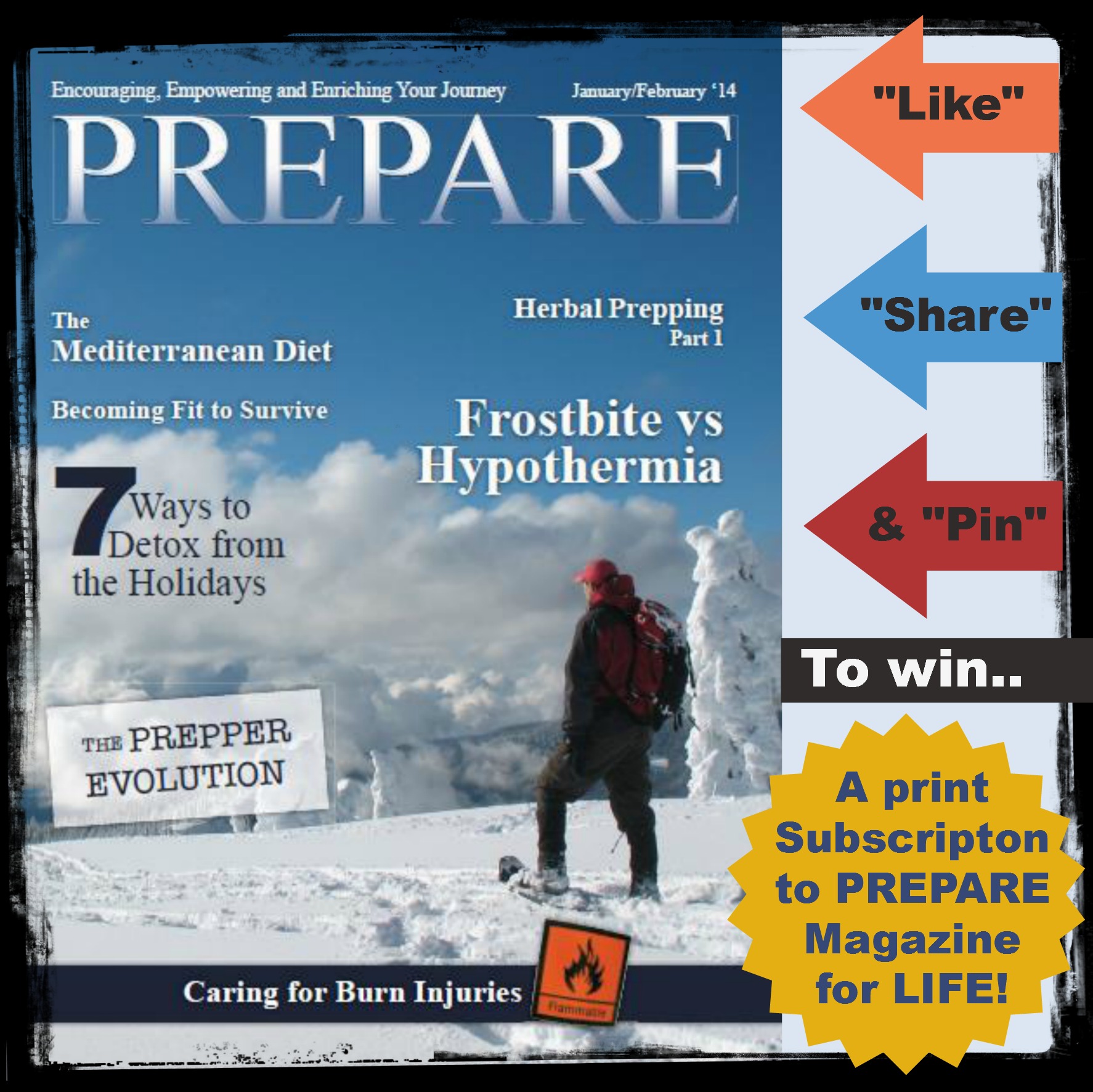
The print issues of PREPARE Magazine will soon be found in major news-stand outlets, shops and racks across the globe! And to celebrate we want to give a life-time subscription away to one fortunate person.
You can easily enter the form below to rack up the points and win the prize.
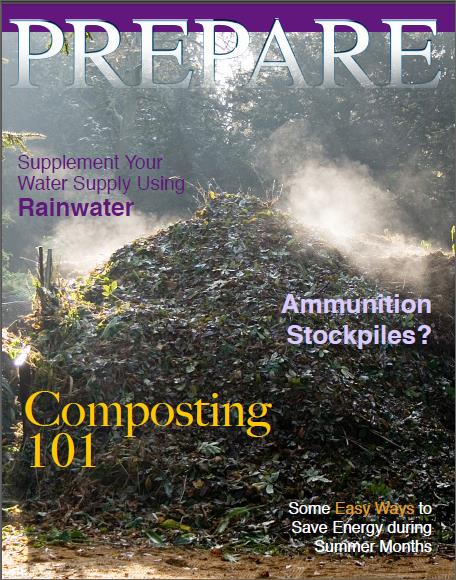
The newest digital publication of PREPARE Magazine is now ready. We have received the completed edition from our designer and are now getting ready to distribute to our readers. The new publication will be uploaded into the membership area of our PREMIUM Membership subscribers, and within a couple days released to all of our digital subscribers.
The June issue is a beautiful design and our contributors have offered some really great content. Here are a few of the areas we share in the June release: Simple Tips for Surviving a Natural Disaster, Preparedness in Layers, and Sources of Water in an Emergency.
We will alert all of our subscribers by email where they can download this latest issue. Premium and Founding Members will be able to login to your account to view.
Also… other issues of PREPARE Magazine are on the way!
The next issue of the Print Publication will be released to our Print Subscribers in July. It is a beautiful design and loaded with excellent resources.
The JULY digital Publication is in the design phase and should be released the last week of June.
The predominant culture often views those who value disaster preparedness as fanatical and irrational. Their predictions may sometimes sound apocalyptic; their preparations, drastic. The idea of an implosion of the national infrastructure and financial system simply strikes some as the stuff of fantasy. An honest look at the numbers, however, reveals that survival planning is actually a wise and prudent endeavor. In fact, academic research, practical business experience and good old common sense corroborate the very real possibility that such national and global dysfunction is real and growing more likely every day. Taking steps to ensure the safety of and provision for a family or community is a reasonable—and advisable—strategy.
Over 40 years ago, researchers at the Massachusetts Institute of Technology predicted a severe resource shortage by 2030. Some scientists agree that the forecast is right on track. Meanwhile, numerous financial experts believe that the international debt bubble fueled by easy credit and inflated currencies will soon burst, leading to an even more intense recession and causing massive social unrest. While many are still bullish on the stock market, more sober-minded analysts see stocks soon losing over half their value. The increasing income gap and swelling national debt create an even more dangerous economic environment.
Economist Martin Feldstein, one-time Chairman of the president’s Council of Economic Advisors, believes that the current responses of the Federal Reserve Board of Governors are short-term fixes that will lead to higher inflation and higher interest rates in the future. Beyond that, artificially low rates relieve the pressure on the president and Congress to address the fiscal deficit. Although the Fed had previously held to a two-percent ceiling on inflation, Feldstein notes in the Wall Street Journal, it is now allowing that the limit will be exceeded. What can this mean for the financial and social future?
Higher inflation leads to, of course, higher prices. It bears noting that many news outlets will broadcast the “core inflation rate” that excludes food and energy from its factors. The reason behind this is that variables other than money supply (e.g. weather and geology) will affect the prices of these commodities. Yet these necessities are nonetheless subject to monetary policies, and are fundamental to survival should hard times come in the wake of economic meltdown. For this reason—and others—the importance of building a comprehensive survival kit in advance cannot be overstated. Should scarcity and desperation hit American shores, those with the foresight to store and courage to defend will fare better than others.
A survival kit adequate to a future financial implosion will be more than what might be found in a backpacker magazine. Stockpiling dried foods, for example, is preferable to cans and jars in that these foods use less space. Storing one gallon of water per day for each person and pet in the household is essential for survival. A two-week supply of food and water should be saved at a minimum. Commercially bottled water is likely the safest option for storage. In addition, thorough preparation will account for the storage of a gasoline reserve. Whether for an emergency generator or for extended travel, gasoline should be stored below 70 degrees in appropriate fuel cans—the larger the better—and supplemented with additives that preserve potency and slow evaporation.
Protection of supplies and loved ones during times of desperation and social unrest is crucial. For an all-purpose firearm, the 9mm handgun is widely acknowledged as effective and easy to use. Consequently, no survival kit is complete without lots of 9mm ammo. Unfortunately, recent years have seen unprecedented ammunition purchases by government agencies and anxious gun owners, so time should not be wasted in obtaining a significant cache. Without sufficient protection, the hard work of acquiring and storing supplies becomes futile.
BIO: Lee Flynn is from the Wasatch Mountains near Salt Lake City, UT. Through small local workshops and articles, Lee trains and teaches others on home preparation, food storage techniques, wilderness survival and self-reliance. After obtaining a bachelor’s degree from the University of Utah, Lee moved to the Salt Lake Valley where he now lives with his wife and daughter.
Popular Questions
What is the fastest way to improve Don’t Wait to Build Your Survival Kit without making beginner mistakes?
The fastest way to improve Don’t Wait to Build Your Survival Kit is to simplify the process and control one variable at a time. Start with the most important baseline: define the goal, identify the main failure point, and test one change before making another. Keep short notes so you can connect the outcome to the adjustment you made. This prevents guesswork and helps you build a repeatable method instead of chasing random fixes.
What should you check first when Don’t Wait to Build Your Survival Kit is not working well?
Check the most immediate bottlenecks first: setup errors, missing inputs, bad timing, or inconsistent follow-through. Before buying anything new or changing the whole system, confirm that the basics are being done correctly and consistently. A small diagnostic checklist usually reveals the real problem faster than broad trial and error. Once the weak point is clear, make one correction and watch the result before adjusting anything else.
What common mistakes make Don’t Wait to Build Your Survival Kit harder than it needs to be?
The most common mistakes are changing too many variables at once, skipping the basics, and judging results too quickly. Many people also copy generic advice without adapting it to their exact situation, which leads to weak results and confusion. A better approach is to work from a simple baseline, make measured changes, and give each change enough time to show whether it helped. That makes progress easier to track and repeat.
The newest digital publication of PREPARE Magazine is now ready and is really a beautiful edition. We are very pleased with this publication.
The magazine is currently being uploaded into the Premium Member back-office and will be available shortly. Members will be able to login to your member area to download the publication. All Premium Members get early-access to our monthly digital release, as well as premium content (articles, videos, training courses) loaded each month. If you are not a Premium Member, you can go to PrepareMember.com for more information.
The July digital publication will be available to all subscribers by Friday, July 5th.
Also… the next print issue is coming!
The next issue of the Print Publication will be released to our Print Subscribers in July. It is a beautiful design and loaded with excellent resources.
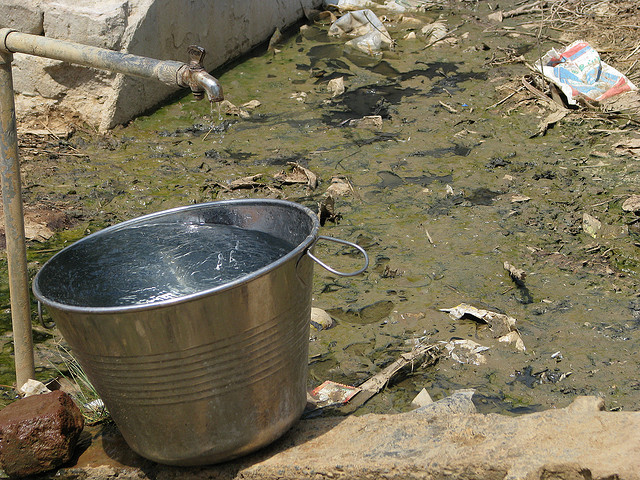
This is a compilation of options for improving your odds of having safer water when you do not trust the available water supply. Many of the ideas below were discussed with knowledgeable friends, but they are not FDA-approved instructions. Research these methods carefully and understand the directions before relying on them in an emergency.
Drinking Water Background
You do not technically need to sterilize water. Sterilization means destroying all microorganisms in, on, and around an object. For drinking water, the practical goal is usually disinfection: reducing or killing pathogenic organisms that can cause disease.
Disinfection can be done through several methods, including filtration, heat, ozonation, and chemical treatment.
Boiling and Pasteurization
Despite many stories to the contrary, boiling water can disinfect it. At most elevations people are likely to encounter, the boiling point of water is high enough to kill or denature disease-causing organisms. A rolling boil is the key point.
Pasteurization kills disease-causing organisms in water by heating it to 65°C / 149°F for a short period of time. This can address microbes including E. coli, rotaviruses, Giardia, and the Hepatitis A virus.
A WAPI, or Water Pasteurization Indicator, uses heat-specific soy wax to help determine when water has reached pasteurization temperature. Some WAPI models include stainless steel cable and brass end caps designed to tolerate high heat, making them useful over an open flame or in solar cooking situations.
Filtration
Filtration can be effective when the filter has an absolute rating of 0.2 microns or smaller. Some people use iodine crystals first and then filter the water afterward.
Chemical Disinfection
Chemical disinfection usually involves adding a chemical such as chlorine or iodine to the water. It is often quick, economical, and effective when the correct chemical, concentration, and contact time are used.
Purifying Water With Bleach
Regular liquid bleach is not stable indefinitely. It gradually breaks down and may become ineffective over time. Bleach that is roughly one year old may require a stronger dose, while bleach near two years old may no longer be reliable.
Purifying Water With Calcium Hypochlorite
Calcium hypochlorite, often sold as pool shock, can store much longer in dry form than liquid bleach. It can be mixed into a fresh chlorine solution as needed.
Use only granular pool shock that lists calcium hypochlorite as the active ingredient and does not include algaecides, fungicides, scents, softeners, or other additives that may be unsafe for drinking water treatment.
Mixing Calcium Hypochlorite
In an extremely well-ventilated area, preferably outside, dissolve one heaping teaspoon of high-test granular calcium hypochlorite, approximately 1/4 ounce, into two gallons of water. This produces a stock chlorine solution.
To disinfect water, add one part of this chlorine solution to 100 parts water. A practical small-batch version is to add about 2.5 tablespoons of the stock solution to one gallon of water. Mix thoroughly, cover, and allow it to stand for 30 minutes.
The treated water should have a slight chlorine odor. If it does not, repeat the dosage and allow it to stand for an additional 15 minutes. If the chlorine taste is too strong, let the water stand exposed to air for a few hours or pour it between clean containers several times.
General Water Treatment Process
Water from open sources should be treated before use. One practical approach is a three-step process.
Pre-filtering: Remove visible sediment and larger particles by pouring water through tightly woven cloth, towels, or similar material.
Chlorinating: Disinfect the water using an appropriate chlorine treatment method.
Filtering: Use a high-quality water filter, such as a Katadyn or British Berkefeld-style filter. Some filter elements can also reduce chlorine.
Notes About Iodine
Iodine is not emphasized here because many references point to limited shelf life, specific storage requirements, and undesirable taste. Chlorine odor can indicate some remaining disinfectant level, and the odor can dissipate with aeration.
James McDonald has enjoyed camping and many aspects of outdoor life. His engineering background has encouraged him to keep digging into practical problems until they make sense.
PREPARE Magazine Disclaimer: These statements are not intended as a fail-proof guide or FDA-approved water sanitation method. They are a compilation of internet-sourced information presented in plain language. Research carefully and use these suggestions at your own risk.
Popular Questions
What is the fastest way to improve Drinking Water Background without making beginner mistakes?
The fastest way to improve Drinking Water Background is to simplify the process and control one variable at a time. Start with the most important baseline: define the goal, identify the main failure point, and test one change before making another. Keep short notes so you can connect the outcome to the adjustment you made. This prevents guesswork and helps you build a repeatable method instead of chasing random fixes.
What should you check first when Drinking Water Background is not working well?
Check the most immediate bottlenecks first: setup errors, missing inputs, bad timing, or inconsistent follow-through. Before buying anything new or changing the whole system, confirm that the basics are being done correctly and consistently. A small diagnostic checklist usually reveals the real problem faster than broad trial and error. Once the weak point is clear, make one correction and watch the result before adjusting anything else.
What common mistakes make Drinking Water Background harder than it needs to be?
The most common mistakes are changing too many variables at once, skipping the basics, and judging results too quickly. Many people also copy generic advice without adapting it to their exact situation, which leads to weak results and confusion. A better approach is to work from a simple baseline, make measured changes, and give each change enough time to show whether it helped. That makes progress easier to track and repeat.
When it comes to gardening accessories, I really am a picky, tight-wad. I repair most of the ones that I have used before buying new and spend very very little on new gadgets from year to year. Mostly because I’ve not found things that work like they say they will or that I cannot create cheaper than purchase. That was until I was able to review The Roo.
Forever. I do mean forEVER since I’ve been gardening I have used the ‘shirt tail’ method of harvesting something at any given moment. As an upright human with opposable thumbs, I figured this was my best shot at gathering my goodies from the garden when I ventured out without a basket, which, was often. Boy, was I wrong on so many accounts!
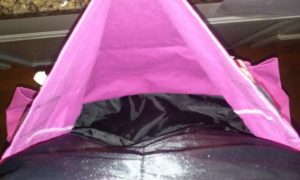
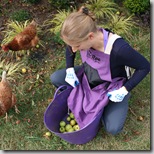
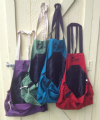
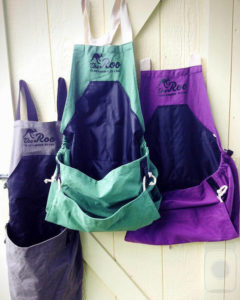
Enter The Roo – as in Kangaroo. After being given the opportunity to play with this one (yes, the bright pink girly one – don’t worry, it’s not the only color) I’m completely sold on this being the better option for gathering and working in the garden. It’s like the ‘shirt-tails’ method on steroids. You can harvest almost a full bushel without ripping collar or buttonholes! It even surpasses the proverbial harvest basket.
Here are just a few reasons why:
The heavy duty, yet soft and pliable canvas material is lightweight but a very substantial blockade from thorns and dirt.
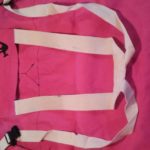
The straps make for very comfortable and even weight distribution of not only the apron itself but the load you may carry.
The pockets hold tools, stakes, twin and gloves (I’m a dirt-under-the-nails-gal myself)
At the price and my limited skill of stitch-witchery, I could NEVER make one (much less design one) that is this effective.
Wearing it:
Putting it on and wearing it about all day long, I hardly even noticed it was there as I moved throughout the garden. It was not in the least bit cumbersome nor did it inhibit my movement like so many other ‘smock’ type aprons I’d tried to use before.
It was easy to done all by myself even though there are adjustable straps and hooks.
The ability to tie it up and USE the actual Roo Feature (the load and drop pocket) was simple while wearing The Roo.
For me, nothing that is merely well-made or pretty passes the test unless it is actually functional. The Roo passed this test with flying colors! The function of its main feature (the easy load and unload pocket) was really what made me take note of how ingenious this is.
The pocket is a simple fold up style that does have a lot of room for carrying fruits and veggies. But the fact that with a slip of a knot, you can easily unload a bushel of beans onto a table or into a wheelbarrow without bending over or lifting up the heavy load actually made me try it over and over.
The distance to unload is not so far that you’ll bruise your produce and the way The Roo becomes like a gentle ‘chute’ or ‘slide’ makes it a controlable exit. It is almost second nature to unload without harming the harvest.
I highly recommend that you connect with Pantry Paratus and pick up The Roo (in a color of your choosing, of course)! I think, like me, you’ll find it comfortable, well-made, easy to use and above all of those features, ingeniously functional.
Donna Miller is a teacher, author, sought-after speaker and trainer. She has been both a guest and host on internet and broadcast radio talk-shows and in television interviews. She enjoys teaching online and local classes & ladies retreats. Donna is happily married and has three adult children, with one daughter-in-law and one son-in-law. She and her husband (Joseph) are the founders Millers Grain House and YourPreparation Station among other leading entities in the current Preparedness movement.
Popular Questions
What makes The Roo a standout gardening accessory?
The Roo is a unique gardening accessory that enhances the harvesting experience. Its heavy-duty yet soft canvas material protects against thorns and dirt while being lightweight. The design allows for comfortable weight distribution, making it easy to carry a significant load without strain.
How does The Roo improve the harvesting process?
The Roo features an innovative load and drop pocket that simplifies the harvesting process. You can easily unload your produce without bending over, thanks to its gentle chute design. This functionality allows for a controlled and efficient way to transfer your harvest to a table or wheelbarrow.
Can The Roo accommodate various gardening tools?
Yes, The Roo is designed with multiple pockets that can hold essential gardening tools, stakes, and gloves. This feature keeps everything organized and within reach while you work in the garden. The thoughtful design ensures that you have what you need at your fingertips, enhancing your gardening efficiency.
Is The Roo comfortable to wear during long gardening sessions?
Absolutely! The Roo is crafted to be worn comfortably throughout the day, with adjustable straps that allow for a customized fit. Many users find it non-intrusive, enabling them to move freely without feeling weighed down by traditional aprons.
Where can I purchase The Roo for my gardening needs?
You can find The Roo available for purchase through Pantry Paratus, where you can choose from various colors. This gardening accessory is not only functional but also stylish, making it a great addition to your gardening gear. Investing in The Roo will enhance your gardening experience significantly.
Find the gaps most families don’t notice until something goes wrong.
Free. Practical. No fear-mongering.
By requesting this resource, you agree to receive practical PREPARE Magazine guides, tools, and email updates. You can unsubscribe anytime. Privacy Policy