
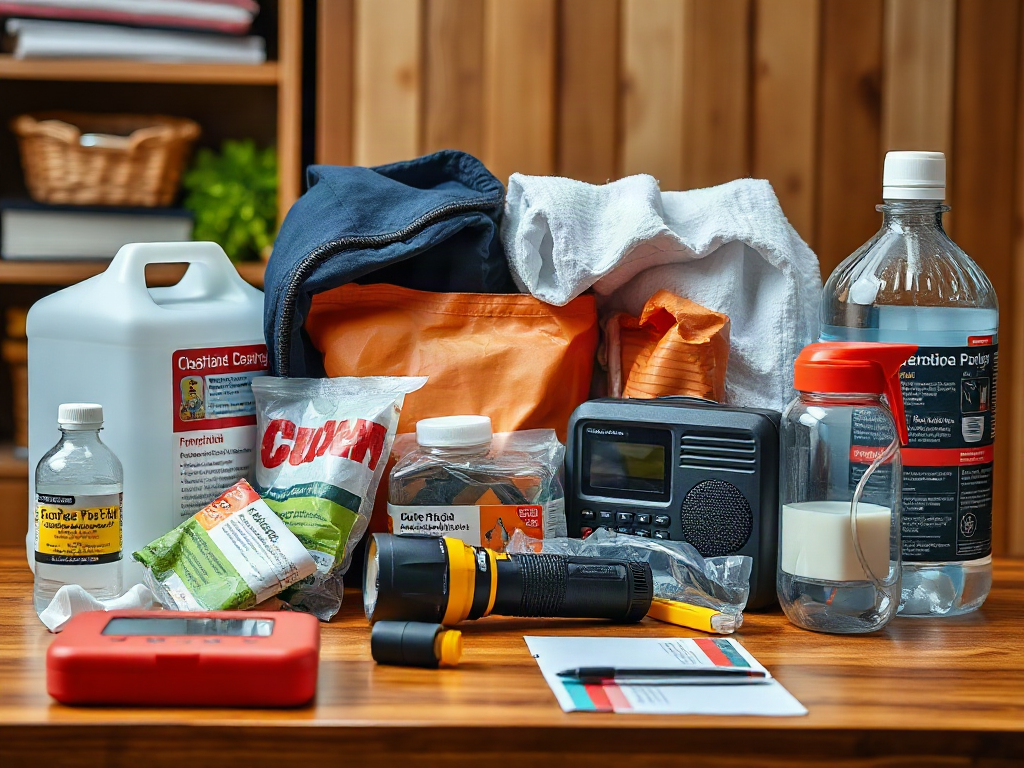
Low-cost preparedness improvements by priority should first address immediate hazards, communication, water access, lighting, and essential medications before adding specialized gear. Begin with free actions such as testing alarms, recording contacts, locating utility shutoffs, and organizing supplies already at home. Spend next on inexpensive items that close serious gaps, including flashlights, batteries, a radio, water containers, and basic first-aid materials. Food variety, comfort items, backup cooking, and longer-duration supplies belong in later rounds. A written inventory and monthly spending limit keep duplicate purchases from displacing more urgent needs.
What you’ll learn
This guide covers the following practical points:
- Rank Needs by Consequence, Not by Price — A useful priority order begins with consequences: which missing capability could create the fastest or most serious problem in your household?
- Complete the Free Improvements First — Organization can improve readiness without requiring a purchase.
- Make the First Low-Cost Purchases Count — Early purchases should solve several realistic problems and require little training.
- Build Capability in Affordable Rounds — A fixed spending cycle prevents preparedness purchases from competing unpredictably with rent, food, debt payments, or medication.
Rank Needs by Consequence, Not by Price
A useful priority order begins with consequences: which missing capability could create the fastest or most serious problem in your household? A sale price does not make an item urgent. A discounted camp stove may look appealing, but working smoke alarms, necessary prescriptions, safe drinking water, and a way to receive warnings usually deserve attention first.
Review likely disruptions in practical terms. A brief power outage creates needs for light, information, charged phones, and safe food handling. A water interruption changes drinking, hygiene, and sanitation. An evacuation requires identification, medications, transportation details, and a destination. The same purchase does not solve all three situations, so rank gaps by both severity and likelihood rather than trying to assemble a universal collection of gear.
| Priority Level | Household Need | Examples of Improvements | Reason for Placement |
|---|---|---|---|
| First | Immediate safety and health | Alarm checks, medication planning, hazard correction | Delays may carry serious consequences |
| Second | Water, communication, and light | Containers, contact records, flashlights, radio access | Useful across common utility disruptions |
| Third | Food and sanitation | Shelf-stable meals, manual opener, hygiene supplies | Supports a longer interruption |
| Later | Comfort and expanded capability | Extra bedding, backup cooking, larger power options | Valuable after critical gaps are covered |
A common mistake is ranking visible equipment above less exciting household tasks. If nobody knows where the water shutoff is, another storage pouch adds little value. Write down the three gaps with the greatest consequences and finish those before expanding the list.
Complete the Free Improvements First
Organization can improve readiness without requiring a purchase. Start by gathering existing flashlights, batteries, first-aid materials, shelf-stable food, hygiene products, and phone chargers in known locations. Check condition and expiration dates, but do not discard usable items merely to create a matching kit.
Create a paper contact sheet with household numbers, an out-of-area contact, medical contacts, school or workplace details, and planned meeting locations. Keep a copy where household members can find it. Phones may be unavailable, uncharged, damaged, or locked, so a paper record provides a simple fallback. Discuss who collects children or dependents, who assists anyone with mobility needs, and where everyone goes if the home cannot be occupied.
Walk through the home and locate the main water shutoff, electrical panel, fire extinguisher, exits, and smoke and carbon monoxide alarms. Only operate utilities when you understand the equipment and it is safe to do so; uncertain or damaged systems call for the utility provider or a qualified professional. The goal is familiarity, not an improvised repair.
Free planning fails when it exists only in one person’s memory. Household members should be able to explain the meeting location, find basic supplies, and access contact information. A short practice reveals whether the arrangement works under low light, without internet access, or when the usual decision-maker is away.
Make the First Low-Cost Purchases Count
Early purchases should solve several realistic problems and require little training. Reliable flashlights reduce fall and fire risks associated with moving through dark rooms or relying on open flames. A manual can opener preserves access to canned food. Clearly labeled water containers, a basic radio, charging cables, hygiene supplies, and replacements for depleted first-aid materials can close practical gaps without committing to expensive systems.
Buy for the people actually present. Infants, older adults, pets, and people who use prescription medicine or powered medical equipment may change the order substantially. Medication questions, storage limits, and refill options should be discussed with the relevant pharmacist or clinician rather than handled through improvised stockpiling. Backup power for medical equipment requires device-specific guidance and should not be treated like ordinary phone charging.
Compatibility matters more than novelty. Choosing a smaller range of battery sizes can simplify rotation, while rechargeable batteries may be useful when charging remains available. Disposable batteries may be a more practical backup during extended outages. Neither option is automatically best; inspect for damage, follow manufacturer storage instructions, and keep loose batteries away from metal objects.
Avoid low-quality multipurpose products that perform every advertised task poorly. Test lights, radios, chargers, and openers before depending on them. A low price is wasted if controls are confusing, batteries drain in storage, or the item cannot be used by the person assigned to it.
Build Capability in Affordable Rounds
A fixed spending cycle prevents preparedness purchases from competing unpredictably with rent, food, debt payments, or medication. Choose an amount that fits the household budget, then fund the highest unresolved gap. The amount matters less than preserving the priority order.
Consider an illustrative household with $20 available this month. Its alarms work, contact information is complete, and it owns two flashlights, but the household lacks suitable water containers and has no manual can opener. Spending that $20 on those gaps provides more usable capability than buying another knife, bag, or novelty tool. The following month could cover radio access or missing hygiene items. Actual prices vary, so the example is a decision comparison rather than a shopping estimate.
Use rounds to keep the work manageable:
- Round one: correct immediate hazards and complete no-cost planning.
- Round two: cover water, light, communication, medications, and household-specific needs.
- Round three: strengthen food, sanitation, weather protection, and evacuation supplies.
- Round four: add redundancy, comfort, and longer-duration capability.
Do not divide money evenly among categories when one category has a serious gap. A household with ample food but no dependable lighting should not buy more meals merely because food storage feels productive. Progress is visible when each spending round removes a documented weakness rather than increasing the item count.
Maintain Supplies and Correct Weak Spots
Preparedness declines when supplies are stored and forgotten. Food can pass its useful date, batteries can leak, clothing can stop fitting, contact details can change, and household members may forget the plan. Maintenance protects earlier spending and often costs less than replacing an abandoned collection.
Link checks to an existing calendar event that the household already remembers. During each review, test devices according to their instructions, inspect containers, rotate food into normal meals, update contacts, and replace consumed or damaged items. Record what is present and where it is stored. An inventory does not need special software; a dated paper list is enough if it remains accessible.
Small exercises provide better evidence than assumptions. Try finding flashlights in darkness, opening stored food with the designated opener, contacting the meeting person without using a saved phone entry, or carrying an evacuation bag to the vehicle. If an item is too heavy, inaccessible, unfamiliar, or incompatible, the system is failing even though the item is technically owned.
Resist upgrading equipment that already works while unresolved basics remain. Replacement makes sense when an item is damaged, unreliable, unsafe, unsuitable for the user, or costly to maintain. Cosmetic uniformity and feature-heavy upgrades should come after the household can use its core supplies confidently.
Frequently Asked Questions
What is the cheapest preparedness improvement to make first?
Inventory supplies already at home, write emergency contacts and meeting locations on paper, and identify utility shutoffs and exits. These tasks expose genuine gaps before money is spent.
Should water or food receive the higher priority?
Safe water access generally deserves earlier attention, but household circumstances matter. After addressing immediate medical and safety needs, assess drinking water, then add shelf-stable foods your household can prepare and eat.
How much should a household spend each month?
Use an amount that does not interfere with essential bills or create debt. Even a small recurring amount can work when purchases follow a written gap list rather than sales or impulse.
Is buying a preassembled emergency kit worthwhile?
It may provide a convenient base, but inspect every component for quality, quantity, usability, and household fit. Preassembled kits rarely account fully for prescriptions, pets, infants, mobility needs, or local conditions.
How can I tell whether my preparedness plan is improving?
Test specific tasks: locate supplies in darkness, use communication backups, carry evacuation items, and explain the plan to each household member. Confusion, missing items, dead batteries, or inaccessible gear identify the next priority.
Conclusion
Spend after the household has identified hazards, organized existing supplies, and documented communication and evacuation details. Direct the first affordable purchases toward unresolved health, water, lighting, and information needs, then strengthen food, sanitation, and comfort in later rounds. Keep a dated inventory and test practical tasks instead of judging readiness by the amount of gear owned. The next purchase should remove the highest-consequence gap still on that list.