In the realm of preparedness and self-reliance, there is a crucial distinction between raising awareness about potential threats based on facts and engaging in fearmongering. While it is essential to discuss the importance of being prepared for possible disasters, it is equally vital to recognize the dangers of exaggerated claims, unrealistic fears, and harmful ideologies that can divide communities and cause unnecessary panic.
Fearmongering is the act of deliberately spreading alarming and exaggerated rumors of an impending danger or threat, often with the intention of manipulating public perception and emotions. This tactic is commonly used by some websites and media outlets to attract attention, increase traffic, and push a specific agenda. Fearmongering often relies on sensationalism, conspiracy theories, and cherry-picked data to paint a picture of imminent doom, even when the facts do not support such claims.
The proliferation of fearmongering and negative claims can have severe consequences for individuals and society as a whole. When people are constantly bombarded with messages of impending catastrophe, it can lead to heightened anxiety, stress, and even panic. This can result in irrational decision-making, such as hoarding supplies, engaging in dangerous activities, or adopting extremist ideologies.
Moreover, fearmongering often exploits and amplifies existing social, political, and economic divisions, creating an “us vs. them” mentality that can further erode community cohesion and trust. This divisiveness can hinder efforts to work together and find common ground in the face of real challenges.
It is important to acknowledge that humans have a natural tendency to be drawn towards negative news events and painful stories. This innate fascination with the negative can be attributed to various factors, including evolutionary instincts that prioritize threat detection and a desire to make sense of the world around us. However, this inclination towards negativity can also be exploited by those engaging in fearmongering.
In today’s digital age, where information is readily accessible and rapidly shared, our societies seem to be inundated with a constant stream of tales of woe and impending doom. This proliferation of negative content can create a vicious cycle, where the more we consume, the more we crave, leading to a heightened sense of anxiety and a distorted perception of reality.
While it is crucial to stay informed about potential risks and challenges, it is equally important to maintain a balanced perspective and not let our innate fascination with the negative override rational thinking. By being aware of our own biases and actively seeking out fact-based information from credible sources, we can counteract the allure of fearmongering and make informed decisions about preparedness.
In contrast to fearmongering, genuine preparedness is based on a rational assessment of potential risks and taking appropriate measures to mitigate those risks. It involves analyzing credible sources of information, such as scientific studies, historical data, and expert opinions, to identify realistic threats that may impact our lives. Preparedness focuses on empowering individuals with knowledge and skills to face challenges, rather than paralyzing them with fear.
To navigate the line between fearmongering and fact-based preparedness, consider the following:
Rely on credible sources: Seek information from reputable organizations, government agencies, and experts in relevant fields. Be cautious of websites or individuals that make bold claims without providing verifiable evidence.
Maintain a balanced perspective: Approach potential threats with a level-headed and rational mindset. While it is important to be aware of risks, avoid falling into the trap of worst-case scenario thinking or apocalyptic predictions.
Focus on practical solutions: Preparedness should be about empowering yourself and your community with practical knowledge, skills, and resources to face challenges. Avoid sources that primarily focus on instilling fear without offering constructive advice or solutions.
Foster community resilience: Work towards building strong, supportive, and inclusive communities that can withstand and recover from adversity. Encourage open dialogue, cooperation, and mutual aid rather than division and mistrust.
Prioritize mental health: Engage in self-care practices and seek support if you find yourself overwhelmed by fear or anxiety. Remember that preparedness is about enhancing your overall well-being, not compromising it.
By being mindful of the dangers of fearmongering, recognizing our own biases towards negativity, and focusing on fact-based preparedness, we can cultivate a more resilient and united society. It is crucial to approach challenges with a clear head, a compassionate heart, and a commitment to working together for the common good. Through responsible preparedness efforts, we can empower ourselves and our communities to face adversity with courage, wisdom, and hope, while resisting the allure of sensationalism and fearmongering.
Meet Lynette Fry, another one of our valued Core Contributors!
To continue our introduction of such fine and helpful Core Contributors we must introduce you to Lynette Fry. Lynette first met Donna Miller at one of Donna’s ladies baking retreats. Little did the two know it, but they would have so much in common with their views of preparedness and more. Lynette has not only enjoyed preparing her own family but also sharing that journey to inspire others.
Lynette Frye is a freelance writer and speaker with a focus on preparedness. She the owner of PreppingOnABudget.com where you can sign up for a bi-weekly Newsletter designed to encourage you regardless of your income or budgeting challenges. She enjoys her rural lifestyle, with her husband and dog, in the southeastern US.
She enjoys hosting her weekly talk radio program on Blog Talk Radio called Prepping On A Budget where each Wednesday night at 6:30 p.m. eastern time you can tune in for your mid-week dose of preparedness encouragement! She also enjoys her long-running guest spot on ‘Your Preparation Station’ – both on Blog Talk Radio.
Lynette’s passion is providing others with the necessary tools to move forward in their own preparedness journey and she accomplishes this with online and on-location workshops, an e-book, and personal coaching.
Lynette & her husband truly do walk the talk of preparedness!
It’s a brand New Year and a perfect time to evaluate and set new goals for the upcoming months. New plans, hopes and strategies are on the horizon. The beginning of the year is always a good time to assess what is working and what isn’t working in our preparedness efforts and to set new actions into place that will help us get better prepared for any uncertainties ahead.
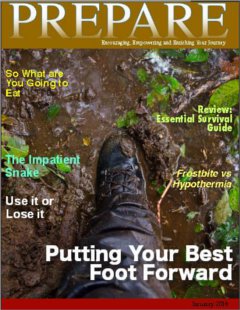
The January digital issue or PREPARE Magazine has been released and is ready for viewing. The download link is below.
The focus of the January 2014 Digital Issue of PREPARE Magazine may seem cliché, but nonetheless it is a topic that needs to be addressed from and for the mindset of those of us who hope to be more self-sustainable: Prepare Your Health and Fitness.
The topics of our health and our fitness are often not addressed while trying to learn skills, plan long-term food options, follow the political climate, and generally prepare for what external sources may bring upon our lives. But this cliché topic for the New Year is a vital key to handling the changes to life ahead and needs to be addressed. So we are happy to address it with, of course, a preparedness slant.
To download the January 2014 Digital issue, go here
Premium Members can access the January publication – and all previous digital publications – by logging into their Member area.
Popular Questions
What can readers expect from the newly released digital publication?
The new digital publication offers a fresh perspective on current trends and insights in its field. Readers will find in-depth articles, expert interviews, and practical tips that are designed to engage and inform. Additionally, the publication features interactive elements that enhance the reading experience, making it more dynamic and user-friendly.
How does the release of this digital publication benefit its audience?
This digital publication aims to provide valuable information that is both relevant and timely for its audience. By focusing on contemporary issues and expert opinions, it empowers readers to make informed decisions. Furthermore, the publication encourages community engagement through comments and discussions, fostering a sense of connection among readers.
What topics are covered in the new digital publication?
The newly released digital publication covers a wide range of topics, including industry trends, innovative practices, and case studies. Each issue delves into specific themes that resonate with the audience, ensuring that content remains fresh and engaging. This approach not only educates readers but also inspires them to explore new ideas and solutions.
Is the new digital publication accessible on multiple devices?
Yes, the new digital publication is designed to be accessible across various devices, including smartphones, tablets, and desktops. This ensures that readers can enjoy the content anytime and anywhere, enhancing convenience and flexibility. The responsive design adapts to different screen sizes, providing an optimal reading experience regardless of the device used.
Tonight (Thursday, May 23) at 7pm EST we will be hosting a Live Webinar Event. There are limited seats available for live attendance, but we will be recording the webinar and making it available to our Premium Members. We will be using some brand-new systems so we anticipate a bit of a learning-curve as we adjust to the video recording and chat features with attendees.
To attend, go to this link: http://fuze.me/19993062
To join from your computer or mobile device, click the link or copy it into your browser:
To join the audio, choose one of three methods:
Internet Audio: Simply select the internet audio option after join.
Your Phone: Call +17759963562.
Skype: You can call the Skype contact skygw91
If prompted, enter the meeting number: 19993062, then press #.
While you can Fuze from a browser, our apps give you the best experience.
Get Fuze for your device here at www.fuzebox.com/products/download.
Need help? You can connect to our Customer Support Team or access self-help
tools at www.fuzebox.com/support.
The Webinar topic will be:
Intro to Home-milling and Storing Whole Grains
Using whole grains (10-12mins)
Why use and store whole grains? (Nutrition, budget, shelf-life)
Options for milling? (electric and manual)
Differences in baking/using fresh milled flour? (wet weather, spoil, rancidity, storing the flour)
We’ll have a time for Q&As on Home-milling
Storing whole grains (10-12mins)
Decide your option. Store & ignore? Store & rotate/use? Both? (Explain all suggest to do both rotate/use first)
Methods vary but three rules remain. (dry, dark & cool)
What to store in? (bpa free bucket, mylar bag, oxygen absorbers, portions)
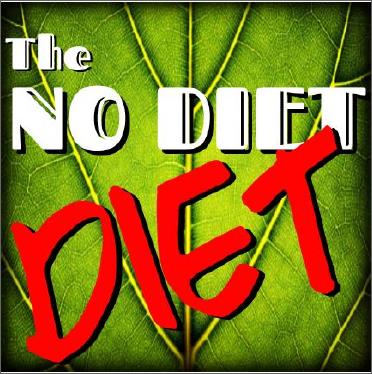
If you’ve waited to subscribe for your free digital year of PREPARE Magazine, NOW is the time to do it. Along with all the subscription, each new subscriber will be given The “NO DIET” Diet Guide. (Valued $4.99 on Kindle)!
When you confirm your subscription – you’re subscribed. That’s it! You’ll immediately get the link for the January 2014 Digital publication of PREPARE Magazine and get started with your subscription right away (after you click the confirm email that you get when you subscribe).
It’s that easy!
The first digital issue of PREPARE Magazine this year focuses on the importance of health, fitness and wellness in our preparedness plans. It is crucial that we address our health and fitness in order to deal with the stresses that will come as a result of difficulties or emergencies.
We are going to take it one step further and give you more than the great content in January’s Issue. Besides receiving a link each month to view a vibrant full colored digital magazine, if you subscribe by January 31, 2014 you will also receive this BONUS: The “NO DIET” Diet Guide
One of our contributors, Jamie L. Burleigh, has offered us the opportunity to share a Special Report (and guide) which he wrote – outlining how he lost 100lbs in ten months. THAT IS ABSOLUTELY AMAZING!
Congratulations Jamie, and THANK YOU for allowing us to share this short guide with others!
Here is what Jamie has to say in the introduction …
“I have been overweight my whole life,and struggled with bad eating habits and the conveniences of fast food and poor eating choices for as long as I could remember. One day I felt fed up with my life, how I looked,and was sick and tired of BEING sick and tired!
I will not sugar coat the realities of my own personal choices Nor will tell you how to live your life as everyone’s individual lifestyle and circumstances are vastly different.What I do want is to share my own personal triumphs of overcoming bouts of depression and obesity. This informational guide is all you need to help you make the right decision every time that you go to the market to buy food for you and your family.”
Popular Questions
What is the fastest way to improve January BONUS! FREE Digital Year plus The “No Diet” Diet Guide without making beginner mistakes?
The fastest way to improve January BONUS! FREE Digital Year plus The “No Diet” Diet Guide is to simplify the process and control one variable at a time. Start with the most important baseline: define the goal, identify the main failure point, and test one change before making another. Keep short notes so you can connect the outcome to the adjustment you made.
What should you check first when January BONUS! FREE Digital Year plus The “No Diet” Diet Guide is not working well?
Check the most immediate bottlenecks first: setup errors, missing inputs, bad timing, or inconsistent follow-through. Before buying anything new or changing the whole system, confirm that the basics are being done correctly and consistently. A small diagnostic checklist usually reveals the real problem faster than broad trial and error. Once the weak point is clear, make one correction and watch the result before adjusting anything else.
What common mistakes make January BONUS! FREE Digital Year plus The “No Diet” Diet Guide harder than it needs to be?
The most common mistakes are changing too many variables at once, skipping the basics, and judging results too quickly. Many people also copy generic advice without adapting it to their exact situation, which leads to weak results and confusion. A better approach is to work from a simple baseline, make measured changes, and give each change enough time to show whether it helped. That makes progress easier to track and repeat.
If you have been in preparedness for very long, you know there are a lot of items that you should be stocking up. If you have lived through a natural disaster, you know the necessity of have some items on hand. You may have tried to go to a grocery store after a tragedy, and found shelves completely wiped out. Obviously, that is NOT the type of situation you want to find yourself in.
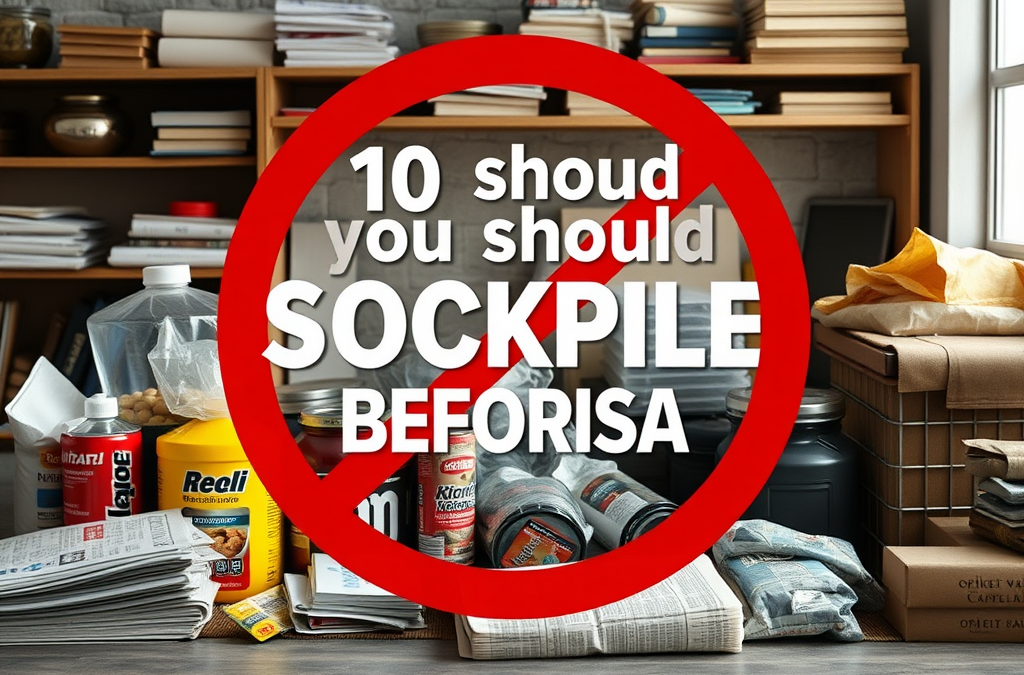
We have put together a list of the 10 things you really should stockpile BEFORE a crisis hits. We will be releasing the list in the upcoming (July) issue of PREPARE magazine.
Premium Members will be able to view the list via video feed. Please login to your members area. You will also have a pdf download of the list.
In addition,we have scheduled some amazing upcoming webinars and trainings that will be helpful to anyone who is in preparedness. These webinars will be available to Premium Members, and to subscribers of PREPARE Magazine on a registration basis. Look for more information soon, or visit: www.preparemember.com.
* Impacting Your Food Supply: Why it is vital to GROW YOUR SOIL (June 27th)
* No Electricity Cooking: Effective Use of a Solar Oven
* Inexpensive Aquaponics and Hydroponics Systems
* Prepping with only Pennies
Popular Questions
What is the fastest way to improve 10 things You should Stockpile BEFORE a Crisis without making beginner mistakes?
The fastest way to improve 10 things You should Stockpile BEFORE a Crisis is to simplify the process and control one variable at a time. Start with the most important baseline: define the goal, identify the main failure point, and test one change before making another. Keep short notes so you can connect the outcome to the adjustment you made. This prevents guesswork and helps you build a repeatable method instead of chasing random fixes.
What should you check first when 10 things You should Stockpile BEFORE a Crisis is not working well?
Check the most immediate bottlenecks first: setup errors, missing inputs, bad timing, or inconsistent follow-through. Before buying anything new or changing the whole system, confirm that the basics are being done correctly and consistently. A small diagnostic checklist usually reveals the real problem faster than broad trial and error. Once the weak point is clear, make one correction and watch the result before adjusting anything else.
What common mistakes make 10 things You should Stockpile BEFORE a Crisis harder than it needs to be?
The most common mistakes are changing too many variables at once, skipping the basics, and judging results too quickly. Many people also copy generic advice without adapting it to their exact situation, which leads to weak results and confusion. A better approach is to work from a simple baseline, make measured changes, and give each change enough time to show whether it helped. That makes progress easier to track and repeat.
Find the gaps most families don’t notice until something goes wrong.
Free. Practical. No fear-mongering.
By requesting this resource, you agree to receive practical PREPARE Magazine guides, tools, and email updates. You can unsubscribe anytime. Privacy Policy