Identifying the ideal location for your safe room is critical to its effectiveness. The best options are typically interior rooms on the lowest level of your home, away from windows and exterior walls. Basements or windowless areas are preferable as they offer additional protection against external threats, such as severe weather or intruders. Consider accessibility when choosing a location; it should be easily reachable by all family members, especially during emergencies.
One common mistake is assuming that any room can be a safe room. It is essential to evaluate the structural integrity of the chosen space. Look for features like sturdy walls, a solid door, and minimal windows. If your home lacks a suitable interior room, you might need to consider retrofitting an existing space to enhance its safety features.
Reinforcing the Safe Room: Security Measures
Once you have selected a location, the next step is to reinforce the room to withstand various threats. Start by installing a solid core or metal door with high-quality deadbolts. Reinforce door frames with steel plates to prevent forced entry. Windows should be minimized, but if present, consider using security film or bars to deter break-ins.
In addition to physical barriers, consider installing a surveillance system or alarm that can alert you to potential dangers. This not only provides peace of mind but also enhances your ability to respond effectively in an emergency. Make sure to regularly test these systems to ensure they are functioning correctly.
Essential Supplies for Your Safe Room
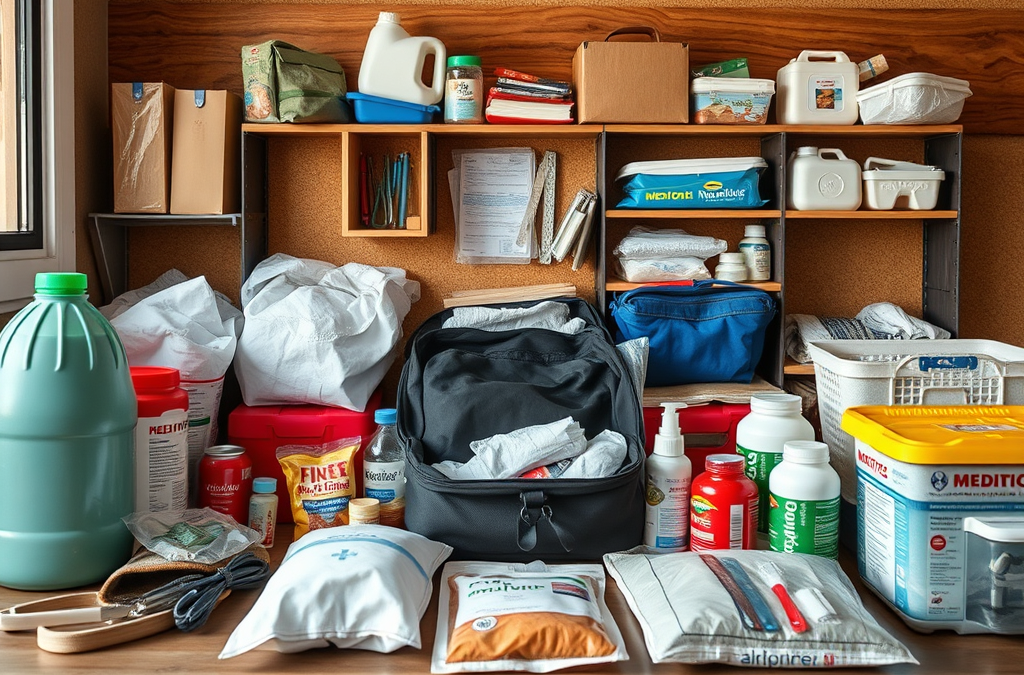
Your safe room should be stocked with essential supplies to ensure comfort and safety during an emergency. Start with non-perishable food items, at least a three-day supply of water, and any necessary medications. A first aid kit is also crucial; it should include basic medical supplies and any personal medications.
In addition to food and medical supplies, include items that facilitate communication and comfort. A battery-powered or hand-crank radio can keep you informed during emergencies when power is out. Flashlights, extra batteries, and blankets are also important to have on hand. A multi-tool or Swiss army knife can be invaluable in various situations, providing utility for minor repairs or tasks.
Planning for Emergency Scenarios
Emergency preparedness involves planning for various scenarios, including natural disasters, home invasions, or civil unrest. Create a communication plan that outlines how family members will reach the safe room and signal for help if needed. Establish roles for each family member so that everyone knows what to do during an emergency.
Regular drills can help your family become familiar with the plan and the layout of the safe room. During these exercises, emphasize the importance of remaining calm and following the established protocols. This practice can significantly improve your family’s response time and effectiveness during an actual emergency.
For more information on emergency preparedness and safe room construction, consider consulting resources from local safety organizations or government emergency management agencies. They often provide guidelines and best practices tailored to your specific area and risks.
Frequently Asked Questions
What is the best location for a safe room?
The best location for a safe room is an interior space on the lowest level of your home, away from windows and external walls.
How can I reinforce my safe room against intruders?
Reinforce your safe room by installing a solid core or metal door, high-quality deadbolts, and strengthening door frames with steel plates.
What supplies should I keep in my safe room?
Essential supplies include non-perishable food, water, a first aid kit, communication devices, flashlights, and blankets.
How often should I check my safe room supplies?
Check your safe room supplies at least every six months to ensure that food and medications are not expired and that equipment is functional.
What should I do during an emergency?
During an emergency, follow your family’s communication plan, stay calm, and take shelter in your safe room with all essential supplies.
Further Reading
Authoritative Sources
Library of Congress Research Guides guides.loc.gov
Research guides that help readers locate reliable background sources on a wide range of subjects
USA.gov Official Information and Services usa.gov
Official U.S. government information and public resources for practical reference
Google Scholar scholar.google.com
Academic search resource for finding research literature and source material
Understanding the Importance of Medical Preparedness
In a world where crises can strike at any moment, being prepared for unexpected medical needs is not just beneficial; it is essential for protecting your health and the well-being of your loved ones. Crises such as natural disasters, pandemics, or sudden health emergencies can disrupt daily life and access to healthcare services, making it critical to have a well-structured plan in place. The impact of being unprepared can be severe, often leading to complications that could have been avoided with prior planning.
One of the key reasons to prioritize medical preparedness is the unpredictable nature of emergencies. Events like earthquakes, floods, or personal accidents can happen suddenly, often leaving individuals with little time to react. A comprehensive preparedness plan allows you to respond swiftly and effectively, significantly reducing stress and uncertainty during a crisis. For instance, consider a family that experiences a sudden health emergency during a natural disaster; without a clear plan, they may struggle to access needed medical care.
Moreover, being aware of common medical needs that arise during emergencies can help you prioritize what resources to include in your preparedness efforts. Conditions such as allergies, chronic illnesses, and the risk of injuries can escalate quickly in a crisis. For example, individuals with asthma may find their condition exacerbated by stress or environmental factors during a disaster, making it vital to have appropriate medications and inhalers readily available. By understanding these aspects, you can develop a tailored approach that addresses specific risks and needs.
Ultimately, the implications of being medically prepared extend beyond individual safety. A well-prepared community can lead to quicker recovery and resilience in the face of adversity. When everyone takes steps to ensure their medical readiness, it fosters a collective strength that benefits all. As such, investing time and resources into medical preparedness is a crucial step for everyone, regardless of their current health status.
Creating a Comprehensive First Aid Kit
A well-stocked first aid kit is the cornerstone of effective medical preparedness. This kit should be easily accessible and regularly updated to reflect any changes in your family’s medical needs or regulations. Start with a durable container that can withstand various environmental conditions; this ensures your supplies remain intact and usable when you need them most.
Key items to include in your first aid kit are:
Bandages and Dressings: Include various sizes and types to cover different wounds, from small cuts to larger injuries.
Antiseptics: Alcohol wipes, hydrogen peroxide, and antiseptic ointments are essential for cleaning wounds and preventing infections.
Pain Relievers: Over-the-counter medications such as ibuprofen or acetaminophen can help manage pain and discomfort.
Prescription Medications: Ensure an adequate supply of any necessary medications for chronic conditions, such as insulin or heart medications.
Emergency Contact Information: Keep a list of contacts, including family members, doctors, and local emergency services, readily available.
Regularly reviewing and replenishing your kit is crucial, especially after any use. An organized and clearly labeled kit saves time during emergencies when every second counts. Additionally, consider including items specific to your family’s unique medical needs, such as allergy medications or specialized equipment.
When comparing the effectiveness of a well-stocked first aid kit to being unprepared, the advantages become clear. In an emergency scenario, having the right supplies at hand can mean the difference between a minor issue and a serious health crisis. Moreover, understanding how to use each item in your kit is just as important as having them available. Familiarize yourself and your family members with the contents and their applications to ensure everyone knows how to respond appropriately.
All in all, assembling a comprehensive first aid kit tailored to your family’s needs is a vital step in preparing for unexpected medical requirements during a crisis. Ensure it is regularly updated and accessible, and empower your family with the knowledge to utilize it effectively.
Maintaining Medication and Health Records
In the event of a crisis, having easy access to your medical history and medication information can be lifesaving. Keeping detailed records of all medications, including dosages and prescribing doctors, as well as important health conditions and allergies, is crucial for effective medical management during emergencies. This information can assist healthcare providers in making informed decisions quickly, which is vital in high-pressure situations.
Consider creating a digital copy of your medical records, which can be securely stored on your smartphone or a cloud service. This ensures that your information is not only accessible but also protected from potential loss during a crisis. Make sure this information is easy to retrieve but secured with strong passwords or encryption to maintain privacy. Additionally, keep a list of any medical devices you or your family members use, such as inhalers or blood sugar monitors, along with instructions on their operation.
In contrast, being unprepared and lacking organized health records can lead to delays in treatment and increased risks during emergencies. For example, if an individual with a chronic condition is unable to provide their medication details to healthcare providers, it may result in inappropriate treatment or complications. Therefore, having comprehensive health records readily available is a proactive measure that can significantly influence health outcomes during a crisis.
In practical terms, consider scheduling periodic reviews of your medication and health records to ensure they remain current. This can be particularly important when there are changes in health status or new prescriptions. By maintaining up-to-date records, you not only protect your health but also ease the burden on medical professionals during emergencies.
Ultimately, maintaining accurate medication and health records is a critical component of preparing for unexpected medical needs during a crisis. It streamlines communication with healthcare providers and enhances the effectiveness of emergency care, ensuring you receive the best possible treatment when you need it most.
Basic First Aid Skills and Knowledge
Understanding basic first aid can empower you to act decisively during a medical emergency. Enrolling in a first aid and CPR course offered by reputable organizations, such as the Red Cross or local community health centers, equips you with essential skills. These courses teach critical techniques such as how to perform CPR, bandage wounds, and recognize signs of serious conditions like strokes or heart attacks.
Moreover, practicing scenarios with family members ensures that everyone knows their roles in case of an emergency. This practice can include how to use the first aid kit effectively, when to seek professional help, and how to communicate during a crisis. For example, conducting drills on CPR or wound care can build confidence and preparedness among family members, making them more likely to respond effectively under stress.
When comparing the benefits of having first aid knowledge versus being untrained, the advantages become evident. Individuals who understand basic first aid are more likely to remain calm and take appropriate action in emergencies, potentially saving lives. Conversely, those without this knowledge may hesitate or respond ineffectively, leading to worse outcomes.
Regular practice and review of first aid techniques can significantly impact emergency response effectiveness. Consider setting aside time each month to refresh your skills and ensure you are up-to-date on the latest recommendations. Additionally, encourage family members to participate, fostering a culture of preparedness and confidence.
To wrap up, acquiring basic first aid skills and knowledge is an indispensable part of preparing for unexpected medical needs during a crisis. It not only enhances your ability to respond effectively but also promotes a sense of security and empowerment within your family.
Further Reading
Authoritative Sources
Library of Congress Research Guides guides.loc.gov
Research guides that help readers locate reliable background sources on a wide range of subjects
USA.gov Official Information and Services usa.gov
Official U.S. government information and public resources for practical reference
Google Scholar scholar.google.com
Academic search resource for finding research literature and source material
Communication breakdowns occur when messages are not conveyed or received as intended, leading to misunderstandings and conflict. This can happen among loved ones due to varying communication styles, emotional triggers, or external stressors. Recognizing the signs of a breakdown is crucial for addressing the issue before it escalates. Signs may include increased frustration, avoidance of conversation, or repeated arguments on the same topics.
Understanding the root of these breakdowns allows individuals to approach the situation with empathy. Often, communication is hindered by emotional barriers or preconceived notions about the other person’s thoughts and feelings. By fostering an environment of openness, loved ones can better navigate these challenges together.
Common Causes of Miscommunication
Several factors contribute to communication breakdowns, including differences in communication styles, emotional states, and external influences. For instance, one person may prefer direct communication, while another may favor a more subtle approach. This discrepancy can lead to misinterpretation of intentions and feelings.
Emotional states also play a significant role in how messages are received. Stress, anxiety, or frustration can cloud judgment and lead to defensive reactions. Additionally, external influences such as work pressure or family obligations may distract individuals from fully engaging in conversations. Recognizing these factors can help loved ones approach discussions more mindfully, reducing the likelihood of misunderstandings.
Effective Strategies for Resolution
Resolving communication breakdowns requires intentional strategies aimed at fostering understanding and connection. One effective method is active listening, which involves fully concentrating on the speaker, understanding their message, and responding thoughtfully. This not only shows respect but also encourages the speaker to share more openly.
Another helpful strategy is to express feelings clearly and honestly. Using “I” statements, such as “I feel hurt when…” rather than blaming language, can reduce defensiveness and encourage more productive dialogue. It’s also essential to ask open-ended questions to promote deeper discussions and clarify misunderstandings.
Creating a calm environment for these conversations is equally important. Choosing a neutral location free from distractions can help both parties feel safe to express their thoughts and feelings. Setting aside dedicated time for these discussions can also signal the importance of the conversation and foster a sense of commitment to resolving the issues at hand.
Maintaining Open Lines of Communication
Once communication breakdowns have been addressed, maintaining open lines of communication is crucial for preventing future issues. Regular check-ins with loved ones can create a culture of openness and trust, where individuals feel comfortable discussing their thoughts and feelings without fear of judgment.
Encouraging feedback is another vital aspect of maintaining communication. Asking for input on how discussions are going can help individuals feel valued and understood. It also provides opportunities for growth and improvement in communication styles.
Lastly, practicing patience and empathy is essential. Recognizing that communication is an ongoing process requires a commitment to understanding and adapting to each other’s needs. By fostering a supportive environment, loved ones can navigate communication challenges more effectively and strengthen their relationships.
Further Reading
For additional insights and strategies on improving communication with loved ones, consider exploring resources from relationship experts and communication specialists.
Authoritative Sources
American Psychological Association: Communication apa.org
This resource provides insights into effective communication strategies and the psychology behind interpersonal interactions
The Gottman Institute gottman.com
Offers research-based resources and techniques for enhancing communication in relationships
Mind Tools: Active Listening mindtools.com
A guide to active listening techniques that can improve understanding and connection in conversations
Understanding the Importance of Community Support Networks
Community support networks play a crucial role during emergencies, facilitating timely assistance and resource allocation. When crises occur, such as natural disasters or public health emergencies, individuals often rely on their local communities for support. A well-structured network can improve resilience by ensuring that vulnerable populations, such as the elderly or disabled, receive the help they need promptly. Moreover, these networks enhance information sharing, enabling communities to respond more effectively and cohesively.
One common misconception is that individual preparedness is sufficient. However, emergencies often overwhelm personal resources, making collective action essential. By fostering a community support network, members can pool resources, share skills, and distribute responsibilities. This collaborative approach not only improves individual safety but also strengthens the entire community’s ability to cope with crises.
Identifying Resources and Key Stakeholders
The first step in building a community support network is to identify existing resources and key stakeholders in your area. Resources may include local government agencies, non-profit organizations, shelters, medical facilities, and volunteer groups. It’s essential to compile a comprehensive list of these entities, as they will form the backbone of your support network.
Engaging local authorities and organizations can provide valuable insights into available services and resources. For example, public health departments can offer information on health services, while local emergency management agencies can provide guidelines on disaster preparedness. Building partnerships with these stakeholders not only enhances your network but also ensures that you are informed about the latest resources and strategies for emergency response.
Building Relationships and Trust
Once resources and stakeholders are identified, the next step is to build strong relationships within the community. Trust is a critical component of any support network, as individuals are more likely to seek assistance and share information when they feel comfortable with their neighbors. Start by organizing community meetings or workshops focused on emergency preparedness, where residents can share their experiences and learn from each other.
During these gatherings, encourage open dialogue about individual and community needs. This not only fosters a sense of belonging but also helps identify gaps in resources or knowledge. For instance, if many community members lack first aid training, organizing a training session can empower them and enhance the overall preparedness of the community.
Creating an Emergency Communication Plan
Effective communication is vital during emergencies, and having a plan in place can make a significant difference in response efforts. A well-structured emergency communication plan should outline how information will be shared before, during, and after a crisis. Start by identifying communication channels that are accessible to all community members, such as social media groups, community bulletin boards, or text message alerts.
Additionally, establish roles and responsibilities within the support network. Designate individuals to lead communication efforts, ensuring that accurate information is disseminated quickly. It’s also essential to conduct regular drills or simulations to test the communication plan and identify areas for improvement. This proactive approach helps build confidence and ensures everyone knows their role during an emergency.
For more information on building community support networks, consider exploring resources from local emergency management agencies or non-profit organizations focused on disaster preparedness. Engaging with these entities can provide valuable insights and tools to strengthen your community’s resilience.
Frequently Asked Questions
What is a community support network for emergencies?
A community support network for emergencies is a collaborative group of individuals and organizations that work together to provide assistance and resources during crises.
How can I get involved in my community's emergency preparedness efforts?
You can get involved by attending community meetings, volunteering with local organizations, and helping to organize emergency preparedness workshops.
What are the key elements of an effective emergency communication plan?
Key elements include identifying communication channels, designating roles for information dissemination, and conducting regular drills to test the plan.
Why is trust important in a community support network?
Trust is crucial because it encourages individuals to seek help and share information, facilitating a more effective and cohesive response during emergencies.
Further Reading
Authoritative Sources
Library of Congress Research Guides guides.loc.gov
Research guides that help readers locate reliable background sources on a wide range of subjects
USA.gov Official Information and Services usa.gov
Official U.S. government information and public resources for practical reference
Google Scholar scholar.google.com
Academic search resource for finding research literature and source material
Understanding the specific challenges when local resources are overwhelmed is the first step toward effective crisis management. Begin by conducting a thorough assessment of the situation, identifying what resources are lacking, whether it’s medical supplies, food, or shelter. This initial evaluation helps prioritize needs and mobilize efforts efficiently.
During a crisis, communication becomes paramount. Establish clear lines of communication with community leaders, local officials, and emergency services to gather accurate information. This ensures that decisions are made based on current realities rather than assumptions. For instance, if medical facilities are at capacity, it may be necessary to set up temporary triage centers or alternative care sites to alleviate pressure.
Moreover, consider the demographics of the affected population. Vulnerable groups such as the elderly, children, and individuals with disabilities may have unique needs that require immediate attention. Prioritizing these groups can significantly improve overall outcomes during a crisis.
Utilizing Community Networks
Community networks play a vital role when local resources are overwhelmed. These networks can include local non-profits, volunteer organizations, and grassroots movements that can mobilize quickly to address urgent needs. Engaging these groups can facilitate resource distribution and provide emotional support to affected individuals.
One effective method is to establish a community command center, where information can be centralized and disseminated. This can serve as a hub for volunteers, donors, and those in need of assistance. For example, during a recent natural disaster, one community utilized a local school as a command center, where supplies were organized, and volunteers were coordinated to distribute aid.
Additionally, leveraging social media platforms can help in spreading awareness about available resources and gathering support. Creating a dedicated online group or page can facilitate communication and keep the community informed about developments.
Collaborating with Local Organizations
Collaboration with local organizations is essential for effective crisis response. These organizations often have established networks and experience that can be invaluable in managing overwhelming situations. Reach out to local charities, faith-based organizations, and civic groups to pool resources and coordinate efforts.
For instance, if food supplies are critically low, partnering with local food banks can expedite the distribution process. These organizations usually have existing partnerships with grocery stores and suppliers, allowing for quicker access to necessary resources. Furthermore, they often have volunteers ready to assist in distribution efforts.
Another aspect of collaboration is sharing information. Local organizations can provide insights into the specific needs of the community, which can help tailor responses more effectively. This cooperative approach not only enhances resource allocation but also fosters community resilience.
Engaging State and Federal Resources
When local resources are overwhelmed, it’s crucial to engage state and federal resources. These entities can provide additional support, including funding, personnel, and equipment. Establishing communication with state emergency management agencies can open doors to resources that may not be available locally.
For example, during a public health crisis, state health departments can deploy additional medical personnel to assist local hospitals. Moreover, federal agencies like FEMA can provide financial assistance and logistical support for disaster recovery efforts. Understanding how to navigate these channels can significantly enhance the response to a crisis.
It’s important to keep documentation of the needs assessment and resource allocation to facilitate these requests. Having clear data on the situation can strengthen the case for assistance and expedite the process.
Frequently Asked Questions
What role do local organizations play in crisis situations?
Local organizations often coordinate resources, provide support networks, and mobilize volunteers to assist those in need during a crisis.
Why is community communication important in crises?
Effective communication helps disseminate vital information, coordinate efforts, and ensure that resources are allocated where they are most needed.
Further Reading
Authoritative Sources
Ready.gov ready.gov
A comprehensive resource for emergency preparedness that outlines how to respond when local resources are overwhelmed
FEMA fema.gov
Federal Emergency Management Agency provides guidelines and resources for managing crises effectively
CDC Emergency Preparedness cdc.gov
Offers health-related resources and strategies for communities facing overwhelming circumstances
American Red Cross redcross.org
Provides disaster relief resources and training for effective emergency response
Conclusion
In times of crisis when local resources are overwhelmed, the immediate focus should be on assessing needs and mobilizing community support. Engaging local organizations and leveraging state and federal resources can significantly enhance response efforts. By fostering collaboration and maintaining clear communication, communities can navigate overwhelming situations more effectively, ultimately ensuring the safety and well-being of all individuals affected. Prioritize immediate actions, remain adaptable, and work collectively to manage the challenges at hand.
Exhaustion in crisis situations can severely impact decision-making and overall effectiveness. Understanding what constitutes exhaustion is crucial for anyone involved in high-pressure environments. It encompasses both physical fatigue and mental weariness, often resulting in a decreased ability to respond effectively to ongoing challenges. Recognizing these signs early can prevent escalation and improve outcomes.
During crises, individuals may experience prolonged stress, leading to exhaustion. This can manifest as a lack of energy, chronic fatigue, and diminished performance. In high-stakes situations, recognizing the onset of exhaustion allows for timely interventions, which can be critical in maintaining operational effectiveness.
Identifying Physical Symptoms of Exhaustion
Physical symptoms of exhaustion can be among the most evident indicators of declining capacity in crisis situations. Common signs include fatigue, muscle weakness, and lack of coordination. Individuals may also experience headaches, difficulty sleeping, and changes in appetite.
For instance, a team member who is usually agile and responsive may start to show signs of sluggishness or frequent yawning. These physical manifestations are not just symptoms; they indicate an urgent need for rest or a change in strategy. Monitoring these symptoms can help in making informed decisions about resource allocation and personnel management during crises.
Another critical aspect is hydration and nutrition, which can significantly impact physical well-being. In crisis situations, individuals often neglect their basic needs, exacerbating exhaustion. Ensuring that team members are adequately nourished and hydrated is an essential preventive measure.
Recognizing Mental Indicators of Exhaustion
Mental exhaustion can be less visible than physical signs, yet it is equally detrimental. Key indicators include decreased concentration, irritability, and emotional instability. Individuals may find it challenging to focus on tasks or may become easily frustrated by minor issues.
For example, a leader in a crisis might struggle to make decisions that would normally come easily, leading to delays and confusion. Recognizing these mental signs is crucial for timely intervention. Techniques such as mindfulness and short breaks can help reset mental clarity and improve focus.
Moreover, it’s important to foster an environment where team members feel comfortable expressing their mental fatigue. Encouraging open communication can facilitate early recognition of exhaustion, allowing for team adjustments and support.
Strategies to Combat Exhaustion
Combating exhaustion during crisis situations involves proactive strategies aimed at both physical and mental well-being. Regular breaks are essential; they allow individuals to recharge and regain focus. Implementing scheduled downtime can be beneficial, even in the most intense situations.
In addition, stress management techniques such as deep breathing exercises, meditation, and physical activity can play a vital role in alleviating both physical and mental fatigue. For instance, a quick stretching routine during breaks can invigorate the body and mind, helping to mitigate exhaustion.
Moreover, fostering a supportive team environment can enhance resilience. Encouraging team members to check in on each other and share their experiences can build camaraderie and collective well-being. This can be particularly effective in high-stress scenarios where isolation may exacerbate feelings of exhaustion.
Frequently Asked Questions
What are the common signs of exhaustion during a crisis?
Common signs include physical fatigue, decreased alertness, irritability, and impaired decision-making abilities.
How can I effectively manage exhaustion in a crisis?
Effective management includes regular breaks, hydration, proper nutrition, and employing stress-reduction techniques.
Why is recognizing mental exhaustion important?
Recognizing mental exhaustion is crucial as it affects decision-making and overall team performance, leading to potential crises.
What role does communication play in managing exhaustion?
Open communication allows team members to express fatigue, facilitating timely support and adjustments to workload.
Can physical exercise help reduce exhaustion?
Yes, physical exercise can boost energy levels and improve mental clarity, helping to combat exhaustion effectively.
Further Reading
Understanding and addressing exhaustion in crisis situations is critical for maintaining operational effectiveness. Resources that delve deeper into this topic can provide valuable insights and strategies.
Authoritative Sources
National Institutes of Health ncbi.nlm.nih.gov
nih.govThis resource offers comprehensive research on the impacts of stress and exhaustion on health and decision-making
American Psychological Association apa.org
A valuable source for understanding the psychological aspects of exhaustion and strategies for mental resilience
Conclusion
Recognizing and addressing exhaustion in crisis situations is critical for maintaining effectiveness. By understanding the signs of both physical and mental fatigue, individuals and teams can implement proactive strategies to mitigate exhaustion. Encouraging regular breaks, fostering open communication, and promoting physical and mental health can enhance resilience in high-pressure environments. Prioritizing these actions can significantly improve outcomes in crisis situations.