
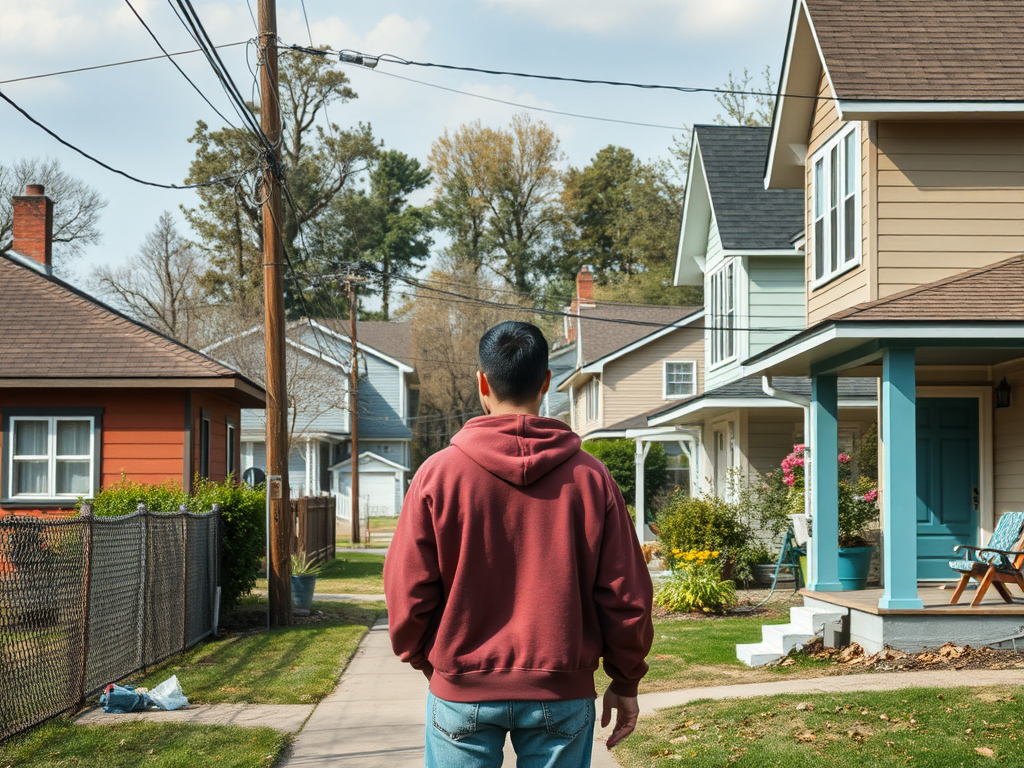
To assess your neighborhood's vulnerabilities to disasters, start by identifying potential hazards such as floods, earthquakes, or wildfires. Evaluate the structural integrity of buildings, access to emergency services, and community preparedness. Conduct surveys or community meetings to gather insights from residents about their concerns and experiences during past disasters. This assessment allows for targeted improvements and enhances overall resilience against future threats.
Understanding Local Hazards
Identifying the types of hazards your neighborhood may face is crucial for assessing vulnerabilities. Common hazards include natural disasters such as floods, earthquakes, hurricanes, and wildfires, as well as human-made disasters like chemical spills or terrorist attacks. Each neighborhood has unique characteristics that may amplify these risks, such as proximity to water bodies, geological faults, or industrial zones.
To start, consult local government resources or emergency management agencies that provide hazard assessments. These documents often outline historical data on past incidents and their impacts. Understanding the frequency and severity of these hazards can help prioritize which vulnerabilities need immediate attention.
For example, if your neighborhood frequently experiences flooding, it may be wise to evaluate the drainage systems, the elevation of homes, and the availability of flood response resources. Conversely, areas prone to wildfires should assess vegetation management and access routes for evacuation.
Evaluating Community Resources
Once you have identified potential hazards, the next step is to evaluate the resources available within your community to respond to these threats. This includes assessing the readiness and capabilities of local emergency services, hospitals, and community organizations. Analyze the accessibility of these resources for all residents, especially vulnerable populations such as the elderly or disabled.
Consider conducting a resource inventory that lists local emergency services, shelters, and medical facilities. Also, evaluate the training and preparedness of community members by examining existing emergency plans and conducting drills. A well-informed community can significantly reduce vulnerabilities during a disaster.
For instance, if your area has a well-equipped fire department and an active community emergency response team (CERT), the community may be better prepared to handle a wildfire crisis. Conversely, if resources are lacking, identifying gaps can direct efforts towards enhancing local capabilities.
Engaging with Residents
Community engagement is key to understanding the unique vulnerabilities faced by residents. Organizing meetings, surveys, or workshops can provide valuable insights into the concerns and experiences of neighborhood residents regarding disasters. This grassroots approach encourages participation and fosters a sense of ownership in disaster preparedness.
During these engagements, focus on gathering information about past experiences with disasters, perceived risks, and suggestions for improvement. Residents may highlight specific areas of concern, such as inadequate emergency notifications or insufficient evacuation routes. Addressing these concerns can enhance the community’s resilience and preparedness.
Moreover, collaboration with local organizations can strengthen community bonds and create a network of support. Establishing a neighborhood watch or a disaster response group can empower residents and encourage proactive measures to mitigate vulnerabilities.
Implementing Improvements
With a clear understanding of hazards, available resources, and community insights, the next step is to implement targeted improvements. This may involve advocating for infrastructure upgrades, such as better drainage systems or reinforced buildings, to withstand local hazards. It can also include developing comprehensive emergency plans that prioritize vulnerable populations.
Additionally, consider establishing regular training sessions and drills to ensure that residents know how to respond to emergencies. These exercises not only improve individual preparedness but also strengthen community ties and build trust in local emergency services.
For example, neighborhoods that conduct yearly disaster preparedness drills often see increased awareness and readiness among residents. This proactive approach can significantly reduce the impact of disasters when they occur.
Frequently Asked Questions
What are the first steps to assess my neighborhood's vulnerabilities?
Start by identifying local hazards, evaluating community resources, and engaging with residents to gather insights on past experiences and concerns.
How can I identify potential hazards in my area?
Consult local government resources or emergency management agencies that provide historical data on hazards specific to your neighborhood.
Why is community engagement important in disaster preparedness?
Engaging with residents helps identify specific vulnerabilities and fosters a sense of ownership and collaboration in improving community resilience.
How can I implement improvements in my neighborhood?
Advocate for infrastructure upgrades, develop comprehensive emergency plans, and conduct regular training sessions and drills to enhance preparedness.
Conclusion
Assessing your neighborhood’s vulnerabilities to disasters is an essential step in building resilience and preparedness. By understanding local hazards, evaluating community resources, and engaging residents, you can identify key areas for improvement. Implementing targeted strategies not only enhances individual safety but also strengthens community ties, fostering a proactive culture of preparedness. Take the first step by starting conversations in your community and advocating for necessary changes that will protect everyone during a disaster.