
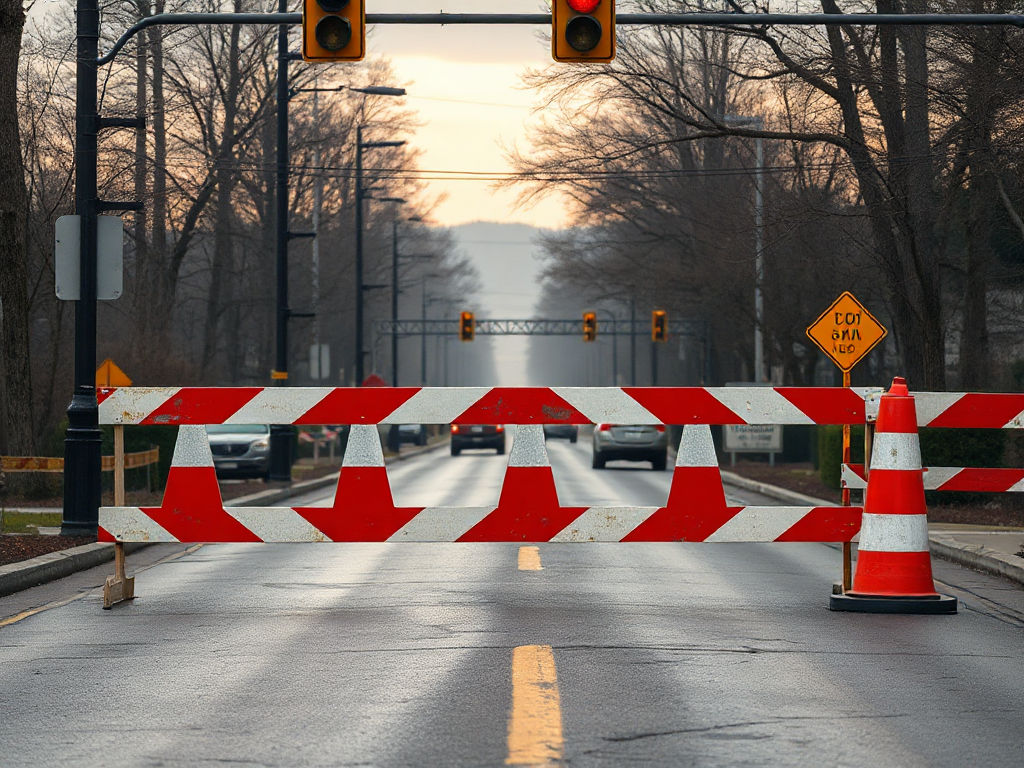
If your evacuation route is blocked, assess alternative routes immediately, stay informed about local conditions, and communicate with emergency services for guidance. Consider using a map or GPS to find nearby roads and avoid congested areas. It's crucial to remain calm and prepared to adapt your evacuation plan based on real-time information, ensuring your safety and that of your family.
Assessing the Situation
When faced with a blocked evacuation route, the first step is to assess the situation around you. This includes evaluating the reason for the blockage, such as an accident, natural disaster, or road construction. Understanding the nature of the obstruction helps in determining the best immediate actions to take. Use local news outlets, emergency services updates, or social media to gather real-time information about road conditions.
It is important to remain calm during this assessment phase. Panic can cloud judgment and lead to hasty decisions. Instead, take a moment to evaluate your surroundings and ensure that you and your family are safe. If you are in a vehicle, secure it and turn on your hazard lights to alert other drivers.
Finding Alternative Routes
Once you have a clear understanding of the situation, the next step is to find alternative routes. Utilize a GPS device or mapping application to explore nearby roads that can bypass the blockage. Familiarity with local geography can be beneficial; if you know secondary roads or less-traveled paths, consider using them to avoid congested areas.
In addition to technology, consult with other evacuees or local residents who may have knowledge of alternative routes. Often, those who live in the area can provide insights into back roads or shortcuts that are not widely known. Prioritize routes that lead away from danger while keeping in mind potential obstacles, such as other traffic or road conditions.
Communication and Coordination
Effective communication is crucial when evacuating through blocked routes. Keep your phone charged and maintain contact with family members or emergency services. Inform them of your current location and intended route to ensure that someone is aware of your movements.
In some cases, local authorities may provide updates through emergency broadcasts, social media, or community alerts. Stay tuned to these channels for the latest information on road conditions and safety advisories. If possible, share updates with others around you to help coordinate efforts and gather collective knowledge on the situation.
Safety Precautions
During an evacuation, safety should be your top priority. Ensure that your vehicle is fueled and equipped with emergency supplies, such as water, food, a first aid kit, and flashlights. If you must leave your vehicle due to the blockage, be cautious and aware of your surroundings.
Additionally, if you encounter other travelers, consider forming a convoy for safety. Traveling in a group can provide security and increase the chances of finding a successful route. Always prioritize well-lit and populated areas when choosing routes.