
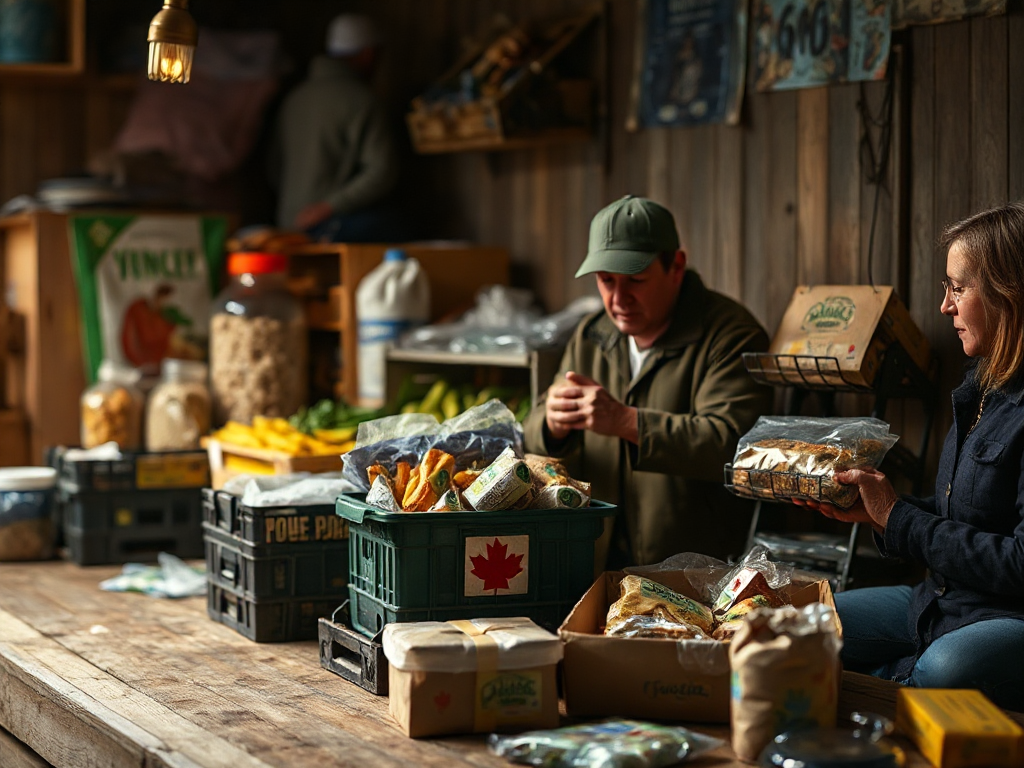
To handle food storage in extreme weather conditions, prioritize temperature control, proper sealing, and moisture management. Use insulated containers to maintain stable temperatures and prevent spoilage. Be aware of the risk of power outages, which can compromise refrigeration, so consider alternative storage methods like coolers or dry ice. Additionally, stock non-perishable food items that can withstand temperature fluctuations and have a long shelf life, ensuring you have adequate supplies during extreme weather events.
Understanding the Risks of Extreme Weather on Food Storage
Extreme weather conditions can drastically affect food storage, leading to spoilage, contamination, and waste. Temperature fluctuations can compromise the integrity of perishable items, while excessive humidity can promote mold growth. Understanding these risks helps in planning effective food storage strategies that mitigate potential losses. For instance, during heat waves, refrigeration systems may struggle to maintain optimal temperatures, increasing the risk of foodborne illnesses.
A common misconception is that food can remain safe indefinitely if it appears normal. However, invisible pathogens can proliferate even when food looks and smells fine. This underscores the importance of regular checks and being proactive about food safety. Additionally, power outages during storms can leave refrigerated items unsafe, making it crucial to have a plan that accounts for such events.
Best Practices for Food Storage Before Extreme Weather Hits
Preparation is key to effective food storage in anticipation of extreme weather. Start by assessing your current food supplies and identifying items that may be at risk. Ensure you have a mix of perishable and non-perishable foods. Stocking up on canned goods, dried fruits, and grains can provide sustenance when fresh items are compromised. Aim for a food supply that lasts at least a week, especially if you live in an area prone to severe weather.
Before a storm, check your refrigerator and freezer temperatures. The USDA recommends keeping your refrigerator at or below 40°F and your freezer at 0°F. Invest in thermometers to monitor these temperatures accurately. If a storm is forecasted, consider freezing water bottles to create ice packs that can help keep your refrigerator cool in case of a power outage.
How to Store Perishable Foods During Extreme Conditions
When extreme weather hits, the way you store perishable foods can make a significant difference. If you anticipate a power outage, minimize the number of times you open the refrigerator or freezer. Each time the door is opened, cold air escapes, raising the internal temperature. Instead, plan meals around the most perishable items first, and use cooked foods rather than raw ingredients when possible to reduce spoilage.
For additional protection, consider using insulated bags or coolers filled with ice or frozen gel packs to keep perishables at safe temperatures. If your power is out for an extended period, consume foods that are at the highest risk of spoiling first. Additionally, keep a supply of dry ice handy, which can help extend the life of frozen foods for a limited time.
Long-Term Food Storage Strategies for Emergencies
Long-term food storage requires careful planning and execution. Focus on items that have a long shelf life, such as canned goods, dehydrated meals, and freeze-dried products. Store these items in a cool, dark, and dry place to maximize their longevity. Additionally, consider vacuum sealing foods to extend their shelf life and prevent spoilage.
It’s also wise to rotate your stock regularly, using the oldest items first to ensure nothing goes to waste. Create a checklist of stored items, noting their expiration dates, which can help manage your inventory efficiently. Investing in airtight containers can protect against pests and moisture, further safeguarding your food supply.
Frequently Asked Questions
What foods should I prioritize for storage during extreme weather?
Focus on non-perishable items such as canned goods, grains, and dried fruits, which can withstand temperature fluctuations and remain safe for extended periods.
How can I keep food safe during a power outage?
Minimize door openings, use ice packs or dry ice, and consume perishable items first. Monitor the temperature inside your refrigerator and freezer if possible.
What are the best containers for long-term food storage?
Airtight containers, vacuum-sealed bags, and food-grade buckets are ideal for long-term food storage, protecting against moisture and pests.
How often should I check my food supplies?
Conduct regular checks—at least every few months—to ensure that your food supplies are not expired and are being rotated properly.
Can I store fresh fruits and vegetables during extreme weather?
Yes, but prioritize those with a longer shelf life and consume them quickly. Consider freezing excess produce before extreme weather strikes.
Conclusion
Effectively handling food storage in extreme weather conditions requires proactive planning, awareness of risks, and practical strategies. By prioritizing non-perishable items, monitoring temperatures, and utilizing proper storage techniques, you can safeguard your food supply against spoilage and waste. Preparing in advance not only helps ensure you have adequate resources during emergencies but also promotes food safety and health for you and your family.
Additional Resources
Authoritative Sources
- Food safety and storage
betterhealth.vic.gov.auKeep high-risk food at 5 °C or below or above 60 °C to avoid the temperature danger zone and food poisoning. Store raw foods below cooked foods.
- Preparing an Emergency Food Supply, Short Term Food ...
fcs.uga.eduCovering the freezer with blankets will help to hold in cold. Be sure to pin blankets back so that the air vent is not covered. FINALLY, begin to use non- ...