Signs Your Preparedness Plan Has Become Too Complex
An overloaded preparedness plan creates friction at the exact moment it is supposed to provide direction. The problem is not necessarily the number of pages. A two-page document can be confusing if it uses unfamiliar terms, assigns the same task to several people, or scatters key instructions across text messages, notebooks, and apps. A longer plan may still work if its first actions are obvious and its details are easy to retrieve.
Look for operational warning signs rather than judging the plan by its appearance. If household members cannot say where to meet, who checks on a child or dependent adult, or how to receive local alerts, the plan has more information than usable structure. Repeatedly postponing drills, failing to rotate stored items, or discovering that nobody knows which version is current also points to excess complexity.
A plan becomes especially vulnerable when it treats every imaginable disruption as a separate procedure. A power outage, winter storm, wildfire smoke event, and short evacuation may have different hazards, but their first actions often overlap: identify immediate danger, account for people, obtain reliable information, protect medications, and decide whether to shelter or leave. Duplicating those steps under several headings makes the document harder to follow.
Complexity can also hide weak assumptions. A household may list a generator without assigning fuel storage, ventilation rules, maintenance, or a safe operating location. It may specify several evacuation routes without checking whether drivers can identify the alternatives. Compare a polished binder that nobody opens with a plain card showing the meeting place, contacts, medication needs, and first-hour actions. The second may offer more practical protection.
Use When to simplify an overloaded preparedness plan as a review trigger when any of these conditions appear:
People disagree about the first action or the destination.
Critical information is mixed with optional equipment ideas.
Instructions depend on one person being present.
Supplies cannot be checked within a normal household routine.
A drill exposes delays that the written plan does not acknowledge.
The goal is not to make the household less prepared. It is to reduce decision load while preserving the actions that address the most serious local risks.
What to Keep, Combine, and Remove First
Keep instructions that protect life, support communication, or prevent a predictable secondary problem. Immediate hazard actions belong near the front: leave an unsafe area, move away from smoke or floodwater, shut off equipment only when it can be done safely, and follow official alerts. Household-specific needs deserve the same priority. Include prescriptions, mobility equipment, infant supplies, pet arrangements, language needs, and the information a caregiver would need if the usual planner were unavailable.
Combine repeated actions into a shared core. Instead of separate opening pages for every hazard, create a short “first actions” section followed by hazard-specific differences. For example, the common sequence might cover alert verification, household accounting, communication, and shelter-or-evacuation decisions. A later page can explain why a wildfire smoke event calls for indoor air protection while a flood warning may require moving to higher ground.
Remove detail that has no owner, trigger, or realistic use. A list of advanced tools is not a plan if nobody has practiced them. Multiple food menus can become one rotation method based on familiar meals, safe storage, allergies, cooking fuel, and available water. Several distant meeting places can become one nearby location and one out-of-area contact, with a backup chosen for a specific reason such as road access or family connection.
Do not simplify by deleting uncomfortable constraints. A person who relies on refrigerated medication may need a separate temperature and transport decision. Someone without a vehicle may need transit, neighbor, or public-information options rather than a generic evacuation instruction. A household with a large dog cannot treat pet transport as a footnote. These details are not clutter; they change what a workable plan requires.
Rank each item by consequence and frequency of use. A flashlight, contact card, water containers, first-aid materials, and medication list may support several scenarios. A specialized tool for a rare event may remain useful, but it should not compete with everyday-access items. Readers can cross-check broad household guidance through Ready.gov and local emergency-management information, then adapt the plan to their own hazards.
A Practical Method for Rebuilding the Plan
Rebuild an overloaded plan around decisions rather than possessions. Begin by writing the three situations most likely to disrupt this household, such as a multi-hour power outage, severe weather warning, or rapid evacuation notice. Then identify what must happen in the first ten minutes, the first few hours, and the following day. This time structure exposes details that belong in a later reference section instead of the urgent sequence.
For each stage, assign one primary person and one backup. “Someone checks the children” is weaker than “the adult at home checks both bedrooms; the backup is the neighbor named on the contact card.” Assignments should reflect real availability, age, mobility, work schedules, and communication limits. A plan that assumes one person will always be home may fail during school pickup, a commute, or a medical appointment.
Use a three-layer format:
Action card: the few steps and contacts needed during the first response.
Household plan: locations, responsibilities, medical and access needs, routes, and communication arrangements.
Reference file: maintenance notes, inventory details, hazard background, and less frequent procedures.
This arrangement solves a common tradeoff. A single-page plan is easy to carry but may omit information needed for a longer disruption; a comprehensive binder preserves detail but can slow decisions. Separating urgent instructions from reference material keeps both functions. Store paper copies where they remain available during an internet or power interruption, and keep digital copies only as a supplement.
Test every instruction for clarity and physical feasibility. “Evacuate” should connect to a trigger, a destination, transportation, essential items, and a way to confirm departure. “Shelter indoors” should identify the room, alerts to monitor, ventilation considerations, and when the decision changes. Avoid promising that one route, device, or contact method will work in every incident.
Review the draft with the least-informed household member. Ask that person to locate the go-bag, explain the meeting place, and identify what happens if the primary contact does not answer. Their hesitation is useful evidence. Revise the wording, placement, or assignment rather than blaming the user for not understanding it. The plan review process is successful when another person can act without a private explanation from its author.
Testing the Shorter Version Without Losing Protection
A simplified plan earns trust through small, repeatable tests. Conduct a table exercise first: read a plausible alert aloud and ask each person what they would do, where they would go, and what information they need. Follow with a physical check of doors, chargers, lights, medication storage, water containers, and transportation supplies. These exercises reveal different failures. A discussion may expose an ambiguous decision, while a physical test may show that the bag is too heavy or the flashlight batteries are missing.
Use realistic limits without creating unnecessary danger. A household can practice gathering during an evening power interruption, sending a predetermined check-in message, or packing essential medications. It should not simulate unsafe smoke, floodwater, fire, or generator operation. For technical equipment, follow the manufacturer’s instructions and applicable local guidance; training should improve competence, not reward improvisation.
Measure the plan by observable performance. Can everyone identify the alert source? Can the household account for people and animals? Can someone who did not write the plan find critical supplies? Can the family explain when to shelter and when to leave? If the answer is no, add clarity or remove a competing choice. Adding another product rarely fixes an instruction that nobody understands.
After each test, record only the changes that affect action. A short review might reveal that the contact card lacks an area code, the meeting place is inaccessible after dark, or food requires more water and cooking time than expected. Correct the highest-consequence problem first, then schedule a modest monthly or seasonal check. A smaller plan that is reviewed after household changes is more dependable than a detailed plan left untouched.
Revisit the plan when people move, medications change, a child becomes more independent, a pet joins the household, work locations shift, or local hazard information changes. Official weather and hazard information from the National Weather Service can inform weather-specific decisions, while local authorities remain the appropriate source for current instructions. Simplification is not a one-time deletion exercise; it is controlled maintenance.
Frequently Asked Questions
How short should a preparedness plan be?
The urgent action card should be short enough to scan under stress, often one page. Keep household-specific details and maintenance information in supporting pages rather than forcing every instruction into the first view.
What should never be removed during simplification?
Retain immediate hazard actions, contacts, meeting locations, medication and accessibility needs, transportation limits, and instructions for children, dependent adults, and pets.
Is a digital plan enough?
A digital copy is useful, but it should not be the only copy. Power loss, damaged devices, poor reception, or locked accounts can make paper contacts and instructions more dependable.
How can I tell whether simplification went too far?
If people cannot identify triggers, responsibilities, supplies, or safe alternatives, important protection was removed. Run a short scenario test and restore details that affect a real decision.
How often should the plan be reviewed?
Review it after household, medication, transportation, or local hazard changes, and use seasonal checks to verify contacts, supplies, batteries, routes, and assigned responsibilities.
Further Reading
Authoritative Sources
Academy of Nutrition and Dietetics eatright.org
Professional nutrition guidance, healthy eating resources, and practical dietitian-reviewed advice.
U.S. Department of Agriculture usda.gov
Official food, nutrition, agriculture, and consumer guidance from the USDA.
NIH Office of Dietary Supplements ods.od.nih.gov
Research-based fact sheets on nutrients, supplements, dietary intake, and safety considerations.
International Society of Sports Nutrition sportsnutritionsociety.org
Evidence-informed sports nutrition resources and position stands for active people and athletes.
Conclusion
Simplify a preparedness plan when its length, duplication, or maintenance burden prevents people from acting reliably. Preserve the decisions that protect life and address household-specific constraints; move technical notes, inventories, and rare contingencies into a clearly labeled reference section. Rebuild around likely hazards, time windows, assigned primary and backup responsibilities, and dependable communication. Then test the shortened version with people who did not write it. Confusion, missing supplies, and unrealistic assumptions are evidence for revision, not reasons to add more pages. Keep a paper action card available, verify local alerts and hazard information, and schedule reviews after meaningful household changes. The best plan is not the most comprehensive document; it is the one people can understand, locate, practice, and adapt when conditions change.
Decisions That Depend Most on Local Hazard Information
Local hazard data matters whenever a decision depends on where a person lives, works, travels, or receives essential services. A general emergency checklist can suggest broad categories of supplies, but it cannot determine whether a household should prioritize flood evacuation, wildfire smoke protection, earthquake bracing, extreme-heat cooling, or winter travel restrictions. Those choices require information tied to a specific address and community.
The highest-value decisions usually involve movement, shelter, water, communications, medical continuity, and backup power. A home outside a mapped flood area may still be cut off by a flooded bridge. A rural property may have more space for supplies but a longer response time and fewer alternate roads. An apartment resident may need stairwell and building-assembly information rather than a vehicle-focused evacuation plan. Local data exposes these differences.
Useful sources include county emergency management offices, municipal alert systems, fire departments, state geological or environmental agencies, utility providers, public-health departments, and the National Weather Service. The goal is not to collect every available map. It is to identify the hazards that can change an actual choice.
Evacuation: hazard zones, official routes, bridges, road closures, and destination procedures.
Sheltering: safe rooms, public shelters, cooling centers, smoke exposure, and accessibility.
Communication: warning methods, cellular limitations, radio coverage, and local reporting channels.
A common mistake is treating a national risk ranking as a personal decision tool. National information provides context, while local maps and official instructions determine what a household should do first. Readers can use Which preparedness decisions need local hazard data as a starting point, then verify each choice against current local information.
How Local Conditions Change Evacuation and Shelter Choices
Evacuation decisions are among the most location-sensitive parts of preparedness. The correct response depends on the hazard’s direction, speed, warning time, road network, terrain, and local instructions. A route that is efficient during a winter storm may be unsafe during a wildfire, while a familiar road beside a creek may become unusable during flash flooding.
Flood data helps identify low-water crossings, drainage channels, levees, and roads that may be closed before a neighborhood appears obviously threatened. Wildfire information can reveal the wildland-urban interface, likely smoke movement, and evacuation-zone terminology used by local authorities. Coastal residents may need storm-surge maps rather than rainfall totals alone. Earthquake information may shift attention toward bridge damage, falling hazards, and the need to shelter in place initially instead of attempting immediate travel.
Two routes should not be treated as equal merely because both appear on a map. Compare their elevation, bridges, narrow sections, exposure to the same hazard, fuel access, and likely congestion. A route with fewer miles may pass through a floodplain; a longer route may provide greater separation from the hazard but require more fuel and earlier departure. Households with mobility limitations, children, pets, or medical equipment need additional time and may need destinations arranged before an official evacuation order.
Shelter decisions also require local detail. Public shelters may have different rules for pets, medications, accessibility equipment, and electrical devices. A designated shelter may be appropriate for a hurricane but not for a hazardous-material release if it lies downwind. During extreme heat or cold, a library, community center, or other public facility may serve as a local resource, but operating hours and transportation options must be confirmed.
The weak assumption is that “shelter in place” and “evacuate” are permanent household categories. They are hazard-specific actions. Check local alerts, identify at least two destinations, save official route information offline, and establish a trigger for leaving before roads become crowded. Do not use an old map as proof that conditions are unchanged; development, construction, vegetation, and road controls can alter the practical route.
Supplies, Utilities, and Communications Shaped by Place
Local hazard information changes what supplies are sensible and how much redundancy a household needs. A coastal area with frequent storm-related outages may call for protected documents, battery charging, medications, and food that needs no cooking. A region with winter storms may place greater emphasis on safe heat, layered clothing, traction, and protection from carbon-monoxide hazards. A wildfire-prone community may need respiratory protection appropriate to smoke conditions, indoor-air strategies, and a plan for leaving with little notice.
Water planning is especially dependent on infrastructure. A municipal outage may affect pumping, pressure, treatment, or access even when no visible damage exists nearby. A private well may depend on electricity, while a household using a septic system may face different sanitation constraints than an apartment connected to a shared system. Local public-health instructions should guide treatment and reuse decisions; do not assume that a familiar method addresses every contamination warning.
Utility data can also expose hidden dependencies. A home may have a generator but no safe placement, no transfer arrangement, or no way to operate a well pump. A battery system may charge phones but not medical equipment or refrigeration. Compare the load that must continue with the load that would merely be convenient. Fuel availability, storage rules, ventilation, noise, and maintenance are part of the decision, not afterthoughts.
Communication plans should reflect how local warnings are delivered. Some communities rely heavily on emergency text alerts; others supplement them with sirens, reverse calls, local radio, or law-enforcement announcements. Cellular networks may be congested, power-dependent, or unreliable in remote areas. Choose more than one channel, keep alert registrations current, and write down the names used for local zones or evacuation areas so a warning can be interpreted quickly.
For example, a household near a river may spend heavily on bottled water while neglecting a route around a frequently closed bridge. Reversing those priorities may provide greater protection: first identify the bridge alternatives and warning levels, then size water and sanitation supplies around the plausible interruption. The practical test is whether each item answers a local failure mode. Readers comparing household needs can also consult local hazard data for preparedness decisions before buying specialized equipment.
A Practical Method for Turning Hazard Data Into Decisions
Local data becomes useful when it changes a specific action. Begin with the address or area that matters, then gather information from official sources rather than relying on generalized hazard imagery or social-media posts. Record the source date, warning terminology, and any uncertainty. A map without a decision attached to it is reference material, not a plan.
Use this compact process:
List plausible hazards: include hazards identified by local emergency management, not only those that have affected the property recently.
Locate exposure: check flood, wildfire, storm-surge, earthquake, severe-weather, and infrastructure information where relevant.
Identify dependencies: note roads, bridges, power, water, communications, medical services, schools, and workplaces that could fail together.
Assign an action: specify whether the response is early evacuation, sheltering, relocation, conservation, or contacting a service provider.
Test the decision: review it with household members and account for nighttime, bad weather, limited mobility, pets, and unavailable vehicles.
Prioritize hazards by consequence and decision time, not by how dramatic they sound. A low-probability event with almost no warning may justify simple protective measures, while a recurring event with several hours of notice may require a practiced departure plan. Avoid spending the same amount on every hazard. A modest investment in document access, transportation coordination, and alerting may matter more than an expensive piece of gear that addresses a rare scenario.
Plans should include verification points. Check whether an alert arrives on every relevant phone, whether a chosen destination is open, whether a backup route crosses the same flood-prone area, and whether equipment operates under the expected weather conditions. An approach is failing when household members cannot explain who makes the departure decision, where they reunite, or how they obtain trustworthy updates. Revisit local information after moving, road changes, major construction, new medical needs, or a significant household change.
Common Errors When Local Data Is Missing or Misread
The most common error is confusing proximity with exposure. A property may be outside a hazard boundary yet depend on a road, substation, water plant, or bridge inside it. Preparedness therefore needs both a property view and a service-network view. Ask what must function for the household to remain safely at home and what could isolate it even without direct damage.
Another error is using a single source for every decision. A weather service may explain the hazard, but a county agency may issue evacuation instructions and a utility may provide outage information. These sources answer different questions. Official information can also change during an event, so saved screenshots should supplement, not replace, live alerts and current instructions.
People also misread maps by treating boundaries as precise guarantees. Hazard maps represent modeling assumptions and may not capture blocked drainage, falling trees, smoke, debris, or changing river conditions. Being outside a mapped zone does not mean being unaffected. Being inside one does not predict the exact timing or severity of every event. Use the map to identify questions, then confirm operational guidance.
To wrap up, preparedness plans often stop at the household door. Local data should inform arrangements with employers, schools, caregivers, neighbors, and transportation providers. A caregiver who cannot reach a dependent person needs a backup authorization and communication path. A pet owner needs a destination that accepts animals. A resident who cannot use stairs needs building-specific information before an outage or evacuation order.
Keep a short local decision sheet with official alert links, zone names, two routes, two destinations, utility contacts, meeting places, and the date of the last review. That document is more useful than a large binder no one can search during a warning. For broader planning context, preparedness planning decisions should remain tied to the actual neighborhood, infrastructure, and people who will use them.
Frequently Asked Questions
Which preparedness decision needs local data first?
Evacuation and shelter decisions usually deserve first attention because routes, zones, destinations, and warning procedures vary sharply by location.
Are national preparedness checklists enough?
They provide useful baseline categories, but local hazard maps, alert systems, utility conditions, and transportation limits are needed to choose priorities.
How often should local hazard information be reviewed?
Review it at least annually and after moving, major construction, infrastructure changes, new household needs, or a local emergency.
What if official hazard maps disagree?
Check the map date and purpose, then contact the relevant local or state agency. Different maps may measure different hazards or planning thresholds.
Should renters use local hazard data too?
Yes. Renters should examine building exits, flood or wildfire exposure, utility dependencies, alert registration, transportation, and property-specific shelter procedures.
Further Reading
Authoritative Sources
Academy of Nutrition and Dietetics eatright.org
Professional nutrition guidance, healthy eating resources, and practical dietitian-reviewed advice.
U.S. Department of Agriculture usda.gov
Official food, nutrition, agriculture, and consumer guidance from the USDA.
NIH Office of Dietary Supplements ods.od.nih.gov
Research-based fact sheets on nutrients, supplements, dietary intake, and safety considerations.
International Society of Sports Nutrition sportsnutritionsociety.org
Evidence-informed sports nutrition resources and position stands for active people and athletes.
Conclusion
Local hazard data should shape the decisions that determine whether a household can move, shelter, communicate, and maintain essential services. Start with official information for the address, identify hazards that can disrupt roads or utilities, and connect each finding to a clear action. A flood map may change a route; a utility profile may change backup-power priorities; a shelter policy may change transportation and pet arrangements. Review assumptions rather than simply adding supplies, especially when a route, warning channel, or service dependency could fail. Build a short decision sheet, test it with the people who will use it, and update it when local conditions or household needs change. Practical preparedness is not identical everywhere because the hazards and constraints are not identical everywhere.
Useful preparedness produces a finite set of decisions. You identify likely disruptions, gather supplies that match them, learn the relevant skills, and review the arrangement occasionally. Anxiety-driven preparation feels different because the activity does not create a durable sense of readiness. Researching one more scenario, checking an alert repeatedly, or buying another duplicate item provides brief relief, followed by a new concern.
The distinction is not whether someone feels worried. Concern can be a sensible response to a real hazard. The more useful question is whether the behavior improves capability or merely attempts to remove uncertainty completely. A household that stores drinking water, keeps medications organized, and knows how to receive local alerts has converted concern into practical capacity. A household that repeatedly rearranges the same supplies while avoiding a simple evacuation conversation may be spending effort without improving its options.
Several signs point toward a loss of proportion:
Preparation occupies time intended for sleep, work, family, or ordinary recreation.
Purchases are driven by urgency rather than a written gap assessment.
Items are duplicated but never opened, rotated, tested, or used.
News and social media checks increase distress without changing a decision.
Plans expand whenever a new possibility appears, with no agreed stopping point.
Context matters. A person facing a wildfire-prone location, a medical dependency, or a recent evacuation may reasonably need more detailed planning than someone addressing a short power outage. Even then, the plan should connect to actual constraints: transportation, communication, household size, pets, accessibility, and the ability to replace supplies. The goal is not identical readiness for every household. It is a proportionate response that leaves daily life functional.
A helpful test is to ask, “What specific decision will this next purchase, search, or drill change?” If there is no clear answer, pause and record the concern instead of acting immediately. That small delay separates a considered adjustment from a reassurance ritual.
Why Preparedness Can Turn Into Reassurance-Seeking
Anxiety thrives on uncertain outcomes, and disasters provide an almost unlimited supply of uncertain details. No checklist can guarantee that a particular hazard will not occur, that every family member will respond as expected, or that outside assistance will arrive on a preferred schedule. When a person treats complete certainty as the standard, ordinary planning reaches a dead end: every completed task reveals another unanswerable question.
Reassurance-seeking works through short-term relief. Reading an official alert, comparing radios, or ordering a missing item may temporarily lower tension. The brain can then learn that the uncomfortable feeling must be managed by repeating the behavior. Over time, the threshold for action becomes lower. A routine weather notice may trigger an extensive inventory, while a vague online claim may lead to an unnecessary purchase. The behavior looks like diligence, but its main output is temporary emotional relief.
Preparedness culture can intensify this cycle when content emphasizes worst-case imagery, product scarcity, or the idea that a responsible person must anticipate every failure. Fear-based messaging often collapses different levels of risk into one dramatic category. A brief outage, a regional evacuation, and a long-term infrastructure failure require different decisions; treating them as interchangeable makes priorities harder to see.
Consider a renter who has a flashlight, backup phone battery, basic food, and a way to receive building notices. After watching alarming videos, the renter begins buying specialized equipment that cannot be stored safely and spends evenings checking catastrophe forums. The added gear may be less useful than learning the building’s exit routes and confirming a contact outside the area. The problem is not interest in readiness. It is that attention has moved away from high-value actions.
Using When preparedness becomes anxiety rather than planning as a deliberate checkpoint can help readers name the shift without treating every concern as irrational. A written risk list, an evidence-based source such as Ready.gov, and a defined review date reduce the need to make a fresh judgment every time fear rises.
Building Limits That Keep Preparation Useful
Boundaries make a preparedness plan measurable. Begin with a short scenario set based on location and household needs, such as a power interruption, severe weather, temporary evacuation, or disrupted access to essential medication. For each scenario, write the first actions, the people to contact, the supplies required, and the point at which outside help or relocation becomes necessary. Avoid adding a new scenario until the existing ones are usable.
Prioritize actions that serve more than one situation. A maintained flashlight, paper contact list, charged battery bank, copies of important information, modest food supplies, and a household communication plan are generally more flexible than specialized gear bought for a rare event. Skills also deserve a practical test. A radio that has never been tuned, a generator that has never been operated safely, or a water container no one can lift may create false confidence.
A compact boundary system can include:
Scope: choose a limited number of plausible disruptions rather than every imaginable event.
Budget: set a monthly amount and do not treat fear as permission to exceed it.
Time: reserve a short planning period, then return to normal activities.
Review: inspect supplies on a calendar, not whenever anxiety demands reassurance.
Stop rule: stop adding equipment when the next action has no defined decision benefit.
These limits should remain adjustable. A new prescription, household member, move, or local hazard may justify a revision. Adjustment is different from expansion without end: it replaces an outdated assumption with a specific improvement. For example, a family that cannot evacuate in one vehicle may need a transportation agreement, not a larger storage shelf. Someone with mobility limitations may benefit more from practicing a supported exit than from accumulating additional supplies.
Pairing the plan with normal use reduces hoarding and reveals weak assumptions. Eat stored foods before they expire, test batteries, practice contacting a relative, and check whether documents can actually be accessed. The sign that the approach is working is not constant confidence; it is fewer unresolved decisions and greater ability to carry on with ordinary routines. If every review generates more urgent buying, the review process itself needs to be shortened or paused.
When Concern Needs Additional Support
Persistent fear deserves attention when it changes functioning rather than simply motivating a reasonable task. Warning signs include losing sleep over imagined emergencies, avoiding normal travel or activities, repeated checking that cannot be resisted, conflict over spending, or distress that remains high despite practical preparations. These signs do not establish a diagnosis, but they indicate that more supplies may not address the underlying problem.
A first response can be modest and concrete. Turn off nonessential alerts, choose one dependable information source, move shopping apps or emergency feeds out of immediate view, and tell a trusted person about the boundary you are trying to keep. Schedule a brief plan review instead of responding to every anxious thought. If the thoughts remain intrusive or daily functioning is affected, a licensed mental health professional can help assess the pattern and discuss appropriate support. Seeking help is not a rejection of preparedness; it protects judgment and quality of life.
Family members should avoid two unhelpful extremes. Mocking the concern can increase shame and secrecy, while participating in endless checking can reinforce the cycle. A better conversation acknowledges the hazard, asks what decision is needed today, and separates that decision from predictions no one can verify. “We have checked the evacuation route and packed the required medications; let’s revisit the plan on Saturday” is more useful than arguing about whether a disaster is possible.
There are also practical safety limits. Anxiety can encourage unsafe improvisation, excessive generator use, unsuitable storage, or self-treatment based on alarming online claims. Official guidance from agencies such as FEMA, the National Weather Service, or the American Red Cross can clarify immediate safety actions, but official information cannot remove every uncertainty. Use it to make a decision, then stop consuming information once the decision has been made.
The related principle in When preparedness becomes anxiety rather than planning is simple: readiness should widen safe choices, not shrink everyday life. If preparation is narrowing life, professional support belongs in the plan alongside supplies, contacts, and skills.
Conclusion
Preparedness remains useful when it produces tested capabilities, clear decisions, and a reasonable stopping point. It starts to resemble anxiety when repeated research, purchasing, checking, or rehearsing mainly provides short-lived relief while sleep, finances, relationships, or ordinary activities suffer. Review a small set of plausible disruptions, close the highest-value gaps, test what you own, and place future changes on a scheduled review rather than an emotional timer. Choose reliable public guidance and avoid content that turns every possibility into an immediate command. If fear continues after practical tasks are complete, or if it is controlling daily behavior, speak with a qualified mental health professional. A sound plan should make the household more adaptable without demanding constant vigilance.
Frequently Asked Questions
Is worrying about disasters automatically a sign of anxiety?
No. Concern can support sensible planning. It becomes more concerning when checking or preparing feels uncontrollable, offers only temporary relief, or interferes with daily functioning.
How much preparedness is enough?
Enough means your household has practical responses for plausible local disruptions, accessible supplies, tested equipment, communication contacts, and a way to revisit the plan periodically.
Why do emergency purchases sometimes increase fear?
A purchase may briefly reduce uncertainty, teaching the mind to repeat buying whenever fear returns. A written gap assessment and spending limit can interrupt that pattern.
Should I stop reading preparedness information?
Not necessarily. Use a small number of reliable sources, seek information when it changes a decision, and avoid repeated exposure to alarming content that produces distress without useful action.
When should someone seek professional help?
Consider help when fear disrupts sleep, work, relationships, finances, travel, or ordinary activities, or when repeated checking cannot be reduced despite recognizing the pattern.
Further Reading
Authoritative Sources
Academy of Nutrition and Dietetics eatright.org
Professional nutrition guidance, healthy eating resources, and practical dietitian-reviewed advice.
U.S. Department of Agriculture usda.gov
Official food, nutrition, agriculture, and consumer guidance from the USDA.
NIH Office of Dietary Supplements ods.od.nih.gov
Research-based fact sheets on nutrients, supplements, dietary intake, and safety considerations.
International Society of Sports Nutrition sportsnutritionsociety.org
Evidence-informed sports nutrition resources and position stands for active people and athletes.
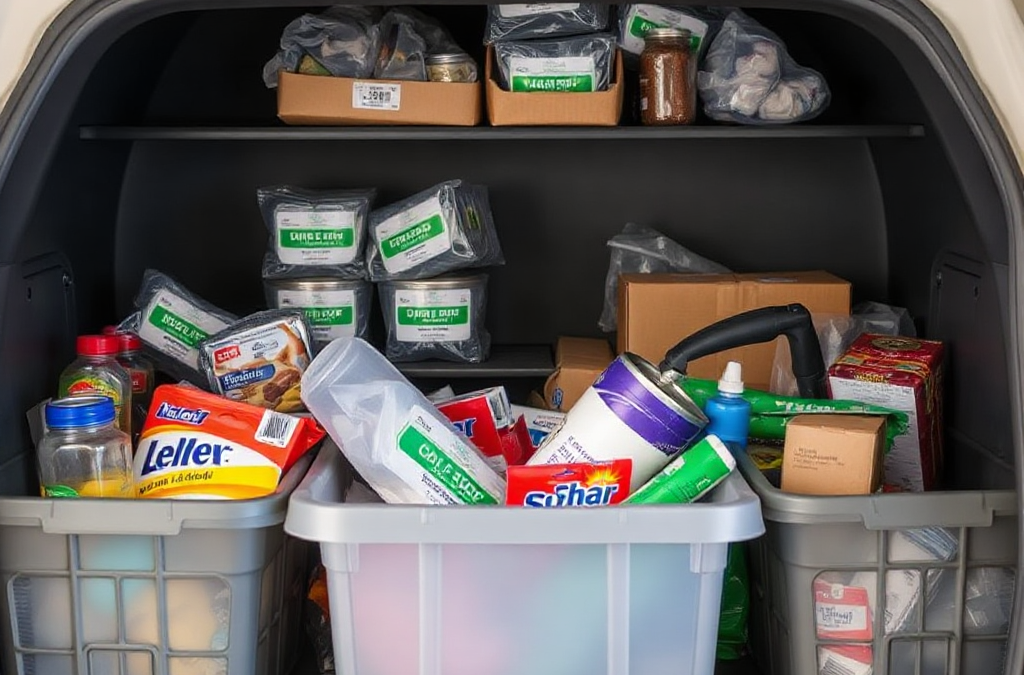
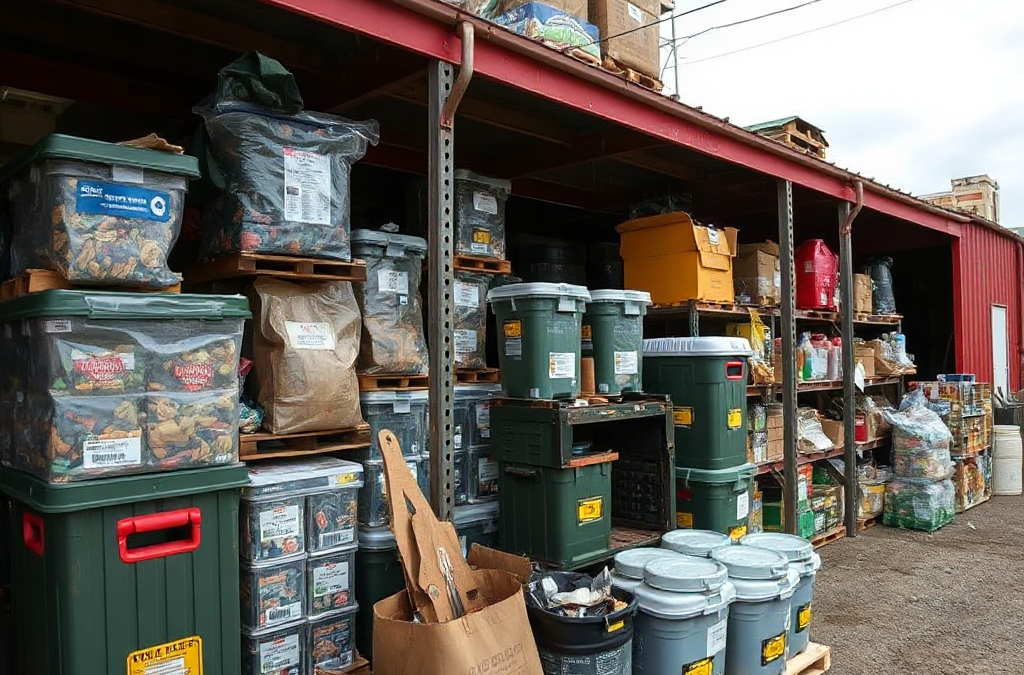
A full bin measures possession, not readiness. It may show that a household bought canned food, flashlights, batteries, first-aid items, and water containers, but it does not show whether those items are usable, accessible, or appropriate for the disruption being considered. Preparedness becomes fragile when storage volume is treated as proof that the rest of the system works.
Many households build supplies by category rather than by task. A box labeled “lighting” may contain batteries for devices that use different sizes, while a cooking kit may require fuel, ventilation, a lighter, and cookware that has never been used together. A water container may be full but too heavy for the person expected to move it. These are not minor details: they determine whether an item changes the outcome during a power outage, evacuation, or water-service interruption.
Expiration and condition create another blind spot. Food can remain technically present while labels are unreadable, packaging is damaged, or nobody knows which items should be eaten first. Medical supplies may be unsuitable for a household member’s current needs. Rechargeable devices can lose charge in storage, and mechanical equipment can seize after long periods without inspection. A smaller, rotated collection may be more useful than a larger cache that has quietly deteriorated.
The practical correction is to connect every major supply group to a specific action. Ask: Who uses it? Under what conditions? What must happen before it works? What replaces it if the first option fails? A household reviewing Why preparedness plans fail despite full supply bins should count completed tasks, not containers. That shift reveals gaps that shopping alone cannot fix.
The Tests That Expose Weak Plans
Realistic testing reveals failures that an inventory check hides. A plan should be exercised in short, controlled trials rather than waiting for a crisis. Turn off the main lights briefly and locate essential equipment without opening every cabinet. Try preparing a simple meal using the stored method. Have each household member explain where to meet and how to contact the others if the usual route is unavailable.
These tests matter because stress reduces attention and makes unfamiliar steps harder to remember. A person who has never operated a camping stove may waste fuel, use it in an unsafe location, or abandon the meal entirely. Someone who has only stored a hand-crank radio may discover that the tuning, charging, or volume controls are confusing. Practice converts equipment from an object into a known procedure.
Testing should include the constraints most likely to affect the household. Families with young children may need a slower departure routine, while a person with limited mobility may require supplies stored at reachable height and a transportation option that can accommodate equipment. Apartment residents face different limits from people in detached homes: elevators may be unavailable, outdoor cooking may be restricted, and storage space may be distant from the living area.
A useful review records both success and friction. Note how long a task takes, which instructions are missing, what requires two people, and what becomes impossible without internet access. Do not confuse a smooth demonstration in daylight with full readiness. Repeat the exercise at a less convenient time, with one person temporarily unavailable, and with a substitute item. The objective is not to create a dramatic simulation; it is to find the first point where the sequence breaks.
Confirm that essential tools work together and have the required accessories.
Check whether the intended user can lift, open, operate, or carry each item.
Practice communication without relying on one phone, charger, or contact route.
Write down the next action after a failed step instead of assuming improvisation will be easy.
Matching Supplies to People and Scenarios
Preparedness supplies work only when they reflect the actual household. Generic kits often overlook prescription schedules, infant feeding, pet care, dietary restrictions, sensory needs, work locations, and transportation limits. A bin designed for an imaginary average family may look complete while leaving one person unable to eat, move, communicate, or manage a daily treatment routine.
Scenario matching also prevents overbuying the wrong things. A short power interruption may require lighting, device charging, safe food handling, and a way to maintain indoor temperature—not a large collection of specialized survival gear. An evacuation requires documents, medications, clothing, transport arrangements, and a destination plan. A stay-at-home water interruption creates different priorities from a wildfire evacuation, where weight and speed matter more than bulk.
Consider two households with identical supply shelves. One lives near relatives and has a reliable vehicle; the other has no car and includes a person who needs refrigerated medication. The same inventory has different value because the decision environment is different. The second household may need a prearranged ride, a medication-storage discussion with a pharmacist or clinician, and a plan for leaving before transportation becomes scarce. Those decisions cannot be solved by adding more canned goods.
Separate immediate needs from extended disruption needs. A compact, accessible set should cover the first actions: illumination, communication, essential medication access, water, food that requires little preparation, and basic sanitation. Deeper storage can support longer interruptions, but it should not be allowed to make the first set difficult to find or carry. Readers can use the supply-bin review to identify what is duplicated, what is missing, and what is too specialized to justify its space.
A common mistake is planning for supplies while ignoring consumption. Count how much water, food, fuel, and medication-related material the household actually uses during an ordinary day. Then account for storage conditions, rotation, and any professional guidance relevant to medications or medical equipment. Estimates should be treated as working assumptions and updated after practice, not preserved because they appeared precise.
Building Decisions, Communication, and Recovery Into the Plan
A functional preparedness plan tells people what decision to make, who makes it, and what information changes that decision. “Evacuate if necessary” is too vague to guide a tired family facing uncertain conditions. A more useful plan identifies warning sources, transportation options, meeting places, pet arrangements, and the point at which waiting creates more risk than leaving.
Communication plans fail when they depend on a single device or a single person. Record important numbers on paper, identify an out-of-area contact if appropriate, and specify how family members confirm that they are safe. Include a method for people who may be at work, school, or elsewhere when an incident begins. A group chat is convenient, but it should not be the only repository for addresses, instructions, or meeting details.
Recovery is another missing layer. After supplies are used, someone must replace them, dispose of damaged food, recharge equipment, wash containers, document expenses, and revise the plan based on what actually happened. Without a recovery step, the household may appear prepared while gradually losing its usable stock. Rotation is more reliable when attached to ordinary events such as seasonal cleaning, a birthday, or a recurring household maintenance date.
Use a simple priority order when time or money is limited: protect people with immediate medical or mobility needs, secure dependable water and basic sanitation, establish light and communication, then add food variety, comfort items, and specialized equipment. This does not make comfort unimportant; it recognizes that a complicated kit is a poor first investment if the household cannot locate medication, leave safely, or receive credible information.
Check whether the plan is working by looking for observable results: people can explain their roles, equipment operates without a tutorial, supplies are reachable, and the household can name an alternative when its preferred option fails. Warning signs include unopened gear, unlabeled containers, contradictory instructions, and plans that require one unusually knowledgeable person. A final readiness check should correct one such weakness at a time rather than trigger another unfocused shopping trip.
Frequently Asked Questions
What is the biggest weakness in a well-stocked preparedness setup?
The largest weakness is often a gap between ownership and use. Equipment may be inaccessible, untested, incompatible, expired, or assigned to someone who cannot operate it.
How often should preparedness supplies be checked?
Review supplies on a recurring household schedule and after every use. Check expiration dates, battery condition, packaging, accessibility, and whether the items still match current household needs.
Should a household buy more food or practice first?
Practice first when existing equipment is untested or poorly organized. A short trial often identifies missing fuel, cookware, instructions, or dietary needs more accurately than another shopping list.
Why do communication plans break down?
They commonly rely on one phone, one application, or one person. Paper contacts, alternate meeting places, and instructions for family members who are away from home make the plan less dependent on a single failure point.
What should be prioritized when the budget is limited?
Prioritize immediate medical and mobility needs, water, sanitation, lighting, communication, and easy-to-use food. Add specialized gear only after the core tasks work reliably.
Further Reading
Authoritative Sources
Academy of Nutrition and Dietetics eatright.org
Professional nutrition guidance, healthy eating resources, and practical dietitian-reviewed advice.
U.S. Department of Agriculture usda.gov
Official food, nutrition, agriculture, and consumer guidance from the USDA.
NIH Office of Dietary Supplements ods.od.nih.gov
Research-based fact sheets on nutrients, supplements, dietary intake, and safety considerations.
International Society of Sports Nutrition sportsnutritionsociety.org
Evidence-informed sports nutrition resources and position stands for active people and athletes.
Conclusion
Full bins are useful only when they support decisions that people can carry out under pressure. Review each item against a real household member and a plausible scenario, then test the complete task rather than inspecting the packaging. Pay particular attention to medication access, water handling, lighting, communication, transport, and the limits created by age, mobility, pets, housing, or work locations.
After each test, fix the first broken link: label a container, move a heavy item, add a missing accessory, write down an alternate contact, or replace an unsuitable food. Rotate supplies through ordinary use and schedule a recovery review after every disruption. A smaller system that is understood, reachable, maintained, and backed by clear alternatives will usually serve a household better than a larger collection that has never left the shelf.
Preparedness advice is not automatically safe simply because it is familiar, inexpensive, or repeated by experienced people. A recommendation may address one problem while creating another. For example, keeping a generator available can support refrigeration and medical equipment, but operating it inside a garage or near an open window can expose occupants to carbon monoxide. The useful objective remains valid; the location and operating method are the danger.
Conflicts often appear when advice is separated from its original conditions. A tactic suitable for a rural property may be hazardous in an apartment. A method used briefly during a controlled power outage may be inappropriate during a wildfire, flood, extreme heat event, or extended evacuation. Household composition matters as well. Children, older adults, pets, and people with respiratory, mobility, or medical needs may face risks that a general recommendation does not address.
Readers should distinguish between preparedness goals and specific tactics. The goal may be warmth, hydration, food access, communication, or rapid departure. The tactic should be replaced when it depends on unverified assumptions, bypasses a safety control, or requires skills and conditions that are not present. The preparedness advice that conflicts with safety guidance is usually identifiable by asking what could go wrong if the situation lasts longer, becomes more severe, or involves another person.
A strong review considers the hazard, the setting, the equipment, and the person using it. Advice that says to “improvise” may encourage creativity, but improvisation around electricity, fuel, structural damage, contaminated water, or medication can turn a manageable shortage into an injury or illness. Use improvisation for low-risk substitutes, such as paper communication lists or noncritical storage containers, not for systems whose failure could cause poisoning, fire, or delayed rescue.
Heat, Fire, Fuel, And Carbon Monoxide Conflicts
Indoor heating and cooking advice creates some of the clearest conflicts because a power outage removes normal safeguards at the same time that people are cold, tired, and under pressure. Charcoal grills, camp stoves, patio heaters, and fuel-burning appliances may produce heat, but they can also release carbon monoxide or ignite nearby materials. Carbon monoxide has no reliable smell that occupants can use as a warning, so opening a door briefly is not a dependable substitute for proper outdoor operation and ventilation design.
Generators illustrate the same distinction. A generator belongs outdoors, away from doors, windows, and other openings, and its exhaust must not be directed toward the home or a neighboring occupied space. Connecting it directly to household wiring without properly installed transfer equipment can energize lines thought to be de-energized and endanger utility workers. Extension cords also need to be rated for the load and condition; a thin or damaged cord may overheat even when the generator itself is functioning correctly.
Fuel storage advice can conflict with fire-safety requirements when it encourages large quantities without discussing the container, location, temperature, or local rules. Fuel should remain in approved containers and away from ignition sources. Storing gasoline in a living area, stairwell, vehicle passenger compartment, or crowded exit route adds vapor and escape hazards. The safer choice may be a smaller quantity rotated regularly rather than a larger reserve that cannot be stored correctly.
Common mistakes include testing equipment only during an emergency, running a generator overnight without a functioning carbon-monoxide alarm, and placing a portable heater close to bedding or curtains. Before an outage, run equipment according to its instructions, inspect cords, confirm alarm operation, and decide which appliances truly need power. If the household cannot operate the equipment without improvised wiring or indoor fuel burning, choose a lower-risk alternative such as extra blankets, approved battery equipment, or relocation to a safe heated facility.
Floodwater, Evacuation, And Improvised Travel
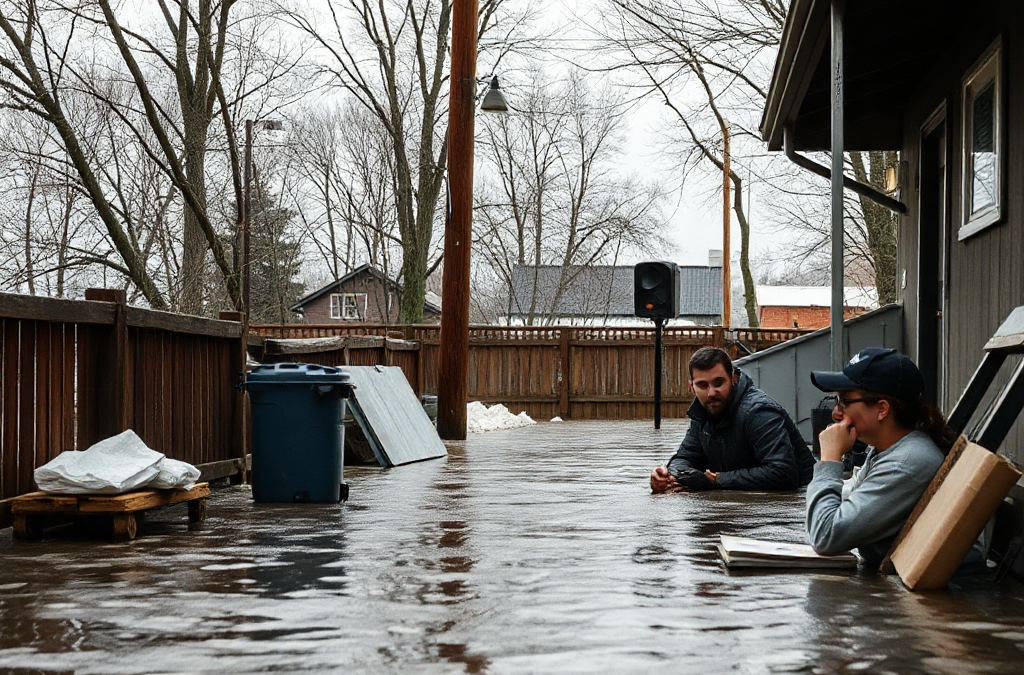
Advice that emphasizes staying with supplies, protecting property, or proving self-reliance can become dangerous when officials direct people to evacuate. Floodwater may conceal washed-out pavement, open drainage, debris, downed wires, and unstable ground. A vehicle can lose traction or become disabled in water that appears shallow. Walking through it carries separate risks, including contaminated water and falls that are difficult to recover from while carrying bags.
The practical priority during a fast-moving hazard is life safety, not retrieving every stored item. A compact departure kit is useful because it reduces the temptation to delay for extra clothing, documents, or equipment. Keep medications, identification, chargers, a contact list, water, and essential items accessible before an incident. If an evacuation route is closed, follow current official instructions rather than attempting a shortcut based on an old map or a route remembered from normal travel.
“Shelter in place” is also not a universal instruction. It may be appropriate for some short-term external hazards, but it is unsuitable when the building is threatened by fire, rising water, structural damage, smoke infiltration, or an official evacuation order. The correct action depends on the hazard and the instructions issued for that event. Checking local alerts, emergency management notices, and weather information is more reliable than applying one permanent household rule.
Preparedness travel advice should account for fatigue and reduced visibility. A person who has practiced loading a vehicle may still make poor decisions after hours of driving, heat exposure, or disrupted sleep. Keep the vehicle maintained, avoid blocking exits with gear, and leave enough cabin space for passengers to use seat belts. The same preparedness review should ask whether a measure improves departure speed or merely adds weight, clutter, and decision-making time.
Food, Water, Medicine, And Information Decisions
Food and water storage advice can conflict with safety guidance when “use what you have” replaces inspection and treatment. A sealed container is not automatically safe if it is damaged, swollen, leaking, exposed to chemicals, or stored in excessive heat. Water from an uncertain source should not be assumed safe because it looks clear. Treatment methods must match the contaminant and follow product instructions; boiling, for instance, does not address every possible chemical concern.
Rotation is safer than indefinite accumulation. Mark purchase dates, use older supplies during normal meals, and replace items that have lost packaging integrity. Store food away from cleaning chemicals, fuel, pests, and flood-prone floors. A large supply of foods no one can eat, cook, or digest is less useful than a smaller set of familiar items matched to available water, fuel, tools, and dietary needs.
Medicine creates another common conflict. Advice to stockpile prescription drugs, share medication, alter doses, or substitute a similar product may sound practical but can create dangerous interactions, withdrawal problems, or treatment gaps. Ask a pharmacist or prescriber about lawful refill timing, storage requirements, temperature limits, and backup options. Keep an accurate medication list with names, strengths, schedules, and prescriber information so another clinician can make an informed decision if normal care is disrupted.
Information habits can also increase risk. Forwarded messages may contain outdated shelter locations, false road conditions, or unsafe treatment instructions. Use official alerts and local emergency-management channels for time-sensitive decisions, while treating social posts as leads that require verification. A simple communication plan should name an out-of-area contact, identify meeting locations, and specify how family members will confirm they are safe. The central question is not whether advice sounds resourceful, but whether it remains accurate and safe under the actual hazard.
A Safer Way To Review Preparedness Advice
Review each recommendation by separating its intended benefit from its failure mode. Write down what the advice is supposed to accomplish, what conditions it assumes, and what would happen if the method failed. This exposes weak shortcuts quickly. “Use a generator for essentials” becomes a safer instruction when it specifies outdoor placement, load limits, cord condition, alarm testing, fuel handling, and a shutdown plan.
A compact review can use five questions:
What hazard is present, and could the advice worsen exposure to it?
Does the method involve fire, fuel, electricity, contaminated water, structural damage, or medication?
Can every person expected to use it operate it safely while tired, cold, injured, or stressed?
What official instruction could override the household preference?
What is the lower-risk alternative if the equipment, skill, or conditions are missing?
Test the answer in ordinary conditions rather than waiting for a crisis. Practice leaving with the actual bags, check whether doors and walkways remain clear, verify that alarms work, and cook stored foods using the fuel and utensils available. A practice that produces smoke, tangled cords, excessive lifting, or confusion is showing a design problem, not a personal failure. Revise the setup before adding more supplies.
Prioritize controls that prevent severe outcomes: early evacuation, carbon-monoxide detection, safe fuel placement, reliable communication, drinking-water security, medication continuity, and protection from extreme temperatures. Extra gear can be useful after these controls are in place, but it should not displace them. Advice is working when people can act without bypassing safety instructions; it is failing when the plan depends on secrecy, heroic effort, risky shortcuts, or the assumption that conditions will remain calm.
Frequently Asked Questions
Is it safe to use a camping stove indoors during a power outage?
Do not assume it is safe. Many fuel-burning stoves can produce carbon monoxide or ignite materials and should be used only as directed, commonly outdoors.
Why can storing more fuel create a preparedness problem?
Extra fuel increases vapor, fire, spill, and storage-compliance risks when containers or locations are unsuitable. A smaller, properly stored and rotated supply may be safer.
What should I do if floodwater blocks my planned route?
Do not drive or walk through it. Check official emergency and transportation updates, use an approved alternate route, or follow evacuation instructions from local authorities.
How can a household test whether advice is safe?
Practice the method in normal conditions, inspect equipment, identify failure points, and confirm that every user can perform it without bypassing instructions or requiring unsafe improvisation.
Further Reading
Authoritative Sources
Academy of Nutrition and Dietetics eatright.org
Professional nutrition guidance, healthy eating resources, and practical dietitian-reviewed advice.
U.S. Department of Agriculture usda.gov
Official food, nutrition, agriculture, and consumer guidance from the USDA.
NIH Office of Dietary Supplements ods.od.nih.gov
Research-based fact sheets on nutrients, supplements, dietary intake, and safety considerations.
International Society of Sports Nutrition sportsnutritionsociety.org
Evidence-informed sports nutrition resources and position stands for active people and athletes.
Conclusion
Preparedness becomes safer when goals are preserved but hazardous shortcuts are discarded. Indoor fuel burning, careless generator placement, excessive fuel storage, floodwater travel, improvised medication changes, and reliance on unverified messages can all turn a protective measure into a new emergency. Review supplies and procedures against the specific hazard, the household’s actual abilities, and the latest official instructions. Test essential equipment before it is needed, keep evacuation items accessible, and give priority to controls that prevent fire, poisoning, drowning, exposure, and delayed medical care. A smaller plan that people can follow correctly is more dependable than an impressive inventory built around risky assumptions. Revisit recommendations whenever equipment, household members, housing, or local hazards change.
When Preparedness Purchases Cross A Financial Line
Preparedness spending becomes financially harmful when it weakens the household’s ability to handle ordinary financial shocks. A basement full of supplies does not compensate for missed rent, unpaid utility bills, unaffordable medication, or credit-card balances that continue accumulating interest. Resilience depends on both physical readiness and financial flexibility, so a purchase should be judged by the disruption it addresses, how often it can be used, and what essential obligation it displaces.
The distinction is not between spending nothing and buying everything. A few gallons of stored water, shelf-stable foods the household already eats, flashlights, batteries, first-aid materials, and a way to receive alerts may address common short-term disruptions at a relatively modest cost. A specialized generator, large freeze-dried-food order, protective equipment, or duplicate storage system may require substantially more money, maintenance, and space. The expensive option is not automatically more protective if the household cannot operate, store, test, or replace it.
Consider two households with the same emergency concern. One buys a costly device on credit while postponing an overdue vehicle repair. The other keeps a smaller supply of familiar food, maintains transportation, and sets aside cash for an unexpected bill. The second household may have less impressive equipment, yet it has fewer points of failure during a power outage or evacuation. The comparison illustrates why financially harmful preparedness spending is a resource-allocation problem, not a test of commitment.
A useful first question is whether the purchase reduces a credible risk or mainly reduces anxiety for a few minutes. Anxiety can produce urgency, bulk buying, and repeated research that never becomes a usable plan. Practical readiness should leave core finances intact and create capabilities that remain useful after the imagined event has passed.
Warning Signs That Spending Has Become Harmful
The clearest warning sign is substitution: preparedness purchases are being made with money needed for necessities. Delaying a housing payment, skipping a medical appointment, using high-interest credit, or reducing food quality to buy another supply container indicates that the budget has lost its boundary. Even a cash purchase can be harmful when it consumes the reserve needed for an ordinary car repair or temporary loss of income.
Inventory behavior provides another useful signal. Buying duplicates without checking dates, opening packages, or confirming compatibility often means the stockpile is growing faster than household use. Water containers may need inspection, batteries may lose charge, food may expire, and fuel-related equipment may require safe storage and periodic testing. The sticker price hides these ongoing costs. A cheap item that is forgotten in a damp shed can be less useful than a slightly more expensive item that is accessible, familiar, and maintained.
Specialization also deserves scrutiny. Gear designed for a rare scenario may look reassuring but offer little value during a winter outage, temporary water interruption, job disruption, or short evacuation. Before buying, identify the exact task, the likely duration, the people affected, and the alternative if the product fails. A multipurpose light, portable charger, manual can opener, and ordinary household food may serve several scenarios; a narrowly designed device may serve only one.
Watch for social and emotional pressure as well. Limited-time offers, alarming online content, and claims that a serious household must own a particular product can bypass normal purchasing judgment. A practical pause can expose the problem: wait one week, compare the item with an existing substitute, and write down the financial tradeoff. If the purchase still makes sense after that pause and can be paid for without sacrificing essentials, it may deserve consideration. If not, the urge was probably carrying more weight than the risk.
Prioritizing Resilience Without Sacrificing Stability
Financially sound preparedness begins with a priority order rather than a shopping list. Protect current housing, utilities, food, medication, transportation, insurance, and minimum debt obligations before adding specialized supplies. The exact order varies by household, but the principle is consistent: a measure that prevents an everyday disruption from becoming a crisis often has greater practical value than equipment reserved for a low-probability event.
Next, match spending to local and household-specific exposure. A household in a cold climate may place more value on safe warmth, layered clothing, and outage communication than on desert water-hauling equipment. Someone who relies on refrigerated medication has a different vulnerability from a household focused mainly on food storage. Mobility limitations, pets, infants, remote work, and limited transportation change the priority list. Broad internet checklists can identify categories, but they cannot decide which gap matters most in one home.
Use a simple value test for each proposed purchase:
Probability: Could this household reasonably face the disruption?
Consequence: What happens if the gap remains unresolved?
Versatility: Can the item serve ordinary life or multiple hazards?
Readiness: Can everyone use, maintain, and access it?
Financial effect: Will buying it reduce cash reserves or increase costly debt?
This test favors boring but dependable actions in many homes: maintaining a vehicle, keeping documents accessible, learning how to shut off utilities, storing food that is already eaten, and keeping a small amount of cash available. Those choices may feel less dramatic than acquiring advanced equipment, but they address operational failure points. The common mistake is treating visible inventory as proof of readiness while overlooking skills, access, communication, and the money required to keep the household functioning.
A Practical Review Process For Existing Supplies
A spending correction does not require discarding everything or abandoning preparedness. It requires turning an accumulation into a working system. Start by gathering receipts, account statements, subscriptions, storage costs, and recent purchases. Separate items into four groups: immediately useful, useful after testing, excess or duplicate, and unsuitable. This review often reveals that the largest problem is not one expensive item but a pattern of small purchases that escaped scrutiny.
Test the first group under ordinary conditions. Cook a meal from stored food, charge the backup power source, operate the radio, inspect water containers, and confirm that every household member can find essential items. Testing exposes compatibility and usability problems before an emergency does. It also shows whether a product has a genuine place in the household’s routine. A backup stove that nobody can safely operate is not equivalent to a tested cooking method.
The second group needs a decision, not indefinite storage. Set a date for testing, maintenance, or use. If an item cannot be used safely, has no clear storage location, or requires a replacement part that costs more than its likely value, selling, donating, recycling, or returning it may be more rational than keeping it. Check manufacturer instructions and local disposal rules for batteries, fuel, chemicals, and pressurized equipment rather than improvising.
Use recovered money deliberately. Applying proceeds to high-cost debt, restoring an emergency reserve, paying for needed vehicle maintenance, or buying a truly missing basic item converts past overspending into stronger resilience. Do not automatically replace sold items with a new version. The purpose of an audit is to reduce financial leakage and clarify priorities, not to create another shopping cycle. Readers comparing expenses with readiness gaps can use this spending review question set before making the next purchase.
Building A Sustainable Preparedness Budget
A sustainable budget treats preparedness as household maintenance rather than a race toward a finished stockpile. Create a separate monthly or quarterly amount only after essential bills, debt requirements, and savings goals are covered. The amount can be small; consistency matters more than a dramatic one-time purchase. Assign part of it to replenishment and maintenance, because food rotation, battery replacement, training, and equipment testing are recurring responsibilities.
Divide the budget between immediate gaps and longer-term improvements. Immediate gaps might include safe drinking water, several familiar meals, lighting, communication, basic sanitation, and necessary medications managed according to professional instructions. Longer-term improvements might include weatherization, transportation repairs, backup power, or a skill class. A purchase that lowers future operating costs can compete favorably with a product that merely adds another object to storage.
Set stop rules before shopping. For example, do not buy a duplicate until the current item is used or fails; do not finance nonessential preparedness equipment; do not purchase food that the household will not eat; and do not add gear without assigning a storage location, test date, and maintenance cost. These rules are especially useful when marketing or fear makes a purchase feel urgent.
Review the budget after a move, income change, new medical need, household addition, or major hazard change. A plan that was affordable last year may not fit the current household. The strongest sign that the approach is working is not a fuller closet; it is fewer unresolved essentials, supplies that are rotated and understood, and enough financial room to respond when an unexpected bill arrives. For a broader household assessment, connect the budget review with the rest of the preparedness decision rather than treating shopping as the entire solution.
Frequently Asked Questions
Is buying emergency supplies ever financially harmful?
Yes. Spending becomes harmful when it uses money needed for housing, health care, food, transportation, debt obligations, or a cash reserve, especially when the purchases are duplicates or difficult to maintain.
What should come before expensive preparedness gear?
Address essential bills, high-cost debt, transportation reliability, insurance gaps, basic communication, water, food, sanitation, and household-specific medical needs before buying specialized equipment.
How can I tell whether a stockpile is too large?
It may be too large if items expire before use, storage obstructs access, duplicates accumulate, maintenance is unaffordable, or the inventory was funded by debt or skipped necessities.
Should I sell preparedness items I no longer need?
Possibly, if the items are safe, legal to transfer, functional, and unlikely to serve a realistic household need. Use the recovered money for essential repairs, debt reduction, savings, or a clearly identified readiness gap.
Can a small preparedness budget still be useful?
Yes. A modest recurring amount can cover familiar food, water containers, lighting, communication, sanitation, maintenance, and skill practice when purchases are prioritized and rotated instead of accumulated.
Further Reading
Authoritative Sources
Academy of Nutrition and Dietetics eatright.org
Professional nutrition guidance, healthy eating resources, and practical dietitian-reviewed advice.
U.S. Department of Agriculture usda.gov
Official food, nutrition, agriculture, and consumer guidance from the USDA.
NIH Office of Dietary Supplements ods.od.nih.gov
Research-based fact sheets on nutrients, supplements, dietary intake, and safety considerations.
International Society of Sports Nutrition sportsnutritionsociety.org
Evidence-informed sports nutrition resources and position stands for active people and athletes.
Conclusion
Preparedness should increase a household’s options, not remove its ability to pay for ordinary life. The first corrective step is to compare the supply shelf with the financial obligations and risks it may be competing against. Keep versatile items that are tested, accessible, and regularly used; question duplicates, specialized gear, and purchases carrying expensive debt. Direct freed-up money toward cash reserves, transportation, medication needs, basic utilities, and repairs that reduce everyday vulnerability. A sustainable approach also includes maintenance and replacement, so the budget reflects the real cost of ownership rather than the checkout price alone. Review the system after major household or income changes, and let actual local hazards and household needs—not marketing pressure—determine what deserves the next dollar.