Effective preparation begins with the hazards that can reach your location, not with a generic emergency bag. A volcano may produce ashfall, lava flows, volcanic gases, rockfall, pyroclastic flows, or lahars—fast-moving mud and debris flows that can travel along valleys and waterways. The relevant risk depends on the volcano, terrain, weather, and current activity. A home several miles from an eruptive vent may face serious ash or lahar exposure while being outside the likely path of a lava flow.
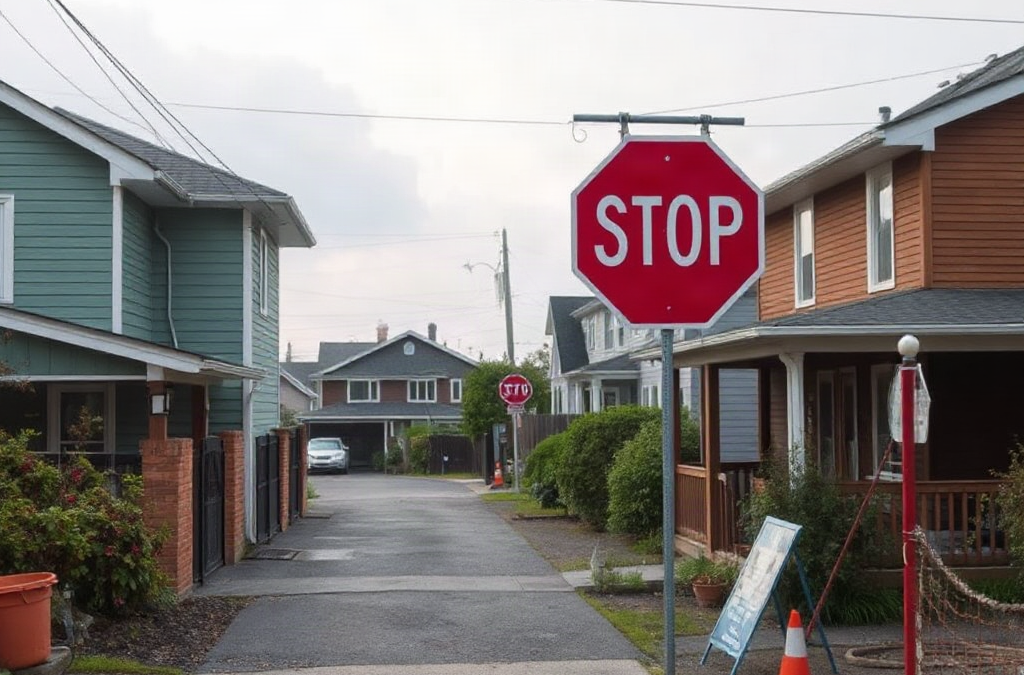
Find the official hazard map and emergency management guidance for your volcano or county. Mark your home, workplace, school, medical facilities, bridges, low-lying channels, and roads that cross drainages. A route that looks short on a map may become unusable if ash reduces visibility, a bridge closes, or a lahar threatens a river corridor. Compare a primary route with an alternative that leads away from valleys and known hazard zones rather than simply choosing the second-closest road.
Keep the distinction between an advisory, a watch, and an evacuation order clear in household discussions. Alert levels and local terminology vary, so use the definitions supplied by the responsible emergency agency. Waiting for a formal order may be appropriate when authorities say to shelter, but ignoring a directed evacuation because conditions appear calm creates a dangerous delay. People near a volcano should know which agency issues instructions and where those instructions will appear.
A common mistake is treating visible lava as the only meaningful warning. Ash, gases, lahars, and sudden changes in access can create danger without a dramatic view of the eruption. The practical implication is simple: use official maps and instructions to decide where to go, and use direct observation only as supplemental information.
For broader household planning, connect these decisions to your Volcanic eruption preparedness steps before evacuation orders reference page, then record the local emergency office, school district, and health department contact information in both digital and paper form.
Set Up Alerts, Contacts, And Evacuation Routes
Alerts must reach the people who need to act, even when one communication channel fails. Sign up for local emergency notifications, keep wireless emergency alerts enabled, monitor official agency websites or accounts, and use a battery-powered radio if local guidance recommends it. Do not rely on social media posts, neighborhood rumors, or a single person who may be away from home. Assign someone to check official updates when the household is separated.
Write a short communication plan that states where household members will meet, who will collect children, how an absent family member will receive the decision, and which out-of-area contact can relay information. A plan should account for people who need extra time, including older adults, disabled household members, infants, and anyone dependent on electricity or refrigerated medication. Discuss what happens if a school or workplace closes before an evacuation order is issued.
Drive or walk the proposed routes during ordinary conditions. Note narrow roads, one-way segments, fuel stations, steep grades, bridges, and places where ash could reduce traction. Select a destination outside the designated hazard area and confirm that it can receive your household rather than assuming a hotel or relative will be available. If authorities publish changing route information, their directions override a route practiced previously.
Practice the sequence without creating a false sense of certainty: receive an alert, verify it through an official source, gather the departure kit, secure essential property only if time permits, and leave by the directed route. The tradeoff is between rehearsing enough to reduce hesitation and overplanning details that cannot survive road closures. A one-page route card with two destinations is often more useful in an ash-darkened vehicle than a complicated binder.
Keep paper maps available because phone batteries, networks, and GPS signals may be unreliable. Mark alternate meeting points and avoid routes that depend on crossing a river, passing beneath steep slopes, or traveling toward the volcano to reach a major highway. More route options do not automatically mean more safety; they are useful only when each has been checked against current official guidance.
Protect Air, Water, Health, And Critical Supplies
Ashfall preparation should address breathing, eyes, water, food, machinery, and cleanup. Volcanic ash is abrasive, can irritate airways and eyes, and may contaminate exposed water or damage engines and air filters. People with asthma or other respiratory conditions should ask their clinician about an individualized response plan before activity increases. Everyone should know where prescribed medication, glasses, hearing devices, and backup batteries are stored.
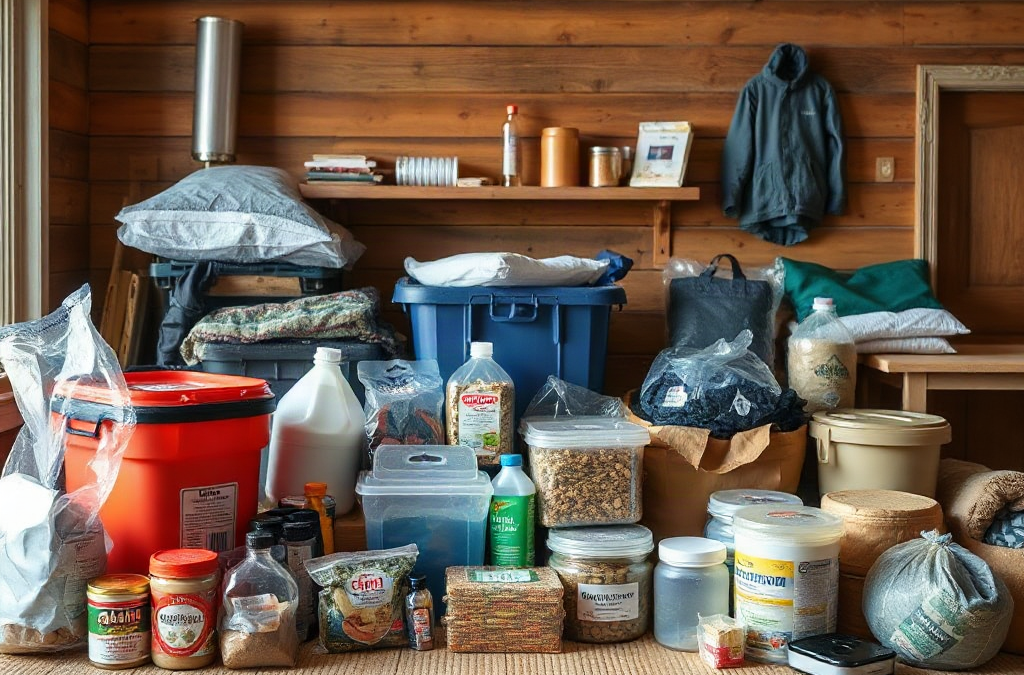
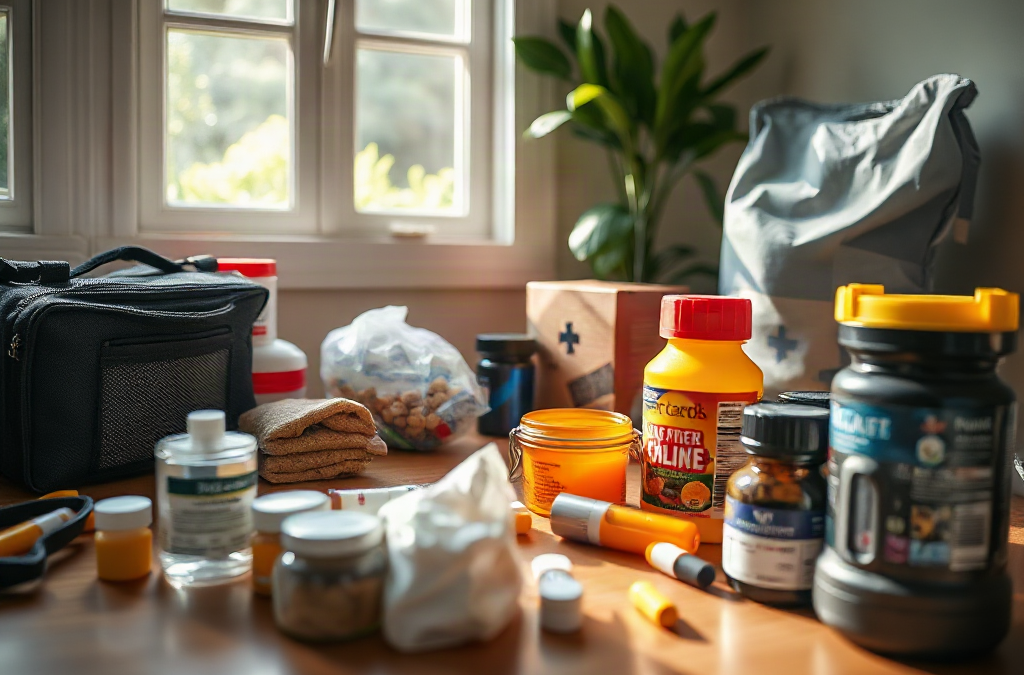
Assemble supplies before conditions deteriorate. Useful items include sealed drinking water, shelf-stable food, prescription medicines, first-aid materials, protective eyewear, sturdy shoes, gloves, masks or respirators selected according to public-health guidance, flashlights, batteries, chargers, identification, cash, and copies of important documents. Masks are not a substitute for evacuation from a dangerous zone, and fit matters; loose face coverings may provide limited protection from fine particles.
Store water and food in closed containers, and keep spare filters for vehicles, furnaces, and portable equipment if they match the manufacturer’s specifications. Close windows and doors during ashfall, turn off outside-air intake when appropriate for your heating or cooling system, and avoid operating machinery that pulls ash through its components. Do not sweep dry ash indoors or use compressed air, which can put particles back into the air; damp cleaning methods may reduce dust, subject to local disposal guidance.
A household with a private water system should identify how ash could enter tanks, roof catchments, or uncovered containers. Do not assume clear-looking water is safe after contamination. Follow local health instructions for testing, treatment, or replacement. The same caution applies to food exposed to ash: sealed packaging is easier to protect than open produce or uncovered stored items.
The frequent failure is buying supplies without deciding where they will be used. Place a small departure kit near an exit, keep medication and documents accessible, and store larger reserves where ash or power loss will not make them difficult to retrieve. Use the household supply check to identify gaps, but avoid delaying departure to collect every possession.
Make Departure Fast For Households, Pets, And Vehicles
Departure becomes safer when the first actions are settled in advance. Keep the vehicle maintained and fueled, park so it can leave without maneuvering around stored items, and know how to transport children, pets, mobility equipment, and essential medical gear. If ash is present, driving may reduce visibility and clog filters, so follow official transportation instructions and avoid unnecessary travel before an order.
Prepare a grab-and-go set containing medications, water, food, protective items, chargers, identification, financial cards or cash, a first-aid kit, sanitation supplies, and basic clothing. Keep pet carriers, leashes, food, water, medications, and vaccination records together. Livestock owners may need a separate arrangement because moving animals requires trailers, feed, gates, and a destination that accepts them. Do not wait until evacuation day to discover that a carrier is inaccessible or an animal will not enter it.
Make a written departure sequence for the home. It might include checking official instructions, collecting people and animals, securing only readily manageable utilities or property as directed, closing windows, taking the departure kit, and leaving. Utility shutoff decisions vary by situation; never enter an area becoming unsafe to perform a last-minute task. If an authority says to leave immediately, the order to depart outranks household chores.
Families often overestimate how much time remains because the first alert sounds precautionary. Ash can obscure signs, congestion can build, and a road that was open earlier may close after updated hazard information. A useful practice is a timed readiness drill that measures how long it takes to assemble people, pets, medications, and documents. The goal is not a perfect performance; it is finding bottlenecks such as a missing key, an uncharged phone, or a dependent adult who needs assistance.
Coordinate with neighbors without substituting informal help for official direction. A neighbor may assist with transport, but each household should retain its own supplies and destination plan. For additional household-specific planning, use the evacuation coordination notes to document who needs a ride and who can provide one.
Use A Trigger-Based Readiness Check
A trigger-based check prevents preparation from becoming either complacency or constant reaction. Establish clear conditions that move the household from routine readiness to immediate departure: an official evacuation order, a designated change in alert level, a route closure, a school or workplace instruction, or a local warning about ash or lahar conditions. The exact triggers must come from local authorities because volcano monitoring systems and public warning language differ.
Review the plan whenever officials update the hazard map, route network, shelter information, or alert system. Seasonal weather can change ash transport, while heavy rain may increase concern about lahars on unstable slopes. New construction, a changed work schedule, a new medication, or a new pet can also make an old plan impractical. A plan that worked for two adults and one car may fail after a move, a birth, or a mobility change.
Use this compact priority order when time is limited:
Verify the official instruction and identify the current safe destination.
Move people, pets, medications, and essential documents first.
Take water, food, protective items, phones, chargers, and identification.
Leave by the directed route and do not return for forgotten belongings.
Preparation is working when household members can explain the warning source, meeting location, route choices, and first items to collect without searching through multiple containers. It is failing when people depend on a rumor, cannot locate medication, assume one road will remain open, or treat protective equipment as permission to remain in an evacuation zone. Test the plan periodically, update printed information, and let official instructions determine the final decision.
Frequently Asked Questions
Should I evacuate before an official order?
Follow local authority instructions. If officials recommend voluntary evacuation or you need extra time because of mobility, medical, transportation, or animal needs, leaving early may be appropriate; do not ignore a mandatory order.
What should go in a volcanic eruption departure kit?
Not necessarily. Protection depends on the product, fit, and local health guidance. A face covering should never replace evacuation from a dangerous area.
How many evacuation routes should a household have?
Identify a primary route and at least one realistic alternative, then check both against official hazard maps, valleys, bridges, road closures, and current instructions.
How can I prepare pets before an eruption?
Keep carriers, leashes, food, water, medications, and records together, and arrange a destination that accepts animals. Practice loading pets before a crisis exposes problems.
Further Reading
Authoritative Sources
USGS Volcano Hazards Program usgs.gov
Provides volcano monitoring information, hazard explanations, and links to official volcano resources
Ready.gov: Volcanoes ready.gov
Offers federal preparedness and response information for ashfall, evacuation, and household safety
CDC Volcanoes cdc.gov
Explains health concerns related to volcanic ash and ways to reduce exposure
Conclusion
Readiness before an evacuation order is mainly a decision and access problem: know which agency to trust, understand the hazards around your location, and make people and essential supplies mobile. Confirm alerts, map routes that avoid likely ash, lahar, and closure risks, and keep a departure kit where it can be reached quickly. Include medication, pets, mobility needs, vehicle limitations, and a destination rather than focusing only on stored goods. Test the plan under a time limit, correct the bottleneck you find, and update it when officials change route or hazard information. When an evacuation instruction arrives, leave according to official directions instead of waiting for a more dramatic visual warning or attempting to recover nonessential belongings.
A workable coastal plan begins with the local tsunami hazard map, not with a generic list of supplies. Find the household’s position relative to the mapped inundation zone, evacuation assembly areas, vertical evacuation buildings, bridges, beaches, rivers, and low-lying roads. Tsunami water can travel inland through bays, estuaries, and river channels, so a home that is not directly on the beach may still require evacuation.
Choose a destination outside the official hazard area or at the elevation specified by local emergency managers. The shortest route by car is not automatically the safest route: roads can become blocked, traffic may stop, and a bridge or causeway may be unusable after an earthquake. A route that is slightly longer on foot but reaches high ground without crossing a bottleneck is often more dependable. Mark a primary path and at least one alternative, then check whether gates, steep grades, construction, or seasonal conditions could affect access.
Walk the route at the time of day when household members are most likely to need it. A parent who works away from home, a child at school, and a relative in a care facility may each have different evacuation instructions. Add those locations to the family plan instead of assuming everyone will regroup at the house. The Tsunami preparedness plan for coastal households should also record an out-of-area contact and a meeting point beyond the immediate coastal zone.
A common failure is treating a familiar neighborhood road as a guaranteed escape route. Compare two options on foot, identify places where crowds may converge, and note businesses or public buildings that could provide no reliable access after hours. Keep a printed map because power, cellular service, and internet access may be unavailable. Recheck the map when local authorities revise hazard zones, roads, shelters, or public warning systems.
Set Warning Actions Everyone Can Follow
People near the coast may receive an official alert, but natural signs can require action before a message arrives. A strong or prolonged earthquake, unusual withdrawal or rise of the sea, or a loud ocean roar should trigger immediate movement away from the shore and waterways. Do not stop to watch the water, collect belongings, or wait for a phone notification if a natural warning is present.
Write the response as a short sequence that can be remembered under stress: recognize the warning, move inland or uphill, follow the marked route, and stay away until authorities issue an all-clear. Assign simple responsibilities before an event. One adult might collect the household go-bag, another might assist a child or mobility-limited person, and an older child might bring the printed route card. These assignments are backups, not reasons to delay departure when someone is already at hand.
Use several information channels, such as local emergency alerts, NOAA Weather Radio where available, community warning systems, and official local government announcements. Battery-powered or hand-crank radios can be useful when electricity and mobile networks fail. Social media posts, forwarded messages, and informal reports may be incomplete; verify changing evacuation boundaries through official sources when communication is available.
Do not confuse an earthquake plan with a tsunami plan. During shaking, protect yourself from falling objects and broken glass; once the shaking stops, coastal residents may need to evacuate immediately. If a household is already outside the hazard zone, it may not need to flee toward an unfamiliar area, but it should still monitor instructions. The key mistake is creating a long decision tree. A short, rehearsed rule is more useful than a detailed list nobody can recall.
Build Supplies Around Evacuation, Not Shelter-in-Place
Tsunami evacuation supplies should be light enough to carry while walking and organized for a rapid departure. A large home stockpile has value for prolonged disruption, but it does not replace a compact bag stored near an exit. Include drinking water, ready-to-eat food, essential medications, identification copies, cash, a flashlight, spare batteries, a phone charger or power bank, first-aid items, hygiene supplies, sturdy shoes, weather-appropriate clothing, and a whistle. Keep prescriptions and critical medical information current rather than packing an outdated emergency container.
Tailor the bag to the household instead of buying an anonymous kit. Infants may need formula, diapers, and feeding supplies; people with hearing or vision limitations may need communication or mobility aids; and pets need food, water, leashes, carriers, and vaccination information. A person who relies on refrigerated medication or powered medical equipment should ask a clinician or equipment provider about an emergency arrangement. Avoid placing every item in one heavy container if different family members can carry smaller packs.
Store supplies where they remain accessible after shaking. A garage door may jam, glass may cover a hallway, or a closet may be difficult to open. A second small set in a workplace, vehicle, or school-approved location may be more useful than adding more equipment at home, although vehicles should not be treated as the default escape method. Keep footwear and a flashlight beside beds because evacuation may begin in darkness or over debris.
Compare preparedness for sheltering with preparedness for leaving. Water barrels, generators, and extensive food storage cannot solve the immediate problem of a household located inside an evacuation zone. Conversely, a go-bag alone is inadequate for people who must remain outside their home for an extended period. Review contents twice a year, replace expired food and batteries, test chargers, and adjust clothing and medication as needs change. The household plan works when supplies support the route rather than compete with it.
Practice for Mobility, Communication, And Return Decisions
Practice turns a map into a usable response. Conduct a daylight walk to the primary destination, then repeat it under different conditions if possible. Measure the time without treating the exercise as a race; the useful result is discovering where a child tires, where a wheelchair needs assistance, or where a locked shortcut creates a dangerous delay. Ask local officials or emergency coordinators about accessible routes and evacuation support rather than assuming a steep path works for everyone.
Households should plan for people who are separated when the warning occurs. Decide who collects children from school, how family members report their status, and where a visitor or caregiver should go. Text messages may pass when voice calls do not, but no communication method is guaranteed. An out-of-area contact can help gather information, yet each person still needs permission and instructions to evacuate independently if contact cannot be made.
Pets deserve a specific decision because many shelters have animal restrictions. Identify pet-friendly lodging or a local animal evacuation arrangement in advance, and never delay a life-safety evacuation while searching for an animal that cannot be safely reached. If a pet is hiding, tell emergency responders where it may be rather than re-entering an unsafe area.
Return decisions belong to authorities and should not be based on the first quiet period. Multiple waves, strong currents, debris, contaminated water, damaged utilities, and unstable structures can remain dangerous after the shoreline looks calm. A household that evacuates to a high floor or inland location should conserve phone batteries, listen for official updates, and avoid sightseeing near the coast. The plan is succeeding when everyone knows where to go, leaves without debate, and can remain away until an authorized all-clear.
Frequently Asked Questions
Should coastal residents evacuate after every earthquake?
A strong or long earthquake near the coast is a natural warning. Move away from the shore and waterways immediately, then follow official instructions rather than waiting to determine the earthquake’s magnitude.
How far inland should a household evacuate?
Follow the locally mapped evacuation zone and designated destination. Distance alone is unreliable because bays, rivers, terrain, and wave direction affect where water may travel.
Is driving safer than walking during a tsunami evacuation?
Not necessarily. Walking may be more reliable when roads, bridges, or traffic are compromised. Use a vehicle only when local guidance and mobility needs make it appropriate, and never block routes needed by others.
What should go in a tsunami evacuation bag?
Pack water, ready-to-eat food, medications, identification, a flashlight, batteries, a charger, first-aid and hygiene supplies, sturdy shoes, clothing, and items for children, disabilities, or pets.
When is it safe to return home?
Return only after authorized officials give an all-clear. Later waves, currents, debris, damaged utilities, and contaminated water can remain hazardous after the first surge recedes.
Further Reading
Authoritative Sources
Tsunami Safety weather.gov
Provides official warning signs, evacuation guidance, and safety actions for coastal communities
U.S. Tsunami Warning System tsunami.gov
Offers current tsunami alerts and links to official information for U.S. regions
Tsunamis ready.gov
Explains household planning, warning signs, evacuation, and emergency supply considerations
Tsunamis noaa.gov
Provides background on tsunami hazards and links to national warning and preparedness resources
Conclusion
A coastal household is better positioned when its tsunami plan is built around movement, not merely storage. Confirm the local hazard zone, choose a route that works on foot, identify a backup destination, and write down the actions triggered by shaking or visible ocean changes. Keep a light evacuation bag accessible, with supplies adapted to medications, mobility, children, and pets. Practice the route until each person can leave without waiting for a missing family member or a vehicle. Review warning channels and contact arrangements periodically, but do not let communication tasks delay evacuation. After leaving, remain away from the shoreline until officials provide an all-clear. A simple route, clear trigger, and practiced responsibility assignment provide more practical protection than an elaborate plan that cannot be used quickly.
Stress changes the conditions under which a person interprets information and chooses an action. Attention may narrow toward the loudest signal, working memory may hold fewer details, and familiar habits may take over before a careful comparison is possible. A person who normally evaluates several options may instead fixate on one threat, wait for reassurance, or act on the first instruction that sounds authoritative.
The practical issue is not whether someone feels afraid. A moderate stress response can increase alertness, while excessive or prolonged pressure may interfere with sequencing, communication, and judgment. A resident hearing an evacuation notice, for instance, may focus on gathering possessions and miss a changing route instruction. Someone sheltering during a power outage may repeatedly search for updates without deciding when to conserve phone battery or relocate.
Preparedness psychology treats those reactions as planning constraints rather than character flaws. The useful question is, “Which decision becomes difficult when attention, time, or information is limited?” That question produces better preparation than simply buying more supplies. A plan should identify the few choices that carry the greatest consequences: leaving or staying, contacting a specific person, protecting medication, shutting off a hazard, or requesting assistance.
A common mistake is assuming that knowledge automatically becomes action under pressure. Knowing the safest route does not guarantee that a person will use it while tired, separated from family, or receiving contradictory messages. Writing down the trigger, action, and fallback reduces the amount that must be remembered. The preparedness psychology and better decisions under stress connection becomes practical when emotional responses are included in the plan instead of treated as irrelevant.
Build Decision Aids Before Pressure Arrives
Decision aids work best when they convert a vague intention into a visible sequence. “Be ready to evacuate” is difficult to act on because it leaves the trigger and order of operations undefined. “If local officials direct evacuation, take the medication pouch, identification, charged phone, and mobility equipment, then use Route B if Route A is blocked” gives the household a usable starting point.
The aid should be short enough to scan while standing, moving, or helping another person. Place high-consequence actions first and separate confirmed information from assumptions. A household card might contain contact names, meeting locations, transportation limitations, utility shutoff locations, and the point at which someone outside the home should be called. It should not attempt to reproduce an entire manual.
Pre-decided thresholds are especially useful when delay is costly. Examples include leaving before roads become congested, stopping travel when visibility falls below a personally defined limit, or switching from normal communication to a designated backup channel after repeated failed calls. These thresholds are not universal rules; they are household decisions that should reflect local hazards, mobility, children, animals, work obligations, and access to transport.
A useful comparison is a detailed plan versus a compact action card. The detailed plan preserves nuance and is valuable during review. The card performs better during the first minutes of a disruptive event. Keep both, but do not force the person under stress to search the long document for the first action. Review the card after changes to vehicles, medications, phone numbers, or household membership.
Trigger: What observable condition starts the decision?
First move: What action protects time, safety, or communication?
Fallback: What happens if the preferred route, person, or device is unavailable?
Check: What information would justify changing course?
One failure mode is over-automation: treating a threshold as a command that cannot be reconsidered. A written cue should reduce hesitation, not prevent judgment. If official information changes or a route becomes unsafe, the plan must allow a documented revision.
Practice for Uncertainty, Fatigue, and Conflicting Information
Practice improves decisions when it recreates the conditions that make decisions hard. Quietly reading a plan at a desk tests recall, but it does not test communication while a child is upset, a phone is nearly empty, or two sources provide different instructions. A short scenario exercise can reveal whether the plan depends on one person, one vehicle, one address, or uninterrupted internet access.
Use graduated practice rather than beginning with an elaborate simulation. First, ask each household member to point out the first action for a defined situation. Next, test the action with a missing resource, such as an unavailable vehicle or a dead phone. Later, add a time limit or conflicting information and require participants to explain why they changed or kept their decision.
For example, a family might rehearse a nighttime departure during a power failure. One person checks the official alert, another collects the medication pouch, and a third confirms the meeting location. The exercise may show that the flashlight is stored in a bedroom, the written contact list is outdated, or one family member does not know which route avoids a regular flood area. Those discoveries are more valuable than a smooth rehearsal in ideal conditions.
Fatigue deserves specific attention because tired people may skip verification, misread times, or become less willing to revise an initial choice. Practice does not need to create unsafe exhaustion. A tabletop exercise held after an ordinary busy day can expose unclear instructions without encouraging reckless behavior. The goal is to observe friction: repeated questions, stalled handoffs, unclear authority, and steps that require too much fine motor control.
Another common mistake is rewarding speed alone. Fast action is not automatically good action if it is based on a rumor or sends people toward the hazard. Measure whether participants identified the trigger, used a reliable information source, protected high-priority needs, communicated their status, and recognized when the original plan no longer fit. Revise one or two weak points after each exercise; changing everything at once makes it difficult to tell what solved the problem.
Readers comparing preparedness psychology and better decisions under stress with conventional supply planning should see the distinction clearly: supplies extend options, while practice reveals whether people can locate and use those options under pressure.
Recognize Errors and Recover Without Escalating Them
Good decision-making includes recovery after a poor first choice. Stress can create commitment to an earlier action because admitting a mistake feels costly, especially when others are watching. A household may continue toward a blocked route because it already loaded the vehicle, or keep waiting for one contact because changing the communication plan feels like failure.
Use explicit reassessment points to interrupt that pattern. At each point, ask what is confirmed, what has changed, what remains unknown, and which option protects people if the uncertainty persists. The questions should be brief and observable rather than accusatory. “The bridge is now closed; which alternate location remains reachable?” produces better reasoning than “Why did we choose that route?”
Decision errors commonly arise from several recognizable conditions: anchoring on the first report, mistaking confidence for accuracy, underestimating travel time, assuming every household member can perform the same task, or treating a familiar location as safe because it was safe previously. A written review after practice should record the condition, the missed cue, and the plan change. It should not label a person as careless without identifying the system weakness.
Different situations call for different levels of deliberation. A rapidly developing hazard may require a simple protective action before all facts are available. A slower disruption may justify comparing transport, shelter, communication, and medical needs. The tradeoff is clear: too little checking increases the chance of acting on bad information, while too much checking can create dangerous delay. Predefined priorities help determine when speed outweighs additional analysis.
Watch for signs that an approach is working: people can state the first action without searching, disagreements become specific rather than personal, backup options are known, and participants can explain what evidence would change their decision. Signs of failure include repeated reliance on one unavailable person, vague phrases such as “we will figure it out,” or a plan that works only when everyone is calm and together.
For a deeper household review, connect these observations to preparedness psychology and better decisions under stress by asking which emotional pressure the plan must absorb: uncertainty, separation, responsibility for dependents, fear of wasting resources, or concern about making the wrong call. The answer points to the next drill and the next improvement.
For additional planning, consult local emergency-management agencies, official alert systems, and recognized public-safety organizations for hazard-specific instructions. Their guidance can help households align decision triggers, communication methods, and evacuation or shelter actions with local conditions rather than relying on generic assumptions.
Frequently Asked Questions
Why does stress make preparedness decisions harder?
Stress can narrow attention, reduce working-memory capacity, increase impulsive action, and make people cling to an initial interpretation. Short cues and rehearsed priorities reduce those demands.
What should a household decide in advance?
Decide the triggers for leaving or sheltering, first actions, communication methods, meeting locations, transportation limits, essential medical needs, and fallback options if the preferred resource fails.
How can people practice without creating unnecessary fear?
Use short tabletop scenarios, introduce one realistic complication at a time, and focus on observable tasks such as finding supplies, checking information, and communicating status.
Is the fastest decision always the best one?
No. Speed matters when delay increases danger, but a brief verification may prevent a harmful response to a rumor or outdated instruction. The appropriate balance depends on the hazard and available information.
How should a family review a decision that went wrong?
Record what was known, what changed, which cue was missed, and what plan adjustment follows. Focus on improving the system rather than assigning blame.
Conclusion
Better decisions under stress come from designing for limited attention, incomplete information, and competing responsibilities. A compact action card, clear thresholds, realistic communication backups, and gradual practice can make the first response more dependable without pretending that fear will disappear. Prioritize decisions with serious consequences, then test whether people can carry them out when a route is blocked, a device fails, or family members disagree. Review the friction you observe and change the specific cue, sequence, or fallback that caused it. Preparedness becomes more resilient when it supports revision rather than demanding perfect execution. The next useful step is a short household exercise built around one likely local disruption, followed by a written update to the plan.
A seven-day stockpile is a household operating reserve, not a pile of products selected by popularity. Begin by identifying how many people, animals, and medically necessary routines must continue if stores, taps, power, or roads are disrupted. The same quantity of supplies will serve a couple in an apartment differently from a household with a baby, a large dog, or someone who relies on refrigerated medicine.
Separate needs into three groups: supplies required for survival, supplies that preserve health and sanitation, and supplies that make decisions and daily tasks possible. Drinking water, medicines, shelf-stable calories, and a way to receive warnings belong in the first group. Soap, toilet supplies, waste bags, work gloves, and lighting prevent smaller problems from becoming larger ones. A battery radio, written contact information, spare glasses, and charging equipment reduce dependence on a working internet connection.
Storage location changes the usefulness of every item. A basement may be unsuitable during flooding, while a hot garage can damage food, batteries, and some medicines. Keep the main reserve in a cool, dry, accessible area, and place a smaller grab container near an exit. If evacuation is plausible, divide heavy water and bulky food into manageable containers rather than assuming one person can move everything.
Use the seven-day supply checklist as a planning reference, then adjust it for local hazards. A winter outage calls for blankets and cold-weather clothing; extreme heat raises the value of shade, oral rehydration supplies, and battery-powered fans. A common mistake is buying emergency food before checking whether it requires a can opener, significant water, refrigeration, or a cooking fuel that may be unavailable.
Build Water, Food, and Cooking Capacity
Water deserves first priority because people need it for drinking, food preparation, medications, and limited hygiene. Store commercially packaged water or use food-grade containers, label the fill date, and protect containers from chemicals and direct sunlight. Household guidance often uses a baseline of about one gallon per person per day for drinking and sanitation, but climate, age, activity, pregnancy, illness, and pets can change actual demand. Treat that figure as a planning floor rather than a promise that every situation will be comfortable.
Food should be familiar, calorie-dense, and usable without normal kitchen equipment. Canned beans, fish, vegetables, fruit, nut or seed butter, crackers, oats, shelf-stable milk, and ready-to-eat meals can create varied meals when combined thoughtfully. Choose lower-sodium options when practical, but do not create a supply so specialized that nobody will eat it. A household member with allergies, diabetes, swallowing limitations, or a prescribed diet needs suitable replacements before an emergency, not after it begins.
Compare foods by the resources they consume, not only by shelf life. Dry rice and beans may be inexpensive, but they require substantial water, fuel, cookware, and time. Canned foods weigh more yet can be eaten immediately and provide moisture. Freeze-dried meals reduce weight but commonly require hot water and may cost more. A balanced reserve includes no-cook foods for the first day and fuel-efficient items for later meals.
Cooking equipment must be used safely. Keep a manual can opener, sturdy utensils, disposable or washable dishes, and a method appropriate to the setting. Never use a charcoal grill, camp stove, or fuel-burning appliance indoors or in an enclosed garage because carbon monoxide can accumulate without obvious warning. Store fuel according to the product instructions and local rules. The food storage portion of the reserve should be tested by eating a sample meal: if preparation is confusing, slow, excessively thirsty, or impossible without electricity, revise the selection.
Cover Health, Sanitation, Light, and Communication
Nonfood supplies determine whether a household can remain functional after the first day. Keep at least a basic first-aid kit, a thermometer, personal protective gloves, wound-cleaning supplies, pain or fever medicines appropriate for the household, and at least a short reserve of routinely used prescriptions when legally and medically feasible. Prescription planning depends on the medication and clinician or pharmacy policies, so confirm refill options rather than assuming a universal quantity.
Sanitation needs a deliberate plan when water service or sewage systems are interrupted. Store toilet paper, hand sanitizer, soap, menstrual products, diapers, wipes, heavy-duty trash bags, disinfecting supplies, and absorbent material. A bucket-based temporary toilet may be useful in some outages, but it must be kept separate from food preparation and managed according to public-health guidance. Hygiene is not cosmetic: dirty hands, contaminated surfaces, and unmanaged waste can increase illness risk when medical access is limited.
Lighting should be distributed rather than concentrated in one powerful flashlight. Headlamps leave both hands available for stairways or repairs, while lanterns illuminate a room. Keep spare batteries in their original packaging or another way that prevents contact between terminals and metal objects. Rechargeable devices are useful when paired with a charged power bank, but they should not replace primary batteries unless the household has a dependable way to recharge them.
Communication supplies include a battery or hand-crank radio, charging cables, power banks, written phone numbers, a whistle, and a paper map. Add copies of identification, insurance information, prescriptions, emergency contacts, and property details in a water-resistant pouch; protect sensitive information from unnecessary exposure. For a household with a hearing, vision, mobility, or cognitive need, adapt alarms and instructions accordingly. One failure mode is buying equipment without testing it. Turn on the radio, charge the bank, fit the headlamp, and confirm that every adult can locate and operate the items.
Test, Rotate, and Adapt the Supply
A supply cache becomes reliable through maintenance, not its original purchase date. Schedule checks at least twice yearly and whenever household circumstances change. Inspect containers for leaks, swelling, corrosion, pest damage, and heat exposure. Review food dates, medicine instructions, battery condition, clothing sizes, pet needs, and the accessibility of the storage area.
Rotation works best when it is part of ordinary life. Place newer items behind older ones, use stored foods in routine meals, and replace them with products the household actually accepts. Do not discard every product solely because a printed date has passed; follow label instructions, inspect packaging, and apply extra caution to medicines, infant products, and damaged containers. When uncertain about safety, replace the item rather than relying on taste or appearance alone.
Run a short household test without creating unnecessary risk. Try preparing one meal without the stove, filling a water container, locating medical supplies in the dark, sending a written contact message, and moving the grab container to the vehicle or exit. Note friction points: a can opener that fails, a charger with the wrong connector, food that causes excessive thirst, or water containers too heavy for the intended carrier. Those observations are more valuable than adding another novelty gadget.
Use a priority order when money or space is limited:
Water, essential medicines, and food that can be eaten without cooking.
Sanitation, lighting, communication, and basic first aid.
Power banks, cooking equipment, weather-appropriate clothing, and comfort items.
Specialized tools selected for the household’s hazards, skills, and transportation limits.
That order is not rigid. Someone dependent on powered medical equipment may need backup electricity before adding extra meal variety, while a flood-prone household may need waterproof storage and an evacuation-ready bag sooner than a large pantry. Compare the reserve against the likely failure: a remote rural home may face longer resupply delays, whereas an urban apartment may face limited storage and stair access. Review the complete storage plan after every test and remove items that create clutter without solving a defined problem.
Frequently Asked Questions
How much water should a seven-day household reserve?
A common planning baseline is about one gallon per person per day for drinking and sanitation, with additional water for pets, heat, illness, infants, and cooking. Store more if space and finances allow.
Which emergency foods need no cooking?
Canned beans, fish, fruit, vegetables, nut butter, crackers, shelf-stable milk, and ready-to-eat meals can be used without a stove. Keep a manual can opener and check sodium, allergy, and medical-diet needs.
Should emergency supplies be stored in one place?
Keep the main reserve together for inventory control, but distribute essential items such as flashlights, shoes, medicines, and small water containers where they can be reached if one room is blocked.
How often should a seven-day supply be checked?
Inspect it at least twice a year and after major household changes. Rotate food, check batteries and chargers, review medicines, and look for water-container damage or heat exposure.
Can a camping stove be used during a power outage?
Only use a fuel-burning stove exactly as its manufacturer permits and never indoors, in a garage, or in another enclosed area. Carbon monoxide can build up rapidly; no-cook food is safer when proper ventilation is unavailable.
Further Reading
Authoritative Sources
Build a Kit ready.gov
Provides federal preparedness guidance for assembling household supplies, documenting needs, and planning for disruptions
Emergency Water Supply Preparation cdc.gov
Explains safe water storage and handling considerations when normal water service may be unavailable
Food Safety During Emergencies fsis.usda.gov
Helps households assess food, refrigeration, and preparation safety during power outages and other emergencies
Conclusion
A dependable seven-day reserve begins with water, essential medicines, and food that remains usable when refrigeration and cooking fail. Sanitation, lighting, communication, first aid, and weather-appropriate supplies then protect health and preserve the household’s ability to make decisions. Tailor quantities to people, pets, medical needs, local hazards, storage conditions, and whether evacuation is possible.
Build the reserve in priority order instead of chasing specialized gear. Test one meal, one light, one charger, and one communication method before an emergency exposes their weaknesses. Rotate what expires, replace what the household will not use, and keep a small portable subset ready to move. A modest, tested supply is more useful than a large cache that is inaccessible, unfamiliar, or dependent on equipment nobody has operated.
A short-notice evacuation plan begins with a clear decision rule, not a large supply pile. Families lose time when they debate whether an alert is serious, wait for a neighbor’s interpretation, or assume they can collect everything after leaving. Decide in advance which official instructions, local hazard signals, or household conditions will trigger departure. An evacuation order from local authorities should take priority over personal guesses about how quickly a fire, flood, chemical release, severe storm, or other hazard may spread.
Write the decision rule in plain language. For example, “When authorities direct our area to evacuate, adults leave work or school instructions behind and follow the family contact plan,” is more useful than “Leave if conditions become unsafe.” The first version identifies an action and reduces argument. It also prevents a common mistake: treating an evacuation warning as permission to postpone all preparation until roads become crowded or communications fail.
Map two routes from home and identify a destination beyond the likely hazard area. A relative’s home may be suitable, but a public shelter, hotel, or community reception location may be necessary if that option is unavailable. Do not assume the shortest route is the safest; roads may close, bridges may flood, and traffic can reverse normal travel times. Save offline maps and keep a paper map because mobile networks, vehicle navigation, and electrical service may not remain available.
Use a compact departure sequence that can be followed under stress:
Confirm the official instruction and immediate hazard.
Contact the designated out-of-area person if communications work.
Collect the departure bags, medications, documents, and animals.
Turn off utilities only when authorities or utility guidance makes that appropriate and safe.
Leave by the selected route and report arrival at the agreed destination.
Keep this sequence near the main exit and inside the family emergency folder. The goal is not to predict every disaster. It is to eliminate avoidable decisions during the first few minutes.
Assign Family Roles, Contacts, and Meeting Places
Every household member should have a defined role that matches age, mobility, and location. A single adult trying to find children, secure pets, gather documents, load supplies, and monitor alerts may overlook a critical task. Assign one person to collect the departure bags, another to check bedrooms and bathrooms, and another to manage pets or mobility equipment when the household has enough capable members. Children can carry their own small comfort bag or check a simple room list, but adults remain responsible for safety decisions.
School, work, and caregiving arrangements need their own instructions. A parent may not be able to reach a child immediately, and a school or care facility may have a release procedure that takes precedence. List authorized pickup adults, facility phone numbers, transportation options, and the location where family members should reunite if home is inaccessible. A nearby meeting point is useful when people are separated inside the neighborhood; an out-of-area meeting point is more useful when local roads or phone service are disrupted.
Choose one out-of-area contact who can relay updates between relatives. Text messages may work when voice calls do not, but no communication method is guaranteed. Each person should carry the contact’s name and number on paper as well as in a phone. Include a simple message format such as name, current location, destination, and immediate need. “We are safe at the library shelter, leaving for Aunt Maya’s, no medical needs” is easier to act on than a series of vague messages.
Use a household information sheet containing names, birth dates, medical conditions, allergies, prescriptions, insurance details, emergency contacts, pet identification information, and copies of important documents. Protect sensitive information and update it when prescriptions, schools, addresses, or caregivers change. A frequent failure is storing the only copy in a phone that is lost, damaged, locked, or out of battery. Keep a protected paper copy with the evacuation supplies and a secure digital copy accessible to the appropriate adults.
The plan should also state what happens if one person cannot drive, one vehicle fails, or a family member is already away. Two independent transportation options—such as a second driver, rideshare arrangement, transit connection, or trusted neighbor—are more resilient than a plan built around one car and one person.
Pack for Speed Without Overloading the Vehicle
A rapid-departure kit should support the first period away from home without becoming so heavy or disorganized that it slows evacuation. Prioritize items that are difficult to replace, needed every day, or required to move safely: prescription medicines, identification, communication and charging equipment, eyeglasses, mobility aids, infant supplies, pet necessities, and basic clothing. Cash in small denominations, sanitation supplies, water, ready-to-eat food, and a small first-aid kit can fill practical gaps when stores are closed or crowded.
Separate supplies by function. A small grab bag for each person is easier to find than one large container buried under household items. Place documents and medications in a clearly marked pouch, and keep a vehicle kit separate from the bags so it remains available during travel. Rotate medicines and perishable items according to their labels and the advice of a pharmacist or clinician. Do not place critical medication in a locked container that only one person knows how to open.
Clothing should match the season and destination rather than an imagined expedition. Include durable shoes, layers, rain protection, underwear, and any required personal-care items. Families with young children may need diapers, formula, bottles, wipes, comfort objects, and a change of clothes. A pet kit may include food, water, bowls, a leash or carrier, waste supplies, medications, vaccination records, and a recent photo. Many shelters and hotels have animal restrictions, so identify pet-friendly alternatives before an evacuation notice.
Vehicle capacity creates a real tradeoff. A large supply bin may look efficient at home but can block visibility, delay loading, or consume space needed for people and animals. Test the packed arrangement in advance. Heavy items should be secured low, loose objects should not become projectiles, and fuel should be maintained according to safe vehicle practices rather than improvised storage. If the family has only a small car, prioritize people, medication, documents, and safe transport over bulky household gear.
A useful test is the “dark doorway” drill: without turning on extra lights, each adult should be able to locate the bags, keys, shoes, pet carriers, and document pouch. If an item cannot be found quickly, the kit is not ready, regardless of how complete its inventory appears.
Practice Routes, Transportation, and Communication
Practice converts a written plan into a sequence people can perform while tired, distracted, or separated. A family does not need to simulate a disaster with dangerous conditions; a timed daylight drill can reveal whether bags are reachable, children know where to go, pets resist carriers, and the vehicle can be loaded without confusion. Repeat the exercise at different times of day and from more than one starting point if family members commonly leave for school or work.
Drive both planned routes when conditions are normal, noting fuel stations, bridges, steep roads, rail crossings, narrow streets, and areas where phone service may be weak. The purpose is not to predict which roads will remain open. It is to give the driver a mental map and identify reasonable alternatives. Check official local alert channels during an actual event because a familiar route may be closed or redirected.
Communication practice should include failure. Turn off one phone, separate family members in different rooms, and test whether everyone can locate the paper contact card and meeting-place instructions. Children should know how to identify a trusted adult and what information they should not share publicly. Older adults or relatives with cognitive, hearing, vision, or mobility limitations may need a tailored signal, an accessible transportation plan, or a designated helper who confirms departure rather than assuming it.
A common misconception is that a group should wait at home until every person arrives. That choice may be unsafe when authorities instruct immediate evacuation. The better approach is to define separate actions: each person follows the safest available route to the designated destination or meeting point, then reports location. The plan should identify who has authority to make a transport decision when communication is unavailable.
After each drill, record the actual time and the points of delay. If loading takes 25 minutes because the carrier is behind stored furniture, moving the carrier matters more than buying another flashlight. If nobody knows which destination is active, rewrite the contact card. Practical success means fewer decisions, not a perfect performance.
Review the Plan for Children, Pets, and Special Needs
Household plans fail when they describe an average family instead of the people who must actually evacuate. Infants, children, older adults, disabled family members, people with chronic conditions, and animals may need more time, space, supervision, or specialized equipment. List those needs explicitly and identify what can be carried immediately, what must be loaded first, and what requires assistance from someone outside the household.
For children, use short instructions and repetition. A child may remember “shoes, coat, bag, car” more readily than a long explanation about hazards. Keep a familiar comfort item available because distress can slow cooperation, but avoid relying on a device that needs internet access or charging. Tell children where the family will reunite and which adults are authorized to help them. Never make a child responsible for supervising a younger sibling during a dangerous departure.
Medical and mobility needs deserve a backup plan. Keep a current medication list, spare batteries or charging equipment for essential devices, mobility aids, and relevant care instructions together. Ask a clinician or pharmacist about safe emergency medication planning rather than changing doses or storage practices independently. If evacuation requires stairs, identify who can assist and what alternative transportation is available. The absence of a tested assistance plan is more serious than a missing convenience item.
Pets should be included in every drill. Carriers need to be accessible, animals should have identification, and a backup caregiver should know the plan. Never assume a frightened animal will come when called or tolerate a crowded vehicle. Practice calmly placing the animal in its carrier and secure the carrier during travel. Keep a list of boarding facilities, veterinary contacts, and pet-friendly lodging options, recognizing that availability may change during a regional evacuation.
Review the plan whenever someone moves, changes jobs or schools, begins a new medication, adopts an animal, or buys a different vehicle. A quarterly check is useful, but a significant household change should trigger an immediate update. For a detailed household planning reference, see the Family preparedness plan for short-notice evacuation resources elsewhere on the site.
Frequently Asked Questions
How quickly should a family be able to leave?
Set a realistic household target, such as 15 minutes, then test it. The correct time depends on mobility, pets, children, medications, and the hazard; official evacuation instructions always take priority over a personal time goal.
Where should evacuation supplies be stored?
Keep grab bags near a main exit, documents and medicines in an accessible protected pouch, and vehicle supplies secured in the vehicle. Avoid locations that may become blocked, flooded, or inaccessible during the hazard.
What if family members are in different places?
Use a designated out-of-area contact, separate pickup instructions, and two meeting locations. Each person should carry the contact information on paper and know whether to go directly to the destination or wait at an approved meeting point.
What should be packed first?
Prioritize people, prescription medicines, identification, communication equipment, mobility aids, infant supplies, pet carriers, and critical documents. Add food, water, clothing, sanitation items, and comfort items after those needs are covered.
How often should the plan be practiced?
Run a short drill several times a year and whenever the household changes. Test the actual bags, carriers, route, contact cards, and loading order so the exercise reveals practical delays rather than confirming a plan only on paper.
Further Reading
Authoritative Sources
Evacuation ready.gov
Provides federal guidance on evacuation decisions, routes, alerts, transportation, and household readiness
Make a Plan ready.gov
Offers planning considerations for family communication, meeting places, special needs, and emergency contacts
Make an Emergency Plan redcross.org
Explains household planning, reunification, emergency supplies, and considerations for children and pets
Conclusion
A family evacuation plan earns its value before an alert arrives. Set a clear departure rule, name destinations and backup routes, assign responsibilities, and keep medication, documents, communication tools, mobility equipment, and pet supplies where they can be reached without searching. Test the vehicle loading order and communication process under ordinary conditions, then correct the delays you observe. Children, older adults, disabled relatives, and animals need specific instructions rather than a general promise that everyone will manage. Review the plan after household or work changes and follow official local directions during an incident. A compact, practiced plan is more useful than an oversized kit that nobody can find or carry.
A useful earthquake kit is designed for the first hours and days after shaking, when electricity, water service, phone networks, transportation, and ordinary shopping may be unreliable. The most valuable items are not necessarily specialized survival products; they are dependable tools that address immediate risks. Water, illumination, first aid, communication, sanitation, and a way to open food containers usually deserve priority over comfort items or elaborate gadgets.
Begin with access. A large storage bin in a garage may be inaccessible if the garage door will not open, while a cabinet near a heavy mirror or tall bookcase may be blocked by fallen contents. Keep the main supplies in a stable, easy-to-reach location and avoid placing them beneath shelves, glass, or unsecured furniture. A smaller kit beside each bed can contain shoes, a flashlight, gloves, and a whistle. This arrangement recognizes a practical constraint: people may need to move through darkness and debris before reaching the larger reserve.
Power-independent equipment should be simple enough for every household member to use. LED flashlights are generally more practical than candles because they reduce open-flame risk, but they still need working batteries. A battery or hand-crank radio can provide local instructions when internet access is unavailable. Add spare batteries in their original packaging, a phone power bank kept charged, and a charging cable that fits the household’s devices. Test the radio and flashlight rather than assuming new-looking equipment works.
A common mistake is buying one impressive multipurpose tool and treating it as a complete solution. A combination tool may be useful, but it does not replace water containers, illumination, medication, or sanitation supplies. Use the home kit essentials as a priority sequence: immediate hydration and light first, then medical, communication, food, hygiene, and comfort. If money is limited, buy dependable basics in stages instead of accumulating specialty gear that nobody has practiced using.
Build Water, Food, and Sanitation Reserves
Water is the first storage problem to solve because tap service may be interrupted or the water may require an official safety determination. Store commercially packaged water or food-grade containers, and account for every household member, including pets. The amount should reflect household size, local guidance, storage space, climate, and whether anyone has medical or mobility needs that affect hydration. Rotate stored water according to the manufacturer’s instructions and inspect containers for leaks, damage, or contamination.
Food should require little or no cooking, refrigeration, or cleanup. Choose familiar items such as canned beans, fruit, vegetables, fish, nut or seed butter, crackers, shelf-stable milk, dried fruit, and ready-to-eat meals. Include a manual can opener and utensils. A household with allergies, diabetes, infant-feeding needs, or texture restrictions needs a more deliberate selection than a generic box of energy bars. Familiar foods also reduce waste: supplies that nobody will eat are not a reliable reserve.
Cooking equipment involves a tradeoff. A small stove may provide hot water or a warm meal, but it introduces fuel, ventilation, storage, and fire-safety concerns. Never use charcoal grills, gasoline-powered equipment, or fuel-burning appliances indoors or in enclosed spaces. Food that can be eaten cold is often the safer first option. If the household already owns an approved outdoor cooking device, store its fuel according to manufacturer instructions and treat it as a secondary convenience rather than the foundation of the kit.
Sanitation deserves equal attention because broken plumbing and limited water make ordinary handwashing difficult. Pack soap, hand sanitizer, toilet paper, moist wipes, heavy-duty garbage bags, disposable gloves, menstrual products, diapers if needed, and a compact bucket or portable toilet arrangement. Add disinfecting supplies only if they can be used safely and kept away from food. The failure mode to avoid is storing plenty of food while ignoring waste, hygiene, and cleanup; those omissions can make an otherwise adequate supply difficult to use inside a damaged or crowded home.
Cover Injury, Medication, and Household Safety Needs
Earthquake injuries often arise from broken glass, fallen objects, exposed nails, and unstable surroundings, so protective equipment belongs near the kit rather than buried beneath food. Pack a first-aid kit with sterile dressings, adhesive bandages, medical tape, antiseptic wipes, scissors, tweezers, disposable gloves, and any household-specific items recommended by a clinician. Include a written list of medications, allergies, medical conditions, emergency contacts, and preferred healthcare providers. The list is useful when stress, poor lighting, or a damaged phone makes details hard to recall.
Prescription planning requires personal judgment and professional advice. Keep medicines in their original labeled containers when possible, monitor expiration dates, and ask a pharmacist or prescriber about safe backup quantities and storage requirements. Refrigerated medicines may need a temperature plan that cannot be solved by simply placing them in an ordinary cooler. Batteries for hearing aids, spare glasses, mobility-device accessories, and infant supplies should be treated as essential equipment when relevant, not optional extras.
Protective clothing changes what a person can safely do after shaking. Store sturdy closed-toe shoes, work gloves, long sleeves, dust masks, and a hard hat if appropriate for the household’s surroundings. Shoes beside beds matter because bare feet can encounter glass before anyone reaches a closet. A wrench for shutting off utilities may be useful only when household members know the location of the shutoffs and understand that gas service should not be restored without proper authorization or inspection where applicable.
Safety equipment should not encourage unnecessary entry into damaged structures. Keep a whistle, high-visibility item, basic goggles, and a fire extinguisher that household members know how to operate, but do not assume these tools make a structurally unsafe room safe. For example, a flashlight can reveal a fallen cabinet but cannot establish whether a wall or ceiling is stable. The better approach is to leave visibly damaged areas, follow local emergency instructions, and reserve hands-on utility actions for situations that are clearly safe and appropriate.
Store, Test, and Maintain the Kit
Storage determines whether earthquake supplies remain usable. Divide the inventory by function and location: bedside mini-kits for immediate movement, a main household reserve for water and food, and personal grab bags for documents, medication information, keys, and work or school needs. Keep supplies off the floor where water intrusion is possible, but not so high that they can fall or become difficult to lift. Label the container and leave a clear path to it.
Use a short maintenance routine rather than waiting for an annual inspection. Every few months, check water containers, food dates, batteries, power banks, medication information, clothing sizes, pet supplies, and the condition of first-aid materials. Test flashlights and radios. Replace items after use, including seemingly minor supplies such as gloves, wipes, and can-openers. A kit that was complete last year may fail today because a child grew, a prescription changed, a pet joined the household, or a battery discharged in storage.
Practice the decisions that equipment cannot make. Household members should know where the kit is, how to turn on the radio, where shoes and flashlights are located, how to contact one another, and where to reunite if staying home is not safe. Keep paper copies of essential phone numbers and copies of identification or insurance information in a protected container, while safeguarding sensitive personal data. Digital records are useful, but they may be inaccessible if devices are lost or uncharged.
Prioritize additions according to observed gaps:
Access gap: add bedside light, shoes, gloves, or a smaller backup container.
Health gap: add medication information, mobility aids, glasses, hearing-aid batteries, or allergy-safe food.
Information gap: add a radio, paper contacts, local maps, and household meeting instructions.
The common maintenance mistake is treating the kit as a sealed box. Sealing protects supplies from dust and casual use, but an entirely inaccessible box, dead battery, or expired food creates false confidence. Open it during checks, verify each component, and adjust the contents to the actual people, pets, building, and hazards in the home.
Frequently Asked Questions
Where should an earthquake kit be stored?
Keep the main reserve in a dry, accessible location away from windows, tall furniture, and likely falling objects. Add smaller bedside kits because the main container may be blocked.
What food belongs in a home earthquake kit?
Choose familiar, shelf-stable food that can be eaten with little or no cooking, such as canned foods, crackers, nut butter, dried fruit, and ready-to-eat meals. Include a manual can opener.
Should candles be included?
Flashlights are generally a safer primary lighting choice because candles add an open-flame hazard around damaged materials. If candles are stored, keep them secondary and use strict fire precautions.
How often should earthquake supplies be checked?
Inspect the kit every few months and after any use. Check food, water containers, batteries, medication information, clothing sizes, pet supplies, and equipment operation.
Does a first-aid kit need prescription medicine?
Prescription planning is separate from ordinary first aid. Keep current medication information and ask a pharmacist or prescriber about safe backup quantities and storage requirements.
Further Reading
Authoritative Sources
Earthquakes ready.gov
Provides federal guidance on earthquake actions, household supplies, communication, and recovery considerations
Individual and Community Preparedness fema.gov
Offers planning and supply guidance that can help households adapt an earthquake kit to their needs
Earthquake Hazards Program usgs.gov
Explains earthquake hazards and provides location-based information for more informed household decisions
Emergency Water, Sanitation, and Hygiene cdc.gov
Supplies public-health information about water safety, hygiene, and sanitation after disruptions
Conclusion
Build the household earthquake kit around conditions that could change immediately: dark rooms, broken glass, interrupted water, limited cooking, unavailable pharmacies, and uncertain communication. Put water, ready-to-eat food, lighting, sanitation, first aid, protective footwear, medication information, and a radio ahead of specialty equipment. Split supplies so a blocked garage or fallen cabinet does not remove every resource at once. Then test the actual kit, not just the shopping list. Replace expired food, weak batteries, used dressings, outgrown clothing, and outdated medical details. A smaller kit that household members can reach and operate is more dependable than a large container filled with unfamiliar equipment. Use local hazard information and official instructions to refine storage, utility, and evacuation decisions for the home.