
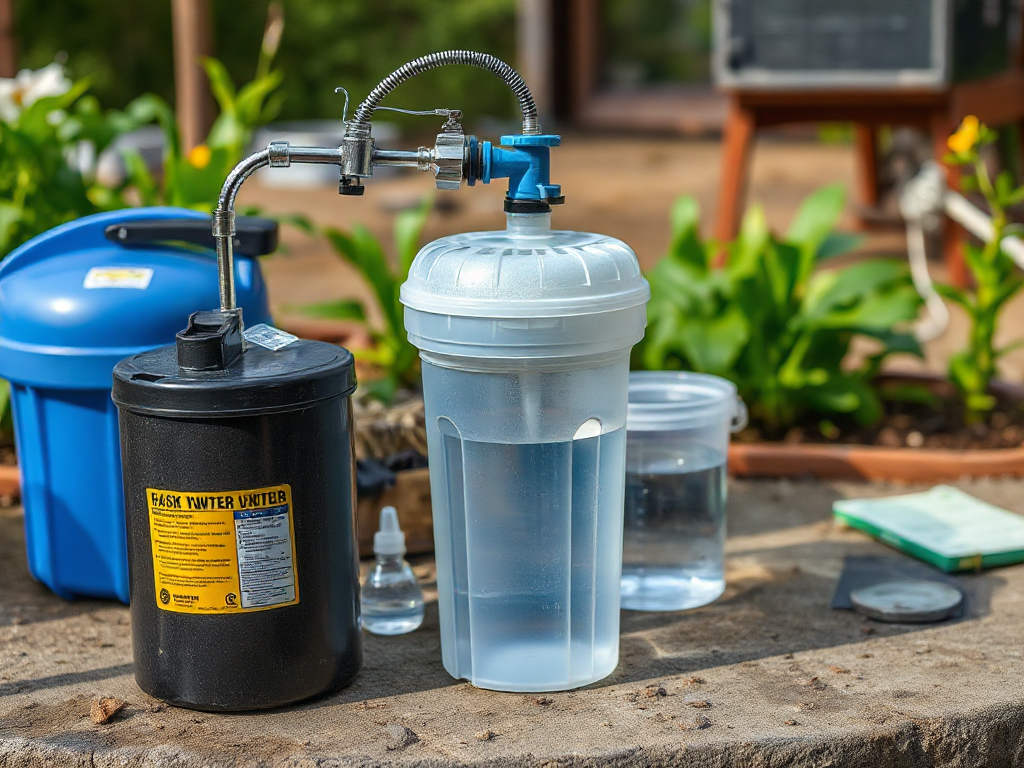
Signs that your water purification method is inadequate include a persistent bad taste or odor, visible particles in the water, and inconsistent water quality. If you notice any unpleasant flavors, it may indicate that contaminants like chlorine or heavy metals are not being effectively filtered out. The presence of visible particles, such as sediment or rust, suggests that your filtration system may require maintenance or that the filters need replacement. Regular testing of your water and timely filter changes are essential to ensure your purification system is functioning properly and to protect your health from potential risks associated with contaminated water.
Persistent Bad Taste or Odor
A persistent bad taste or odor in your water is a primary sign that your water purification method may be inadequate. If your filtration system is not functioning properly, it may not be effectively removing contaminants such as chlorine, heavy metals, or organic compounds that can impart unpleasant flavors or smells. Regularly testing your water for these contaminants can help identify issues early.
For example, if you notice a chlorine-like smell or metallic taste, it might indicate that the activated carbon filter in your system is saturated and needs replacement. Ignoring these signs can lead to long-term health effects, as consuming contaminated water can result in various health issues, including gastrointestinal disorders and other chronic conditions.
Visible Particles in Water
Another clear indicator that your water purification method is inadequate is the presence of visible particles. These particles can include sediment, rust, or microorganisms that have not been effectively filtered out. If you pour a glass of water and notice any cloudiness or floating debris, it is essential to investigate the source of contamination.
Visible particles may suggest that your filtration system is not properly maintained or that the filter has exceeded its lifespan. For instance, a reverse osmosis system that shows sediment may require a pre-filter change to ensure proper functioning. Regular maintenance and timely replacements of filters are crucial to maintaining water quality and safety.
Inconsistency in Water Quality
Inconsistency in water quality is a significant warning sign of an inadequate purification method. If you notice fluctuations in taste, clarity, or odor, it may indicate that your purification system is failing to provide consistent results. This inconsistency can stem from various factors, including fluctuating water pressure, filter saturation, or equipment failures.
For instance, if your water tastes perfectly fine one day but has a strange odor the next, it is essential to investigate the cause. A sudden change may suggest that contaminants are bypassing the filtration system. Regularly testing your water quality can help you monitor these inconsistencies and take corrective action before health risks arise.
Health Standard Violations
Compliance with health standards is critical for any water purification method. If your water testing reveals levels of contaminants that exceed federal or state health standards, your purification system is inadequate. This situation poses serious health risks, particularly for vulnerable populations such as children, the elderly, and individuals with weakened immune systems.
For example, the Environmental Protection Agency (EPA) sets maximum contaminant levels for various substances in drinking water. If your water tests show higher levels than these limits, it is vital to address the issue immediately. Upgrading your purification method or implementing additional filtration systems may be necessary to ensure safe drinking water.
Frequently Asked Questions
What are the common signs that my water purification system is failing?
Common signs include bad taste or odor, visible particles in the water, and fluctuations in water quality.
How often should I test my drinking water?
It is advisable to test your drinking water at least once a year, or more frequently if you notice changes in taste, odor, or appearance.
Can I rely solely on a water filter for safe drinking water?
While water filters can significantly reduce contaminants, regular testing and maintenance are essential to ensure they are working effectively.
What should I do if my water exceeds safe contaminant levels?
If your water exceeds safe contaminant levels, consider upgrading your filtration system or adding additional filtration methods to ensure safety.
How can I maintain my water purification system?
Regular maintenance includes changing filters as recommended, cleaning the system, and monitoring water quality to ensure consistent performance.
Conclusion
Recognizing the signs that your water purification method is inadequate is crucial for maintaining safe drinking water. Persistent bad taste or odor, visible particles, inconsistencies in water quality, and violations of health standards are all indicators that action is needed. Regular testing and maintenance of your purification system can help ensure that it functions effectively and keeps your water safe from contaminants. Take proactive steps to address any issues and protect your health and well-being.