
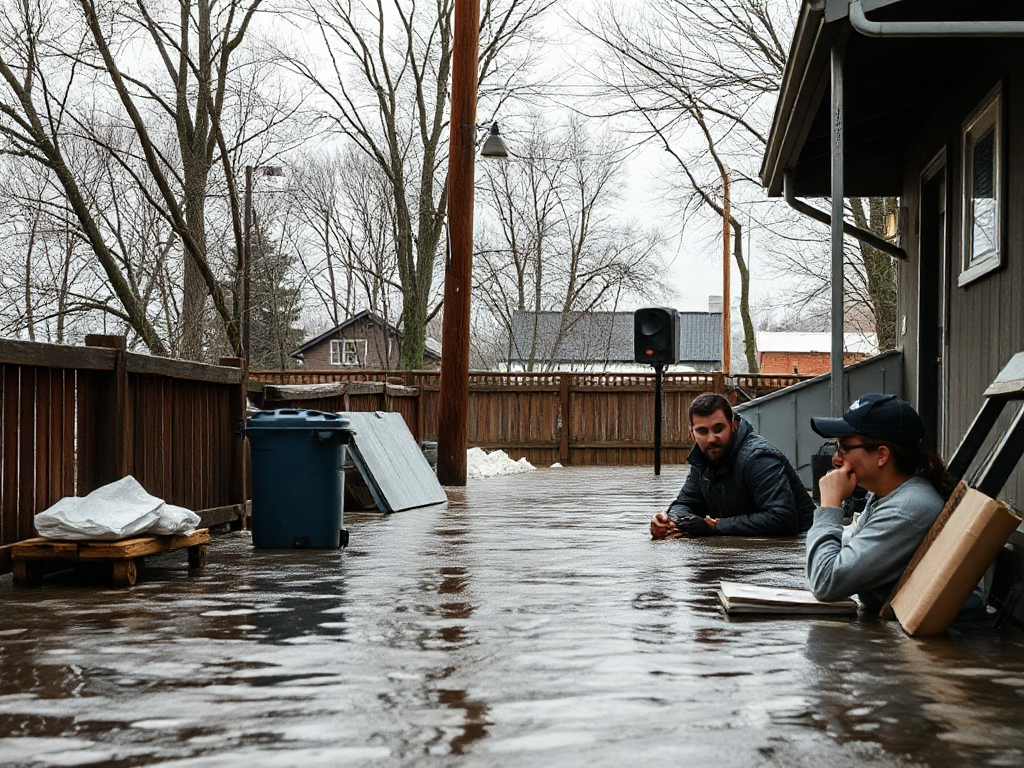
Preparedness advice conflicts with safety guidance when a tactic intended to increase self-reliance creates a greater hazard, such as using indoor flames for heat, entering floodwater to retrieve supplies, storing fuel incorrectly, or ignoring evacuation orders. These conflicts usually arise when old advice is applied without considering ventilation, fire risk, contamination, weather conditions, household abilities, or official incident information. Safer preparedness keeps the useful goal but changes the method: use approved heating and cooking equipment, store hazardous materials according to the label, leave threatened areas promptly, and treat official alerts as operational instructions. A practical review should test every recommendation against fire, carbon monoxide, injury, exposure, and delayed-rescue risks.
What you’ll learn
This guide covers the following practical points:
- Why Preparedness Advice Can Become Unsafe — Preparedness advice is not automatically safe simply because it is familiar, inexpensive, or repeated by experienced people.
- Heat, Fire, Fuel, And Carbon Monoxide Conflicts — Indoor heating and cooking advice creates some of the clearest conflicts because a power outage removes normal safeguards at the same time that people are cold, tired, and under pressure.
- Floodwater, Evacuation, And Improvised Travel — Advice that emphasizes staying with supplies, protecting property, or proving self-reliance can become dangerous when officials direct people to evacuate.
- Food, Water, Medicine, And Information Decisions — Food and water storage advice can conflict with safety guidance when “use what you have” replaces inspection and treatment.
Why Preparedness Advice Can Become Unsafe
Preparedness advice is not automatically safe simply because it is familiar, inexpensive, or repeated by experienced people. A recommendation may address one problem while creating another. For example, keeping a generator available can support refrigeration and medical equipment, but operating it inside a garage or near an open window can expose occupants to carbon monoxide. The useful objective remains valid; the location and operating method are the danger.
Conflicts often appear when advice is separated from its original conditions. A tactic suitable for a rural property may be hazardous in an apartment. A method used briefly during a controlled power outage may be inappropriate during a wildfire, flood, extreme heat event, or extended evacuation. Household composition matters as well. Children, older adults, pets, and people with respiratory, mobility, or medical needs may face risks that a general recommendation does not address.
Readers should distinguish between preparedness goals and specific tactics. The goal may be warmth, hydration, food access, communication, or rapid departure. The tactic should be replaced when it depends on unverified assumptions, bypasses a safety control, or requires skills and conditions that are not present. The preparedness advice that conflicts with safety guidance is usually identifiable by asking what could go wrong if the situation lasts longer, becomes more severe, or involves another person.
A strong review considers the hazard, the setting, the equipment, and the person using it. Advice that says to “improvise” may encourage creativity, but improvisation around electricity, fuel, structural damage, contaminated water, or medication can turn a manageable shortage into an injury or illness. Use improvisation for low-risk substitutes, such as paper communication lists or noncritical storage containers, not for systems whose failure could cause poisoning, fire, or delayed rescue.
Heat, Fire, Fuel, And Carbon Monoxide Conflicts
Indoor heating and cooking advice creates some of the clearest conflicts because a power outage removes normal safeguards at the same time that people are cold, tired, and under pressure. Charcoal grills, camp stoves, patio heaters, and fuel-burning appliances may produce heat, but they can also release carbon monoxide or ignite nearby materials. Carbon monoxide has no reliable smell that occupants can use as a warning, so opening a door briefly is not a dependable substitute for proper outdoor operation and ventilation design.
Generators illustrate the same distinction. A generator belongs outdoors, away from doors, windows, and other openings, and its exhaust must not be directed toward the home or a neighboring occupied space. Connecting it directly to household wiring without properly installed transfer equipment can energize lines thought to be de-energized and endanger utility workers. Extension cords also need to be rated for the load and condition; a thin or damaged cord may overheat even when the generator itself is functioning correctly.
Fuel storage advice can conflict with fire-safety requirements when it encourages large quantities without discussing the container, location, temperature, or local rules. Fuel should remain in approved containers and away from ignition sources. Storing gasoline in a living area, stairwell, vehicle passenger compartment, or crowded exit route adds vapor and escape hazards. The safer choice may be a smaller quantity rotated regularly rather than a larger reserve that cannot be stored correctly.
Common mistakes include testing equipment only during an emergency, running a generator overnight without a functioning carbon-monoxide alarm, and placing a portable heater close to bedding or curtains. Before an outage, run equipment according to its instructions, inspect cords, confirm alarm operation, and decide which appliances truly need power. If the household cannot operate the equipment without improvised wiring or indoor fuel burning, choose a lower-risk alternative such as extra blankets, approved battery equipment, or relocation to a safe heated facility.
Floodwater, Evacuation, And Improvised Travel
Advice that emphasizes staying with supplies, protecting property, or proving self-reliance can become dangerous when officials direct people to evacuate. Floodwater may conceal washed-out pavement, open drainage, debris, downed wires, and unstable ground. A vehicle can lose traction or become disabled in water that appears shallow. Walking through it carries separate risks, including contaminated water and falls that are difficult to recover from while carrying bags.
The practical priority during a fast-moving hazard is life safety, not retrieving every stored item. A compact departure kit is useful because it reduces the temptation to delay for extra clothing, documents, or equipment. Keep medications, identification, chargers, a contact list, water, and essential items accessible before an incident. If an evacuation route is closed, follow current official instructions rather than attempting a shortcut based on an old map or a route remembered from normal travel.
“Shelter in place” is also not a universal instruction. It may be appropriate for some short-term external hazards, but it is unsuitable when the building is threatened by fire, rising water, structural damage, smoke infiltration, or an official evacuation order. The correct action depends on the hazard and the instructions issued for that event. Checking local alerts, emergency management notices, and weather information is more reliable than applying one permanent household rule.
Preparedness travel advice should account for fatigue and reduced visibility. A person who has practiced loading a vehicle may still make poor decisions after hours of driving, heat exposure, or disrupted sleep. Keep the vehicle maintained, avoid blocking exits with gear, and leave enough cabin space for passengers to use seat belts. The same preparedness review should ask whether a measure improves departure speed or merely adds weight, clutter, and decision-making time.
Food, Water, Medicine, And Information Decisions
Food and water storage advice can conflict with safety guidance when “use what you have” replaces inspection and treatment. A sealed container is not automatically safe if it is damaged, swollen, leaking, exposed to chemicals, or stored in excessive heat. Water from an uncertain source should not be assumed safe because it looks clear. Treatment methods must match the contaminant and follow product instructions; boiling, for instance, does not address every possible chemical concern.
Rotation is safer than indefinite accumulation. Mark purchase dates, use older supplies during normal meals, and replace items that have lost packaging integrity. Store food away from cleaning chemicals, fuel, pests, and flood-prone floors. A large supply of foods no one can eat, cook, or digest is less useful than a smaller set of familiar items matched to available water, fuel, tools, and dietary needs.
Medicine creates another common conflict. Advice to stockpile prescription drugs, share medication, alter doses, or substitute a similar product may sound practical but can create dangerous interactions, withdrawal problems, or treatment gaps. Ask a pharmacist or prescriber about lawful refill timing, storage requirements, temperature limits, and backup options. Keep an accurate medication list with names, strengths, schedules, and prescriber information so another clinician can make an informed decision if normal care is disrupted.
Information habits can also increase risk. Forwarded messages may contain outdated shelter locations, false road conditions, or unsafe treatment instructions. Use official alerts and local emergency-management channels for time-sensitive decisions, while treating social posts as leads that require verification. A simple communication plan should name an out-of-area contact, identify meeting locations, and specify how family members will confirm they are safe. The central question is not whether advice sounds resourceful, but whether it remains accurate and safe under the actual hazard.
A Safer Way To Review Preparedness Advice
Review each recommendation by separating its intended benefit from its failure mode. Write down what the advice is supposed to accomplish, what conditions it assumes, and what would happen if the method failed. This exposes weak shortcuts quickly. “Use a generator for essentials” becomes a safer instruction when it specifies outdoor placement, load limits, cord condition, alarm testing, fuel handling, and a shutdown plan.
A compact review can use five questions:
- What hazard is present, and could the advice worsen exposure to it?
- Does the method involve fire, fuel, electricity, contaminated water, structural damage, or medication?
- Can every person expected to use it operate it safely while tired, cold, injured, or stressed?
- What official instruction could override the household preference?
- What is the lower-risk alternative if the equipment, skill, or conditions are missing?
Test the answer in ordinary conditions rather than waiting for a crisis. Practice leaving with the actual bags, check whether doors and walkways remain clear, verify that alarms work, and cook stored foods using the fuel and utensils available. A practice that produces smoke, tangled cords, excessive lifting, or confusion is showing a design problem, not a personal failure. Revise the setup before adding more supplies.
Prioritize controls that prevent severe outcomes: early evacuation, carbon-monoxide detection, safe fuel placement, reliable communication, drinking-water security, medication continuity, and protection from extreme temperatures. Extra gear can be useful after these controls are in place, but it should not displace them. Advice is working when people can act without bypassing safety instructions; it is failing when the plan depends on secrecy, heroic effort, risky shortcuts, or the assumption that conditions will remain calm.
Frequently Asked Questions
Is it safe to use a camping stove indoors during a power outage?
Do not assume it is safe. Many fuel-burning stoves can produce carbon monoxide or ignite materials and should be used only as directed, commonly outdoors.
Why can storing more fuel create a preparedness problem?
Extra fuel increases vapor, fire, spill, and storage-compliance risks when containers or locations are unsuitable. A smaller, properly stored and rotated supply may be safer.
What should I do if floodwater blocks my planned route?
Do not drive or walk through it. Check official emergency and transportation updates, use an approved alternate route, or follow evacuation instructions from local authorities.
How can a household test whether advice is safe?
Practice the method in normal conditions, inspect equipment, identify failure points, and confirm that every user can perform it without bypassing instructions or requiring unsafe improvisation.
Conclusion
Preparedness becomes safer when goals are preserved but hazardous shortcuts are discarded. Indoor fuel burning, careless generator placement, excessive fuel storage, floodwater travel, improvised medication changes, and reliance on unverified messages can all turn a protective measure into a new emergency. Review supplies and procedures against the specific hazard, the household’s actual abilities, and the latest official instructions. Test essential equipment before it is needed, keep evacuation items accessible, and give priority to controls that prevent fire, poisoning, drowning, exposure, and delayed medical care. A smaller plan that people can follow correctly is more dependable than an impressive inventory built around risky assumptions. Revisit recommendations whenever equipment, household members, housing, or local hazards change.
Additional Resources
Authoritative Sources
- Emergency Preparedness—Planning and Management - PMC
pmc.ncbi.nlm.nih.govIn coping with this situation, it is a common mistake to assume that law enforcement agencies will maintain law and order. Unfortunately, for a variety of ...