by PREPARE Magazine Editorial Team | Apr 5, 2025 | Blog, Guest Bloggers
Floods
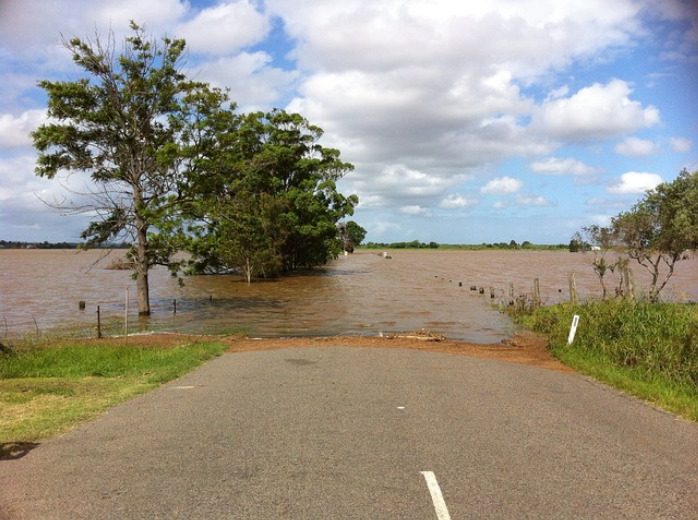
 While Britain does not suffer from some of the most horrendous weather events experienced elsewhere in the world, we do have our fair share of floods, and they are getting worse!
Flooding in the UK usually comes from 1 or more of 3 sources:
- Exceptional rainfall
- Heavy snowfall followed by a rapid thaw
- Coastal storm surges
Our flooding since the start of the new millennium has mainly been from exceptional rainfall. This has given events such as flash floods and the repeated river overflows in Gloucestershire, Yorkshire, and elsewhere, particularly in 2007, 2010, and 2012, with some towns and cities having areas flooded by overflowing drains and excessive surface water on paved areas.
That latter effect has caught out many people who live miles from the nearest river and have never experience flooding before, nor expected to. Meanwhile some towns and cities like York and Tewksbury that have known occasional flooding many times over the centuries have found it becoming an annual event. And despite the efforts of various agencies in some areas it is becoming increasingly damaging. Those people in flood prone areas in what were once expensive and desirable homes now find that they can neither sell nor get insurance.
Depending on the level, flooding can be anything from an inconvenience to a disaster. If your house or business is affected by deep flooding you will almost certainly have to evacuate and in many cases people have not been able to return to use the buildings for over a year. We have friends in this situation and they initially went to a hotel or local evacuation center and were eventually moved to temporary accommodation; in 1 case a touring caravan (trailer), for almost 18 months before the family could return to their home. In some buildings the foundations or structure have been so badly damaged the only safe alternative was demolition.
Threats
So, what are the threats from flooding? Direct threats include:
- Drowning – people drown in their buildings, in their cars, and on the street when the water catches them unexpectedly or while trying to evacuate, and often, tragically, while trying to rescue another person or animal.
- Electrocution – in a building or outside when power lines are brought down or substations flooded.
- Chemicals – flushed out of their normal storage.
- Sewage and other biological hazards.
- Injury – Flood waters can move heavy objects (e.g. trees, fences, cars, etc) at high speed. If you are struck by one of these objects you might sustain severe injury. The water also covers many sharp and otherwise dangerous items, so moving through even still flood water can pose real hazards.
- Loss of possessions through damage or theft, destruction of cars and other transport, and even loss of your home.
And what can you do to minimize the threat?
Precautions and preparations
- The first thing to do is evaluate your risk of flooding. Go online and research the flood risk and warnings for your area.
- Sign up for the text message and email warnings and find out what other alert measures might be available in your area.
- Take measures to prevent or minimise the damage from flood water. This could include:
- Consider your use of rooms – could you use a higher level room for the living room/study/etc where the greatest number and most expensive, electrical equipment is used and instead use a ground floor room as a bedroom?
- Install non-return valves on water outlet pipes, including from the washing machine and dishwasher.
- Use silicone around doors and windows to reduce the likelihood of water penetration.
- Install fittings for flood gates on all external doors and low level windows, and airbrick covers close to ground level. Keep the gates and covers easily available.
- Consider replacing timber floors and carpets with solid floors and tiles – rugs are easier to move (and are) less expensive to replace than carpets, and even if the tiles have to be reaffixed, the cost of sheet ply base is lower than laminate. Also investigate replacing at least the lower steps of a staircase with concrete instead of wood.
- Replace low level, chipboard and laminate kitchen cupboards with freestanding ones made from plastic or stainless steel.
- Replace wooden internal doors, skirting boards etc with plastic ones.
- Use lime plaster on ground floor walls rather than standard gypsum plaster.
- Paint the outside and internal ground floor walls with waterproof sealant or paint. Consider a 2 level decoration scheme so that you only have to redecorate the lower level.
- Have electrical sockets raised to waist level, or higher if likely water levels require it, rather than near the floor – they’re more convenient there too, especially if you have back problems.
- If you have already been flooded, or believe the risk is high, buy a high-capacity pump that can extract water faster than your extra precautions will allow it to enter.
- Prepare a Flood Plan. This should include:
- Safety plan – Know how to turn off your electricity, gas, and water supplies. Do it before the flood water reaches the switches!
- Protection plan – know what to do to prevent or delay water entering your property. Store the equipment and supplies you will need (e.g. sandbags, floodboards, airbrick covers, etc) in a place you will be able to get them.
- Storage plan – the things you will not take with you if you evacuate but want to protect by moving them upstairs or to some other safe location. Keep this plan easily available! In an emergency you have many things to think about and a list will help you not to forget something you might otherwise mourn the loss of. Think about pets, valuables (monetary and emotional), vehicles, electronics, furnishings, etc. Remember that looting of evacuated buildings is very common. Even if you make things safe from the water you might lose them to thieves.
- Evacuation plan – how will you get out, where will you go, what will you take?
- Contact plan – List numbers for family, relatives, and emergency services, insurance companies, etc. Agree a contact that any family member who is out of the area when flooding occurs should call if they cannot contact people who were at home. Also agree close and more distant meeting places that are not likely to be affected by the flooding for use in case the telephone system is out.
- If you haven’t already got one (??) prepare an evacuation bag. This might be your Bug Out Bag or part of it, but remember that you are more likely to be going to a hotel/evacuation centre/friend than a bivvy site in the backwoods, which if you are being flooded out due to torrential rain is probably the last place you would want to go! Suggestions on what to include are listed in the Annexes.
What to do if it happens
- Keep informed about the situation – if you have online access keep visiting relevant sites. Tune your radio to a local station and listen for news and warnings. Watch the area around you.
- Make sure neighbours and friends you care about also know what is happening and what to do. Make arrangements to help one another where you can.
- Put your Plans into action.
- Put plugs in the sinks and bath and weigh them down with a sandbag or other heavy cover. Put a plug (e.g. sandbag) in the toilet
- If the flooding is so sudden that you cannot get out, move yourself, family, evacuation kit, and emergency supplies to the safest place in the building, then prepare for signalling to potential rescuers.
- If you can escape, secure your property and then get out early – the longer you leave it, the more difficult and dangerous evacuation will be.
- Take great care when moving through water and test to ensure you do not get in too deep. A long stick – even a broom handle is good – can be a great help. Six inches of moving water can knock you over if you are walking and 2 feet can lift and float your car.
- Beware of holes e.g. from displaced manhole covers.
- If you have had to move through flood water, then as soon as you are safe get out of the wet clothes and wash and disinfect yourself and the clothes.
- Put your contact plan into action – let family and friends know you are safe and how they can contact you.
- Contact your insurance company – and landlord if you have one – and employer, to let them know what has happened and how to contact you.
- If you need additional official help contact your council, and for other help any support/survival group you might have.
After the flood
When the waters recede it will be time to take stock and begin recovery action.
- As soon as possible, return home to secure your property.
- Take care as you enter:
Flooring might be damaged or displaced,
Other structures including staircases might be unsafe
There could be an electrical hazard
Anything touched by the floodwater will be contaminated
There might be human or animal intruders
- Make a list and loss-evaluation of any property destroyed or damaged and take photographs or videos. Your insurance company will make arrangements to assess the damage to the building and make arrangements for repair.
- Do NOT switch on any of the mains utilities until they have been checked and approved as safe by a professional.
- Do NOT use any food or drink any water that might have been in contact with flood water. Water under pressure might have been forced into bottles, jars, or packets. Thoroughly clean the outside of sealed tins before opening. Do not drink mains water until it has been declared safe and then not until you have run enough through your water system to thoroughly flush and clean it.
- If you are cleaning up yourself expect:
Outside: fallen walls and fences, all plants other than trees and large bushes washed away, missing rubbish bins, muck and rubbish everywhere.
Inside: destroyed carpets, falling plaster, disgusting smells, ruined cupboards/furniture/kitchen white goods/stuff in the garage/workshop/shed (including preps?).
- If you need to pump out water including from under the floorboards, you can hire a pump or might be able to get help from the fire service. Check with your insurance company first, this might be part of its tasks and only to be done when a nominated contractor decides it is safe to do so.
- If you are cleaning up yourself you can use ordinary cleaning products, a garden hose, etc, but do wear overalls and rubber gloves and boots. You might need a skip (dumpster) or lots of rubbish bags. The local authority might arrange extra collections.
- It will take much longer for the house to dry and be restored than you think: be patient!
- Be aware, especially if you are living close-by, that thieves will be waiting to take any opportunity to steal materials as your home is being repaired. Some of our friends had the new copper piping and other fittings stolen 3 times before the property was repaired enough to be secured!
Floods are bad news, but you can limit their effects and dangers by proper awareness, planning and response, and as in all emergencies many of the preps you make will be as useful for this one as any of the others.
By David E Crossley
David E Crossley is a British Prepper living in Scotland. He has been into prepping for over 40 years and has built his experience through 22 years as a soldier, 4 years as the Training Manager for Scotland for the British Red Cross and many years studying and doing the prepping things so many people just think or talk about. He is also a published author. Learn more about him at his website at: www.tfns.co.uk/index2.html
Popular Questions
What is the fastest way to improve Threats without making beginner mistakes?
The fastest way to improve Threats is to simplify the process and control one variable at a time. Start with the most important baseline: define the goal, identify the main failure point, and test one change before making another. Keep short notes so you can connect the outcome to the adjustment you made. This prevents guesswork and helps you build a repeatable method instead of chasing random fixes.
What should you check first when Threats is not working well?
Check the most immediate bottlenecks first: setup errors, missing inputs, bad timing, or inconsistent follow-through. Before buying anything new or changing the whole system, confirm that the basics are being done correctly and consistently. A small diagnostic checklist usually reveals the real problem faster than broad trial and error. Once the weak point is clear, make one correction and watch the result before adjusting anything else.
What common mistakes make Threats harder than it needs to be?
The most common mistakes are changing too many variables at once, skipping the basics, and judging results too quickly. Many people also copy generic advice without adapting it to their exact situation, which leads to weak results and confusion. A better approach is to work from a simple baseline, make measured changes, and give each change enough time to show whether it helped. That makes progress easier to track and repeat.

by PREPARE Magazine Editorial Team | Apr 5, 2025 | Guest Bloggers
Written by Guest Blogger: Daisy Cooper (Bio Below)
 When you buy a new house or flat it is hard to make everything come together at once. Decorating the rooms, fitting a new kitchen and replacing the windows all take a certain amount of time and money, leaving you with barely anything to create a new garden design. But if the winter days are gone and the summer months are on the horizon then it would be a shame to let your garden get you down. So even if you’re saving for a whole new landscaping plan, in the short term there are a few simple things that you can do.
Before you start on anything else a thorough garden clean up has to be completed. Lawn mowing, patio cleaning and general weeding are cheap to carry out and shouldn’t take forever, while fixing fences and gates with new handles or hinges can free you of those annoying little nuances. If you have any leftover paint, which is suitable for outside, then even just decorating your faded fence can significantly brighten up your garden space.
Once your garden is clean and tidy then you can really get started on sprucing it up. Reclamation or junk yards can be a great source of old garden furniture or ornaments that with a little bit of work can add a whole heap of style. Garden benches or even unwanted dining room furniture can be a nice touch and can create an eclectic and vintage appeal.
Subscribe to PREPARE Magazine

Old stones, bricks and wood can also be used to create feature plant pots, stylish rockeries and rustic low-lying benches with ease. And with just a little bit of imagination can give your garden a real woodland-feel. Adding coloured pebbles and shells to gravelled areas can give them an interesting finish, while fairy lights and homemade lanterns are perfect for adding a little bit of light.
Hanging baskets and plant pots are a quick and simple way of adding colour to your garden and are easy to plant and maintain. If you don’t have any pots or baskets to use then why not transform your unwanted furniture into a funky new garden style. Magazine racks, storage boxes and even old bins can be adapted to suit your needs and can be a great way of growing your garden plants or flowers in style. To save money, natural fertilizers like broken egg shells, coffee grounds and aspirin can be used and often encourage strong growth from within your garden soil.
Subscribe to PREPARE Magazine
 If you like to sit back and watch the birds enjoy your garden then you don’t need to have mature trees or elaborate bird baths to attract them just yet. Putting out stale bread, nuts or bird feed can see them flock quickly and return day after day, while creating a makeshift bird bath from an old lamp base, kitchen tray or fruit bowl can be just as good as anything you buy. Hanging colourful or shiny ornaments from trees and fences can also help to attract their eye and can give your garden that added injection of style.
As with your interior design, your outside space and purse strings can benefit from a little bit of creative design. Re-using old furniture and ornaments form inside your house can really help to create a fresh new style while sanding old wooden benches or logs can give it a natural and timeless appeal. A simple injection of colour can breathe a whole new lease of life into your garden as can a bit of old fashioned hard-work and a few simple gardening tricks.
Daisy Cooper is dedicated writer, blogger and aesthete . Her greatest passioan are home decorating, gardeining and landscape projects. She likes to discover beauty everywhere around and to share her experience with the readers. Find here some more tips: landscape gardening Chiswick
Popular Questions
What is the fastest way to improve Designing Your Garden on a Budget without making beginner mistakes?
The fastest way to improve Designing Your Garden on a Budget is to simplify the process and control one variable at a time. Start with the most important baseline: define the goal, identify the main failure point, and test one change before making another. Keep short notes so you can connect the outcome to the adjustment you made. This prevents guesswork and helps you build a repeatable method instead of chasing random fixes.
What should you check first when Designing Your Garden on a Budget is not working well?
Check the most immediate bottlenecks first: setup errors, missing inputs, bad timing, or inconsistent follow-through. Before buying anything new or changing the whole system, confirm that the basics are being done correctly and consistently. A small diagnostic checklist usually reveals the real problem faster than broad trial and error. Once the weak point is clear, make one correction and watch the result before adjusting anything else.
What common mistakes make Designing Your Garden on a Budget harder than it needs to be?
The most common mistakes are changing too many variables at once, skipping the basics, and judging results too quickly. Many people also copy generic advice without adapting it to their exact situation, which leads to weak results and confusion. A better approach is to work from a simple baseline, make measured changes, and give each change enough time to show whether it helped. That makes progress easier to track and repeat.
by PREPARE Magazine Editorial Team | Apr 5, 2025 | Blog, Guest Bloggers
How vulnerable are you to cyber threats?
 Love it or hate it, the vast majority of us are constantly connected to the Internet using some type of handheld device or computer to communicate with others and conduct business. Improved battery, chip and wireless technologies combined with reasonably priced smart phones, tablets, readers and gaming devices have allowed the digital world to permeate into almost every facet of our lives.
And, as more people migrate to mobile and cloud services for communication and commerce, cybercriminals will continue to evolve and increase their attacks and threats.
Did you know…
- there are over 2.7 billion active Internet users and 6.8 billion mobile subscribers worldwide;
- 55% of American adult cell owners use the internet on their mobile phones;
- 75 Million Scam emails are sent every day claiming 2,000 victims;
- 8,200 new unique threats are found every hour according to Trend Micro;
- 73% of Americans have experienced some form of cyber crime?
We will try to keep our “geek speak” to a minimum, but the goal here is to mention some things you should be aware of and steps you can take to help protect devices and systems from various types of cyber threats.
Secure and protect your devices
- Make sure computers and all wireless devices have current anti-virus software and firewalls, schedule them to scan daily or weekly, and update virus patterns often. If you own or manage a business, encourage employees to protect their personal home devices too.
- If you use a wireless router to access the Internet, secure it. Change the name of your router from the default ID (usually SSID or ESSID) to a name that is unique to you and won’t be easily guessed by others. Change the pre-set password on your router to a long and strong password using a combination of letters, numbers and symbols.
Also, set your router’s level of security to either WPA2 (if available) or WPA since they are more secure than the WEP option. And To wrap up, some routers allow for guests to use the network via a separate (or guest) password. If you have kids or many visitors in your home, it is a good idea to set up a guest network. Your provider should have instructions on all (or most) of these procedures.
- Set security preferences as high as possible on Internet browsers and anti-virus packages.
- Although it is best to not open emails or attachments from unknown sources, that’s not always feasible – especially in the business world. But consider saving the attached files into a temporary directory and scan them before opening.
- Create long passwords using a combination of letters, numbers and special characters; change them often and don’t share them with others. And don’t use the same password for all your accounts!
- Don’t access financial institutions from mobile devices using apps or email links. Instead, visit banking and credit card sites directly using a browser window. And limit the use of apps on social networking sites too since they can have security weaknesses and flaws.
- Speaking of credit cards, check the backs of your cards to see if they have radio-frequency identification chips (RFID) or Near Field Communication (NFC) chips that are embedded in credit and debit cards. (Visa calls its technology payWave, MasterCard is PayPass, Discover brands it Zip, and American Express calls it ExpressPay.) If any of your cards have a phrase, symbol or chip, consider using RFID-blocking shields or wallets, which generally use aluminum or steel to keep out prying eyes. There are even instructions on the Web about how to give your existing wallet RFID-inhibiting protection using duct tape and aluminum foil.
- Be aware there are lots of “scareware” scams online! Do NOT download or click on a screen that says it found “X number of viruses or spyware on your system” suggesting you download their package — it will most likely be a virus.
- Beware of “ransomware” (malware that prevents you from using your computer until you pay a fine) and “madware” (mobile adware – esp. apps – that can potentially expose location details, contact data, and device identifiers to cybercriminals) since they are predicted to be major issues going forward.
- Also beware of “smishing”(a combination of SMS texting and phishing) and “vishing” (voice and phishing) scams. Typically these involve you receiving a text message or an automated phone call on your cell phone saying there’s a problem with your bank account. You are given a phone number to call or a website to log into and asked to provide personal identifiable information—like a bank account number, PIN, or credit card number—to fix the problem. Do not respond to unsolicited e-mails, texts or phone calls requesting personal data, and never click on links or attachments contained within unsolicited e-mails or messages.
- Backup data often and keep a daily or weekly backup off-site. And keep in mind, if you back up data using the cloud (rather than using an external drive or other local device) you may not be able to access your data if there is a disaster or emergency limiting access to the web.
- Make sure someone knows how to download patches or fixes in case a computer or system gets infected.
- If your business or employer is hacked, file a complaint with the Internet Crime Complaint Center at ic3.gov
by Bill & Janet Liebsch
Bill & Janet Liebsch are the founders of FedHealth, a publishing and marketing company formed in 1999 to help the public focus on preparedness and health-related issues. They also are the authors and publishers of “IT’S A DISASTER! …and what are YOU gonna do about it?” and are dedicated to developing programs that primarily benefit First Responders, schools and volunteers. Get a sample of the content with this free mini-ebook HERE
Popular Questions
How can I assess my vulnerability to cyber threats?
To assess your vulnerability to cyber threats, start by evaluating your current security measures, such as antivirus software and firewalls. Ensure that these tools are up-to-date and configured correctly. Additionally, consider conducting regular security audits and vulnerability assessments to identify potential weaknesses in your systems. This proactive approach can help you understand where you stand and what improvements are necessary.
What steps can I take to reduce my vulnerability to cyber threats?
Reducing your vulnerability to cyber threats involves implementing strong security practices. Make sure to use complex passwords and change them regularly, and avoid using the same password across multiple accounts. Regularly update your software and operating systems to patch any security flaws. Educating yourself and your employees about phishing scams and other common threats can also significantly enhance your defenses.
How does using public Wi-Fi increase my vulnerability to cyber threats?
Using public Wi-Fi can greatly increase your vulnerability to cyber threats because these networks are often unsecured and easily accessible to cybercriminals. When connected to public Wi-Fi, your data can be intercepted, making it crucial to avoid accessing sensitive information like banking details. To mitigate this risk, consider using a virtual private network (VPN) when connecting to public networks. This adds an extra layer of security by encrypting your internet traffic.
What role does employee training play in reducing vulnerability to cyber threats?
Employee training is essential in reducing vulnerability to cyber threats, as human error is often a significant factor in security breaches. Regular training sessions can help employees recognize phishing attempts and understand the importance of following security protocols. By fostering a culture of cybersecurity awareness, businesses can significantly lower their risk of falling victim to cyber attacks. Encourage employees to report suspicious activities and provide them with the tools they need to protect themselves.