by PREPARE Magazine Editorial Team | Apr 5, 2025 | Blog, emergency preparedness, Food Storage, preparing for disaster
Are you ready for the unexpected? When unforeseen circumstances strike, whether it’s a natural disaster or a global pandemic, having a well-stocked pantry can make all the difference.
This guide to essential foods for preparedness will arm you with the knowledge you need to ensure your food supply remains robust and nutritious, no matter what comes your way. We will delve into the world of survival foods, providing you with a comprehensive list of items that are not only long-lasting but also versatile and healthy.
From canned goods to grains, proteins, and even sweets, we’ll uncover the must-have items that should be on every preparedness-minded individual’s shopping list. So buckle up and prepare to transform your pantry into a survivalist’s dream. Let’s embark on this journey towards self-reliance and peace of mind together.
What Are Essential Foods for Preparedness?
When considering essential foods for preparedness, it’s critical to prioritize items that have a long shelf life, require minimal preparation, and provide balanced nutrition. Whole grains such as rice, oats, and quinoa are excellent choices due to their long shelf life and high nutritional value.
Canned goods are another fundamental component of any preparedness pantry. These include fruits, vegetables, beans, and meats, which can last for years without refrigeration. They’re ready to eat and rich in essential nutrients.
Dried beans and legumes are also crucial for their long shelf life and high protein content. They’re lightweight, compact, and can be used in a variety of dishes.
Preserved meats like jerky and canned tuna provide protein and don’t require refrigeration.
Powdered milk is a versatile source of calcium and protein, and it can be used in cooking or rehydrated for direct consumption.
Nuts and seeds are packed with healthy fats, proteins, and fiber, making them an excellent snack choice.
Honey is a natural sweetener that never spoils and can be used in cooking or as a quick energy source.
Spices and seasonings are also vital to store as they can turn bland meals into flavorful dishes.
Remember, always rotate these foods to keep your stock fresh and check expiration dates regularly. A well-stocked pantry can provide peace of mind and ensure you’re ready for any situation.
How to Store Canned Foods?
 Storing canned foods properly is a key aspect of preparedness. The first step is to ensure the cans are not damaged or dented, as this could compromise the food’s safety. Always store cans in a cool, dry place, away from direct sunlight. The ideal temperature is between 50 and 70 degrees Fahrenheit. Avoid storing canned goods near cleaning supplies or chemicals to prevent contamination.
To maintain the quality of the canned foods, rotate your stock regularly. This means using older cans first and placing newer cans at the back of your storage area. It’s also important to keep an inventory of your canned goods, noting the date of purchase and the ‘best by’ date. This way, you can efficiently manage your stock and avoid wasting food.
When it comes to canned goods, variety is key. Include a range of essential foods such as fruits, vegetables, meats, and beans in your storage. This ensures you have a balanced diet during emergencies.
Remember, canned foods are a reliable and convenient option for long-term storage. They offer a variety of essential nutrients, are easy to store, and have a long shelf life, making them an excellent choice for emergency preparedness.
Best Long Shelf-Life Foods?
When it comes to preparedness, having a stockpile of long shelf-life foods is vital. Canned goods are a popular choice, with options like canned vegetables, fruits, and meats offering both nutrition and long shelf life. These are packed at their peak freshness, ensuring you get the most nutrients even when stored for long periods.
Dry goods such as rice, pasta, and beans are also essential. These staples can last for years when stored properly, making them a must-have in any preparedness plan. Similarly, powdered milk and instant coffee can last for a long time, providing a source of dairy and a comforting beverage when fresh options are unavailable.
Don’t forget about non-perishable protein sources. Canned tuna, chicken, and even SPAM can be stored for several years. These provide essential protein needed for strength and energy during emergencies.
Lastly, consider ready-to-eat meals like MREs (Meals Ready-to-Eat). These military-grade meals are designed to be eaten without cooking, making them a convenient option in times of crisis.
Remember, proper storage is key to prolonging the shelf-life of these foods. Keep them in a cool, dry place, away from direct sunlight. With these foods in your pantry, you’ll be well-prepared for any situation.
Importance of Water in Food Storage?
Water is a crucial element when it comes to food storage for preparedness. It serves multiple purposes, from hydration to cooking and maintaining the freshness of stored foods. Emergency food storage isn’t just about having a stockpile of canned goods, it’s also about ensuring you have a sufficient water supply.
Water is required for rehydrating freeze-dried and dehydrated foods, a popular choice in long-term food storage. Without an adequate water supply, these foods are essentially useless. Furthermore, water plays a vital role in preserving the nutritional value of stored foods, preventing them from drying out and losing their essential nutrients.
In case of emergency situations where access to clean, drinkable water is compromised, having a stored water supply becomes even more critical. It’s recommended to store at least one gallon of water per person per day for both consumption and food preparation.
When planning your food storage, it’s important to keep in mind the space water storage will require. Water barrels, water purification tablets, and water filters are all useful tools to consider.
Remember, food storage preparedness is not just about the foods you store, but also the water you have on hand to support your nutritional needs.
How to Store Dry Foods?
Storing dry foods properly is an essential part of food preparedness. The first step is to ensure that your dry foods are placed in air-tight containers. These containers protect the food from exposure to the elements, pests, and moisture.
Next, consider the location for storage. A cool, dry, and dark place is ideal for preserving the quality of dry foods. This could be a pantry, a dedicated storage room, or even a basement.
Temperature control is another vital aspect of dry food storage. Maintaining a consistent temperature of around 50-70 degrees Fahrenheit can significantly extend the shelf life of your foods.
It’s also important to rotate your stock. Use the oldest items first and replace them with new purchases. This practice, known as First-In, First-Out (FIFO), ensures you’re always consuming the freshest products.
When it comes to storing specific types of dry foods, here are some tips:
- Grains and Beans: These should be stored in sealed containers and kept away from heat and light.
- Dried Fruits and Vegetables: These need to be stored in airtight containers to prevent moisture absorption.
- Spices and Herbs: These should also be stored in airtight containers, but in a cool, dark place to preserve their flavor and potency.
Remember, proper storage of dry foods is a key aspect of preparedness and can ensure you have a reliable food supply during emergencies.
Ideal Conditions for Food Storage?
 Storing food properly is an essential part of preparedness. The ideal conditions for food storage vary depending on the type of food, but there are general guidelines that can be followed.
Dry foods, such as rice, pasta, and beans, should be stored in a cool, dry place. These foods are susceptible to moisture and heat, which can lead to spoilage.
Canned goods are a staple in any preparedness plan. They have a long shelf life and can be stored at room temperature. However, they should be kept away from extreme temperatures and direct sunlight.
Frozen foods should be kept at a constant temperature of 0 degrees Fahrenheit or below. It’s important to avoid the “”freeze-thaw”” cycle, which can lead to food spoilage.
Perishable foods, such as fruits and vegetables, should be stored in a refrigerator at a temperature between 34 and 40 degrees Fahrenheit. These foods have a shorter shelf life and should be consumed first.
Water is an often overlooked but essential part of food storage. It should be stored in a cool, dark place and replaced every six months.
Remember, the key to successful food storage is rotation. Consume the oldest items first, and replace them with new ones. This ensures that your food supply remains fresh and safe to eat.
Proper food storage not only ensures that you have a supply of food in case of an emergency, but it also helps to reduce food waste and save money. So, take the time to store your food properly, and you’ll be prepared for whatever comes your way.
How to Rotate Stored Foods?
Proper food rotation is crucial when it comes to emergency food storage. The principle of “”First In, First Out”” or FIFO is often applied. This means consuming the oldest stored foods first.
To implement this, start by marking your food containers with the date of purchase. This can be done using permanent markers or adhesive labels. This way, you can easily identify the oldest items in your storage.
When you buy new supplies, don’t just place them on top of the old ones. Instead, move the older items to the front and place the new ones at the back. This ensures that older foods are used first, preventing them from going bad.
It’s also vital to regularly check your food storage. This allows you to spot any signs of spoilage or infestation early on. If you find any expired or damaged items, remove them immediately to prevent contamination.
Another important aspect of food rotation is diversification. Don’t just store one type of food. Having a variety of items not only provides a balanced diet but also prevents food fatigue.
Remember, the goal of food storage is not just to have food on hand, but to have edible, nutritious food that can sustain you and your family during emergencies. Proper food rotation plays a key role in achieving this.
Can Frozen Foods Be Stored Long Term?
Indeed, certain frozen foods can be stored long term, making them excellent choices for preparedness. However, it’s crucial to consider the type of food and the conditions of storage.
Vegetables and fruits, when properly blanched and frozen, can last up to 12 months. They retain their nutritional value and can be a valuable source of vitamins during times of scarcity. Meats and poultry can also be stored long term, but their quality may start to degrade after 4-6 months.
Frozen meals are another category to consider. While they may not be the healthiest option, they can provide essential calories and are easy to prepare. Most can last up to 8-12 months in the freezer.
On the other hand, dairy products, such as milk and cheese, do not fare well when frozen for extended periods. They can develop a change in texture and flavor.
Storage conditions play a significant role in long-term preservation of frozen foods. A constant temperature of 0°F (-18°C) is recommended to maintain the quality of the food.
In terms of preparedness, it’s also important to consider the risk of power outages. If the freezer’s temperature rises, the food’s shelf life will be significantly reduced. Therefore, having a backup power source or alternative storage method can be beneficial.
Remember, while frozen foods can be stored long term, it’s essential to rotate your stock regularly to ensure you’re consuming the freshest produce. This practice also allows you to assess your inventory and replenish as needed.
So, can frozen foods be stored long term? Yes, but with careful consideration of the type of food and storage conditions.
Conclusion: The Essentials of Food Preparedness
In this post, we’ve explored the crucial aspects of food preparedness, focusing on the essential foods to store for readiness in uncertain times. We’ve delved into what constitutes essential foods for preparedness, understanding that these are foods with a long shelf-life and high nutritional value.
We’ve also discussed the importance of proper storage, from canned and dry foods to long-term frozen food storage. We’ve learned that ideal conditions for food storage are cool, dry, and dark places, and the importance of rotating stored foods to maintain their freshness and nutritional value.
Water, being a vital part of food storage, was also emphasized, as its role extends beyond just hydration to food preparation and sanitation.
As we look towards the future, the importance of food preparedness remains paramount. Trends suggest a growing interest in sustainable and space-efficient food storage solutions.
All in all, food preparedness is not just about having food stored away, but having the right foods, stored correctly. The knowledge gained from this post empowers you to make informed decisions regarding your food storage practices. Remember, preparedness is the key to survival in any situation.
by PREPARE Magazine Editorial Team | Apr 5, 2025 | Blog, Giveaway
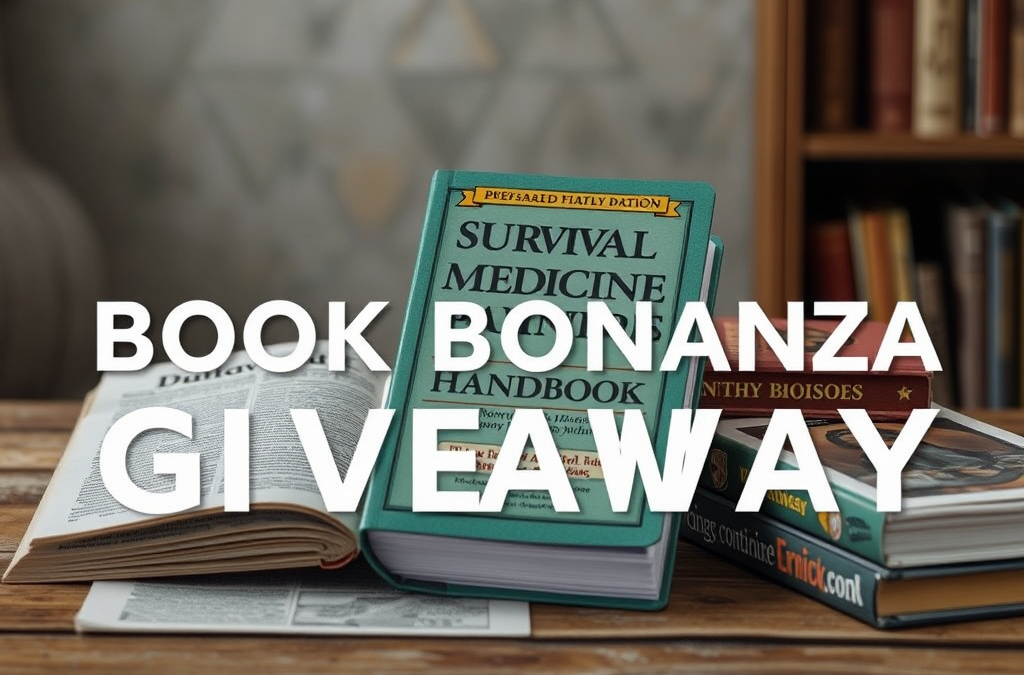
 Each week, for the next 16 weeks, our sister site (Your Preparation Station) is running a Giveaway Extravaganza – Weekly Book Bonanza! This week they are raffling for a chance to win the First Edition of “The Survival Medicine Handbook“.
We are so thrilled with the excitement from the first week’s giveaway and have selected at random a winner of the book “It’s a Disaster….” already! She has replied in the 48hr time frame and we are sending the book to her this week.
We can’t wait to see what happens with the next giveaway! So we have decided to bring the blog notices about them each week here to the PREPARE Magazine Blog. Just in case readers here would also like to enter. It’s fun and it’s Free!
Week #2 or the Giveaway Extravaganza Weekly Book Bonanza is The Doom and Bloom Survival Medicine Handbook – First Edition. Keep your Loved Ones Healthy in Every Disaster, from Wildfires to a Complete Societal Collapse.
Joseph Alton, M.D. & Amy Alton A.R.N.P. (aka: Dr. Bones and Nurse Amy of DoomandBloom.net who also happen to be writers for PREPARE and Founding Sponsors) have written this book with the precision of those in the medical field yet in terms any laymen can readily understand. This book covers a vast array of medical needs! It is easy to read and well formatted for finding what you need to learn. Every family should have, at least, a foundation for medical emergencies. This book goes beyond the foundation but lays stable ground work on which to build as well.
It is well laid out to compartmentalize issues as you learn how you might be able to treat them. Sections include: ‘Principles of Medical Preparedness’, ‘Becoming a Medical Resource’,’Hygiene, Sanitation and Environment’, ‘Infections’, ‘Environmental Factors’, ‘Injuries and Reactions’, ‘ Chronic Medical Problems’ and ‘Other Important Medical Issues’ such as nosebleeds, stockpiling medication, etc.
Each section within The Doom and Bloom Survival Medicine Handbook – First Edition has multiple sub-sections to help you become better equipped to handle the incidents that can occur during disaster. From Cellulitis to Snake bites, Dr. Bones and Nurse Amy address so many things in this 419 page book. Many of the things of which you may not have been aware! The book also includes a Glossary (which can be very helpful to a novice or those unfamiliar with medical terms) and other Medical References.While here is a Second Edition:The Survival Medicine Handbook: A Guide for When Help is Not on the Way the one we are giving away, is the building blocks to address almost every given emergency and should not be overlooked for the newer version.
This Giveaway is for a first edition copy (The Doom and Bloom Survival Medicine Handbook – First Edition ) which retails on Amazon for about $30.00 before shipping. Wouldn’t it be a great addition to your preparedness library? You bet it would! So enter below.
Come back and Tweet daily to increase your chances of winning too!
a Rafflecopter giveaway
Full Disclosure: We do hope you are a winner. But if you do not win, please consider clicking the links above or shopping through the Amazon links below. Your purchased support of our recommendation is much appreciated and the minor affiliate income we gain helps to keep Your Preparation Station, testing, reviewing, sharing and blogging. Thank you!
Popular Questions
What can I expect from the Book Bonanza Giveaway featuring the Survival Medicine Handbook?
The Book Bonanza Giveaway for Week 2 highlights the Survival Medicine Handbook, which is packed with essential information for emergency preparedness. Participants can look forward to learning about practical medical skills and survival techniques that are crucial in crisis situations. This giveaway not only offers the chance to win the book but also encourages readers to enhance their knowledge on survival medicine.
How does the Survival Medicine Handbook contribute to my emergency preparedness?
The Survival Medicine Handbook serves as a comprehensive guide that equips readers with the skills needed to handle medical emergencies when professional help may not be available. It covers topics such as first aid, treating injuries, and managing chronic conditions in survival scenarios. By engaging with this handbook, you can significantly boost your confidence and readiness for unexpected situations.
Can I participate in the Book Bonanza Giveaway if I’m new to survival medicine?
Absolutely! The Book Bonanza Giveaway is open to everyone, including those who are new to survival medicine. The Survival Medicine Handbook is designed to be accessible, providing clear explanations and practical advice for beginners. Participating in the giveaway can be a great way to start your journey into emergency preparedness.
What topics are covered in the Survival Medicine Handbook during the giveaway?
The Survival Medicine Handbook covers a wide range of topics essential for survival situations, including first aid techniques, natural remedies, and how to manage health issues without immediate medical assistance. It also addresses specific scenarios like wilderness survival and urban emergencies. This breadth of information makes it a valuable resource for anyone interested in enhancing their survival skills.
How can I increase my chances of winning the Book Bonanza Giveaway?
To increase your chances of winning the Book Bonanza Giveaway, make sure to follow all the entry guidelines provided in the giveaway announcement. Engaging with the content, sharing it on social media, and inviting friends to participate can also improve your odds. Staying active in the community and showing genuine interest in survival medicine will enhance your overall experience.
by PREPARE Magazine Editorial Team | Apr 5, 2025 | Blog
The Tie That Binds: Why We Should Help Others Prepare.
We tend to ‘preach’ it a lot around here at Prepare Magazine headquarters. We actually have different names for it around the office, but no matter how you paint it – many people don’t quite understand why the most important part of preparing for life as we know it to change is helping others to see the need to prepare.
Not that long ago we were seen as alarmists or survivalists, or just plain weird. But the truth is that in the past, the louder voices of preparedness sang a lone-wolf song and used the ‘look out for number one’ mantra. It’s no wonder people are a little resistant when we try to share the need to prepare – it seems so selfish to some people. But we can work hard to change that perception.

Here are some suggestions you may want to try in order to help others prepare:
- Gather. Form a group or bring a friend or two to a group to which you belong. Often this is enough to break the ice and see most on this journey are ‘normal folk.’
- Share. Give a ‘gift box’ of extra batteries, flashlights, or candles if your neighborhood is prone to power outages. Share your extra blankets in the winter and some surplus food in the summer.
- Encourage. When someone shows interest of their own in preparedness or simply has questions, offer encouragement rather than negative advice. Don’t overwhelm them or try to scare them to act.
- Plan. Simply plan a little bit for your loved ones or people you care for on your own. You know the people that will likely turn to you in crisis. Are you willing to help them? Why not plan now to be able. What’s a little more storage on hand among family and friends?
We would like to add another voice to impress upon us all the importance of not attempting to go it alone or leave others in their denial. It is important to know why we should consider working with others, bringing new people into the fold and consider outreach as a vital part of our preparedness plan.
Neighborhood Emergency Teams
A Guest Blog Post – By David Browne, Author of Are You Ready?
If we understand what we are preparing for, then it is just common sense to prepare for it. If we could look into the future and see the problems, it is easy to then prepare for it. Thus, the real issue of preparedness is to know what the future holds. If we prepare for the worst and it is much better than that, great, but if we don’t prepare hard enough, we lose. And people die. Not being prepared will ultimately flows downhill to others and make life worse for everyone.
I have told many people that to understand the future look to the past events. Look to Hitler, look to the end of Vietnam and the Khmer Rouge killing fields and today with ISIS. Is there an example of someone, anyone who we can look to for a pattern to save lives and how they did it? One very good example is the movie “Defiance”, starring Daniel Craig; a true story where four brothers saved some 1,500 people from the death camps of Hitler in Poland. Watch it!
What can a neighborhood do or a church do to prepare? The answer is teams of people organized in a survival coop.
You will need to organize in work groups in all areas that you feel you will need. Areas such as spiritual, food gatherers/hunters, cooking, sanitation, builders, water, safety, medical, farmers, butchers, scroungers, scouts, schools, trade shops, and the top management team of 12 elders.
Each group will have a leader and two helpers and a chain of workers. If a group can establish this type of relationship with others they will have all the advantages of life.
No man is an island; if you horde your food storage, it will rot before you can eat it or it will be destroyed. The key to survival is helping one another and anyone who comes to you for help.
David Browne, Author of Are You Ready? , was assigned to guard duty in the Watts Riots, the Dominican Republic Riots and then in Udorn Thailand with the CIA Air America. His experiences have given him great insight on surviving riots and war. His family lived off the grid for over 10 years in Southern Utah Mountains. His intention is to take what God sent him to learn and pass it on for you to prepare for the new millennium.
There is safety in numbers. Many hands make light work. No man is an island. No matter the cliche’ there is truth behind the fact that the more people you can have that are prepared around you, the less likely the opportunity for the mayhem around to reach you.
The Tie that Binds us together will actually help more of us thrive emotionally, mentally, physically and spiritually. So shifting the thought process from ‘How much can I store up’ to ‘How many people can I help’ has a ripple effect that will keep more stability and offer more good will for an unstable future.
In the upcoming, August 2015 Digital Issue of PREPARE Magazine, there are several more articles on this topic by well known authors. It is our hope that this blog, our guest’s insert and the upcoming Free Digital Issue can help you lay the groundwork to help other people around you to also prepare.
Popular Questions
Why is it important to help others prepare for emergencies?
Helping others prepare for emergencies fosters a sense of community and resilience. When individuals work together, they can share resources, knowledge, and skills, which enhances everyone's ability to respond effectively in a crisis. By encouraging preparedness among friends and neighbors, we create a support network that can significantly reduce panic and chaos during emergencies.
How can I encourage my friends to take preparedness seriously?
To encourage your friends to take preparedness seriously, start by sharing your own experiences and the benefits of being prepared. Organize informal gatherings where you can discuss preparedness topics and share resources like emergency kits or survival tips. Offering practical help, such as assembling a basic emergency kit together, can also make the idea of preparedness more approachable and less intimidating.
What are some effective ways to share preparedness resources with my community?
One effective way to share preparedness resources is to create a community group focused on emergency readiness. You can host workshops or informational sessions to educate others about the importance of preparedness and provide them with practical tools. Additionally, distributing items like emergency kits or informational pamphlets can help spark interest and motivate others to take action.
How can forming a group help in the preparedness process?
Forming a group can significantly enhance the preparedness process by pooling resources and knowledge. When individuals come together, they can divide responsibilities, ensuring that all aspects of preparedness are covered, from food storage to medical assistance. This collaborative approach not only makes the process more manageable but also builds strong relationships that can be vital during a crisis.
What role does emotional support play in helping others prepare?
Emotional support is crucial in helping others prepare, as it can alleviate fears and anxieties associated with potential disasters. By providing encouragement and understanding, you can help individuals feel more confident in their ability to prepare and respond to emergencies. This supportive environment fosters a proactive mindset, making it easier for people to engage in preparedness activities without feeling overwhelmed.
by PREPARE Magazine Editorial Team | Apr 5, 2025 | Blog, Guest Bloggers
 In a preparedness lifestyle, preparing beyond your storage food is essential.
With today’s economy and food borne illnesses a very real possibility, many people are wisely turning to backyard gardening to help with their food supply. For some families it has become a necessity, while for others it is basically a productive hobby. From an economics standpoint, not to mention health perspective, raising your own vegetables just makes excellent sense even at a very small level.
Of course, everyone has a different level of understanding and experience when it comes to growing food. Some people give-up any thoughts of planting crops because they immediately picture a task that is overwhelming and beyond their resources.
The truth is, you do not need acres of land or tons of garden soil to get started. In fact, if planned properly the time and effort required to grow vegetables to feed your family is fairly minimal. For people who are making preparations for potential difficulties ahead, the benefit is certainly worthy of the time investment.
 Another key point that needs to be emphasized is the nutritional consumption element. Ready meals that are typically used as emergency food storage, typically do not have the nutritional value that our bodies need to function properly. They are okay for a short-term food supply, but are probably not the best solution for lengthy consumption. Many of the “ready meals” are high in salt and other preservatives that help with the storage, but give no benefit to our bodies health. In reality, our bodies are not getting the live nutrients that we need to stay healthy. Growing live vegetables will help give us nutrients that are required for us to function at peak performance.
With that said, let’s discuss some growing solutions to supplement your food supply!
It is that time of year again, seedlings are being displayed and pallets of potting mix are everywhere you turn when visiting your local home and garden store. So how do you get started? What vegetables grow best and where, and what skills do you need? Virtually any type of vegetable can be grown anywhere and if you can handle a trowel, you have the skills needed. Let nature do all the heavy lifting.
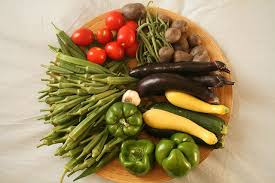
Below is a list of vegetables that can be grown on a patio, in a backward planter, a cultivated section of the backyard, or even grown in random pots.
- Tomatoes Can Be Grown In Pots Or Sow Directly In Well Cultivated Soil
- Bell Peppers
- Herbs Such As Parsley Chives Dill Tarragon And many Others In Planter Boxes Pots Or Sown Directly Into The Garden Plot
- Hot Peppers Of All Types To Include Jalapenos And Cayenne
The list is by no means comprehensive. Use your imagination and you can grow anything practically anywhere. What do you need to get started? First, you need a sunny location. Vegetables, unlike certain flowers thrive in full sunlight; in fact, they need at least six to eight hours of direct sun daily.
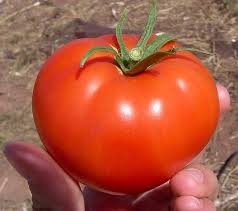 Tomato plants in particular suffer low yields and the plants become “leggy” if they do not get enough sun. What happens is the plant in its effort to reach sunlight will grow long stems void of foliage. The plant will grow tall but will have a very limited yield. The plants are weaker and will be more susceptible to pests and disease. Tomatoes need at least six hours of sunlight daily. The plants also need up to two inches of water weekly.
Tomato plants are self-pollinating (do not need bees for pollination) so they are very popular for patios and even sun-rooms. The plant produces both the male and female blossoms. If the plants are grown in an enclosed area, you will need to shake the plants gently once the plant shows blossoms. Shaking allows the pollen to fall from one blossom to another. If planted outside nature handles this by providing a breeze from time to time. Cucumbers squash, and various other plants will need active bees to ensure pollination.
Tomatoes and cucumbers need warm soil and balmy nights. It is not advisable to transplant until the average nighttime temperature is above 50 degrees Fahrenheit or 10 degrees Celsius. Tomato plants if started indoors will need to be slowly introduced to the outdoors. Place the plants outdoors for a few hours daily, until ready to plant in the ground. This hardens the plants by exposing them to varying temperatures and breezes. The tomato plant senses the change. Soon it will begin to grow thicker stems to store and transport water and to support the plant. Plants that are not hardened have less of a chance of surviving.
When transplanting, bury as much of the plant as you can. Some experts say 80 percent of the plant should be buried. This ensures strong stems and heavy foliage. To produce larger tomatoes, some gardeners prune their plants. This allows the plant to direct more nutrients and water into each fruit. This reduces the yield but produces larger tomatoes.
To grow organically you should have a compost pile. Compost is simply the decomposition process of organic material. Household scraps such as overripe fruit, potato peels and so forth. However, do not compost animal waste, bones or meat. You can compost grass clippings, yard waste and so on.
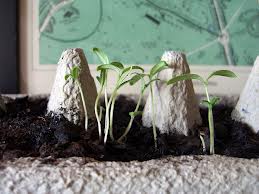 The compost is a fertilizer. Mix it with top soil, peat moss or potting soil. You can also mulch with it around the base of the plants to inhibit weed growth and to retain moisture. Herbs such as dill, garlic and even green onions act as a natural pest repellent. You can plant these herbs in any garden area to ward off plant eating pests.
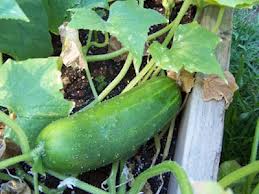
Do not let any vegetables languish on the vine so to speak. Tomatoes can be picked early and they will ripen after picking. Pick cucumbers before they become too large, because they will produce more seeds and become tough when allowed to get to big. Moreover, harvesting regularly will increase the overall yield.
By: Pierce Jacobson
Pierce Jacobson is a family man who enjoys homesteading, writing, and researching food growing models. He has been studying self-reliance and preparedness systems for many years, and believes that we are heading toward difficulties that will require us to be less-dependent on the existing infrastructures. He practices and teaches his own survival skills and growing models, to help better-prepare for the days ahead.
Popular Questions
Why is preparing beyond just storing food important for my family's health?
Preparing beyond just storing food is crucial because many ready-made meals lack the nutritional value our bodies need for optimal health. These meals often contain high levels of salt and preservatives, which are not beneficial for long-term consumption. By growing your own vegetables, you can ensure a fresh supply of nutrients that support your family's well-being and overall health.
What are some easy vegetables to grow for those preparing beyond their food storage?
For those looking to supplement their food storage, starting with easy-to-grow vegetables like tomatoes, bell peppers, and various herbs is a great choice. These can be grown in pots or small garden spaces, making them accessible for anyone, regardless of their gardening experience. With just a sunny spot and some basic care, you can enjoy fresh produce right from your home.
How can I start preparing beyond my food storage if I have limited space?
If you have limited space, you can still prepare beyond your food storage by utilizing containers or vertical gardening techniques. Many vegetables, such as herbs and tomatoes, thrive in pots and can be grown on patios or balconies. Start small, and gradually expand your garden as you gain confidence and experience in growing your own food.
What skills do I need to grow my own food beyond just storing it?
You don't need extensive gardening skills to grow your own food; basic knowledge of plant care is sufficient. Understanding sunlight requirements, watering needs, and how to harvest your crops will go a long way. With a little research and practice, anyone can learn to grow vegetables and herbs that will enhance their food supply.
How does growing my own food contribute to my preparedness plan?
Growing your own food significantly enhances your preparedness plan by providing a sustainable source of fresh produce. This practice not only reduces reliance on store-bought items but also ensures that you have access to nutritious food during emergencies. Additionally, cultivating your own garden can be a rewarding hobby that contributes to your family's self-sufficiency and resilience.