by PREPARE Magazine Editorial Team | Apr 5, 2025 | Blog, Giveaway
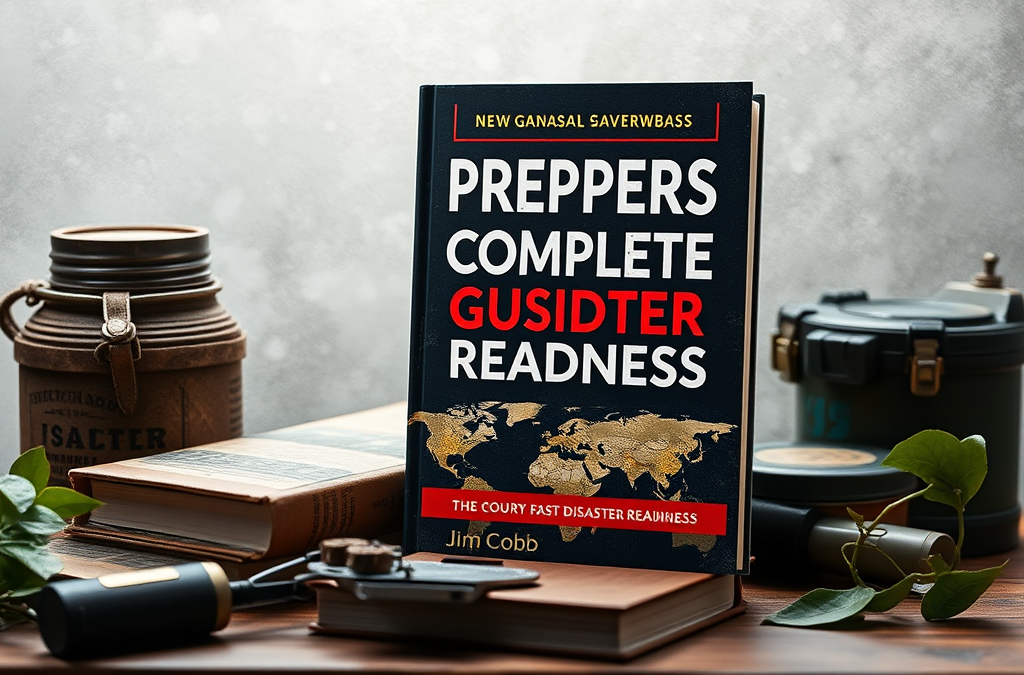
 The Prepper’s Complete Guide to Disaster Readiness by Jim Cobb is the quintessential primer of readiness preparedness for a novice and a refresher course for a seasoned prepper. Almost every point is covered in this book yet it still it goes into further detail without distracting from the primary focus of a broad reaching topic. Disaster Readiness is a wide reaching topic but author, Jim Cobb knows his topic well and has done a fantastic job of breaking things down in understandable sections and clear chapters.
Jim enlightens the reader on areas usually untouched such as how Disaster Readiness affects relationships (Children, Pets and Elderly). The Prepper’s Complete Guide to Disaster Readiness is a book that we highly recommend no matter if you are new to this walk and way of thinking or are a veteran to preparedness.
We here at PREPARE Magazine hope this book will help you to build a substantial library of resources!
Subscribe to PREPARE Magazine
a Rafflecopter giveaway
Full Disclosure:
If you don’t happen to win, or you’ve found this blog post after the Giveaway has finished, please consider clicking the links above or shopping through the Amazon links below to buy Jim’s book(s). With the minor affiliate income from your purchase we can continue testing, reviewing, sharing and blogging – and ultimately we hope – encouraging YOU.
We do hope someone from our blog is the winner!!
//
// ]]>
Amazon.com Widgets
Popular Questions
What can I expect from the Book Bonanza Giveaway #4 featuring the Prepper’s Complete Guide to Disaster Readiness?
The Book Bonanza Giveaway #4 offers a chance to win a comprehensive resource that covers essential strategies for disaster preparedness. This guide includes practical tips on food storage, emergency planning, and survival skills. Participants can look forward to gaining valuable insights that can help them feel more secure in uncertain times.
How does the Prepper’s Complete Guide to Disaster Readiness enhance my survival skills?
This guide is designed to equip readers with actionable techniques for various emergency situations. It covers topics such as first aid, shelter building, and resource management, making it a vital tool for anyone interested in self-sufficiency. By engaging with the material, you can improve your readiness for unexpected events.
Why should I participate in the Book Bonanza Giveaway #4?
Participating in this giveaway not only gives you a chance to win a valuable resource but also connects you with a community of like-minded individuals focused on preparedness. The guide itself is filled with insights that can help you develop a proactive approach to potential disasters. It's an opportunity to enhance your knowledge and skills while potentially winning a great book.
What topics are covered in the Prepper’s Complete Guide to Disaster Readiness?
The guide addresses a wide range of topics crucial for effective disaster preparedness, including food preservation, emergency communication, and personal safety. Each section is crafted to provide practical advice that can be implemented in real-life scenarios. This comprehensive approach ensures that readers are well-prepared for various challenges they may face.
How can I make the most of the information in the Prepper’s Complete Guide to Disaster Readiness?
To maximize the benefits of the guide, consider creating a personalized preparedness plan based on the strategies outlined within. Engage with the material actively by taking notes and setting realistic goals for your preparedness journey. Additionally, sharing insights with friends or family can foster a supportive environment for collective readiness.
by PREPARE Magazine Editorial Team | Apr 5, 2025 | Blog, Meet Our Contributors
 We are honored to have Jason Hunt, Th.D. among our list of Distinguished Authors. He has authored several dozens of articles and devotions for PREPARE Magazine. He has been involved since the first few digital issues in the Spring of 2012. We would like to invite you to get to know Jason a little better as we attempt to summarize all that he has to offer to the Mission of helping others to be well equipped and prepared.
Jason is the owner of Campcraft, LLC a survival outfitter and outdoor ministry located in Kentucky where he leads classes in wilderness survival, preparedness and wilderness medicine. He is also an instructor at The Pathfinder School and television host for both “Pathfinder TV” and “Campcraft with Jason Hunt”.

Jason grew up in the outdoors of Southern Indiana engaging almost daily in what nature provided as a playground, but it wasn’t until after a ten year stint as a pastor that he felt God call him back into the woods for what would be perhaps the greatest adventure of his life. Jason first received his training in survival from civilian and military experts by way of his martial arts experience which spans thirty years. Jason is the author of “The End Times Christian” and is the host of the weekly television series Campcraft airing in Louisville, Kentucky.
His training channel on Youtube can be found at this link: www.campcraft.tv

Back in October of 2013, Jason hosted one of our first ever Preparinars (before it was called that) on the Top 10 Bushcraft Skills You Need to Survive! It was well attended with over 250 guests online and is now viewed regularly as one of the most viewed Video Trainings in the growing Premium Member Library Archive
Below is an opportunity to hear about Jason’s journey in his own words. Listen to his beginnings, current activities and future visions of how he desires to do to help others in this podcast interview:
Your Preparation Station on BlogTalkRadio
Some of Jason’s professional certifications include:
The Pathfinder School, LLC Instructor
Wilderness Survival Instructor (ISI, ICKMA)
Pathfinder Phase I & II
Pathfinder Blacksmithing
Firefighter (Active)
ICKMA Certified Firearms Instructor
Rifleman Qualified
EMT-Basic with Wilderness Upgrade (WEMT)
Mantracking
Search & Rescue Team Leader
ASHI BLS & First Aid Instructor
Amazon.com Widgets
See more of books by Jason Hunt above. To connect with him, you may also find his Facebook page: https://www.facebook.com/HuntSurvivalInc
Popular Questions
What contributions has Jason Hunt Th.D. made to PREPARE Magazine?
Jason Hunt, Th.D. has authored numerous articles and devotions for PREPARE Magazine since its early digital issues in 2012. His writings focus on wilderness survival, preparedness, and outdoor ministry, providing valuable insights for readers interested in these topics. Through his contributions, he aims to equip others with the knowledge and skills necessary for outdoor adventures and emergency situations.
How did Jason Hunt Th.D. transition from pastoring to outdoor survival training?
After a decade of serving as a pastor, Jason Hunt felt a divine calling to return to the outdoors, which he had always loved. This transition marked the beginning of his journey into wilderness survival and preparedness, where he combined his passion for nature with his desire to help others. His background in martial arts and training from survival experts further enhanced his skills, allowing him to teach and inspire others effectively.
What types of classes does Jason Hunt Th.D. offer through Campcraft, LLC?
At Campcraft, LLC, Jason Hunt offers a variety of classes focused on wilderness survival, preparedness, and wilderness medicine. These classes are designed to teach participants essential skills for thriving in outdoor environments and handling emergencies. His hands-on approach ensures that students gain practical experience and confidence in their abilities.
What is the significance of Jason Hunt Th.D.'s television series?
Jason Hunt hosts the television series "Campcraft," which showcases his expertise in survival skills and outdoor living. The show serves as an educational platform, reaching a wider audience and promoting the importance of preparedness in everyday life. Through engaging content, Jason aims to inspire viewers to connect with nature and develop their survival skills.
How can I connect with Jason Hunt Th.D. online?
You can connect with Jason Hunt through his Facebook page, where he shares updates on his work and upcoming events. Additionally, his training channel on YouTube, found at www.campcraft.tv, offers a wealth of resources and instructional videos on survival techniques. Engaging with these platforms allows you to stay informed about his latest projects and insights into outdoor preparedness.
by PREPARE Magazine Editorial Team | Apr 5, 2025 | Blog, Guest Bloggers
This is the perfect time of year to share information on Composting For the Home Gardener
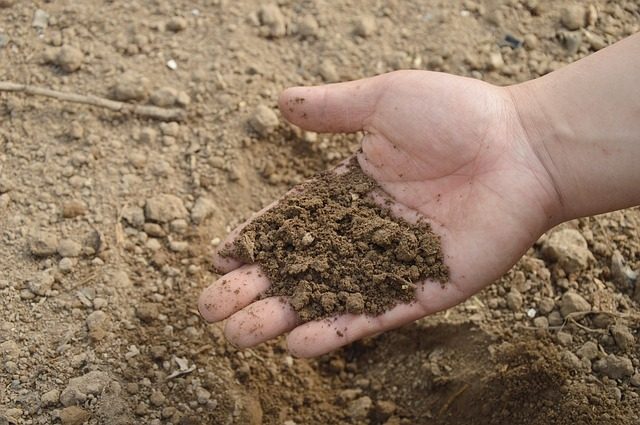 Let me begin by saying that, I do not generally recommend composting because of the equipment, time, space, and effort required, and because few people have the time, knowledge, or inclination to really do it right. In addition, even the best compost is a great unknown, so far as what actual nutrition it provides. And no one can tell you either, because every batch is different!
Rather than composting, I recommend putting grass clippings, clean and disease-free plant parts, etc. into the ground immediately, so that mixed with the soil they can compost naturally and there will be no flies, rodents, smells, etc. To read about my experience in composting, see the Zoo-Doo Man article, which I will discuss later in this article. And to feed your plants exactly what they need without the investment, time, and hassle of composting pay attention to the final 3 paragraphs of the article for what WE do!
If you still want to compost, we will now describe what it takes to compost correctly.
There are two types of composting: aerobic (with oxygen) and anaerobic (without oxygen). Compost includes 4 basic elements including air, water, carbon, and nitrogen.
For Aerobic composting, a carbon-to-nitrogen ratio close to 30 is ideal. Moisture content is generally best between 50 and 60%. The material must not become soggy or compacted, but must be moist. A thermometer measuring 100 to 200 degrees, with a long probe, is essential.
Anaerobic composting is a cold process; it can take as long as two years to produce usable compost, and DOES NOT remove soil pathogens, bugs, and weed seeds. This method is NOT recommended for the family garden for the reasons stated above, plus the fact that it creates an unsightly, smelly mess in your yard that attracts rodents, etc. and often occupies usable space that could otherwise be growing plants.
Regrettably, anaerobic composting is what 99% of family gardeners usually end up with, because of lack of education and/or consistent effort.
Aerobic composting must sustain temperatures of at least 140 degrees Fahrenheit (150 is better) for three weeks, which kills most soil pathogens, bugs, and weed seeds. It requires a constant supply of air throughout the pile in order to provide oxygen to the microbes that digest the raw materials and thus decompose them into usable compost.
Foul odors are from anaerobic activity and indicate a lack of oxygen. Increase turning frequency and/or fibrous content of the mix to reduce the moisture content and increase oxygen.
The pile should be thoroughly turned daily, and if all other elements are present in the right proportions good compost can be created in as little as one month.
Water, as mentioned above, is also necessary, but not too much at one time. The pile should be moist – like a wrung-out sponge – but not wet.
Carbon is used as the energy source, and most of the pile should consist of material high in carbon. Common high-carbon ingredients include dry leaves, straw, and corn stalks. High-carbon ingredients will contain more than 30 times as much carbon as nitrogen – sometimes MUCH more – and are often called “browns”.
Nitrogen is needed for the proteins that build the microbes bodies. Ingredients with the most nitrogen are usually green, moist plant matter such as leaves, or an animal by-product like manure. Nitrogen-rich materials – often called “greens” – usually will contain carbon and nitrogen in a ratio close to 20:1.
NEVER use manure from carnivores, and even cow manure sometimes contains e-coli, which can cause sickness and even death. Therefore, any manure should be used with caution.
For efficient decomposition you need a carbon/nitrogen (C/N) ratio of no more than 30:1. If you have too much nitrogen your pile will smell because the excess nitrogen converts into an ammonia gas. If there’s too little nitrogen you will not sustain the necessary heat, plus the pile will break down very slowly.
Green, fresh materials have a much higher nitrogen content than dry materials. Fresh grass clippings are ideal for composting, having a carbon to nitrogen (C/N) ratio of 19:1. Food scraps vary, but can be as low as 15:1. So, mixing grass clippings and old leaves, in the ratio of one part clippings and two parts old leaves, will generally give you a good C/N ratio.
Experiment with the materials that are available to you, and remember that success can be fleeting – with constant adjustments being necessary to maintain the ideal conditions. If temperatures are below the target range and the mix is loose and friable, add high-nitrogen materials and/or water until the temperature rises. Remember, too dry is as bad as too wet.
Some additional common materials with their carbon/nitrogen ratios, which I have copied from an article in the Urban Garden Center source are:
Leaves – 35:1 – – 85:1, Peat moss – 58:1, Corn stalks – 60:1, Straw – 80:1, Pine needles 60:1 – – 110:1, Farm manure – 90:1, Sawdust – 130:1 – – 490:1, Newspaper – 170:1.
Unless it’s contained in a Compost Tumbler or other container in which it can be turned easily while retaining the heat, you should start with a compost pile of at least 1 cubic yard, in order to have sufficient material to retain the necessary 140 degree heat for 3+ weeks.
Do it right, and you can have material that will improve your soil tilth, and even provide some (unknown) amount of nutrition for your plants.
Read how I learned to make “the best compost in the world” by using the materials from the zoo animals at Utah’s Hogle Zoo. I did it for 2 years, and even sold the compost as “Zoo-Doo” quite successfully. I tell about it in the article titled “The Zoo-Doo Man”, which can be found in the FAQ section of the Foundation’s website, or in the Files section of the MittleiderMethodGardening@yahoogroups.com.
On the other hand, consider saving yourself the time and effort of composting altogether, and accurately feed your plants a balanced diet of natural mineral nutrients, as contained in the Mittleider Pre-Plant and Weekly Feed mixes. Learn about them in the Learn section of the website at www.growfood.com. You can mix them yourself from materials purchased at your nursery or farm supply store, or if you live in the Mountain West you can buy them pre-mixed from farm supply stores.
The Pre-Plant Mix is simple. Just combine calcium from either lime or gypsum (lime if you receive more than 20” of annual rainfall) with magnesium and boron (20 mule team borax) in a ratio of 80-4-1. Apply and mix with the soil before planting at the rate of 1 ounce per running foot of 18”-wide soil-bed.
You can also mix your own Weekly Feed Mix quite easily by getting the Micro-Nutrients from the Foundation website www.foodforeveryone.org – look under Materials – and then mixing each small packet of Micro’s with 25# of 16-16-16 (or similar) and 4# of magnesium (Epsom Salt works). The Weekly Feed is applied ½ ounce per running foot of soil-bed and mixing with the soil before planting, and after the plants have emerged apply that same amount each week down the center of the soil-bed – until 3 weeks before plant maturity for single-crop varieties, and until 8 weeks before frost for ever-bearing crops.
By Jim Kennard
Jim Kennard is the President of Food For Everyone Foundation (501)(c)(3) Charitable Foundation. Mission – “Teach the world to grow food one family at a time” with the world-renowned Mittleider Method.
Popular Questions
What are the best practices for composting at home?
To successfully compost at home, focus on maintaining a proper carbon-to-nitrogen ratio, ideally around 30:1. Use a mix of high-carbon materials like dry leaves and straw with nitrogen-rich greens such as fresh grass clippings. Ensure the compost pile is kept moist, similar to a wrung-out sponge, and turn it regularly to provide adequate air circulation. Monitoring temperature is crucial; aim for 140 degrees Fahrenheit to effectively kill pathogens and weed seeds.
How can I avoid common composting mistakes in my home garden?
Many home gardeners struggle with anaerobic composting, which leads to foul odors and pests. To prevent this, ensure your compost pile has enough air by turning it frequently and incorporating fibrous materials. Additionally, avoid overloading your pile with nitrogen-rich ingredients, as this can create an ammonia smell. Regularly check moisture levels to keep the pile from becoming too wet or too dry.
Is it better to compost or to incorporate organic waste directly into the soil?
Incorporating organic waste directly into the soil can be a more efficient method than traditional composting for many gardeners. This approach eliminates the need for composting equipment and reduces the risk of attracting pests. By mixing grass clippings and clean plant parts into the soil, you allow them to decompose naturally, enriching the soil without the hassle of maintaining a compost pile. This method also minimizes odors and mess associated with composting.
What materials should I avoid when composting at home?
Avoid using meat, dairy, and oils in your compost pile, as these can attract pests and create unpleasant odors. Additionally, steer clear of diseased plants and weeds that may introduce pathogens into your compost. Be cautious with manure; only use herbivore manure and ensure it is well-composted to reduce health risks. Lastly, avoid using glossy or colored paper, as these may contain harmful chemicals.
by PREPARE Magazine Editorial Team | Apr 5, 2025 | Blog, emergency preparedness, Food Storage, preparing for disaster
The world can be unpredictable. Natural disasters, financial crises, health emergencies – these are all realities we might face. But how prepared are we to handle such situations? This is where the concept of a ‘preparedness mindset’ comes into play.
Having a preparedness mindset means being ready for the unexpected. It’s about being proactive rather than reactive, planning ahead, and having the mental fortitude to face any challenge head-on.
We’ll delve into the intricacies of this mindset, exploring its importance and how it can be cultivated. From personal preparedness to community readiness, we will uncover the various facets of this essential life skill.
So, whether you’re a survivalist, a planner, or simply someone looking to enhance your resilience, you are in the right place. Let’s embark on this journey of preparedness together, and uncover the power of a mindset ready for anything.
What Is A Preparedness Mindset?
A preparedness mindset is a state of mental readiness, a proactive approach that emphasizes the importance of being equipped for potential challenges or emergencies. This mindset can be applied in various aspects of life, including personal safety, financial stability, and even in managing business risks.
Key elements of a preparedness mindset include:
1. Anticipation: This involves identifying potential risks and threats in advance. It’s about foreseeing possible scenarios and planning accordingly.
2. Planning: A person with a preparedness mindset doesn’t just anticipate risks; they devise strategies and contingency plans to cope with them. This could involve creating an emergency fund, establishing an evacuation plan, or developing a business continuity strategy.
3. Training: Preparedness is not just about theoretical knowledge; it’s about practical skills. Whether it’s first aid training, financial literacy, or crisis management skills, a preparedness mindset encourages continuous learning and skill development.
4. Resource Management: Effective resource management is a crucial part of preparedness. This involves knowing how to allocate and utilize resources wisely, ensuring they’re available when needed.
5. Resilience: A preparedness mindset fosters resilience, the ability to bounce back from adversity. It’s about developing mental toughness and an optimistic outlook, even in the face of challenges.
A preparedness mindset is not about living in fear or constant worry. Instead, it’s about empowering oneself through knowledge, planning, and action. It’s about taking control of one’s life and future, rather than leaving things to chance. Embracing a preparedness mindset can lead to a more secure, confident, and resilient life.
How To Develop A Preparedness Mindset?
 Developing a preparedness mindset is about cultivating an attitude of readiness for any situation. This mindset is rooted in the understanding that unexpected events can occur at any time, and it is essential to be prepared.
Firstly, practicing situational awareness is a key step. This involves constantly observing your surroundings and identifying potential risks or hazards. By doing so, you can anticipate possible outcomes and plan accordingly.
Secondly, acquiring knowledge and skills relevant to survival and emergency situations is crucial. This could range from learning first aid procedures to understanding how to find food and water in the wilderness.
Thirdly, it’s essential to maintain a positive mental attitude. Challenges are inevitable, but with a positive mindset, you can overcome obstacles and adapt to changing circumstances.
Lastly, regular practice is crucial. This involves putting your knowledge and skills to the test in real-life scenarios to ensure you are ready to handle any situation.
- Practice situational awareness
- Acquire knowledge and skills
- Maintain a positive mental attitude
- Regular practice
Through these steps, you can effectively cultivate a preparedness mindset, equipping yourself to face any unexpected event with confidence and resilience.
Why Is Preparedness Mindset Important?
A preparedness mindset is an invaluable asset in navigating life’s unpredictable challenges. This mindset, often associated with emergency response or survival situations, is equally applicable in everyday scenarios. It allows individuals to anticipate potential obstacles and strategize solutions in advance, thereby reducing stress and enhancing decision-making capabilities.
Having a preparedness mindset cultivates resilience, a quality that enables individuals to bounce back from setbacks and adapt to change. This resilience is not just about surviving, but thriving amidst adversity. It promotes a proactive approach, encouraging individuals to take control of their circumstances rather than being passive victims of fate.
Furthermore, a preparedness mindset fosters personal growth. It pushes individuals to step out of their comfort zones, learn new skills, and adapt to new situations. This continuous learning and adaptability is crucial in today’s rapidly changing world.
In terms of professional settings, a preparedness mindset can significantly enhance productivity and efficiency. It can help in identifying potential risks and devising contingency plans, thereby minimizing downtime and maximizing output.
In essence, a preparedness mindset is not just about preparing for disasters, but about equipping oneself with the skills and mindset to handle any situation, big or small, with confidence and composure.
What Are The Elements Of A Preparedness Mindset?
A preparedness mindset is not just about having a plan; it’s about building resilience and being able to adapt to changing circumstances. It involves developing a proactive attitude and a willingness to take responsibility for one’s own safety and wellbeing.
The first element of a preparedness mindset is awareness. This involves understanding the risks you face in your daily life and being conscious of your environment.
The second element is knowledge. Gathering information about potential threats and learning how to mitigate them is crucial. This could involve formal training, self-education, or simply staying informed about current events.
The third element is planning. Having a plan in place for various scenarios can give you a sense of control and reduce anxiety during a crisis.
To wrap up, a preparedness mindset involves practice. Regularly rehearsing your plans and updating them as necessary ensures that you are ready to act when the time comes.
Remember, a preparedness mindset is not about living in fear, but rather about empowering oneself through awareness, knowledge, planning, and practice. It’s about being ready for whatever life throws your way.
Can A Preparedness Mindset Reduce Stress?
Having a preparedness mindset can significantly reduce stress levels. When you’re prepared, you have a plan in place to handle unexpected situations, which reduces the fear of the unknown and the stress associated with it. This mindset is not just about having a physical readiness but also about mental and emotional readiness.
A preparedness mindset encourages proactive behavior. Proactivity minimizes the panic and anxiety that often accompany unexpected situations. Instead of reacting to problems, you’re anticipating them and preparing solutions in advance, which can significantly lower stress levels.
A key aspect of a preparedness mindset is resilience. Resilience is the ability to bounce back from adversity. It’s about having the mental strength to face challenges head-on and the flexibility to adapt to changing circumstances. Resilience can serve as a buffer against stress, providing a sense of control in unpredictable situations.
• Preparedness also promotes a sense of self-efficacy, the belief in one’s ability to handle situations effectively. Self-efficacy can reduce stress by fostering confidence in your abilities and reducing feelings of helplessness.
To wrap up, a preparedness mindset fosters a positive attitude. A positive outlook can help manage stress by promoting optimism and reducing negative thinking. It encourages you to view challenges as opportunities for growth rather than threats, reducing the stress associated with facing difficulties.
In essence, a preparedness mindset provides you with the tools to manage stress effectively. It promotes proactive behavior, resilience, self-efficacy, and a positive attitude, all of which can significantly reduce stress levels.
How To Maintain A Preparedness Mindset?
Maintaining a preparedness mindset is essential in navigating through life’s unexpected challenges. It involves being ready to face any situation, including disasters, economic downturns, or personal crises. This mindset equips you with the resilience to withstand and recover from setbacks, thereby enhancing your survival skills and overall wellbeing.
To foster a preparedness mindset, you must first understand the risks associated with your environment. This includes familiarizing yourself with potential hazards and developing an action plan to address them. Regularly updating your knowledge and skills is also crucial to stay ahead of unforeseen circumstances.
Secondly, embracing a proactive lifestyle is vital. This goes beyond merely reacting to situations but involves anticipating possible scenarios and devising strategies to mitigate their impacts. It also includes maintaining a healthy lifestyle, as physical wellbeing contributes significantly to mental readiness.
Next, cultivating a positive outlook is key to maintaining a preparedness mindset. This involves believing in your ability to overcome challenges and viewing setbacks as opportunities for growth. It also entails practicing gratitude and focusing on the positive aspects of life.
Lastly, it’s important to practice stress management techniques, such as meditation and yoga, to maintain mental clarity and focus. These practices not only enhance your mental strength but also improve your decision-making skills, which are crucial in crisis situations.
In essence, maintaining a preparedness mindset requires continuous learning, proactive living, positive thinking, and effective stress management. By adopting these strategies, you can navigate life’s uncertainties with confidence and resilience.
What Are The Benefits Of Having A Preparedness Mindset?
A preparedness mindset is an invaluable asset in navigating the unpredictability of life. It equips an individual with the ability to anticipate potential challenges and develop proactive strategies to mitigate them. This mindset fosters resilience, empowering individuals to bounce back from adversities with relative ease.
A key benefit of the preparedness mindset is stress reduction. By planning ahead and considering possible outcomes, one can effectively manage anxiety and worry associated with uncertainty. This mental state also promotes better decision-making, as individuals can assess situations objectively and make informed choices.
Another advantage is the enhancement of self-confidence. When you are prepared, you are confident in your ability to handle whatever comes your way. This boosted self-esteem can translate into improved performance in various life areas, from work to personal relationships.
In terms of personal growth, a preparedness mindset encourages continuous learning and skill development. By preparing for different scenarios, individuals can acquire new skills and knowledge, fostering personal and professional growth.
Furthermore, a preparedness mindset can foster a sense of control. Even in chaotic situations, being prepared can help maintain a sense of order and stability, providing a psychological buffer against stress and anxiety.
Lastly, a preparedness mindset can lead to improved health. By being prepared for health-related emergencies, one can make swift decisions that could potentially save lives.
In essence, cultivating a preparedness mindset can significantly enhance an individual’s resilience, confidence, and overall quality of life.
Does Preparedness Mindset Apply To Everyday Life?
A preparedness mindset isn’t just for emergency situations or survival scenarios. It’s a way of life that can be applied to everyday situations. This mindset involves anticipating potential outcomes and planning accordingly, which can be beneficial in many aspects of daily life.
For example, a preparedness mindset can help in managing finances. By anticipating potential financial hurdles, one can plan and save for the future. This can lead to financial stability and peace of mind.
In the workplace, a preparedness mindset can be the difference between success and failure. Being prepared can mean researching a client before a meeting, or studying for a presentation, which can lead to improved performance and job satisfaction.
• In relationships, having a preparedness mindset can mean anticipating the needs and wants of your partner, leading to a more fulfilling and harmonious partnership.
In health, a preparedness mindset can mean regular check-ups and healthy lifestyle choices, leading to improved longevity and quality of life.
In essence, a preparedness mindset is not just about being ready for disasters, but being ready for life. It’s about anticipating challenges, planning for the future, and taking control of your destiny. This mindset can be applied to all aspects of everyday life, from finances to health, to relationships and work. A preparedness mindset can lead to a more fulfilling, successful, and stress-free life.
Wrapping Up: The Power of a Preparedness Mindset
Ultimately, a preparedness mindset is a crucial life skill that can be cultivated and maintained. It is not only about being ready for emergencies but also about dealing with everyday challenges. Developing such a mindset involves understanding its importance, knowing its elements, and consistently practicing it. The benefits of a preparedness mindset are numerous, including stress reduction and improved overall well-being.
It is important to remember that maintaining a preparedness mindset is a continuous process. It requires constant learning and adapting, especially in the face of new developments and trends that can impact our lives. This mindset can indeed be applied to everyday life and can significantly enhance one’s ability to navigate through various situations with confidence and ease.
To truly harness the power of a preparedness mindset, it is recommended to practice mindfulness, engage in regular self-reflection, and embrace a proactive approach to life. By doing so, you can better anticipate and respond to potential challenges, thus leading a more balanced and fulfilling life. The journey towards a preparedness mindset is a rewarding one, and the benefits are well worth the effort.