by PREPARE Magazine Editorial Team | Apr 5, 2025 | Blog
The July issue of PREPARE Magazine has been released. If you are a subscriber, please check your email for the viewing link.
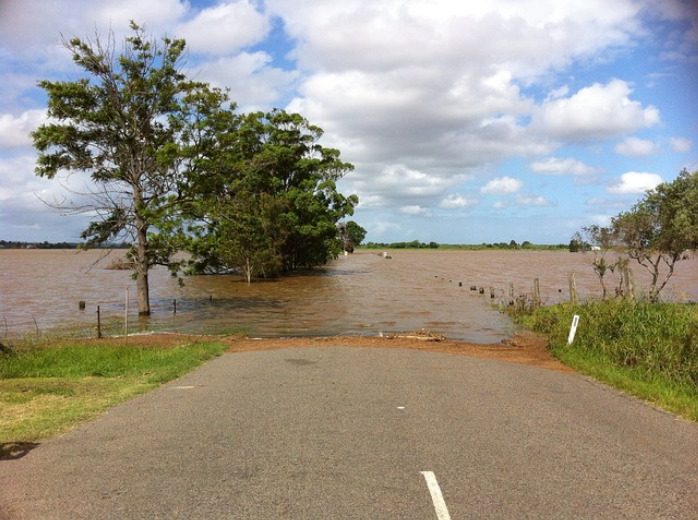
The July issue is focused on Water. Obviously, it is vital that we carefully plan for our water needs. This issue offers great information on ways to capture water, locate hidden springs on your property, and how to dig your own well.
Water is essential for survival, and likely will become an increasingly important concern during times of difficulty. Take the time to learn all that you can about storage, locating, and purifying your water supply.
by PREPARE Magazine Editorial Team | Apr 5, 2025 | Blog
If you’re a print edition subscriber, the latest print issue of PREPARE Magazine will be in your mail box soon! Hot off the presses the much awaited third print issue is ready to mail. Take a little sneak peek inside:

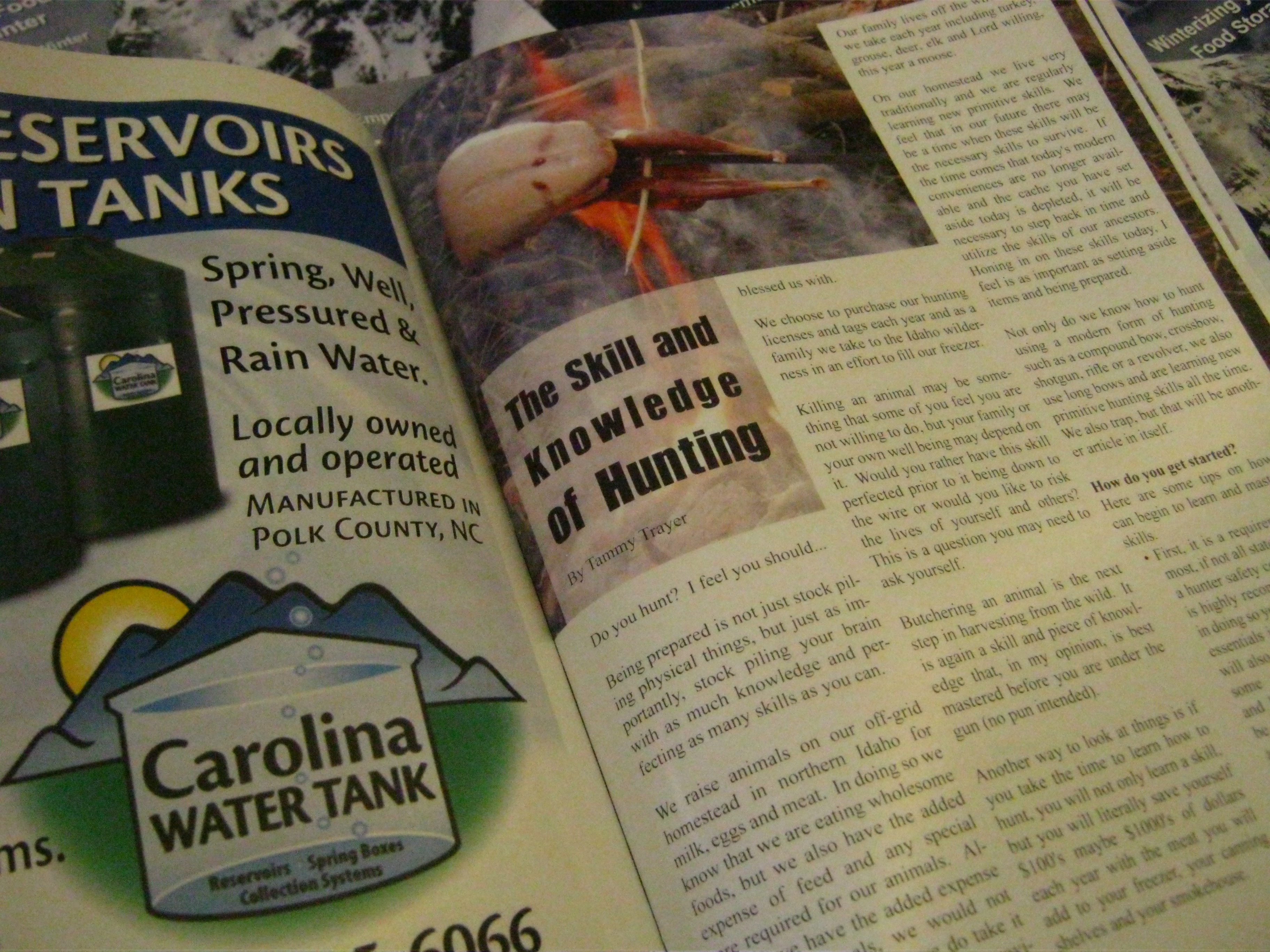
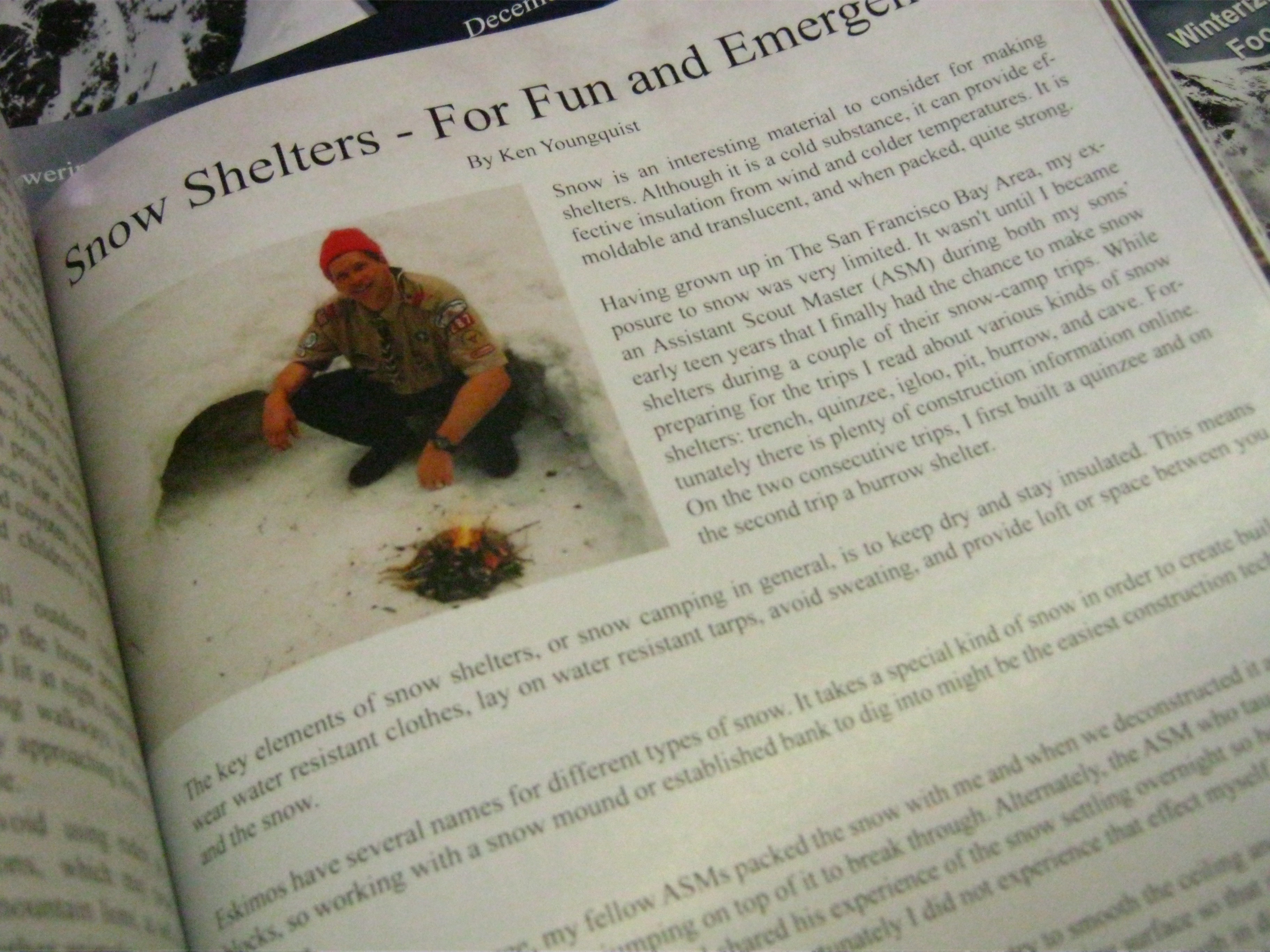


Great topics are included in this issue such as:
- Growing food in the winter.
- Make a Muli-Seasonal Car Kit
- Situational Depression
- Solar Collector Can Cut Your Electric Bill
- Book Review: Survival Mom
- Cold outside. No power? No problem!
- Many more….
If you’ve not yet subscribed to the print issues – take a look at this blog post to see what the difference is between these and our monthly issues: Ten (10) Good Reasons You Want PREPARE Magazine in Print
Popular Questions
What can I expect in the latest print issue of PREPARE Magazine?
The latest print issue of PREPARE Magazine includes a variety of engaging topics designed to help you prepare for different situations. You'll find articles on growing food in the winter, creating a multi-seasonal car kit, and managing situational depression. Additionally, there's a book review on Survival Mom and practical advice for dealing with power outages. This issue is packed with valuable information to enhance your preparedness skills.
How does the print edition of PREPARE Magazine differ from the monthly issues?
The print edition of PREPARE Magazine offers in-depth articles and features that are not typically found in the monthly digital issues. Subscribers to the print version receive exclusive content, including detailed guides and expert insights. This allows readers to dive deeper into topics that matter most to them, enhancing their overall preparedness. If you're considering a subscription, this latest issue showcases the unique value of the print format.
Are there any special features in the upcoming print issue of PREPARE Magazine?
Yes, the upcoming print issue of PREPARE Magazine includes special features that focus on practical preparedness strategies. For instance, you'll learn about solar collectors that can help reduce your electric bill, which is especially useful during power outages. The issue also highlights seasonal tips for food growing and survival techniques, making it a comprehensive resource for readers. These features are designed to equip you with actionable knowledge for various scenarios.
How can I subscribe to the print edition of PREPARE Magazine?
Subscribing to the print edition of PREPARE Magazine is easy and can be done through the magazine's website. You'll find options for different subscription lengths, allowing you to choose what works best for you. Once subscribed, you can look forward to receiving the latest issues directly in your mailbox, including the highly anticipated upcoming edition. Don't miss out on the valuable content that comes with being a print subscriber!
by PREPARE Magazine Editorial Team | Apr 5, 2025 | Blog
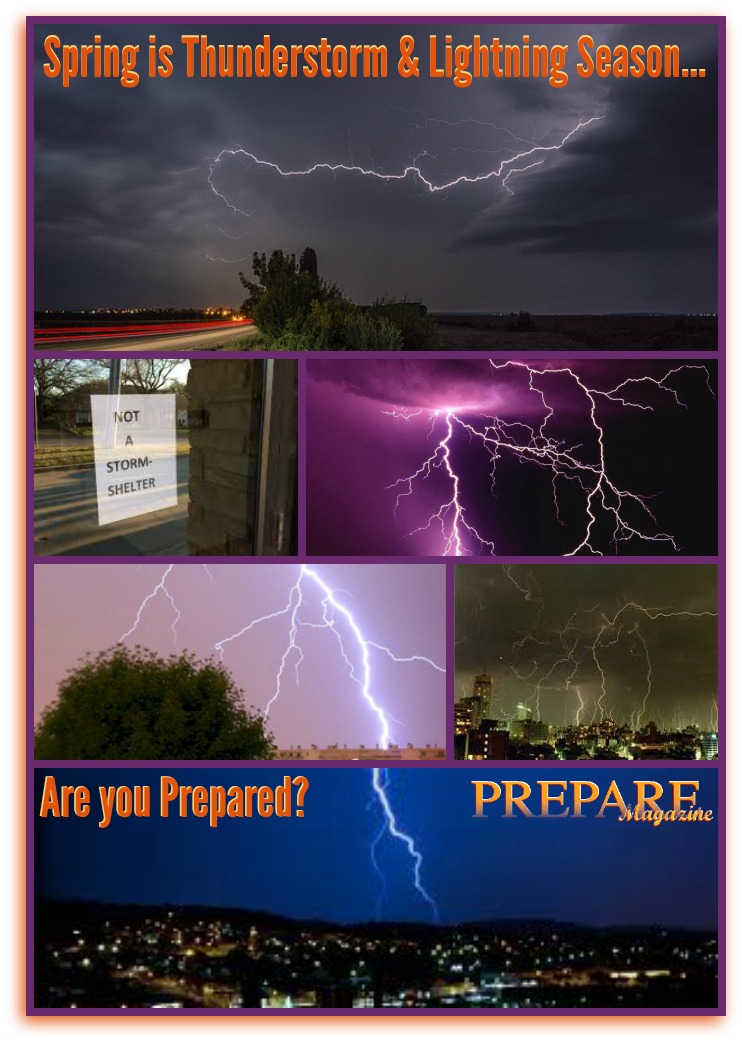
 Severe Spring Weather Awareness Week Continues as we look at Thunderstorms and Lightning.
Every thunderstorm produces lightning. All electrical storms are dangerous. While lightning casualties have actually reduced over the past 30 years, lightning continuous to be one of the leading three storm-related killers in the USA. Typically in United State, lightning kills about 67 men, women or children and harms hundreds more. Although most who suffer a strike of lightning may make it through alive, folks struck by lightning will frequently report a range of lasting, incapacitating symptoms.
Various other dangers connected with thunderstorms include tornadoes, sturdy winds, hailstorm as well as flash flooding. Flash flooding takes account for more fatalities — greater than 140 yearly– than any other thunderstorm-associated risk. Little known phenomenons called: “Dry Thunderstorms” are storms that do not produce rain that reaches the ground are most widespread in the western USA. Falling raindrops evaporate, but during these dry thunderstorms, lightning can still strike the ground and also could begin wildfires.
Thunderstorms Facts:
- Warm and moist conditions are precursors for developing potentially strong thunderstorms.
- They usually generate massive amounts of rain for a quick duration, anywhere from 30 minutes to an hour.
- Several of the most serious threats occur when a single storm affects one location for a prolonged time.
- They may take place singly, in clusters or in lines.
- About 10 percent of all thunderstorms are categorized as severe, meaning one that generates hailstorms which contain hail that is at least an inch or bigger in diameter and has winds of approximately 58 mph or greater; conditions which also create a tornado.
Lightning Facts:
- Lightning’s unpredictability increases the threat to people and property.
- Your chances of being struck by lightning are approximated to be 1 in 600,000 but can be reduced even further by knowing and practicing preventative measures.
- Most deaths and/or injuries happen when people are caught outdoors in the summer months. This can be during the day or night.
- Lightning typically strikes before and after rain and might occur as far away as 10 miles far from any type of rainfall.
- “Heat lightning” is in fact lightning from a thunderstorm that may simply be too far away to be heard. Nevertheless, it might be moving in your direction.
- Despite the common myth, lightning can strike the same place twice.
- Lightning strike victims DO NOT have an electric charge and ought to be attended to quickly.
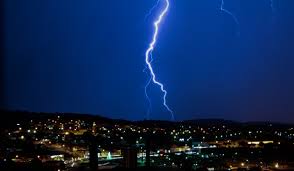
Lightning is a stunning, impressive, sensational dance of brilliance across the sky, however it can be fatal. Thankfully, most lightning-related fatalities are avoidable. Follow these action steps to safety before there’s a dazzling light show overhead:
1. Know the 30/30 lightning protection policy: When you see a lightning flash, begin to count. If you don’t make it to 30 prior to another roll of thunder, seek shelter quickly. Then, remain indoors for HALF AN HOUR after the last boom of thunder has been heard.
2. Locate shelter right away!
While the majority of people look for shelter if lightning seems close, people often wait far too long to seek cover. If you are able to identify lightning at all, it could be close enough to strike you. Do not wait for it to strike closer to you to get to safety.
- If you discover yourself caught outdoors in a lightning storm, the trick to reducing risk is to go inside an enclosed structure.
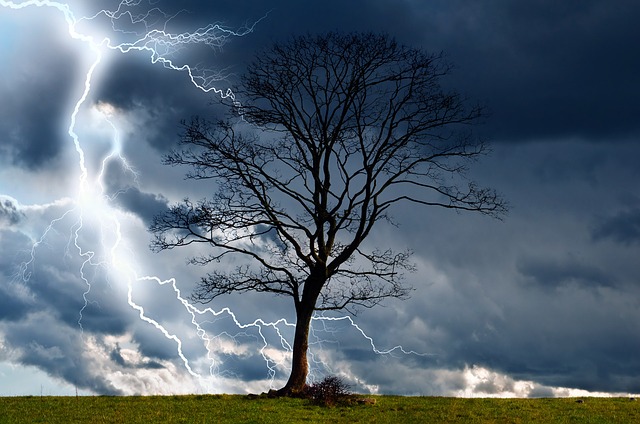
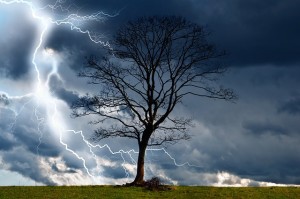
- Never ever stand under a tree, and be sure to stay clear of power lines as they’re both outstanding conductors of electrical power and thus may increase the chances of death or significant injury.
- Locate shelter near or inside a stony shelter, such as a cinder block building, cavern or cave.
3. While inside the shelter…
- DO NOT use corded or electric cordless phones.
- AVOID using electrical devices. Electric cords could be conduits for lightning to enter your shelter.
- DO NOT use your cell phone throughout an electrical storm.
- DO NOT wash your hands, shower, take a bath, clean dishes or do laundry. Water pipes can conduct lightning.
- High winds and hail could break glass, so far away from windows, skylights and glass doors.
- Close drapes or blinds in order to protect against hail or wind-shattered glass from blowing inside.
4. No Shelter to be found? Now What!?
- Get inside a hardtop automobile; however, do not lean against or touch any metal parts of it. Leave bicycles and motorbikes for more permanent shelter.
- In the wide open area, squat down, put your hands on your knees or covering your ears and place your head in between your knees. This will make you a smaller sized target for a lightening strike.
- Do NOT lie flat on the ground, as this gives the lightning a larger target.
- If you are hiking with a metal frame backpack, remove it as soon as you suspect lightening in the area. Be sure to leave it a minimum of 100 feet (30.5 m) from wherever you are taking shelter.
- If you’re in the water, get out quickly and stay clear of any metal objects. Water and metal will conduct an electric current.
- If you’re with a group of people, spread out to be no closer than 50 feet away from each other.
In event of a Lightning Strike.
If you or a person you know is struck by lightning, call 9-1-1 for help right away.
Examine him/her and attempt to provide aid by:
- Checking Breathing – if breathing is stopped, start mouth-to-mouth resuscitation.
- Checking Heartbeat – if the heart has stopped, begin CPR.
- Checking Pulse – if the he/she has and is breathing, search for any other potential injuries.
- Look for burns where the lightning entered into, as well as, left the body.
- Likewise be alert or nervous system damage, bone fractures and/or loss of hearing or vision.
After the Severe Thunderstorm passes keep these tips in mind:
- DO NOT assume that because the rain stopped or skies cleared, that lightning cannot strike.
- DO NOT drive through a flooded street. “Turn around, don’t drown!”
- Steer clear of from storm-damaged locations thus avoiding putting yourself and others in your care at risk.
- KEEP AWAY from downed power lines and be sure to report them right away.
- Keep listening to a NOAA Weather Report Radio or to regional radio or TV for updated details and instructions, since accessibility to roadways or some other neighborhood components may be blocked.
- Assist others who might need special care, such as babies, small children, parents of small children and the elderly or those with disabilities or special needs.
Spread the word. Share this post. Help keep your loved ones and others safe!
Popular Questions
What is the fastest way to improve Severe Spring Weather: Thunderstorms & Lightning without making beginner mistakes?
The fastest way to improve Severe Spring Weather: Thunderstorms & Lightning is to simplify the process and control one variable at a time. Start with the most important baseline: define the goal, identify the main failure point, and test one change before making another. Keep short notes so you can connect the outcome to the adjustment you made. This prevents guesswork and helps you build a repeatable method instead of chasing random fixes.
What should you check first when Severe Spring Weather: Thunderstorms & Lightning is not working well?
Check the most immediate bottlenecks first: setup errors, missing inputs, bad timing, or inconsistent follow-through. Before buying anything new or changing the whole system, confirm that the basics are being done correctly and consistently. A small diagnostic checklist usually reveals the real problem faster than broad trial and error. Once the weak point is clear, make one correction and watch the result before adjusting anything else.
What common mistakes make Severe Spring Weather: Thunderstorms & Lightning harder than it needs to be?
The most common mistakes are changing too many variables at once, skipping the basics, and judging results too quickly. Many people also copy generic advice without adapting it to their exact situation, which leads to weak results and confusion. A better approach is to work from a simple baseline, make measured changes, and give each change enough time to show whether it helped. That makes progress easier to track and repeat.
by PREPARE Magazine Editorial Team | Apr 5, 2025 | Blog
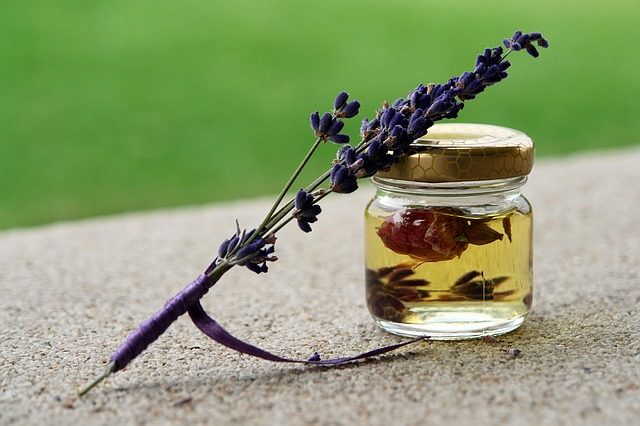 Many people who are in preparedness look for alternative health remedies and solutions. Often, people consider herbs, supplements, and essential oils for their health care. A great skill you might want to consider is How to Make Your Own Essential Oils for Preparedness.
Essential oils are homeopathic ways to help mental issues, fatigue, stress, or even physical conditions. Essential oils are extracts from certain plants or fruits that are distilled and placed in a container. Packaged essential oils are highly potent and very concentrated. Below are basic instructions on how to extract, distill, and cultivate your own essential oils.
Buy a Distiller
The first important item you will need to make your own essential oils is to purchase a distiller. Distillers cost a few hundred dollars, so make sure the one you choose is durable and will do the job well. Distillers have several components to consider. The heater is important to properly steam and heat the plants so that you can extract the oils. The holding tank will decide how much water you will be able to use. Smaller holding tanks will mean less steam. The condenser collects the steamed mixture. The condenser collects the steam and holds it for cooling. To wrap up, the separator is used to separate the water from the oil.
Decide what plant you would like to use. You can also buy the harvested plants or you can choose to grow them yourself. Some expensive essential oils are only available from other countries such as France. Africa is also a host of several essential oil plants. Make sure to research which essential oil is most useful for the illness that you need to alleviate.
When you receive the plant, you need to dry the plant for the distiller. Drying the plant will dry some of the oil, but it will yield a higher extract product. Drying is a slow process and it should never be done via sunlight. Sunlight can damage the oils and render the plant useless. The distill process should be done immediately after drying is complete.
Add the water to your distiller, and pack the plant material in the container. You don’t need to cut or break the plants since the distiller will extract from whole plant material. You can pack the plant matter thickly to make sure you receive enough extract.
Boil the water so that steam starts to form. Keep an eye on the distiller to make sure it does not overflow. It is also important to make sure that the water does not run out. The heat without the water can break your distiller.
You can optionally filter the solutions. By pouring the solution through a cloth fabric, you can catch some of the small imperfections and contaminates that can cause allergies. It will also remove dirt from the solution making it more pure.
Store the oil in a container. The container for essential oils should be dark glass or stainless steel. Never use clear glass or your product can spoil more quickly. The essential oils should be kept in a cool, dark place away from contaminates. Most essential oils have an approximate shelf life of 2 years.
The remaining part of the distillation process that is not the oil is the hydrosol. It contains some of the oil and fragrance material that also has therapeutic effects. You can use the water for other uses such as bath water or a light scent. For others, they prefer not to keep the hydrosol and it is thrown away.
There are even MORE great resources for Preparedness available to PREPARE Premium Members.
* Disclosure: Link to the distiller is an Amazon Associate Link.
Popular Questions
What are the steps to make essential oils at home for preparedness?
To make essential oils at home, start by purchasing a distiller, which is essential for extracting the oils from plants. Choose the plant you want to use, ensuring it is dried properly before distillation. Once the plant is ready, add water to the distiller, pack the plant material, and heat it to produce steam. After the distillation process, store the extracted oil in a dark glass container to maintain its potency.
How can I choose the right plants for making essential oils for my preparedness kit?
Selecting the right plants is crucial for effective essential oil production. Research which plants are known for their therapeutic benefits related to the health issues you want to address. You can either grow these plants yourself or purchase them from reliable sources. Ensure that the plants are suitable for distillation and have a good yield of essential oil.
What type of distiller should I buy for making essential oils at home?
When choosing a distiller for making essential oils, look for one that is durable and has a good heating element to properly steam the plants. Consider the size of the holding tank, as a larger tank allows for more water and steam, which can enhance the extraction process. Ensure the distiller includes a condenser and separator to effectively collect and separate the oil from the water. Investing in a quality distiller will yield better results in your essential oil production.
How should I store my homemade essential oils for long-term use?
To ensure the longevity of your homemade essential oils, store them in dark glass or stainless steel containers, as clear glass can lead to quicker spoilage. Keep the oils in a cool, dark place away from direct sunlight and contaminants. Most essential oils have a shelf life of about two years, so label your containers with the date of extraction. Proper storage will help maintain the potency and effectiveness of your essential oils.
by PREPARE Magazine Editorial Team | Apr 5, 2025 | Blog, Preparedness planning

When you start gathering different essential oils to use for natural health and other purposes, lemon essential oil should be one of the first ones you get. Instead of coming from the plant itself, lemon essential oil is unique in that it is pressed from the peels of the lemon. Here are a few of the many different ways you can use this particular type of essential oil:
Use it For a Disinfectant

Are you tired of using chemical cleaners and those containing alcohol? If you just want to disinfect areas of your home, like kitchen counter tops or doorknobs, you can do so by making a natural spray with lemon essential oil. Not only does the lemon disinfect areas naturally, but the scent makes it smell much better in your home every time you use it. Fill a spray water with water and add about 20 drops of lemon oil. You can also add some tea tree oil, which provides even more disinfectant power. Spray the areas where you need disinfecting and wipe away.
Improve Your Oral Health

Lemon is also very good for your teeth and gums. While lemon juice directly on your teeth can be too harsh and strip the enamel, there are ways to use the lemon essential oil. For one thing, you can add a few drops to a small cup of water and gargle with it after you have brushed your teeth or between meals. This is going to give you fresh breath and help with halitosis. Another option is to whiten your teeth by mixing baking soda with lemon oil and brushing your teeth with it after your regular tooth brushing routine.
It Improves Your Mood and Gives You Energy
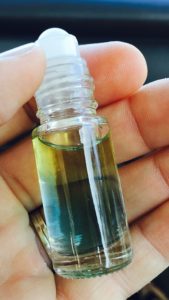
If you aren’t a morning person, but have obligations forcing you to get up early every day, lemon essential oil can be your new best friend. It will improve your mood and make you feel refreshed, which gives you a nice boost of energy in the morning. Try using a diffuser with some essential oil in an area of your home where you spend the most time in the morning, whether it is your kitchen while preparing breakfast for the kids, or your baCategoriesthroom when you are getting ready.
These are just some really simple ways to use lemon essential oil that helps get you ready for the day, improve your oral hygiene, and give yourself a clean house without all the harsh dangerous chemicals.
As you can see, lemon essential oil is a great one to add to your collection. In fact, it’s one of the best ones to start with because these three ideas are only the beginning!


Popular Questions
What are some effective ways to use lemon essential oil for cleaning?
Lemon essential oil can be a powerful natural disinfectant for your home. To create a cleaning spray, mix about 20 drops of lemon oil with water in a spray bottle. This solution can effectively clean surfaces like kitchen countertops and doorknobs, leaving a fresh scent behind. For added disinfectant properties, consider combining it with tea tree oil.
How can lemon essential oil improve oral health?
Using lemon essential oil can enhance your oral hygiene routine. You can add a few drops to a cup of water and use it as a mouthwash after brushing your teeth to help combat bad breath. Additionally, mixing lemon oil with baking soda creates a natural teeth-whitening paste that can be used after your regular brushing. Just be cautious with the concentration to protect your enamel.
Can lemon essential oil help boost my mood in the morning?
Yes, lemon essential oil is known for its uplifting properties that can enhance your mood. Using a diffuser with lemon oil in the morning can create a refreshing atmosphere in your home, helping you feel more energized. Whether it's in the kitchen while preparing breakfast or in the bathroom during your morning routine, the scent can provide a pleasant start to your day.
What are the benefits of using lemon essential oil in a diffuser?
Using lemon essential oil in a diffuser can significantly improve the ambiance of your space. The invigorating scent not only uplifts your mood but also helps to create a clean and refreshing environment. This can be particularly beneficial in the morning, as it prepares you for the day ahead. Additionally, the aroma can help mask unpleasant odors in your home.
by PREPARE Magazine Editorial Team | Apr 5, 2025 | Blog
So you want to know WHAT is going on WHERE?
One feature that we at PREPARE Magazine want to see become a very helpful tool for your Preparedness Journey is the Community Connections Section. We can find great activities and lessons for some areas – but we know that YOU are more likely to know what may be going on in your area than we are!
So we want to share with you just how easy it is to help each other.
Is there a not-for-profit group in your area that has classes or lessons or gatherings to help others prepare? Perhaps you heard from a friend across the Nation about some of their activities?
We want to help those non-profit servants get the word out so send upcoming events by clicking HERE.
On that page of our website, there is more information about the timelines to get an event in an upcoming issue, what type of events and who is able to use this free announcement. Then be sure to see what is going on in YOUR area in each issue of PREPARE magazine!
Together – we can build Stronger and a more Sustainable Community!