Understanding the Importance of Waste Management in Emergencies
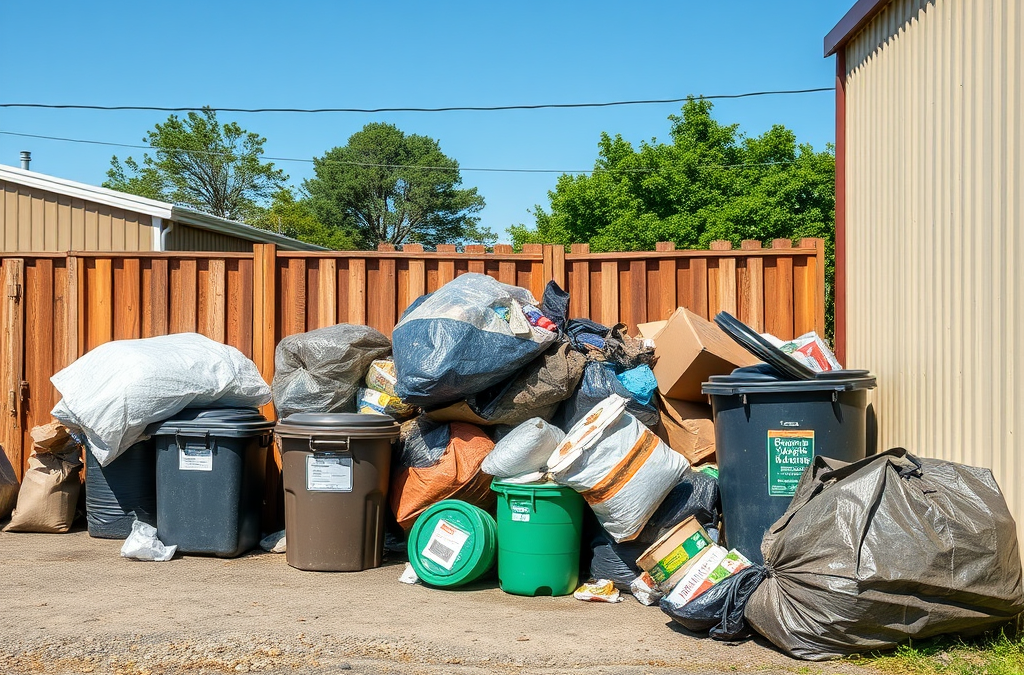
Effectively managing waste during extended emergencies is critical for maintaining public health and environmental safety. Without proper waste disposal, communities can face sanitation issues that lead to disease outbreaks. During disasters, waste can accumulate quickly due to disrupted services, making it essential to have a clear plan in place. The risks of neglecting waste management include contamination of water sources, pest infestations, and increased stress on emergency response systems.
Additionally, understanding waste composition is vital. Different types of waste, such as organic, recyclable, and hazardous materials, require tailored disposal methods to minimize environmental impact. For instance, organic waste can be composted to enrich soil, while recyclables should be sorted to reduce landfill use. Thus, a comprehensive waste management strategy not only protects health but also promotes sustainability during crises.
Setting Up Waste Management Systems
Establishing an effective waste management system begins with identifying waste generation sources and planning accordingly. Communities should conduct waste assessments to gauge the volume and types of waste expected during emergencies. This data can inform the creation of designated collection points and the deployment of waste containers.
For practical implementation, consider the following steps:
Designate Collection Areas: Set up easily accessible collection points for different waste types to facilitate sorting and disposal.
Provide Biodegradable Bags: Use biodegradable waste bags for organic waste to encourage composting and reduce harmful landfill contributions.
Implement Recycling Programs: Establish partnerships with local recycling facilities to ensure recyclable materials are processed appropriately.
Training volunteers or community members on proper waste management practices is also essential. This education can empower individuals to take responsibility for waste separation and disposal, ultimately fostering a culture of sustainability even in challenging circumstances.
Best Practices for Different Types of Waste
Effective waste management requires tailored approaches for various waste types. Here are best practices for handling common waste categories during emergencies:
Organic Waste
Organic waste, including food scraps and yard waste, can be composted to reduce landfill burden and create useful compost for gardens. Set up composting bins at collection points, and educate the community about compostable materials. Ensure that composting practices adhere to local guidelines to prevent odors and pest issues.
Recyclables
Recyclable materials, such as paper, plastics, and metals, should be collected separately. Implement a clear labeling system at collection points to guide proper sorting. Engage local recycling facilities to manage these materials effectively, and schedule regular pickups to prevent overflow.
Hazardous Waste
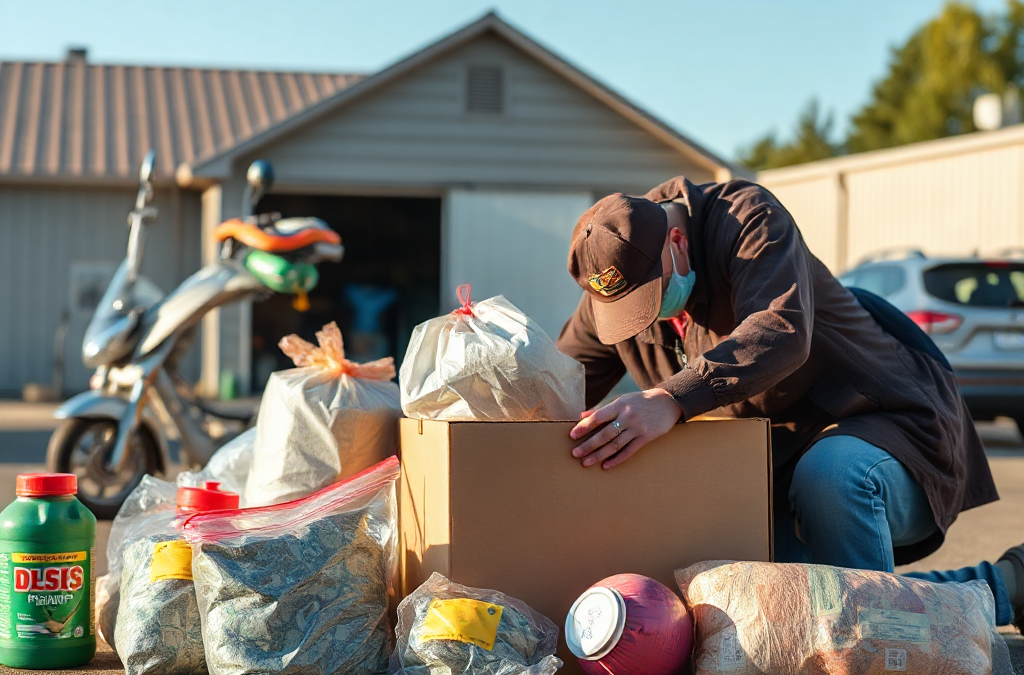
Hazardous waste, including batteries, chemicals, and medical waste, poses significant risks if not handled properly. Establish strict protocols for the collection and disposal of hazardous materials, including designated drop-off sites and partnerships with specialized waste disposal services. Train community members to recognize hazardous materials and report them for safe handling.
Common Mistakes to Avoid
When managing waste during emergencies, several pitfalls can undermine efforts:
Neglecting Community Involvement: Failing to engage the community can lead to poor compliance with waste management practices. Involve local leaders and residents in planning and education efforts.
Inadequate Planning: Not preparing for waste accumulation can result in overwhelmed systems and public health risks. Anticipate waste generation based on emergency scenarios.
Ignoring Hazardous Waste Protocols: Mishandling hazardous waste can have dire consequences. Ensure that all community members are educated on proper disposal methods.
By avoiding these common mistakes, communities can enhance their waste management strategies and minimize negative impacts during emergencies.
Frequently Asked Questions
What are the key components of waste management during emergencies?
Key components include waste assessment, collection and sorting systems, community involvement, and disposal protocols for different waste types.
How can communities prepare for waste management in emergencies?
Communities can prepare by conducting waste assessments, establishing collection points, and training volunteers on waste management practices.
What types of waste require special handling during emergencies?
Hazardous waste, such as chemicals and medical waste, requires special handling to prevent health risks and environmental contamination.
How can organic waste be managed effectively during emergencies?
Organic waste can be managed through composting, using biodegradable bags, and setting up designated composting areas for community use.
What common mistakes should be avoided in waste management?
Common mistakes include neglecting community involvement, inadequate planning, and mishandling hazardous waste.
Further Reading
Authoritative Sources
Sustainable Management of Food Basics epa.gov
This resource provides guidelines on managing food waste sustainably, which is crucial during emergencies
Waste Management who.int
World Health Organization's insights on effective waste management practices to safeguard health
FEMA Best Practices fema.gov
FEMA outlines best practices for waste management during emergency situations and natural disasters
Conclusion
Effective waste management during extended emergencies is vital for protecting public health and the environment. Communities must prioritize planning, education, and proper disposal methods to minimize risks associated with waste accumulation. By engaging residents and establishing clear protocols, communities can ensure a more sustainable approach to waste management even in challenging times. Moving forward, communities should regularly review and update their waste management strategies to adapt to changing circumstances and improve resilience.
Emergency supplies are critical items that help individuals and families prepare for unexpected situations such as natural disasters, power outages, or other crises. These supplies can include food, water, medical kits, flashlights, batteries, and essential documents. Understanding what constitutes emergency supplies is the first step in creating a budget that ensures you have what you need when it matters most.
Recognizing the potential risks in your area, such as hurricanes, floods, or earthquakes, will guide your selection of supplies. For instance, if you live in a flood-prone area, you may prioritize waterproof storage for documents or additional food supplies. Conversely, those in areas prone to wildfires might focus on fire-resistant materials and evacuation plans. This tailored approach helps you allocate your budget effectively.
Assessing Your Needs
To create an effective budget for emergency supplies, start by assessing your specific needs based on family size, dietary restrictions, and health conditions. Each family member may require different items; for example, infants need formula and diapers, while elderly family members might need specific medications or mobility aids.
Begin by listing out the essential supplies for each category. For food, consider non-perishable items such as canned goods, dried fruits, and grains. For water, the general recommendation is one gallon per person per day for at least three days. Don’t forget about personal hygiene products and first-aid supplies, which are crucial during emergencies. Once you have a comprehensive list, categorize these items into must-haves and nice-to-haves, which will help in budgeting.
Estimating Costs for Supplies
Once you have your list of necessary emergency supplies, the next step is to estimate the costs. Research prices at local stores and online retailers to get a realistic idea of what you’ll need to spend. This research can help you identify potential bulk purchase discounts, which can lead to significant savings.
Consider using a spreadsheet to track prices and create a comparison chart. Include columns for item name, estimated price, and store location. This approach not only keeps your budgeting organized but also allows you to easily adjust your budget as prices fluctuate. Additionally, keep an eye on sales or seasonal discounts, especially for items like batteries or first-aid kits, which may be marked down during specific times of the year.
Creating Your Budget
With your needs assessed and costs estimated, it’s time to create your budget. Start by setting a total budget amount based on your financial situation and the costs you’ve calculated. Break down your budget into sections for each category of supplies, ensuring that essential items receive appropriate funding first.
For instance, allocate a specific percentage of your budget to food, water, medical supplies, and tools. Make sure to leave a small buffer for unexpected expenses or price increases. Regularly review your budget every few months to ensure it aligns with your needs and any changes in your household or local environment.
Remember, budgeting for emergency supplies is an ongoing process. As you use or replace items, keep your budget updated to ensure you are always prepared.
Common Mistakes to Avoid
When creating a budget for emergency supplies, several common mistakes can lead to inadequate preparation. One frequent error is underestimating the costs of essential items. Many people assume that emergency supplies are inexpensive, but prices can add up quickly, especially for quality items.
Another mistake is failing to tailor the supplies to specific needs. A one-size-fits-all approach can leave gaps in your emergency preparedness. Additionally, neglecting to update your supplies regularly can result in expired food or outdated medical kits, which can be detrimental during an emergency.
In summary, avoid purchasing supplies based solely on marketing claims. Instead, focus on functionality and proven reliability. Research brands and products before including them in your budget to ensure you invest in supplies that will perform when needed.
Frequently Asked Questions
What are the essential items for an emergency supply kit?
Essential items include non-perishable food, water, a first-aid kit, flashlight, batteries, and personal hygiene products.
How much should I budget for emergency supplies?
Your budget will depend on family size and specific needs, but a good starting point is around 0 to 0 for a basic kit.
How often should I update my emergency supplies?
Review and update your emergency supplies at least once a year, or whenever there are changes in your household or during major emergencies.
Can I use coupons or discounts for emergency supplies?
Yes, many retailers offer discounts or coupons, especially during sales events, which can help lower your overall costs.
What is the best way to store emergency supplies?
Store supplies in a cool, dry place in waterproof containers to protect them from damage and extend their shelf life.
Further Reading
Authoritative Sources
Ready.gov Preparedness Guidance ready.gov
Federal preparedness guidance for household planning, alerts, supplies, and emergencies
American Red Cross Emergency Preparedness redcross.org
Emergency preparedness resources for families, disasters, and practical safety planning
FEMA Preparedness Resources fema.gov
National preparedness resources for planning, mitigation, and response readiness
Conclusion
Creating a budget for emergency supplies is a crucial step in ensuring your family’s safety during unexpected situations. By assessing your specific needs, estimating costs accurately, and avoiding common mistakes, you can effectively prepare for emergencies. Regularly reviewing and adjusting your budget will help you stay prepared and ready to respond to any crisis that may arise.
Understanding the Importance of Emergency Preparedness
Emergency preparedness is crucial for ensuring safety during unexpected situations such as natural disasters, fires, or other emergencies. Children, just like adults, can benefit from understanding what to do when faced with such situations. Teaching them about preparedness not only equips them with knowledge but also helps reduce anxiety associated with emergencies. By fostering a sense of empowerment, children are more likely to remain calm and take appropriate action during crises.
One effective approach is to explain the potential risks in a way that is accessible to their age. For instance, discussing natural disasters like earthquakes or floods can help them grasp the concept of unpredictability and the importance of being prepared. Moreover, sharing stories of real-life situations can enhance their understanding and make the lessons more relatable.
Creating a Family Emergency Plan
A family emergency plan is a foundational step in teaching children about preparedness. Involving children in the planning process not only makes it educational but also empowering. Start by discussing various emergencies that could occur and what steps to take in each scenario. Together, establish a family meeting place where everyone can gather after an emergency. This promotes the idea of accountability and teamwork.
Next, teach children how to contact family members during emergencies. Discuss the importance of having emergency contact numbers saved in their phones or written down in a safe place. Role-playing different scenarios can also be beneficial; for example, practice what to do if they are at school during an emergency and need to get home safely.
To wrap up, emphasize the importance of regularly reviewing and updating the family emergency plan. As children grow and circumstances change, so too should the plan.
Engaging Activities to Teach Preparedness
Learning through play is one of the most effective methods for teaching children about emergency preparedness. Engaging activities can help solidify their understanding and make the learning process enjoyable. Here are some practical ideas:
Emergency Kit Creation: Encourage children to help assemble a personal emergency kit. Include items such as water, snacks, a flashlight, a first-aid kit, and a whistle. This activity not only teaches them what to include but also why each item is important.
Role-Playing Scenarios: Create role-playing scenarios that mimic real emergencies. For instance, simulate a fire drill at home where children practice evacuation routes and safety protocols. This hands-on approach allows them to practice decision-making in a controlled environment.
Fun Quizzes and Games: Develop quizzes or games that test their knowledge of safety procedures. This can include matching emergency numbers to their purposes or identifying items in an emergency kit.
These activities not only make learning fun but also reinforce the skills that children need to respond effectively during emergencies.
Common Mistakes to Avoid
While teaching children about emergency preparedness is essential, there are common pitfalls to watch out for. One major mistake is underestimating their ability to understand complex information. Children are often more perceptive than adults give them credit for, so it’s crucial to communicate in age-appropriate terms without oversimplifying. This ensures they grasp the gravity of the situation while still feeling empowered.
Another mistake is neglecting to involve children in the planning process. When they feel included, they are more likely to remember the information and take it seriously. Additionally, failing to practice regularly can lead to forgetfulness. It’s important to schedule regular drills and discussions to reinforce what they’ve learned.
Frequently Asked Questions
What age is appropriate to start teaching children about emergency preparedness?
Children as young as preschool age can begin learning basic concepts of emergency preparedness. Tailor the information to their developmental stage.
How often should we review our family emergency plan?
It is advisable to review the family emergency plan at least twice a year or after any significant life changes.
What should be included in an emergency kit for kids?
An emergency kit for kids should include water, snacks, a flashlight, a whistle, a first-aid kit, and comfort items like a favorite toy or blanket.
How can I make learning about emergencies fun for my child?
You can make learning fun by incorporating games, role-playing scenarios, and quizzes that engage their imagination and encourage participation.
What are some signs my child understands emergency preparedness?
Signs include their ability to explain the family emergency plan, identify emergency contacts, and demonstrate safety procedures during practice drills.
Further Reading
Authoritative Sources
Authoritative Sources
Ready.gov Kids ready.gov
A resource designed specifically for kids to learn about emergency preparedness through fun activities and games
American Red Cross Kids redcross.org
Offers various educational materials and activities to teach children about safety and preparedness
FEMA for Kids fema.gov
Provides resources and games for children to learn about disasters and how to prepare for them
Conclusion
Teaching children about emergency preparedness is a vital life skill that can help them respond effectively in crises. By creating a family emergency plan, engaging them in fun activities, and avoiding common pitfalls, you empower them to take charge of their safety. Regularly revisiting these lessons ensures that they remain prepared and confident when faced with real emergencies. Start today, and help your child understand the importance of being ready.
Understanding the Importance of a Backup Communication Plan
A backup plan for communication is crucial for ensuring that information flows smoothly during emergencies or unexpected events. Natural disasters, power outages, or technological failures can disrupt primary communication methods, leading to confusion and delays. By having a solid backup plan in place, individuals and organizations can maintain connectivity and ensure that critical messages are conveyed effectively.
The primary benefit of a backup communication plan is its ability to mitigate risks associated with communication failures. For instance, during a major storm, traditional phone lines may go down, but text messaging or social media could still function, allowing people to stay informed and connected. This redundancy is vital for both personal and professional contexts, where timely information can make a significant difference.
Identifying Communication Channels
To create an effective backup plan for communication, start by identifying a range of communication channels that can be utilized in various situations. Consider the following options:
Mobile Phones: Text messaging and calls can serve as immediate alternatives, especially when internet access is limited.
Two-Way Radios: These are reliable for short-range communication and can be particularly useful in remote areas.
Social Media: Platforms like Twitter and Facebook can disseminate information quickly to a broad audience, provided users have internet access.
Email: While not as immediate, email can serve as a formal channel for important updates when other methods fail.
Community Bulletin Boards: In-person communication methods like bulletin boards in local community centers can help share information during emergencies.
Each of these channels has its strengths and weaknesses, so it’s important to evaluate them based on your specific needs and circumstances. For example, while social media can reach a large audience quickly, it relies on internet connectivity, which may not be available during certain emergencies.
Establishing Clear Protocols
Once you have identified potential communication channels, the next step is to establish clear protocols for how and when to use each method. This step is essential to avoid confusion during critical moments. Consider the following elements:
Roles and Responsibilities: Clearly define who is responsible for communicating specific messages to ensure accountability.
Message Templates: Create templates for common messages that can be quickly modified and sent out, saving valuable time in emergencies.
Frequency of Updates: Establish how often updates will be provided, especially in rapidly evolving situations.
Escalation Procedures: Outline steps to take if primary channels fail, detailing when to switch to backup methods.
For example, in a corporate setting, a company might designate a specific individual to manage communication during a crisis, using email for formal notices while leveraging social media for real-time updates. This ensures that messages are consistent and reach the intended audience without delay.
Testing and Updating Your Plan
Regular testing and updating of your backup communication plan are vital to ensure its effectiveness. Conduct drills that simulate various emergency scenarios, allowing individuals to practice using different communication channels. Assess the following during these drills:
Response Times: Evaluate how quickly messages can be sent and received across various channels.
Clarity of Messages: Ensure that the information being communicated is clear and actionable.
Accessibility: Confirm that all team members can access the necessary tools and channels to communicate effectively.
Additionally, review and update your communication plan regularly to account for changes in technology, personnel, or organizational needs. This proactive approach helps to maintain preparedness and ensures that everyone involved is familiar with the plan.
Frequently Asked Questions
What is a backup communication plan?
A backup communication plan outlines alternative methods and protocols for communication during emergencies or disruptions.
Why is it essential to have a backup communication plan?
It ensures that communication remains effective during emergencies, minimizing confusion and delays in information transfer.
How often should I test my backup communication plan?
Regular testing should occur at least annually, but more frequent drills are recommended, especially in high-risk environments.
What channels should be included in a backup communication plan?
Include a range of channels such as mobile phones, two-way radios, social media, and email to ensure redundancy.
How can I keep my communication plan updated?
Regularly review and revise the plan to reflect changes in technology, personnel, or organizational structure, and conduct drills to ensure familiarity.
Further Reading
For those interested in enhancing their understanding of communication strategies during emergencies, consider exploring resources from recognized organizations that offer guidelines and best practices.
Authoritative Sources
Ready.gov ready.gov
This official site provides comprehensive information on emergency preparedness and communication strategies
American Red Cross redcross.org
The Red Cross offers resources on disaster preparedness, including communication plans
FEMA fema.gov
FEMA provides guidance on creating emergency plans and communication strategies for individuals and organizations
Conclusion
Establishing a backup plan for communication is a proactive step that can significantly enhance preparedness during emergencies. By identifying reliable communication channels, establishing clear protocols, and regularly testing the plan, individuals and organizations can ensure effective information flow when it matters most. Prioritize this planning process to minimize risks and maintain connectivity in challenging situations.
Chronic conditions, such as diabetes, heart disease, and asthma, require ongoing management and can complicate emergency situations. Understanding how these conditions may be affected during crises is crucial. For instance, stress and environmental changes can exacerbate symptoms, leading to increased risks. It is essential to recognize that emergencies can disrupt access to medications and healthcare resources. Therefore, individuals with chronic health issues must be proactive in their preparedness efforts.
Many people underestimate the impact that an emergency can have on their chronic conditions. For example, individuals with diabetes may experience fluctuations in blood sugar levels due to stress and changes in routine. Similarly, those with respiratory conditions may find that air quality issues during a disaster aggravate their symptoms. Having a clear understanding of these potential impacts allows individuals to formulate effective strategies to mitigate risks.
Essential Supplies for Managing Chronic Conditions
One of the most critical steps in managing chronic conditions during emergencies is to assemble a comprehensive supply kit. This kit should include all necessary medications, medical devices, and relevant health information. Start by gathering a sufficient supply of medications to last at least a week longer than you anticipate being affected by the emergency. Additionally, include any over-the-counter medications that may help manage symptoms related to your condition.
Medical devices, such as inhalers, glucose monitors, and blood pressure cuffs, should also be part of your emergency kit. Ensure that batteries for these devices are available and functioning. It’s wise to include a list of allergies, current medications, and emergency contact information in your kit. This information can be invaluable during an emergency when communication may be challenging.
Creating an Emergency Plan
Developing a comprehensive emergency plan is essential for anyone managing chronic conditions. This plan should outline specific actions to take during various emergency scenarios, such as natural disasters or medical crises. Start by identifying safe locations, such as shelters or family members’ homes, where you can go if you need to evacuate.
Include details about how you will transport your supplies and any necessary medical equipment. Consider contacting local emergency services to understand their protocols for individuals with chronic conditions. This awareness can help ensure you receive appropriate care during emergencies.
A common mistake is failing to practice the emergency plan. Regularly review and rehearse your plan with family members or caregivers to ensure everyone knows their roles. This practice can significantly reduce stress and confusion when an actual emergency occurs.
Maintaining Communication with Healthcare Providers
Effective communication with healthcare providers is vital during emergencies. Establish a reliable method for reaching your healthcare team, whether through phone calls, text messages, or online portals. Inform your providers about your emergency plan and the specific challenges you may face during a crisis.
Another important aspect of communication is understanding your rights and available resources. Familiarize yourself with local health services that may offer assistance during emergencies. This knowledge can help you navigate care options when traditional resources may be unavailable.
Staying connected with your healthcare providers can also help you adjust your management strategies based on the evolving situation. For example, if access to certain medications is limited, your provider may suggest alternatives or adjust dosages to ensure continued care.
Frequently Asked Questions
What should I include in my emergency kit for chronic conditions?
Your emergency kit should include medications, medical devices, a list of allergies, and emergency contact information.
How can I prepare for a potential evacuation?
Identify safe locations, transport supplies, and rehearse your emergency plan with family members.
What are common mistakes people make when managing chronic conditions in emergencies?
Failing to practice the emergency plan and not having enough supplies can lead to serious complications.
How can I maintain communication with my healthcare provider during an emergency?
Establish reliable methods for communication, such as phone calls or online portals, and inform your provider of your emergency plan.
Further Reading
Authoritative Sources
CDC Emergency Preparedness cdc.gov
This resource provides guidelines and recommendations for preparing for emergencies, especially for individuals with chronic conditions
American Red Cross: Emergency Preparedness redcross.org
Offers detailed information on how to create an emergency kit and plan specific to personal health needs
NHLBI: Managing Chronic Conditions nhlbi.nih.gov
Provides insights into managing chronic health issues, particularly in emergency situations
Conclusion
Being prepared for emergencies is crucial for individuals managing chronic conditions. By understanding the unique challenges these situations present, assembling essential supplies, creating a detailed emergency plan, and maintaining communication with healthcare providers, individuals can significantly reduce risks. Prioritizing these steps ensures that health remains stable during crises, allowing for better management of chronic conditions.
Find the gaps most families don’t notice until something goes wrong.
Free. Practical. No fear-mongering.
By requesting this resource, you agree to receive practical PREPARE Magazine guides, tools, and email updates. You can unsubscribe anytime. Privacy Policy