
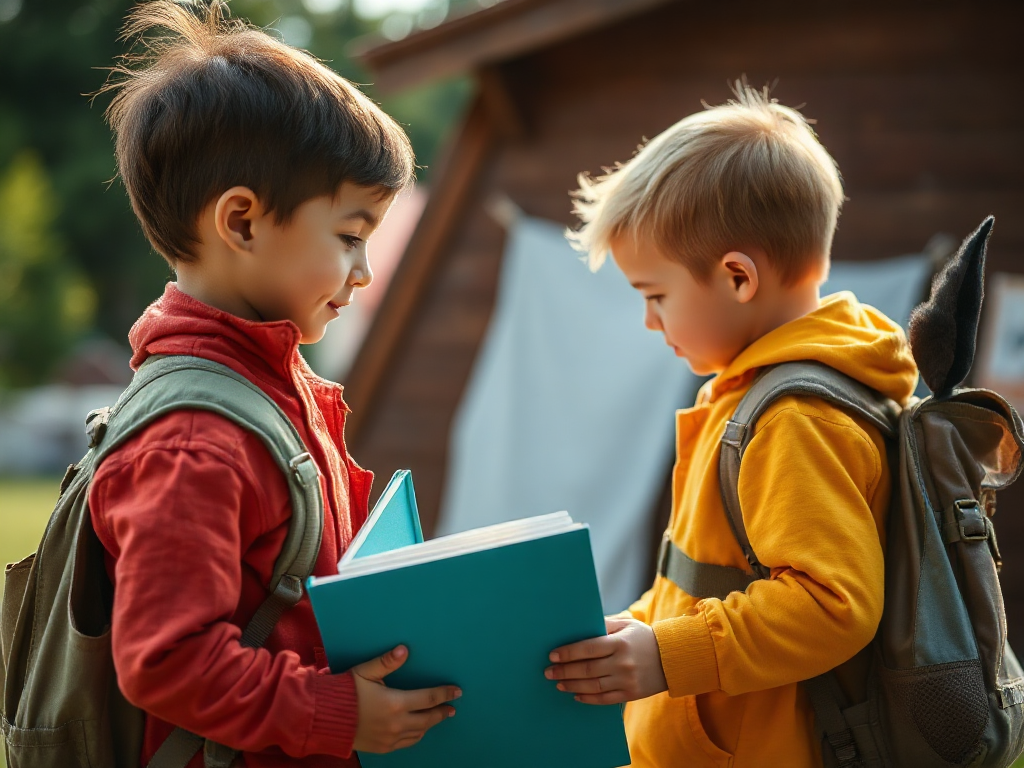
Teaching children about emergency preparedness involves engaging them in practical activities that help them understand safety protocols and emergency plans. Start by creating a family emergency plan together, explaining the importance of having a designated meeting spot, and discussing how to communicate during emergencies. Use games and role-playing to simulate emergency scenarios, which can make learning fun and memorable. Encourage them to assemble a personal emergency kit, fostering a sense of responsibility and readiness.
Understanding the Importance of Emergency Preparedness
Emergency preparedness is crucial for ensuring safety during unexpected situations such as natural disasters, fires, or other emergencies. Children, just like adults, can benefit from understanding what to do when faced with such situations. Teaching them about preparedness not only equips them with knowledge but also helps reduce anxiety associated with emergencies. By fostering a sense of empowerment, children are more likely to remain calm and take appropriate action during crises.
One effective approach is to explain the potential risks in a way that is accessible to their age. For instance, discussing natural disasters like earthquakes or floods can help them grasp the concept of unpredictability and the importance of being prepared. Moreover, sharing stories of real-life situations can enhance their understanding and make the lessons more relatable.
Creating a Family Emergency Plan
A family emergency plan is a foundational step in teaching children about preparedness. Involving children in the planning process not only makes it educational but also empowering. Start by discussing various emergencies that could occur and what steps to take in each scenario. Together, establish a family meeting place where everyone can gather after an emergency. This promotes the idea of accountability and teamwork.
Next, teach children how to contact family members during emergencies. Discuss the importance of having emergency contact numbers saved in their phones or written down in a safe place. Role-playing different scenarios can also be beneficial; for example, practice what to do if they are at school during an emergency and need to get home safely.
To wrap up, emphasize the importance of regularly reviewing and updating the family emergency plan. As children grow and circumstances change, so too should the plan.
Engaging Activities to Teach Preparedness
Learning through play is one of the most effective methods for teaching children about emergency preparedness. Engaging activities can help solidify their understanding and make the learning process enjoyable. Here are some practical ideas:
- Emergency Kit Creation: Encourage children to help assemble a personal emergency kit. Include items such as water, snacks, a flashlight, a first-aid kit, and a whistle. This activity not only teaches them what to include but also why each item is important.
- Role-Playing Scenarios: Create role-playing scenarios that mimic real emergencies. For instance, simulate a fire drill at home where children practice evacuation routes and safety protocols. This hands-on approach allows them to practice decision-making in a controlled environment.
- Fun Quizzes and Games: Develop quizzes or games that test their knowledge of safety procedures. This can include matching emergency numbers to their purposes or identifying items in an emergency kit.
These activities not only make learning fun but also reinforce the skills that children need to respond effectively during emergencies.
Common Mistakes to Avoid
While teaching children about emergency preparedness is essential, there are common pitfalls to watch out for. One major mistake is underestimating their ability to understand complex information. Children are often more perceptive than adults give them credit for, so it’s crucial to communicate in age-appropriate terms without oversimplifying. This ensures they grasp the gravity of the situation while still feeling empowered.
Another mistake is neglecting to involve children in the planning process. When they feel included, they are more likely to remember the information and take it seriously. Additionally, failing to practice regularly can lead to forgetfulness. It’s important to schedule regular drills and discussions to reinforce what they’ve learned.
Frequently Asked Questions
What age is appropriate to start teaching children about emergency preparedness?
Children as young as preschool age can begin learning basic concepts of emergency preparedness. Tailor the information to their developmental stage.
How often should we review our family emergency plan?
It is advisable to review the family emergency plan at least twice a year or after any significant life changes.
What should be included in an emergency kit for kids?
An emergency kit for kids should include water, snacks, a flashlight, a whistle, a first-aid kit, and comfort items like a favorite toy or blanket.
How can I make learning about emergencies fun for my child?
You can make learning fun by incorporating games, role-playing scenarios, and quizzes that engage their imagination and encourage participation.
What are some signs my child understands emergency preparedness?
Signs include their ability to explain the family emergency plan, identify emergency contacts, and demonstrate safety procedures during practice drills.
Conclusion
Teaching children about emergency preparedness is a vital life skill that can help them respond effectively in crises. By creating a family emergency plan, engaging them in fun activities, and avoiding common pitfalls, you empower them to take charge of their safety. Regularly revisiting these lessons ensures that they remain prepared and confident when faced with real emergencies. Start today, and help your child understand the importance of being ready.
Additional Resources
Authoritative Sources
- American Red Cross Emergency Preparedness
redcross.orgPractical emergency preparation, safety, and supply guidance for households.