
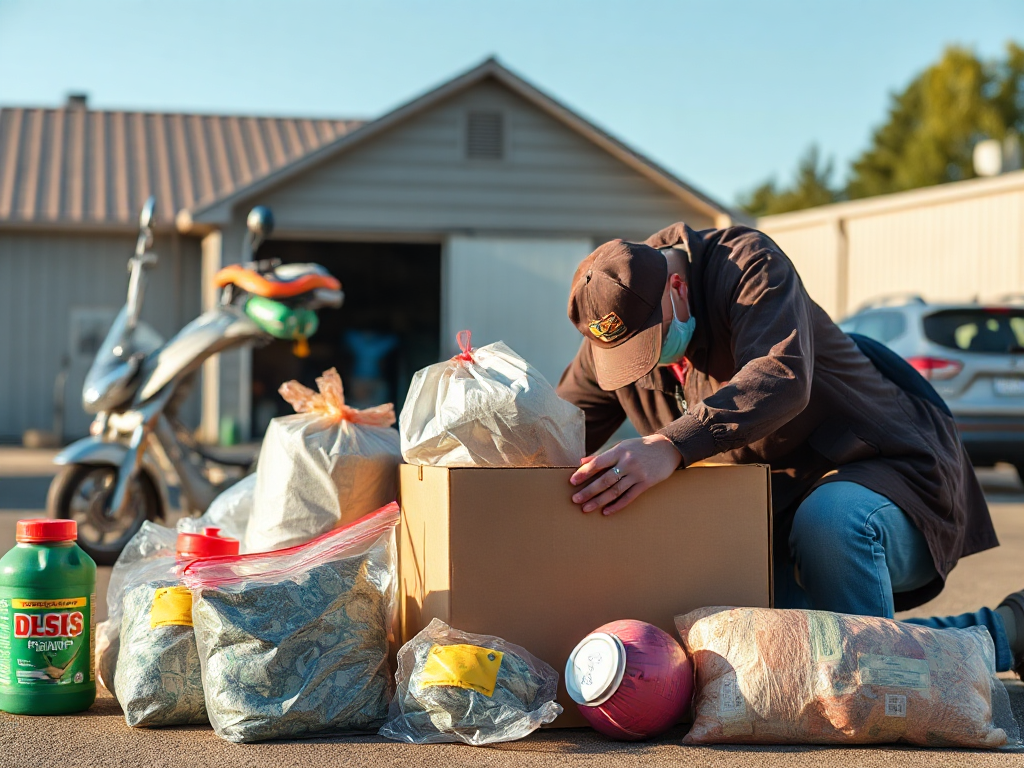
To create a budget for emergency supplies, start by identifying essential items tailored to your specific needs, such as food, water, medical kits, and tools. Estimate costs for each item by researching prices and considering bulk purchases for savings. Prioritize your purchases based on urgency and availability, ensuring that your budget reflects the unique risks in your area. Regularly review and adjust your budget to accommodate changing needs, ensuring you remain prepared for unexpected situations.
Understanding Emergency Supplies
Emergency supplies are critical items that help individuals and families prepare for unexpected situations such as natural disasters, power outages, or other crises. These supplies can include food, water, medical kits, flashlights, batteries, and essential documents. Understanding what constitutes emergency supplies is the first step in creating a budget that ensures you have what you need when it matters most.
Recognizing the potential risks in your area, such as hurricanes, floods, or earthquakes, will guide your selection of supplies. For instance, if you live in a flood-prone area, you may prioritize waterproof storage for documents or additional food supplies. Conversely, those in areas prone to wildfires might focus on fire-resistant materials and evacuation plans. This tailored approach helps you allocate your budget effectively.
Assessing Your Needs
To create an effective budget for emergency supplies, start by assessing your specific needs based on family size, dietary restrictions, and health conditions. Each family member may require different items; for example, infants need formula and diapers, while elderly family members might need specific medications or mobility aids.
Begin by listing out the essential supplies for each category. For food, consider non-perishable items such as canned goods, dried fruits, and grains. For water, the general recommendation is one gallon per person per day for at least three days. Don’t forget about personal hygiene products and first-aid supplies, which are crucial during emergencies. Once you have a comprehensive list, categorize these items into must-haves and nice-to-haves, which will help in budgeting.
Estimating Costs for Supplies
Once you have your list of necessary emergency supplies, the next step is to estimate the costs. Research prices at local stores and online retailers to get a realistic idea of what you’ll need to spend. This research can help you identify potential bulk purchase discounts, which can lead to significant savings.
Consider using a spreadsheet to track prices and create a comparison chart. Include columns for item name, estimated price, and store location. This approach not only keeps your budgeting organized but also allows you to easily adjust your budget as prices fluctuate. Additionally, keep an eye on sales or seasonal discounts, especially for items like batteries or first-aid kits, which may be marked down during specific times of the year.
Creating Your Budget
With your needs assessed and costs estimated, it’s time to create your budget. Start by setting a total budget amount based on your financial situation and the costs you’ve calculated. Break down your budget into sections for each category of supplies, ensuring that essential items receive appropriate funding first.
For instance, allocate a specific percentage of your budget to food, water, medical supplies, and tools. Make sure to leave a small buffer for unexpected expenses or price increases. Regularly review your budget every few months to ensure it aligns with your needs and any changes in your household or local environment.
Remember, budgeting for emergency supplies is an ongoing process. As you use or replace items, keep your budget updated to ensure you are always prepared.
Common Mistakes to Avoid
When creating a budget for emergency supplies, several common mistakes can lead to inadequate preparation. One frequent error is underestimating the costs of essential items. Many people assume that emergency supplies are inexpensive, but prices can add up quickly, especially for quality items.
Another mistake is failing to tailor the supplies to specific needs. A one-size-fits-all approach can leave gaps in your emergency preparedness. Additionally, neglecting to update your supplies regularly can result in expired food or outdated medical kits, which can be detrimental during an emergency.
Ultimately, avoid purchasing supplies based solely on marketing claims. Instead, focus on functionality and proven reliability. Research brands and products before including them in your budget to ensure you invest in supplies that will perform when needed.
Frequently Asked Questions
What are the essential items for an emergency supply kit?
Essential items include non-perishable food, water, a first-aid kit, flashlight, batteries, and personal hygiene products.
How much should I budget for emergency supplies?
Your budget will depend on family size and specific needs, but a good starting point is around 0 to 0 for a basic kit.
How often should I update my emergency supplies?
Review and update your emergency supplies at least once a year, or whenever there are changes in your household or during major emergencies.
Can I use coupons or discounts for emergency supplies?
Yes, many retailers offer discounts or coupons, especially during sales events, which can help lower your overall costs.
What is the best way to store emergency supplies?
Store supplies in a cool, dry place in waterproof containers to protect them from damage and extend their shelf life.
Conclusion
Creating a budget for emergency supplies is a crucial step in ensuring your family’s safety during unexpected situations. By assessing your specific needs, estimating costs accurately, and avoiding common mistakes, you can effectively prepare for emergencies. Regularly reviewing and adjusting your budget will help you stay prepared and ready to respond to any crisis that may arise.